


















These 5 Photo-Sharing Platforms Actually Grow Your Audience
Jul 16, 2025
Anzalna Siddiqui
A psychology major in her third year of Bachelor’s, Anzalna Siddiqui has endless curiosity for the human mind and a deep love for storytelling – both through words and visuals. Though she hasn’t taken up photography as a profession, her Instagram is where her passion finds its home. In addition to this, she’s a travel enthusiast who never travels without her camera because every place has a story waiting to be captured.
Share:
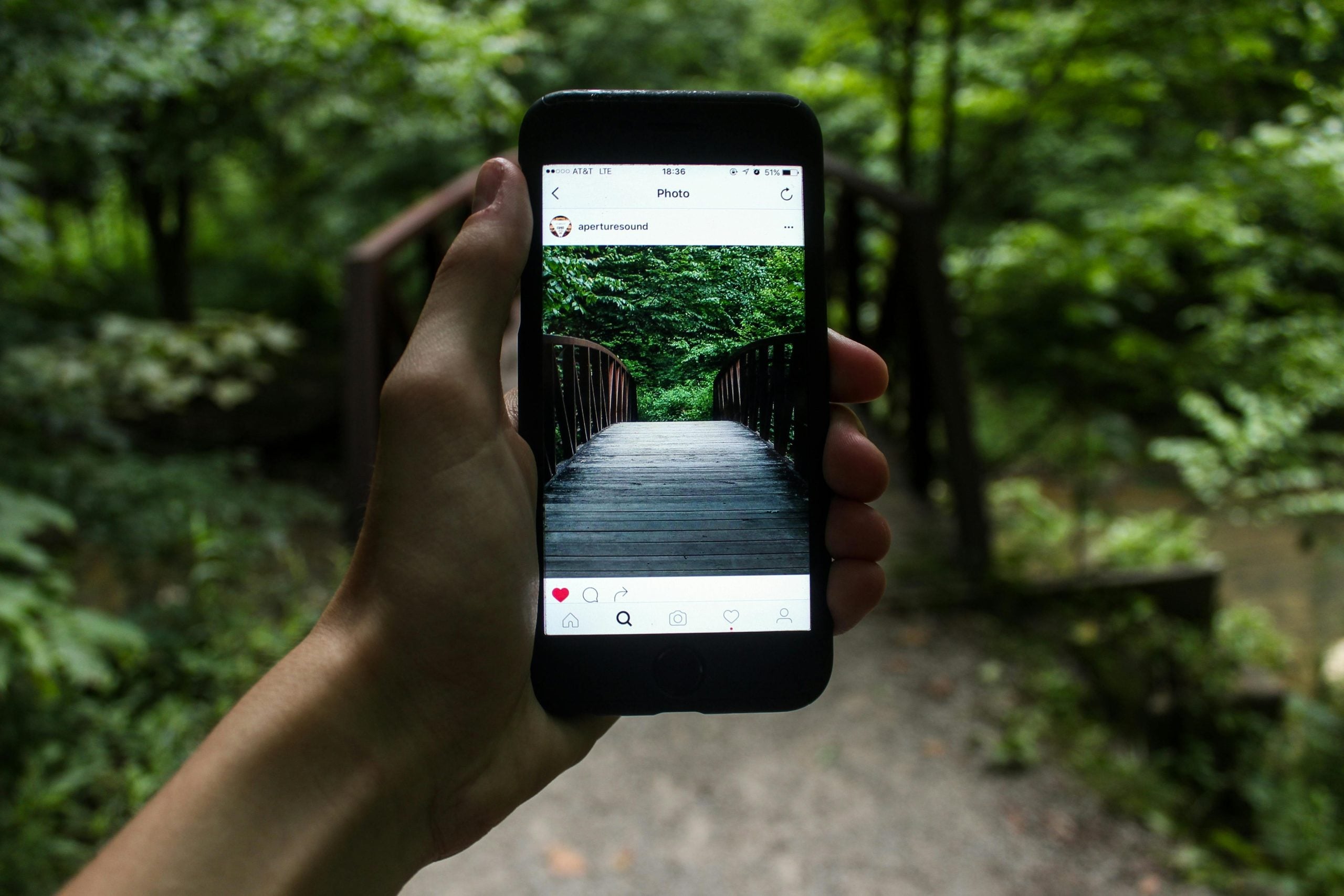
Let’s discuss something that might be on your mind. Where can you share your fantastic photos so that people can see them? You put a lot of effort into taking that ideal picture and spending time editing it, but then… nothing happens. It’s a struggle many face. You’re not alone in feeling your incredible work isn’t getting the love it deserves on social media.
Tom Marsh of the Yorkshire Photo Walks addressed this topic in his video. He explores the top five photo-sharing platforms that can help you get more attention and recognition for your work. Before sharing his recommendations, Tom says you need to understand what you want from sharing your photos. Are you seeking a lively community? Do you want appreciation for your artistic skills? Or are you looking to make money by selling your photos? Each platform serves different purposes, so knowing your goal is the first step.
Instagram: The Shifting Sands of Visual Storytelling
Tom ranks Instagram as number five on his list of photo-sharing platforms. I remember when Instagram first appeared. It was all about fun filters and blurry photos from our phones. It seemed like a lively place to share quick pictures. Over the years, it evolved into an excellent platform for photographers. You could showcase your work without those old filters, try out various aspect ratios, and connect with other artists. It became a bustling community, and many of us, including me, spent hours scrolling through beautiful images.
However, according to Tom, Instagram is changing quite a bit as of 2025. He believes it’s focusing more on quick snapshot-style photos and especially video content, like Reels. I’ve noticed this trend in my feed too. It seems like every other post is a reel. Tom points out that this shift has caused many photographers to leave and look for better options. Even though Instagram still has a large audience, he thinks it might not be the best place to show off those carefully taken DSLR or mirrorless camera photos. It seems like fitting a big painting into a small frame.
Facebook: Your Community Hub
According to Tom, Facebook comes in at number four. While Facebook wasn’t created specifically for photographers, its massive number of users offers an excellent opportunity to share your photos with a broad audience. One key benefit that Tom mentions is Facebook Groups. These groups focus on specific photography topics, styles, or local areas, allowing you to connect with people who truly appreciate your work. It’s a great way to find like-minded individuals, join conversations, and receive feedback. Like Instagram, Facebook makes commenting and sending direct messages easy, helping build a sense of community.
However, Tom highlights several important drawbacks of using Facebook as a photo-sharing platform. One big issue he points out is the image quality. According to him, Facebook tends to shrink and compress your stunning, high-resolution pictures. It’s disappointing to watch your sharp images lose their clarity. Another concern Tom raised is copyright. He mentions that while you still hold the copyright to your photos, you’re permitting Facebook to use them differently without paying you. He even describes this situation as potentially “a bit dodgy.” I can understand why he feels this way. It’s something to think about before you click that upload button.
Camera Clubs & Photographic Societies: The Real-World Connection
Stepping away from the online world, Tom highlights camera clubs and photography societies as his third point. This is where things become more tangible, as he describes it. These clubs provide an excellent chance for local photographers to gather, discuss photography, listen to motivating speakers, enjoy outings, participate in competitions, and even receive feedback on their work. What I appreciate about this idea is the personal interaction. Unlike scrolling through social media, camera clubs let you connect with the real person behind the photo. You can see their facial expressions, hear their stories, and form genuine friendships. It’s a nice change from the often cold digital environment.
Tom talks about some of the downsides of camera clubs. He points out that not everyone enjoys the competition or having their work critiqued, which can be stressful. He also mentions that many camera clubs attract older members and stick to traditional photography styles. If you’re interested in pushing creative limits or exploring more conceptual photography, this might not be the best fit for you. However, Tom has a tip. He suggests looking for different local clubs. Some are more modern, less competitive, and appeal to younger photographers, promoting various styles.
Flickr: The Photographer’s Sanctuary
In second place, Tom Marsh talks about Flickr. While it may seem outdated to some, he believes it has stayed true to its photography origins. According to him, Flickr is a space where photographers can showcase their work, get honest feedback, and have discussions centered around photography. Unlike Facebook and Instagram, which cover many different topics, Flickr is all about photography. It is a special gallery just for your pictures.
Tom highlights a key benefit of Flickr. You can upload your photos in their original quality while also protecting your copyright. This makes it an excellent choice for sharing your work and using it as a cloud storage option. Although he acknowledges that Flickr has fewer users than giants like Facebook or Instagram, he believes the community comprises serious photographers who offer thoughtful and helpful feedback, which I find very valuable. The main downside he mentions is that to get the most out of Flickr, a pro plan is necessary, costing around £65 a year. However, he quickly adds that the price is quite fair given the storage it offers and the supportive community. It’s an investment in your photography.
[Related Reading: Discover a Flickr Community: Is Flickr Going Strong Again?]
Your Portfolio Website: The Ultimate Control
Here’s Tom Marsh’s number one recommendation for sharing your photos: create your own portfolio website. Tom understands that many people worry about coding and design. However, he points out that many easy-to-use platforms let you build a professional-looking site without spending much money. He also mentions that if you use Lightroom, you can easily upload your pictures and pick from different templates. It almost seems unbelievable.
Tom points out that a personal portfolio website is more than just a photo-sharing platform. It can also lead to online exhibitions and even sales, greatly enhancing your reputation as a photographer. It’s your own space on the internet where you control how your photos are shown. While making a website takes more effort than posting on social media, it is crucial for reaching the right audience and displaying your images effectively. Tom also highlights the importance of regularly updating your site, similar to how you would stay visible with social media. It requires dedication, but I believe it’s well worth it.
Tom wraps up his video by reminding us that his top five list of photo-sharing platforms is based on personal opinion. What suits one photographer may not be ideal for another, and that’s completely fine. He suggests that you think about your own goals when picking platforms. So, try using different platforms together to expand your audience and discover fresh ideas.
[Top 5 Places to Share your Photos in 2025 I Tom Marsh; Image credits: Pexels]
See more from DIYPhotography.net on Google
Add DIYPhotography.net as a trusted source. This makes
our stories more likely to appear in your Google Search results.
 Add as a preferred source on Google

Anzalna Siddiqui
A psychology major in her third year of Bachelor’s, Anzalna Siddiqui has endless curiosity for the human mind and a deep love for storytelling – both through words and visuals. Though she hasn’t taken up photography as a profession, her Instagram is where her passion finds its home. In addition to this, she’s a travel enthusiast who never travels without her camera because every place has a story waiting to be captured.
Related Posts
 How sharing your photos on Unsplash may (not) help you grow your photography career
 This anti-Instagram photo sharing app wants you to post a photo of whatever you’re doing
 Jack White bans phones from concerts by making the audience keep them locked away
 The FLEX teleprompter works both with your camera and for speeches with a live audience
Join the Discussion
DIYP Comment Policy
Be nice, be on-topic, no personal information or flames.