





















Time to Blast off! Hide a Timer Cam Inside a Saturn V Rocket and Watch Your Garden Grow
Dec 10, 2025
David Prochnow
Our resident “how-to” project editor, David Prochnow, lives on the Gulf Coast of the United States in Ocean Springs, Mississippi. He brings his expertise at making our photography projects accessible to everyone, from a lengthy stint acting as the Contributing How-To Editor with Popular Science magazine. While you don’t have to actually build each of his projects, reading about these adventures will contribute to your continued overall appreciation of do-it-yourself photography. A collection of David’s best Popular Science projects can be found in the book, “The Big Book of Hacks,” Edited by Doug Cantor.
Share:

Your countdown has begun. Winter is just settling in and it’s time to get your seeds planted! What…WHAT? What does planting seeds have to do with a Saturn V rocket? Likewise, why is this planting time? Isn’t the ground frozen brick solid? Yes, the weather outside is frightful, that’s for sure. But in the context of raising crops for the upcoming summer yield, now is the time to get your seedlings started.
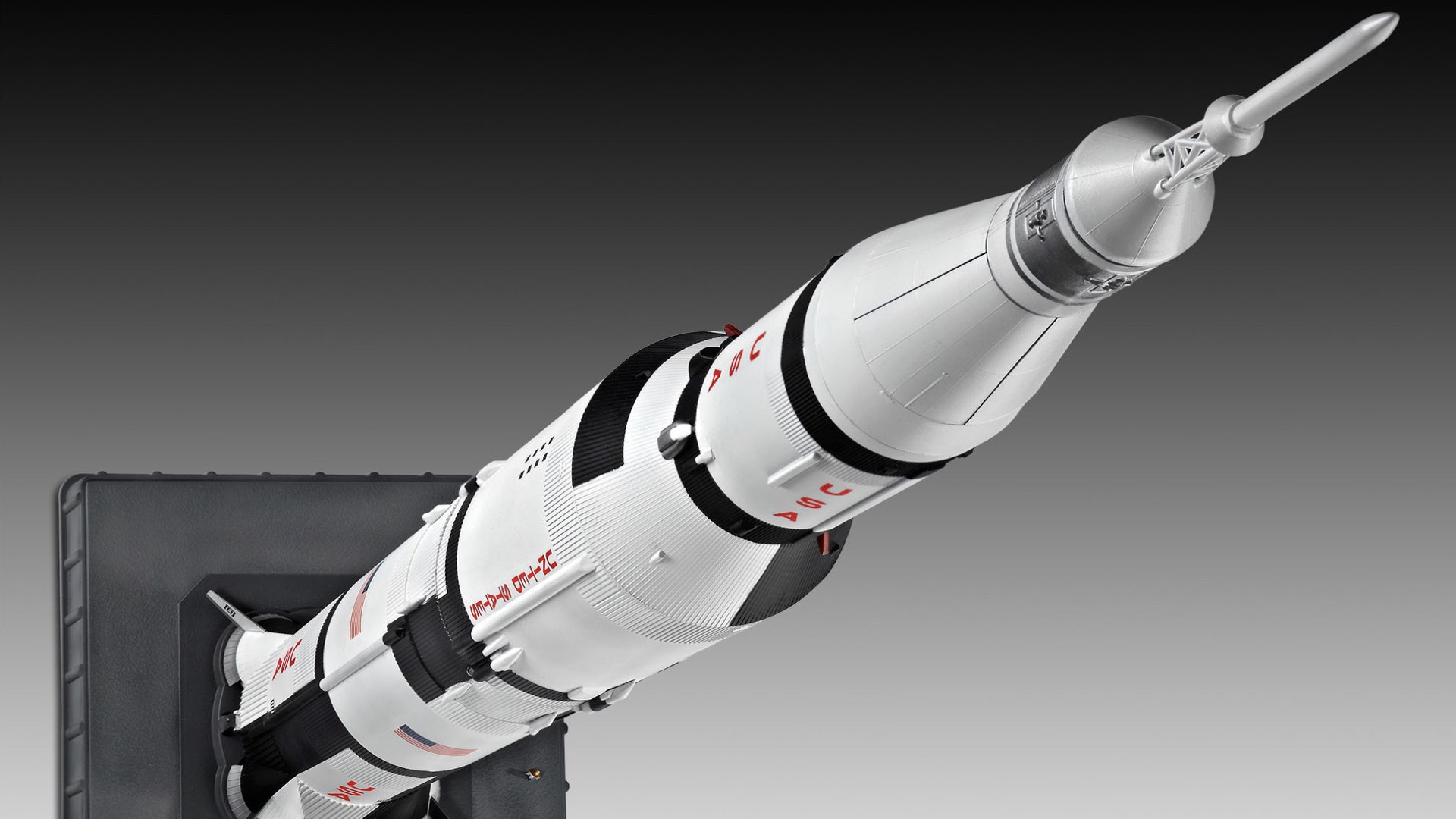
As for the Saturn V rocket and timer cam, this is an appropriate vehicle for maintaining an unfailing watch over your germinating seeds. A rocket is a suitable housing for the camera based on the enormous amount of research in botany that the National Aeronautics and Space Administration (NASA) conducts on the International Space Station (ISS).
Furthermore, this particular timer camera is able to take a photograph every hour for one month and broadcast this vital visual information over a WiFi access point that can be viewed via a smartphone. This 3MP camera’s other specs are equally impressive featuring a standalone operation, a 66.5-degree angle of view, and, best of all, it is compatible with all brick-based building sets, like LEGO products.
Aim High to Grow Strong
While this project is slightly tongue-in-cheek, regarding the installation of a Saturn V model, including this rocket kit is a great way to inspire young scientists to participate in a planting and nurturing activity.
The organic part of this project can be purchased from W. Atlee Burpee Company, including:
- SuperSeed Seed Starting Tray, 36 Cell $14.95
- Organic Coconut Coir Concentrate Seed Starting Soil $14.95
- Along with your favorite vegetable seed packets.
The model rocket kit, if you elect to follow the NASA tie-in:
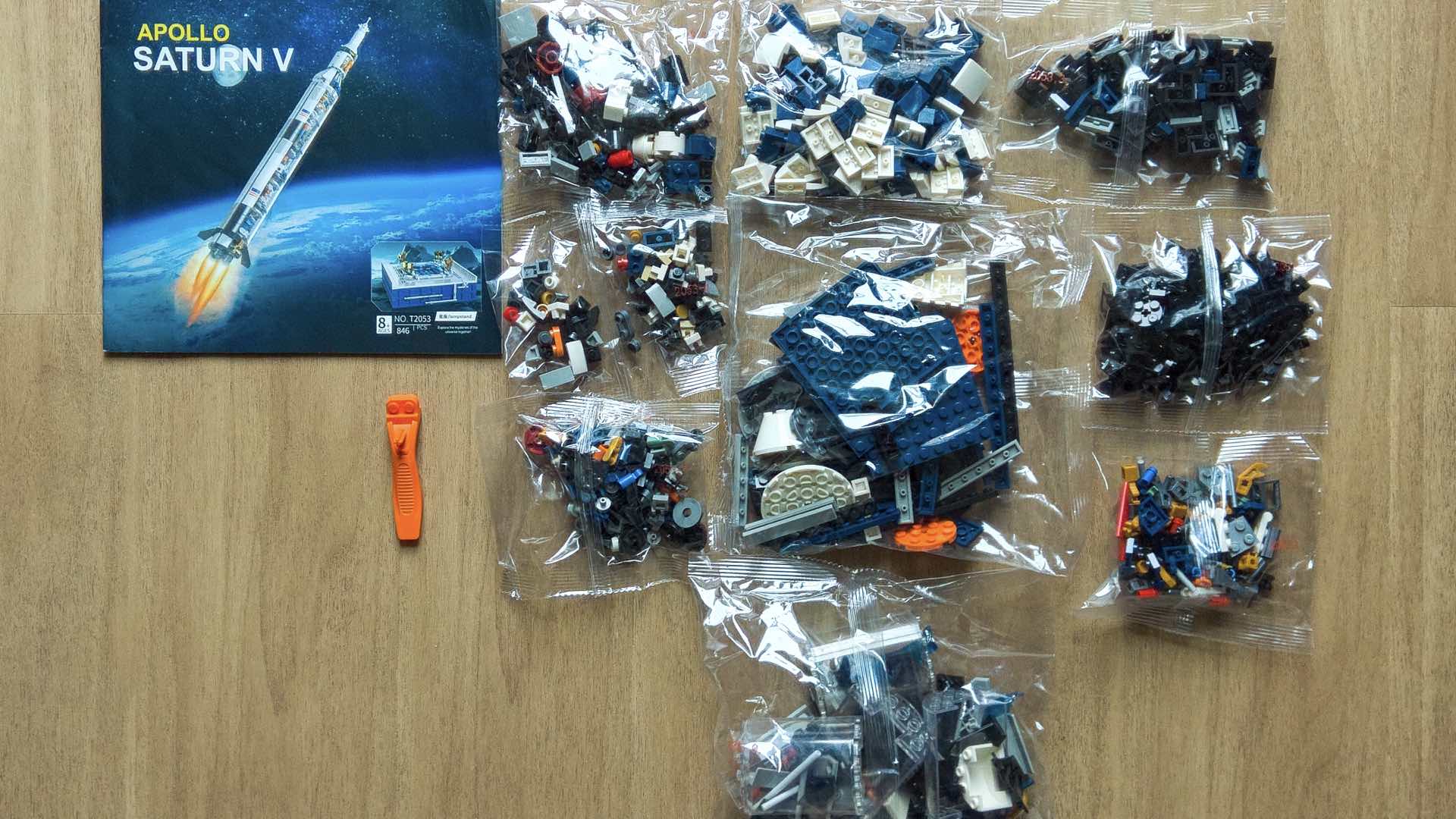
TYCOLE Space Rocket Building Toy Set, Translucent Design Spacecraft Building Block Kit, Collectors Building Set with Launch Stand, Christmas Birthday Gift for Adults and Kids 8+(846PCS) $25.99 [Please note: occasionally a 30% discount is available.]
Finally, you’ll need the timer cam from M5Stack:
ESP32 PSRAM Timer Camera X (OV3660) #U082-X $17.95 [Please note: this purchase, based on your country, could be subject to a tariff.]
Alternatively, this camera can be purchased from Mouser for $17.95 with a declared 44% tariff in the US.
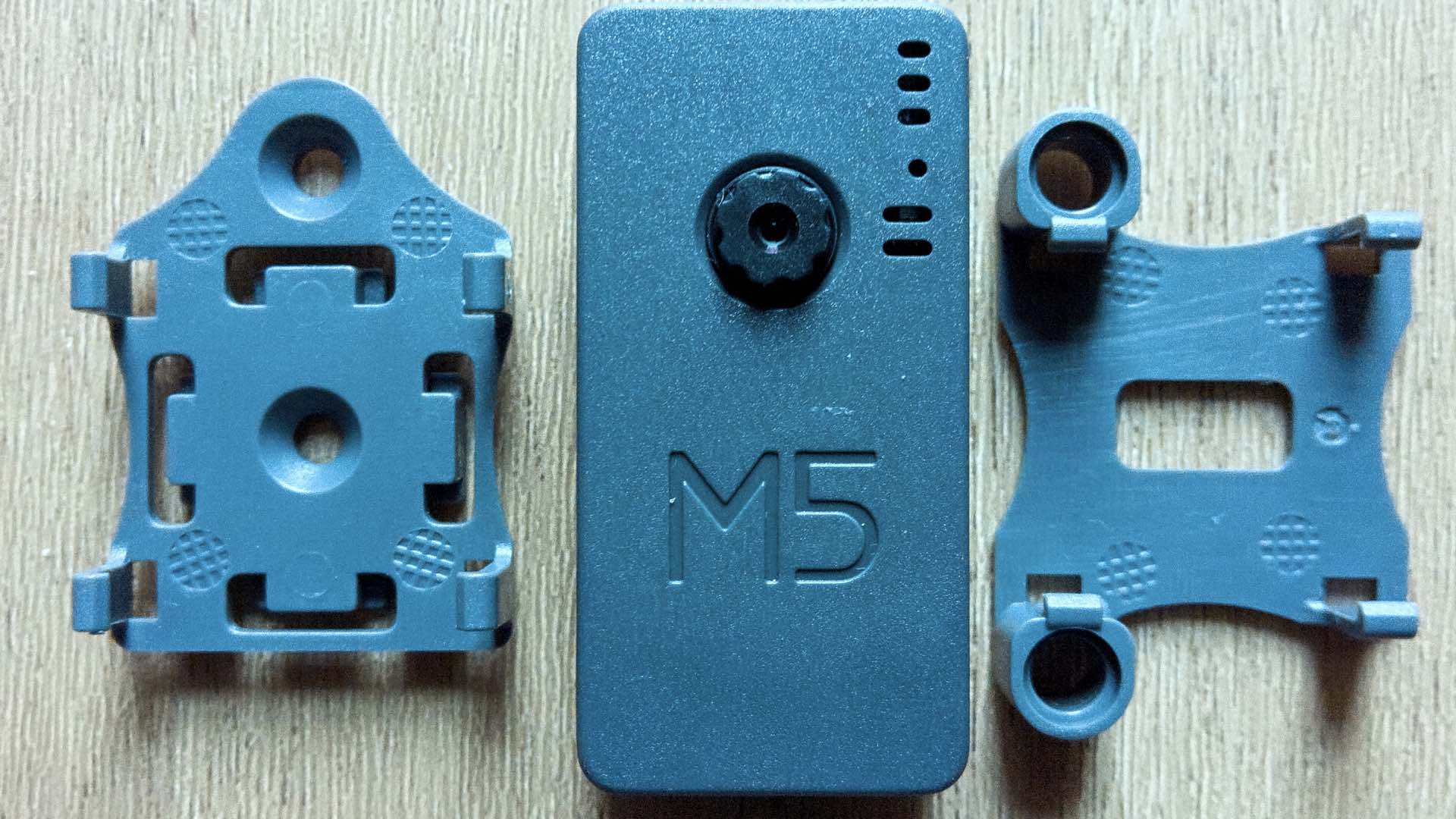
Once you’re properly outfitted with all of your supplies, it’s time to build the rocket model, activate the camera, and plant your seeds. The destination for this farming project should be an isolated area that is devoid of human/pet traffic, but is well lighted.
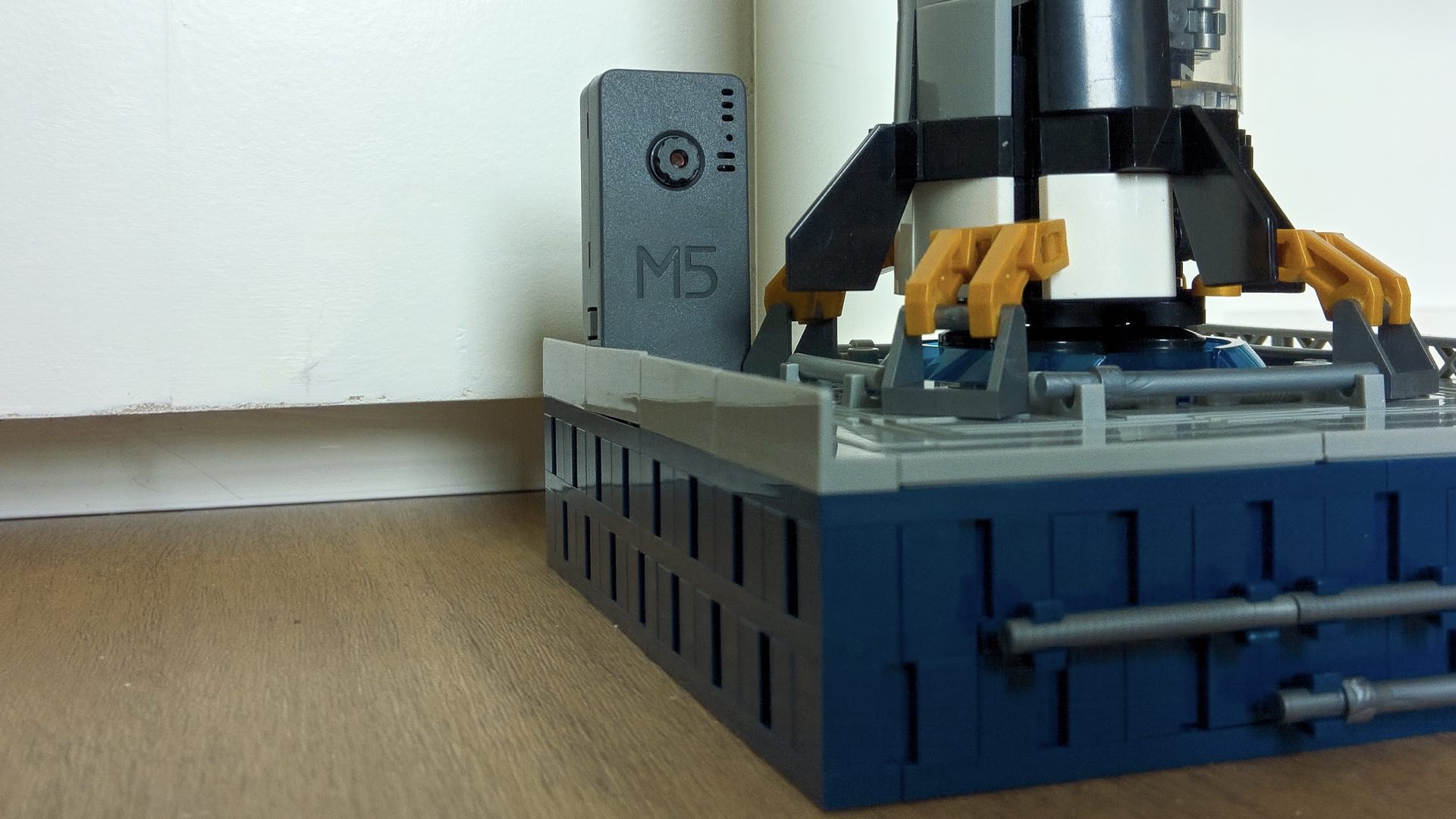
Periodically, log-into the timer cam access point and check on your crop’s progress. Ensure that the plastic cover of the Seed Starting Tray is heavily coated with condensation. If the plastic looks dry, it might be time to send a junior astronaut to the crop location for adding some additional water to the young plantings.
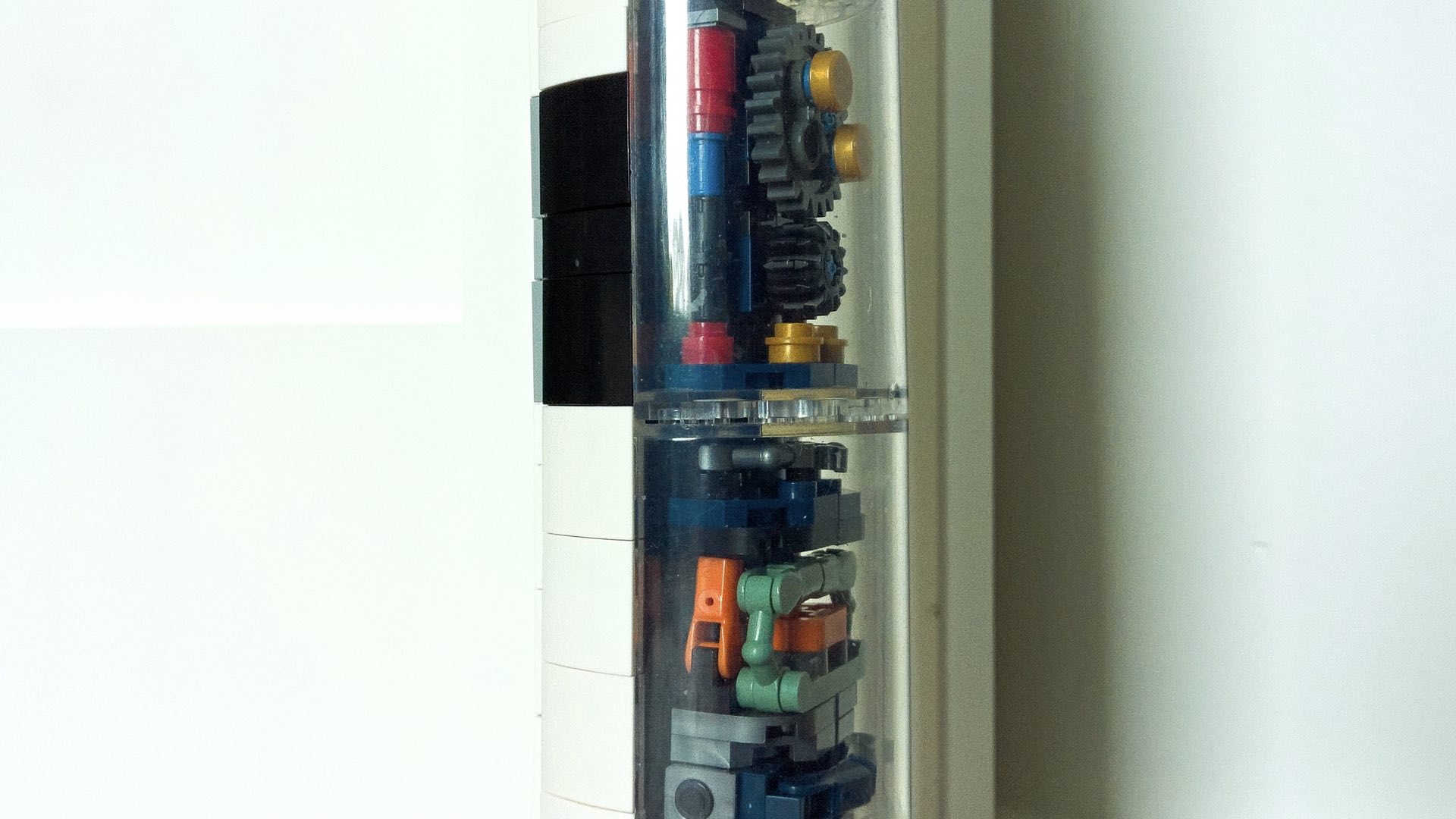
After germination and seedling growth, follow Burpee’s instructions for transplanting your future crop into larger pots. Continue monitoring the plant’s growth with the timer cam and you’ll soon be ready for moving all of your young plants outdoors into a garden. The successful completion of this project is a win-win-win for a low-cost garden investment, a fun winter activity for youngsters, and a future farming family harvest time reward.
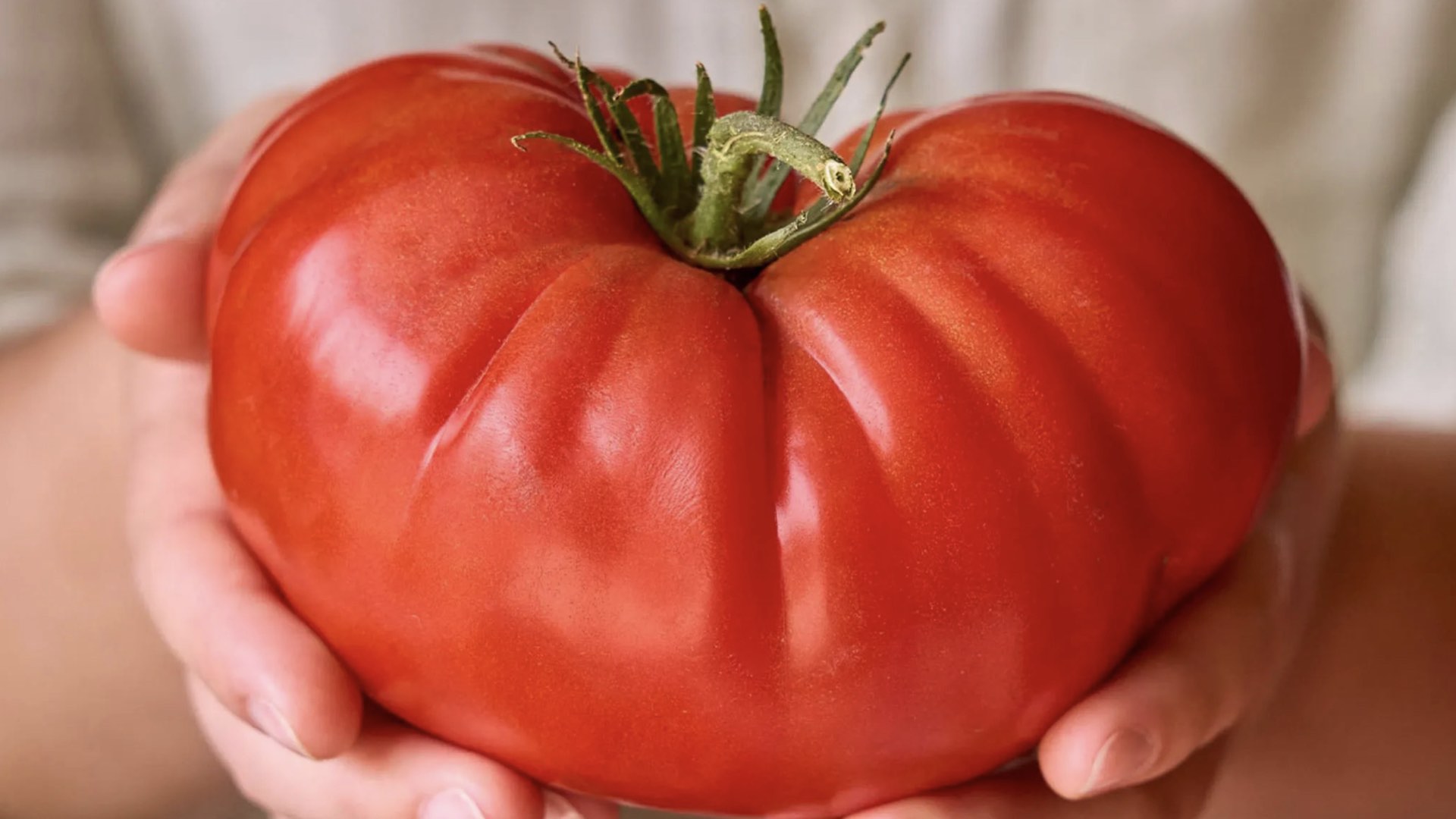
Oh, and maybe one more win for you. Winning first place at the state fair for your homegrown Burpee Garden Sown™ Groundswell Tomato!
Enjoy.
See more from DIYPhotography.net on Google
Add DIYPhotography.net as a trusted source. This makes
our stories more likely to appear in your Google Search results.
 Add as a preferred source on Google

David Prochnow
Our resident “how-to” project editor, David Prochnow, lives on the Gulf Coast of the United States in Ocean Springs, Mississippi. He brings his expertise at making our photography projects accessible to everyone, from a lengthy stint acting as the Contributing How-To Editor with Popular Science magazine. While you don’t have to actually build each of his projects, reading about these adventures will contribute to your continued overall appreciation of do-it-yourself photography. A collection of David’s best Popular Science projects can be found in the book, “The Big Book of Hacks,” Edited by Doug Cantor.



Join the Discussion
DIYP Comment Policy
Be nice, be on-topic, no personal information or flames.