











Macro Lens Comparison: 90mm vs 100mm vs 105mm for Close-Up Photography
Nov 24, 2025
Darlene Lleno
Darlene Lleno brings a unique perspective to DIY Photography as someone who grew up surrounded by camera gear but chose words over lenses. With five years of writing experience, she specializes in photography content that’s both technically informed and genuinely passionate. Growing up with a photographer twin brother meant camera talk was everyday conversation in her household. While he mastered capturing moments, Darlene discovered she preferred being the subject and the storyteller behind the scenes. As a travel enthusiast and mother of two, she understands the importance of preserving life’s precious moments. When not exploring new destinations or writing for DIY Photography, you’ll find her reading or tending to her garden. Her approach to photography writing is refreshingly authentic, she may not be behind the camera, but she knows exactly what it takes to help others capture the shots that matter most.
Share:
Choosing the right macro lens comparison changes everything about your close-up work. These three focal lengths sit right in the sweet spot for serious shooting. But here’s the thing: each one brings something totally different to your setup.
You need to look past the basic specs to really get macro lenses. Sure, they all hit that 1:1 magnification ratio. They all grab stunning details. But shooting with a 90mm feels completely different from using a 105mm macro lens. Working distance changes how you approach bugs and flowers. Compression affects your background blur. Even the weight changes how long you can handhold without getting tired.
Understanding Macro Lens Focal Lengths
Your focal length in macro photography does way more than change your framing. A 90mm macro lens gives you about 5-6 inches of working room at 1:1. Jump to 100mm and you get another inch or two. The 105mm macro lens pushes that to roughly 7-8 inches.
These measurements actually matter a ton for how you shoot. Want to photograph skittish bugs? You need every bit of distance possible. Shooting jewelry in your studio? Working distance matters way less than optical sharpness. Product photographers often grab the shorter focal lengths because they control their environment. Nature shooters pick longer options for pretty obvious reasons.
Working Distance Considerations
The space between your front glass and subject defines what you can actually pull off. A 90mm macro lens forces you up close to whatever you’re shooting. This proximity works great for stuff that doesn’t move. You can position your lights exactly right. Reflections become way easier to control. But try this with a butterfly and watch it fly away before you even get focused.
Longer focal lengths give you breathing room. The 105mm macro lens really shines when subjects spook easily. Dragonflies don’t mind you as much. Bees keep doing their thing on flowers. Small lizards stay put long enough to nail your composition. This extra space also helps with lighting setups since your lens doesn’t cast ugly shadows everywhere.
Your choice here depends on what you typically shoot. Studio work? Get closer with shorter glass. Field work? Back up with longer focal lengths.
The 90mm Macro Lens Sweet Spot
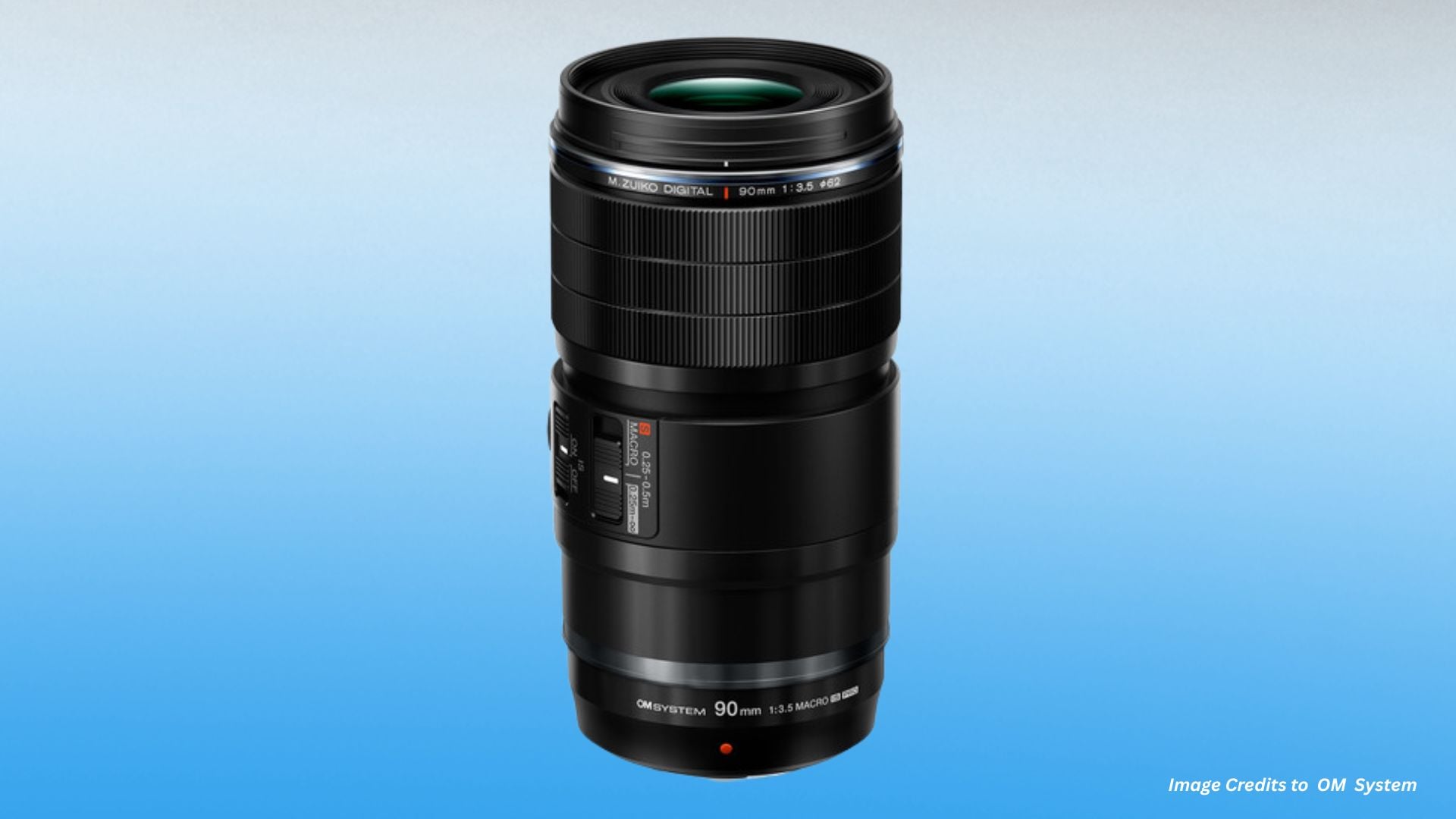
The 90mm focal length is the shortest option in this macro lens comparison. Several brands make excellent 90mm versions. Tamron built their whole reputation on their 90mm f/2.8 designs through multiple generations. These lenses deliver sharp results across your entire frame.
Physical size makes 90mm macro lenses perfect for travel photographers. They weigh less than longer versions. They pack tighter in your camera bag. They balance better on smaller camera bodies too. The shorter barrel means less stress on your lens mount during long shoots.
Optical Performance of 90mm Options
Modern 90mm macro lenses compete with anything out there. Edge sharpness satisfies even the pickiest photographers. Color fringing stays minimal at every aperture. Bokeh quality depends more on specific lens design than focal length.
Color rendition changes between manufacturers though. Some 90mm options produce slightly warmer tones overall. Others lean cooler in their rendering. This matters when you shoot flowers or food all day. Consistent color across a series looks way more professional. Test your specific lens with your typical subjects before any important gigs.
Best Uses for 90mm Macro Lenses
Product photography gets simpler with 90mm focal lengths. Set up your tabletop studio and you control absolutely everything. Jewelry details really pop in your shots. Watches show off their craftsmanship perfectly. Small electronics reveal their build quality nicely. The moderate focal length compresses just right without going overboard.
Studio flower photography works beautifully at 90mm too. You work at comfortable distances from your arrangements. You can light subjects without your lens blocking everything. The focal length matches most flower sizes perfectly. Roses fill your frame nicely. Orchids display their intricate structures. Even tiny wildflowers show impressive detail.
Exploring 100mm Macro Lens Options
The 100mm macro lens category gives you the most choices available. Canon makes versions for both their EF and RF mount systems. Sony produces the FE 100mm f/2.8 Macro GM for their mirrorless cameras. Third-party makers like Sigma compete with optical quality matching the big brands.
This focal length hits an interesting middle ground in practice. You gain working distance compared to 90mm options. You give up some compared to 105mm choices. The difference feels pretty minor when you’re actually shooting though. But it matters for specific situations.
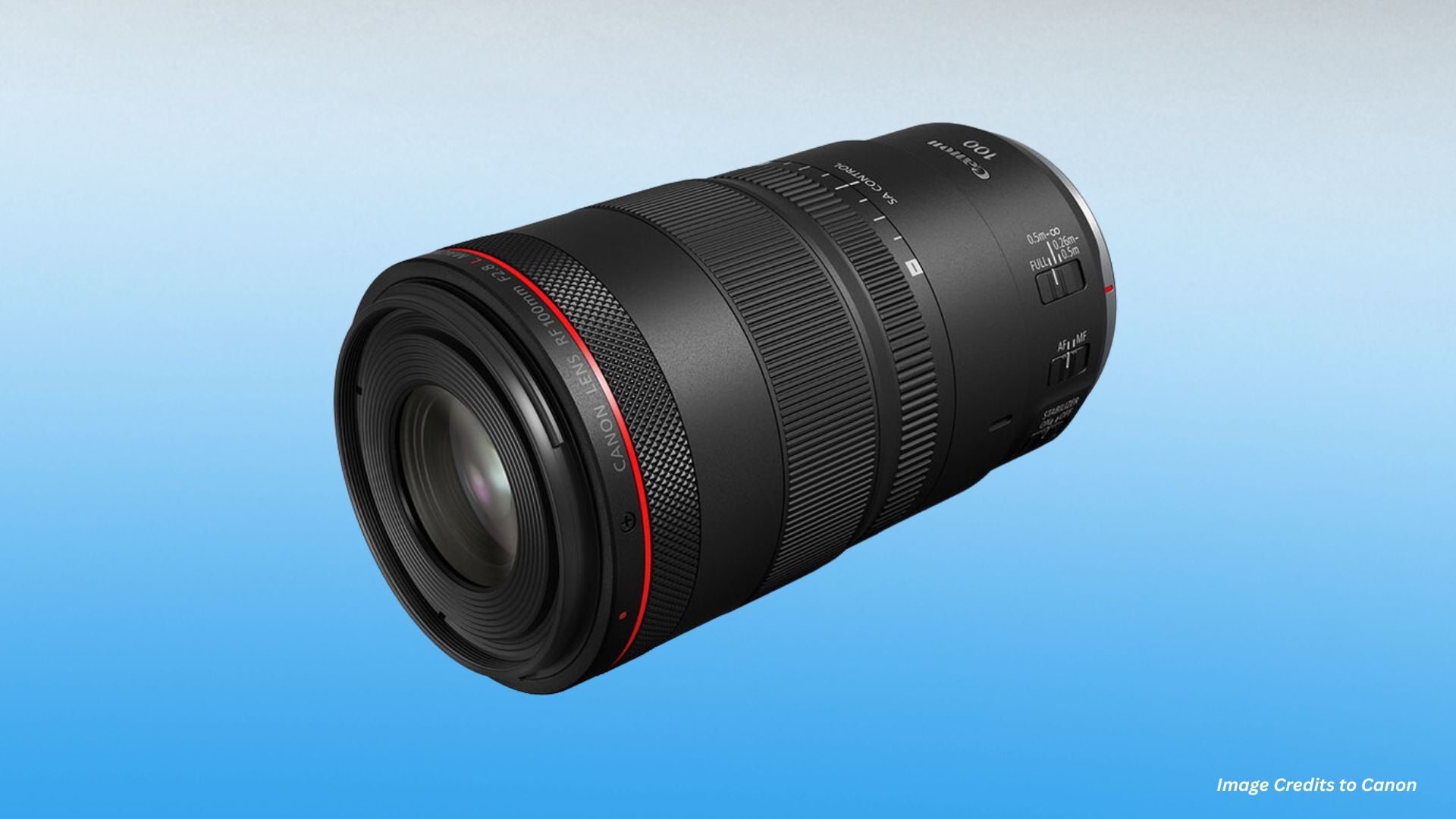
Canon RF 100mm f/2.8L Macro IS USM
Canon’s current mirrorless version represents their latest macro technology. Image stabilization helps tremendously when you shoot handheld. The hybrid IS system fixes both angular shake and shift movement. This tech completely transforms your success rate with moving subjects.
Build quality goes beyond what you’d expect at this price. Weather sealing protects against moisture and dust really well. The focus ring moves smoothly throughout its entire range. Manual focus override works perfectly during live view shooting. These small details add up during long sessions in challenging conditions.
The L-series optical formula delivers genuinely stunning results. Corner sharpness matches center sharpness at every aperture. Color fringing basically doesn’t exist even in harsh contrast scenes. Colors look beautiful straight out of your camera. Processing these files feels easier than working with cheaper glass.
The SA (Spherical Aberration) control ring sets this lens apart. You can adjust bokeh characteristics on the fly. Smooth backgrounds for portraits or defined textures for product work. This creative control works brilliantly for photographers who need versatility.
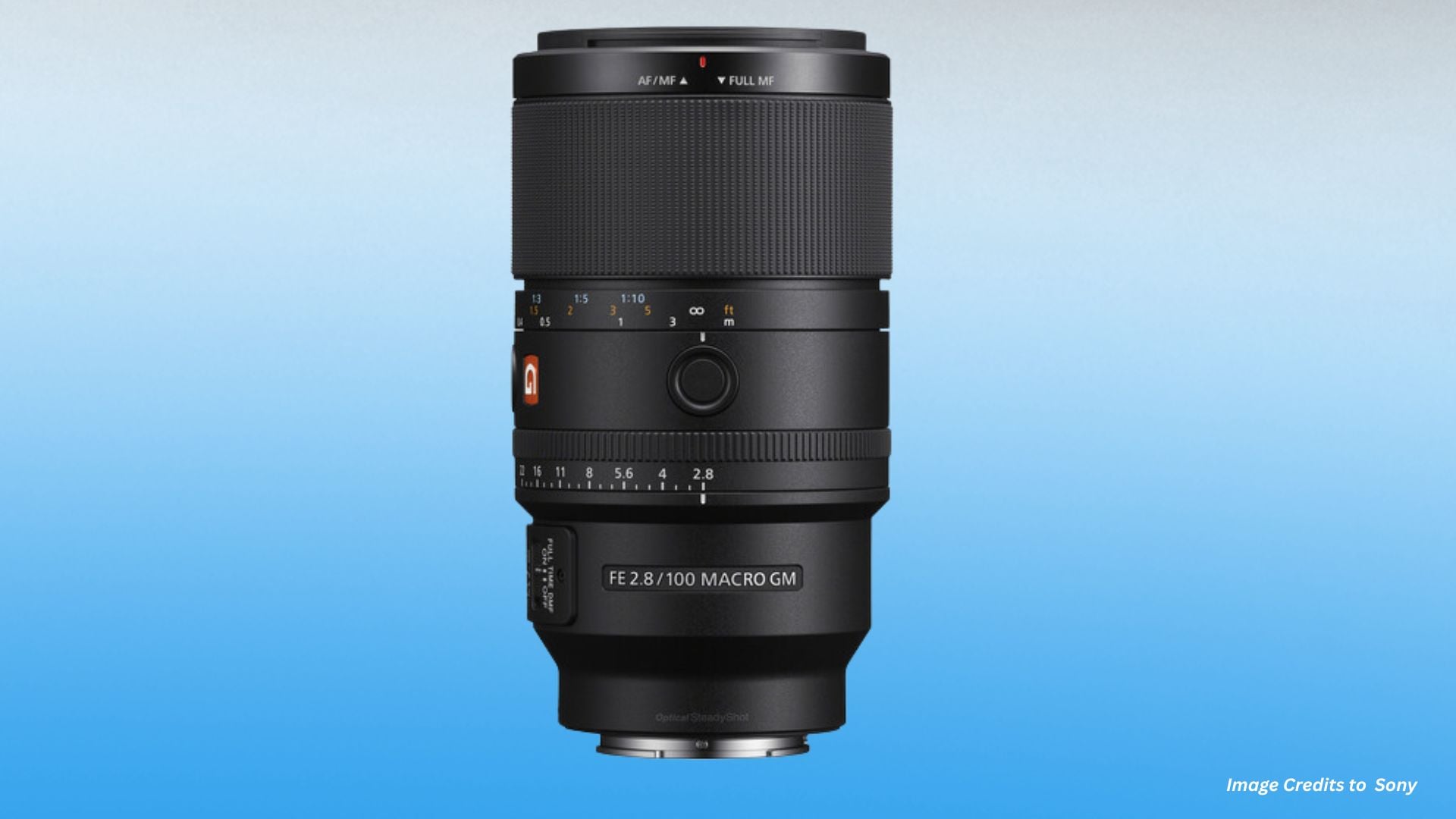
Sony FE 100mm f/2.8 Macro GM
Sony’s G Master macro lens brings their flagship optical quality to close-up work. The optical stabilization system works perfectly with Sony bodies featuring in-body stabilization. Combined systems deliver incredible shake reduction for handheld shooting. You capture details impossible with unstabilized lenses.
Build quality matches Sony’s premium lens standards throughout. Weather sealing handles tough shooting conditions confidently. The focus ring operates with perfect damping for manual work. Electronic focus works silently for video applications. These features make this lens way more versatile than typical macro glass.
Focus breathing stays really minimal throughout the entire focus range. Video shooters absolutely love this design choice. You can pull focus during clips without weird size changes. The aperture operates silently during recording sessions. These characteristics serve hybrid shooters who need both photo and video capabilities.
The 105mm Macro Lens Advantage
Nikon built their entire macro reputation on 105mm focal lengths through decades. Their Z MC 105mm f/2.8 VR S shows years of optical refinement for their mirrorless system. The longer focal length provides maximum working distance in this macro lens comparison.
Third-party options exist but Nikon’s versions stay most popular overall. Sigma’s 105mm f/2.8 EX DG OS HSM delivers excellent performance for DSLR systems. Build quality can’t quite match Nikon’s flagship but optical results compete really well.
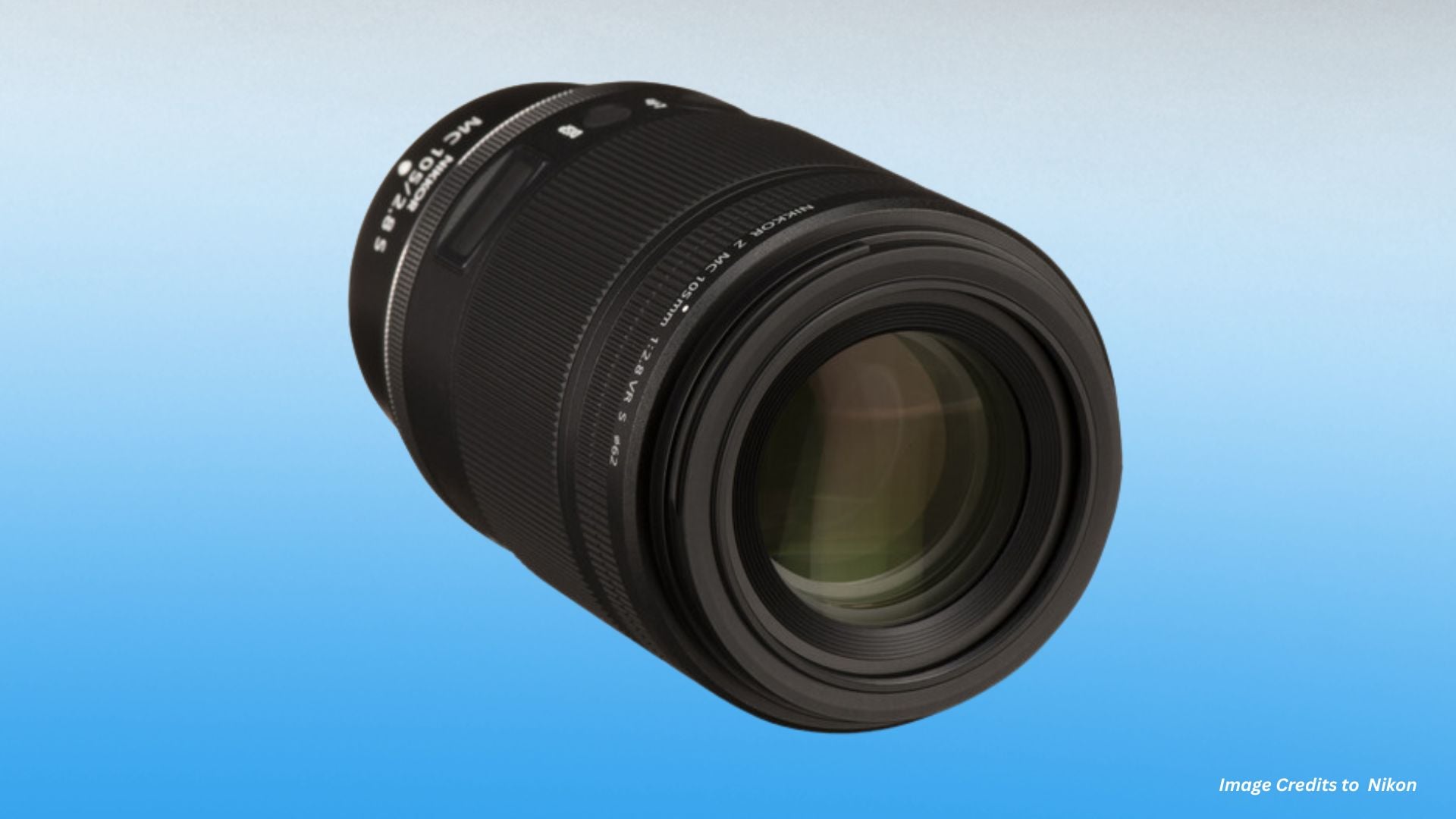
Nikon Z MC 105mm f/2.8 VR S
This S-line lens represents Nikon’s premium macro offering for Z mount cameras. The VR system delivers outstanding stabilization performance for handheld work. Not quite as advanced as Canon’s SA control but plenty effective. Focus tracking works reliably with subjects moving all over the place.
The focal length absolutely excels for nature photography work. Butterflies tolerate you way better from further back. Dragonflies stay perched longer on their spots. Even small mammals let you work without immediately running away. This breathing room directly translates to better final shots.
Weight becomes more noticeable with the 105mm though. The extra glass and longer barrel really add up. Your arms definitely feel it during extended handheld sessions. Plan for regular breaks when shooting all day long. Consider grabbing a monopod for longer outdoor outings.
Optimal Shooting Scenarios
Insect photography represents the absolute perfect use for 105mm macro lenses. The extended working distance makes all the difference here. Bees keep gathering pollen while you shoot away. Beetles explore bark without even noticing your presence. Spiders stay in their webs instead of retreating immediately.
Reptile and amphibian photography benefits tremendously from this focal length too. Small lizards tolerate humans better from further distances. Frogs stay put on their lily pads longer. Tree frogs cling to branches long enough for multiple compositions. The longer focal length keeps you outside their immediate threat zone.
Technical Specifications Breakdown
All three focal lengths typically offer f/2.8 maximum apertures. This aperture gives you great flexibility for depth of field control. Shoot wide open for minimal depth when you want it. Stop down for more front-to-back sharpness when needed. The shallow depth at f/2.8 isolates subjects beautifully.
Minimum focus distances vary quite a bit between specific models. Most 90mm options focus as close as 11-12 inches total. The 100mm lenses typically need about 12-13 inches minimum. The 105mm macro lens usually requires around 13-14 inches. These measurements determine your maximum magnification possibilities in practice.
Magnification Ratios Explained
True macro lenses achieve 1:1 reproduction ratios at their closest focus. This means your subject appears life-size on your camera sensor. A 24mm sensor captures a 24mm subject filling the entire frame. This standard separates real macro lenses from close-focusing fakes.
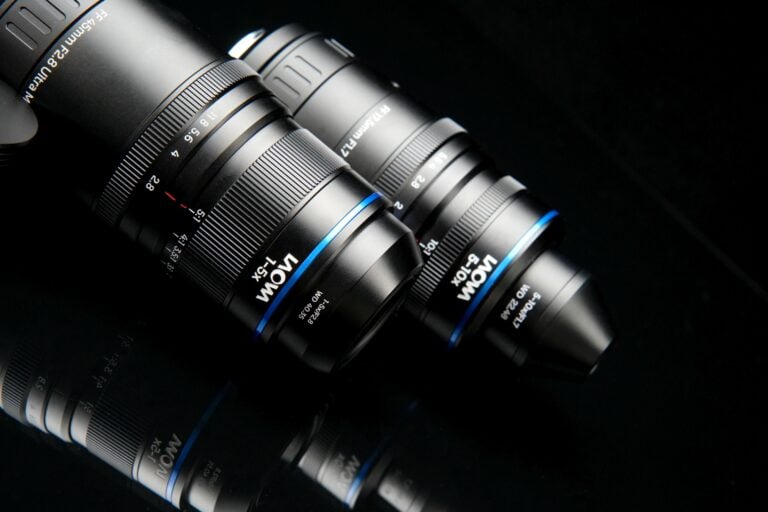
Some lenses actually exceed 1:1 magnification in their design. Canon’s MP-E 65mm reaches an incredible 5x magnification. Laowa produces specialty macro lenses with 2x and even higher ratios. These extreme options serve really specific purposes though. They fall outside typical macro work for most photographers.
The practical difference between 1:1 and 1.4x magnification matters less than you’d think. Most subjects benefit perfectly from the standard 1:1 ratio anyway. Going beyond that magnification introduces a bunch of new challenges. Working distance shrinks dramatically with higher magnification. Depth of field becomes absolutely razor thin. Lighting gets way more difficult to control properly.
Aperture and Depth of Field
Depth of field at macro distances feels impossibly shallow. Even at f/16 you might only get a few millimeters actually in focus. This reality completely shapes how you approach every composition. You need to choose your focal plane really carefully. Position subjects parallel to your sensor whenever physically possible.
Focus stacking solves these depth of field limitations pretty elegantly. You take multiple shots at different focus points throughout. Then blend them in post-processing for complete sharpness everywhere. This technique works brilliantly for product photography especially. Scientific documentation requires it on a regular basis. Learning focus stacking opens up totally new creative possibilities.
The focal length affects how aperture choices impact your final images. Longer focal lengths compress depth of field more aggressively. A 90mm at f/8 delivers noticeably more depth than a 105mm at the same aperture. This characteristic influences which lens actually suits your typical subjects better.
Real-World Performance Comparison
Testing these lenses side by side reveals some interesting patterns quickly. Optical quality differences feel pretty minimal in good lighting conditions. Chromatic aberration tests similarly across all three focal lengths. Edge sharpness varies way more between manufacturers than between focal lengths.
Autofocus performance depends on your camera body more than the actual lens. Modern mirrorless cameras track subjects accurately with all three focal length options. Current autofocus systems handle macro work way better than older technology. Test your specific combination before any important shoots matter.

Handling and Ergonomics
The 90mm macro lens feels most balanced on crop sensor bodies. Full frame cameras handle all three options pretty well. The 105mm can feel somewhat front-heavy on smaller camera bodies. This weight distribution genuinely affects shooting comfort during really long sessions.
Focus throw differs quite a bit between different designs. Some lenses move through their range really quickly. Others provide much longer rotation for super precise focusing. Manual focus enthusiasts absolutely appreciate the longer throw distances. Autofocus shooters rarely even notice the difference though. Try before buying if manual focus matters to your workflow.
Switch placement and operation varies widely between different models. Some lenses include focus limiters to speed up autofocus searching. Others provide stabilization switches or simple AF/MF toggles. Consider which controls actually matter for your shooting style. Physical switches beat menu diving absolutely every single time.
Image Quality Across Focal Lengths
Sharpness tests reveal pretty minimal differences between quality lenses at these focal lengths. Modern optics perform incredibly well across the board. Your shooting technique impacts results way more than the specific focal length choice. Proper focus technique matters tremendously in macro work.
Color accuracy depends on individual lens designs rather than just focal lengths. You should test files from your specific camera and lens combination. Some photographers genuinely prefer warmer renditions in their work. Others want completely accurate neutrality throughout. Know your lens characteristics before any color-critical commercial work.
Vignetting appears slightly more prominently in longer focal lengths at wide apertures. This corner darkening can actually enhance some specific compositions nicely. Other times it definitely requires correction in your post-processing workflow. Most modern lenses control vignetting pretty well by f/4 anyway. Wide open performance varies significantly between different specific models.
Price and Value Considerations
First-party 105mm macro lenses typically cost more than shorter focal length options. Nikon’s Z MC 105mm f/2.8 VR S runs higher than comparable Canon or Sony 100mm offerings. This price difference reflects the longer optical designs and additional engineering required.
Third-party alternatives provide genuinely excellent value for your money. Tamron’s 90mm f/2.8 delivers completely professional results at noticeably lower prices. Sigma competes really well across all three focal length categories. These options sacrifice some weather sealing or autofocus speed. But they absolutely nail optical quality where it counts.
Current market prices in 2025 reflect ongoing supply chain adjustments. Tariff changes affected pricing on some imported lenses earlier this year. Check current retailer pricing before making purchase decisions.
Used Market Opportunities
Older macro lens designs still perform beautifully for modern work. Manual focus Nikkor 105mm f/2.8 lenses from decades ago create truly stunning images. These vintage options lack autofocus and any stabilization features. But they cost just a fraction of modern equivalents. They’re perfect for learning macro techniques without any major financial investment upfront.
Previous generations from major manufacturers offer tremendous value right now. Canon’s EF 100mm f/2.8L IS USM remains optically excellent for DSLR users. Nikon’s F-mount 105mm f/2.8G VR predecessor still delivers professional quality results. These lenses work perfectly with adapters on mirrorless systems. They flood the used market at really attractive prices.
You can adapt lenses from other camera systems for additional savings. Minolta made some absolutely beautiful macro lenses back then. Olympus produced several excellent options in their day. Adapter costs stay pretty minimal while giving access to legendary glass. Just accept manual focus operation as your only real tradeoff here.
Making Your Choice
Your typical subjects should completely drive your macro lens comparison decision. Studio shooters find 90mm focal lengths totally sufficient for their work. Nature photographers benefit tremendously from the 105mm working distance advantages. The 100mm option splits the difference really nicely for mixed use.
Consider your existing lens collection before buying anything new. A 90mm macro lens works beautifully for portraits too. The 100mm and 105mm options excel as portrait lenses in their own right. This versatility adds real value beyond pure macro shooting work. One lens effectively serves multiple purposes in your camera bag.
Specialized Applications
Scientific documentation requires really precise specifications throughout your work. Many research labs standardize on specific focal lengths for consistency. You should match your institution’s preferences when shooting for research purposes. Consistent focal lengths simplify comparisons across different studies dramatically.
Commercial product photography clients sometimes specify exact focal lengths in contracts. Match those requirements rather than following personal preferences blindly. Your portfolio matters way more than which specific lens creates it. Build strong client relationships by meeting their exact specifications consistently.
Extreme close-ups might require specialty lenses beyond this basic comparison. Laowa’s probe lens reaches situations these standard options simply can’t access. Venus Optic makes some fantastic ultra-macro options too. Consider these alternatives for truly specialized needs in your work.
Accessories That Matter
Extension tubes multiply the capabilities of absolutely any macro lens instantly. You add tubes between your camera and lens for greater magnification. These simple accessories cost very little but expand creative possibilities tremendously. Stack multiple tubes together for extreme close-ups when needed.
Flash becomes absolutely essential for serious macro work in most situations. Ring flashes provide really even illumination around your lens barrel. Twin flash setups offer way more creative control over lighting. Consider your lighting needs early in your macro photography journey.
Tripods stabilize your shots whenever physically possible to use them. Macro distances amplify absolutely every tiny movement you make. Solid support improves sharpness dramatically in your final results. Focus rails enable super precise positioning for focus stacking work. These tools separate casual macro shooters from serious dedicated practitioners.
According to B&H Photo, proper stabilization matters more in macro work than almost any other genre. Digital Photography School also recommends investing in quality support gear before upgrading lenses.
Choosing the Right Macro Lens for Your Work
This macro lens comparison reveals no universal winner for everyone. The 90mm macro lens serves studio work brilliantly well. The 105mm macro lens dominates nature photography applications. The 100mm option splits the differences nicely between them. Your specific needs determine which focal length actually serves you best. Test different options when physically possible before buying. Rent expensive glass before committing to purchases. Build your skills with whatever lens you ultimately choose. Your shooting technique matters way more than focal length.
See more from DIYPhotography.net on Google
Add DIYPhotography.net as a trusted source. This makes
our stories more likely to appear in your Google Search results.
 Add as a preferred source on Google

Darlene Lleno
Darlene Lleno brings a unique perspective to DIY Photography as someone who grew up surrounded by camera gear but chose words over lenses. With five years of writing experience, she specializes in photography content that’s both technically informed and genuinely passionate. Growing up with a photographer twin brother meant camera talk was everyday conversation in her household. While he mastered capturing moments, Darlene discovered she preferred being the subject and the storyteller behind the scenes. As a travel enthusiast and mother of two, she understands the importance of preserving life’s precious moments. When not exploring new destinations or writing for DIY Photography, you’ll find her reading or tending to her garden. Her approach to photography writing is refreshingly authentic, she may not be behind the camera, but she knows exactly what it takes to help others capture the shots that matter most.
Related Posts
 Sony’s New FE 90mm f/2.8 Macro Lens Takes On Canon’s 100mm f/2.8 In Lensrentals’ Resolution TEst
 The Nikon 105mm f/1.4 and Laowa 105mm f/2 go head-to-head in this lens shootout
 The Laowa 100mm f/2.8 Super Macro lens offers a 2:1 magnification ratio for extreme close ups
 Nikon apologises for shipping delays with new Nikkor Z MC 105mm f/2.8 VR S macro lens
Join the Discussion
DIYP Comment Policy
Be nice, be on-topic, no personal information or flames.