




















Leica Monopan 50 Launches as the Brand’s First True 35mm Film: Here’s What You Missed
Aug 22, 2025
Darlene Lleno
Darlene Lleno brings a unique perspective to DIY Photography as someone who grew up surrounded by camera gear but chose words over lenses. With five years of writing experience, she specializes in photography content that’s both technically informed and genuinely passionate. Growing up with a photographer twin brother meant camera talk was everyday conversation in her household. While he mastered capturing moments, Darlene discovered she preferred being the subject and the storyteller behind the scenes. As a travel enthusiast and mother of two, she understands the importance of preserving life’s precious moments. When not exploring new destinations or writing for DIY Photography, you’ll find her reading or tending to her garden. Her approach to photography writing is refreshingly authentic, she may not be behind the camera, but she knows exactly what it takes to help others capture the shots that matter most.
Share:
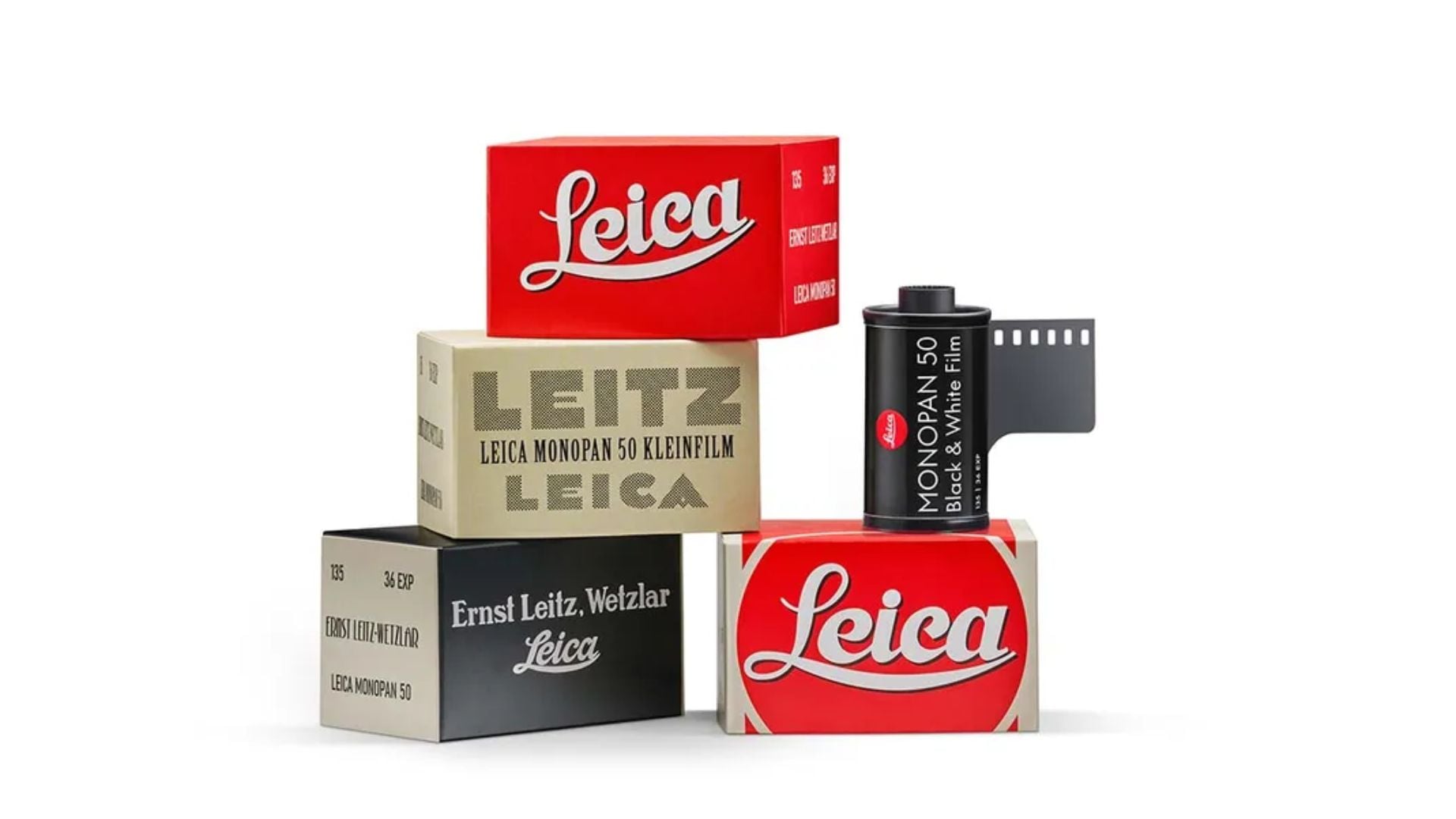
The Leica Monopan 50 officially launched in August 2025, and while most reports highlighted the basics, a few key details slipped under the radar. Leica announced its first true 35mm film, Monopan 50, but the real story goes deeper than the initial headlines suggested.
After analyzing the launch and early user experiences, it’s clear that photographers and industry observers missed some crucial aspects of this historic film release. Here’s what the photography community should have been discussing from day one.
What We Overlooked About Leica’s Film Strategy
Most coverage treated this as simply “Leica’s first film,” but we missed the strategic implications. To commemorate the 100th anniversary of the Leica I, Leica Camera released their first-ever branded 35mm film, but this move signals something much bigger than nostalgia.
The timing wasn’t coincidental. While everyone focused on the centennial angle, we overlooked how this positions Leica for the film photography resurgence that’s been quietly building momentum. Recent market analysis shows film sales growing consistently, with younger photographers driving much of this growth.
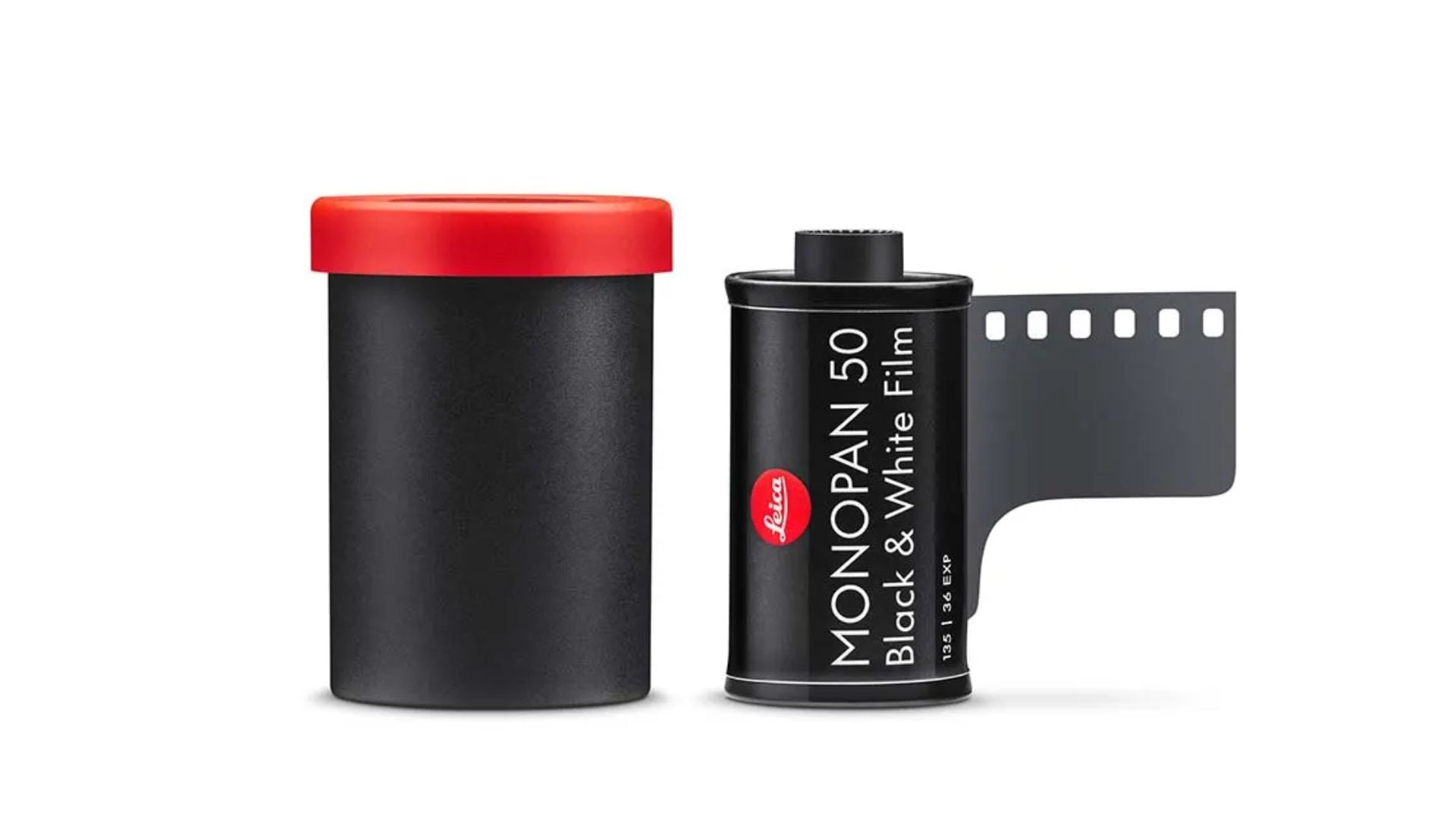
The name “Monopan 50” connects more than just technical specs. “Mono” links to Leica’s Monochrom digital cameras, “pan” indicates panchromatic properties, and “50” represents the ISO rating. This naming strategy bridges digital and analog in ways we initially missed.
The Technical Details Everyone Glossed Over
Early reviews focused on the obvious specs, but we missed the nuanced performance characteristics that make Leica Monopan 50 genuinely different from other films available today.
MONOPAN 50 delivers exceptional resolution of up to 280 line pairs per millimeter, but what got overlooked was how this interacts with Leica’s lens designs. Key specifications that deserved more attention include:
- Extended spectral sensitivity reaching up to 780nm enabling true near-infrared capture
- Anti-halation backing that prevents edge blooming better than most films
- Emulsion coating optimized specifically for Leica’s lens contrast characteristics
- Grain structure engineered for high-magnification printing and scanning
The ISO 50 rating seemed limiting to many, but we missed the historical context. This speed reflects Oskar Barnack’s era when most films had low sensitivity. With modern fast Leica lenses like the Noctilux-M and Summilux-M, the ISO 50 speed enables wide-aperture shooting with distinctive bokeh even in bright conditions. Understanding how exposure affects film reveals why this slower film speed actually benefits image quality.
Creative Possibilities We Underestimated
Initial coverage mentioned filter compatibility, but we underestimated the creative potential. The extended spectral sensitivity makes Leica Monopan 50 exceptional for black and white photography techniques that most photographers haven’t fully explored.
The film works with yellow, orange, red, green, and blue filters, but what we missed was the infrared potential. Applications that deserve more attention include:
• False-color infrared effects using specific filter combinations
• Architectural photography with enhanced material differentiation
• Landscape work with unprecedented sky-to-foreground contrast control
• Portrait applications where skin tone rendering exceeds traditional films
This filter compatibility makes the film perfect for landscape photography where controlling mood and atmosphere matters most. We initially focused on basic filter effects but missed the advanced applications.
The Manufacturing Reality We Should Have Discussed
While everyone debated whether this was “really” Leica’s film, we missed the more important manufacturing story. Sources suggest this is repackaged Adox HR-50 with Leica branding, but that misses the point entirely.
This follows Leica’s century-long pattern of strategic partnerships. Since 1925, the brand has focused on optics and mechanics, partnering with specialists like Kodak, Agfa, and Perutz for film production. We should have recognized this as smart business strategy rather than criticism.
The premium pricing at $10 per roll compared to Adox HR-50’s $8 reflects more than brand markup. You get Leica’s quality control, distinctive packaging, and integration with their lens ecosystem. Four vintage-style packaging designs appeal to collectors while evoking “the pioneering era of 35mm photography.”
Professional Applications We Undervalued
Early reviews treated this as mainly an enthusiast product, but we missed serious professional applications where Leica Monopan 50 excels beyond other available films.
Architecture and Fine Art Applications
The ultra-fine grain structure enables massive prints without visible grain interference. Architectural photography benefits from line rendering precision that we initially underestimated, while fine art photographers get detail resolution that competes with medium format emulsions.
Studio and Commercial Work
What we missed was how the wide tonal range creates gradations that digital sensors struggle to match. Portrait photographers get skin texture rendering that’s genuinely superior to other 35mm films, while commercial applications benefit from the extended dynamic range. Documentary photographers working in bright conditions and street photographers in urban environments both get archival quality that we didn’t fully appreciate initially.

Market Impact We Failed to Predict
The August launch created supply constraints that most observers didn’t anticipate. Available exclusively at Leica Stores and Authorized Dealers, the limited distribution strategy created more demand than expected.
Film photography enthusiasts who waited discovered that early stock sold out faster than predicted. Pricing variations between markets (US $10 vs European €12.00 including VAT) also created purchasing patterns that weren’t initially obvious. Current market data supports premium film releases, but we underestimated how quickly Leica’s brand power would drive sales.
Processing Insights We Overlooked
Everyone mentioned compatibility with standard developers, but we missed optimization details that matter for best results. The Leica Monopan 50 works with all black-and-white chemistry, but specific combinations yield superior results.
Darkroom processing reveals characteristics that weren’t immediately obvious. While D-76, HC-110, and Rodinal all work, certain developers enhance specific qualities that early reviewers missed.
What achieving sharp film photos requires is understanding how temperature control at exactly 68°F (20°C) becomes more critical with this emulsion than others. Gentle agitation patterns also matter more for maintaining the fine grain structure.
Long-Term Implications We’re Still Missing
This launch signals more than just another film option, but we’re still missing the bigger picture. When premium brands like Leica invest in film production, it validates analog photography’s commercial future in ways most analysts haven’t fully grasped.
Leica’s entry creates opportunities for film photography communities to expand beyond current boundaries. The brand’s reputation attracts newcomers who might otherwise avoid film photography, but we haven’t seen the full impact yet.
The collectible packaging designs show that camera enthusiasts value aesthetic details beyond technical specifications, but this trend toward premium film presentation could influence other manufacturers in ways we haven’t anticipated.
What We Should Be Watching Now
The Leica Monopan 50 launch represents analog photography’s evolution in an increasingly digital world. By releasing their own film, Leica demonstrates commitment that goes beyond nostalgia, but we’re still learning what this means.
Early adopters shooting macro work, travel photography, and experimental projects are discovering creative possibilities that initial reviews missed entirely.
Film photography continues evolving, and this launch proves innovation hasn’t stopped. For photographers who missed the initial excitement, understanding what makes Leica Monopan 50 different becomes more important as supply stabilizes and real-world results emerge.
See more from DIYPhotography.net on Google
Add DIYPhotography.net as a trusted source. This makes
our stories more likely to appear in your Google Search results.
 Add as a preferred source on Google

Darlene Lleno
Darlene Lleno brings a unique perspective to DIY Photography as someone who grew up surrounded by camera gear but chose words over lenses. With five years of writing experience, she specializes in photography content that’s both technically informed and genuinely passionate. Growing up with a photographer twin brother meant camera talk was everyday conversation in her household. While he mastered capturing moments, Darlene discovered she preferred being the subject and the storyteller behind the scenes. As a travel enthusiast and mother of two, she understands the importance of preserving life’s precious moments. When not exploring new destinations or writing for DIY Photography, you’ll find her reading or tending to her garden. Her approach to photography writing is refreshingly authentic, she may not be behind the camera, but she knows exactly what it takes to help others capture the shots that matter most.



Join the Discussion
DIYP Comment Policy
Be nice, be on-topic, no personal information or flames.
One response to “Leica Monopan 50 Launches as the Brand’s First True 35mm Film: Here’s What You Missed”
Interesting article! Do you know where I can find more technical aspects such as info about processing this film? I love that you’re a writer influenced by a camera world!