



















Is Dynamic Range Overrated?
Mar 11, 2026
Dunja Đuđić Kalinin
Dunja Djudjic is a multi-talented artist based in Novi Sad, Serbia. With 15 years of experience as a photographer, she specializes in capturing the beauty of nature, travel, concerts, and fine art. In addition to her photography, Dunja also expresses her creativity through writing, embroidery, and jewelry making.
Share:
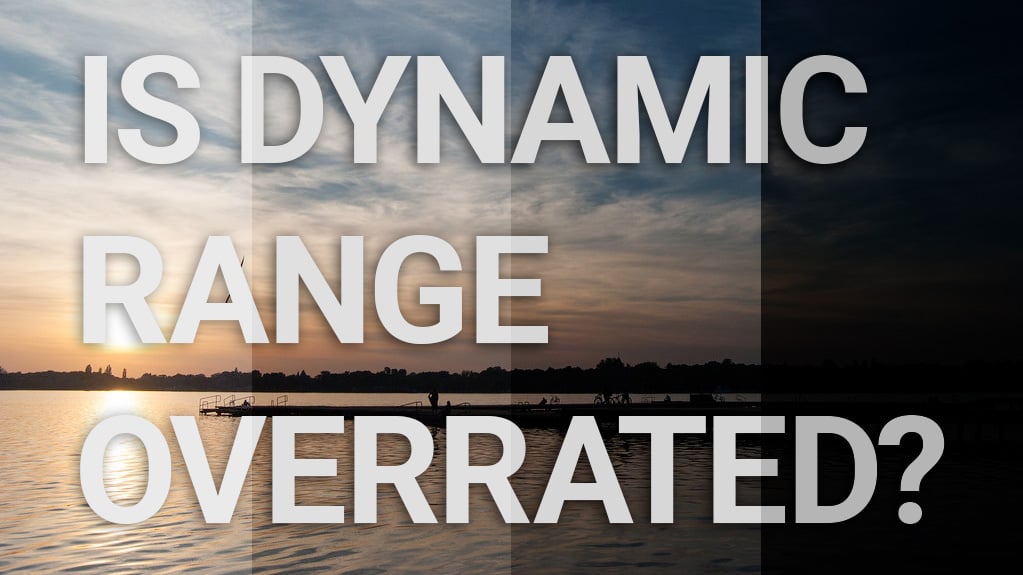
When choosing a camera, we have to pay attention to the specs, and dynamic range is one of the features we focus on. In his recent Adorama TV video, David Bergman answers a viewer’s question about how important dynamic range really is, and why photographers may worry about it more than they should.
What Is Dynamic Range?
Dynamic range describes the difference between the brightest highlights and darkest shadows a camera can capture while still keeping detail in both. If highlights exceed the camera’s limits, they clip and become pure white. On the other end, shadows can become so dark that detail disappears or turns into noise when brightened.
Dynamic range simply describes how much room there is between those two limits, usually measured in stops.
[Related Reading: Understanding dynamic range in photography: A complete guide]
Why Want More Dynamic Range?
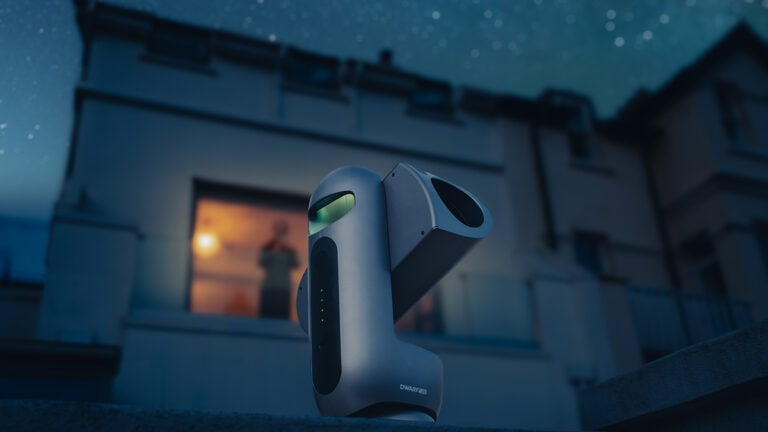
Our eyes can handle an enormous range of brightness because the brain constantly adapts as our eyes shift between the bright and the dark areas of the scene. We can look at a bright sky and a dark building and still see detail in both. Cameras can’t quite do that.
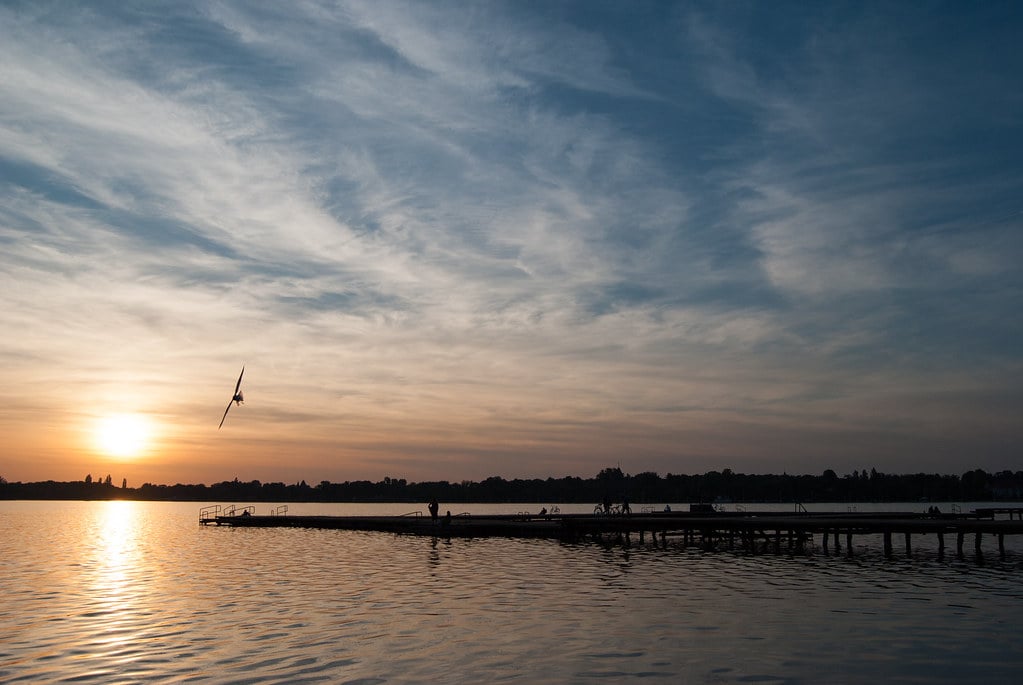
When you take a photo, you must choose an exposure. If the scene has moderate contrast, it’s usually easy to keep everything within the camera’s range. But in high-contrast scenes (like bright skies and dark buildings), the camera may not be able to capture everything in a single frame.
That forces a decision. You might expose for the ground and let the sky blow out, or expose for the sky and let the foreground go dark.
File Format Matters
File format also affects how much dynamic range you can work with later. JPEG files are compressed and processed in-camera. They contain limited tonal information, and once highlights or shadows are lost, there’s little you can do to recover them.
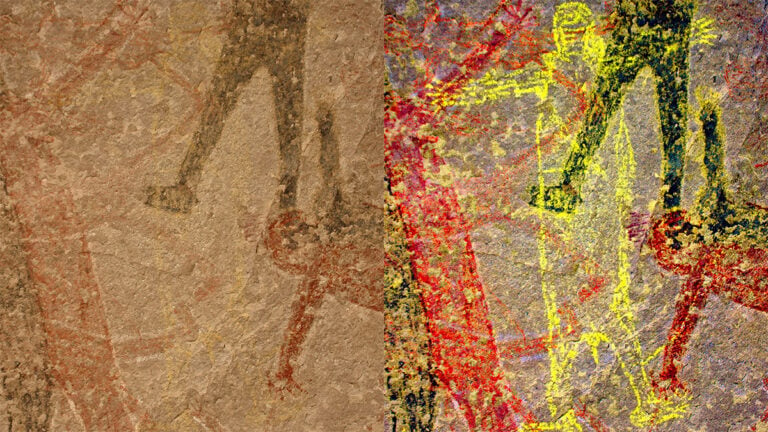
RAW files, on the other hand, store much more image data. Even when highlights or shadows appear clipped in the preview, additional detail may still be recoverable during editing, at least up to a point.
This is why many of us shoot RAW. A well-exposed RAW file often provides enough flexibility to recover highlights or shadows without needing multiple exposures. Speaking of multiple exposures, another solution is exposure bracketing: shooting multiple images with different exposures and combining them later into an HDR image. While this increases dynamic range, it requires more work. It doesn’t always work well, especially with moving subjects. And it’s easy to overdo it (just remember those late 2000s HDR images, yikes).

What Else Impacts Dynamic Range?
Dynamic range also depends on other factors besides the camera model. David mentions base ISO, which is where cameras typically deliver their best dynamic range, and the range decreases as ISO increases. Sensor design and image processing also influence performance.
There are even different ways to measure dynamic range, which is why comparisons between cameras can sometimes become overly technical.
In practice, though, these differences often matter less than we think.
So, Is Dynamic Range Overrated?
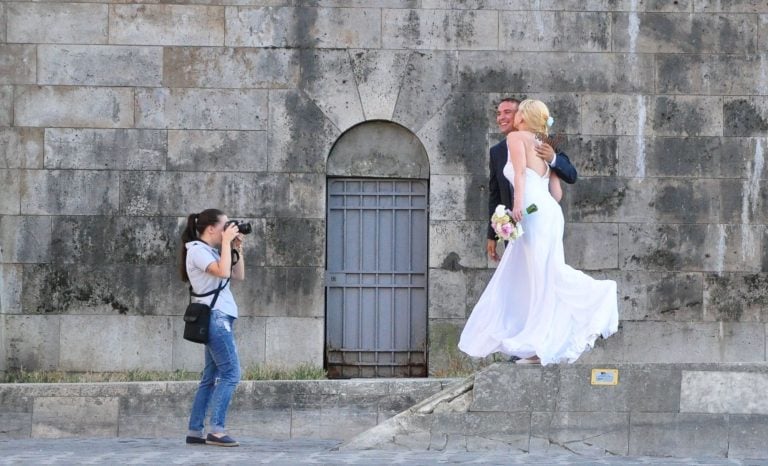
David’s main point is simple: most photography problems aren’t caused by limited dynamic range. So, yeah, it could be overrated. Extra dynamic range can certainly help in some situations, like photographing a white wedding dress next to dark suits or shooting interiors with bright windows. But more often, the real issue is poor lighting.
Flat light, harsh light, or poorly directed light usually matters far more than a few extra stops of dynamic range. In fact, trying to recover every shadow detail can actually weaken an image. Lifting shadows too much removes contrast and depth. Sometimes deep shadows or pure black areas make a photo stronger.
David also reminds us that iconic photos were created long before modern cameras with impressive dynamic range. Many classic film stocks had far less range than today’s digital sensors. And yet, photographers who used them produced stellar images we still admire today. The “trick” is that they understood light, timing, and composition.
So, instead of relying on dynamic range to fix difficult scenes later, David suggests focusing on capturing better light in the first place. As he puts it, dynamic range “can’t create good light – it can only capture bad light with more detail.”
[Dynamic Range is Overrated – Ask David Bergman via Adorama TV]
See more from DIYPhotography.net on Google
Add DIYPhotography.net as a trusted source. This makes
our stories more likely to appear in your Google Search results.
 Add as a preferred source on Google

Dunja Đuđić Kalinin
Dunja Djudjic is a multi-talented artist based in Novi Sad, Serbia. With 15 years of experience as a photographer, she specializes in capturing the beauty of nature, travel, concerts, and fine art. In addition to her photography, Dunja also expresses her creativity through writing, embroidery, and jewelry making.



Join the Discussion
DIYP Comment Policy
Be nice, be on-topic, no personal information or flames.