






















How to Take Stunning Photos in China: A Photographer’s Travel Guide
Jul 16, 2025
Billy Cristal
I’m Billy Cristal—a photographer who’s always been curious about the world and the people in it. I like going places without much of a plan and seeing what turns up. When I’m not taking photos, I’m into horse racing, snowboarding, jet skiing, and the occasional round of golf. I’ve got a soft spot for Asian food, marinated meats, and the kind of cheese you have to ask how to pronounce. I believe in good light, good timing, and even better conversations.
Share:

From the electric streets of Shanghai to the tranquil mountains of Zhangjiajie, China is a photographer’s dream. The country offers an endless palette of culture, architecture, landscapes, and humanity—all ready to be framed through your lens. But getting great shots here isn’t just about pointing your camera. In this guide, we’ll dive deep into the challenges and techniques of China photography, while offering practical travel tips to make your trip smoother, safer, and more inspiring.
Why Photography of China Is So Unique
Photography of China offers a distinct blend of old and new, chaos and calm. You can spend one morning photographing futuristic skyscrapers in Shenzhen and the same evening documenting centuries-old temples in rural Guangxi. The country’s sheer scale and diversity make it one of the richest photographic destinations on Earth. Whether you’re shooting street scenes, landscapes, portraits, or food photography, China’s visual variety will keep your memory card full and your creative eye challenged.
Essential Gear for China Photography
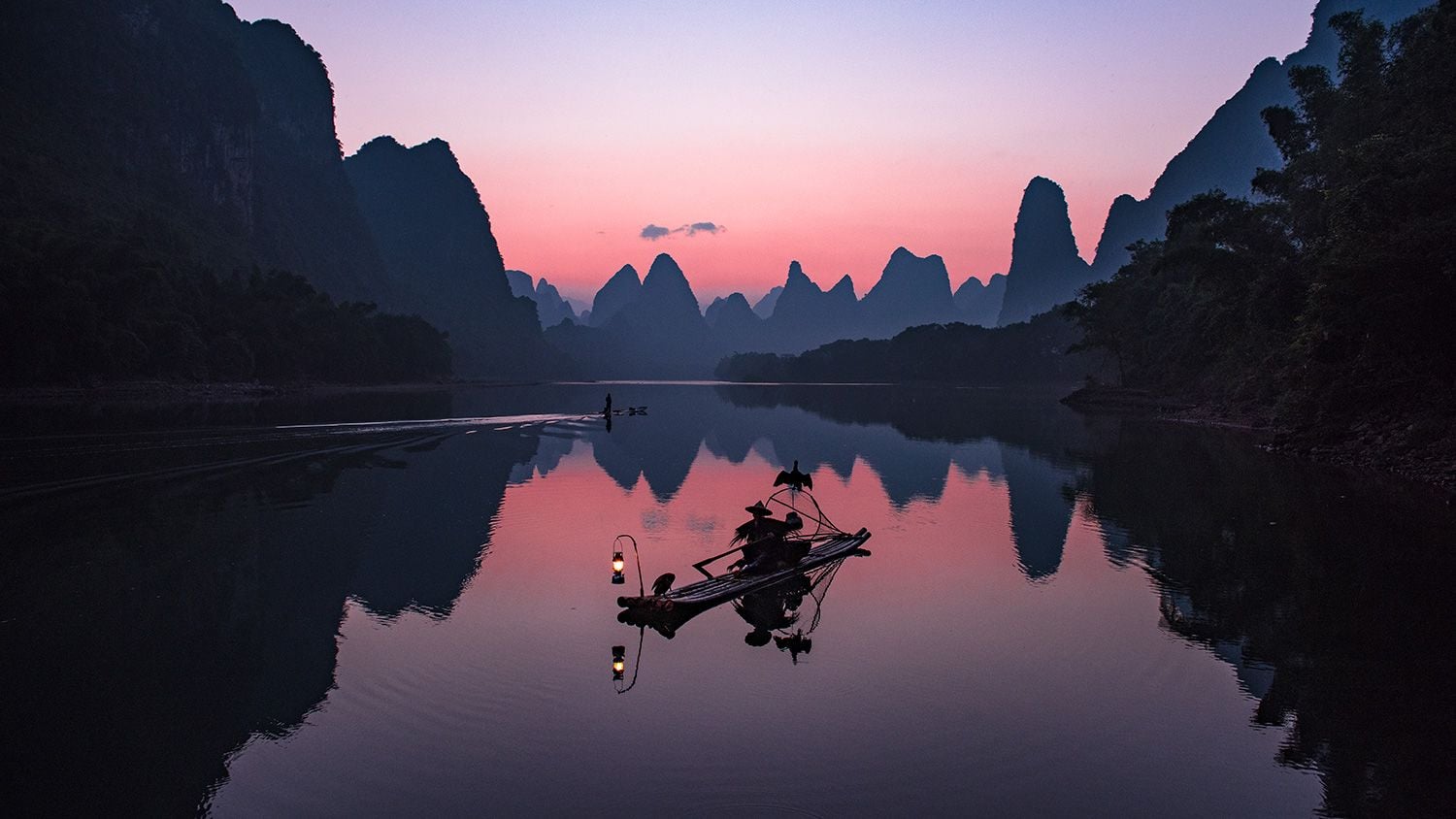
Before diving into the streets or mountains, make sure your gear is ready for the trip. For city work, a lightweight mirrorless camera with a fast prime lens (like a 35mm or 50mm) is ideal for candid moments and street photography. For landscapes—especially in regions like Yunnan, Tibet, or Sichuan—consider a wide-angle lens and tripod. Don’t forget ND filters for long-exposures at busy locations like the Bund in Shanghai or the Li River at sunrise.
China can be dusty, humid, or wet depending on where you are, so keep a lens cloth handy and consider a rain cover for your camera bag. Power outlets use Type A, C, and I plugs, so bring a universal adapter to keep your gear charged between sessions.
Travel Light, Shoot Smart
One of the biggest regrets photographers have after traveling to China is overpacking. You’ll be walking more than you think, often in crowded cities or mountainous terrain. Want to keep your back and mind light? Learn how to make strategic gear decisions in our guide: How to Travel Lighter With Your Camera Gear (and Not Regret It).
Minimal kits with one camera body and two lenses (a prime and a zoom) are often the most freeing. You’ll spend less time fumbling and more time framing what matters.
Respect the Culture and Your Subjects
One of the most important rules in China photography is showing respect. Many older locals are open to being photographed, especially in markets or small villages—but always ask first with a smile or a gesture. In urban areas, candid shots are usually fine, but be sensitive when photographing government buildings, military personnel, or controversial landmarks like Tiananmen Square.
If you want deeper cultural portraits, learn a few phrases in Mandarin like “Néng pāizhào ma?” (Can I take a photo?). It can go a long way in building trust, especially in rural communities where fewer tourists venture.
Travel Photography Tips to Level Up Your Shots
Capturing China’s beauty isn’t just about being in the right place—it’s about knowing how to shoot it. For a deep dive into composition, timing, and storytelling, check out our guide: Try These 3 Essential Tips for Better Travel Photography This Summer.
Some quick takeaways: shoot at golden hour for the best light, get low to add drama and foreground, and don’t be afraid to wait for the right moment—a child skipping, a vendor laughing, or fog breaking over a mountain can elevate your photo from decent to unforgettable.
Stop Making These Common Travel Photography Mistakes
Even seasoned photographers fall into habits that can ruin a great travel shot. Are you rushing your compositions? Relying too much on editing? Missing the light by sleeping in? We’ve covered the most common pitfalls and how to fix them in our article: Stop Making These Common Travel Photography Mistakes Now.
When shooting photography of China, slowing down and being intentional with your framing and timing can make a huge difference. Don’t just “take” photos—craft them.
Don’t Rely on Your Home Phone Plan
Here’s one overlooked tip for any kind of photography of China: connectivity matters. You’ll want mobile data to access maps, check weather for sunrise shoots, upload backups, or translate signs and conversations. But most foreign phone plans don’t work reliably in China—or charge massive roaming fees.
Instead, go with a local eSIM. We recommend this China travel eSIM from Nomad. It gives you data right away when you land, with better coverage than relying solely on hotel Wi-Fi. Just scan a QR code, install the eSIM, and you’re connected. No fumbling with physical SIMs or language barriers at the airport.
Best Locations for China Photography
Everyone knows the Great Wall, the Forbidden City, and the Terracotta Army. But here are a few lesser-known but incredibly photogenic spots:
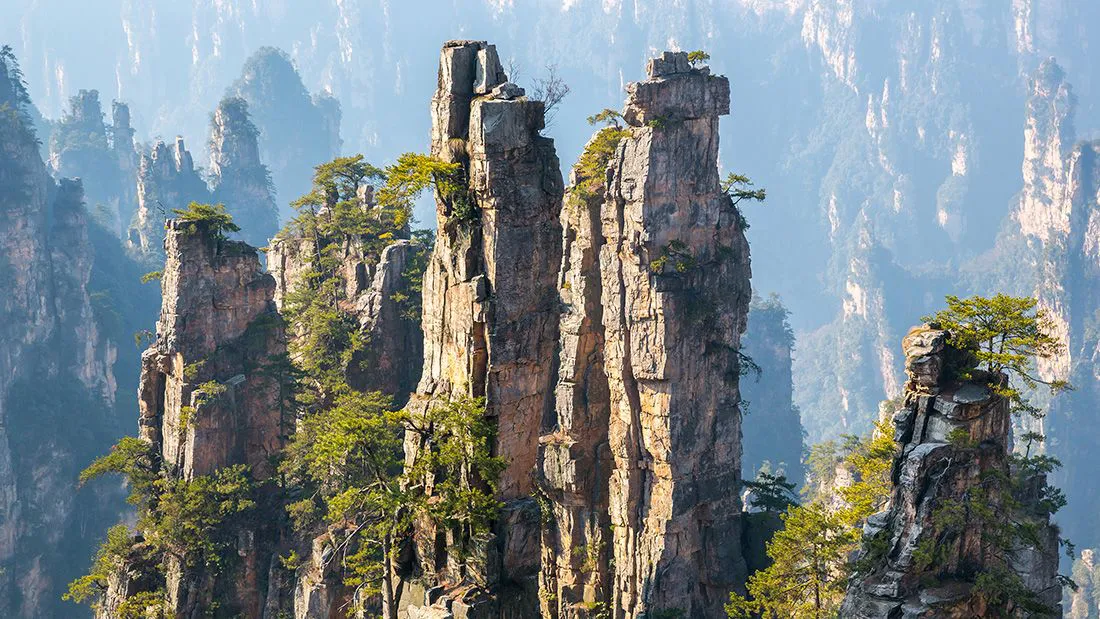
- Wulingyuan Scenic Area (Hunan): The real-life Pandora from “Avatar.” Pillar-like mountains shrouded in mist create an ethereal landscape.
- Hongcun Ancient Village (Anhui): A UNESCO World Heritage site with still water reflections, traditional homes, and narrow alleyways.

- Xiapu Mudflats (Fujian): Patterns of seaweed farms and fishermen’s nets create painterly compositions best captured at sunrise or sunset.

- Dongchuan Red Land (Yunnan): Brilliant red soil and patchwork farmland—a colorist’s dream and a rare sight in landscape photography.

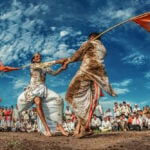
[These photos were taken by Mercier Zeng you can view more of his amazing work here]
Editing and Sharing While in China
Because of the Great Firewall, apps like Instagram, Facebook, and Google are blocked without a VPN. But even with one, speeds can be inconsistent. Consider editing in apps like Lightroom Mobile and sharing your images later, once you’re back on more stable Wi-Fi or home soil.
If you’re storing images in the cloud, make sure your auto-backup app works without needing Google Drive. Services like Dropbox or iCloud tend to perform more reliably.
When to Go for the Best Photos
Spring (April–May) and Fall (September–October) are the best times for China photography. Weather is generally mild, air quality is better, and popular destinations are less crowded. Avoid major holidays like Chinese New Year or Golden Week unless you’re specifically looking to capture the energy and chaos of mass travel.
China’s Landscape Diversity — In Photos by Mercier Zeng
Just like the United States, China boasts a tremendous diversity of landscape and natural beauty. From snowy peaks and desert dunes to rice terraces and tropical coastlines, it’s a country where every region looks—and feels—different. That’s part of what makes China photography so endlessly rewarding: no two trips will ever look the same through your lens.
To see this diversity in action, we’re showcasing a series of images from acclaimed photographer Mercier Zeng, who has spent years capturing the soul of China’s natural and cultural landscapes.
These photos serve as a reminder: photography of China isn’t limited to megacities and temples. Some of the most breathtaking scenes lie in its remote provinces—waiting patiently for the right light, the right moment, and the right eye to notice them.



Final Thoughts
Photography of China is not just a visual adventure—it’s a cultural one. Every province has a different face, rhythm, and energy. Prepare ahead, pack smart, and approach the country with curiosity and humility. Let your camera be the bridge between your world and theirs.
For more tips on how to improve your travel photography no matter where you’re headed next, don’t miss our full guide: 3 Essential Tips for Better Travel Photography.
See more from DIYPhotography.net on Google
Add DIYPhotography.net as a trusted source. This makes
our stories more likely to appear in your Google Search results.
 Add as a preferred source on Google

Billy Cristal
I’m Billy Cristal—a photographer who’s always been curious about the world and the people in it. I like going places without much of a plan and seeing what turns up. When I’m not taking photos, I’m into horse racing, snowboarding, jet skiing, and the occasional round of golf. I’ve got a soft spot for Asian food, marinated meats, and the kind of cheese you have to ask how to pronounce. I believe in good light, good timing, and even better conversations.



Join the Discussion
DIYP Comment Policy
Be nice, be on-topic, no personal information or flames.