















Fuji recommends to keep OIS turned on even with a tripod for XF 16-80mm f/4 and XF 200mm f/2 lenses
Aug 7, 2019
John Aldred
John Aldred is a photographer with over 25 years of experience in the portrait and commercial worlds. He is based in Scotland and has been an early adopter – and occasional beta tester – of almost every digital imaging technology in that time. As well as his creative visual work, John uses 3D printing, electronics and programming to create his own photography and filmmaking tools and consults for a number of brands across the industry.
Share:

It’s been a pretty common thing since the early days of Nikon’s VR and Canon’s IS, that you turn stabilisation off in lenses when using a tripod. As technology has progressed, turning off the stabilisation hasn’t been important. Fuji, though, has long said that IBIS should be turned off in cameras when shooting on a tripod, nothing has really been said about their lenses. At least, not until now.
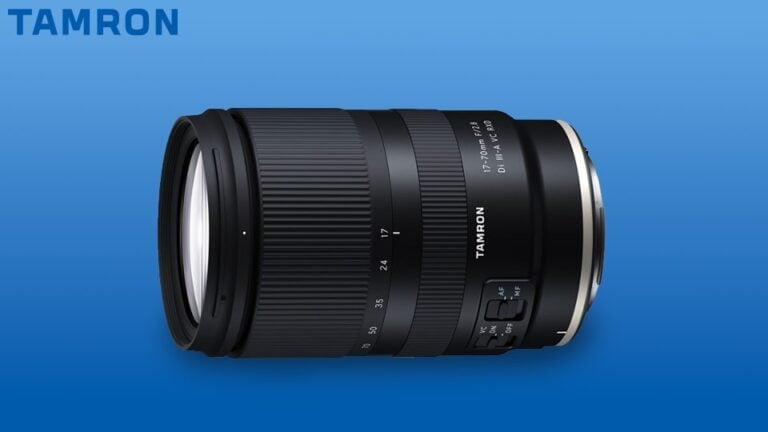
The folks at Fuji Rumors spotted in the manuals for the Fujinon XF 16-80mm f/4 and Fujinon XF 200mm f/2 lenses that users are specifically advised to keep stabilisation turned on all the time, even when using a tripod.

It seems counter-intuitive, especially when lens stabilisation technology from other companies, while often sort-of-mostly-ok on a tripod, is still typically disabled when doing shooting from one for one reason or another. It might seem odd for Fuji to actually make an official recommendation about it in the manual, but it’s probably something to do with this feature…
the lens recognizes shooting conditions, such as panning and shooting on a tripod, and automatically applies the optimum stabilization control
It does make you wonder, though, why the lens has an option to disable OIS at all, then, if it’s ok even when on a tripod, and the official guidance is to not turn it off.
I am curious if it makes any difference to image quality at all whether it’s turned on or not when on a tripod. Quite a few stabilised lenses will still try to compensate for motion that isn’t there and actually cause your shot to get worse when on a tripod.
Even if Fuji has managed to overcome that issue, then I do wonder how consistent it is from shot to shot. If you leave OIS enabled, will you be able to shoot multiple bracketed exposures for compositing, perfectly aligned straight out of the camera? And if you shoot timelapse, will the scene drift slightly around the frame as you play the final sequence back at video frame rates?
If you own either of these lenses and decide to try answering the above questions, let us know.
If you want to see the manuals for the two lenses mentioned, you can see the Fujinon XF 16-80mm f/4 manual here and see the Fujinon XF 200mm f/2 manual here.
[via Fuji Rumors]

John Aldred
John Aldred is a photographer with over 25 years of experience in the portrait and commercial worlds. He is based in Scotland and has been an early adopter – and occasional beta tester – of almost every digital imaging technology in that time. As well as his creative visual work, John uses 3D printing, electronics and programming to create his own photography and filmmaking tools and consults for a number of brands across the industry.



Join the Discussion
DIYP Comment Policy
Be nice, be on-topic, no personal information or flames.
2 responses to “Fuji recommends to keep OIS turned on even with a tripod for XF 16-80mm f/4 and XF 200mm f/2 lenses”
i tried leaving the ois on while shooting a long exposure (10s exposure @f8) on a tripod. Results were a blurred image. So I world recommended turning it off… Or theres also the possibility that I have a defective copy of the lens.
I tried yesterday will 16-80mm on tripod with long exposure…results up to 15 sec fine …anything longer images blurred…could not work why out but now realise I should have put the IS off through the camera! Darn!