



















This Free App Protects Your Face From Facial Recognition – Here’s How Well It Really Works
Jan 12, 2026
Dunja Đuđić Kalinin
Dunja Djudjic is a multi-talented artist based in Novi Sad, Serbia. With 15 years of experience as a photographer, she specializes in capturing the beauty of nature, travel, concerts, and fine art. In addition to her photography, Dunja also expresses her creativity through writing, embroidery, and jewelry making.
Share:
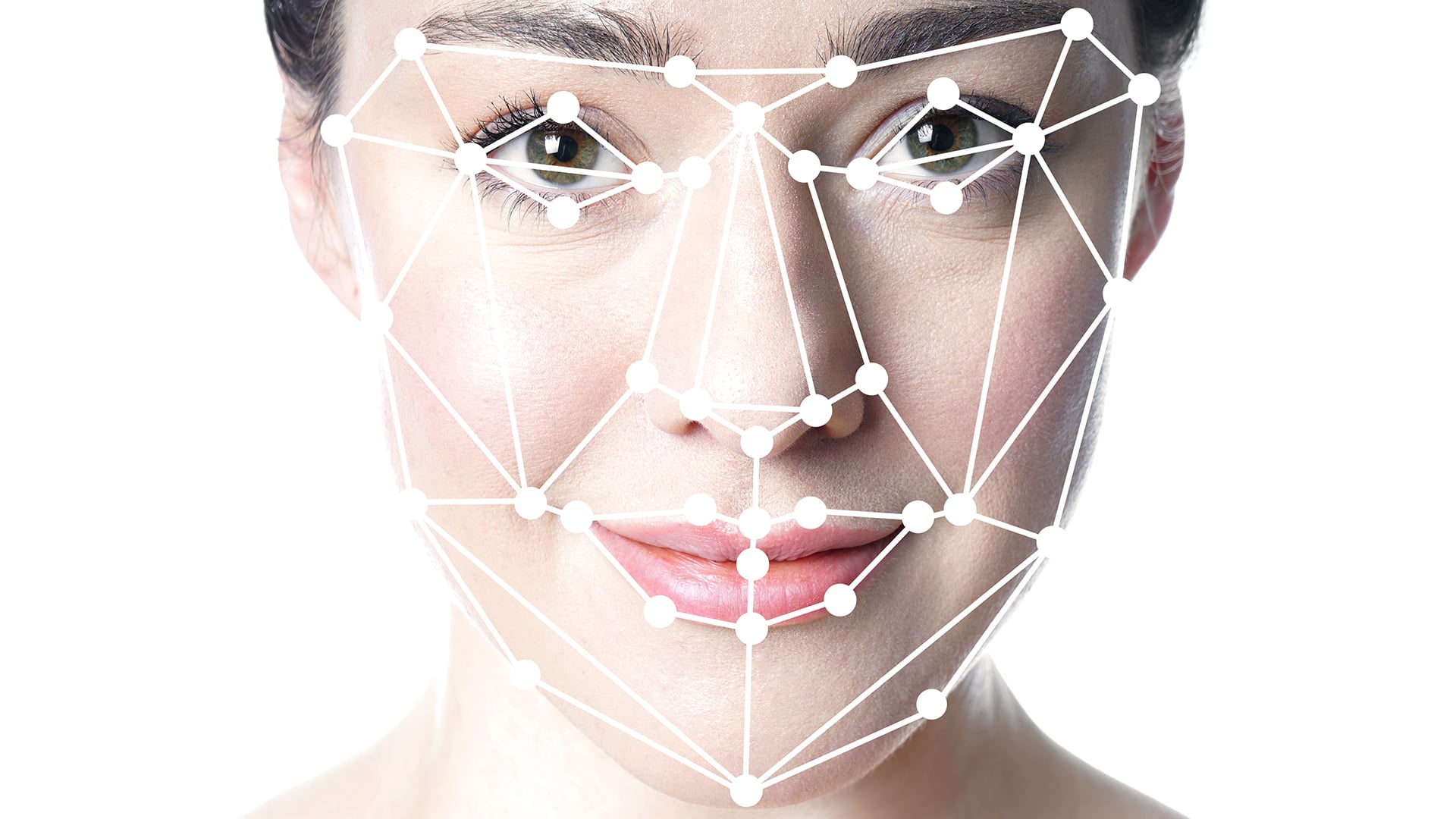
Facial recognition is becoming part of everyday life. It’s as scary as it sounds, and no wonder many people are asking the same uncomfortable question: how much control do I actually have over my own face online? Fawkes offers free facial recognition protection in a research-based app. It’s designed to make facial recognition systems misidentify you, without changing how you look to other humans. Let’s break down how it works, where it shines, and where it starts to show its age.
Created by researchers at the University of Chicago’s Sand Labs, Fawkes has been around since 2020. While the AI world has changed dramatically since then, the app is still available in 2026. And more importantly, it’s still relevant, but there are a few important caveats.
How Fawkes Works and How To Use It
Fawkes doesn’t blur your face, distort it, or add visible artifacts. Instead, it uses a technique known as image cloaking. Sounds like something from Harry Potter and it does kinda have a bit of magic to it. Essentially, the app makes tiny pixel-level changes to your photo, practically invisible to humans. However, facial recognition models see a different face. In other words, the image still looks like you to your friends, but to an AI trained on facial features, it may look like someone else entirely.
Technically speaking, Fawkes “poisons” images so that if they’re scraped or used for training, they become unreliable for identifying you later.
The Workflow
Using Fawkes’ free facial recognition cloak is pretty straightforward:
- Select one or more photos
- Run the cloaking process
- Share the cloaked versions online instead of the originals
Boom, you’re done.
Pros and Cons
As BGR points out, there are some good sides to this technology, but also bad ones. There’s also an additional advantage I’d like to point out: it works entirely offline. Your photos never leave your computer, there’s no cloud processing, and nothing gets uploaded to a server. The app behaves like a local photo editor rather than an online service, which means there’s no hidden data collection or quiet storage happening in the background. From a privacy standpoint, that’s about as clean and trustworthy as it gets.
Fawkes is also completely free and research-driven. There are no subscriptions, no ads, and no monetization roadmap waiting to kick in later. It comes from academic research, not a startup or a corporation trying to resell privacy back to you. On top of that, it has a solid track record against traditional facial recognition systems, with early tests showing strong results against major platforms like Microsoft Azure, Amazon Rekognition, and Face++. Just as importantly, the cloaked images remain fully usable. To other people, they look normal, not distorted or glitched, which makes the protection subtle rather than socially awkward.
Where things get less reassuring is effectiveness against modern AI. Fawkes hasn’t been updated since 2022, and today’s systems often identify people using more than just facial features. Body shape, context, metadata, and multiple images or angles can all be part of the equation. Fawkes targets facial recognition specifically, so while it can still help, it’s no longer a complete solution on its own.
There’s also a practical cost. There’s no mobile app, which means no instant cloaking from your phone and no spontaneous sharing. Every image has to be moved to a computer, processed, and then uploaded. For people who already share photos intentionally, that might be fine. For everyone else, it adds extra steps making the process more cumbersome and complicated.
Finally, Fawkes is part of an ongoing arms race. Once cloaking tools exist, AI companies can train models to work around them, and this has already happened once. It also doesn’t protect against identification via tattoos, clothing habits, locations, or body language. Your face may be cloaked, but your favorite jacket might still be doing a lot of the talking.
So… Is Fawkes Still Worth Using?
Fawkes isn’t a magic invisibility cloak anymore, but it’s far from useless. It works best when you think of it as a strong deterrent rather than a guarantee, a way to reduce exposure rather than erase identity, and a privacy tool for intentional sharing rather than total anonymity.
If you care about where your face ends up and how it’s used, Fawkes remains one of the most transparent and honest tools available. It doesn’t promise miracles. It just quietly makes things harder for systems that never asked for your consent in the first place.
[via BGR]
See more from DIYPhotography.net on Google
Add DIYPhotography.net as a trusted source. This makes
our stories more likely to appear in your Google Search results.
 Add as a preferred source on Google

Dunja Đuđić Kalinin
Dunja Djudjic is a multi-talented artist based in Novi Sad, Serbia. With 15 years of experience as a photographer, she specializes in capturing the beauty of nature, travel, concerts, and fine art. In addition to her photography, Dunja also expresses her creativity through writing, embroidery, and jewelry making.
Related Posts
 This free selfie-scrambling app protects you from facial recognition but still looks like you
 Facial recognition systems can identify you even if your face is pixelated
 Designers Now Making Sunglasses That Block Facial Recognition
 Over 100 musicians unite in boycott against facial recognition at concerts
Join the Discussion
DIYP Comment Policy
Be nice, be on-topic, no personal information or flames.