




















DJI Drone Ban in the US: Not Yet But Coming IF Security Review Fails… Here’s All About the FAA Drone Regulation Update
Sep 19, 2025
Darlene Lleno
Darlene Lleno brings a unique perspective to DIY Photography as someone who grew up surrounded by camera gear but chose words over lenses. With five years of writing experience, she specializes in photography content that’s both technically informed and genuinely passionate. Growing up with a photographer twin brother meant camera talk was everyday conversation in her household. While he mastered capturing moments, Darlene discovered she preferred being the subject and the storyteller behind the scenes. As a travel enthusiast and mother of two, she understands the importance of preserving life’s precious moments. When not exploring new destinations or writing for DIY Photography, you’ll find her reading or tending to her garden. Her approach to photography writing is refreshingly authentic, she may not be behind the camera, but she knows exactly what it takes to help others capture the shots that matter most.
Share:
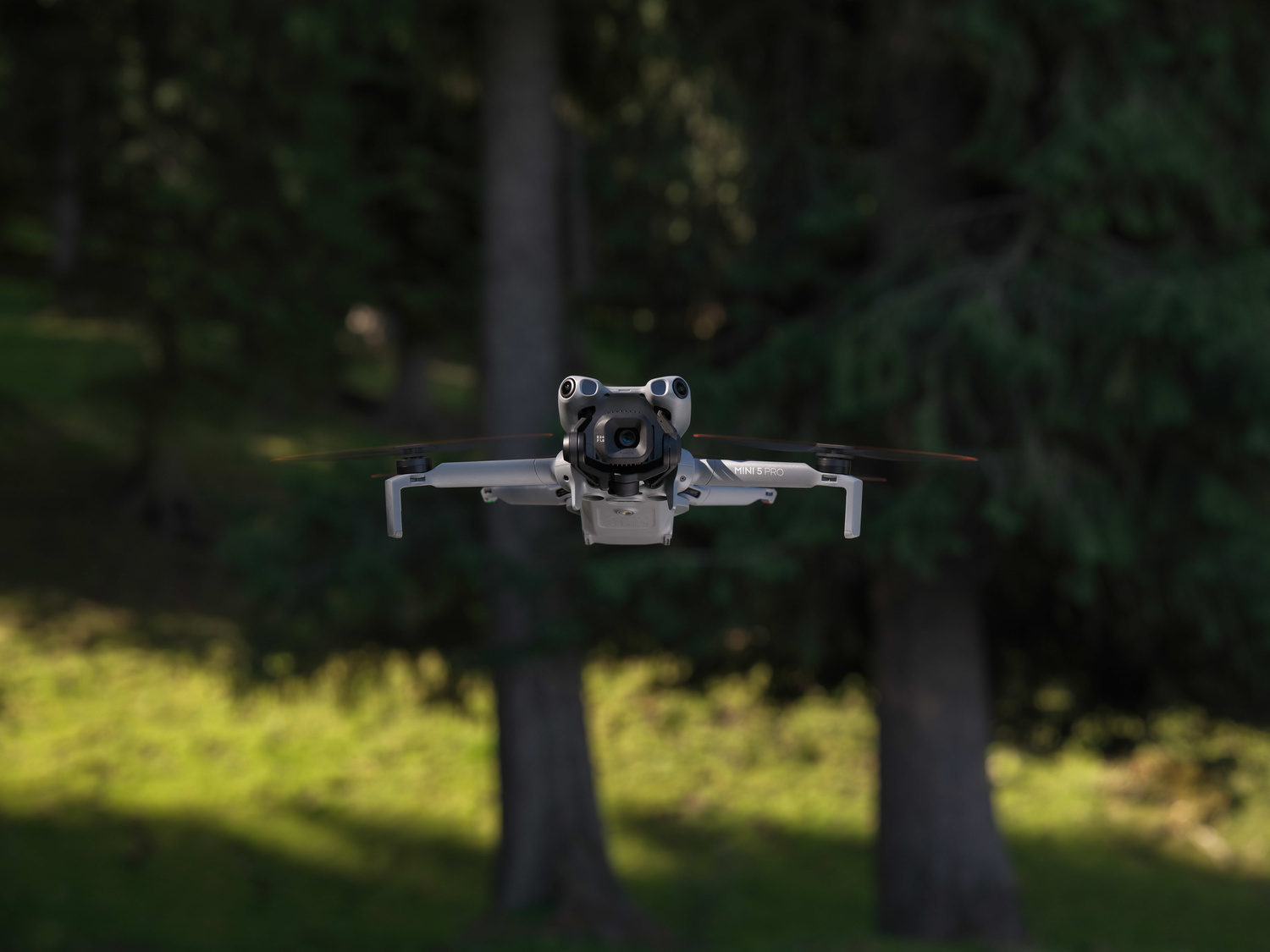
The DJI drone ban in the US isn’t happening right now, but it could become reality by December 23, 2025. Congress passed the 2025 National Defense Authorization Act with a provision that could automatically place DJI and Autel drones on the federal government’s banned list if no security review gets completed by year’s end.
Read our complete guide about the upcoming DJI drone ban here.
FAA Drone Regulation Update: New BVLOS Rule Changes Everything
While the DJI drone ban in the US grabs headlines, major FAA drone regulation updates are quietly reshaping the entire industry. In August 2025, Transportation Secretary Sean Duffy announced the long-awaited Beyond Visual Line of Sight (BVLOS) proposed rule that could revolutionize commercial drone operations.
The BVLOS proposed rule eliminates the need for individual waivers that previously made long-distance drone flights extremely difficult. After years of drafting and delays, the proposed rule would create a standardized regulatory framework to enable commercial drone operators to fly beyond visual line of sight, removing the need to apply for individual waivers.
This regulatory shift comes from President Trump’s June 2025 executive order titled “Unleashing American Drone Dominance.” The administration directed the FAA to publish a final BVLOS rule within 240 days, meaning we could see finalized regulations by early 2026.
The new approach uses performance and risk-based standards instead of blanket restrictions. Rather than propose a one-size-fits-all regulatory framework, the proposed rule scales the regulatory requirements and permissions to the type of the drone operation (e.g., high-risk operations due to aircraft size, weight, speed, the area of overflight, and operational parameters will require an operating certificate versus an FAA permit for lower-risk operations).
Remote ID Requirements Now Fully Enforced
The FAA has completed its rollout of Remote ID requirements, a massive shift that affects nearly every drone operator. By 2025, virtually all drones in the NAS above 250g are broadcasting Remote ID. This was one of the biggest shifts in drone law implementation.
Drones over 250 grams must now broadcast identification and location data during flight, unless operated in FAA-Recognized Identification Areas (FRIAs). The enforcement period ended in 2024, meaning operators without Remote ID compliance are now flying illegally.
Public Safety Gets New Waiver Options
The FAA introduced significant updates for public safety drone operations. The FAA has introduced the Public Safety Shielded Operations Waiver, a significant advancement similar to the Tactical BVLOS Waiver. Unlike the Tactical Waiver, this new option can be applied for through Part 107 in the FAA Drone Zone and is available to all public safety organizations, regardless of their governmental status.
These waivers enable up to one mile of Beyond Visual Line of Sight operations for emergency response and law enforcement. The process has been streamlined significantly, with approval times dropping from 10 months to several weeks in many cases.
The 2025 NDAA Creates a Security Review Deadline
Section 1709 of the 2025 National Defense Authorization Act requires a national security agency to review DJI and Autel drones within one year of the law’s passage. The NDAA became law on December 23, 2024, which means agencies have until December 23, 2025, to complete their assessment.
Five agencies could handle this review: the Department of Homeland Security, Department of Defense, Federal Bureau of Investigation, National Security Agency, or Office of the Director of National Intelligence. As of July 2025, none of these agencies has started the mandated security review process.
The review must determine whether DJI and Autel pose an “unacceptable risk” to US national security. If any agency finds these companies dangerous, they get added to the FCC’s Covered List within 30 days. If no agency completes the review by the deadline, both companies automatically land on the list anyway.
What Happens When Companies Hit the FCC Covered List
Getting placed on the FCC’s Covered List means serious business restrictions. Companies on this list can’t get approval for new wireless equipment in the US market. For drone manufacturers, this spells disaster since drones need FCC certification to operate their radio transmitters legally.
New DJI and Autel drones would be banned from import and sale once they’re listed. The companies couldn’t launch updated models or get certifications for new products. Current drone owners might still fly their existing devices, but support could disappear fast.
The FCC believes it has authority to revoke existing certifications too. If they decide to pull these approvals, operating current DJI or Autel drones could become illegal. This would affect wireless radio transmitters inside the drones, making them non-compliant with federal communications rules.
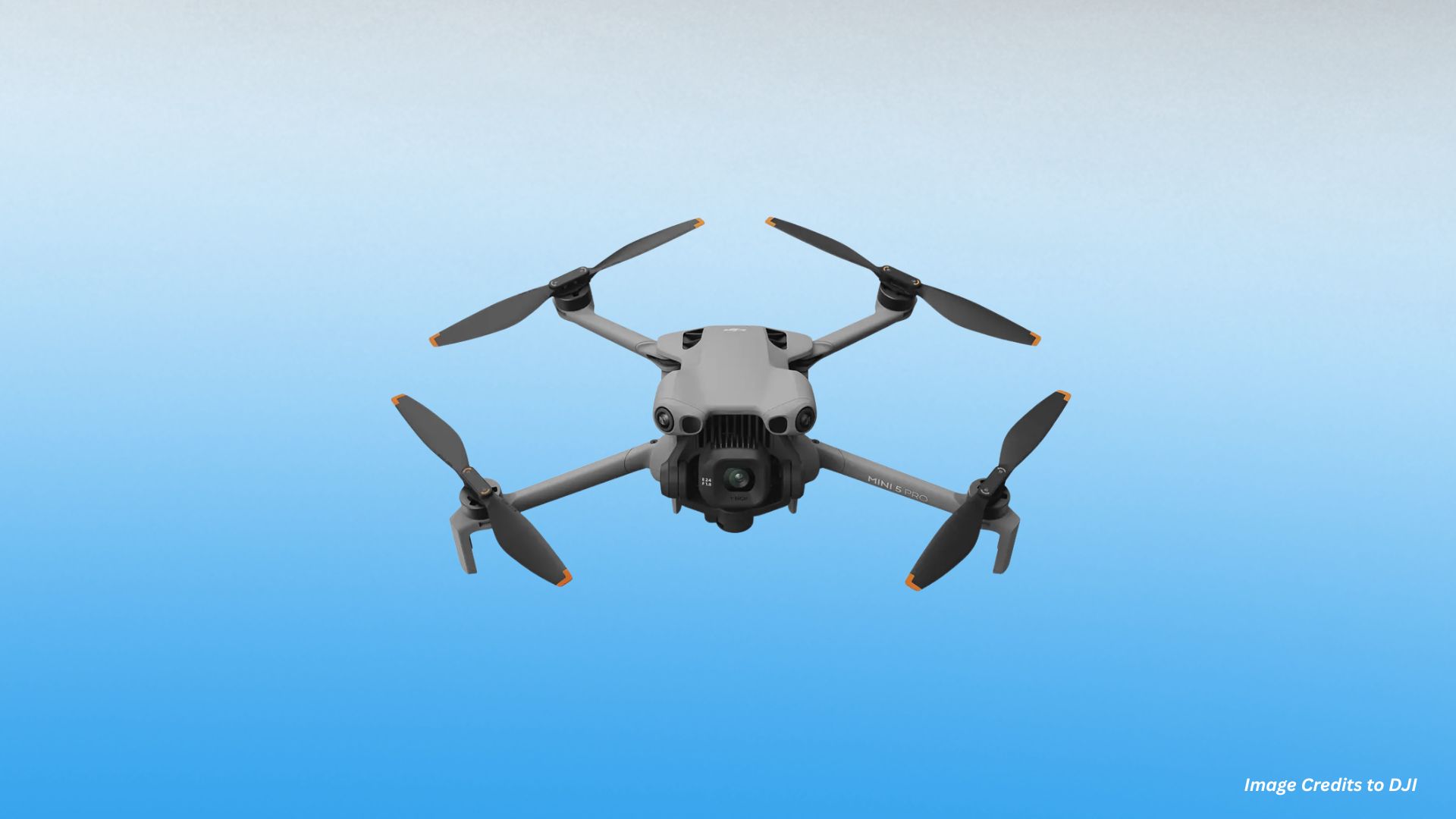
DJI Fights Back With Transparency Demands
DJI isn’t sitting quietly while its future hangs in the balance. The company formally requested all five national security agencies to conduct the mandated review. Adam Welsh, DJI’s head of global policy, sent letters asking for immediate action on the security assessment.
DJI has formally asked the five top US national security agencies to evaluate its drones — including popular models like the Air 3S, Mini 4 Pro, and the enterprise-focused Matrice 350 — before December 31, 2025.
The company argues that banning them without evidence violates due process. “If you do not evaluate DJI’s products in 2025, the FCC would also have to add the company’s equipment to its Covered List, depriving DJI of its due process and depriving thousands of businesses, consumers, and public safety agencies of products that they want and need for no reason at all.”
DJI welcomes scrutiny and claims its security measures can withstand government investigation. The company has consistently maintained that its data privacy protections meet industry standards and that security concerns lack factual basis.
The Impact Goes Beyond Individual Users
A DJI drone ban would ripple through multiple sectors of American society. Public safety agencies rely heavily on DJI equipment for search and rescue operations, fire response, and emergency management. In Florida, the Tampa Bay Times ran a scathing editorial questioning why the state was “grounding $200 million worth of perfectly good police drones.”
Small businesses face major disruptions too. Real estate photographers, wedding videographers, and agricultural operators have built their services around affordable DJI technology. For thousands of small businesses — from real estate photographers to roofing inspectors to wedding videographers — DJI’s cost-effective drones make professional-grade aerial work possible.
The agricultural sector particularly depends on drone technology for crop monitoring and precision farming. DJI’s dominance in this market means few alternatives exist at comparable price points and capability levels.
Why the Review Process Stalled
Six months after the NDAA’s passage, no agency has publicly announced plans to review DJI’s security. Several factors might explain this delay. The review requires significant resources and expertise to properly evaluate complex technology systems. Agencies might be hesitant to take on such a politically charged assessment.
The Trump administration issued executive orders about drone security and domestic manufacturing, but these didn’t address the pending DJI review directly. “On June 6, the Trump administration issued an executive order aimed at boosting innovation in the U.S. drone industry and strengthening the domestic drone supply chain,” DJI writes in a blog post today.
Meanwhile, “If no agency steps forward and completes the review by the December 2025 deadline, the NDAA provision could trigger an automatic ban on DJI – through no fault of our own, but simply because no agency chose to take on the work of reviewing our products,” DJI says.
Alternatives and Market Preparation
The potential DJI drone ban has sparked interest in American-made alternatives. The Blue UAS program certifies drones for government use through rigorous security testing. Companies like Skydio offer domestic options, though their enterprise focus means higher prices than consumer-oriented DJI products.
Green UAS provides NDAA-compliant certification for commercial operators with faster approval processes than military-grade testing. These programs aim to build confidence in domestic drone manufacturers and create pathways for government adoption.
However, price remains a significant barrier. American-made drones typically cost much more than comparable DJI models. This price gap could hurt small businesses and individual users who can’t afford premium alternatives.
Current Status and What Comes Next
As September 2025 approaches, the clock keeps ticking toward December’s deadline. As of July 2025, no agency has scheduled a review, and DJI is on track to be banned in the U.S.
The automatic trigger mechanism in the NDAA creates unusual pressure. Unlike previous legislative attempts that required active approval for bans, this system defaults to restriction unless agencies take positive action.
DJI inventory has already become scarce in many retail channels as distributors prepare for potential disruption. Although DJI isn’t banned in the United States, its drones are out of stock almost everywhere you look in the country.
Congress could still modify the timeline or requirements through new legislation. However, with current anti-China sentiment in Washington, political intervention seems unlikely.
The DJI drone ban represents more than just one company’s market access. It reflects broader tensions about technology dependence, national security, and economic competition between the US and China. Whether the ban actually happens depends entirely on whether any federal agency decides to conduct the mandated review in the remaining months of 2025.
For now, DJI users can continue operating their drones normally. But the uncertainty has already begun reshaping the American drone market, pushing users toward alternatives and forcing the industry to prepare for a potential future without the world’s largest drone manufacturer.
See more from DIYPhotography.net on Google
Add DIYPhotography.net as a trusted source. This makes
our stories more likely to appear in your Google Search results.
 Add as a preferred source on Google

Darlene Lleno
Darlene Lleno brings a unique perspective to DIY Photography as someone who grew up surrounded by camera gear but chose words over lenses. With five years of writing experience, she specializes in photography content that’s both technically informed and genuinely passionate. Growing up with a photographer twin brother meant camera talk was everyday conversation in her household. While he mastered capturing moments, Darlene discovered she preferred being the subject and the storyteller behind the scenes. As a travel enthusiast and mother of two, she understands the importance of preserving life’s precious moments. When not exploring new destinations or writing for DIY Photography, you’ll find her reading or tending to her garden. Her approach to photography writing is refreshingly authentic, she may not be behind the camera, but she knows exactly what it takes to help others capture the shots that matter most.
Related Posts
 The DJI Drone Ban Isn’t Official Yet, But Americans Still Can’t Get the Mini 5 Pro. Here’s What’s Really Happening
 Canadian Regulation of Aerial Drone Photography – DIYP Interviews Transport Canada and the Office of the Privacy Commissioner of Canada
 Instagram fails to protect against a $60 ban-whomever-you-want scam
 DJI Drone Ban Update: FCC Votes 3-0 on New Powers That Could Block Imports
Join the Discussion
DIYP Comment Policy
Be nice, be on-topic, no personal information or flames.
One response to “DJI Drone Ban in the US: Not Yet But Coming IF Security Review Fails… Here’s All About the FAA Drone Regulation Update”
this country excels in stupidity