





















How to Make a DIY Reflector and Diffuser from Household Items
Oct 10, 2025
Darlene Lleno
Darlene Lleno brings a unique perspective to DIY Photography as someone who grew up surrounded by camera gear but chose words over lenses. With five years of writing experience, she specializes in photography content that’s both technically informed and genuinely passionate. Growing up with a photographer twin brother meant camera talk was everyday conversation in her household. While he mastered capturing moments, Darlene discovered she preferred being the subject and the storyteller behind the scenes. As a travel enthusiast and mother of two, she understands the importance of preserving life’s precious moments. When not exploring new destinations or writing for DIY Photography, you’ll find her reading or tending to her garden. Her approach to photography writing is refreshingly authentic, she may not be behind the camera, but she knows exactly what it takes to help others capture the shots that matter most.
Share:

Creating professional-quality reflector and diffuser setups using simple household materials can transform your photography. Many photographers spend hundreds on specialized equipment. Some of the most effective light modifiers already exist in your home. Light behaves predictably whether you use expensive gear or everyday items.
Professional lighting equipment serves important purposes. Resourceful photographers have discovered countless household alternatives that produce similar results. The fundamental physics remain the same. A $200 commercial diffuser works like a $2 shower curtain. Light bounces off surfaces and passes through materials based on their properties. Understanding light behavior forms the foundation of all optical applications.
This approach makes quality light control accessible to everyone. Students, hobbyists, and professionals often reach for household items when commercial gear isn’t available. The skills you develop with improvised equipment make you more versatile.
Read more: How to Make a DIY Reflector and Diffuser from Household ItemsUnderstanding Light Behavior with Household Materials
Light interacts with surfaces in predictable ways that we can control using common household items. Reflective surfaces bounce light back toward your subject. Translucent materials scatter and soften harsh illumination. Choosing materials with the right optical properties helps you get specific lighting effects.
Different household materials create distinct lighting characteristics. A white bedsheet produces soft, even diffusion. Aluminum foil creates sharp, specular highlights. Understanding these relationships helps you choose the right material for each shot.
Surface Texture and Light Quality
Smooth surfaces like mirrors create harsh, directional reflections. These work well for adding dramatic highlights or filling specific shadow areas. Textured surfaces like crumpled foil scatter light in multiple directions. This produces softer, more gradual illumination.
The size of surface irregularities determines reflected light quality. Fine textures create subtle variations in light direction. Coarse textures produce more dramatic scattering effects. This principle applies to both commercial equipment and improvised alternatives.
Matte surfaces absorb some light while reflecting the rest diffusely. White walls, poster board, and fabric fall into this category. They produce gentle, even portrait lighting that mimics expensive photography umbrellas.
Material Transparency and Diffusion
Translucent materials create diffuser effects by scattering light as it passes through them. The degree of scattering depends on the material’s internal structure and thickness. Thin materials like tissue paper produce subtle softening. Thicker options like shower curtains create more dramatic diffusion.
Multiple layers intensify the diffusion effect while reducing light transmission. This technique lets you fine-tune the balance between softness and intensity. Stack tissues or overlap plastic bags to achieve the exact diffusion your shot needs.
Some household materials combine reflection and diffusion properties. Wax paper reflects some light while transmitting the rest in a scattered pattern. This dual behavior makes it versatile for creative lighting applications.
Creating Effective DIY Reflector Systems
Building reflector systems from household materials requires understanding how different surfaces affect light color, intensity, and direction. The most effective DIY reflectors combine accessibility with reliable performance.
White surfaces provide the most neutral reflection. They maintain accurate color temperature while filling shadows evenly. Poster board, foam core, and large sheets of paper work excellently for this purpose.
Poster Board and Foam Core Solutions
Large white poster boards create excellent bounce surfaces for portraits and still life work. Their rigid structure makes positioning easy. The matte white surface provides soft, even reflection without color shifts. Tape multiple boards together for larger subjects.
Foam core boards offer similar optical properties with added rigidity and durability. They’re lightweight enough for handheld use yet sturdy enough to maintain their shape. The thickness prevents the material from flexing in air currents.
Both materials accept modifications easily. Cover them with different fabrics or papers to change their reflective properties. Silver fabric creates more intense reflection. Cream-colored materials warm the reflected light subtly.
Aluminum Foil Reflector Techniques
Aluminum foil creates powerful specular reflections that add dramatic highlights and strong fill lighting. The key to successful foil reflector use lies in controlling harshness through proper positioning.
Smooth foil produces mirror-like reflections that can overwhelm subjects if positioned incorrectly. Crumpling the foil before smoothing it out creates a textured surface. This scatters light more evenly while maintaining strong output.
Mount foil on cardboard backing for easier handling. This combination gives you the optical properties of metal reflection with convenient portability. The cardboard backing prevents the foil from tearing during transport.
Fabric-Based Reflector Options
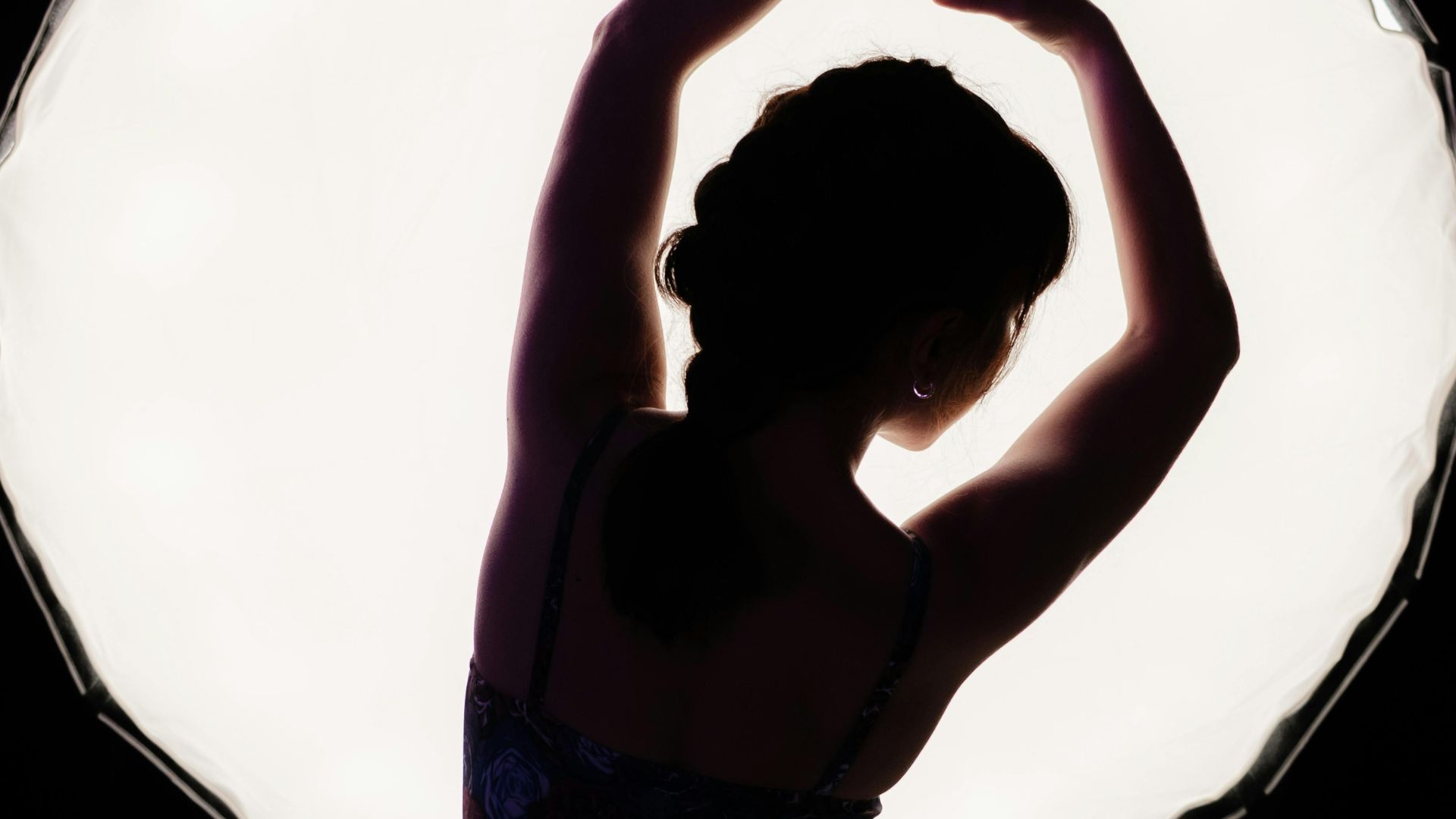
White bedsheets and curtains create large, soft reflector surfaces perfect for full-body portraits. Their flexibility allows for creative shaping and positioning that rigid materials can’t match. Stretch them between stands or drape them over furniture.
Different fabric weaves affect light scattering patterns. Smooth fabrics like cotton sheets produce relatively even reflection. Textured materials like canvas create more complex light patterns. Experiment with various household fabrics to discover unique effects.
Colored fabrics introduce deliberate color casts that can enhance mood or correct color balance. A gold-toned bedsheet warms harsh daylight. Blue materials cool overly warm artificial lighting. This technique works well for creative portrait applications.
DIY Diffuser Construction Methods
Effective diffuser construction focuses on creating even light transmission while maintaining structural integrity. The best household diffusers balance optical performance with practical considerations like size and weight.
Shower curtains represent one of the most effective household diffuser materials. Their large size covers substantial areas. Their waterproof construction resists damage from moisture and handling. Clear or translucent white curtains work best.
Shower Curtain Diffuser Systems
Position shower curtains between your light source and subject to create instant softbox effects. The large surface area provides even diffusion across wide areas. This makes them ideal for full-body portraits and product photography.
Creating frame systems for shower curtain diffusers improves their effectiveness. Build simple rectangular frames from PVC pipe or wooden strips. Attach the curtain material using clips or tape. This creates a portable, professional-quality diffusion system.
Multiple curtain layers intensify the diffusion effect while reducing light transmission. This flexibility lets you adjust the balance between soft lighting and adequate exposure. Start with single layers and add more as needed.

Paper and Tissue Diffusion Techniques
White tissue paper creates subtle diffusion effects perfect for close-up work and macro photography. Its thin construction maintains high light transmission while gently softening harsh shadows. Layer multiple sheets for stronger diffusion.
Wax paper offers similar properties with increased durability and slightly different optical character. Its semi-translucent surface creates interesting texture effects in the diffused light. The waxy coating makes it somewhat water-resistant for outdoor applications.
Large sheets of tracing paper work well for medium-sized diffusion applications. Art supply stores stock these materials in large formats. Many households contain smaller sheets perfect for tabletop photography and product shots.
Plastic Bag and Wrap Solutions
Clear plastic storage bags create effective impromptu diffusers when other materials aren’t available. Their compact folded size makes them excellent for travel photography. Their disposable nature eliminates concerns about damage or loss. Choose larger bags for better coverage.
Plastic wrap layers between supports create custom-sized diffusion panels for specific applications. Stretch the wrap tightly to minimize wrinkles that could create uneven light transmission. This works well for small-scale work where precise diffusion control matters.
Garbage bags, when properly prepared, provide large-scale diffusion surfaces for minimal cost. Choose white or clear bags and ensure they’re clean before use. The large size makes them suitable for background lighting applications.
Advanced Techniques for Light Control
Professional-level light control using household materials requires understanding how to combine multiple elements. These advanced techniques let you create sophisticated lighting that rivals commercial studio setups.
Layering different reflector and diffuser materials creates unique lighting characteristics. Combine bounce cards with diffusion panels. Use multiple reflectors at different angles to build complex lighting patterns.

Multi-Surface Reflection Systems
Creating multi-bounce lighting systems using household materials produces incredibly soft, even illumination. Position multiple reflectors around your subject to create wraparound lighting that eliminates harsh shadows.
Start with a primary bounce surface positioned opposite your main light source. Add secondary reflectors on the sides and potentially below your subject. This technique works particularly well for beauty photography where even, flattering light is paramount.
The key to successful multi-surface systems lies in balancing light contributions from each bounce surface. Primary reflectors should provide the strongest fill. Secondary surfaces add subtle detail enhancement.
Gradient Diffusion Techniques
Creating light gradients using household diffusers adds professional polish to your setups. Position diffusion materials at varying distances from your light source. This creates zones of different light intensity across your subject.
Feathering techniques with fabric diffusers create smooth light falloff that mimics expensive studio equipment behavior. Angle large bedsheets so different portions of your subject receive varying amounts of diffused light.
Combining graduated diffusion with strategic reflection creates lighting patterns that appear completely natural. These techniques require practice to master but produce results that distinguish your work from standard photography.
Color Temperature Modification
Household materials offer numerous opportunities for creative color temperature adjustment. Colored fabrics, papers, and translucent materials can warm or cool your lighting. This helps match ambient conditions or create deliberate mood effects.
Warm-colored materials like cream bedsheets add golden tones that complement sunset lighting. Cool materials like blue plastic help balance harsh midday sun or match fluorescent lighting environments.
The key to successful color temperature work lies in understanding how different light sources interact with colored materials. Test various combinations under your typical shooting conditions.
Mounting and Positioning Solutions
Effective mounting systems turn household materials into professional-quality lighting tools. The best DIY mounting solutions provide stability, adjustability, and portability using common items.
Clamp systems using household hardware create versatile mounting solutions. Large spring clamps, binder clips, and clothespins work excellently for attaching materials to various support structures.
Improvised Stand Systems
PVC pipe configurations create lightweight, adjustable stands for larger reflector and diffuser panels. Basic T-joints and elbows let you build custom configurations that match your specific shooting requirements.
Furniture-based mounting takes advantage of existing structures to position your lighting modifiers effectively. Dining room chairs become reflector stands. Table lamps provide convenient mounting points for diffusion panels. This works well for home studio setups.
Tension systems using household items create stable mounting without permanent modifications. Shower curtain rods, bungee cords, and spring-loaded curtain rods all work excellently for temporary mounting solutions.
Handheld Positioning Strategies
Training an assistant to hold reflectors and diffusers expands your lighting possibilities dramatically. Proper positioning techniques ensure consistent results while minimizing fatigue during extended shooting sessions.
Mark optimal positions with tape so your assistant can maintain consistent placement between shots. This produces professional-looking lighting consistency that distinguishes serious photography from casual snapshots.
Communication protocols between photographer and assistant ensure smooth workflow. Develop simple hand signals or verbal cues that convey positioning adjustments clearly and efficiently.
Stability and Safety Considerations
Securing household materials properly prevents equipment damage and safety hazards during shooting sessions. Improvised equipment requires extra attention to stability. Commercial gear includes purpose-built safety features that household items lack.
Wind resistance becomes particularly important for outdoor applications using large fabric diffusers or reflectors. Weight your mounting systems appropriately. Plan for changing weather conditions that could affect equipment stability.
Electrical safety considerations apply when positioning household lighting modifiers near electrical equipment. Ensure all materials remain dry. Avoid contact with electrical connections, particularly when using metallic reflectors near electrical equipment.
Practical Applications and Shooting Scenarios
Different photography situations benefit from specific household material combinations and positioning strategies. Understanding which materials work best for common shooting scenarios helps you build an effective DIY lighting toolkit.
Portrait photography applications showcase household lighting materials particularly well. The controlled environment allows for careful setup and adjustment. Large, soft light sources that household materials create complement portrait subjects beautifully.
Indoor Portrait Applications
Window light modification using household materials creates beautiful portrait lighting that rivals expensive studio setups. Position translucent shower curtains or bedsheets near windows to soften harsh direct sunlight. This maintains the natural light quality that makes window portraits appealing.
Side lighting setups benefit enormously from strategic reflector placement to fill shadow areas naturally. Large white poster boards positioned opposite window light sources create even, flattering illumination.
Background separation techniques using household materials help isolate subjects from cluttered environments. Position reflectors behind subjects to create light backgrounds. Use diffusers to create soft, even background illumination.
Product Photography Solutions
Small product photography benefits from the precise light control that household materials provide. The ability to create custom-sized lighting modifiers using common materials gives you options that commercial equipment can’t match.
Tabletop setups using household diffusers create perfectly even lighting. This eliminates harsh shadows and unwanted reflections from glossy surfaces. Position translucent materials above and around your product to create wraparound lighting.
Background control using household materials lets you create clean, professional-looking product shots. Large white bedsheets, poster boards, or wall surfaces work excellently when properly lit and positioned.

Outdoor Lighting Enhancement
Natural light modification using portable household materials extends your shooting capabilities beyond basic available light photography. The key lies in selecting lightweight, wind-resistant materials that provide meaningful light control.
Harsh sunlight diffusion using large translucent materials creates beautiful outdoor portrait lighting. This eliminates squinting and unflattering shadows. Position helpers to hold shower curtains above or beside subjects to create instant shade.
Reflector techniques for outdoor photography use household materials to redirect existing natural light for better subject illumination. White poster boards, reflective emergency blankets, or light-colored clothing can provide fill lighting.
Cost Comparison and Long-Term Benefits
The financial advantages of household lighting modifiers extend far beyond initial cost savings. Understanding the true value proposition helps photographers make informed decisions about when to use improvised equipment.
Commercial photography reflectors typically cost $50-200 for professional-quality units. Household alternatives often cost under $10 for similar optical performance. This dramatic cost difference makes high-quality lighting accessible to photographers at any budget level.
Return on Investment Analysis
The skills developed using household materials translate directly to better results with commercial equipment when budget allows for upgrades. Photographers who understand light behavior make better purchasing decisions and use commercial gear more effectively.
Quality commercial equipment offers durability and convenience advantages that justify higher costs for professional applications. However, household materials provide excellent learning platforms and backup solutions that every photographer should understand.
The creative problem-solving skills developed through household material experimentation often lead to innovative techniques. These techniques wouldn’t emerge from purely commercial equipment use.
Professional Development Advantages
Understanding improvised lighting solutions makes photographers more adaptable and resourceful in challenging situations. Commercial equipment failures, travel restrictions, or budget constraints become manageable obstacles rather than session-ending problems.
Client perception often improves when photographers demonstrate creative resourcefulness and problem-solving abilities. The ability to create professional results using minimal equipment showcases technical competence and artistic vision.
Teaching opportunities arise naturally when photographers can demonstrate effective techniques using accessible materials. This knowledge sharing builds professional networks and establishes expertise that leads to additional opportunities over time.
Troubleshooting Common Issues
Household lighting materials present unique challenges that don’t occur with purpose-built photography equipment. Understanding common problems and their solutions helps you achieve consistent results.
Color cast issues represent the most frequent problem when using household materials for light modification. Many common materials introduce subtle color tints that affect final image quality unless properly managed.
Color Balance Corrections
Identifying color casts early in your shooting process allows for proper correction during capture or post-processing. Take test shots with color reference cards when possible. Develop an eye for recognizing common color cast patterns from different household materials.
White balance adjustment techniques help neutralize unwanted color effects from improvised lighting modifiers. Custom white balance settings based on your actual lighting conditions produce more accurate color reproduction than automatic settings.
Post-processing color correction provides additional control over color cast issues that can’t be eliminated during capture. Understanding basic color correction techniques helps you maximize image quality even when working with less-than-ideal lighting modifiers. The American Society of Media Photographers provides comprehensive guidelines for managing color in challenging lighting conditions.
Stability and Positioning Problems
Lightweight household materials require careful mounting and positioning to maintain consistent placement during shooting sessions. Developing reliable positioning techniques prevents frustrating interruptions and ensures consistent lighting throughout your session.
Weight distribution problems occur frequently when adapting household items for photographic use. Adding strategic weight to mounting systems improves stability without requiring expensive commercial mounting hardware.
Adjustment repeatability becomes important when working with household materials that don’t include positioning controls found on commercial equipment. Developing consistent positioning techniques helps you recreate successful lighting setups reliably.

Durability and Maintenance
Household materials weren’t designed for repeated photographic use. Developing proper care and maintenance practices extends their useful life significantly. Simple precautions prevent premature failure and maintain optical quality over time.
Storage solutions for household lighting materials prevent damage and ensure availability when needed. Proper folding, rolling, and container storage techniques keep materials in good condition while minimizing storage space requirements.
Replacement planning helps you maintain consistent shooting capabilities as household materials wear out or become damaged. Keeping backup materials available prevents session delays when primary materials fail unexpectedly.
Creative Applications and Artistic Effects
Advanced household material techniques open creative possibilities that commercial equipment often can’t match. The flexibility and improvised nature of household materials encourages experimentation that leads to unique artistic effects.
Texture effects using various household materials create distinctive lighting qualities that add visual interest to standard compositions. Experimenting with different surface textures and transparency levels reveals creative possibilities.
Pattern and Shadow Creation
Patterned materials like lace, mesh, or perforated surfaces create interesting shadow patterns when used as lighting modifiers. These effects add visual texture and complexity that transforms ordinary subjects into artistic compositions.
Moving pattern effects using household materials in motion create dynamic lighting that adds energy and movement to still photographs. Gentle motion of fabric diffusers during long exposures produces subtle light variations.
Layered pattern techniques combine multiple patterned materials to create complex, unique shadow patterns. This approach requires experimentation to master but produces distinctive results that establish personal artistic style.
Environmental Integration
Integrating household lighting materials with existing environmental elements creates natural-looking light modification. This technique works particularly well for environmental portraits where maintaining natural ambiance matters.
Seasonal material selection takes advantage of household items that complement specific times of year or environmental conditions. Warm-toned materials for autumn photography. Cool materials for winter scenes. Colorful options for spring compositions all work effectively.
Location-specific adaptations use materials commonly available in different environments to create lighting solutions that work with existing conditions. Beach photography might use light-colored towels. Urban photography could incorporate reflective building materials creatively.
Building Your DIY Lighting Kit
Assembling an effective collection of household materials for photography requires strategic selection based on your typical shooting requirements. The best DIY lighting kits balance versatility with portability while maintaining consistent optical quality.
Core materials that every photographer should collect include large white surfaces for reflection. Translucent materials for diffusion. Basic mounting hardware for positioning. These foundation elements handle the majority of lighting modification requirements.
Essential Materials List
White poster boards or foam core sheets provide reliable, neutral reflection for virtually any lighting situation. Choose the largest sizes you can transport and store conveniently. Larger reflectors generally produce more even, attractive lighting results.
Translucent diffusion materials should include both heavy-duty options like shower curtains for outdoor use and delicate materials like tissue paper for close-up work. This range ensures you can match diffusion intensity to specific shooting requirements.
Mounting and positioning supplies including clamps, clips, tape, and cord enable effective use of your lighting materials. Invest in quality hardware that will withstand repeated use and provide reliable positioning support.
Specialized Effect Materials
Colored materials for creative color temperature adjustment expand your artistic options while solving practical color balance challenges. Select materials in warm and cool tones to match common lighting correction requirements.
Textured surfaces for creative pattern effects should include various mesh sizes, fabric weaves, and perforated materials. These specialty items enable artistic applications that distinguish your work from standard lighting approaches.
Reflective materials beyond standard white surfaces provide options for dramatic lighting effects when softer approaches aren’t appropriate. Include metallic and mirror-like surfaces for high-contrast lighting applications.
Organization and Storage
Portable organization systems help you maintain and transport your household lighting kit effectively. Simple storage containers, labeled sections, and protective wrapping prevent damage while ensuring easy access during shooting sessions.
Quick-access organization becomes important during fast-paced shooting situations where lighting adjustments must happen quickly. Develop systems that let you locate and deploy the right materials without disrupting shooting rhythm.
Inventory management helps you track material condition and plan replacements before items fail during important sessions. Regular inspection and replacement schedules ensure your household lighting kit remains reliable and ready for use.
Build Your Own Lighting Setup
Mastering DIY reflector and diffuser techniques using household materials transforms your photography by making professional lighting control accessible regardless of budget constraints. The skills you develop working with improvised equipment create a foundation for understanding light behavior.
The creative problem-solving mindset that emerges from household material experimentation often produces more innovative and personal results. This resourcefulness becomes a defining characteristic of photographers who consistently create compelling images regardless of available resources.
Your household contains a complete lighting modification system waiting to be discovered and utilized creatively. The techniques outlined here provide starting points for experimentation. Real learning happens through hands-on practice and creative exploration. Start with basic materials and simple setups. Gradually expand your techniques as you develop confidence and skill with household lighting solutions.
See more from DIYPhotography.net on Google
Add DIYPhotography.net as a trusted source. This makes
our stories more likely to appear in your Google Search results.
 Add as a preferred source on Google

Darlene Lleno
Darlene Lleno brings a unique perspective to DIY Photography as someone who grew up surrounded by camera gear but chose words over lenses. With five years of writing experience, she specializes in photography content that’s both technically informed and genuinely passionate. Growing up with a photographer twin brother meant camera talk was everyday conversation in her household. While he mastered capturing moments, Darlene discovered she preferred being the subject and the storyteller behind the scenes. As a travel enthusiast and mother of two, she understands the importance of preserving life’s precious moments. When not exploring new destinations or writing for DIY Photography, you’ll find her reading or tending to her garden. Her approach to photography writing is refreshingly authentic, she may not be behind the camera, but she knows exactly what it takes to help others capture the shots that matter most.



Join the Discussion
DIYP Comment Policy
Be nice, be on-topic, no personal information or flames.