




















Cooke Brings Anamorphic Cinematic Look to Smaller Mirrorless Rigs With AP3
May 22, 2026
Alysa Gavilan
Alysa Gavilan has spent years exploring photography through photojournalism and street scenes. She enjoys working with both film and mirrorless cameras, and her fascination with the craft has grown over the decades. Inspired by Vivian Maier, she is drawn to capturing everyday moments that often go unnoticed.
Share:
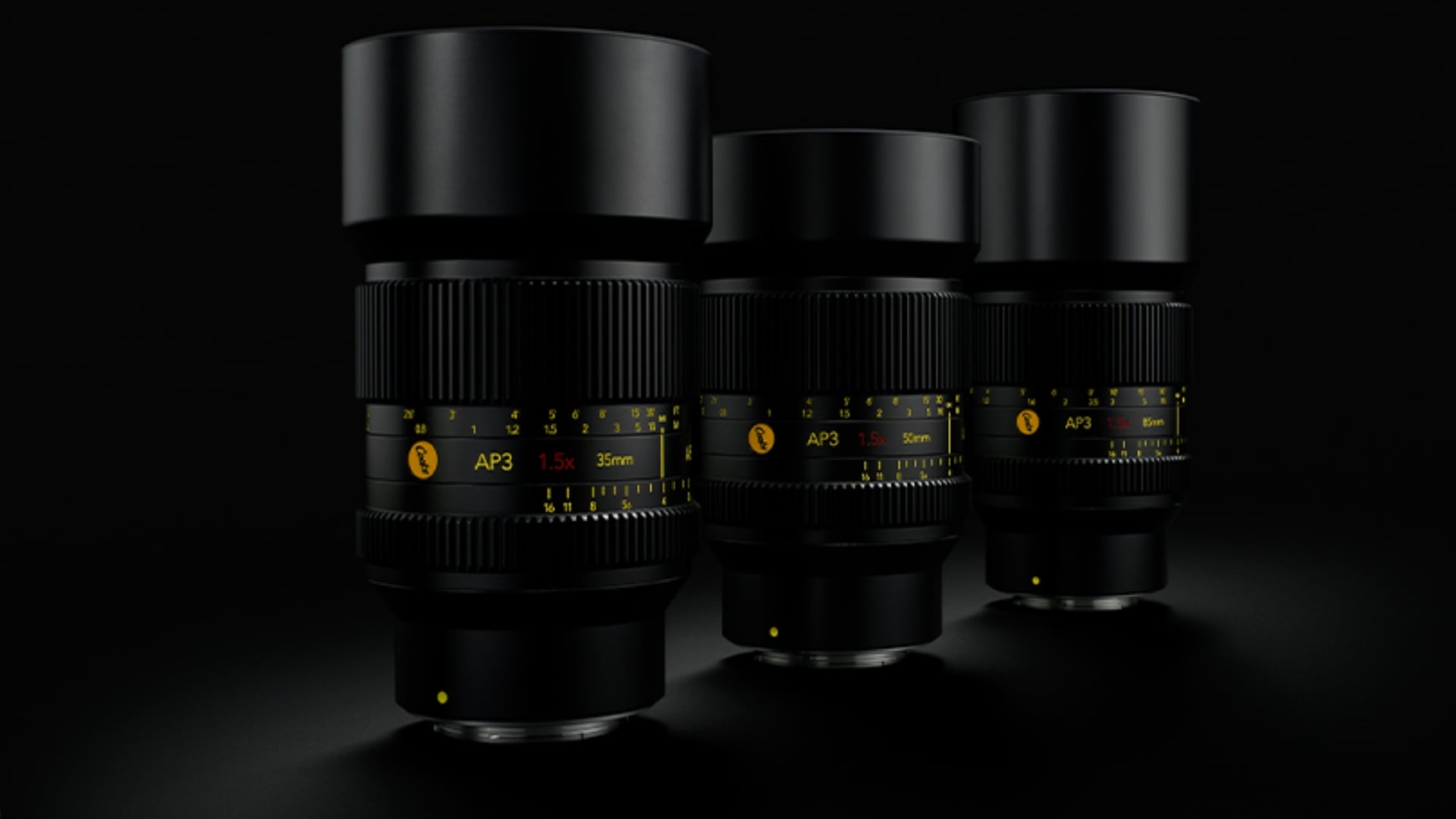
Cooke has added a new chapter to its anamorphic lineup with the AP3 series, bringing a traditionally large format aesthetic into a smaller, more portable lens system designed for modern mirrorless workflows.
Built around 35mm, 50mm, and 85mm focal lengths, the new lenses deliver a 1.5x squeeze factor while keeping weight and size closer to compact prime glass than classic cinema anamorphics.
For filmmakers working on Sony E-mount systems, the AP3 series is positioned as a ready-to-use option out of the box.
Cooke’s design focus here is clear: retain the visual language of anamorphic imaging while making the system more accessible for smaller rigs, handheld setups, and run and gun production environments.
Compact Anamorphic Design For Modern Workflows
The AP3 lenses continue Cooke’s recent move toward lighter cinema optics without abandoning the brand’s long established optical identity.
The physical design includes a tough anodised shell, dual focus scales, and cine standard 0.8 MOD gears. Each lens also uses an M82 front filter thread, keeping accessory compatibility consistent across the set.
A key practical element is the matched mechanical design across all focal lengths. Focus and iris positions remain aligned throughout the series, allowing faster lens swaps without resetting motor positions on compatible rigs.
For productions using gimbals or wireless focus systems, this reduces downtime between setups and helps maintain continuity in multi focal length shooting.
Anamorphic Character And Optical Rendering
Cooke describes the AP3 series as carrying forward optical traits from its higher end anamorphic lines, including smooth defocus behavior, controlled distortion, and a structured image quality that avoids excessive edge falloff. The result is a lens set aimed at delivering a consistent cinematic look rather than exaggerated optical effects.
Flare behavior is designed to remain stable across the range, with horizontal streaking that responds naturally to light sources instead of dominating the frame. The rendering leans toward controlled anamorphic expression, giving cinematographers flexibility in both high contrast environments and more subtle lighting setups.
Depth of field transitions are gradual, with focus falloff that aims to mimic continuous spatial perception rather than abrupt separation. This also extends into breathing characteristics, which are treated as part of the visual language of the lens rather than corrected out entirely.
1.5x Squeeze Factor And Practical Output
The 1.5x squeeze ratio places the AP3 series in a flexible middle ground between classic 2x anamorphic systems and more subtle modern designs.
On full frame sensors, this compression is intended to preserve a wide cinematic field of view while maintaining manageable post production workflow for de-squeeze and framing adjustments.
Close focus performance has also been highlighted as a core part of the design, offering more flexibility for tighter compositions and foreground driven storytelling. This allows the lenses to be used across a wide range of shooting styles, from narrative work to commercial production.
System Integration With Cooke Optics
Although the AP3 series is a new anamorphic design, it is built to integrate into Cooke’s wider ecosystem.
The lenses share coating and structural approaches with the SP3 series and are compatible with other Cooke anamorphic lines. Interchangeable mounts including RF, L, and M are available, expanding cross platform usability beyond Sony E-mount systems.
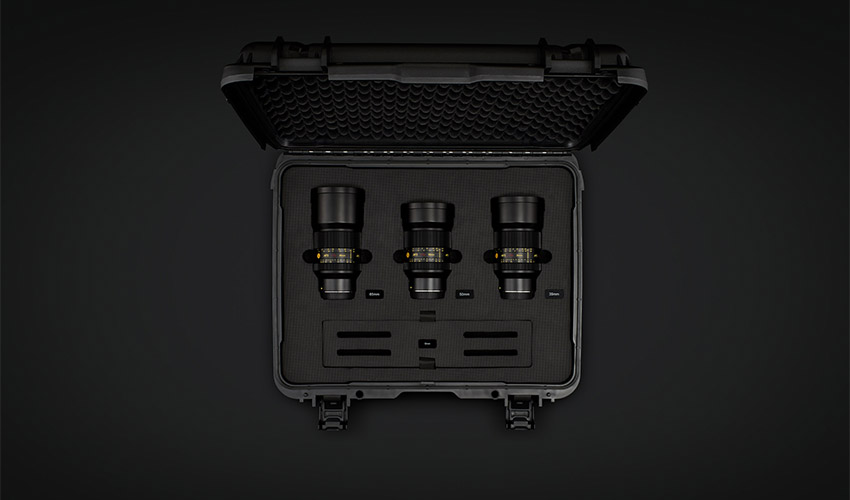
The option to purchase the lenses individually or as a matched three lens set also reflects how the system is intended to scale within existing camera packages.
For productions already using Cooke glass, the AP3 series can function as an extension rather than a standalone system.
With anamorphic glass becoming more compact and adaptable, the AP3 series sits in a growing category of cinema lenses designed for hybrid camera systems and smaller crews.
As more manufacturers move in this direction, it raises a simple question about where the balance now sits between traditional large format cinema optics and modern portable lens design.
[Images via Cooke]
See more from DIYPhotography.net on Google
Add DIYPhotography.net as a trusted source. This makes
our stories more likely to appear in your Google Search results.
 Add as a preferred source on Google

Alysa Gavilan
Alysa Gavilan has spent years exploring photography through photojournalism and street scenes. She enjoys working with both film and mirrorless cameras, and her fascination with the craft has grown over the decades. Inspired by Vivian Maier, she is drawn to capturing everyday moments that often go unnoticed.
Related Posts
 Sony’s a5100 Brings a Fast Mirrorless in a Smaller Package
 Sirui’s new Saturn 35mm T2.9 full-frame 1.6x anamorphic cine lens is smaller than a can of coke
 Cooke launches SP3 range of low-budget full-frame cine lenses for mirrorless cameras
 Vazen’s new 135mm T2.8 1.8x anamorphic lens completes their full-frame anamorphic trio
Join the Discussion
DIYP Comment Policy
Be nice, be on-topic, no personal information or flames.