



















Best Camera for Vlogging That Top YouTubers Actually Use Daily
Sep 3, 2025
Darlene Lleno
Darlene Lleno brings a unique perspective to DIY Photography as someone who grew up surrounded by camera gear but chose words over lenses. With five years of writing experience, she specializes in photography content that’s both technically informed and genuinely passionate. Growing up with a photographer twin brother meant camera talk was everyday conversation in her household. While he mastered capturing moments, Darlene discovered she preferred being the subject and the storyteller behind the scenes. As a travel enthusiast and mother of two, she understands the importance of preserving life’s precious moments. When not exploring new destinations or writing for DIY Photography, you’ll find her reading or tending to her garden. Her approach to photography writing is refreshingly authentic, she may not be behind the camera, but she knows exactly what it takes to help others capture the shots that matter most.
Share:
Finding the best camera for vlogging has never been more important than right now. With TikTok, YouTube, and Instagram taking over, everyone wants to create quality content. But picking the right camera from all the options out there can feel overwhelming. This guide cuts through the noise to help you find the perfect vlogging companion.
Today’s vlogging cameras are way better than what we had just a few years ago. The best camera for vlogging now packs professional features into compact, easy-to-use bodies. You get 4K recording, smart autofocus systems, and built-in stabilization that would have blown our minds back in the day.
What Makes a Great Vlogging Camera?
Before diving into specific camera recommendations, let’s talk about what actually matters when you’re choosing your vlogging setup.
The best camera for vlogging needs specific features that regular photography cameras might skip. A flip-out screen is absolutely essential. Without it, you’re basically shooting blind when filming yourself. Good audio matters just as much as video quality. Most viewers will stick around if the video looks okay but the audio is clear, but poor audio will send them clicking away fast.
Stabilization becomes super important when you’re walking and talking. The best vlogging cameras offer either in-body stabilization or excellent electronic stabilization to keep your footage smooth. Fast, reliable autofocus keeps you sharp even when moving around or changing distances from the camera.
Battery life can make or break a vlogging session. The best cameras in this category offer extended recording times and often support USB charging for continuous power. Size and weight matter too because you’ll be carrying this camera everywhere.
Top Picks for Best Camera for Vlogging
After testing and researching dozens of cameras, these four stand out as the clear winners for different types of vloggers and budgets.
Sony ZV-E10 II: The Clear Winner
The Sony ZV-E10 II stands out as the best camera for vlogging you can buy right now. With its 26MP APS-C sensor borrowed from Sony’s professional FX30 cinema camera, it delivers amazing 4K video quality at up to 60fps with internal 10-bit recording.
The regular 4K footage directly out of the camera is great, with a good amount of detail and the dynamic range producing a good balance between the highs and lows. However, this is the tip of the iceberg, and the ZV-E10 II is capable of so much more. The Cinematic vlog mode automatically uses Sony’s S-Cinetone grading for great-looking footage straight from the camera.
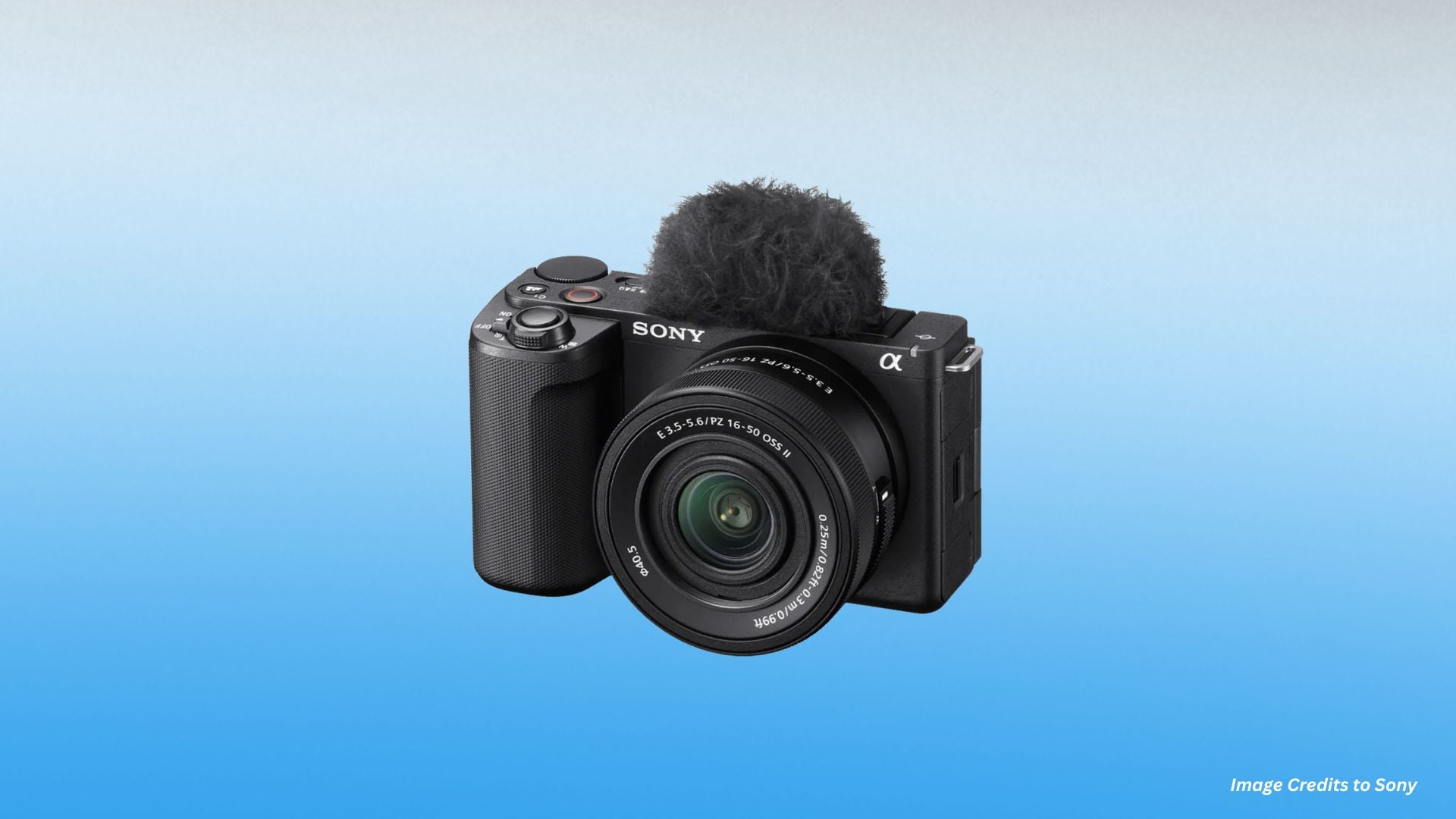
What makes this the best camera for vlogging? Its fully articulating screen and full touch functionality make it easy to record yourself for sit-down or walk-and-talk vlogs. The ‘Product Showcase’ mode is particularly useful for product vloggers. The three-microphone system adapts to your recording situation automatically.
The ZV-E10 II benefits from Sony’s Focus Breathing Compensation corrections that will help eliminate or reduce focus breathing on any Sony lens. The bigger NP-FZ100 battery sees battery life jump to 610 shots per charge. At around $999 body-only, it offers professional results at a reasonable price.
DJI Osmo Pocket 3: Ultra-Portable Powerhouse
The DJI Osmo Pocket 3 pairs a 1-inch sensor for crisp 4K footage with a 3-axis gimbal for ultra-smooth on-the-go footage. It’s also armed with clever subject tracking autofocus and seamless wireless mic support (especially with one of DJI’s superb options such as the Mic Mini), making it an easy tool for solo vloggers to shoot with.

This tiny camera works great for travel vlogging where size and weight matter most. The built-in gimbal provides stabilization that larger cameras simply can’t match. DJI’s Osmo Pocket 3 is a stabilized handheld vlogging camera, designed for on-the-move vlogging. It’s built around a type 1 (13.2 x 8.8mm) sensor mounted on a tiny gimbal, meaning it can deliver stabilized footage with smoother motion than any conventional camera or phone.
The rotating screen allows for both horizontal and vertical recording, which is perfect for different social media platforms. At around $679, it’s also one of the most affordable options for professional-looking footage.
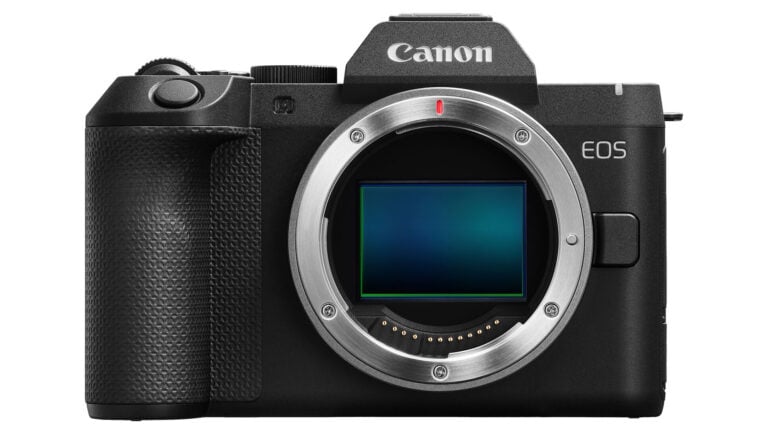
Canon EOS R50 V: Budget-Friendly Excellence
Canon’s EOS R50 V offers 4K video recording at up to 30fps (60fps in crop mode) with four-channel 24-bit audio from its built-in microphone. It features two record buttons – one on the front for vlogging and another in the traditional position.
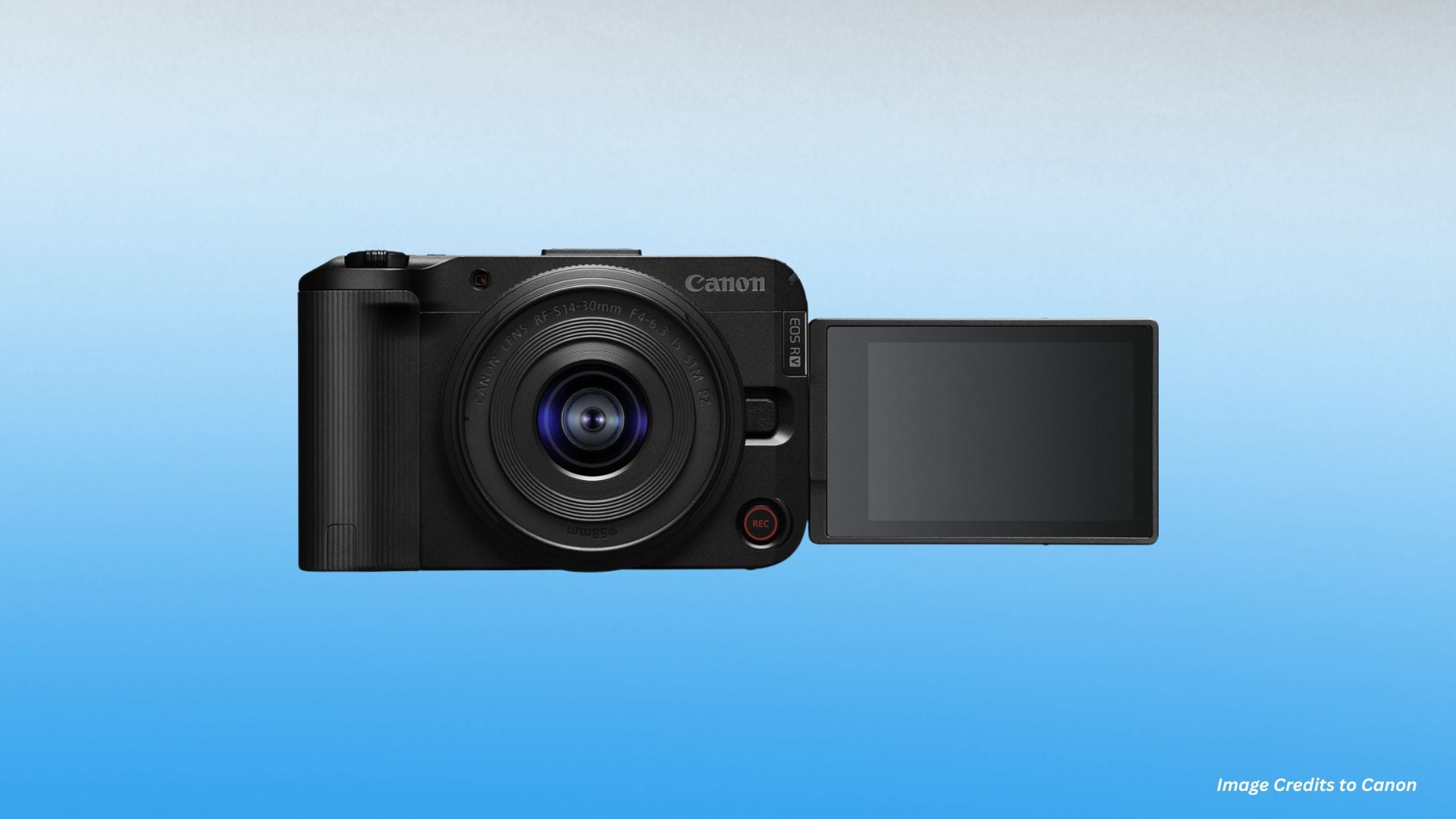
The camera features a power zoom lever and can be bought with the new RF-S 14-30mm power zoom lens for smooth video zooms. It’s also a decent live-streaming camera, with 4-channel audio and compatibility with Canon’s Live Switcher app for multi cam setups. Canon’s renowned color science means great-looking results straight from the camera.
At $649 body-only or $849 with the new RF-S 14-30mm power zoom lens, it offers excellent value for beginning vloggers who want room to grow with additional lenses.
Panasonic LUMIX GH7: The Professional Choice
For serious content creators, the Panasonic LUMIX GH7 offers internal ProRes RAW recording, 32-bit Float audio capture, and 5.8K/30P or 4K/120P recording capabilities. It also has an excellent in-body image stabilization system for smoother handheld shots. It includes a built-in fan to prevent overheating and allow unlimited recording times.
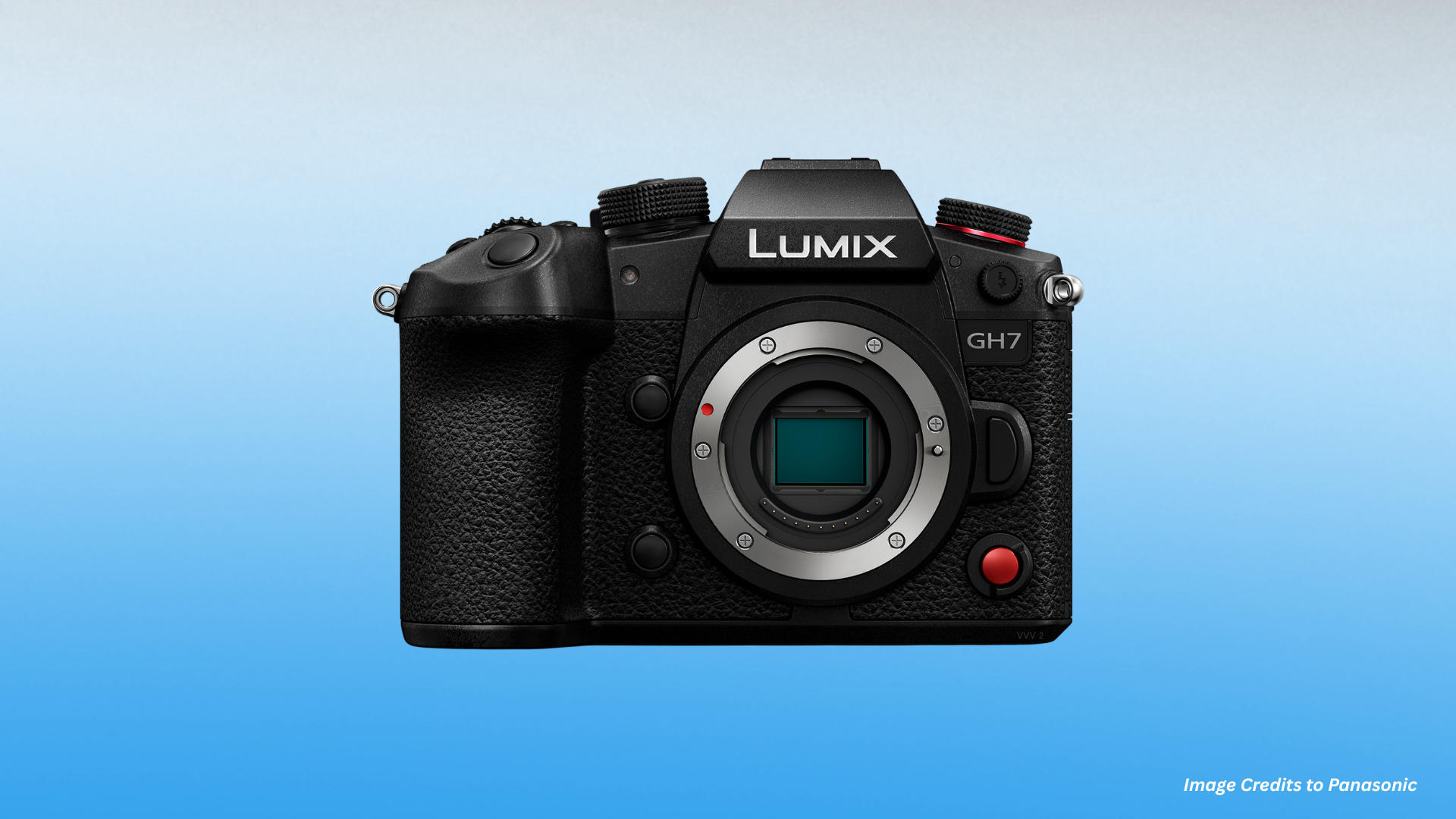
Perhaps the biggest feature improvement in the Lumix GH7 is the addition of a hybrid autofocus system that includes phase-detection autofocus, replacing the pure contrast-based autofocus setup of the GH6. It locks on quickly and stays locked on, making life for vloggers who self-shoot significantly easier.
The advanced video features and unlimited recording make it ideal for long-form content and professional productions. However, at around $2,200, it’s a significant investment.
Key Features Every Vlogging Camera Needs
Understanding these essential features will help you make the right choice, regardless of your budget or experience level.
Flip Screen and Touch Controls
A fully articulating screen is absolutely necessary for serious vlogging. The ZV-E10 II is the first Sony to rotate its interface display when you rotate the camera, to make vertical video capture easier. Touch controls speed up menu navigation and focus point selection.
Audio Quality Matters
Built-in microphones have improved dramatically. An advanced 3-capsule microphone offers excellent pickup and noise reduction performance, making it easier than ever to record clear, high-quality audio. Select Auto or choose from Front, Rear, or All Directions settings to match a variety of recording situations and environments. External microphone inputs provide even better audio quality.
Stabilization Options
Different cameras offer various stabilization methods. The Panasonic GH7 has class-leading in-body image stabilization (IBIS) for smoother handheld shots. Others rely on electronic stabilization or lens-based optical stabilization.
Battery Life and Charging
Modern vlogging cameras like the ZV-E10 II use high-capacity batteries allowing continuous movie recording for up to 195 minutes per charge, with USB PD (Power Delivery) quick charging. This extended battery life prevents interruptions during important shoots.
Budget Considerations for Best Camera for Vlogging
Your budget doesn’t have to limit your creative potential. Here’s how different price ranges stack up in terms of features and capabilities.
Entry-level options under $700 include the Canon EOS R50 V and DJI Osmo Pocket 3. These cameras offer excellent image quality and essential vlogging features without breaking the bank. They’re perfect for beginners or creators on tight budgets.
Mid-range cameras between $700-1,200 include the Sony ZV-E10 II. These models step up image quality, offer more recording options, and provide better low-light performance. They strike an excellent balance between price and capabilities.
Professional options above $1,500 like the Panasonic GH7 offer advanced codecs, unlimited recording, and professional audio options. These cameras target serious content creators and small production teams.
Lens Selection for Vlogging Success
While a good camera body matters, the right lens can make or break your vlogging content. Here’s what you need to know about choosing lenses that work.
The best camera for vlogging often comes with a suitable kit lens, but expanding your lens collection opens new creative possibilities. Wide-angle lenses work well for talking head shots and scenic backgrounds. A focal length around 24-35mm (full-frame equivalent) provides natural perspective.
Portrait photography lenses in the 85-135mm range create beautiful background blur for more cinematic looks. However, they require more distance between you and the camera. Power zoom lenses offer smooth zoom transitions during recording, which is perfect for dynamic storytelling.
Advanced Features That Make a Difference
Once you’ve mastered the basics, these advanced features can take your vlogging to the next level and set your content apart from the crowd.
Eye Detection and Tracking
Modern vlogging cameras incorporate advanced autofocus features including Animal AF and Eye-AF for humans. These systems lock onto your eyes and track them as you move, keeping you in sharp focus automatically.
Recording Formats and Quality
Advanced cameras can record in S-Log with 10-bit color for extensive post-production flexibility, or use built-in picture profiles like S-Cinetone for great results straight from the camera. This flexibility becomes important as your skills grow.
Live Streaming Capabilities
Modern cameras support 5 GHz Wi-Fi for wireless live streaming, with SuperSpeed USB connections enabling high-speed transfer to smartphones or computers for easy post-production and social media sharing.
Common Vlogging Challenges and Solutions
Even with the best camera for vlogging, you’ll run into some common issues. Here’s how to solve them before they ruin your content.
Overheating Issues
Some cameras struggle with extended recording in 4K modes. The Panasonic GH7 includes a built-in fan and heat vents to prevent overheating, allowing unlimited recording times. Check recording limits before committing to any camera.
Audio Sync Problems
Using external audio recorders can create sync issues. Cameras with professional audio inputs or wireless microphone compatibility solve this problem elegantly.
Storage and File Management
4K recording creates large files quickly. Fast memory cards and efficient file management become essential. Professional cameras often include CFExpress card slots for faster write speeds during high-bitrate recording.
Accessories That Enhance Your Vlogging Setup
The right accessories can transform a good vlogging camera into a complete content creation powerhouse. Here are the essentials worth investing in.
A good tripod or handheld gimbal transforms your footage quality. LED panels provide consistent lighting for indoor recording. External microphones deliver professional audio quality. Extra batteries ensure you never miss important moments.
ND filters help control exposure in bright conditions while maintaining shallow depth of field. A quality camera bag protects your investment during travel.
Making Your Final Decision for the Best Camera for Vlogging
With so many great options available, choosing the best camera for vlogging comes down to understanding your specific needs and shooting style.
The best camera for vlogging depends on your specific needs, budget, and shooting style. Travel vloggers prioritize portability and might choose the DJI Osmo Pocket 3. Studio-based creators benefit from the advanced features of the Sony ZV-E10 II. Professional filmmakers appreciate the unlimited recording and advanced codecs of the Panasonic GH7.
Consider your current skill level and growth plans. Entry-level cameras work well for beginners, but you might quickly outgrow their limitations. Mid-range options like the Sony ZV-E10 II provide room for growth while remaining accessible to newcomers.
Don’t forget about the ecosystem. Sony’s extensive E-mount lens selection provides incredible flexibility. Canon’s growing RF mount system offers excellent image quality and color science. Panasonic’s Micro Four Thirds system provides compact, affordable telephoto options perfect for travel.
The best camera for vlogging is ultimately the one you’ll actually use consistently. Choose based on your shooting style, budget constraints, and long-term creative goals. Any of the cameras mentioned here can produce professional-looking content in the right hands.
Remember that technique and storytelling matter more than equipment specs. Master your chosen camera’s capabilities, and you’ll create compelling content regardless of which model you select. The best camera for vlogging is the one that empowers your unique creative vision.
Learning proper metering and posing techniques will help you get better results from any camera. Understanding basic photography tips for beginners will also improve your overall content quality, whether you’re creating vlogs or other video content.
Whether you’re just starting your vlogging journey or looking to upgrade your current setup, these recommendations provide excellent starting points. Focus on the features that matter most for your content style, and don’t get caught up in specification races. Great stories transcend gear limitations.
See more from DIYPhotography.net on Google
Add DIYPhotography.net as a trusted source. This makes
our stories more likely to appear in your Google Search results.
 Add as a preferred source on Google

Darlene Lleno
Darlene Lleno brings a unique perspective to DIY Photography as someone who grew up surrounded by camera gear but chose words over lenses. With five years of writing experience, she specializes in photography content that’s both technically informed and genuinely passionate. Growing up with a photographer twin brother meant camera talk was everyday conversation in her household. While he mastered capturing moments, Darlene discovered she preferred being the subject and the storyteller behind the scenes. As a travel enthusiast and mother of two, she understands the importance of preserving life’s precious moments. When not exploring new destinations or writing for DIY Photography, you’ll find her reading or tending to her garden. Her approach to photography writing is refreshingly authentic, she may not be behind the camera, but she knows exactly what it takes to help others capture the shots that matter most.


Join the Discussion
DIYP Comment Policy
Be nice, be on-topic, no personal information or flames.