














Best Camera for Beginners Who Outgrow Smartphones
Sep 4, 2025
Darlene Lleno
Darlene Lleno brings a unique perspective to DIY Photography as someone who grew up surrounded by camera gear but chose words over lenses. With five years of writing experience, she specializes in photography content that’s both technically informed and genuinely passionate. Growing up with a photographer twin brother meant camera talk was everyday conversation in her household. While he mastered capturing moments, Darlene discovered she preferred being the subject and the storyteller behind the scenes. As a travel enthusiast and mother of two, she understands the importance of preserving life’s precious moments. When not exploring new destinations or writing for DIY Photography, you’ll find her reading or tending to her garden. Her approach to photography writing is refreshingly authentic, she may not be behind the camera, but she knows exactly what it takes to help others capture the shots that matter most.
Share:

The best camera for beginners becomes a serious consideration once your phone stops delivering the photos you want. You’ve probably been taking pictures with your smartphone for years, and it’s worked great for Instagram posts and family snapshots. But now you’re hitting those frustrating moments where your phone just can’t cut it anymore.
Maybe you tried photographing your kid’s birthday party indoors and everything came out grainy. Or you wanted to capture that beautiful sunset but couldn’t get the colors right. Perhaps you’ve seen those gorgeous portraits with blurry backgrounds and wondered how to get that look. Your phone has taught you to love photography, but now you need something more powerful.
Making the jump from smartphone to a real camera feels overwhelming at first. There are so many options, technical terms, and conflicting advice online. This guide breaks down everything you need to know about choosing your first dedicated camera without getting lost in marketing speak or confusing jargon.
Why Your Smartphone Isn’t Enough Anymore
Your phone camera has probably gotten pretty impressive over the years. Modern smartphones pack multiple lenses, fancy AI features, and can even shoot in something called “portrait mode.” But they run into physical limitations that no amount of software magic can overcome.
The biggest problem is sensor size. Even the most expensive smartphones use tiny sensors compared to dedicated cameras. Think of it like trying to catch rainwater with a shot glass versus a bucket. The bigger sensor in a real camera captures way more light, which means better photos in challenging conditions.
Canon holds nearly half the global digital camera market, and even their cheapest cameras have sensors that are several times larger than what’s in your phone. This size difference shows up most when you’re shooting in low light or trying to get that smooth background blur.
Your phone’s zoom is mostly digital trickery. When you pinch to zoom, you’re often just cropping the image and making it look bigger, which is why zoomed photos look terrible. Real cameras use optical zoom through different lenses, so you get the same image quality whether you’re zoomed in or out.
Then there’s creative control. Your phone decides most settings for you, which works fine until you want something specific. Real cameras let you control exactly how bright or dark your photo is, how much of it stays in focus, and how motion looks in the final image.
What Makes a Camera Perfect for Beginners
Shopping for your first real camera can feel like learning a new language. Every review mentions things like “f-stops” and “ISO performance” without explaining what they actually mean for your photos. Here’s what actually matters when you’re starting out.
Easy controls matter more than you might think. The best camera for beginners should feel natural in your hands and make common adjustments simple. Look for cameras with touchscreens if you’re used to your phone, but also make sure important settings have physical buttons you can reach without taking your eye away from the viewfinder.
Good battery life saves frustration during long shooting days. This is one area where some camera types shine over others. You don’t want your camera dying right when you spot the perfect shot.
Build quality affects how the camera feels and how long it lasts. You don’t need military-grade toughness for casual photography, but a camera that feels solid and well-made will inspire more confidence when you’re learning.
Sensor Size Changes Everything
Understanding sensor size helps you make sense of camera specs and price differences. There are several common sizes, each with their own advantages.
Full-frame sensors match the size of old 35mm film. They’re excellent in low light and give you that shallow depth of field look that makes subjects pop from the background. They’re also the most expensive option.
APS-C sensors offer the sweet spot for most beginners. They’re much larger than phone sensors but cost less than full-frame. Most entry-level and mid-range cameras use APS-C sensors, and they produce excellent image quality for the price.
Micro Four Thirds sensors are smaller than APS-C but still way bigger than phone sensors. They enable more compact camera systems, which is great if you plan to travel with your gear. The trade-off is slightly less impressive low-light performance.
The crop factor affects how lenses behave on different sensor sizes. APS-C sensors make lenses act like they’re 1.5 times longer, so a 50mm lens behaves like a 75mm lens. This actually helps beginners learning portrait photography since longer lenses create more flattering perspectives.
Lenses Open Up Creative Possibilities
Your lens choice matters more than your camera body for image quality. Camera companies update bodies every few years, but a good lens can serve you for decades. This is why experienced photographers often say “buy the lens, rent the body.”
Kit lenses come bundled with most cameras and cover everyday shooting situations. A typical 18-55mm kit lens handles everything from group photos to moderate portraits. They’re not amazing optically, but they’re versatile while you figure out what kinds of photography you enjoy most.
Prime lenses have fixed focal lengths but usually offer better image quality and wider apertures than zooms. A 50mm prime lens sees the world similarly to how your eyes do, making it great for learning composition. These lenses also typically let in more light for better low-light photos and background blur.
Specialty lenses expand your creative options as you grow. Wide-angle lenses capture expansive landscapes or fit more into tight spaces. Telephoto lenses bring distant subjects closer for wildlife photography or sports photography. Macro lenses reveal tiny details in flowers, insects, or everyday objects.
Third-party manufacturers like Sigma, Tamron, and Samyang make excellent alternatives to expensive brand-name lenses. You can often get professional-quality optics for half the price, which leaves more budget for other gear or more lenses.
The Real Question: Size vs. Staying Home
Here’s an uncomfortable truth: many people spend thousands on full-frame cameras that end up gathering dust at home. You’ll see them at camera stores, agonizing over whether to get the Nikon Z6 or Sony A7 IV, convinced they need “professional quality.” Six months later, they’re still taking most of their photos with their phone because their fancy camera is too heavy and bulky to bring on a casual walk.
The best camera is the one you have with you. A compact camera that travels everywhere beats a premium camera that stays on the shelf.
Take a walk through any city center or hiking trail. You’ll notice something interesting: the photographers you actually see are often carrying compact Olympus, Fujifilm, or Panasonic cameras, not massive full-frame setups. There’s a reason for this.
Here are camera size ecosystem you need to know:
- Full-Frame: Largest sensors, best image quality, heaviest and most expensive. Great for professionals who need maximum quality and don’t mind the weight.
- APS-C: Smaller than full-frame but much larger than phone sensors. Good balance of quality and size, but still requires fairly large lenses.
- Micro Four Thirds: Half the size of full-frame sensors but still dramatically better than phones. The real advantage? Incredibly compact lenses and camera bodies.
- Large Sensor Compacts: Fixed lens cameras with sensors larger than phones but built into compact, all-in-one packages.
Best Camera Types for Photography Newcomers
Two main camera types dominate today’s market: mirrorless and DSLR cameras. Both can take fantastic photos, but they work differently and appeal to different types of photographers.
The image quality between these two types is essentially identical at any given price point. Your choice comes down to personal preferences about size, battery life, viewfinder style, and available lenses.
Mirrorless Cameras: The Future of Photography
Mirrorless cameras represent where the industry is heading. All major manufacturers are pouring their research and development into mirrorless systems, which means the newest features and technologies show up here first.
The electronic viewfinder shows you exactly how your photo will look before you press the shutter. This real-time preview helps beginners understand how changing camera settings affects the final image. You can see your exposure changes, depth of field adjustments, and white balance corrections instantly.
Smaller size makes mirrorless cameras easier to carry around. Without the mirror mechanism that DSLRs need, the camera bodies shrink considerably while keeping all the professional features. This portability means you’re more likely to have your camera with you when interesting photo opportunities arise.
Silent shooting modes let you photograph in quiet situations without disturbing anyone. Museums, concerts, wedding ceremonies, and sleeping babies all become viable subjects when your camera doesn’t make clicking sounds.
Face and eye detection autofocus helps beginners nail sharp portraits consistently. Modern mirrorless cameras can find faces in complex scenes and automatically focus on the closest eye. This technology dramatically improves your portrait success rate while you’re still learning proper camera settings.
Popular beginner mirrorless options include the Canon EOS R50, Sony a6000 series, and Fujifilm X-T30. These cameras balance affordability with performance and user-friendly features.
DSLR Cameras: Traditional but Reliable
DSLR cameras might seem old-fashioned, but they still offer advantages that appeal to certain photographers. If you prioritize battery life and traditional controls, DSLRs might be the better choice for you.
Optical viewfinders show you the real scene through the lens without any digital processing. Some photographers prefer this direct view, especially in bright sunlight where electronic viewfinders can struggle. You see exactly what the lens sees, with no lag or digital artifacts.
Battery life in DSLRs destroys mirrorless cameras. DSLRs can approximately shoot 800-1500 photos on a single battery charge, while mirrorless cameras typically manage 300-700 shots. This reliability matters for long trips or event photography where changing batteries isn’t convenient.

Mature lens ecosystems give DSLRs extensive options at all price points. Canon EF and Nikon F lens mounts have decades of development behind them, including many affordable used options that work perfectly on modern cameras.
Lower prices on used DSLR equipment make them attractive for budget-conscious buyers. As professional photographers upgrade to mirrorless systems, excellent DSLR gear hits the used market at significant discounts.
Entry-level DSLRs like the Canon EOS Rebel T7 and Nikon D3500 provide straightforward learning experiences. Their simple controls and comprehensive manual modes teach photography fundamentals effectively without overwhelming complexity.
Best Camera for Beginners by Budget
Setting a realistic budget helps narrow your choices and prevents decision paralysis. Remember that the camera body is just the beginning. You’ll also need memory cards, extra batteries, a bag, and probably additional lenses as your skills develop.
Think about your actual photography plans when setting a budget. Casual family photographers need different capabilities than someone planning to photograph wildlife or start a portrait business. Match your spending to your realistic usage patterns.
Used equipment can stretch your budget significantly while giving you access to professional-grade features. Photography gear holds its value well, and patient buyers can find excellent deals on recently discontinued models that perform nearly identically to current versions.
Budget-Friendly Options Under $600
Entry-level cameras prove that great photography doesn’t require huge investments. These cameras offer professional features at accessible prices and often outperform expensive cameras from just a few years ago.
Here are the top budget options worth considering:
- Canon EOS Rebel T7 delivers reliable DSLR performance with intuitive controls perfect for learning basic techniques. The 24-megapixel sensor captures detailed images, while the kit lens covers most everyday situations adequately.
- Nikon D3500 offers exceptional image quality and remarkable battery life in an affordable package. Its Guide Mode provides step-by-step assistance for common shooting scenarios, helping beginners understand technical concepts gradually.
- Sony a6000 brings mirrorless advantages to budget-conscious buyers. Fast autofocus, 1080p video capability, and compact size make it versatile for various photography styles. The extensive lens selection supports long-term system growth without overwhelming bulk.
- Canon EOS R50 delivers beginner-friendly controls with professional capabilities in Canon’s smallest RF-mount body. Subject detection for people, animals, and vehicles helps beginners nail focus consistently, while the compact design encourages daily carry.
- Panasonic LX-100 II packs a large Four Thirds sensor into a true pocket camera with a versatile 24-75mm f/1.7-2.8 lens. Excellent image stabilization and 4K video recording in a fixed-lens design eliminate complexity while delivering professional results.
- Fujifilm X-T30 provides premium build quality and renowned color reproduction at entry-level pricing. Film simulation modes replicate classic film stocks digitally, offering creative options that inspire experimentation.
Used camera bodies from previous generations offer professional features at amateur prices. A three-year-old professional camera often outperforms current entry-level models while costing similar amounts.
Mid-Range Choices $600-$1800
Mid-range cameras bridge the gap between entry-level limitations and professional capabilities. They typically include weather sealing, better ergonomics, and advanced features that significantly improve the photography experience.
These cameras justify their higher costs through several key improvements:
- Canon EOS R7 exemplifies modern mirrorless design with excellent image quality and comprehensive feature sets. Its APS-C sensor provides crop factor advantages for wildlife and sports photography while maintaining reasonable pricing.
- Sony a6700 delivers professional autofocus performance in a remarkably compact body. Real-time tracking and animal eye detection make it excellent for action photography, while the extensive lens selection provides creative flexibility without bulk.
- Nikon Z6 III offers full-frame sensor benefits at accessible pricing. The larger sensor provides superior low-light performance and shallow depth of field capabilities for professional-looking results.
- Fujifilm X-S20 exemplifies modern compact design with excellent image quality and renowned film simulation modes. Its APS-C sensor delivers professional results while in-body stabilization and compact size make it perfect for travel and everyday photography.
- OM System OM-1 offers flagship performance in a weather-sealed body that weighs just over a pound. Industry-leading image stabilization and computational photography features provide professional capabilities in the most portable package available.
These cameras eliminate many technical barriers to creative expression while maintaining reasonable prices for serious enthusiasts.
Investment Cameras $1800+
Professional-grade cameras represent significant investments that pay dividends through superior performance, durability, and extensive customization options. These cameras eliminate technical limitations, allowing pure focus on creative development.
The top investment options for serious beginners include:
- Canon EOS R6 Mark II provides exceptional all-around performance with industry-leading 8-stop stabilization and excellent dynamic range. Professional build quality ensures years of reliable service while remaining lighter than comparable DSLRs.
- Sony A7 IV offers full-frame sensor benefits in the most compact body possible. Superior low-light performance and shallow depth of field capabilities deliver professional results while remaining portable enough for everyday use.
- Nikon Z7 II excels with exceptional image quality and film simulation modes that deliver stunning colors straight from camera. Weather sealing and compact lenses make it ideal for travel and street photography while delivering professional results.
These investments make sense for serious enthusiasts and emerging professionals who need reliable, capable tools that won’t limit their creative ambitions.
You Can Even Start with Used Cameras: The Smart Beginner’s Choice
If you’re just starting your photography journey, buying used cameras represents the cheapest and smartest way to get professional-quality equipment. Second-hand cameras offer exceptional value, allowing you to access higher-end features and better build quality at entry-level prices.
The used camera market is particularly beginner-friendly because digital cameras age gracefully. A three-year-old professional camera often delivers better image quality, more robust construction, and superior features compared to current entry-level models, while costing significantly less.
Consider these advantages of starting with used equipment:
- Better Value: A used Sony a6300 with 4K video costs less than a new a6000 with only 1080p capability. You get more features for less money.
- Professional Features: Used cameras from higher product lines offer weather sealing, better ergonomics, and advanced controls that make learning photography more enjoyable.
- System Investment: Starting with a quality used body allows you to invest more in lenses, which have greater impact on image quality and retain value longer than camera bodies.
- Risk-Free Learning: Lower initial investment means less anxiety about making mistakes while learning. You can experiment freely without worrying about damaging expensive new equipment.
Reliable sources for used cameras include reputable dealers like KEH, MPB, and B&H’s used department, which offer warranties and return policies. These dealers grade equipment condition accurately and stand behind their sales, making used camera buying safe and predictable for beginners.
Essential Accessories Every New Photographer Needs
Camera accessories enhance your photography capabilities and protect your investment. Start with essential items that improve your shooting experience, then expand based on developing interests and specialized needs.
Here’s what you actually need versus what marketing wants to sell you:
- Quality memory cards prevent lost images and slow performance issues. Professional photographers rely on fast, reliable cards from SanDisk and Lexar. Buy more capacity than you think you need because running out of space ruins great photo opportunities.
- Extra batteries eliminate power anxiety during extended shooting sessions. Third-party batteries often provide similar performance at lower costs, but ensure compatibility with your specific camera model.
- Camera bag protects expensive equipment while providing organized storage for lenses, batteries, and accessories. Consider your typical shooting scenarios when choosing between backpacks, shoulder bags, or rolling cases.
- UV filters protect expensive lens elements from scratches, dust, and impact damage. While digital cameras don’t require UV filtering like film cameras did, the protection value justifies the small investment.
- Basic tripod enables sharp images in low light and supports long exposure photography. Carbon fiber tripods cost more but provide superior stability while weighing significantly less than aluminum alternatives.
Start with these basics and add specialized accessories as your photography interests develop and clarify.
Making the Switch: From Phone to Real Camera
Successfully transitioning from smartphone to dedicated camera requires patience and realistic expectations. Don’t expect immediate improvement because learning manual controls and composition principles takes time but rewards persistence.
Start with automatic modes to build confidence, then gradually explore semi-automatic modes like aperture priority and shutter priority. These modes provide creative control while maintaining reliable exposure metering.
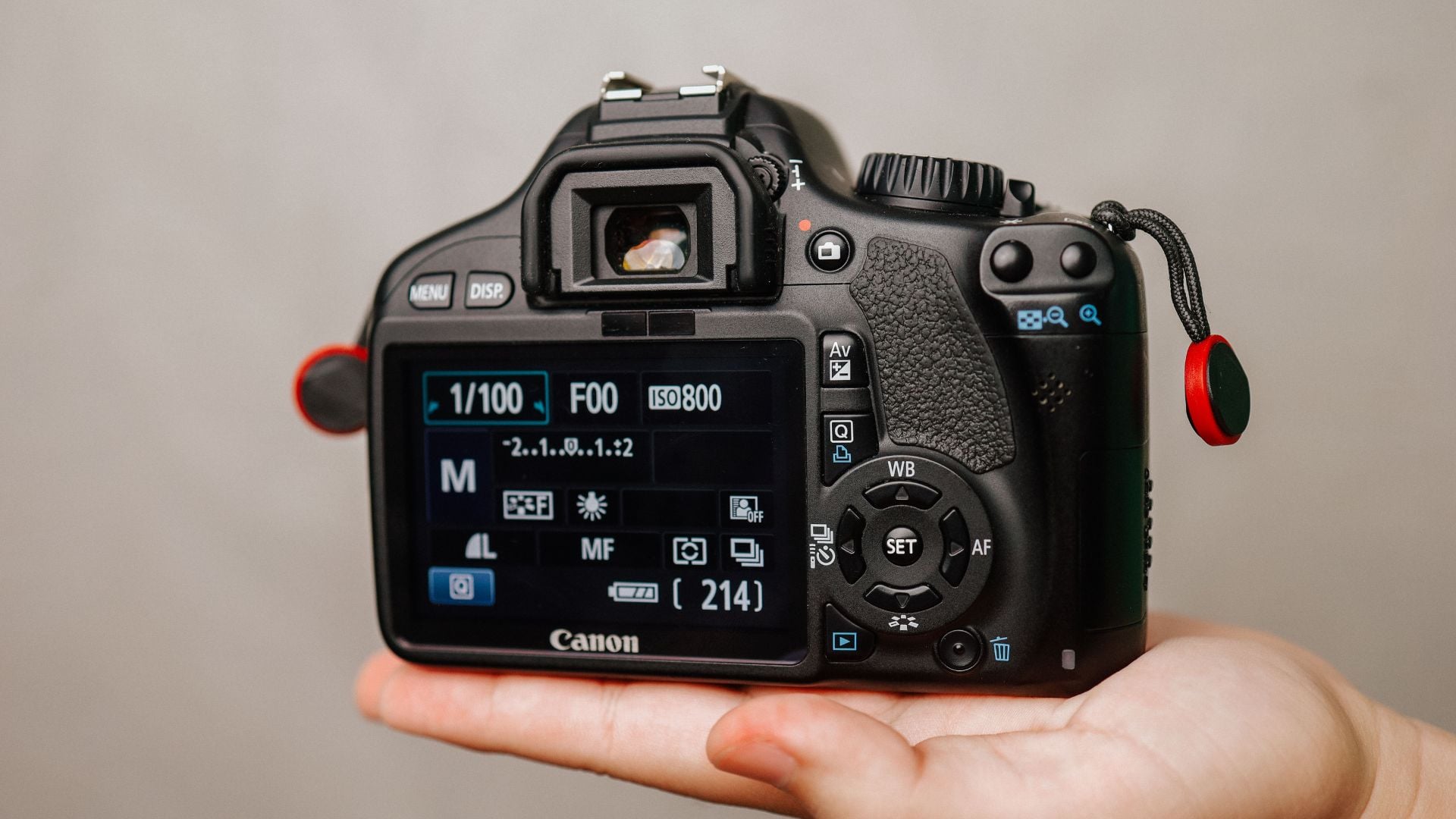
Understanding the exposure triangle (the relationship between aperture, shutter speed, and ISO) unlocks manual control capabilities. The exposure triangle concept helps you understand how these three elements work together. Practice adjusting these settings individually to observe their effects on image appearance.
Composition skills matter more than technical perfection. Study accomplished photographers’ work to understand how they use leading lines, rule of thirds, and negative space to create compelling images.
Regular practice accelerates learning more than occasional intensive sessions. Carry your camera frequently and shoot consistently rather than waiting for special occasions or perfect conditions.
Join photography communities, take workshops, or find online tutorials that match your learning style. Focus on one technical aspect at a time rather than trying to master everything simultaneously. Learning essential beginner tips can help you avoid common mistakes while developing your skills.
Document your progress by reviewing old images periodically. You’ll be surprised how quickly your technical skills and artistic vision develop with consistent practice and patience. Learning practical techniques to improve your photos will accelerate your growth as a photographer.
The Camera Market Has Changed
The camera industry has evolved dramatically over the past decade, with traditional leaders like Canon and Nikon facing serious competition from Sony’s mirrorless innovations. This competition benefits consumers through better cameras at lower prices and faster technological advancement.
Sony gained significant market share by embracing mirrorless technology early, while Canon and Nikon initially focused on preserving their DSLR dominance. Now all major manufacturers offer comprehensive mirrorless systems, giving beginners excellent options across all price ranges.
Third-party lens manufacturers have also expanded their offerings dramatically. Chinese brands like Samyang, Viltrox, and 7Artisans now produce affordable lenses that rival expensive brand-name options in image quality.
This increased competition means beginners today have access to camera technology that was considered professional-grade just a few years ago. Entry-level cameras now include features like 4K video, advanced autofocus systems, and weather sealing that were once exclusive to expensive professional models.
Your Perfect Camera Journey Starts Here
Choosing the best camera for beginners ultimately comes down to matching your specific needs, budget, and creative goals. The perfect camera system balances current requirements with room for growth as your skills and interests develop.
Remember that expensive equipment won’t automatically make you a better photographer. Technical gear enables creativity but cannot replace vision, practice, and understanding of fundamental principles like photography techniques and proper lighting.
Modern cameras from major manufacturers produce remarkably similar image quality within price ranges. Your success depends more on understanding exposure, composition, and lighting than owning the latest or most expensive equipment.
Start with a camera system that feels comfortable and inspiring in your hands. Whether that’s a compact mirrorless camera for travel photography or a traditional DSLR for studio work, choose equipment that encourages frequent use and experimentation.
Invest in quality lenses as your budget allows because they have more impact on image quality than camera bodies and retain value longer. A modest camera body with excellent glass outperforms expensive bodies with poor lenses every time.
Plan for system growth rather than trying to buy everything immediately. Photography interests evolve naturally, and initial purchases should support progression rather than limiting future options.

Darlene Lleno
Darlene Lleno brings a unique perspective to DIY Photography as someone who grew up surrounded by camera gear but chose words over lenses. With five years of writing experience, she specializes in photography content that’s both technically informed and genuinely passionate. Growing up with a photographer twin brother meant camera talk was everyday conversation in her household. While he mastered capturing moments, Darlene discovered she preferred being the subject and the storyteller behind the scenes. As a travel enthusiast and mother of two, she understands the importance of preserving life’s precious moments. When not exploring new destinations or writing for DIY Photography, you’ll find her reading or tending to her garden. Her approach to photography writing is refreshingly authentic, she may not be behind the camera, but she knows exactly what it takes to help others capture the shots that matter most.
Related Posts
 Flickr’s Camera Uploads Dominated by Smartphones, Mirorrles almost Non-Existing
 Samsung’s new patent eliminates the front camera from smartphones with a wraparound display
 Are smartphones really to blame for declining camera sales? Or is it something else?
 The Vivo X90 and X90 Pro smartphones with Zeiss 50MP 1-Inch camera launch globally
Join the Discussion
DIYP Comment Policy
Be nice, be on-topic, no personal information or flames.
6 responses to “Best Camera for Beginners Who Outgrow Smartphones”
The problem with writers like this author offering recommendation to people transitioning from a smart phone to a real camera is too much technical data for a beginner to absorb. Better if she would have presented images of recommended entry-level DSLRs or mirrorless cameras and offer brief technical info that is essential to their beginner understanding. This article will scare off beginners who are planning to.transition.
Hands down Nikon Z50ii new just for USD 1000 beats every competition offers in price range and up to USD 1300.
i need to be Photographer
I’m missing an essential point here, like in most such articles: is it small enough that you will actually bring it along wherever you go? I’ve seen so many people around me feeing they needed the extra full frame quality, yet end up doing most of their pictures with their phone after all because that Nikon Z6, Panasonic S5 or whatever it is too heavy for bringing along on a walk. I suspect this is the reason why the casual photographers you see on the streets typically have Olympus or Fuji cameras. The full frame cameras get to stay back home…
Another point that should really be considered is image stabilization. Cameras that enable you free hand exposures of one second or more have a crucial advantage on those lacking IS. How often are you really going to haul a tripod on your city trip or countryside walk after all?
In that sense, I am quite surprised models like the Panasonic LX-100 or the OM System OM-10 are not included here. Get an OM-10 with that little pancake zoom, add a 17mm f/1.8 or a 12mm f/2, get out there, see the world and make pictures. That will get you ways further than a fancy camera you don’t really use.
Ok, As I use SLR from pre digital era I know they are best, now I have to repair what you wrote,the APS-C factor ,you wrote the factor is 1.5 it is right for Nikon,Pentax,Minolta bought by Sony. while Canon use 1.6 factor and to me it seems important
I like to print my photo of myself and I print my photo here to me nude and sell on ad