



















Why Is My Autofocus Hunting and How to Stop It
Dec 17, 2025
Darlene Lleno
Darlene Lleno brings a unique perspective to DIY Photography as someone who grew up surrounded by camera gear but chose words over lenses. With five years of writing experience, she specializes in photography content that’s both technically informed and genuinely passionate. Growing up with a photographer twin brother meant camera talk was everyday conversation in her household. While he mastered capturing moments, Darlene discovered she preferred being the subject and the storyteller behind the scenes. As a travel enthusiast and mother of two, she understands the importance of preserving life’s precious moments. When not exploring new destinations or writing for DIY Photography, you’ll find her reading or tending to her garden. Her approach to photography writing is refreshingly authentic, she may not be behind the camera, but she knows exactly what it takes to help others capture the shots that matter most.
Share:

Autofocus hunting solutions save your shoot when your lens keeps searching without locking focus. Your camera lens moves back and forth repeatedly. Nothing locks in sharp. This frustrating problem hits photographers at the worst possible moments.
The lens searches desperately for something to grab onto. You miss the shot while your autofocus system hunts endlessly. Understanding why this happens helps you fix it fast.
What Causes Autofocus Hunting
Your camera’s autofocus system needs specific conditions to work properly. The system looks for contrast and defined edges to confirm focus. Problems happen when those elements go missing from your scene.
Low contrast scenes confuse the autofocus. Solid colored walls provide nothing for the system to detect. Dark environments rob the sensor of necessary light. Uniform surfaces lack the edges your camera desperately needs.
Communication issues between lens and camera body create hunting too. Dirty electronic contacts interrupt the signals. Your lens and camera can’t talk to each other properly. The autofocus system searches without receiving clear information.
Wrong settings cause hunting even in perfect conditions. Focus limiters set incorrectly waste time. Your lens searches through ranges it shouldn’t check. Manual focus switches accidentally flipped stop autofocus entirely.
Technical Fixes for Autofocus Hunting Solutions
Hardware and equipment issues often cause focus hunting. These autofocus hunting solutions address the physical and technical side of the problem. Check these fixes first before adjusting your technique.
Clean Your Lens Contacts
Dirty contacts between your lens and camera body block communication. Dust, oil, and grime build up over time. The electronic signals can’t pass through properly.
Turn your camera off before cleaning. Remove the lens carefully from the body. Look at the gold or silver contact points on both pieces.
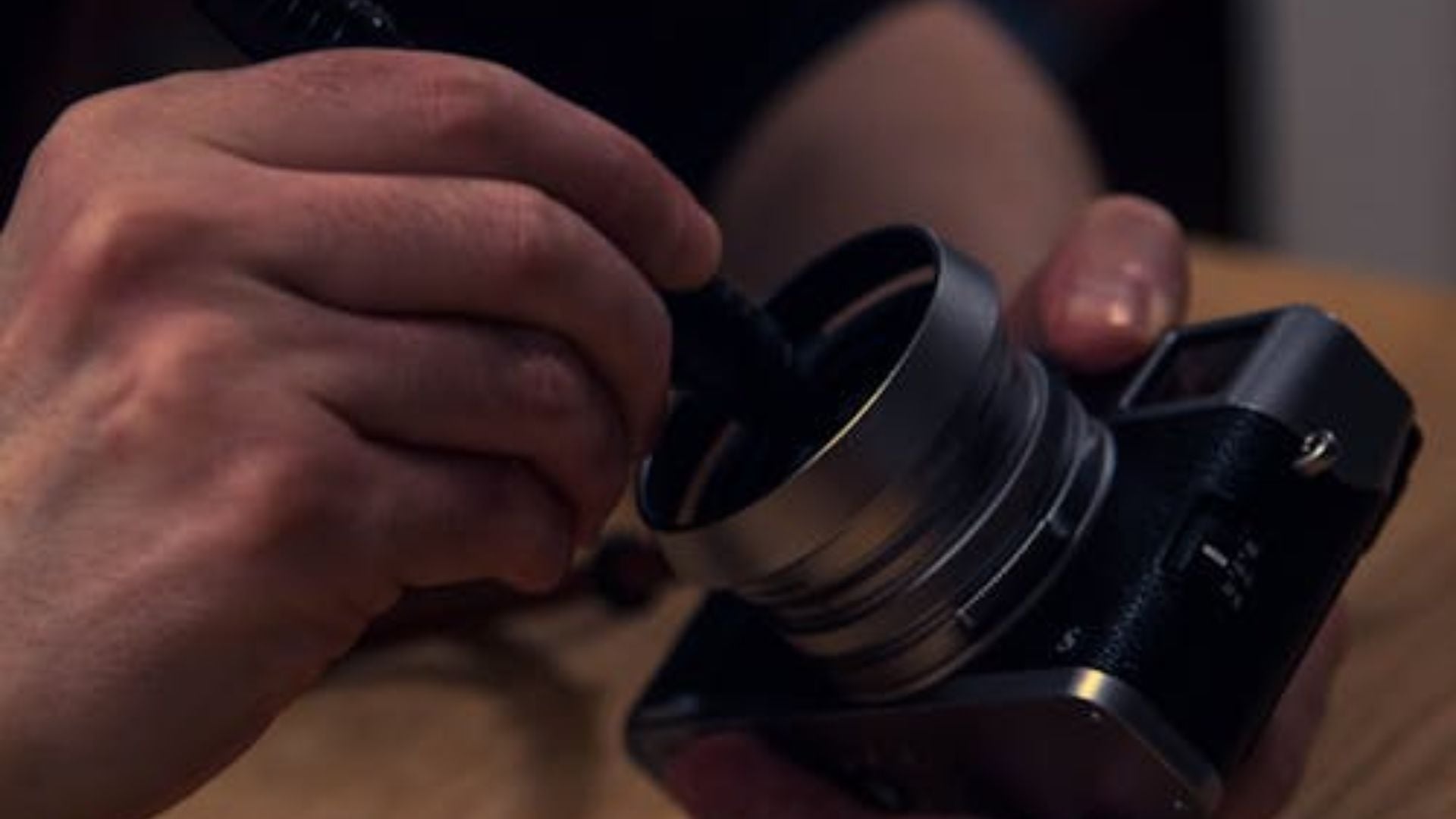
Wipe the contacts gently with a clean microfiber cloth. Use a dedicated lens cleaning wipe if you have one. Make sure both lens and camera contacts shine clean.
Reattach the lens and listen for the click. This simple fix solves many autofocus hunting problems. Clean contacts restore proper communication between camera and lens.
Check Your Focus Limiter Switch
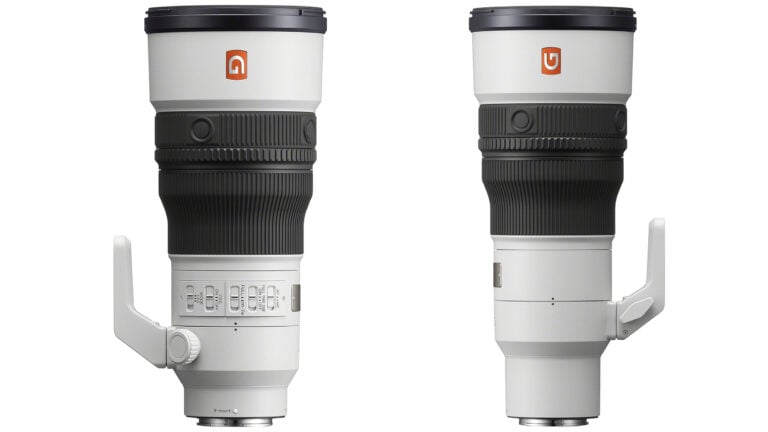
Many telephoto lenses include a focus limiter switch. This feature restricts the focus range the lens searches. Settings like 5m to infinity or 1.5m to 5m limit where the lens looks.
Wrong limiter settings cause endless hunting. Your lens searches in the wrong distance range. It never finds your subject because it’s looking too far or too close.
Find the limiter switch on your lens barrel. Common positions include near the focus ring or closer to the camera body. Set it to match your shooting distance.
Shooting distant subjects requires the longer distance setting. Close work needs the shorter range selected. Match the limiter to your actual working distance for better focus performance.
Verify AF/MF Switch Position
The autofocus and manual focus switch gets bumped easily. You might accidentally flip it while handling your camera. The lens won’t autofocus at all in manual mode.
Check the switch on your lens barrel. Most lenses mark it clearly as AF/MF or A/M. Make sure it sits in the AF position.
Some cameras also have internal AF settings. Navigate through your menu system to confirm. Back button focus users should check their custom button assignments.
The switch position seems obvious but gets overlooked constantly. A quick glance saves time and frustration during shoots.
Update Your Camera Firmware
Camera manufacturers release firmware updates regularly. These updates improve autofocus performance significantly. Mirrorless cameras especially benefit from AF improvements through firmware.
Visit your camera manufacturer’s website to check for updates. Download the latest firmware for both camera body and compatible lenses. Follow the installation instructions carefully.
Updates often contain optimizations for AF speed and accuracy. New algorithms help the system work better in challenging conditions. Lens firmware updates improve communication with newer camera bodies.
Recent firmware updates add features like improved eye detection and subject tracking. Keep your gear current for best autofocus hunting solutions.
Shooting Technique Solutions
Your camera settings and shooting approach greatly impact autofocus performance. These autofocus hunting solutions focus on how you use your gear. Technique adjustments often work better than equipment fixes.
Switch to Single-Point AF Mode
Wide area or auto area focus modes give your camera too many choices. The system doesn’t know what you want sharp. It searches across multiple points trying to decide.
Change to single-point AF mode in your camera settings. This forces the camera to focus exactly where you place the point. The system concentrates effort on one specific spot.

Place your single focus point on a high-contrast area. Look for defined edges or texture at your desired distance. Eyes, eyelashes, or clothing seams work perfectly for portraits.
Modern cameras offer eye and face detection AF. These modes prioritize the highest contrast area automatically. The system locks onto eyes which provide perfect contrast.
Use the Correct AF Mode
AF mode selection matters more than most photographers realize. Using continuous AF on static subjects causes unnecessary hunting. Single-shot AF on moving subjects misses focus entirely.
Static subjects need AF-S or One-Shot mode. The camera locks focus once and stops searching. This prevents the continuous motion that creates hunting.
Moving subjects require AF-C or AI Servo mode. The system tracks movement and predicts subject position. This mode constantly adjusts but does so intelligently.
Match your AF mode to your subject’s behavior. Portraits and still life work need single-shot. Sports and wildlife photography demand continuous tracking.
Adjust Your Aperture for Better AF
Extremely narrow apertures create autofocus problems. Settings like f/16 or f/22 let in minimal light. Phase detection AF systems struggle with reduced light hitting the sensors.
Shoot at wider apertures when possible. Try f/8 or wider for reliable autofocus performance. The increased light helps the AF system work faster and more accurately.
Need a small aperture for depth of field? Focus first at a wider setting like f/4. Lock your focus in single-shot mode. Switch to manual focus before stopping down to your desired aperture.
This technique works especially well for landscape photography requiring narrow apertures. Focus at f/4, then change to f/16 for the shot. Your focus stays locked from the initial acquisition.
Use Focus Assist Light
Low light situations rob your AF system of necessary information. The camera can’t see edges or contrast in darkness. A focus assist light provides the illumination the system needs.
Many cameras include a built-in focus assist lamp. This light fires briefly when you half-press the shutter. External flashes often have assist lights too.

Enable focus assist in your camera menu if it’s turned off. The brief light burst gives the AF system enough information to lock. This works miracles in dark environments.
Alternatively, aim your focus point at a brighter area. Focus on a lit edge at the same distance as your subject. Recompose after achieving focus lock.
Environmental Autofocus Hunting Solutions
Your shooting environment creates specific AF challenges. These solutions help you work around difficult conditions. Understanding environmental factors prevents hunting before it starts.
Deal with Low Contrast Scenes
Solid colored walls and uniform surfaces lack edges for AF detection. Your camera needs something to grab onto. Plain surfaces provide nothing distinctive.
Find texture or edges at your subject’s distance. Look for seams, patterns, or any defined lines. Focus on these high-contrast areas instead of blank surfaces.
A subject’s clothing seam works better than smooth skin. The edge of a door frame beats a plain wall. Search your composition for any available contrast.
Add contrast temporarily if needed. Place a focus target at your subject’s distance. Remove it after locking focus and switching to manual mode.
Overcome Dark Shooting Conditions
Darkness amplifies all autofocus problems. Contrast-detection systems especially struggle without adequate light. Your camera can’t see what it needs to focus on.
Raise your ISO to give the camera more light information. Higher ISO makes the scene easier for AF to read. The slight noise increase matters less than missing focus entirely.
Use the low-light photography trick of focusing on brighter areas first. Find any available light source or reflection. Lock focus there, then recompose your shot.
Switch to manual focus for very dark scenes. Use focus peaking or magnification features on mirrorless cameras. These tools help you nail focus when autofocus can’t.
When to Switch to Manual Focus
Sometimes autofocus hunting solutions aren’t enough. Certain situations demand manual focus control. Knowing when to switch saves time and guarantees sharp results.
Manual focus works better through glass or barriers. Shooting through windows confuses autofocus systems. The camera focuses on the glass instead of your subject.
Macro photography often requires manual focus precision. The shallow depth of field at close distances demands exact control. Small focus adjustments matter hugely at macro distances.
Low light situations beyond your AF system’s limits need manual control. Your camera can’t focus in extreme darkness. Taking manual control ensures you get the shot.
Modern mirrorless cameras make manual focusing easier than ever. Focus peaking highlights sharp edges in your composition. The colored overlay shows exactly what’s in focus.
Focus magnification zooms into your live view. You can see precise focus confirmation on your LCD or EVF. These tools make manual focus as reliable as autofocus.
Understanding camera settings helps you switch between modes confidently. Practice manual focus techniques before you need them. This preparation prevents missed shots in difficult conditions.
Preventing Focus Hunting Before It Starts
Prevention beats troubleshooting every time. These practices reduce autofocus hunting before problems develop. Build these habits into your regular shooting routine.
Keep your lens contacts clean regularly. Wipe them down between shoots or when changing lenses. Prevention takes seconds but solves hours of frustration.
Check your AF settings before important shoots. Verify your focus mode matches your subject type. Confirm focus limiters are set correctly for your working distance.

Test your autofocus in challenging conditions. Practice in low light or low contrast before critical shoots. Know your camera’s limits and have backup techniques ready.
Understand your camera’s exposure settings and how they affect AF. Aperture choice impacts autofocus performance significantly. Plan your settings with AF limitations in mind.
Learn your specific camera’s AF system thoroughly. Each manufacturer handles autofocus differently. Your camera’s manual contains valuable information about AF capabilities and limitations.
Getting Autofocus Hunting Solutions Right
Autofocus hunting frustrates photographers at every skill level. Understanding the causes helps you solve problems quickly. Technical issues, shooting technique, and environmental factors all contribute to hunting.
Start with simple fixes like cleaning contacts and checking switches. These quick solutions solve many common problems. Move to technique adjustments when hardware isn’t the issue.
Match your AF mode and focus area to your subject. Use single-point focus for precision. Choose the right AF mode for static or moving subjects.
Know when to switch to manual focus for best results. Difficult conditions sometimes require manual control. Modern cameras provide excellent tools for manual focusing.
Build prevention habits into your workflow. Regular maintenance and proper settings prevent most hunting issues. Practice these autofocus hunting solutions before problems appear during important shoots.According to Photography Life’s autofocus guide, understanding your camera’s specific AF system capabilities helps you work within its strengths. B&H Photo’s camera focus explanation emphasizes the importance of technique over simply relying on technology.
See more from DIYPhotography.net on Google
Add DIYPhotography.net as a trusted source. This makes
our stories more likely to appear in your Google Search results.
 Add as a preferred source on Google

Darlene Lleno
Darlene Lleno brings a unique perspective to DIY Photography as someone who grew up surrounded by camera gear but chose words over lenses. With five years of writing experience, she specializes in photography content that’s both technically informed and genuinely passionate. Growing up with a photographer twin brother meant camera talk was everyday conversation in her household. While he mastered capturing moments, Darlene discovered she preferred being the subject and the storyteller behind the scenes. As a travel enthusiast and mother of two, she understands the importance of preserving life’s precious moments. When not exploring new destinations or writing for DIY Photography, you’ll find her reading or tending to her garden. Her approach to photography writing is refreshingly authentic, she may not be behind the camera, but she knows exactly what it takes to help others capture the shots that matter most.
Related Posts
 This photographer captured some amazing scenes of bald eagles hunting and fighting
 Seal hunting a penguin under water wins 2021 World Nature Photography Awards
 Dolphins fitted with Go-Pros observed hunting sea snakes for the first time
 Contrast vs Phase Detection autofocus – What it means and why it matters.
Join the Discussion
DIYP Comment Policy
Be nice, be on-topic, no personal information or flames.