























Lens Fungus: How to Identify, Prevent, and Remove It
Dec 17, 2025
Darlene Lleno
Darlene Lleno brings a unique perspective to DIY Photography as someone who grew up surrounded by camera gear but chose words over lenses. With five years of writing experience, she specializes in photography content that’s both technically informed and genuinely passionate. Growing up with a photographer twin brother meant camera talk was everyday conversation in her household. While he mastered capturing moments, Darlene discovered she preferred being the subject and the storyteller behind the scenes. As a travel enthusiast and mother of two, she understands the importance of preserving life’s precious moments. When not exploring new destinations or writing for DIY Photography, you’ll find her reading or tending to her garden. Her approach to photography writing is refreshingly authentic, she may not be behind the camera, but she knows exactly what it takes to help others capture the shots that matter most.
Share:

Lens fungus prevention starts with one simple truth: your gear needs proper storage. That fuzzy growth inside your lens isn’t dirt. It’s a living organism that feeds on moisture and darkness.
Most photographers find fungus too late. You grab a lens from your closet and see weird spots inside the glass. The damage already started weeks ago.
This guide shows you how to spot fungus early and stop it completely. You’ll learn what creates the problem and how to fix your storage setup today.
What Lens Fungus Actually Looks Like
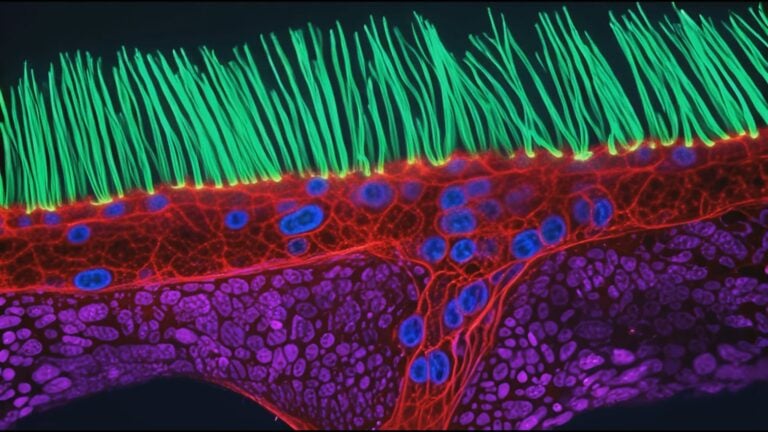
Fungus appears as small spots or web patterns on your lens glass. It starts tiny but spreads fast under the right conditions. The growth looks like spider webs or cloudy patches between lens elements.
The organism eats organic materials on your glass. Your fingerprints provide nutrients. Dust particles feed it too. Even the coating on your lens elements works as food.
Your photos suffer before you notice the fungus. Light scatters through infected areas. Images show less contrast and soft spots. The problem gets worse as fungus spreads.
Professional repairs cost hundreds per lens. Bad cases need complete element replacement. Prevention costs almost nothing compared to fixing infected glass.
The Three Things Fungus Needs to Grow
Fungus requires specific conditions inside your lenses. Take away just one and growth stops completely.
Moisture Starts Everything
High humidity triggers fungus to wake up. Relative humidity above 60% starts the germination process. Those invisible spores everywhere suddenly activate.
Tropical climates create constant challenges. Coastal areas with salty air make things worse. Even normal climates cause problems during humid summers.
Your sealed camera bag traps moisture inside. Morning dew doesn’t just disappear. It creates a perfect mini ecosystem for fungal spores.
Still Air Lets Spores Settle
Trapped air gives fungus time to grow roots. Moving air disrupts settlement and dries moisture. This explains why stored lenses get fungus while used gear stays clean.
Standard bags block all airflow. Closets and drawers do the same thing. It’s like leaving food sealed versus letting air circulate around it.
Moisture plus still air speeds up growth dramatically. Spores land on glass and start eating immediately. Visible colonies appear within weeks.
Darkness Protects Growth
Fungus hates light, especially UV rays. Natural sunlight kills spores and stops new growth. Dark storage removes this natural protection.
Your gear in bags and cases gets complete darkness. The organism multiplies unchecked for months. Most people only find it during random checks.
Vintage lenses often have fungus from years in dark basements. Spores sat dormant waiting for the right moment.
How to Spot Fungus Before It’s Too Late
Early detection saves your lenses from permanent damage. Regular checks catch problems while they’re fixable.
Hold your lens toward bright light. Look through both ends while rotating slowly. Fungus shows as spots, threads, or cloudy patches on glass.
Small spots might seem like dust at first. The difference: dust sits on top and moves when tapped. Fungus grows into the coating and stays put.
Web patterns spreading across elements mean active growth. These threads branch from a center point. The pattern looks alive rather than random.
Check internal elements by shining a phone flashlight through the front. Look from the back end. Internal fungus appears as shadows or cloudy zones between glass.
Bad cases create visible etching on lens coatings. The surface looks frosted or scarred permanently. This damage never reverses.
Watch lenses stored over three months extra carefully. Also inspect gear from humid places. Any lens smelling musty needs checking now.
Take phone photos of suspected fungus. Compare images after two weeks. Growing patterns confirm active fungus versus old marks.
Setting Up Perfect Storage
Your storage environment matters most for lens fungus prevention. The right setup protects everything with minimal work.
Hit the 40-55% Humidity Range
This range stops fungus while protecting rubber seals. Too dry cracks materials. Too humid invites growth.
Buy a hygrometer to track conditions. Digital ones cost under $20 and read accurately. Put one in your storage spot to watch changes.
Electronic dry cabinets work best for serious photographers. These units maintain humidity automatically. Set once and stop worrying about daily checks.
Quality dry cabinets run $150-500. They protect thousands in glass. Models range from desktop units to full-size cabinets.
Build Your Own Dry Box
Use airtight plastic containers for effective storage. Food boxes or Pelican cases work great. The goal is a sealed space you control.
Add color-changing silica gel packets to grab moisture. These turn from blue to pink when full. Visual feedback shows exactly when to refresh them.
Those tiny shoe box packets aren’t enough. Buy bulk indicating silica gel. You need substantial amounts for container size.
Reactivate full silica gel in your oven at 250°F for 2-3 hours. Color returns to blue as water evaporates. The same gel works hundreds of times.
Always include a small hygrometer inside your box. Visual proof beats guessing about conditions. Adjust silica amounts based on readings.
Use AC and Dehumidifiers
Climate-controlled rooms protect your whole workspace. AC naturally drops humidity levels. Dedicated dehumidifiers give better control.
Room dehumidifiers pull moisture continuously. Empty the tank daily or route drainage to a sink. Running costs stay low versus repair bills.
Position gear away from walls where moisture collects. Use shelving that promotes airflow. Avoid storing directly on concrete basement floors.
Why Light and Air Movement Matter
Natural factors work as strong fungus blockers. Smart storage uses these without complex equipment.
Stop Long-Term Bag Storage
Bags trap moisture and kill airflow. They’re built for transport, not storage. Leaving gear packed creates a fungus factory.
Unpack everything after shoots. Remove lens caps and body caps in storage. This simple step cuts fungus risk dramatically.
Store empty bags separately. Clean them often to remove trapped moisture. Only pack gear right before heading out.
Open Shelves Beat Cabinets
Store lenses on open shelves with free air circulation. You can see everything for easy checks. Room air exchange maintains safer humidity.
Skip deep closets and sealed drawers. These spaces trap stagnant air. Even occasional opening doesn’t provide enough movement.
Put shelves away from exterior walls. These surfaces collect condensation during temperature swings. Interior walls stay more stable.
Use Sunlight Strategically
UV light naturally kills fungal spores. Monthly sun exposure adds extra protection. Handle this carefully to avoid sensor damage.
Here’s how to do it safely:
- Place unmounted lenses near windows for 15-30 minutes monthly
- Use indirect, filtered sunlight versus direct rays
- Position lenses at angles preventing focused light entry
- Never expose mounted lenses to direct sun
Direct sunlight through mounted lenses focuses rays onto your sensor. This burns permanent damage instantly.
Cloudy days give UV exposure without intensity risks. Filtered light through curtains works too. Regular exposure matters more than brightness.
Daily Maintenance That Prevents Problems
Proper care removes what fungus needs to survive. Regular cleaning keeps surfaces inhospitable to spores.
Clean After Every Humid Shoot
Wipe lens barrels with microfiber cloths right after use. Remove surface moisture from rain or condensation. This cuts off the water fungus needs.
Watch focusing rings and grooves where moisture hides. These spots stay damp longer than smooth areas. Quick wiping prevents water from seeping inside.
Clean front and rear elements with proper lens solution. Fingerprints have oils and matter that feed fungus. Remove them fast rather than letting them sit.

Handle Temperature Changes Right
Moving between AC and humid outdoors creates condensation. Water forms on cold glass instantly. This moisture gets inside lenses if you rush.
Let gear reach room temperature before storing. Use an intermediate spot if possible. A garage or covered porch works for gradual adjustment.
Never seal wet equipment in containers. Allow complete air drying first. Trapped moisture multiplies risk even in good storage.
Inspect Regularly and Use Your Gear
Monthly checks catch issues early. Examine each lens using the methods covered earlier. Mark your calendar to make this routine.
Keep notes about each lens’s condition. Photos help track suspicious spots over time. Documentation shows stable marks versus growing ones.
Use gear often rather than leaving it unused. Active lenses benefit naturally from light and air. Rotation through your collection provides built-in protection.
Watch rarely used lenses extra carefully. These face highest risk from sitting in storage. Consider selling gear untouched for a year.
What to Do When You Find Fungus
Early fungus sometimes comes off with cleaning. Advanced cases need professional help. Your speed determines if the lens survives.
Surface fungus on outer elements responds to careful cleaning. Use lens solution and microfiber cloths. Work gently to avoid scratching coatings.
Internal fungus requires taking things apart. This goes beyond DIY for most shooters. Professional services have proper tools and knowledge.
Expect professional removal to cost $100-300 per lens. Complex lenses with many elements cost more. Some shops won’t touch badly contaminated equipment.
Compare repair costs against lens value. A $200 lens with major fungus might not justify $250 repairs. A $2000 lens absolutely needs professional treatment.
Separate infected lenses immediately. Spores spread to nearby gear. Store contaminated equipment away until you get repairs.
Skip home remedies like alcohol or bleach. These ruin lens coatings permanently. Use approved cleaning products or get professional help.
Special Situations and Climates
Your location and shooting style create unique challenges. Adapt lens fungus prevention methods to match your needs.
Tropical and Coastal Areas
High humidity runs year-round in tropical spots. Standard prevention works harder against constant moisture. Electronic dry cabinets become essential here.
Salt air speeds up all equipment damage. Coastal photographers face doubled risks. Aggressive protection pays off in these places.
Consider multiple smaller dry boxes versus one large unit. This spreads risk across your collection. One failed box doesn’t expose everything.
Run dehumidifiers continuously during humid seasons. Electricity costs stay minimal versus replacing gear. Check and empty tanks daily.
Travel Protection Tips
Travel exposes gear to varying humidity levels. Hotel rooms in humid climates create temporary high-risk spots. Pack prevention tools in your travel kit.
Bring portable silica gel packets in ziplock bags. Refresh them in hotel microwaves if available. Most modern gels handle brief microwave exposure fine.
Store gear in luggage versus closed cases during trips. This gives some air movement. Never seal damp equipment after rainy shoots.
Caps protect against impacts but trap moisture. Remove them in humid conditions when storing. Balance physical protection with airflow needs.
Vintage Lens Care
Older lenses lack modern weather sealing. Internal spaces connect more to outside air. These traits increase fungus risk.
Inspect vintage purchases thoroughly before adding to your collection. Existing fungus spreads to other gear. Quarantine new buys until confirmed clean.
Some collectors accept minor vintage fungus as history. This works for display pieces. Shooting lenses need complete cleaning regardless.
Clean vintage exteriors carefully. Old rubber and leather break down with harsh cleaning. Gentle wiping with barely damp cloths works better.
Myths That Waste Your Time
Wrong ideas about lens fungus prevention cost time and money. Knowing what doesn’t work saves expensive mistakes.
UV Filters Don’t Prevent Internal Fungus
Filters protect front elements from scratches. Fungus grows inside assemblies where filters can’t reach.
Filters can trap moisture between glass and front element. This creates another problem area. Remove filters for storage unless you need scratch protection.
Sealing Lenses Doesn’t Help
Airtight sealing seems smart but backfires. Trapped air becomes stagnant instantly. Any moisture inside stays and concentrates.
Lens caps should fit loosely. Some air exchange helps rather than hurts. Complete sealing only works with active humidity control.
Rice Doesn’t Work as Desiccant
Rice absorbs moisture but not efficiently enough. It also makes starch dust that settles on equipment. Silica gel costs little and works way better.
The rice-in-bag trick might save a wet phone temporarily. It doesn’t maintain stable long-term humidity. Proper desiccants stay active for months.
Price Doesn’t Prevent Fungus
Expensive lenses use the same glass coatings as cheap ones. All lenses face equal risk in bad conditions.
Premium lenses often seal better for weather protection. This helps during use but doesn’t matter for storage. A $3000 lens needs identical care as a $300 lens.
Your Complete Lens Protection Plan
Effective lens fungus prevention combines multiple approaches. No single method offers full protection alone.
Start with humidity control as your base. Pick electronic dry cabinets for easiest results. Build DIY boxes if budget limits exist.
Add regular inspection schedules to catch problems early. Monthly checks take five minutes per lens. Small time investment prevents huge losses.
Use proper cleaning routines after every shoot. Don’t let moisture or materials sit on glass. Immediate attention stops fungus before starting.
Actually use your gear versus hoarding it. Active equipment naturally avoids conditions fungus needs. Sell or donate pieces unused for a year.
Put storage in climate-controlled spaces. Room humidity affects everything inside. Good containers can’t beat terrible ambient conditions.
Document your collection’s condition with photos. Track suspicious marks over time. Clear records show when intervention helps.
Prevention costs seem high until you price lens replacements. A $300 dry cabinet protects $10,000 in glass forever. The math heavily favors prevention.
Start these strategies today. Don’t wait until you see fungus. Your future self thanks you when every lens stays crystal clear.
See more from DIYPhotography.net on Google
Add DIYPhotography.net as a trusted source. This makes
our stories more likely to appear in your Google Search results.
 Add as a preferred source on Google

Darlene Lleno
Darlene Lleno brings a unique perspective to DIY Photography as someone who grew up surrounded by camera gear but chose words over lenses. With five years of writing experience, she specializes in photography content that’s both technically informed and genuinely passionate. Growing up with a photographer twin brother meant camera talk was everyday conversation in her household. While he mastered capturing moments, Darlene discovered she preferred being the subject and the storyteller behind the scenes. As a travel enthusiast and mother of two, she understands the importance of preserving life’s precious moments. When not exploring new destinations or writing for DIY Photography, you’ll find her reading or tending to her garden. Her approach to photography writing is refreshingly authentic, she may not be behind the camera, but she knows exactly what it takes to help others capture the shots that matter most.




Join the Discussion
DIYP Comment Policy
Be nice, be on-topic, no personal information or flames.