























Adobe Is Buying Topaz Labs to Supercharge AI Photo and Video Editing
Jun 28, 2026
Alysa Gavilan
Alysa Gavilan has spent years exploring photography through photojournalism and street scenes. She enjoys working with both film and mirrorless cameras, and her fascination with the craft has grown over the decades. Inspired by Vivian Maier, she is drawn to capturing everyday moments that often go unnoticed.
Share:
Adobe is betting that the next stage of AI is not just generating new images, but making existing photos and videos look better.
The company has announced a definitive agreement to acquire Topaz Labs, the developer behind some of the photography industry’s best known AI enhancement tools, in a move that could reshape editing workflows for millions of Creative Cloud users.
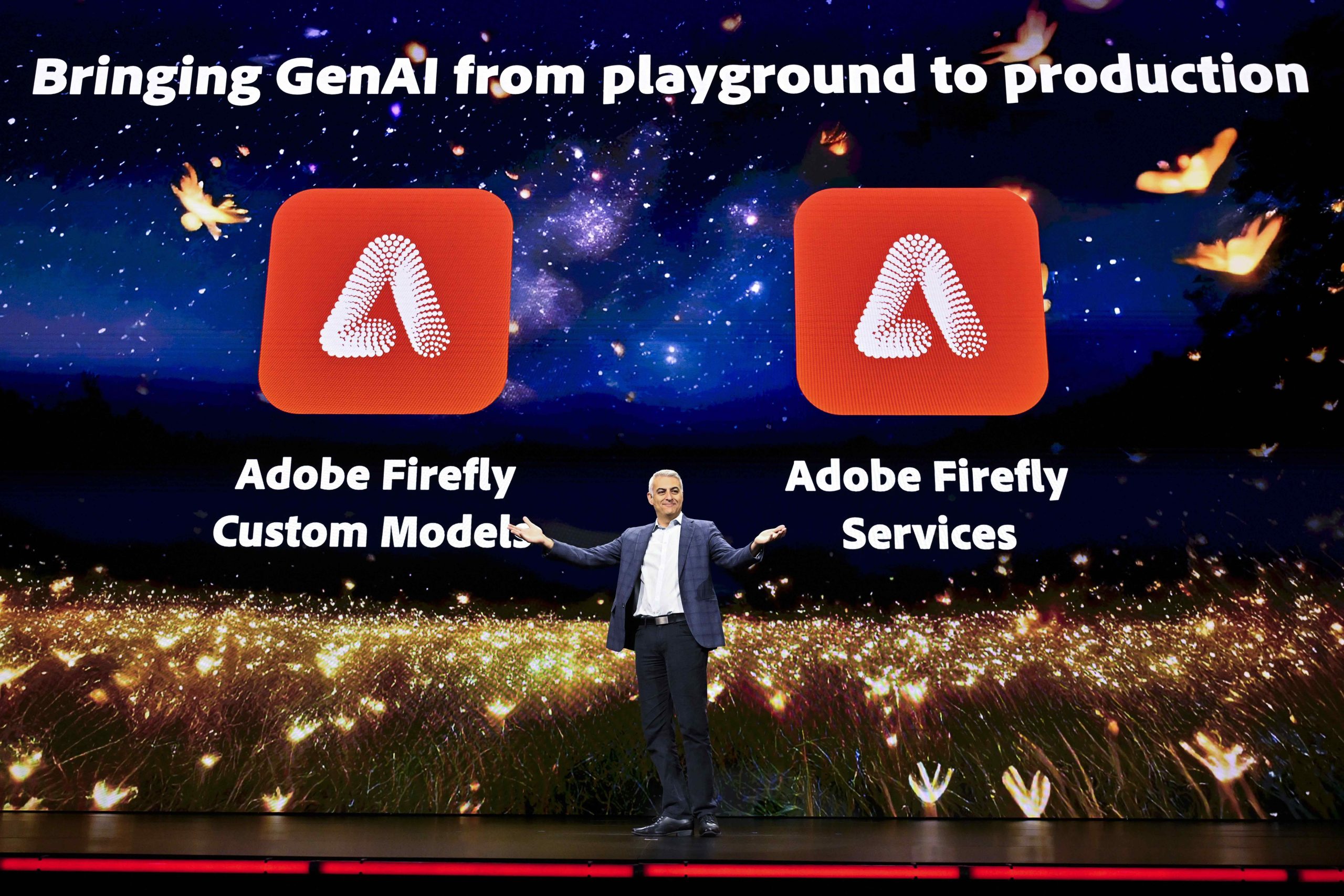
If the deal receives regulatory approval, Adobe plans to integrate Topaz Labs’ AI models into products including Photoshop, Lightroom, Premiere Pro, Firefly, and Firefly Services. The transaction is expected to close during the second half of 2026.
Bringing Topaz Labs Into Creative Cloud
Unlike many AI companies that focus primarily on image generation, Topaz Labs has built its reputation on improving real photographs and videos. Its software analyzes existing files to sharpen details, reduce image noise, upscale resolution, stabilize footage, restore old videos, and interpolate frames.
Those tools have become popular among photographers, filmmakers, documentary producers, and archivists looking to improve image quality without extensive manual editing.
Adobe said the acquisition will expand its portfolio of AI models by adding Topaz Labs’ enhancement technology to Creative Cloud and Firefly. The goal is to help creators work with both traditionally captured footage and AI generated content while maintaining high image quality throughout production.
Another part of the acquisition is Topaz Labs’ proprietary Neurostream technology, which allows large AI models to run locally on consumer hardware instead of relying entirely on cloud processing. That could improve editing speed while reducing dependence on internet connections for certain AI features.
Adobe also said Topaz Labs products will continue to be available as standalone applications after the acquisition closes, while CEO Eric Yang will remain in charge of the Topaz Labs team.

What This Means for Photographers
For photographers, the acquisition signals that AI enhancement is becoming just as important as AI image generation.
Over the past few years, many photographers have adopted Topaz Photo AI, Gigapixel AI, Video AI, and DeNoise AI as part of their editing workflow. Those applications often serve as finishing tools after edits in Lightroom or Photoshop, particularly when recovering detail from high ISO images or enlarging photographs for printing.
Bringing those capabilities directly into Adobe’s ecosystem could reduce the need to move files between multiple applications. It also suggests Adobe sees image enhancement as an increasingly important part of professional editing rather than a separate niche.
The announcement also reflects a broader shift in AI development. While image generators have attracted much of the public attention, many working photographers are placing greater value on tools that improve images they actually captured instead of creating entirely synthetic ones.
Adobe Continues Its AI Expansion
The acquisition is another step in Adobe’s broader AI strategy.
Over the past two years, the company has expanded Firefly with image, vector, audio, and video generation tools while introducing AI powered features across Photoshop, Lightroom, Illustrator, and Premiere Pro.
Adobe has also launched AI assistants and creative agents designed to automate repetitive editing tasks while keeping users in control of the final output.
Adding Topaz Labs strengthens Adobe’s position in AI powered enhancement, an area where independent software developers have often led innovation.
Similar Acquisitions Across Creative Software
Adobe has a long history of acquiring companies that later become core parts of Creative Cloud. The company purchased Frame.io in 2021 to strengthen cloud based video collaboration, while earlier acquisitions such as Allegorithmic brought advanced texturing tools into Adobe’s creative ecosystem.
Outside Adobe, other creative software companies have pursued similar strategies. Canva acquired Affinity in 2024, bringing professional photo editing, illustration, and publishing software into its growing design platform. Meanwhile, AI companies across the imaging industry continue to invest in specialized editing tools instead of relying solely on generative AI.
That trend suggests the future of creative software may depend not only on creating new images, but also on improving the quality of the photos and videos creators already have.
If Adobe successfully integrates Topaz Labs without disrupting the standalone tools photographers already rely on, it could become one of the most significant workflow changes Creative Cloud users have seen in years.
See more from DIYPhotography.net on Google
Add DIYPhotography.net as a trusted source. This makes
our stories more likely to appear in your Google Search results.
 Add as a preferred source on Google

Alysa Gavilan
Alysa Gavilan has spent years exploring photography through photojournalism and street scenes. She enjoys working with both film and mirrorless cameras, and her fascination with the craft has grown over the decades. Inspired by Vivian Maier, she is drawn to capturing everyday moments that often go unnoticed.




Join the Discussion
DIYP Comment Policy
Be nice, be on-topic, no personal information or flames.
One response to “Adobe Is Buying Topaz Labs to Supercharge AI Photo and Video Editing”
I wonder if I can then drop my topaz subscription (and will adobe increase prices).