


















This Film Crop Trick Acts Like a Telephoto Lens That Fits EVERY 35mm Camera
Jun 24, 2026
David Prochnow
Our resident “how-to” project editor, David Prochnow, lives on the Gulf Coast of the United States in Ocean Springs, Mississippi. He brings his expertise at making our photography projects accessible to everyone, from a lengthy stint acting as the Contributing How-To Editor with Popular Science magazine. While you don’t have to actually build each of his projects, reading about these adventures will contribute to your continued overall appreciation of do-it-yourself photography. A collection of David’s best Popular Science projects can be found in the book, “The Big Book of Hacks,” Edited by Doug Cantor.
Share:
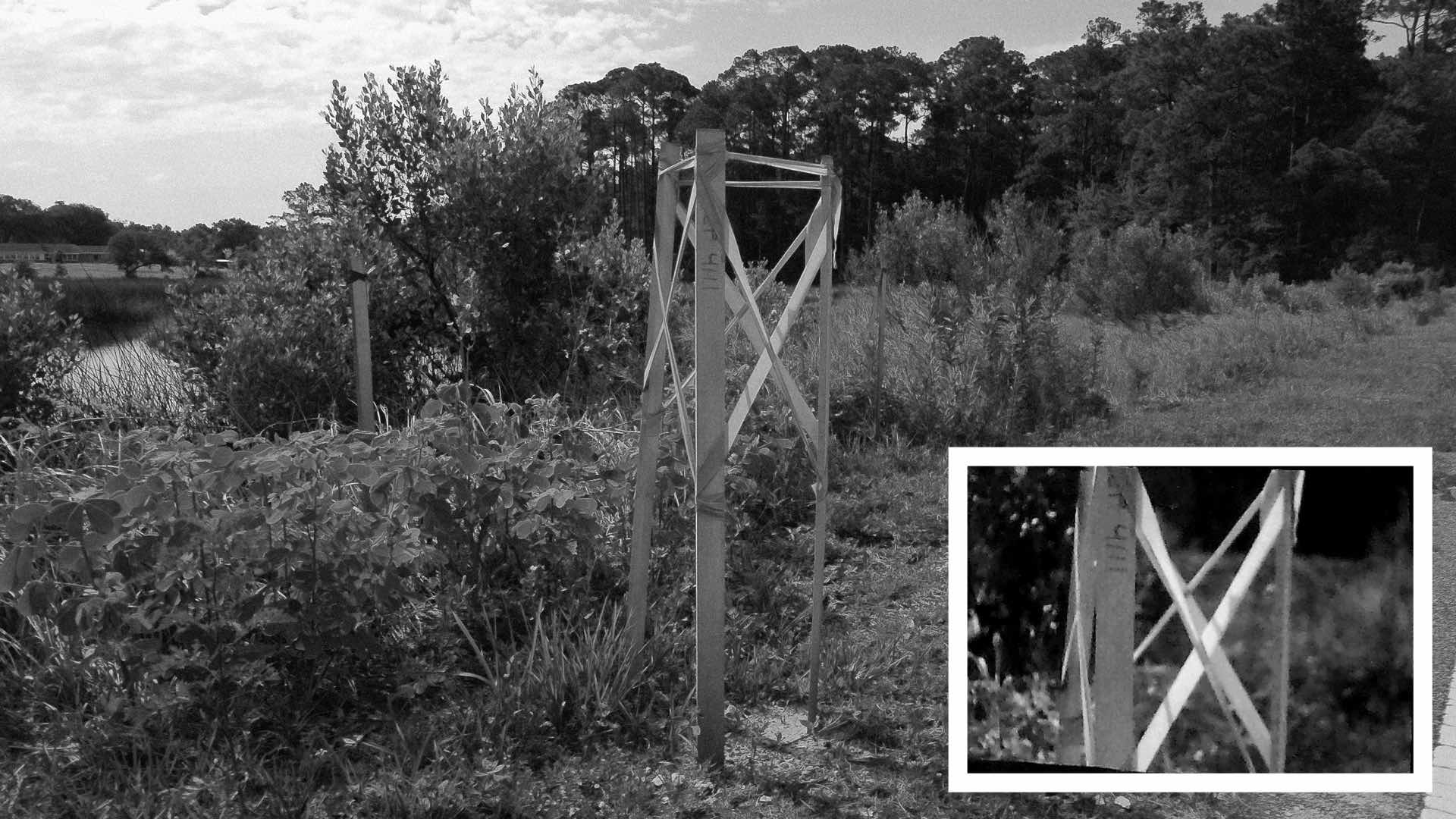
Borrowing a trick from the crop sensor digital camera playbook, this simple project enables you to “act” like you’ve got a telephoto lens installed on your 35mm film camera body. Just like those fancy digital cameras, your film camera can now use “cropped” film!
While crop sensor digital cameras simulating different focal length lenses are commonplace, internally cropping film to simulate a telephoto lens is anything but common. In fact, some photographers might scoff at the notion of enabling a film-based internal telephoto lens, that is, until they try it.
A Crop is a Mask Above All Else
Yes, this cropped film result is similar to using an enlarger inside a darkroom for magnifying a small portion of a 35mm negative. The difference is that no darkroom enlarger is needed for obtaining a similar result. You’ll just need a sharp knife, a short length of film leader, and a rectangular template.
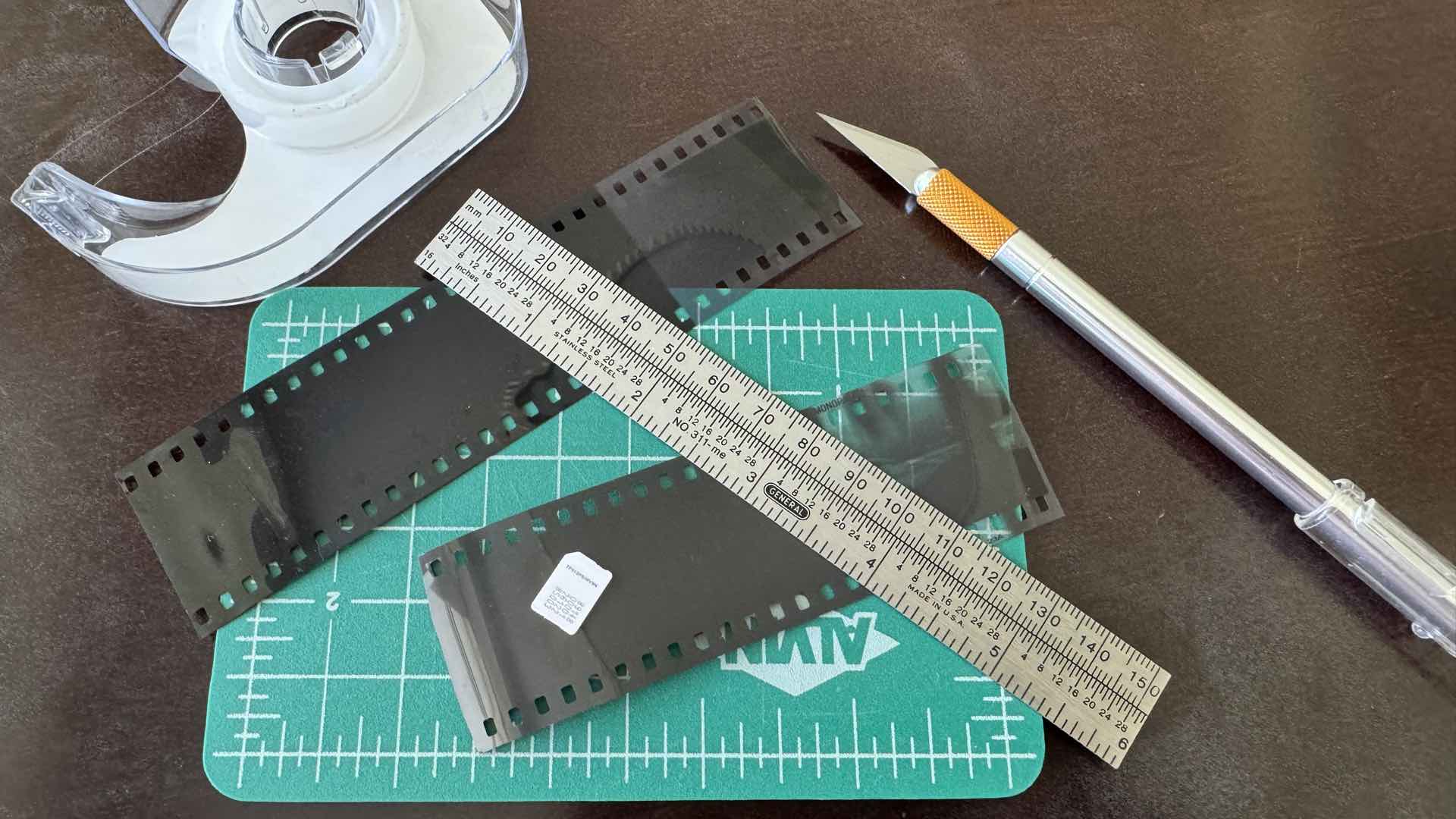
Be careful when selecting your template, however. The dimensions of the object that’s used for making a cutout in the film leader will determine the scale of the final photographic magnification.
As a suggested starting point, consider using a discarded smartphone SIM card or microSD card. Simply center the card inside the width of the leader, trim around the edges, and remove the cutout piece of film.
Now open your 35mm camera, align the trimmed leader along the film guide rails with the cutout opening centered behind the shutter curtain, and carefully and thoroughly tape the edges of the leader down inside of the light chamber.
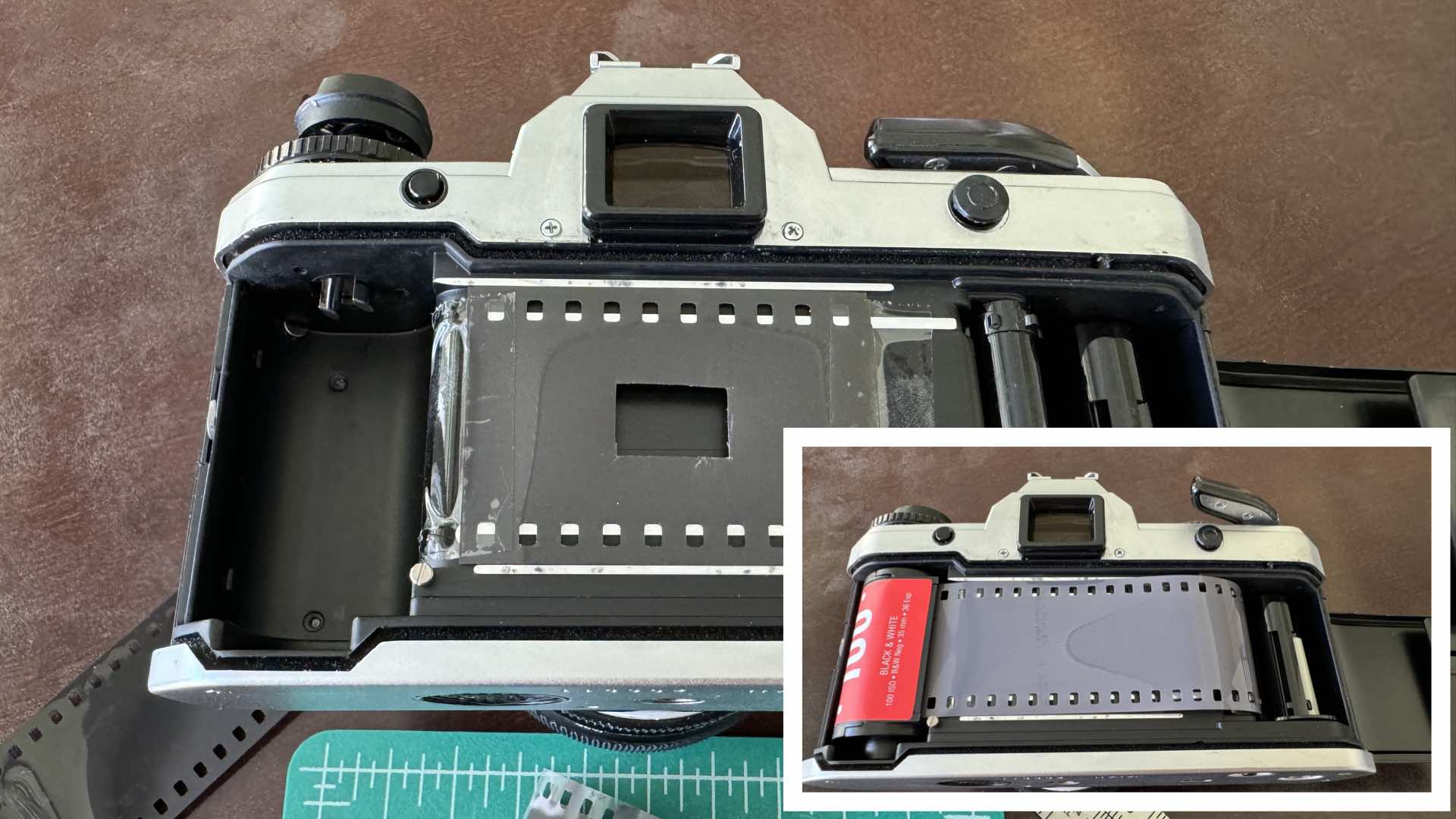
Load a roll of the 35mm film and you’re ready to starting taking telephoto-like photographs with a 50mm lens. In order to ensure that your photographic results are perfect, please follow these two suggestions:
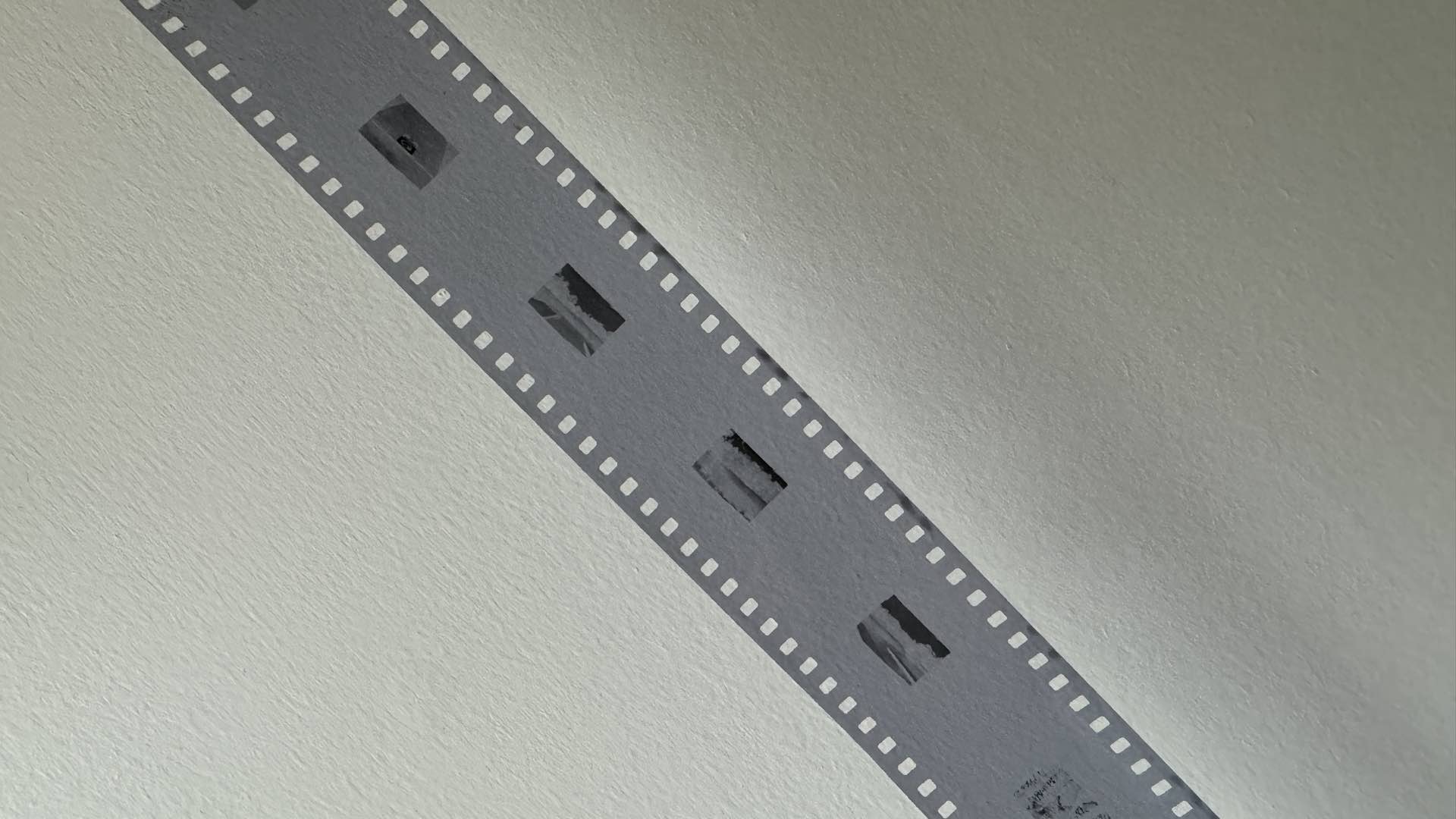
1. Use a fine-grain, low-speed film. Remember you’re only using a small portion of the whole 35mm frame. This higher resolution film will guarantee that your final digitized negatives aren’t a grainy, fuzzy mess.
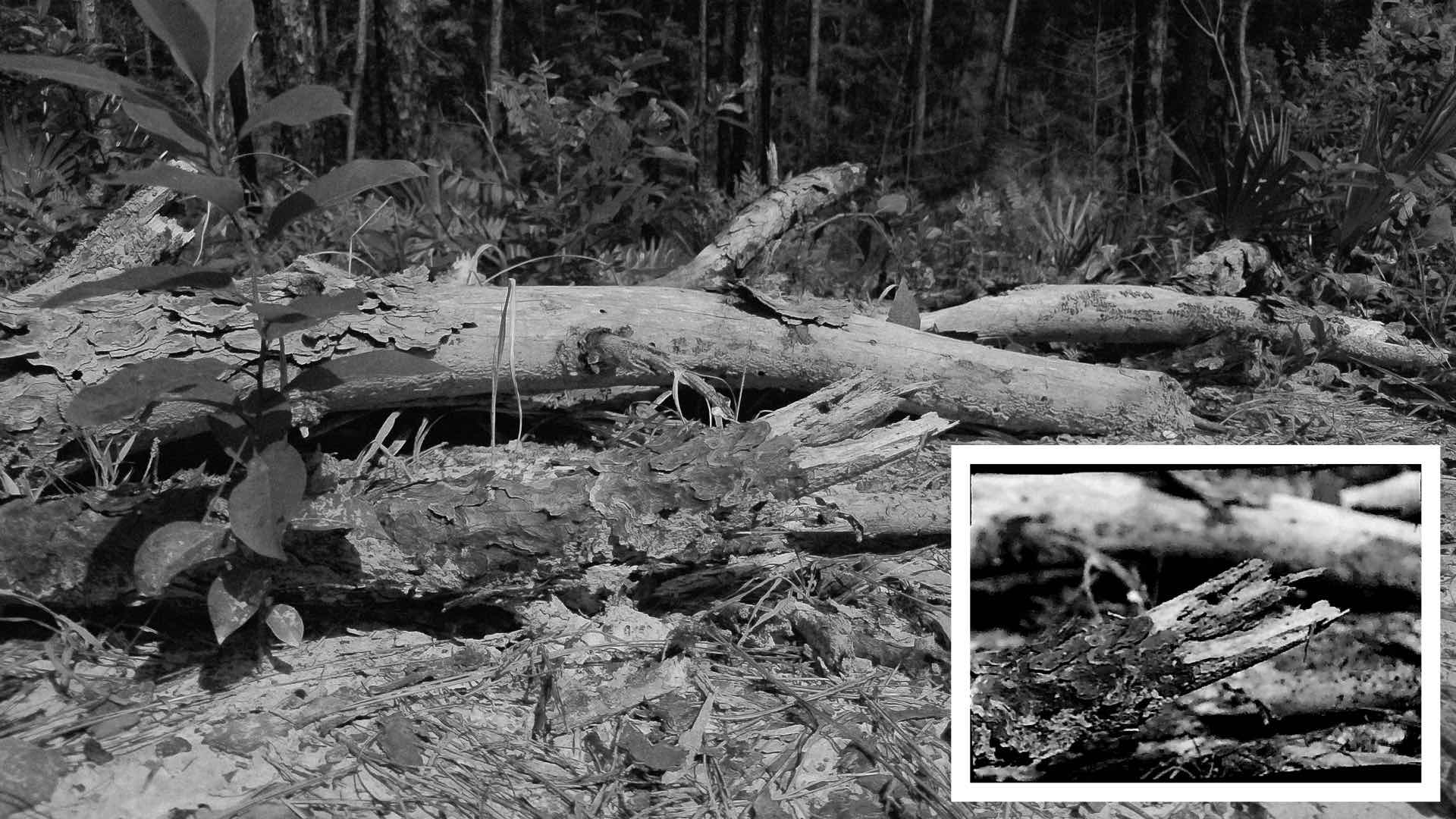
2. Use the center-weighted focusing aid inside your camera’s viewfinder as a rough approximation of your telephoto-like lens’ coverage. This will help you concentrate on creatively framing your subject for its perfect close up.
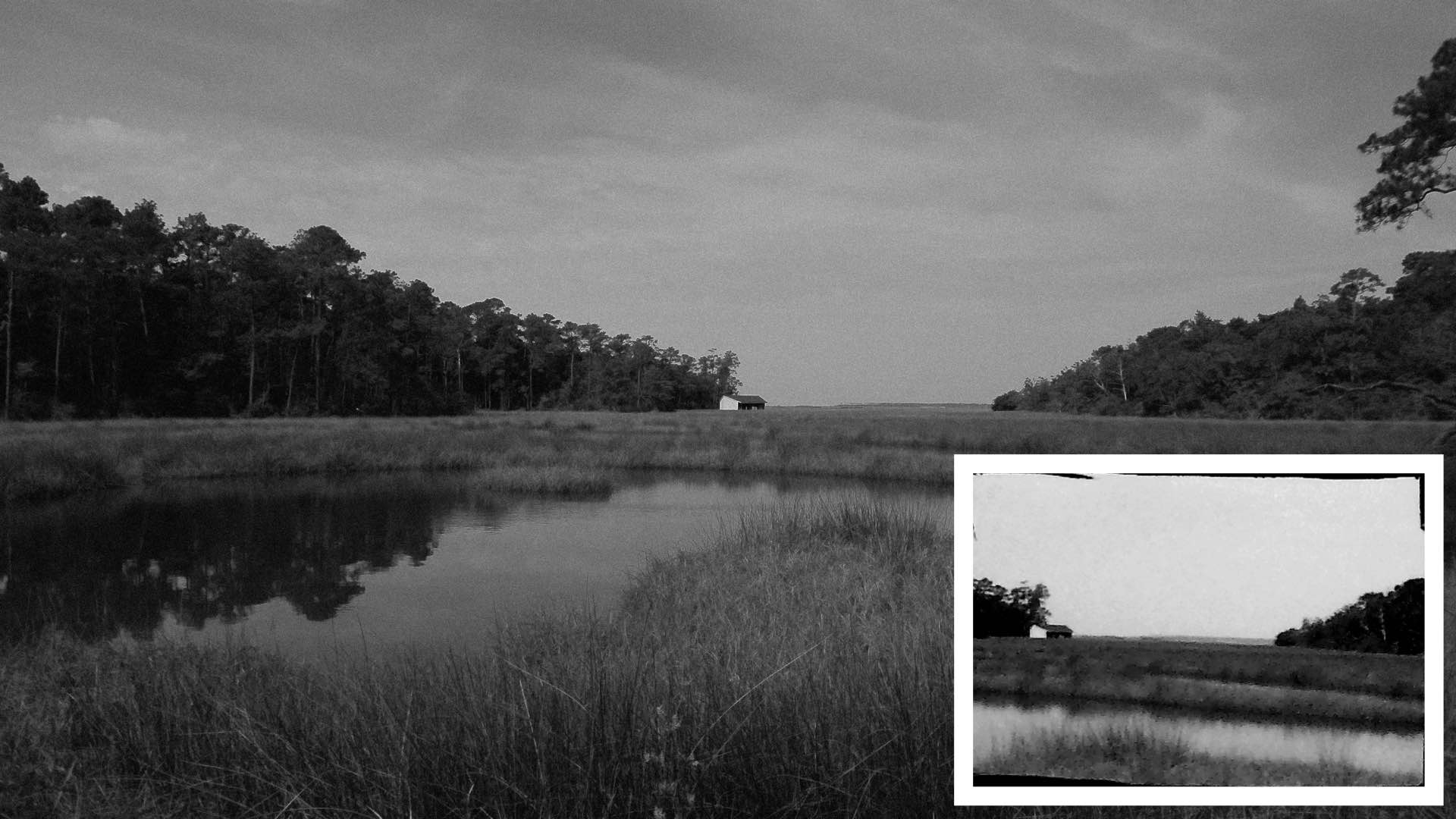
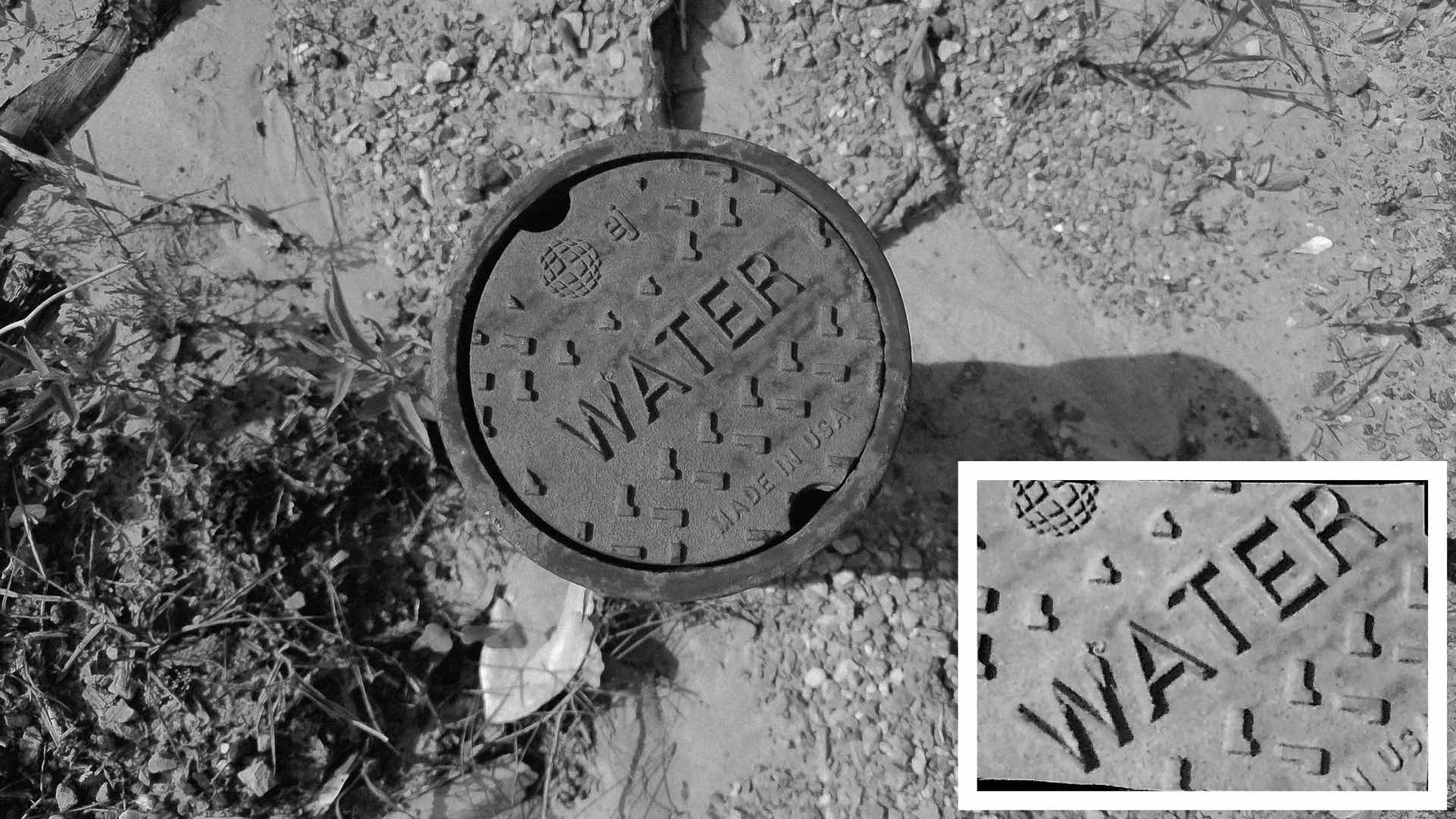
This technique is not for everyone. If you value full resolution, high quality photographs, a tightly cropped snippet of film will not impress you. On the other hand, if you have a keen eye for experimentation, then masking a full frame into a tiny rectangular sliver might be the beginning of a new viewpoint on your film.
Enjoy.
See more from DIYPhotography.net on Google
Add DIYPhotography.net as a trusted source. This makes
our stories more likely to appear in your Google Search results.
 Add as a preferred source on Google
Filed Under:
Tagged With:

David Prochnow
Our resident “how-to” project editor, David Prochnow, lives on the Gulf Coast of the United States in Ocean Springs, Mississippi. He brings his expertise at making our photography projects accessible to everyone, from a lengthy stint acting as the Contributing How-To Editor with Popular Science magazine. While you don’t have to actually build each of his projects, reading about these adventures will contribute to your continued overall appreciation of do-it-yourself photography. A collection of David’s best Popular Science projects can be found in the book, “The Big Book of Hacks,” Edited by Doug Cantor.

Join the Discussion
DIYP Comment Policy
Be nice, be on-topic, no personal information or flames.