



















Why Still Life Photography Is Harder Than It Looks (And How to Get It Right)
Jun 16, 2026
Alysa Gavilan
Alysa Gavilan has spent years exploring photography through photojournalism and street scenes. She enjoys working with both film and mirrorless cameras, and her fascination with the craft has grown over the decades. Inspired by Vivian Maier, she is drawn to capturing everyday moments that often go unnoticed.
Share:
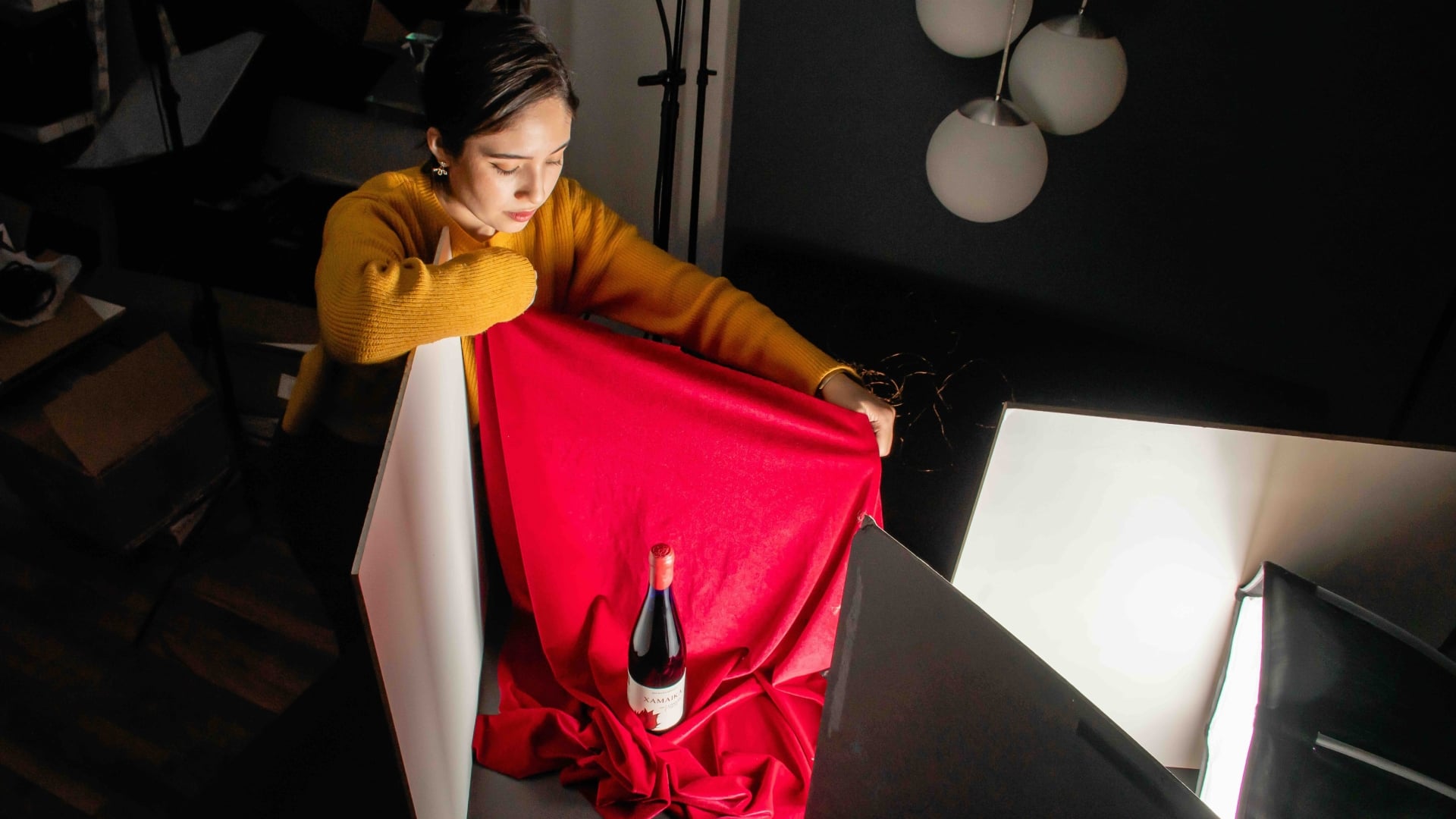
Still life photography looks simple until you actually try it.
A table, a few objects, a camera, and time. In theory it sounds almost relaxing compared to fast-moving subjects. In practice, it can turn into an exercise in frustration where you spend twenty minutes adjusting a spoon by a few millimeters only to realize the lighting has shifted and everything needs to be redone.
The upside is that still life gives you full control over almost every element in the frame, which makes it one of the best genres for learning how light, composition, and texture really work together.
What Is Still Life Photography
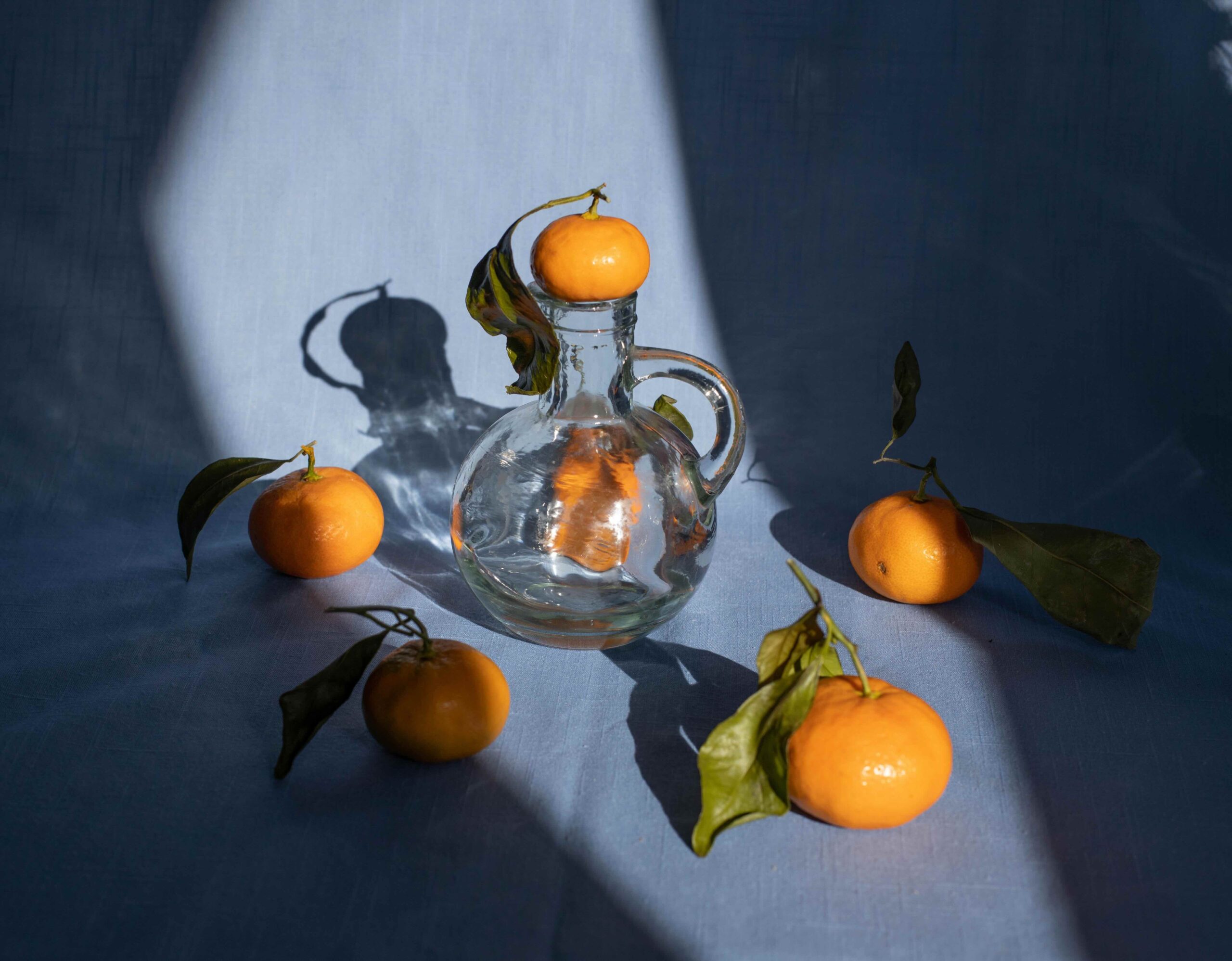
Still life photography is the practice of photographing inanimate objects arranged in a deliberate composition. The subjects can range from food, flowers, household items, products, or abstract arrangements. Unlike documentary or street photography, nothing is happening spontaneously. Everything is placed, styled, and lit with intention.
This genre has deep roots in art history, especially in painting traditions from Europe, where artists used still life scenes to study light, symbolism, and composition. In photography, it serves a similar purpose, often focusing on control and visual design rather than capturing a moment in motion.
Modern still life photography appears in commercial work, editorial spreads, product photography, and personal creative projects. Despite its simplicity in subject matter, it is one of the most technically demanding forms of image making.
How To Know If It Is For You
Still life photography tends to appeal to people who enjoy control and patience in their creative process. If you prefer setting up a scene slowly and refining details, this genre can feel rewarding.
It may suit you if you enjoy experimenting with lighting setups, arranging objects, or working in a quiet environment without time pressure. It also works well for photographers who want to improve technical skills like exposure, depth of field, and composition without needing moving subjects.
On the other hand, if you prefer fast-paced environments or candid moments, still life might feel restrictive at first. The lack of movement means every flaw becomes more noticeable, which can be frustrating until you adjust to the slower rhythm.
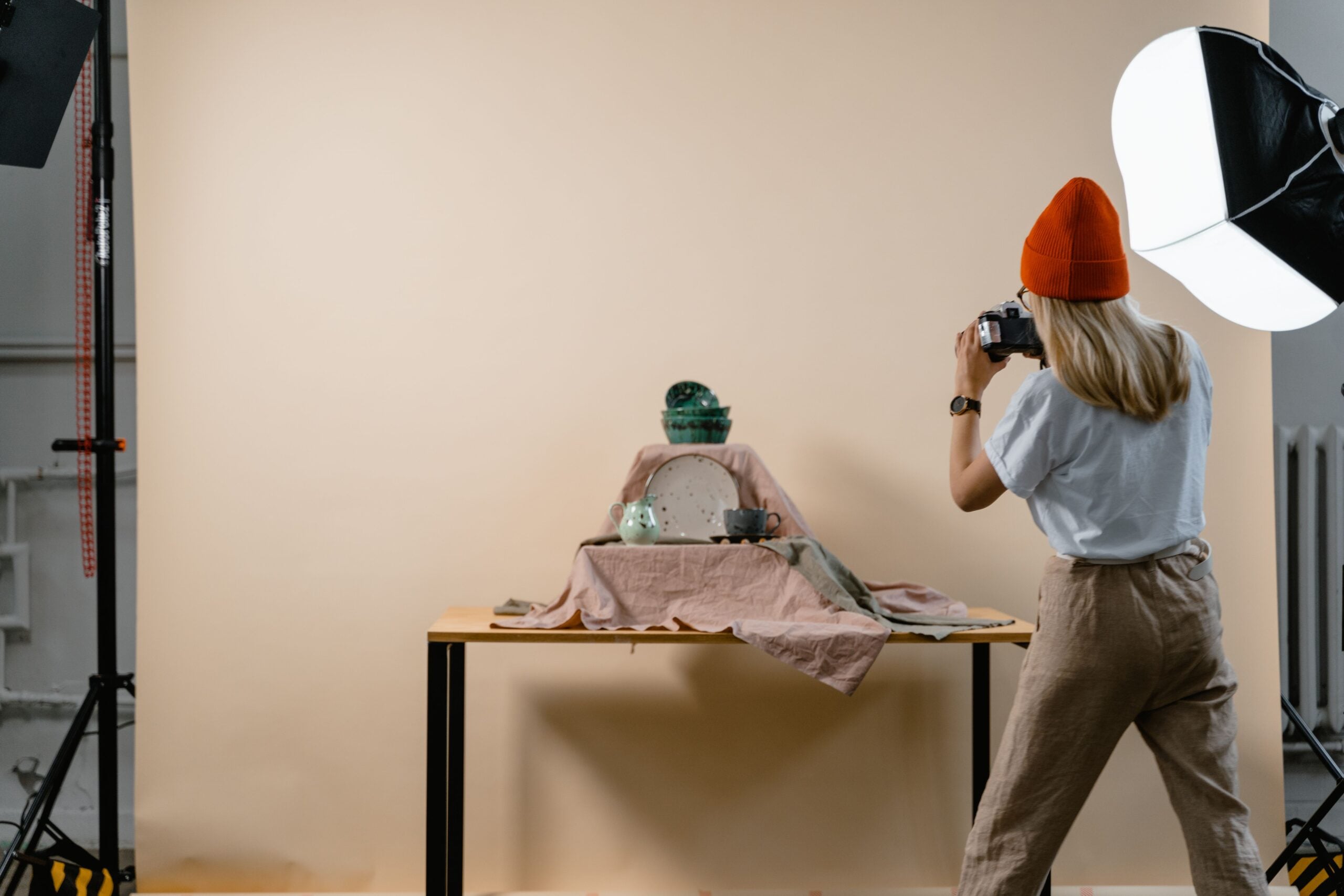
Tips For Still Life Photography
Start With Simple Objects
Complex scenes often create unnecessary problems early on. Starting with one or two objects helps you focus on light and composition without distraction.
Everyday items like fruit, glass, books, or fabric work well. The goal is not the object itself but how it interacts with light and space.
Pay Attention To Light First
Lighting is the foundation of still life photography. Natural light from a window is often enough to begin with. It creates soft shadows and subtle transitions that are easier to work with.
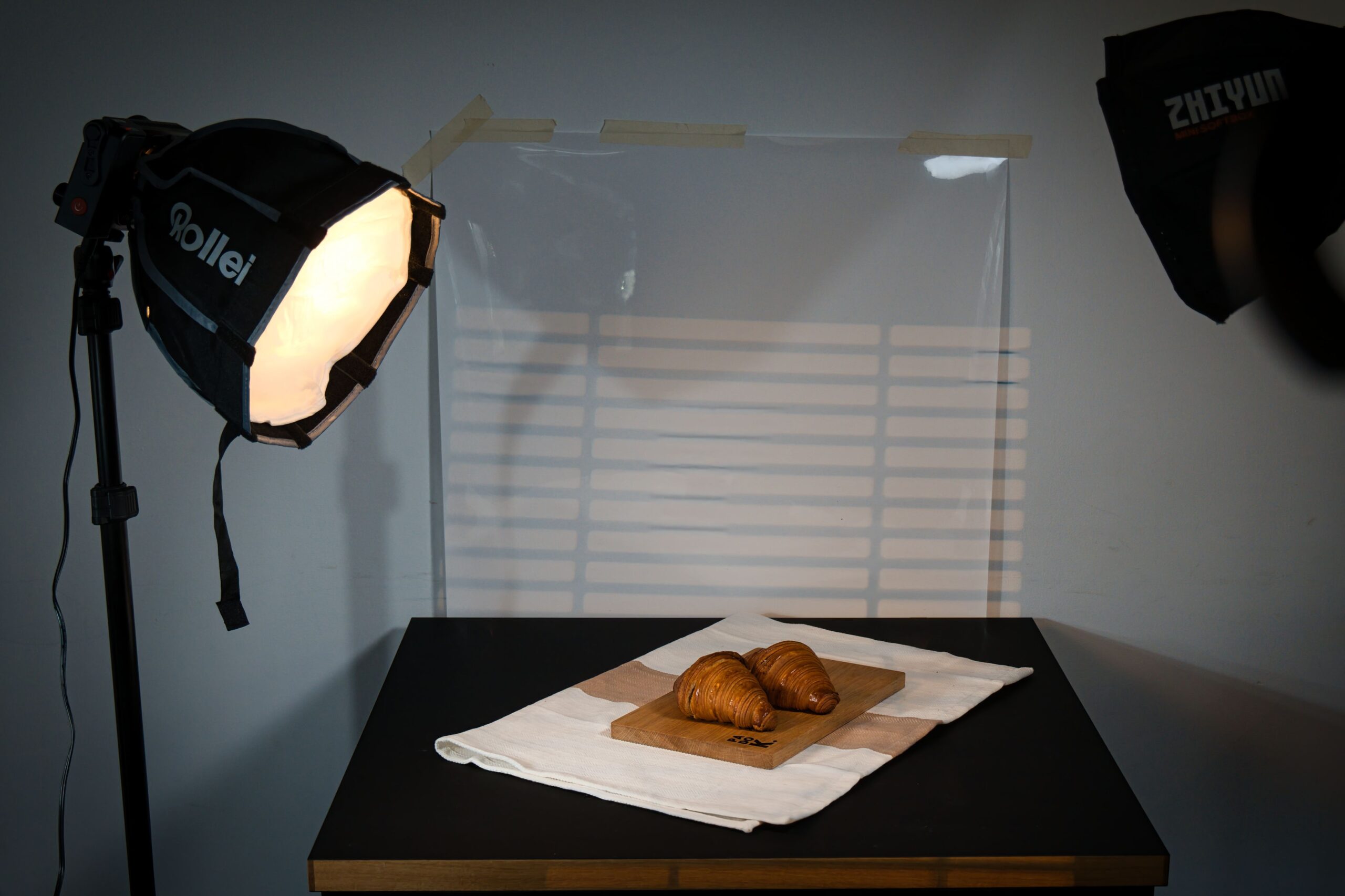
If using artificial light, a single light source is often more effective than multiple lights at the beginning. Direction matters more than intensity. Small changes in angle can completely change mood and depth.
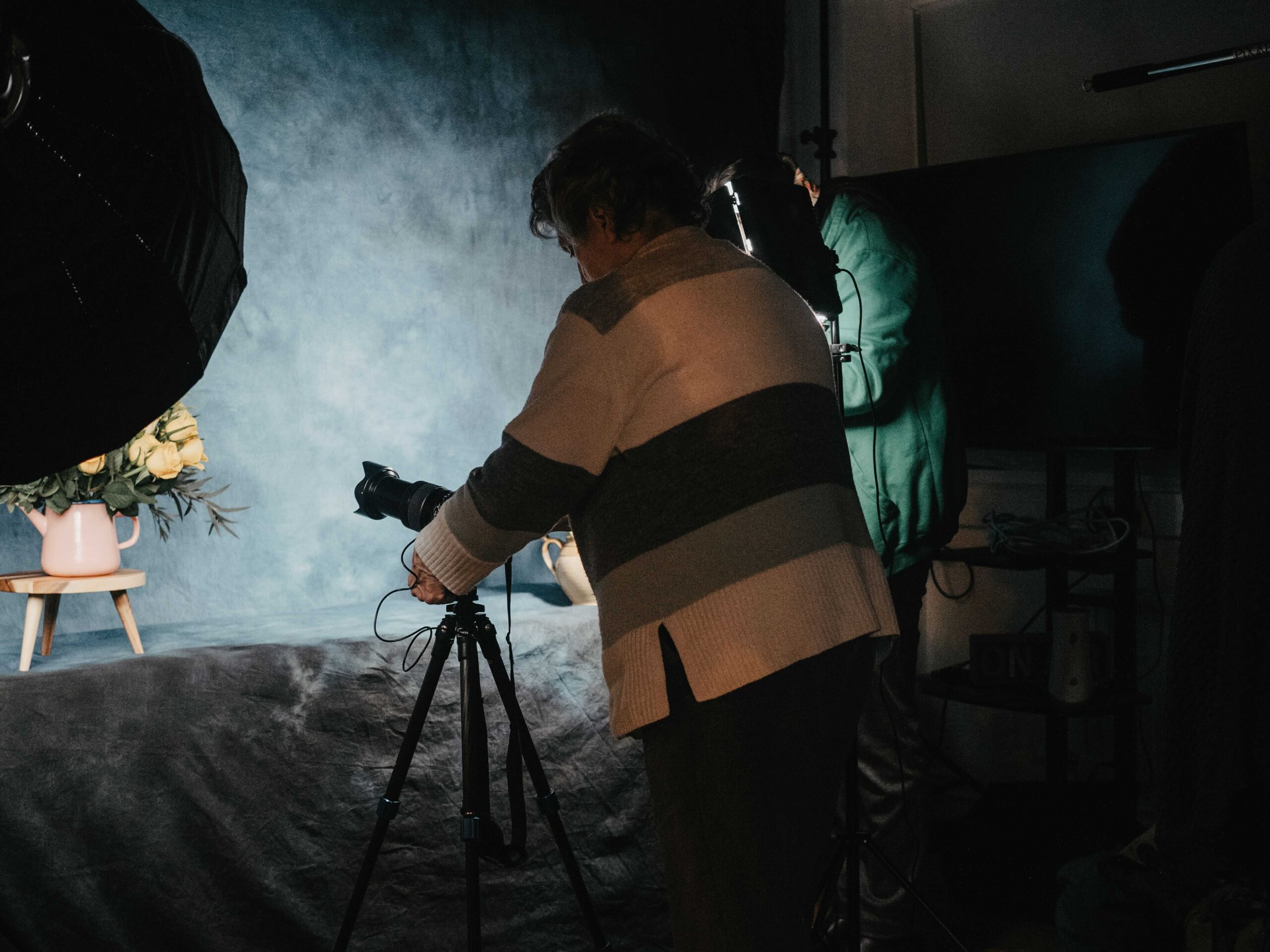
Build A Controlled Background
Backgrounds should support the subject rather than compete with it. Simple surfaces like wood, paper, fabric, or neutral walls help keep attention on the main object.
Clutter in the background can distract from the composition, especially in minimalist setups.
Use Composition To Guide The Eye
Composition plays a central role in still life photography. Techniques like the rule of thirds, leading lines, and negative space can help structure the frame.
Placing objects too centrally can sometimes feel static, while slight asymmetry often creates more visual interest.
Work With Texture And Contrast
Still life photography becomes more engaging when textures interact. Smooth glass against rough fabric or shiny metal against matte surfaces can create strong visual contrast.
Contrast is not only about brightness but also about surface quality and material differences.
Control Depth Of Field
Depth of field helps define what the viewer focuses on. A shallow depth of field can isolate a subject, while a deeper focus can show more detail across the scene.
Aperture choice depends on the story you want to tell. In still life, there is no single correct setting, only intentional choices.
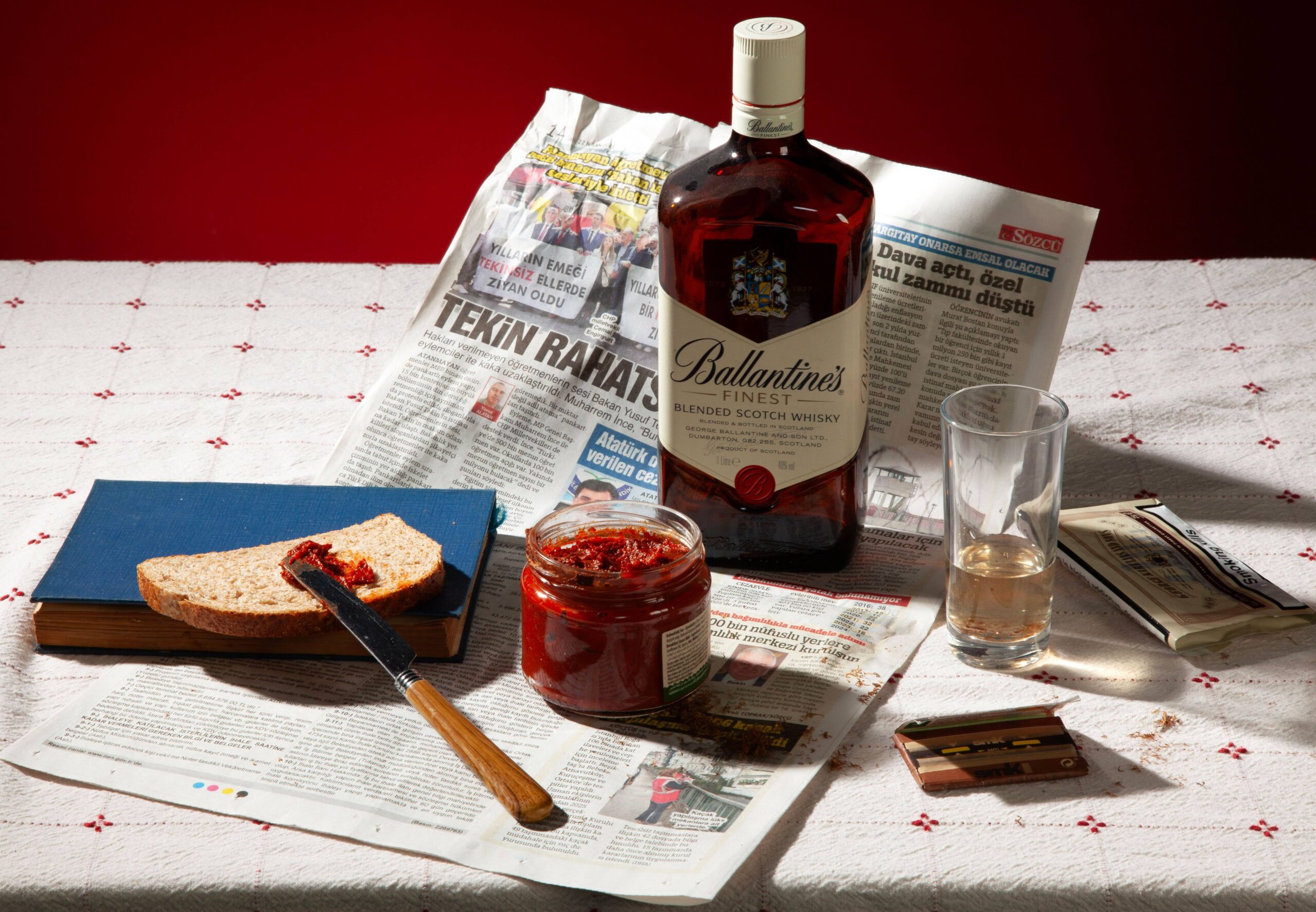
Take Time With Adjustments
One of the defining aspects of still life photography is patience. Small shifts in object placement, lighting angle, or camera position can significantly change the final image.
Shooting tethered or reviewing images carefully helps refine the setup gradually instead of rushing the process.
Experiment Without Pressure
Still life photography is one of the best genres for experimentation. You can test unusual lighting, abstract compositions, or unexpected object combinations without external constraints.
Mistakes are part of the process and often lead to stronger visual ideas.
Still life photography rewards attention to detail more than speed or spontaneity. It strips away distractions and forces focus on light, shape, and composition in their purest form.
What would you choose for your first still life setup if you had only one light and three objects to work with?
See more from DIYPhotography.net on Google
Add DIYPhotography.net as a trusted source. This makes
our stories more likely to appear in your Google Search results.
 Add as a preferred source on Google

Alysa Gavilan
Alysa Gavilan has spent years exploring photography through photojournalism and street scenes. She enjoys working with both film and mirrorless cameras, and her fascination with the craft has grown over the decades. Inspired by Vivian Maier, she is drawn to capturing everyday moments that often go unnoticed.




Join the Discussion
DIYP Comment Policy
Be nice, be on-topic, no personal information or flames.