





















Rubin Observatory Begins Continuous Monitoring of the Night Sky
Mar 30, 2026
Soumyadeep Mukherjee
Soumyadeep Mukherjee is an award-winning astrophotographer from India. He has a doctorate degree in Linguistics. His work extends to the sub-genres of nightscape, deep sky, solar, lunar and optical phenomenon photography. He is also a photography educator and has conducted numerous workshops. His works have appeared in over 40 books & magazines including Astronomy, BBC Sky at Night, Sky & Telescope among others, and in various websites including National Geographic, NASA, Forbes. He was the first Indian to win “Astronomy Photographer of the Year” award in a major category.
Share:
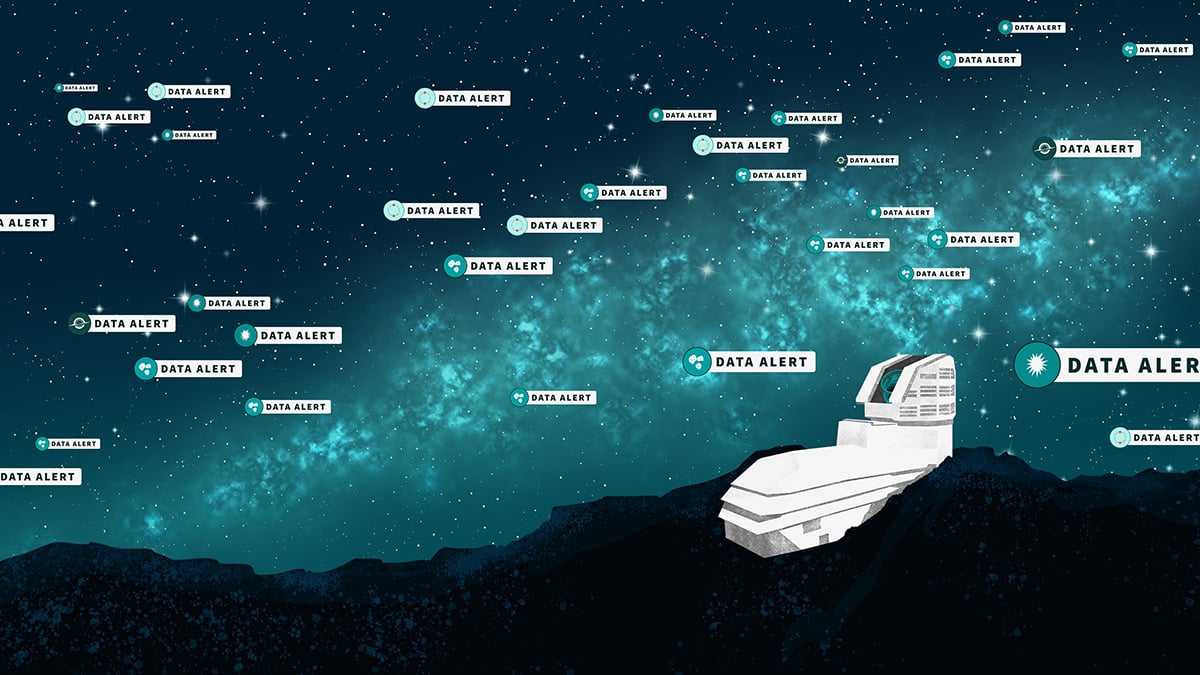
Astronomers have entered a new observational regime with the commissioning of the real-time alert system at the Vera C. Rubin Observatory. During early survey operations, the observatory demonstrated its ability to detect and distribute alerts describing changes across the night sky within minutes of observation. This capability confirms that Rubin is ready to function as a continuous monitoring instrument for time-domain astronomy.
The alert system forms the operational backbone of Rubin’s decade-long sky survey. It detects variability, motion, and transient phenomena across large sky areas every night. These detections are shared rapidly with the global astronomical community. As a result, astronomers can study evolving cosmic events almost as soon as they begin. The system represents a fundamental shift in how wide-field surveys observe the universe.
Tracking changes across the sky
Most optical observatories study selected targets. Rubin Observatory follows a different strategy. It surveys the sky repeatedly and compares each observation with earlier images. This allows the telescope to detect changes rather than record positions.
At the heart of this capability is the LSST Camera, the largest digital camera ever constructed for optical astronomy. The detector contains 3,200 megapixels and covers an extremely wide field of view. Each exposure records millions of astronomical sources at once. Because the telescope returns to the same regions frequently, the camera captures both static structure and temporal variation.
Rubin’s observing strategy supports a long-term scientific program called the Legacy Survey of Space and Time. During this ten-year survey, the telescope will image the southern sky hundreds of times. These repeated observations will allow astronomers to measure how stars, galaxies, and Solar System objects change over time. The alert system translates those changes into usable scientific signals.
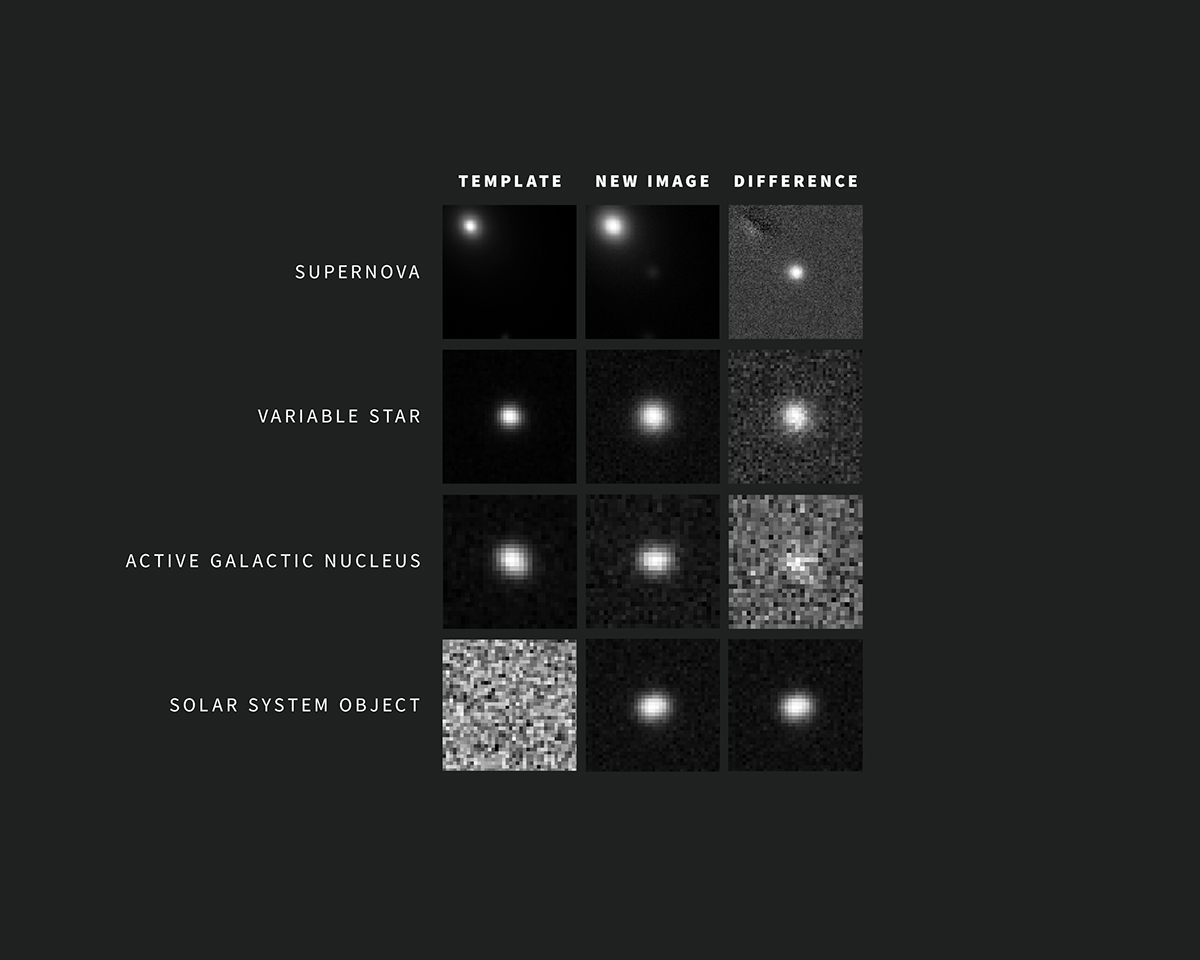
How the Rubin Alert System detects changes in real time
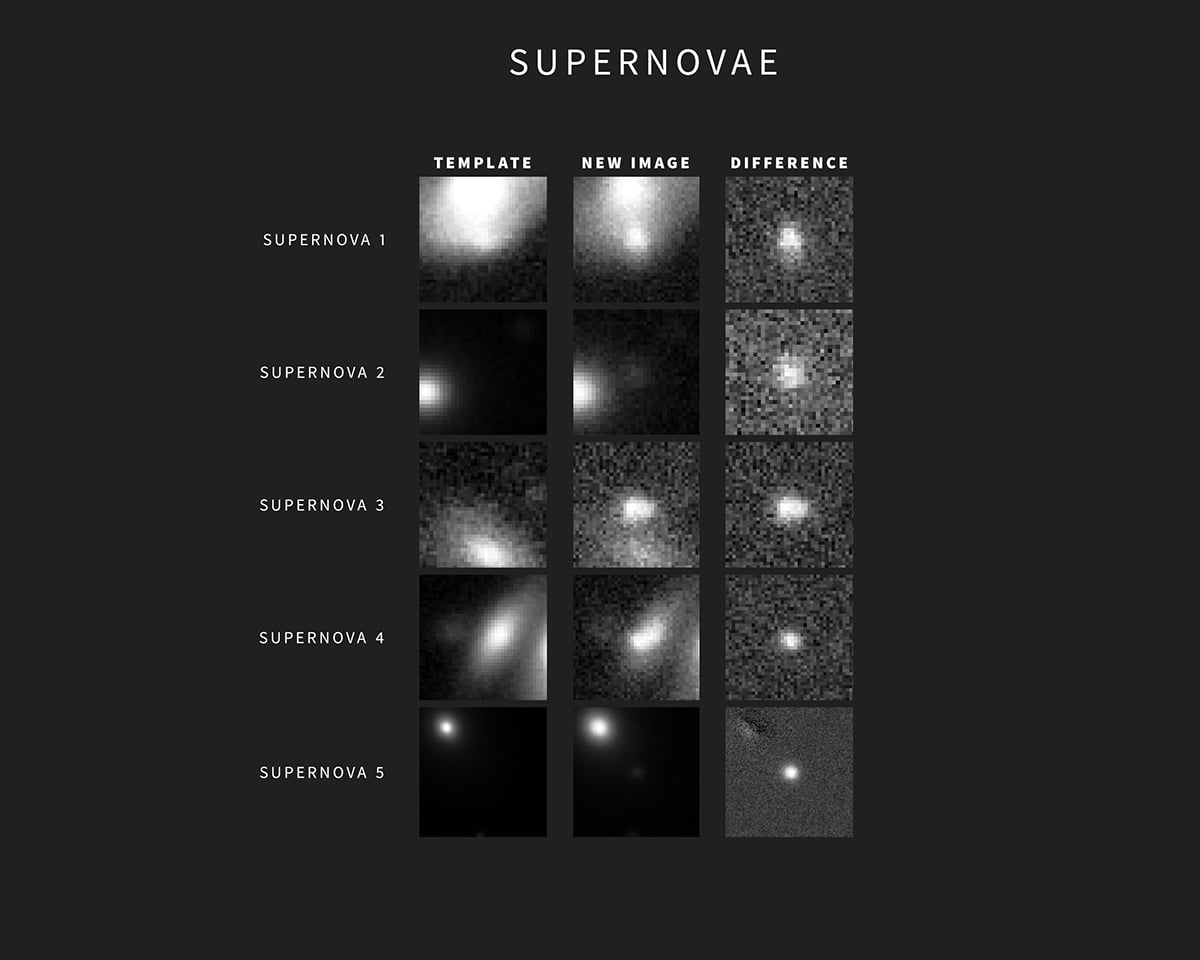
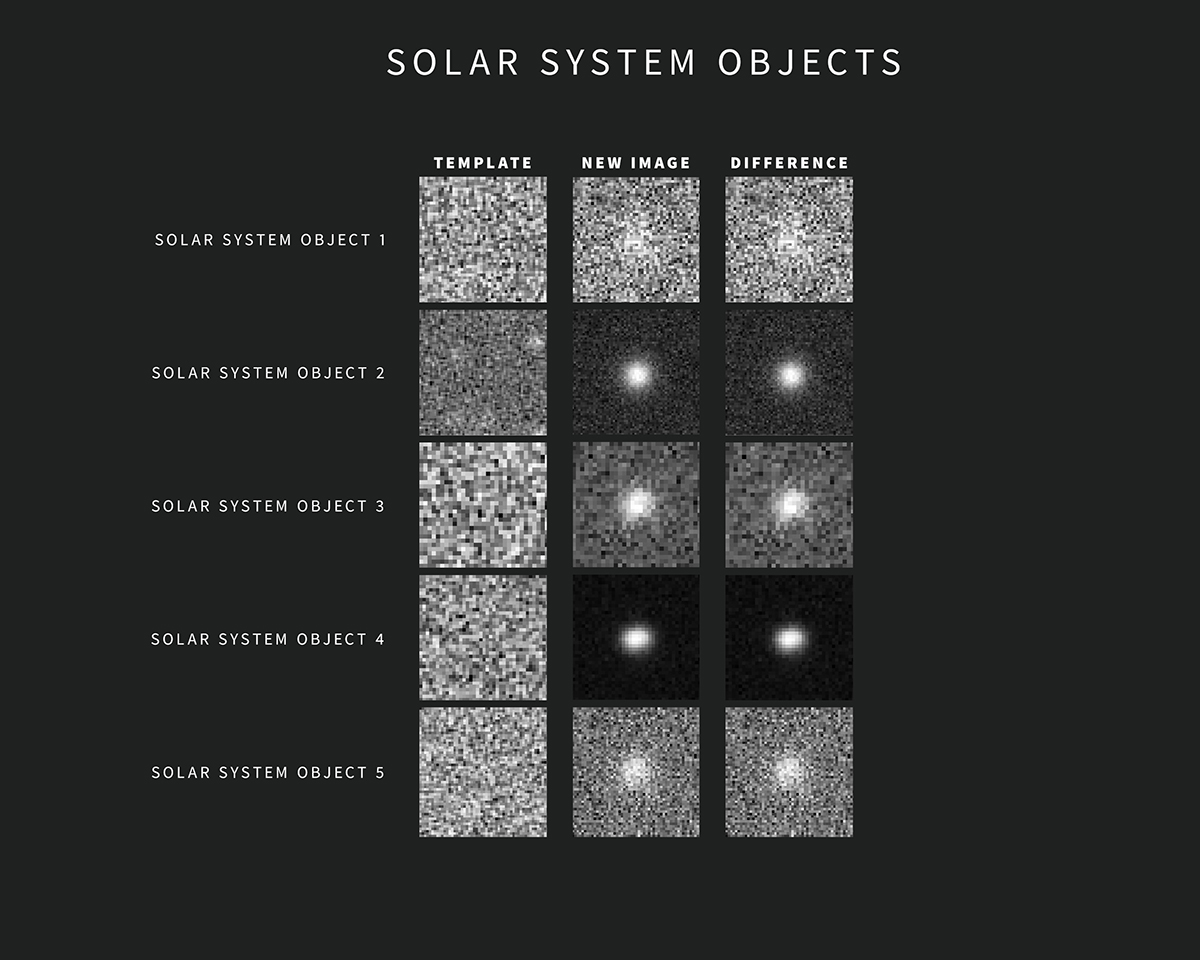
Rubin Observatory processes each exposure immediately after it is recorded. The system compares every new image with previously constructed reference images of the same sky region. This comparison method is known as difference imaging.
Difference imaging isolates sources that changed brightness or position between exposures. Once the pipeline detects a variation, it generates an alert packet describing the event.
These alert packets contain measurements of brightness change, position, and motion. They also include small image cutouts that allow astronomers to inspect the detected variation quickly. The packets are then distributed electronically to the astronomical community.
Rubin can release these alerts within about two minutes of observation. That speed makes the alert stream one of the fastest large-scale discovery systems ever developed for astronomy. Instead of waiting for data releases months later, researchers now receive information almost immediately after the telescope records the sky.
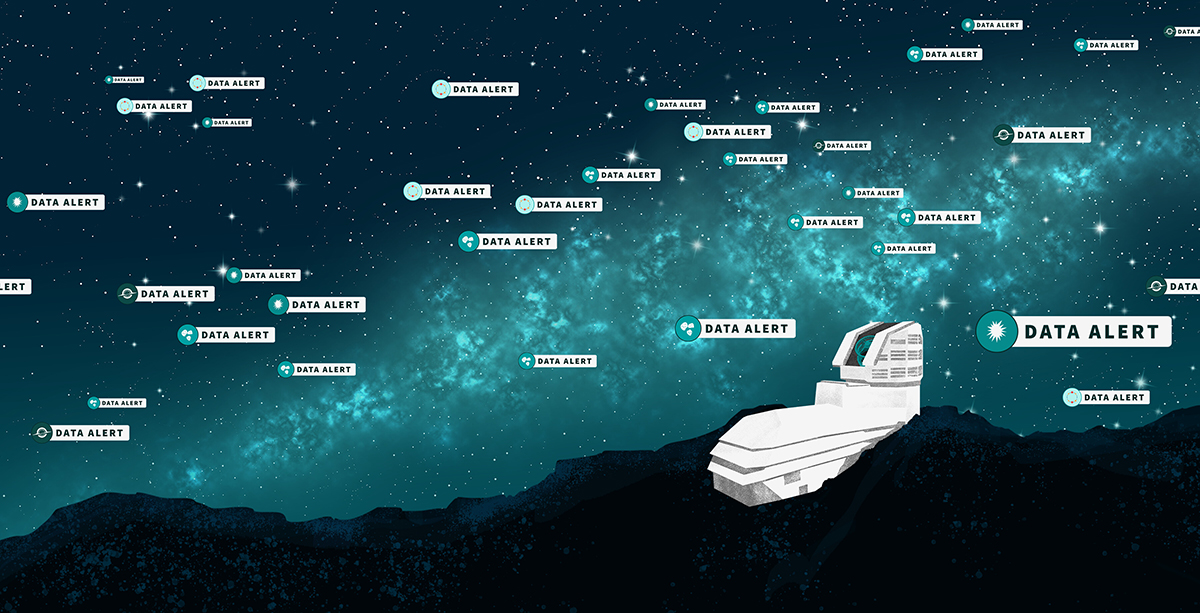
The first Rubin alert stream
During commissioning observations in February 2026, Rubin Observatory released its first large alert stream. Nearly 800,000 alerts were distributed in a single night. Each alert marked a measurable change detected somewhere across the observed sky.
This first alert stream demonstrated several important technical capabilities at once. It confirmed that Rubin’s image-processing pipeline works reliably under real observing conditions. It also showed that the alert distribution network can deliver large data volumes quickly to external processing systems.
The scale of this alert production already exceeded earlier wide-field transient surveys. When full survey operations begin, Rubin is expected to generate up to seven million alerts every night. That number represents a major increase in the rate of discovery available to astronomers.
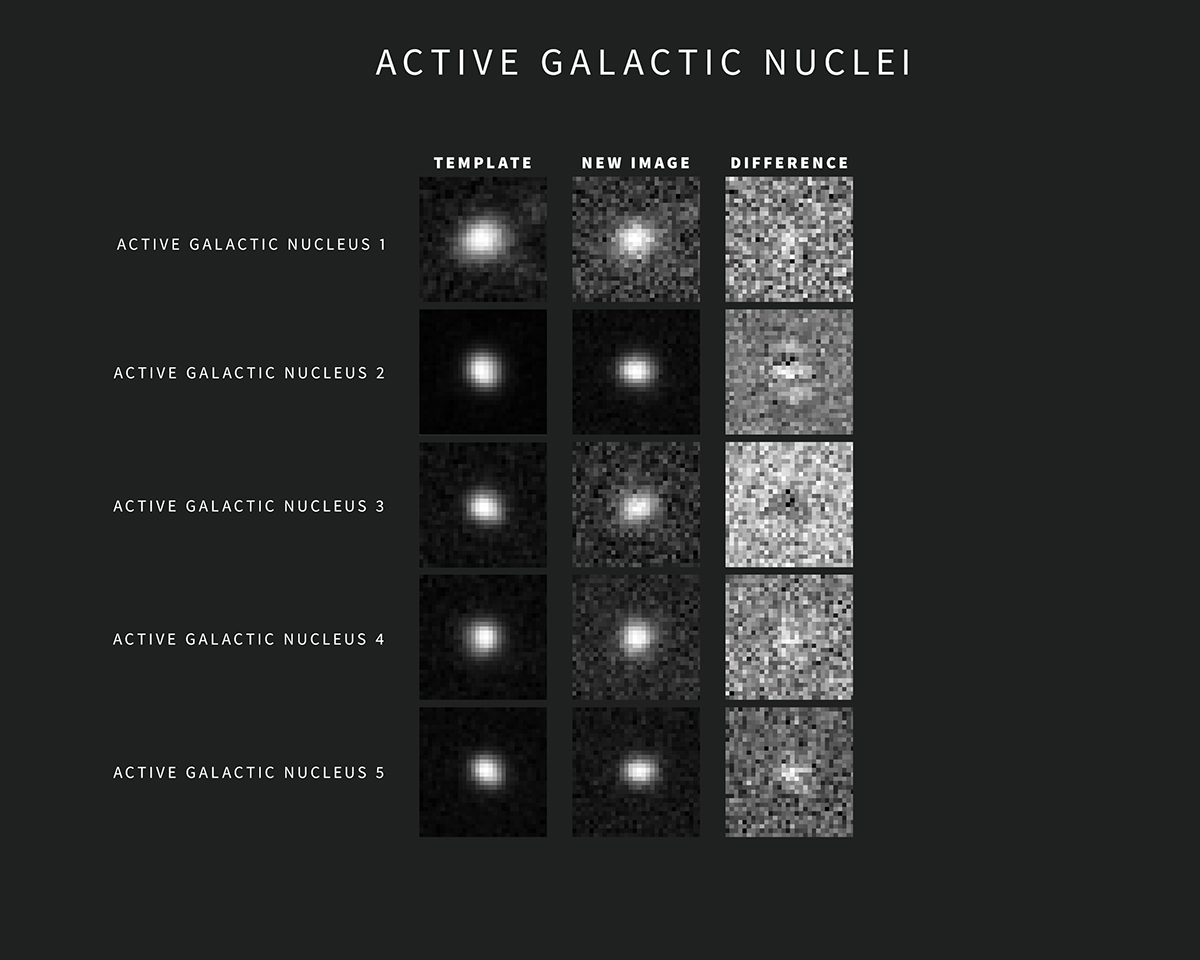
Describing different types of changing astronomical objects
Each Rubin alert signals that something in the sky has changed since the previous observation. These changes may reflect motion, brightness variation, or the appearance of a new source.
Some alerts correspond to moving objects in the Solar System. Asteroids and comets shift position between exposures, and Rubin detects these motions automatically. Because the telescope surveys large sky areas repeatedly, it can track these objects efficiently.
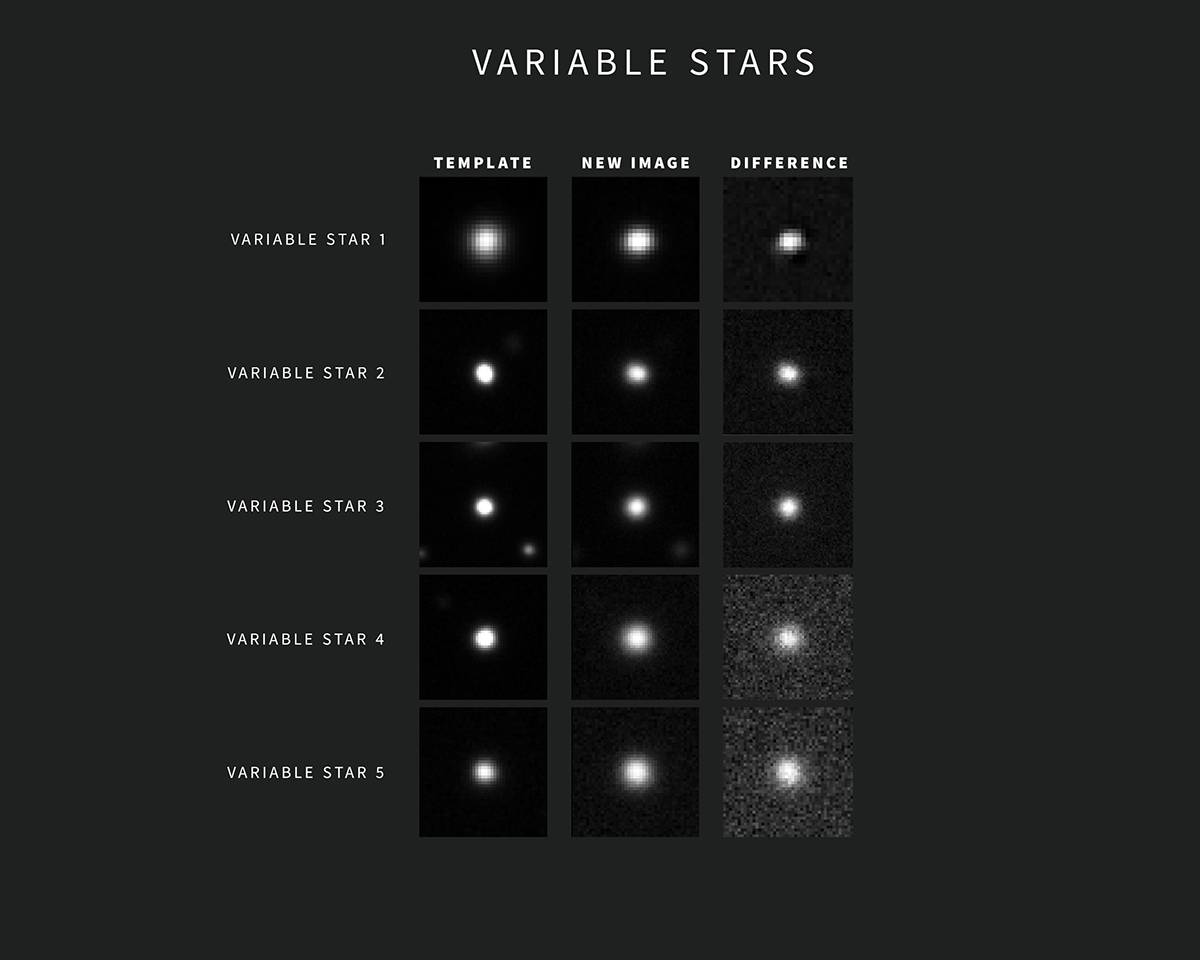
Other alerts identify stellar variability. Many stars change brightness because of pulsation, rotation, or surface activity. Rubin’s repeated observations allow astronomers to measure these variations across large stellar populations.
Alerts also reveal explosive events such as supernovae. These explosions brighten rapidly over short timescales. Detecting them early allows astronomers to study the physical processes driving the explosion. In addition, Rubin detects brightness changes from active galactic nuclei. These variations trace the behavior of matter falling into supermassive black holes at galaxy centers.
Improved monitoring of the Solar System
The Rubin Observatory will play an important role in tracking moving objects within the Solar System. Because the telescope surveys large sky regions repeatedly, it can detect motion between exposures with high precision.
Asteroids appear frequently in Rubin images. The alert system identifies these objects automatically as they shift position across the background stars. These detections help astronomers determine orbital paths more accurately and more quickly than before.
Improved orbital measurements support long-term monitoring of near-Earth objects. Early identification of potentially hazardous asteroids allows scientists to refine trajectory predictions well in advance.
Rubin may also detect rare interstellar visitors entering the Solar System. These objects move rapidly across the sky and require wide-field monitoring for detection. Rubin’s alert system provides this capability.
Clear skies!
See more from DIYPhotography.net on Google
Add DIYPhotography.net as a trusted source. This makes
our stories more likely to appear in your Google Search results.
 Add as a preferred source on Google

Soumyadeep Mukherjee
Soumyadeep Mukherjee is an award-winning astrophotographer from India. He has a doctorate degree in Linguistics. His work extends to the sub-genres of nightscape, deep sky, solar, lunar and optical phenomenon photography. He is also a photography educator and has conducted numerous workshops. His works have appeared in over 40 books & magazines including Astronomy, BBC Sky at Night, Sky & Telescope among others, and in various websites including National Geographic, NASA, Forbes. He was the first Indian to win “Astronomy Photographer of the Year” award in a major category.




Join the Discussion
DIYP Comment Policy
Be nice, be on-topic, no personal information or flames.