






















MLAstro SAL-33: A New Budget Harmonic Drive Mount for Astrophotography
Sep 17, 2025
Soumyadeep Mukherjee
Soumyadeep Mukherjee is an award-winning astrophotographer from India. He has a doctorate degree in Linguistics. His work extends to the sub-genres of nightscape, deep sky, solar, lunar and optical phenomenon photography. He is also a photography educator and has conducted numerous workshops. His works have appeared in over 40 books & magazines including Astronomy, BBC Sky at Night, Sky & Telescope among others, and in various websites including National Geographic, NASA, Forbes. He was the first Indian to win “Astronomy Photographer of the Year” award in a major category.
Share:

Astrophotography has seen a wave of innovation over the past decade. Mounts, once bulky and mechanically limited, have transformed with new technologies that make them lighter, more accurate, and easier to use. At the center of this change is the harmonic drive system. It offers compact size, high torque capacity, and virtually zero backlash.
The MLAstro SAL-33 is one of the latest entrants in this category. It combines precision engineering, high payload capacity, and flexibility for both visual observing and astrophotography. Built with attention to detail and supported by open-source control, the SAL-33 represents a strong step forward for serious astrophotographers. And most importantly, it is budget-friendly.
Harmonic drive technology in astrophotography
A telescope mount is the backbone of astrophotography. No matter how good the optics or the camera, images depend on how smoothly and accurately the mount tracks the sky. Traditional worm-gear mounts have served well, but bring limitations such as backlash, periodic error, and heavier designs.
Harmonic drives solve many of these problems. They use a flex spline and wave generator instead of traditional gears. This design results in near-zero backlash, high torque in a compact form, and precise movement. These advantages have made harmonic drives popular in robotics and aerospace. In recent years, astronomy manufacturers have adapted them for mounts. The MLAstro SAL-33 applies this technology with 17:100 harmonic gearboxes in both right ascension (RA) and declination (DEC), ensuring smooth tracking and reliable pointing.
Payload capacity and performance
One of the most important factors when selecting a mount is its payload capacity. The SAL-33 is designed with flexibility in mind:
- Visual payload capacity: up to 15 kg without counterweights.
- With a 5 kg counterweight, the capacity increases to around 20 kg.
- For astrophotography, the recommended imaging load is about two-thirds of the visual rating.
This capacity enables astrophotographers to utilize a wide range of telescopes, from compact refractors to mid-sized reflectors. The high torque of the harmonic drives ensures that even when fully loaded, tracking remains smooth. For imaging, this means longer exposures without drift and improved guiding performance.
Zero-shift alt-az base
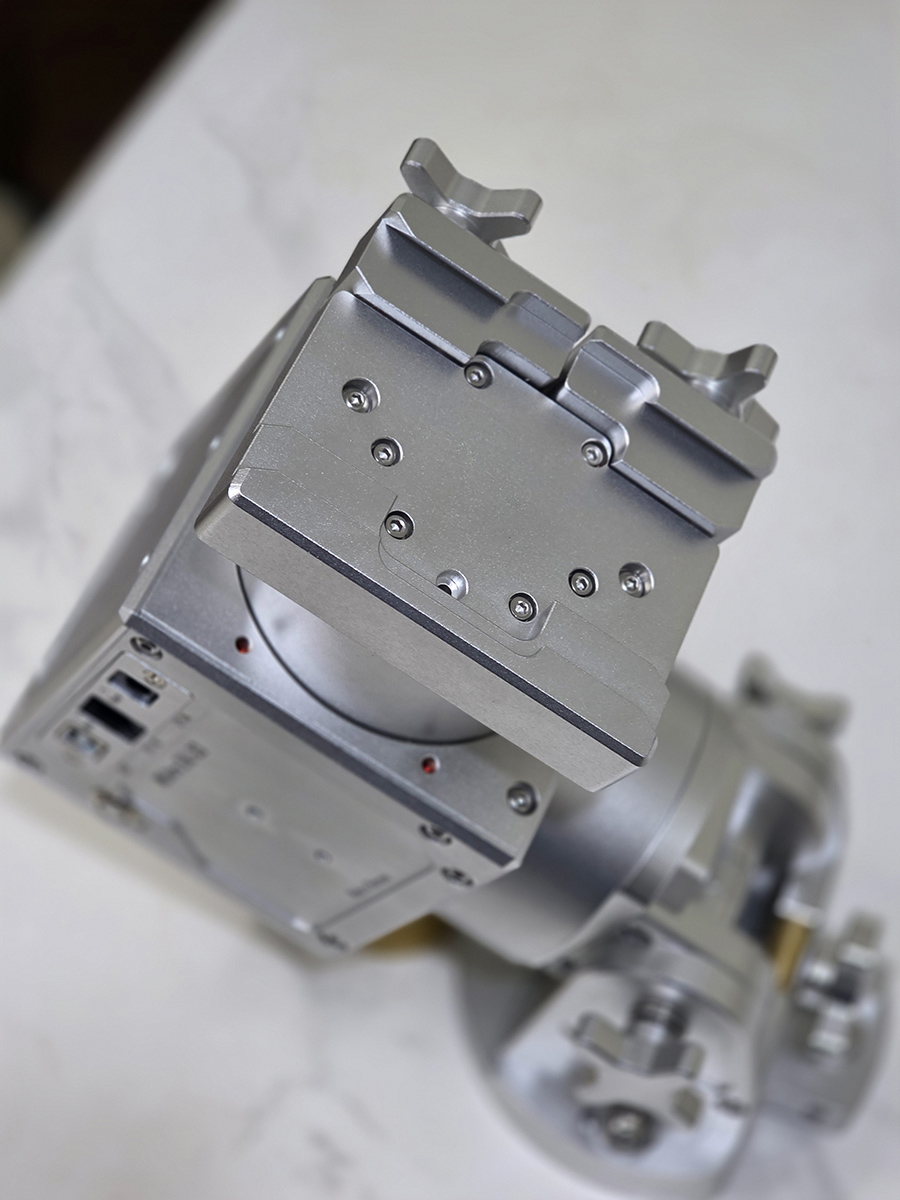
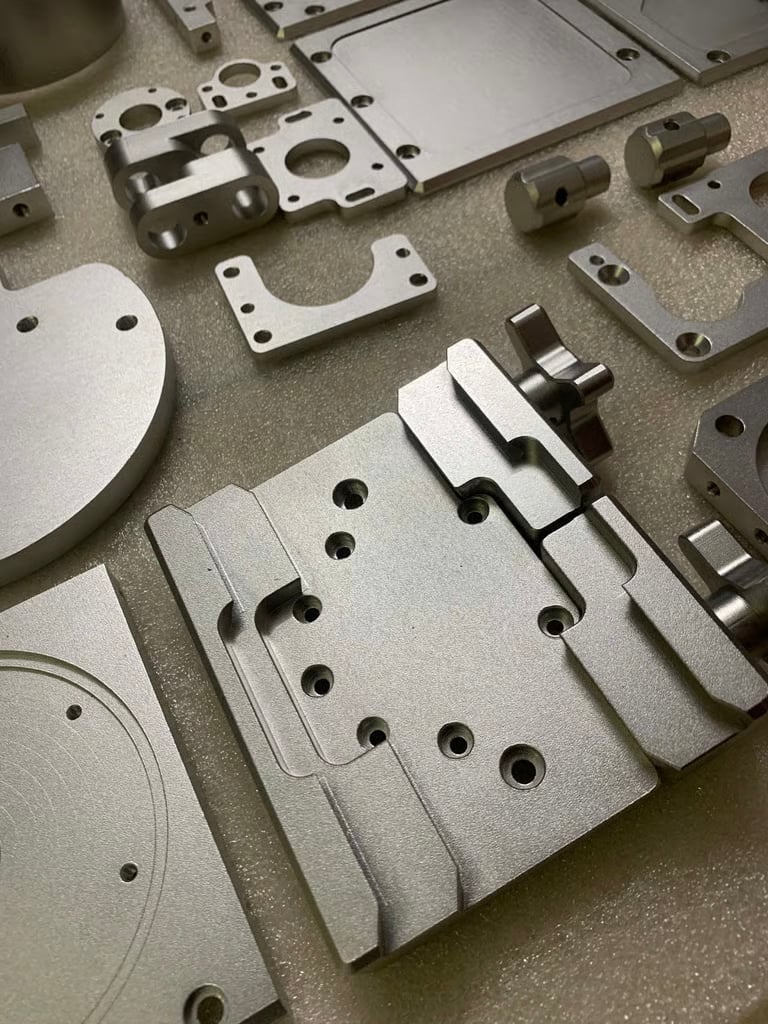
Polar alignment is a crucial step in astrophotography. Even small shifts in the mount’s base can compromise tracking accuracy. MLAstro addresses this with a Zero-Shift Alt-Az base. The base is machined with tight tolerances to remove flex or play. Once aligned, it stays firmly in place, ensuring stable performance during long imaging sessions.
This precision is particularly valuable for astrophotographers who run automated sessions overnight. A reliable base minimizes the risk of alignment shifts due to mechanical slack or thermal changes. It also reduces the need for repeated adjustments in the field.
OnStepX control system
The SAL-33 comes with full support for OnStepX, an open-source control system popular in the astronomy community. OnStepX hardware and firmware give astrophotographers access to a wide set of features, including:
- GoTo pointing with thousands of objects in its database.
- Precise sidereal, lunar, and solar tracking rates.
- Compatibility with common software such as NINA, Stellarium, and INDI/ASCOM platforms.
- Remote operation and automation options.
Because it is open-source, OnStepX also allows for customization. Enthusiasts who want to experiment with advanced control setups can modify the system to their needs. At the same time, it remains straightforward enough for users who prefer plug-and-play operation.
Build quality and engineering
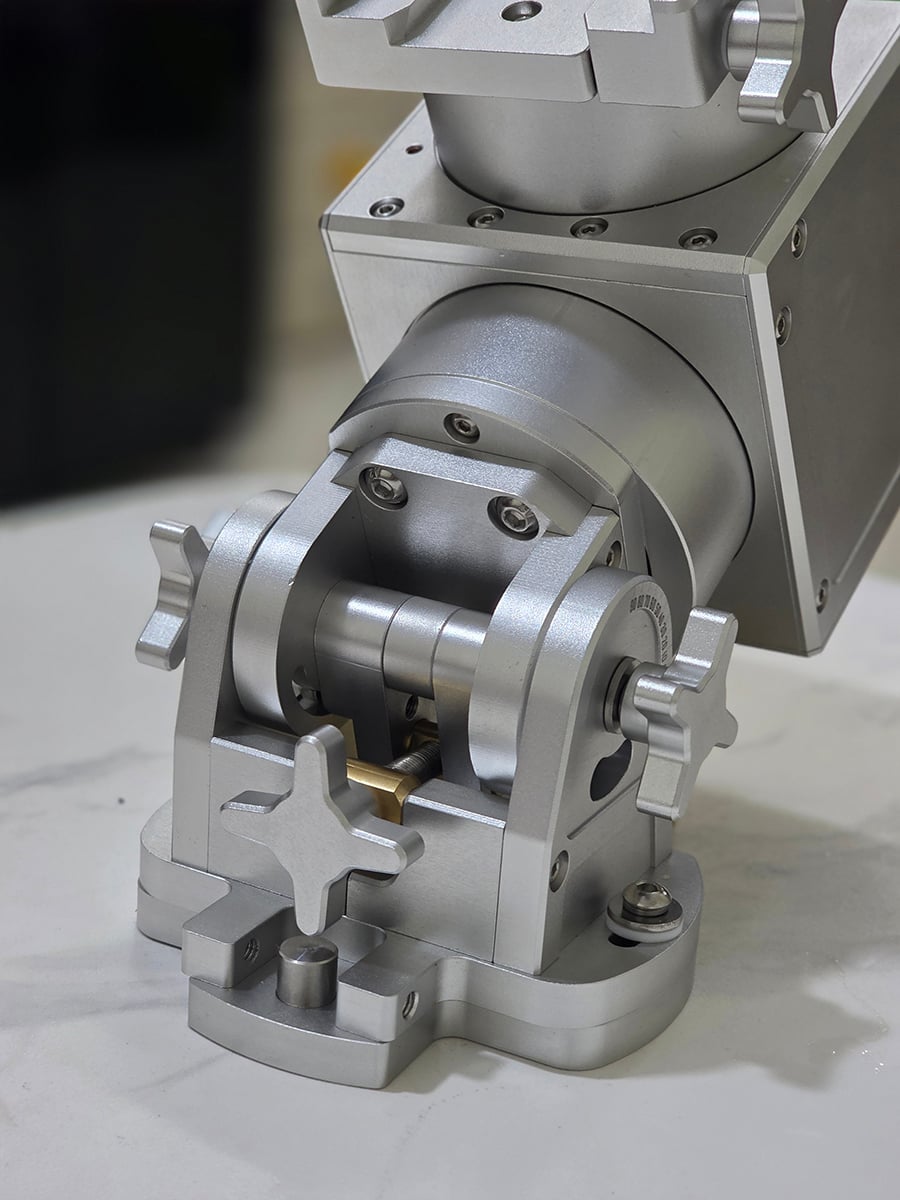
The MLAstro SAL-33 reflects careful engineering choices. Both RA and DEC housings are designed to keep weight low while maintaining rigidity. The machining and assembly standards focus on durability, ensuring that the mount can handle repeated field use.
Astrophotography often involves working in less-than-ideal conditions, cold nights, humidity, and transport over long distances. A reliable mount must survive these challenges without performance degradation. With its compact harmonic gear system, sturdy base, and precision machining, the SAL-33 provides confidence that it will continue to perform after many sessions.
Key specifications
Here are the key specifications of MLAstro SAL-33:
| Mount Type | Harmonic drive equatorial/alt-az dual-mode |
| Load Capacity | Visual: Up to 15 kg without CW, Up to 20 kg with 5 kg CW; Imaging: ~⅔ of visual load |
| Slew Speed | Adjustable, up to 5°/s |
| Drive System | High-quality low-PE 17:100 harmonic drives for both RA and DEC |
| Brakes | Physical brake on RA, back-EMF engine brake on DEC |
| Firmware | Official OnStepX hardware with full support |
| Build | 100% precision CNC-machined metal |
| Connectivity | USB Type-B, WiFi (AP and Hotspot modes) |
| Mount Head Weight | 5.6 kg |
| In the Box | Mount head only (PSU not included) |
| Warranty | 1-year limited warranty |
Pricing and availability
Here comes the biggest surprise: the MLAstro SAL-33 is priced at $999. The mount will be available for pre-order via the official website from September 21. The first batch is supposed to be shipped before Christmas 2025.
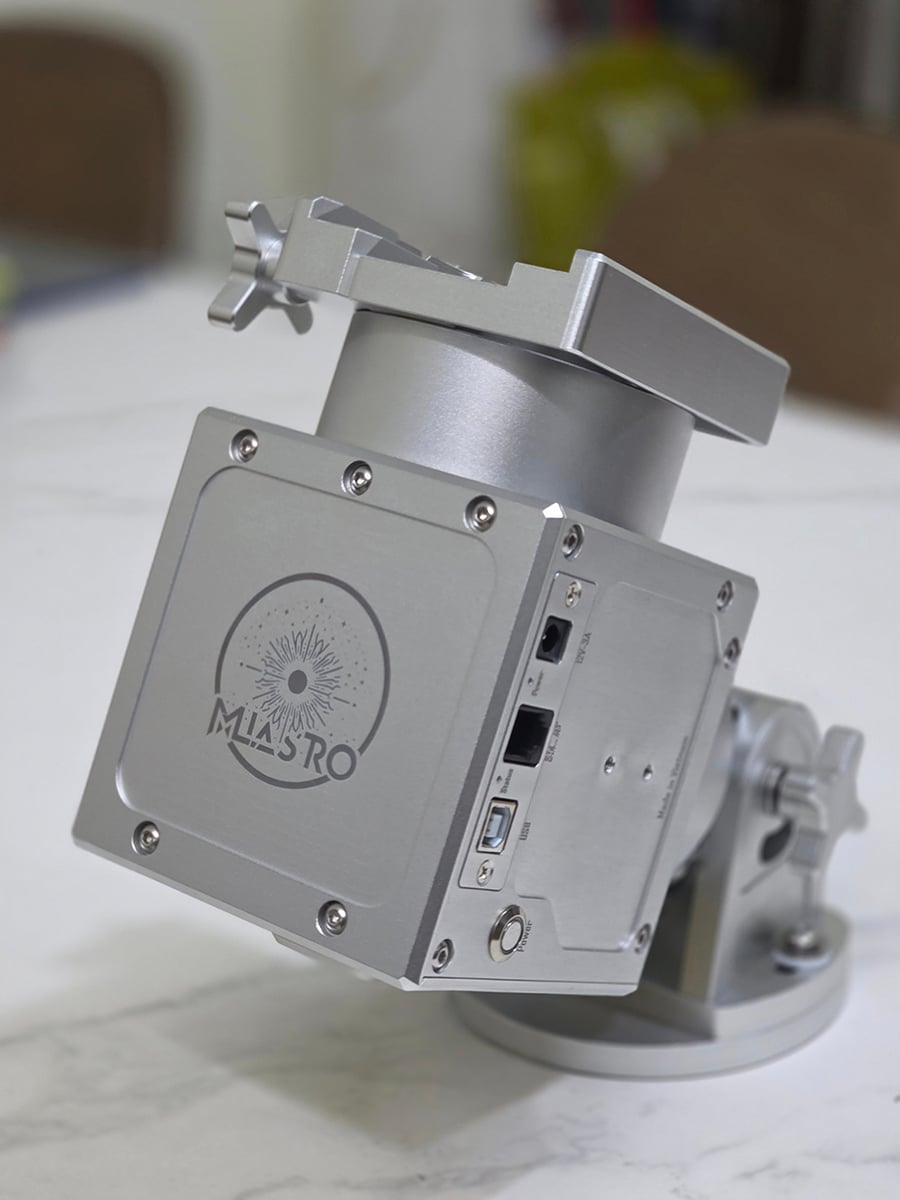
The MLAstro SAL-33 is a harmonic drive mount built for modern astrophotography. With 17:100 harmonic gearboxes, a payload capacity of up to 20 kg with counterweight, and a zero-shift Alt-Az base, it delivers the precision needed for long-exposure imaging. The integration of OnStepX provides both reliability and flexibility, ensuring compatibility with the tools astrophotographers already use.
Clear skies!
See more from DIYPhotography.net on Google
Add DIYPhotography.net as a trusted source. This makes
our stories more likely to appear in your Google Search results.
 Add as a preferred source on Google

Soumyadeep Mukherjee
Soumyadeep Mukherjee is an award-winning astrophotographer from India. He has a doctorate degree in Linguistics. His work extends to the sub-genres of nightscape, deep sky, solar, lunar and optical phenomenon photography. He is also a photography educator and has conducted numerous workshops. His works have appeared in over 40 books & magazines including Astronomy, BBC Sky at Night, Sky & Telescope among others, and in various websites including National Geographic, NASA, Forbes. He was the first Indian to win “Astronomy Photographer of the Year” award in a major category.

Join the Discussion
DIYP Comment Policy
Be nice, be on-topic, no personal information or flames.