





















Watching a Planet Form in Real Time: ESO’s Stunning New Image
Jul 29, 2025
Soumyadeep Mukherjee
Soumyadeep Mukherjee is an award-winning astrophotographer from India. He has a doctorate degree in Linguistics. His work extends to the sub-genres of nightscape, deep sky, solar, lunar and optical phenomenon photography. He is also a photography educator and has conducted numerous workshops. His works have appeared in over 40 books & magazines including Astronomy, BBC Sky at Night, Sky & Telescope among others, and in various websites including National Geographic, NASA, Forbes. He was the first Indian to win “Astronomy Photographer of the Year” award in a major category.
Share:
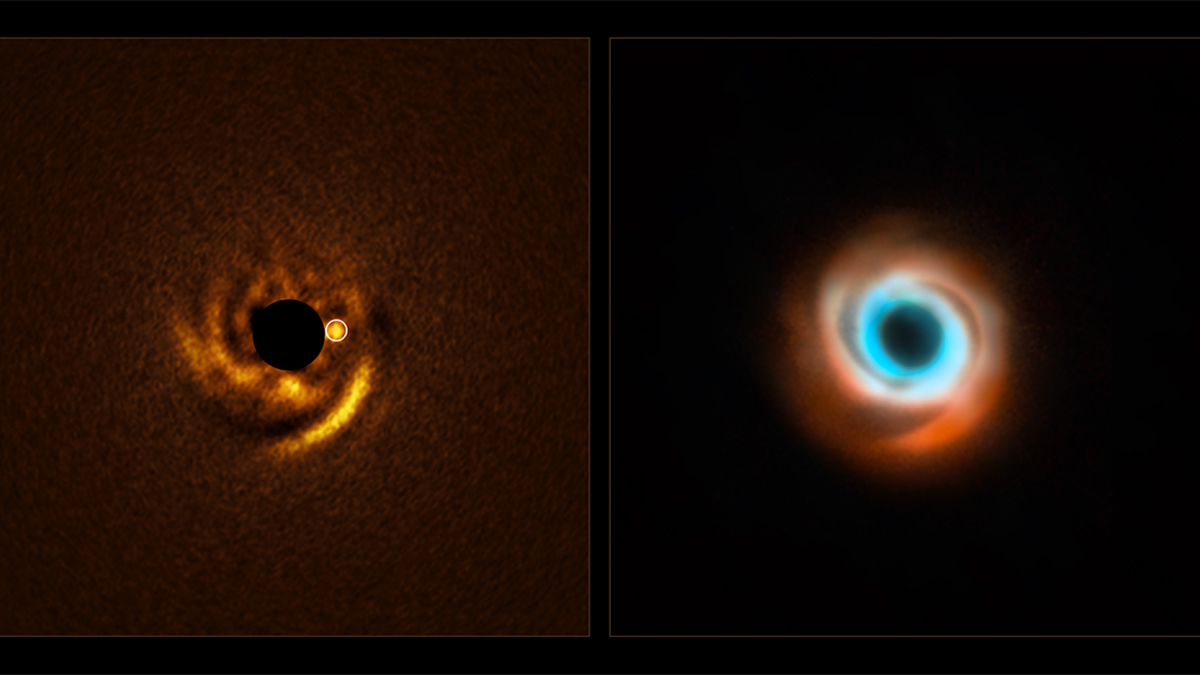
For decades, astronomers have studied baby stars surrounded by swirling discs of gas and dust. These discs are the birthplaces of planets. But spotting a planet in the act of forming has remained incredibly difficult. Now, astronomers using the European Southern Observatory’s Very Large Telescope (ESO’s VLT) have made a groundbreaking discovery. For the first time, scientists may have directly observed a planet forming within one of the spiral arms of a protoplanetary disc. This major finding gives us a rare window into how giant planets grow and shape the discs around young stars. The observations come from an international team led by researchers at the University of Liège in Belgium and Monash University in Australia.
A young star called HD 135344B
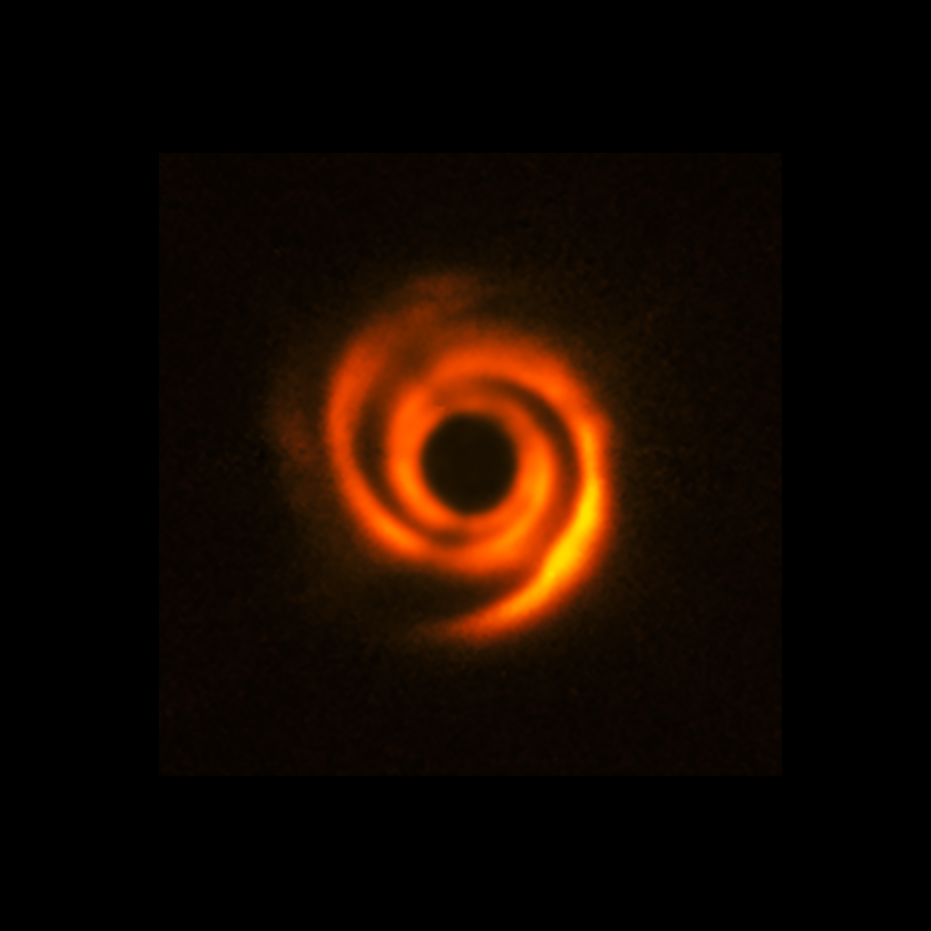
The planet-forming system is located about 440 light-years away in the constellation Lupus. The star at its center is named HD 135344B, also known as SAO 206462. It is very young, only about 8 million years old. That’s a toddler in cosmic terms. Like many young stars, HD 135344B is surrounded by a large, rotating disc of gas and dust. This disc is where planets form. Earlier images of this disc showed clear spiral patterns. Astronomers believed these spirals could be the result of unseen planets. But they had not yet found direct proof until now.
Catching a planet in the act
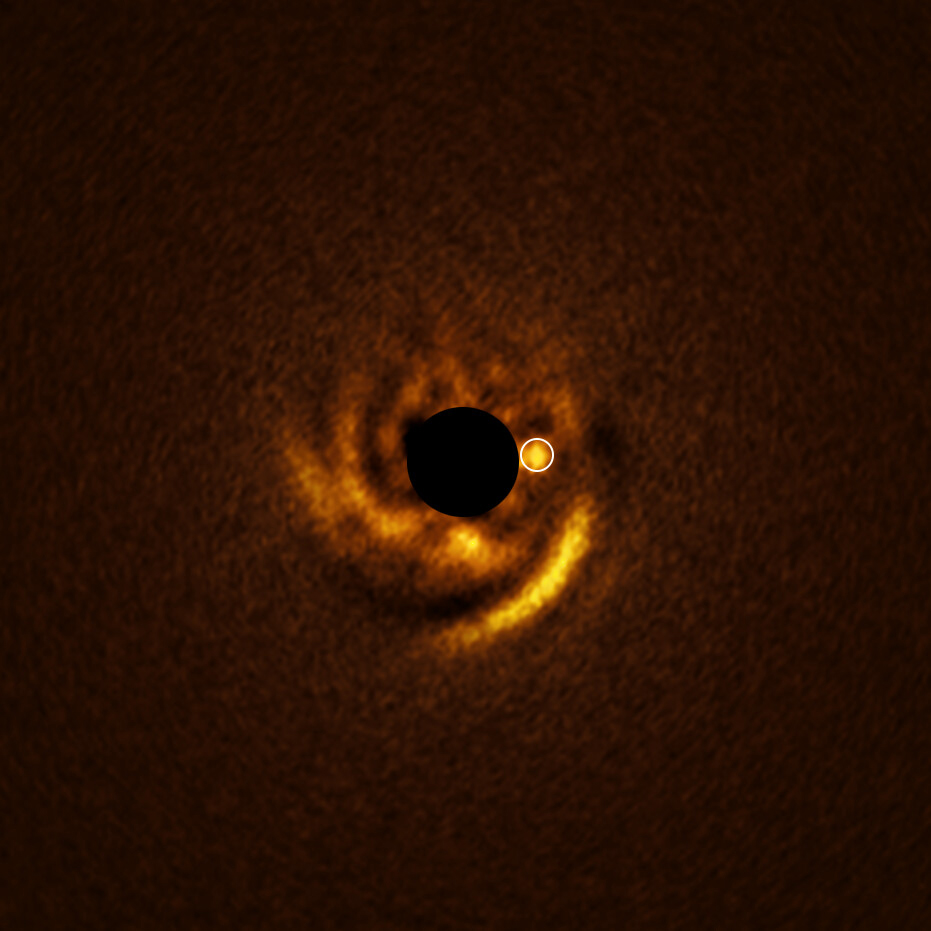
In this study, astronomers used ERIS, a powerful new instrument on ESO’s VLT in Chile. ERIS stands for Enhanced Resolution Imager and Spectrograph. It replaced the older NACO instrument in 2022 and provides sharper images and better contrast. Using ERIS, the team spotted a bright point source at the base of one of the disc’s spiral arms. This point is not a background star. It is embedded within the disc and shines in infrared. Its brightness and position strongly suggest that it is a forming planet.
The team believes this object is about two times the mass of Jupiter. It orbits its star at a distance of roughly 18.5 billion kilometers, a bit farther than Neptune’s orbit in our Solar System. If confirmed, this is the first time astronomers have directly observed a planet shaping spiral arms in a disc. It’s like catching a sculptor with the chisel still in hand.
How the discovery was made
The research team observed HD 135344B in infrared light. Infrared allows astronomers to see through the dust in the disc. It also reveals heat signatures, which are important for spotting young planets. The ERIS images showed the known spiral arms very clearly. Then, using a technique called angular differential imaging, the team separated the light of the planet from the glare of the star. The observations matched earlier simulations of planet–disc interactions. According to these models, a planet with a few Jupiter masses should sit at the base of a spiral arm and heat its surroundings. That’s exactly what ERIS showed.
A second star with spirals: V960 Mon
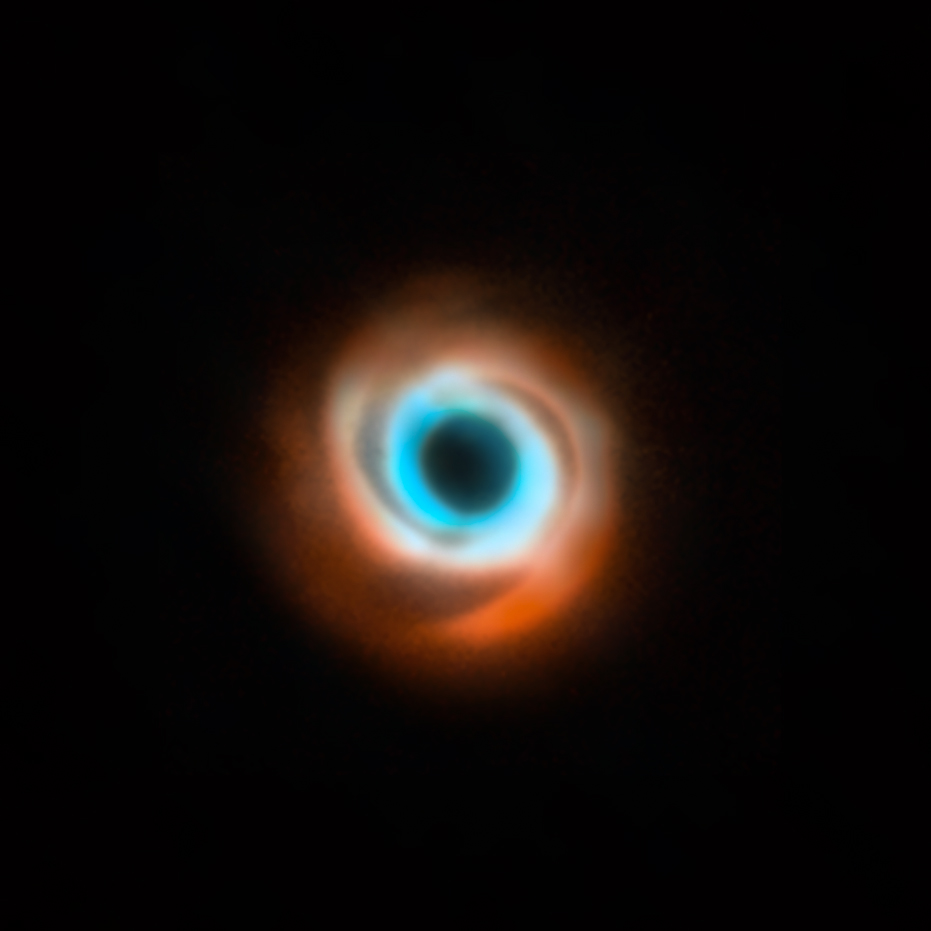
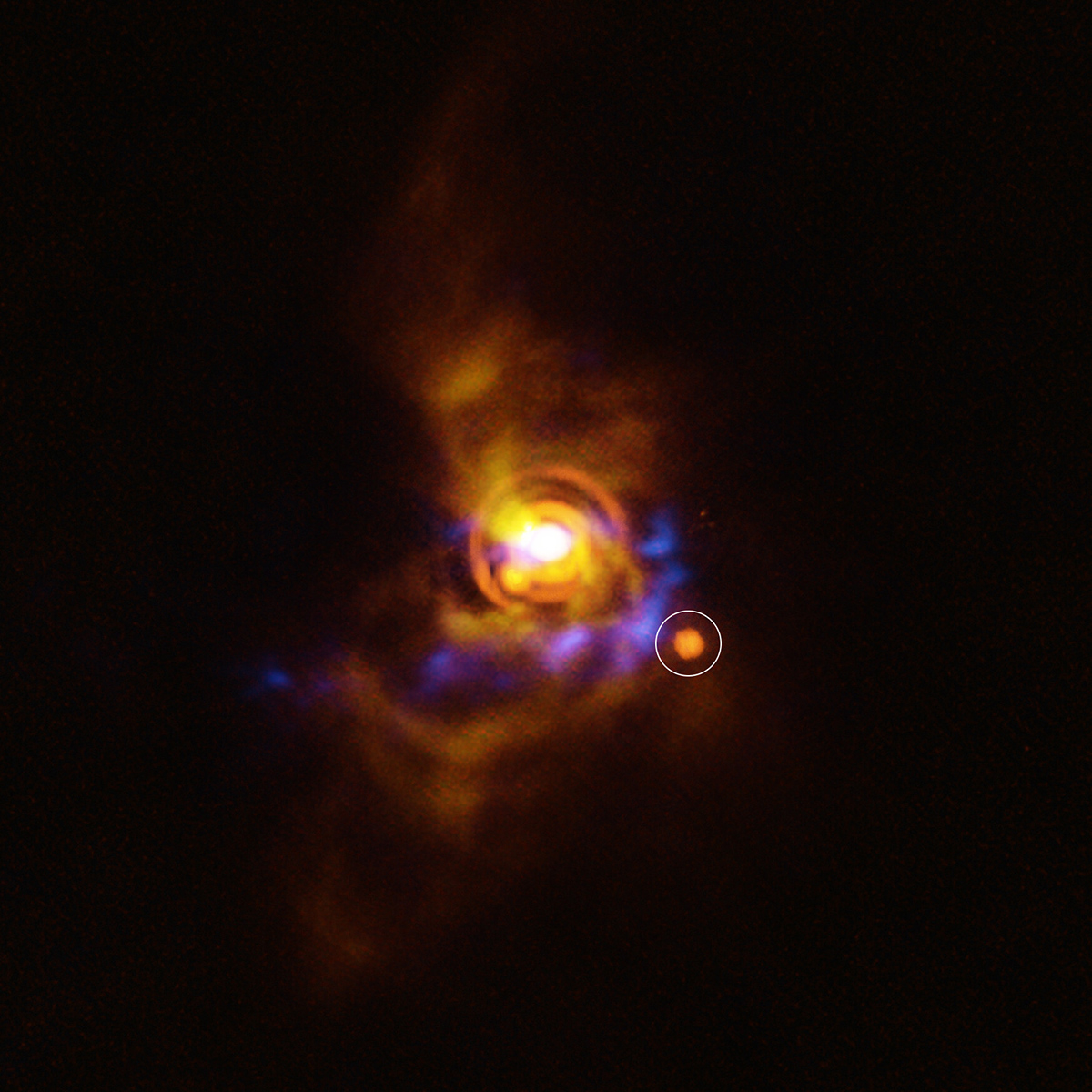
This discovery isn’t alone. In the same study, the team also looked at V960 Mon, another young star surrounded by a spiral disc. Located about 5000 light-years away, V960 Mon is experiencing bursts of brightness as it gobbles up material from its disc. Using archival data, the researchers spotted a compact source near the center of the disc. It could be a companion star or a very massive planet. Its role in shaping the disc is not fully understood yet. But it could be another example of an object sculpting spiral patterns. The discovery of two spiral discs with possible embedded companions gives strong support to current models of planet formation. It also shows the power of instruments like ERIS and SPHERE in uncovering fine details in distant systems.
ERIS and the VLT
The discovery wouldn’t have been possible without ESO’s advanced instruments. The VLT is one of the most powerful ground-based telescopes on Earth. Located in the Atacama Desert, it benefits from dry, stable skies. ERIS, installed on the VLT’s UT4 telescope (Yepun), provides extremely sharp images. It works with adaptive optics, which corrects for the blurring effects of Earth’s atmosphere. ERIS is designed for high-contrast imaging, which is key for spotting faint objects near bright stars. The older SPHERE instrument on VLT had previously imaged the spiral arms of HD 135344B. But ERIS could finally resolve the inner details with higher clarity and better sensitivity.
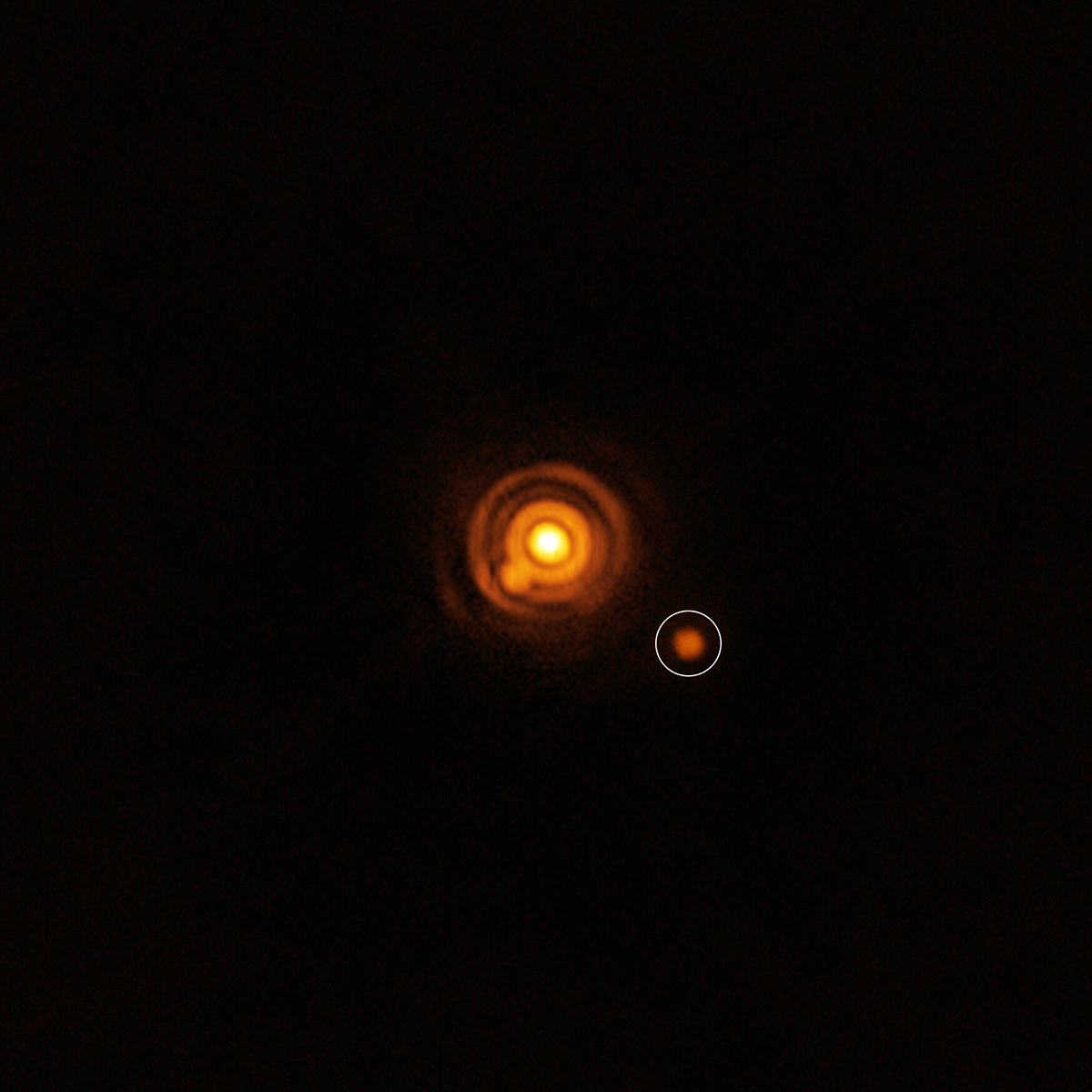
The discovery at HD 135344B is a thrilling glimpse into the earliest moments of a planet’s life. It’s like seeing Earth or Jupiter before they had even fully formed. Thanks to ESO’s instruments and the dedication of researchers, we are now witnessing the birth of worlds light-years away. And with every discovery, we get closer to answering one of astronomy’s oldest questions: How do planets form?
Clear skies!
See more from DIYPhotography.net on Google
Add DIYPhotography.net as a trusted source. This makes
our stories more likely to appear in your Google Search results.
 Add as a preferred source on Google

Soumyadeep Mukherjee
Soumyadeep Mukherjee is an award-winning astrophotographer from India. He has a doctorate degree in Linguistics. His work extends to the sub-genres of nightscape, deep sky, solar, lunar and optical phenomenon photography. He is also a photography educator and has conducted numerous workshops. His works have appeared in over 40 books & magazines including Astronomy, BBC Sky at Night, Sky & Telescope among others, and in various websites including National Geographic, NASA, Forbes. He was the first Indian to win “Astronomy Photographer of the Year” award in a major category.


Join the Discussion
DIYP Comment Policy
Be nice, be on-topic, no personal information or flames.