















Watch these 7 filmmaking hacks to get pro results for as little money as possible
Feb 8, 2023
John Aldred
John Aldred is a photographer with over 25 years of experience in the portrait and commercial worlds. He is based in Scotland and has been an early adopter – and occasional beta tester – of almost every digital imaging technology in that time. As well as his creative visual work, John uses 3D printing, electronics and programming to create his own photography and filmmaking tools and consults for a number of brands across the industry.
Share:
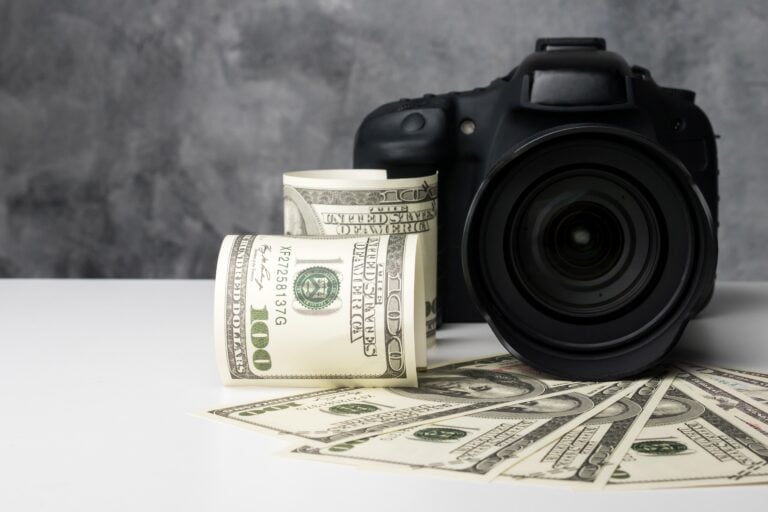
Who doesn’t love saving money? We sure do, and these seven filmmaking hacks from the team at Cinecom.net are going to help you do exactly that. In this video, we see a bunch of great filmmaking hacks to help you get consistent and reliable results while also saving you some money.
Sure, you might eventually want to replace some of these hacks with the proper gear, but when you’re just starting out, you don’t really want to invest a lot of money. You still want to get the best possible results that you can, though. So, why not give a few of these a try?
There are seven main tips in the video, but one of them (the hook & loop strip) also has four little sub-tips. I guess that makes it 11 in total. Here are the timestamps for the video.
- 0:01 – Cheap focus marker ring
- 0:44 – Use flags to block stray light
- 1:35 – Hook & Loop strip tape
- 1:54 – DIY monitor sun hood
- 2:00 – Easy gear attachments
- 2:09 – Cable organisation
- 2:20 – Attaching gels
- 2:38 – Cheap smoke Machines to add atmosphere
- 4:45 – Vice clamps
- 5:45 – Tiny LED lights
- 6:34 – Step-up rings for filters
I use a few of these in my regular shooting life. Flags are quite common in lighting, especially for smaller things like product photography. But you don’t need to buy expensive flags. I often just use black foam board, cut to the size I need, or several pieces taped together with black gaffer tape. The hook & loop strip is also something I use very often for wrapping cables, tidying them on camera rigs and attaching devices together so that they stay together.
I also have a selection of little LED lights here. Some are daylight, some are bicolour, and some are RGB. They’re extremely handy for lighting small product photography sets but also for adding a little splash of light or colour in the corner of a larger set, too. These don’t always need to be high CRI or TLCI lights. That helps, sure, but if it’s just throwing a bit of light somewhere, especially if it’s coloured light, accuracy isn’t important, and there are a lot of inexpensive options out there now.
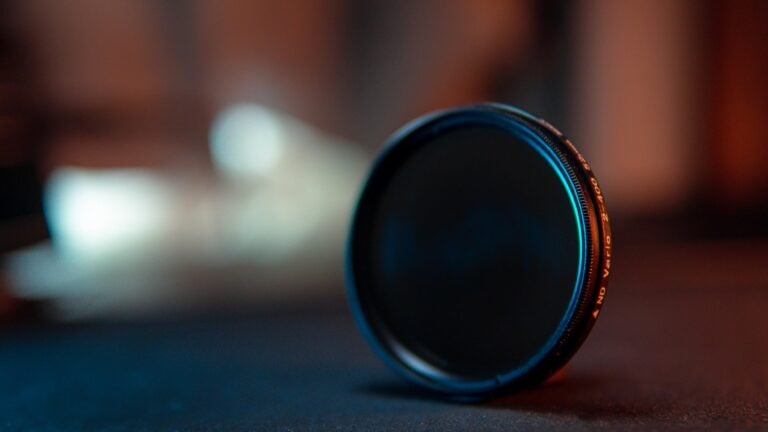
And step-up rings… Well, that’s just common sense, right? Buy the filters for the largest lens you own (or are likely to own – my largest are all 77mm) and then use $2 step-up rings to make them fit smaller diameter lenses. You’ll save a fortune!

John Aldred
John Aldred is a photographer with over 25 years of experience in the portrait and commercial worlds. He is based in Scotland and has been an early adopter – and occasional beta tester – of almost every digital imaging technology in that time. As well as his creative visual work, John uses 3D printing, electronics and programming to create his own photography and filmmaking tools and consults for a number of brands across the industry.
Related Posts
 24 filmmaking tips, tricks and hacks to use on your next film
 8 Hacks From A Travel Photographer To Help Lighten Your Load And Save You Money
 Watch this beginner’s gimbal guide and learn how to get smoothest footage possible out of your camera
 Watch a photographer debunk viral photography “hacks” in this hilarious video
Join the Discussion
DIYP Comment Policy
Be nice, be on-topic, no personal information or flames.