





















Viltrox Wide and Telephoto Conversion Lenses Add Range to Your X100VI
Feb 23, 2026

Share:
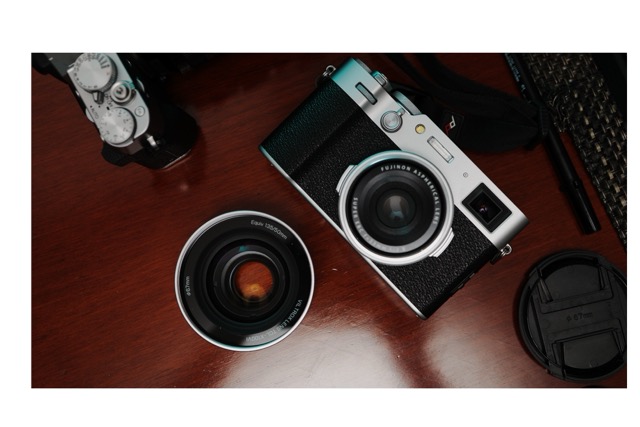
The Fujifilm X100VI is one of the more polarizing cameras available today. For some, the fixed-lens APS-C camera is the perfect, high-performance point-and-shoot. For others, the crop sensor and fixed lens are far too limiting – even with the ability to digitally crop in. I tend to be more in the latter camp, preferring to use one of FujiFilm’s interchangeable lens cameras to maximize functionality. Recently, I got the opportunity to try the X100VI again, this time with Viltrox’s Wide and Telephoto Conversion Lenses. Did it change my mind about the camera?
Viltrox WCL- & TCL-X100VI Tech Specs
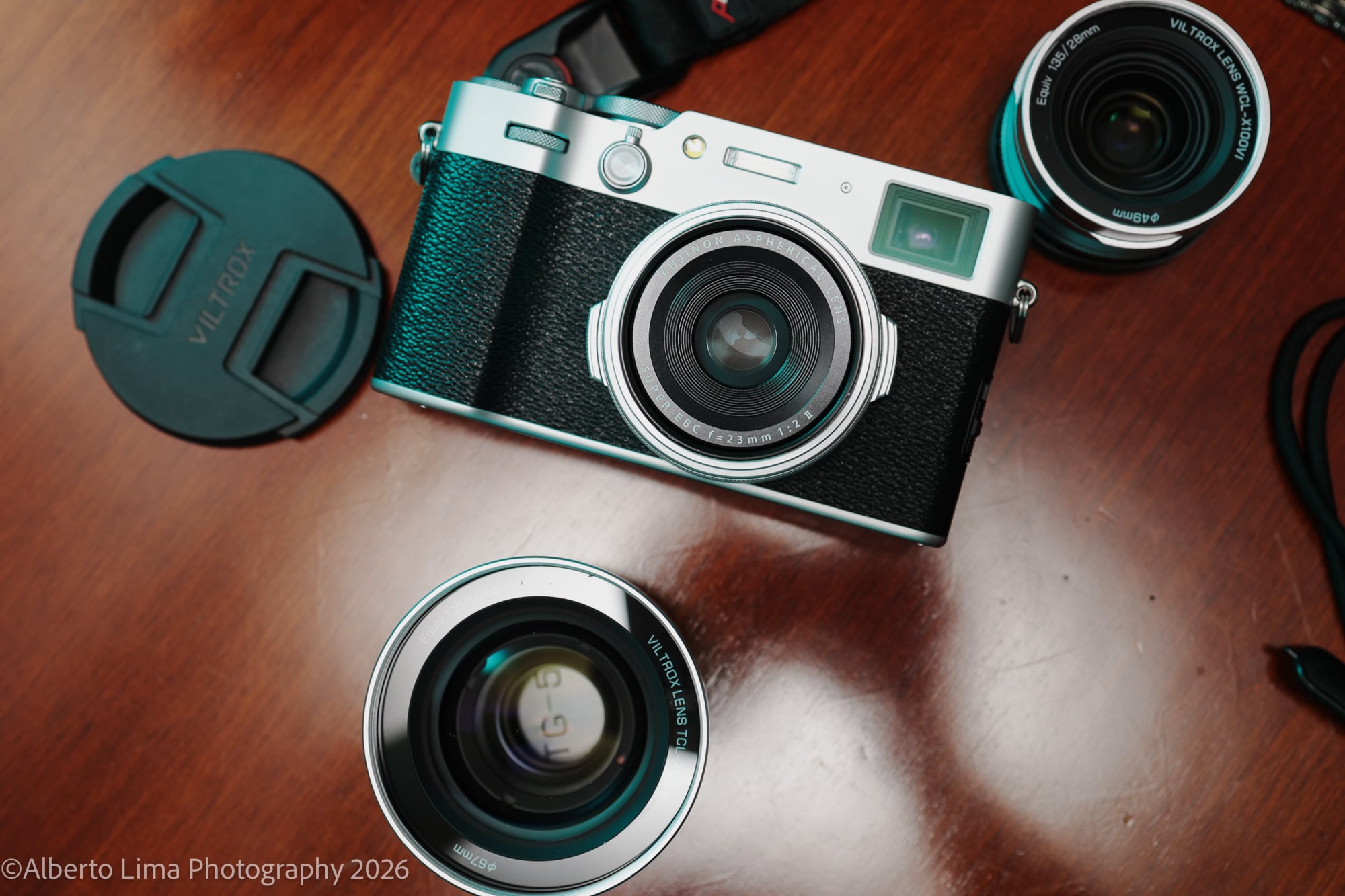
The following specs were taken from B&H Photo & Video Product Pages:
- For FUJIFILM X100 Series Digital Cameras
- Converts Lens to 50mm Equivalent
- Magnification: 1.4x
- Attaches to Front of Lens
- For X100-Series Digital Cameras
- Converts Lens to 28mm Equivalent
- Magnification: 0.8x
- Attaches to Front of Lens
At its core, both the Viltrox Teleconverter and Wide-Angle Converter lenses are what I’d call garnish to a completed meal. Both converter lenses add a little something to an already powerful compact camera system in the Fujifilm X100VI, giving photographers options beyond the 23mm fixed lens and digital crop. The X100VI becomes an extremely capable camera that can easily rival Fuji’s own interchangeable lens cameras.
Viltrox WCL-X100VI and TCL-X100VI: Simplicity Meets Flexibility
The shooting experience with the Viltrox WCL-X100VI and TCL-X100VI doesn’t get much easier than what it is. You simply screw the converter on like a lens filter, and the camera will automatically identify whether the attachment is a Wide-Angle Converter or a Telephoto Converter. From there, you simply bring up to shoot. In terms of build, both the WCL and TCL converter lenses have a solid all-metal construction, and while they do not address the lack of weather resistance in the Fujifilm X100VI, they do give the converter lenses a premium feel when in use.
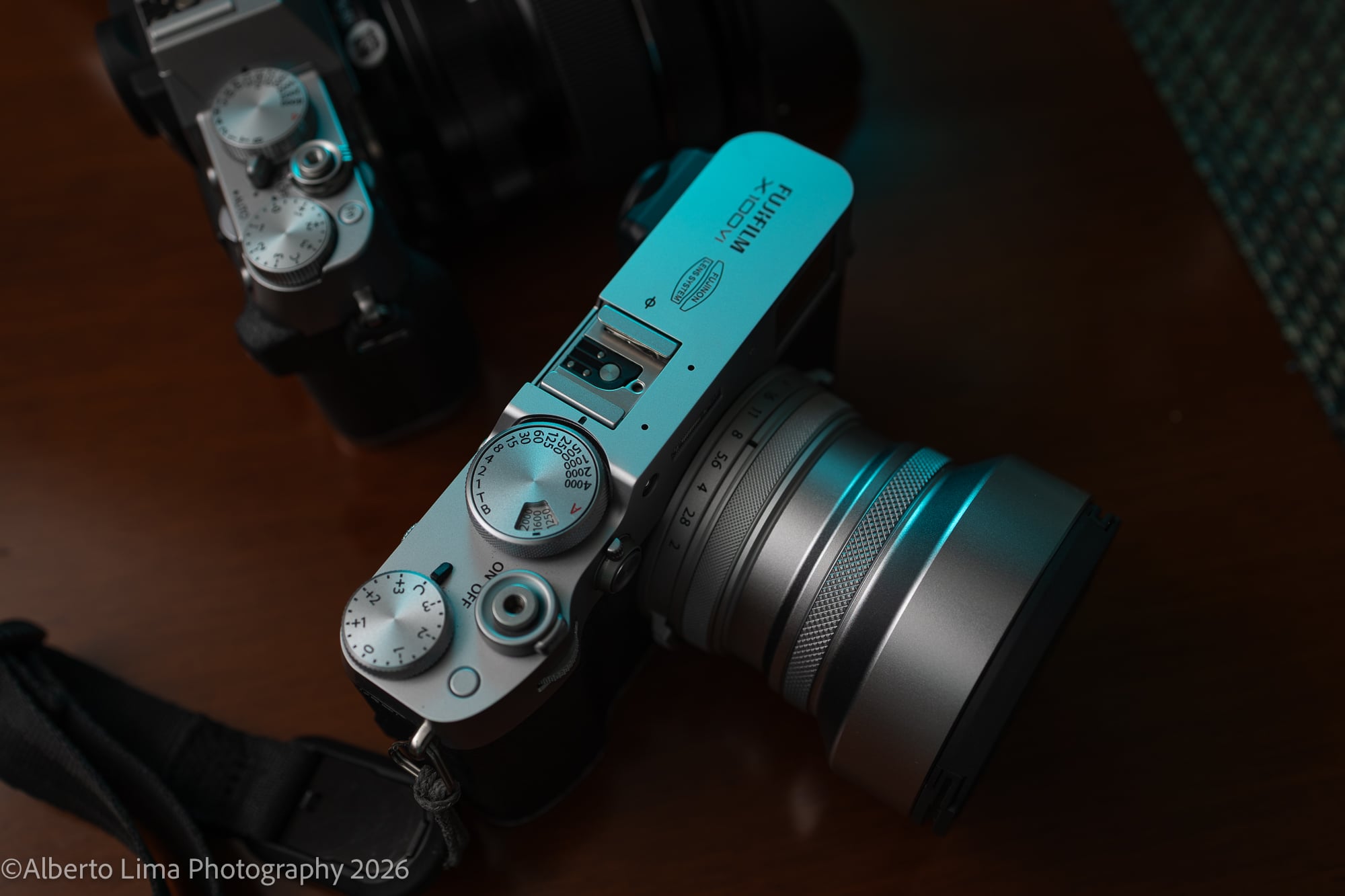
When using the TCL-X100VI telephoto converter attachment, I was very pleased to see that it allowed me to add filters to the front of the lens. My preferred style of photography is to do as much as I can in-camera to avoid long editing sessions. You could add filters or AI (please don’t) to mimic a Gaussian blur to your images, or you could screw on a soft-focus lens filter – or any other filter – to get the desired effect. No additional apps or subscriptions necessary. That’s exactly what I found myself doing with the teleconverter on the X100VI. The center-split filter I used, when combined with the X100VI, worked both for subject separation and for adding a little creative flair to an otherwise dull image.
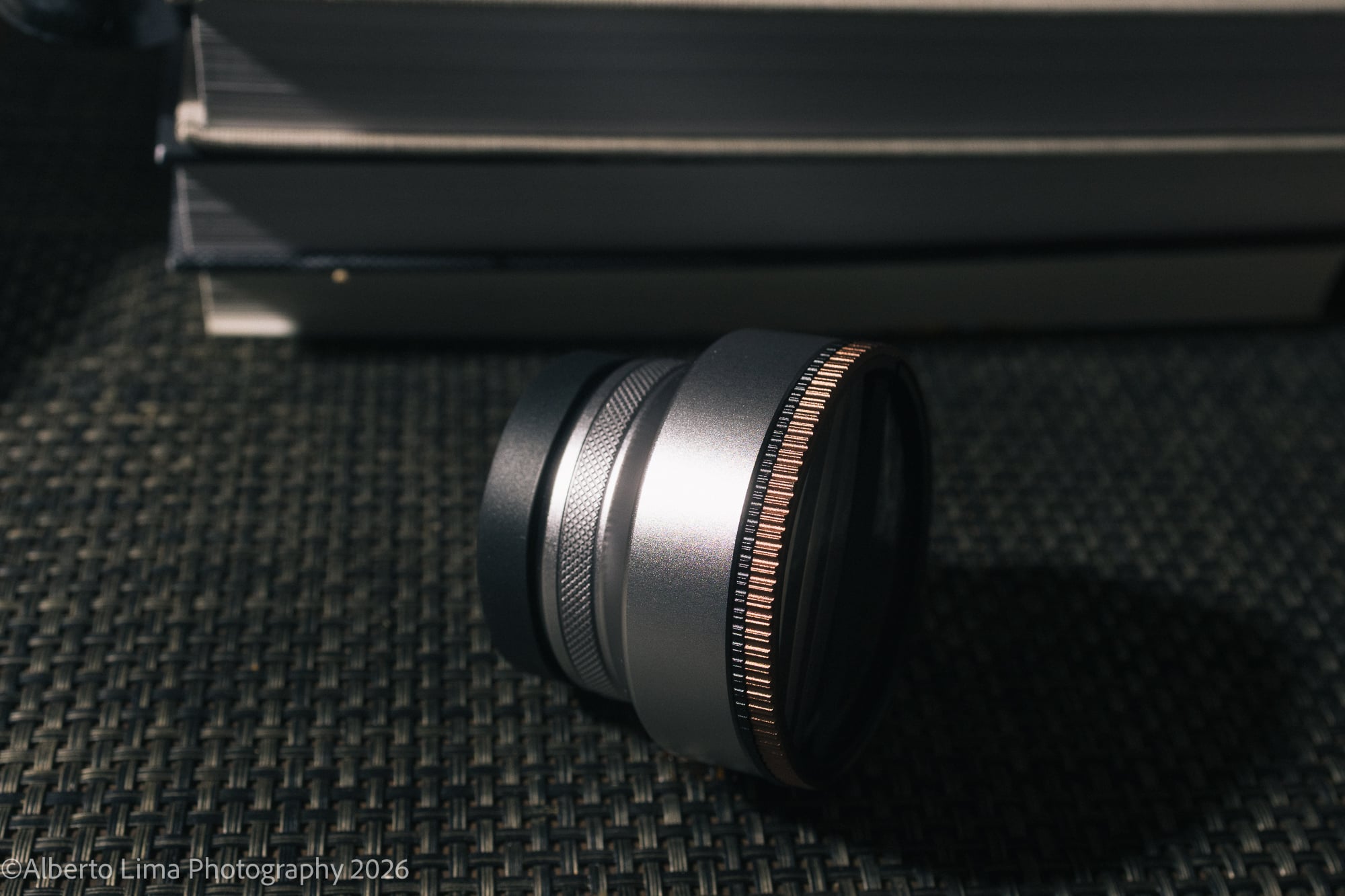
We must talk about the physical reality: the TCL is a substantial piece of glass. Adding 230g to the front of a camera designed for pocketability changes the ergonomics. It makes the X100VI front-heavy, and you’ll find yourself supporting the lens with your left hand more like a traditional SLR. That said, it really didn’t feel like an issue during my testing.
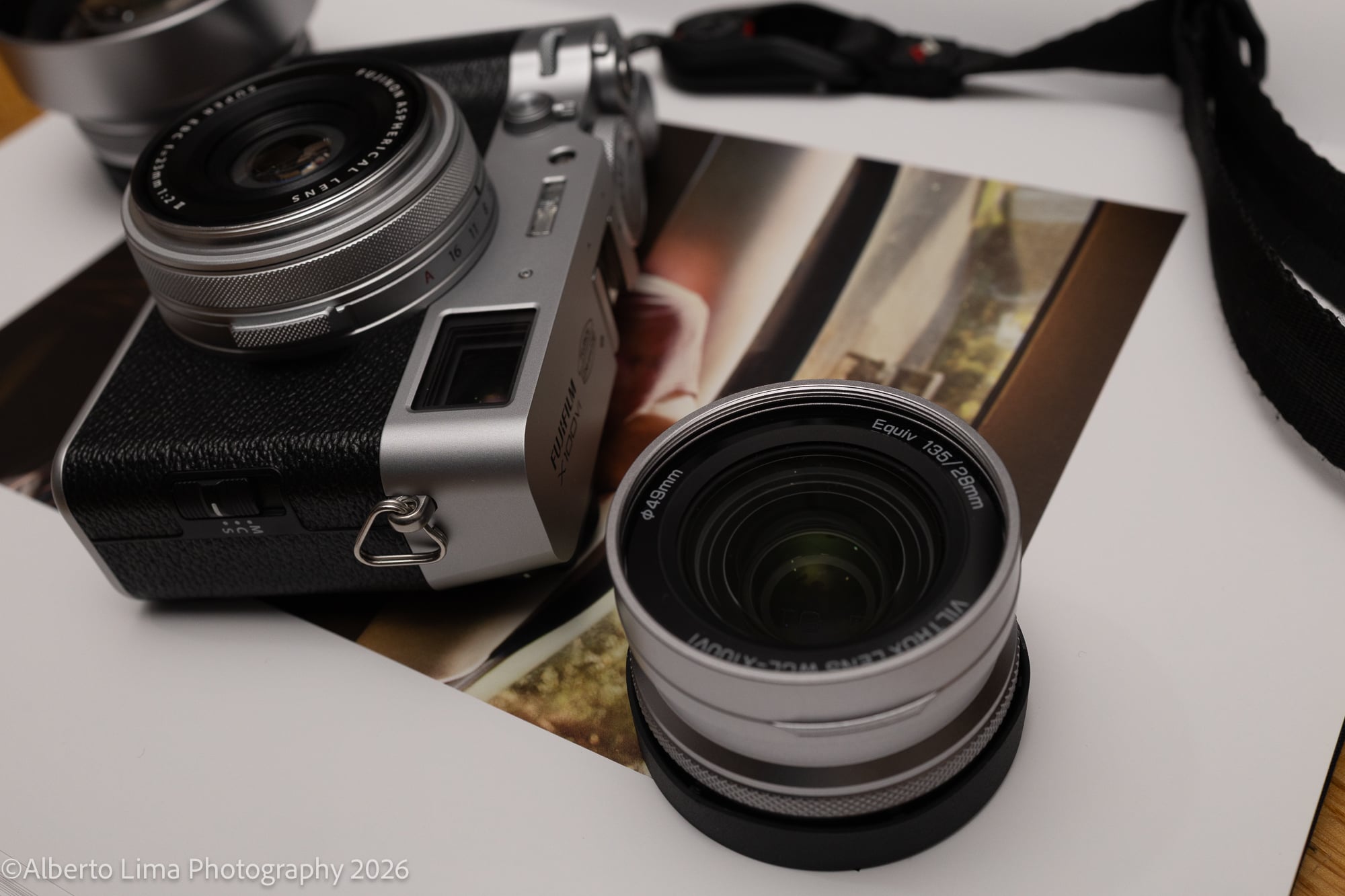
When I needed to go wider than the stock 23mm lens, the wide-angle converter lens helped me get wider-angle shots without warping or distortion. Again, I’m happiest when making photographs, but absolutely miserable when having to edit them – especially if it’s simple, yet monotonous tasks like distortion correction.
Viltrox Converter Lenses: Impact on AF Performance and Optical Fidelity?

One of the primary concerns for many would-be purchasers of this or any other lens attachment for their X100VI would be the impact on autofocus performance and image quality. With both the WCL-X100VI and TCL-X100VI, I found there was no noticeable impact on image quality. The TCL-X100VI provides you with additional optical reach (digital cropping is still an option) without affecting image sharpness or quality. Likewise, the WCL-X100VI lets you get super wide with minimal impact on the final image. Having the option to go wide is nice, and as a reminder, wide-angle doesn’t just mean “landscape.” Sure, there is some light vignetting when using the Viltrox Wide-Angle Converter at f2 (maximum aperture on the X100VI), but it’s largely not noticeable and easily corrected in Lightroom/Capture One.
Below are some images taken with both the TCL-X100VI and WCL-X100VI:




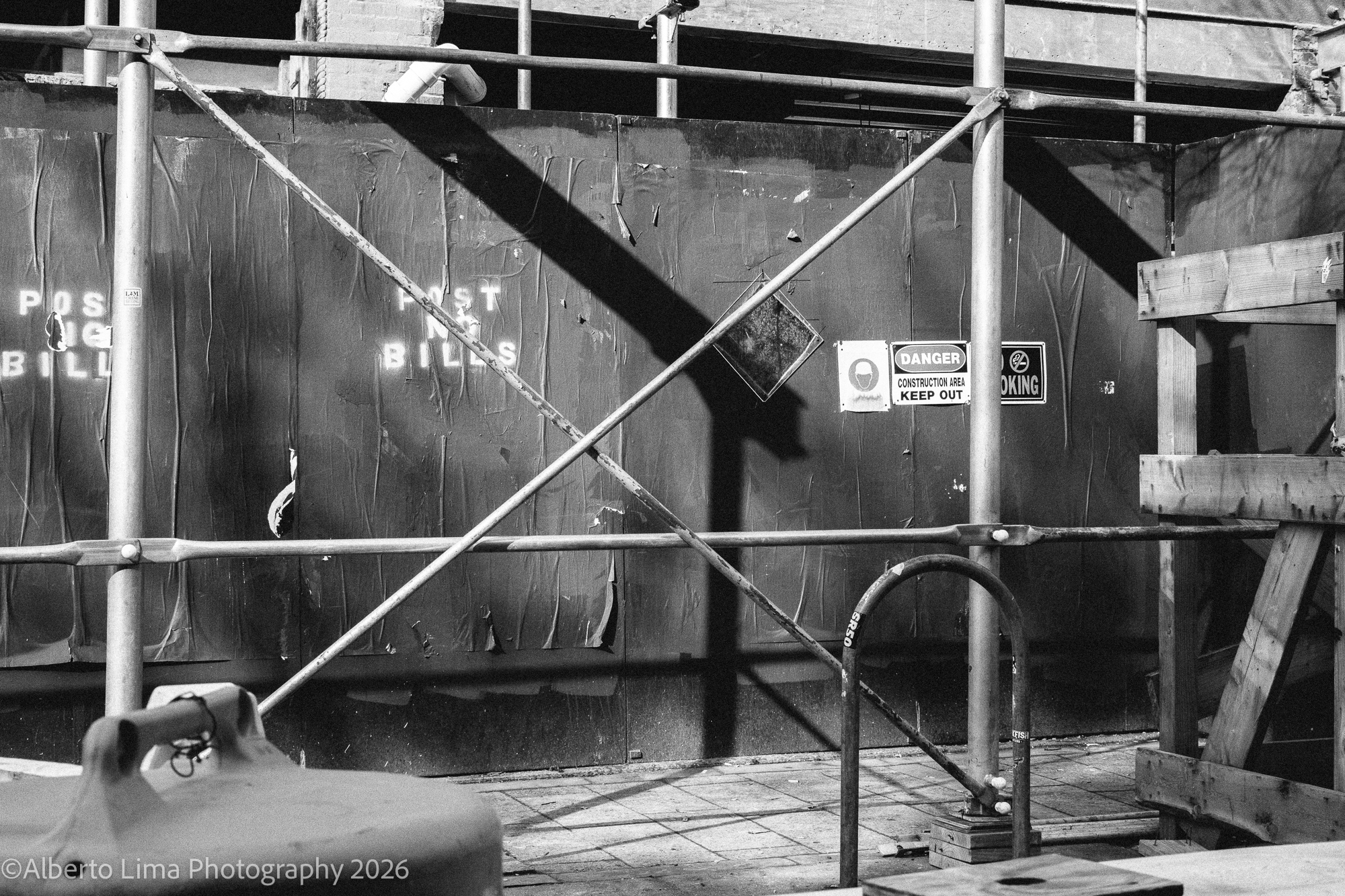









The Elephant in the Room: Viltrox vs. Fujifilm OEM
The Viltrox WCL-X100VI ($159) and TCL-X100VI ($189) cost less than half as much as the first-party options. Unfortunately, in the world of photography, we incorrectly assume that affordability equates to subpar performance. That isn’t the case here. Viltrox has managed to replicate Fujifilm’s “secret sauce”: the internal magnets. In the X100VI, and I assume the same for the X100F and V, the camera automatically detects these Viltrox lenses just as it would with the Fujifilm-branded ones. It updates your EXIF data, adjusts the frame lines in the viewfinder, and applies internal distortion correction and IBIS profiles instantly.
Sample image taken with the Viltrox WCL-X100VI
When you buy a Fujifilm X100VI, you’re already making a significant financial statement. And while the instinct is to pair it with Fujifilm’s own WCL-X100 II and TCL-X100 II conversion lenses, when you look at the price tag – at roughly $399 USD per lens – a full set of official converters costs nearly half as much as the camera itself. In this sense, Viltrox isn’t competing with Fuji; it’s letting the world know what the actual cost of these products should be.
For the price of a single Fujifilm converter, you can essentially buy the entire Viltrox ecosystem and still have enough left over for a couple of high-end SD cards. Unless you are a brand purist who requires the Fujifilm logo on every piece of glass, the Viltrox alternative offers 95% of the performance for 40% of the cost.
See more from DIYPhotography.net on Google
Add DIYPhotography.net as a trusted source. This makes
our stories more likely to appear in your Google Search results.
 Add as a preferred source on Google
Filed Under:
Tagged With:




Join the Discussion
DIYP Comment Policy
Be nice, be on-topic, no personal information or flames.