






















The Best Wearable Action Cameras of 2026 Compared: Xtra Atto vs Insta360 GO vs DJI Osmo Nano
Apr 20, 2026
John Aldred
John Aldred is a photographer with over 25 years of experience in the portrait and commercial worlds. He is based in Scotland and has been an early adopter – and occasional beta tester – of almost every digital imaging technology in that time. As well as his creative visual work, John uses 3D printing, electronics and programming to create his own photography and filmmaking tools and consults for a number of brands across the industry.
Share:
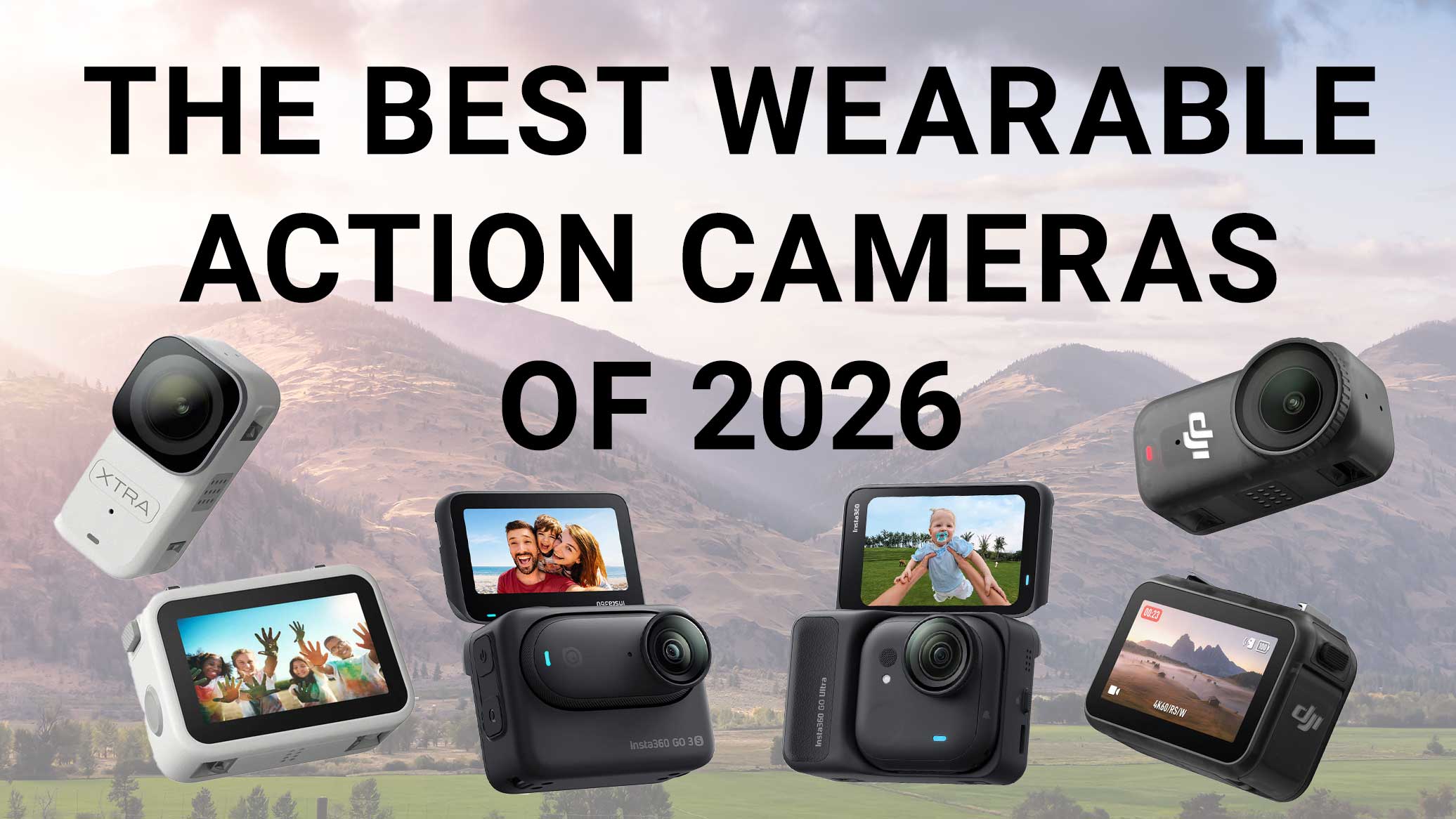
Tiny wearable first-person action cameras have become huge over the last few years. Of course, I don’t mean physically, I mean in popularity. And it’s easy to see why. Aside from the obvious benefits for shooting social media content, they’re also great tools for education, showing insights from perspectives we’d never normally be able to see, and many other uses.
We take a look at the current crop of tiny wearable action cameras to see how they compare. Which camera will be best for you will be determined by your needs, but this should give you a good overview of the current landscape to help with your buying decisions.
Xtra Atto vs DJI vs Insta360 GO Ultra
Of the cameras mentioned below, two names you’ll recognise immediately, but we have a newcomer to the world of tiny wearable action cameras in the form of the Xtra Atto. The Atto jumps into the fray with high-end features like 10-bit video, pre-recording and a microSD card slot. As a new entrant, the Xtra Atto offers performance comparable to the Insta360 GO Ultra at a significantly lower price point – a clear point of appeal.
It’s interesting how polarising these little cameras can be. Everyone has their own needs, and what makes a camera ideal for one user makes it entirely unsuitable for another. But this is why variety and competition are so important. We, the customers, become the winners because we (hopefully) end up with devices that give us exactly what we want.
Xtra Atto
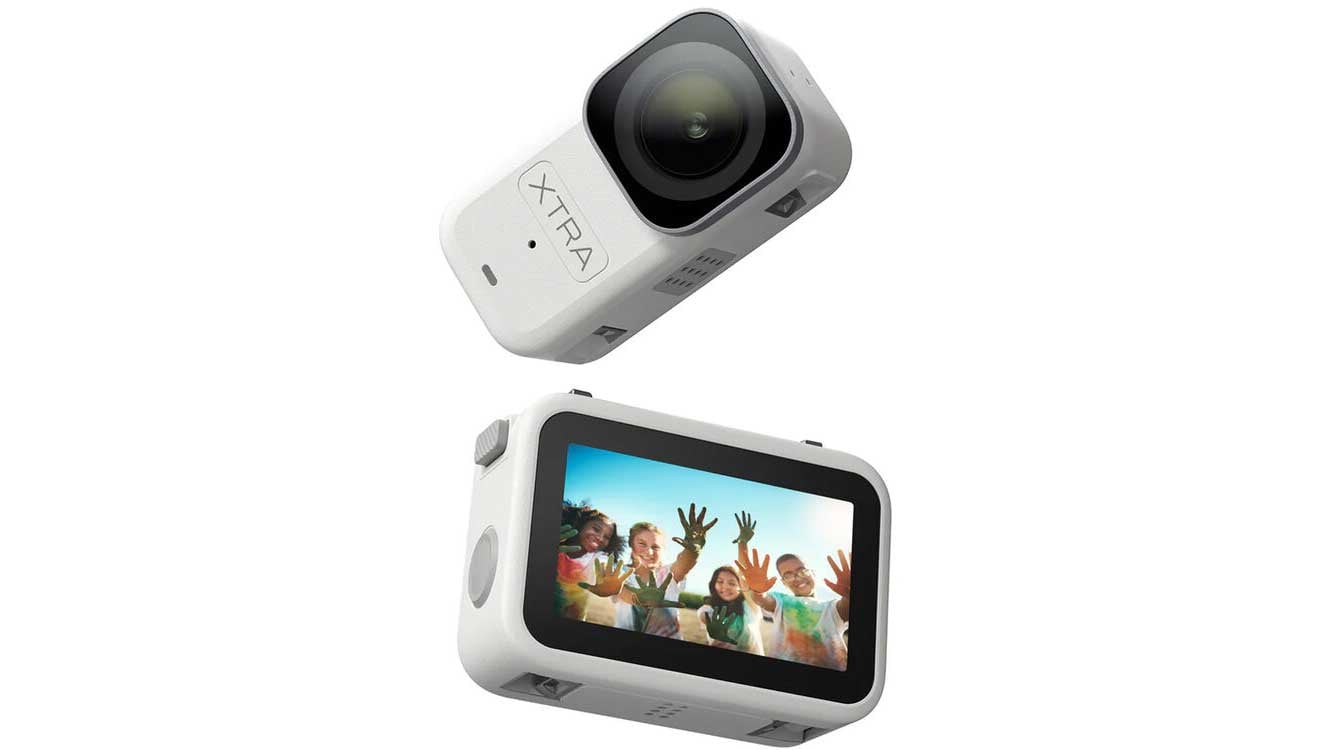
The Xtra Atto is the new kid on the block. Like the Insta360 GO Ultra, it shoots 4K60 video, using a 1/1.3″ sensor offering 35MP stills. This is the same resolution as the stills from the sensor in the DJI Osmo Nano, and like the DJI Osmo Nano, the Xtra Atto offers 10-bit recording options, with Xtra’s X-Log profile.
One of the biggest features of the Xtra Atto is its 5-minute pre-recording feature. This means that at any time, you can hit the button and your recording will start from five minutes ago. This can be very handy if you want to capture action but aren’t sure when it’ll happen. Now you can hit record, and as long as your camera was already pointing in that direction, you’ve got the shot.
Built into the Xtra Atto, there is 107.6GB of usable storage. If that’s still not enough for you, though, you have other options. The Xtra Atto features a microSD card slot supporting cards up to 1TB of expanded storage. This is very handy if you want to regularly dump everything to your computer, too.
Overall, Xtra Atto positions itself as a wearable 4K mini action camera designed for hands-free POV capture. Its combination of 10-bit recording, microSD expansion, and up to 5 minutes of pre-recording makes it one of the most versatile options in the market.
Insta360 GO Ultra
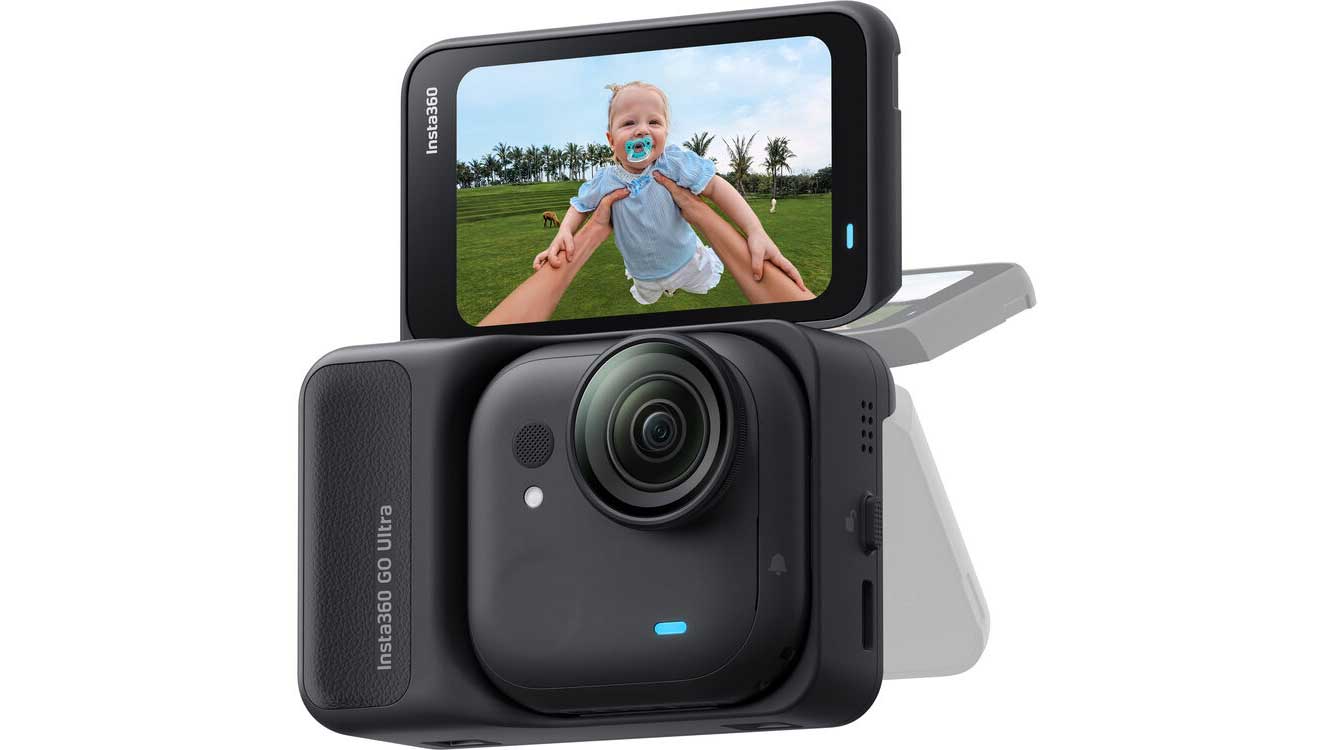
The Insta360 GO Ultra is the latest and greatest tiny action camera from Insta360. It’s a little bit chunkier than previous Insta360 GO series cameras, which not everyone appreciates. This is due in large part to the fact that it has a microSD card slot, bumping up the physical size.
This is a demanding camera for demanding users who need to shoot a lot of footage – and want to be able to quickly offload with a dedicated card reader while they swap in a new card and carry on shooting. The dock, too, makes it great for shooting and charging on the go – or even vlogging.
It shoots 4K60fps video with a 1/1.28″ sensor – the largest in this lineup, but only by a hair – and 50MP stills. But like all Insta360 cameras, it only shoots 8-bit video footage – which seems odd, given the target market, and may be a dealbreaker for some.
DJI Osmo Nano
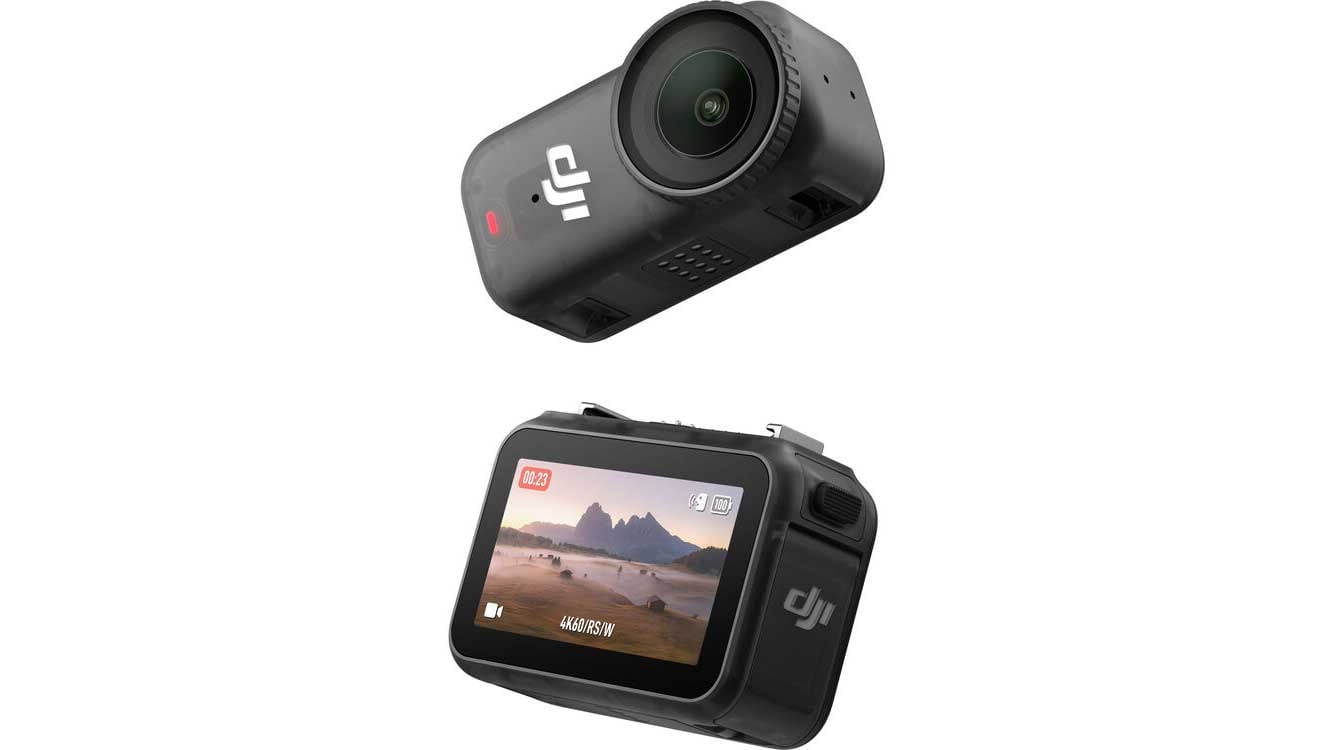
While DJI is a name that pretty much everyone has known for a long time, they only announced their entry into the tiny wearable camera market fairly recently. Announced in September 2025, this camera weighs about the same as the Insta360 GO Ultra, but offers a form factor more similar to the Xtra Atto.
Naturally, the DJI Osmo Nano shoots 10-bit footage, matching that which we see from the company’s drones, often proving a generally smoother editing experience. When you’ve got your light sources constantly changing colour indoors, or you go through big contrast changes, 10-bit footage is a lot easier to tweak and improve than 8-bit.
One big advantage the DJI Osmo Nano has is that it works with DJI’s own microphone ecosystem. For many creators who already use DJI mics – which is quite a few – this will be a big draw to this camera. Of course, it’s not the only camera compatible with wireless external microphones.
Insta360 GO 3S
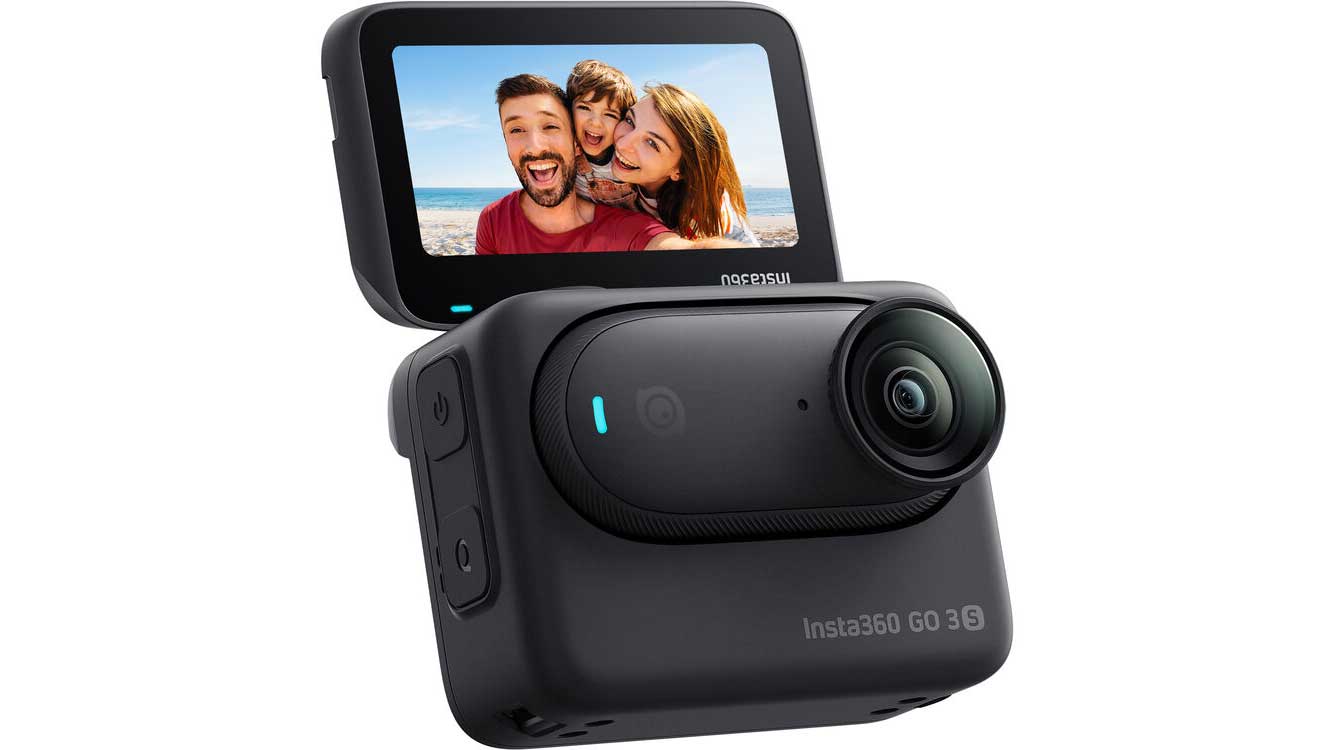
The Insta360 GO 3S is the oldest camera in this lineup. It wasn’t replaced by theInsta360 GO Ultra at the top of this list, but more the family was expanded. The Insta360 GO 3S is cheaper than the GO Ultra, doesn’t have the microSD card slot, and loses out on a couple of other things, but this form factor wins out for many people.
Being tall and slender, rather than a short, squat brick like the GO Ultra, offers many advantages when it comes to positioning. This is especially true for cyclists and bikers (the ones with engines) using it as a helmet cam to record their travels without it getting in the way of their vision or awkwardly sticking out from the helmet.
This camera features internal storage only and is available in both 64GB and 128GB options. Choose wisely, because you can’t just upgrade that 64GB camera to a 128GB one in the future. Whatever capacity you buy now, you’re stuck with. And you’ll probably want to get the Quick Reader for fast unloading of footage.
The Specs
Here are the specs for all four cameras, so you can compare them side by side.
| Xtra Atto | Insta360 GO Ultra | DJI Osmo Nano | Insta360 GO 3S | |
|---|---|---|---|---|
| Video Resolution | 4K 60fps | 4K 60fps | 4K 60fps | 4K 30fps |
| Photo Resolution | 35MP | 50MP | 35MP | 9MP |
| Colour | 10-bit X-Log | 8-bit I-Log | 10-bit D-Log M | 8-bit |
| Image Sensor | 1/1.3-inch CMOS | 1/1.28-inch CMOS | 1/1.3-inch CMOS | 1/2.3-inch CMOS |
| Built-in Storage | 128GB (107.6GB Usable) | None | 64/128GB | 64/128GB |
| microSD Slot | Yes, up to 1TB | Yes, up to 2TB | Yes up to 1TB | No |
| Waterproof | Camera: 10m (33ft) / Dock: IPX4 Splashproof | Camera: 10m (33ft) / Action Pod: IPX4 Splashproof | Camera: 10m (33ft) / Dock: IPX4 Splashproof | Camera: 10m (33ft) / Action Pod: IPX4 Splashproof |
| Camera Battery Capacity | 530mAh | 500mAh | 530mAh | 310mAh |
| Camera Runtime | 90min | 70min @ 1080p24 | 90min | 38min @ 1080p30 |
| Camera Dimensions | 54.3 x 29.2 x 27.3 mm | 46 x 45.7 x 18.3 mm | 57.3 x 29.5 x 28 mm | 25.6 x 54.4 x 24.8 mm |
| Camera Weight | 54g | 53g | 52g | 39.1g |
| Dock/Action Pod Battery | 1300mAh | 1450mAh | 1300mAh | 1270mAh |
| Dock Runtime | 220min | 200min @ 1080p24 | 200min | 140min @ 1080p30 |
| Dock Dimensions | 60.5 x 42.2 x 22.2 mm | 70.4 x 48.8 x 33.3 mm | 59.1 x 42.2 x 22.3 mm | 63.5 x 47.6 x 29.5 mm |
| Dock Weight | 73g | 108.5g | 72g | 96.3g |
| Price | $299 | $449 (128GB) | $409 (128GB) | $319 |
Thoughts…
Obviously, the on-paper specs only really paint part of the picture. There are other things to consider, like the fact that the Xtra Atto can pre-record for up to 5 minutes in anticipation of something happening. Then, you can hit record after it’s happened, and you’ve still got the shot – assuming your camera was pointing at the subject.
Insta360’s Action Pods, for both of their GO offerings, allow you to turn the miniature camera into a more traditional action camera, but with the addition of a flip-up screen for vlogging. And sensitive topics like battery life might not even be a factor for you if you’re able to provide the camera with constant USB power. But they’re vital if you can’t.
All three companies offer various forms of stabilisation in their cameras. We’ve got MotionMaster and Tiltguard from Xtra, FlowState Stabilisation from Insta360 and RockSteady 3.0 EIS from DJI. All three actually seem quite good, and the differences between them will likely be down to specific use cases.
It’s great to see a new player in the “really small camera” space. It’s difficult to really pick an outright winner. I think everyone will have to choose their own based on what they want to shoot and how they want to shoot it!
See more from DIYPhotography.net on Google
Add DIYPhotography.net as a trusted source. This makes
our stories more likely to appear in your Google Search results.
 Add as a preferred source on Google

John Aldred
John Aldred is a photographer with over 25 years of experience in the portrait and commercial worlds. He is based in Scotland and has been an early adopter – and occasional beta tester – of almost every digital imaging technology in that time. As well as his creative visual work, John uses 3D printing, electronics and programming to create his own photography and filmmaking tools and consults for a number of brands across the industry.



Join the Discussion
DIYP Comment Policy
Be nice, be on-topic, no personal information or flames.