













Photography Ideas to Break Your Creative Rut?
Oct 6, 2025
Darlene Lleno
Darlene Lleno brings a unique perspective to DIY Photography as someone who grew up surrounded by camera gear but chose words over lenses. With five years of writing experience, she specializes in photography content that’s both technically informed and genuinely passionate. Growing up with a photographer twin brother meant camera talk was everyday conversation in her household. While he mastered capturing moments, Darlene discovered she preferred being the subject and the storyteller behind the scenes. As a travel enthusiast and mother of two, she understands the importance of preserving life’s precious moments. When not exploring new destinations or writing for DIY Photography, you’ll find her reading or tending to her garden. Her approach to photography writing is refreshingly authentic, she may not be behind the camera, but she knows exactly what it takes to help others capture the shots that matter most.
Share:

Photography ideas can spark your creativity when you feel stuck in the same routine. Every photographer hits walls where nothing feels fresh anymore. Your camera sits collecting dust. Even your favorite subjects look boring through the viewfinder.
Creative blocks happen to everyone. The difference between photographers who push through and those who give up lies in having fresh approaches ready. Breaking out of a creative rut requires action and willingness to try something different.
This guide provides practical photography ideas that will challenge your current methods. You’ll find techniques that work whether you shoot with a smartphone or professional gear. Modern smartphone cameras now include computational photography features that rival traditional cameras in many situations. These strategies will reignite your passion for capturing images.
Read more: Photography Ideas to Break Your Creative Rut?Rediscover Your Environment with Fresh Photography Ideas
Your surroundings hold countless opportunities for stunning images. Most photographers get stuck shooting the same subjects in familiar ways. The secret lies in training your eye to see ordinary things differently.
Start by photographing your daily routine from an outsider’s view. Document your morning coffee ritual. Capture the way light hits your kitchen counter. Show how shadows dance across your workspace. These mundane moments contain compelling stories waiting to be told.
Transform Ordinary Objects into Art
Pick five random items from your home. Challenge yourself to make each one look interesting. A simple fork becomes a study in metallic textures and geometric lines. Your old sneakers tell stories through worn patterns and scuff marks.
Try photographing these objects using different lighting throughout the day. Morning light creates soft, warm tones that flatter most subjects. Harsh midday sun produces dramatic shadows. Evening light brings out rich, saturated colors that make boring objects look magical.
Use unconventional angles to create visual interest. Shoot from directly above, below, or extremely close up. This reveals details people normally miss. A water drop on a leaf becomes a miniature lens showing the world in reverse.
Explore Micro Worlds Around You
Macro photography opens up entire universes hiding in plain sight. You don’t need expensive macro lenses to start exploring these tiny worlds. Extension tubes, close-up filters, or even reversing a standard lens creates stunning close-up images.
Look for textures in everyday materials. Fabric, wood grain, or rust patterns on metal surfaces work well. These abstract compositions work as standalone art pieces. They also make great background elements for other projects.
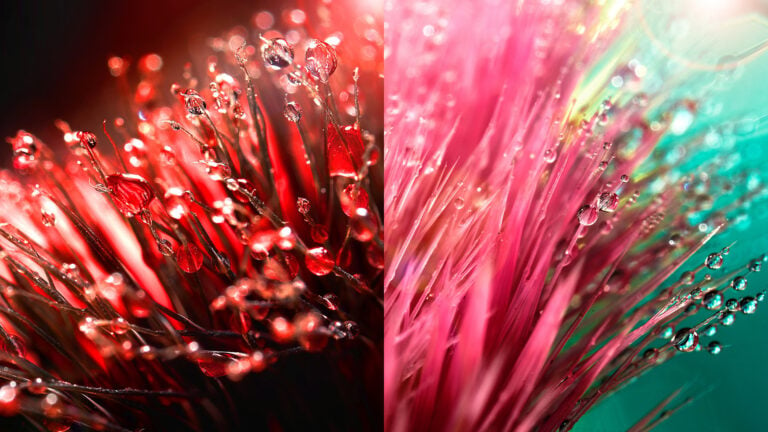
Water drops create natural magnifying lenses. They distort and reflect their surroundings in fascinating ways. Place drops on different surfaces and experiment with what appears in the reflections.
Street Photography Ideas That Push Creative Boundaries
Street photography offers endless opportunities to capture authentic human experiences. Moving beyond basic street scenes requires developing a keen eye. You need to learn to anticipate interesting interactions.
Focus on capturing emotions and relationships rather than random people walking by. Look for connections between strangers. Watch for moments of joy or contemplation. Find interesting juxtapositions between people and their environment.

Document Community Rituals and Gatherings
Every community has regular events that bring people together. Farmers markets, religious services, sports events, and local festivals provide rich opportunities. These settings offer natural storytelling through images.
Arrive early to capture setup activities and behind-the-scenes moments. These quieter times often yield more intimate images than main events. Preparation and cleanup phases reveal authentic human interactions.
Study how people move through spaces. Watch how they interact with their environment. Public transportation, parks, and shopping areas create natural stages. Human dramas unfold continuously in these places.
Master the Art of Candid Portraiture
Capturing genuine expressions requires patience. You need the ability to become invisible in crowds. Practice shooting without looking through your viewfinder. Learn your camera’s controls well enough to adjust settings by feel.
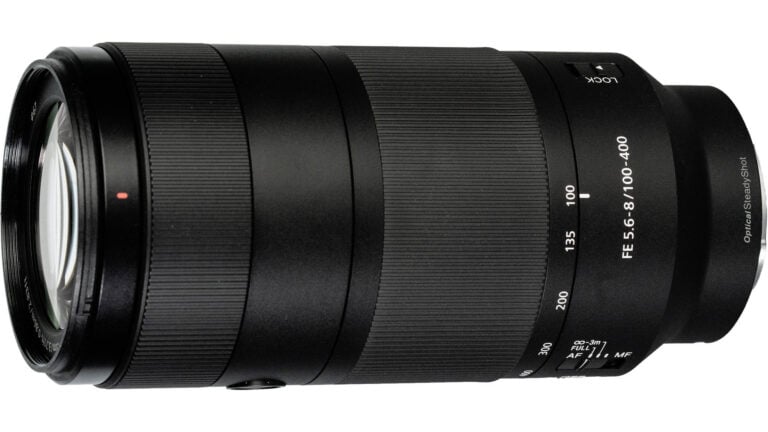
Long telephoto lenses allow you to maintain distance while filling the frame. This approach feels less intrusive. It often results in more natural expressions from your subjects.
Build trust with regular subjects by visiting the same locations repeatedly. Shop owners, street performers, and other regulars become comfortable with your presence. This allows you to capture more intimate moments.
Abstract Photography Ideas for Creative Expression
Abstract photography frees you from literal representation. It allows pure creativity to flow through your work. These images focus on color, texture, shape, and form rather than recognizable subjects. This approach can breathe new life into your photography when traditional subjects feel stale.
Start by isolating small portions of larger scenes. A section of peeling paint becomes a landscape of color and texture. Reflections in puddles create dreamlike compositions. These exist only in that specific moment and location.
Play with Motion and Time
Long exposure photography transforms moving elements into flowing streams of color and light. Water becomes silk. Clouds turn into brushstrokes across the sky. Car lights create ribbons of color through city streets.
Intentional camera movement during exposure creates painterly effects. This transforms ordinary scenes into abstract art. Try rotating your camera during a long exposure of trees. Move it in smooth arcs while photographing city lights.
Multiple exposure techniques layer different moments in time into single images. Most mirrorless cameras now include advanced multiple exposure modes with AI-assisted alignment. You can also create these effects using current AI-powered editing software that offers precise control over blending.
Experiment with Light as Your Primary Subject
Light itself becomes the subject in abstract photography. Position translucent materials between your light source and camera. Fabric, plastic, or glass create interesting patterns and colors.
Prisms and crystals bend light into rainbow spectrums. These can add magical elements to any composition. Small LED lights moved during long exposures create custom light paintings. These exist only in your photographs.
Understanding exposure becomes even more important in abstract work. You’re often working with extreme lighting conditions. Practice shooting in manual mode to gain complete control. This helps your camera interpret these challenging scenes correctly.
Portrait Photography Ideas Beyond Basic Headshots
Portrait photography extends far beyond simple headshots against plain backgrounds. Creative portraiture tells stories about people. It reveals personality traits and captures the connection between subject and environment.
Environmental portraits place people in settings that reveal something meaningful. A musician surrounded by their instruments tells a story. A gardener in their greenhouse reveals their passion. A chef in their kitchen shows their craft. These images tell richer stories than studio shots alone.
Create Narrative Through Props and Settings
Props add layers of meaning to portrait images without complex setups. A person holding their grandfather’s watch creates emotional connection. Someone wearing their grandmother’s jewelry tells a family story. Being surrounded by books that shaped their worldview reveals character.
Experiment with unconventional locations that complement your subject’s personality. Abandoned buildings work well for edgy portraits. Natural settings suit people who love the outdoors. Each location choice should support your storytelling goals.
Time of day dramatically affects the mood of environmental portraits. Golden hour light flatters most subjects. Blue hour creates mysterious, cinematic atmospheres that add drama to your images.
Master Shadow Play and Dramatic Lighting
Harsh lighting conditions that many photographers avoid can create stunning dramatic portraits. Window blinds cast interesting shadow patterns across faces. Architectural elements like columns or overhangs create natural vignettes. These frame subjects beautifully without additional equipment.
Single light sources produce striking chiaroscuro effects. These remind viewers of classical paintings. Position your subject near large windows. Use simple continuous lights to practice controlling shadow falloff and highlight placement.
Backlighting techniques separate subjects from backgrounds. They create luminous rim lighting effects. These approaches work particularly well for silhouette portraits. They emphasize shape and gesture over facial details.
Challenge Projects That Spark Fresh Photography Ideas
Structured challenges provide frameworks for creative exploration. They keep you motivated to pick up your camera regularly. These projects work best when you commit to specific timeframes. Share your progress with other photographers for accountability.
Photo-a-day challenges build shooting habits. They force you to find subjects in unlikely places. Daily practice sharpens your technical skills. It expands your creative vision through constant problem-solving. These structured photography ideas provide frameworks that keep you motivated during slow periods.

The 52-Week Photography Challenge
Dedicate each week to exploring a different theme or technique. Week one might focus on leading lines. Week two could explore negative space. Week three might apply color theory principles. This systematic approach ensures you explore a wide range of photographic concepts throughout the year.
Document your progress by creating weekly collections. Show your evolution with each topic through these collections. Share them online to get feedback. Connect with other photographers working on similar challenges.
Some weeks will inspire you more than others. Use the themes that excite you as launching points for deeper exploration. If the week dedicated to textures sparks your interest, extend that focus. Continue exploring textures into the following weeks.
Color Theory Exploration Projects
Limit yourself to photographing subjects containing only specific colors for set periods. A week shooting only red objects trains your eye. You notice subtle color variations and relationships you might normally overlook.
Color temperature experiments involve shooting the same subjects under different light sources. See how color relationships change throughout the day. Fluorescent lights, candlelight, and natural daylight all render colors differently.
Complementary color combinations create visual tension. This makes images more compelling. Practice identifying these relationships in natural settings first. Then attempt to create them artificially in controlled environments.
Technical Experiments That Inspire Creative Growth
Technical limitations often spark the most creative solutions. Deliberately constraining your equipment or settings forces you to solve problems in new ways. This can lead to signature styles that set your work apart from others.
Try shooting for an entire month using only one focal length. This limitation forces you to move your feet instead of zooming. It helps develop a more intimate relationship with specific perspectives. Prime lens photography challenges you to work within fixed parameters.
Film Photography Revival Projects
Film photography slows down your process and makes every frame count. The inability to check results immediately brings back excitement and anticipation. Digital photography sometimes lacks this element of surprise.
Different film stocks produce unique color palettes and grain structures. These can’t be perfectly replicated digitally despite AI advances. Kodak Portra remains popular for warm, flattering skin tones. Fuji Velvia continues to produce saturated landscapes, though supply can be limited due to increased demand.
Black and white film photography teaches you to see differently. You learn to work in terms of light, shadow, and texture. This removes reliance on color for visual impact. This skill transfers directly to digital work and improves composition abilities.
Alternative Process Experiments
Pinhole photography strips away all complex controls of modern cameras. It focuses purely on light and time. You can build pinhole cameras from simple materials. Convert old cameras by replacing lenses with tiny holes.
Double exposure techniques layer multiple images to create surreal compositions. These exist only in your photographs. Practice with slide film or use mirrorless cameras with advanced multiple exposure modes. Many newer cameras include AI-assisted alignment features that help create more precise double exposures than ever before.
Infrared photography reveals hidden details invisible to human eyes. Trees become white against dark skies. People take on ghostly appearances that create otherworldly landscapes. Infrared filters work with most digital cameras, though some newer sensors have stronger IR-cut filters that may require filter modifications or specialized cameras.
Building Your Creative Photography Routine
Consistency matters more than perfection when developing creative skills. Set aside regular time for photography experiments. Even if you can only spare fifteen minutes a day, these short sessions add up. They create significant progress over time.
Keep an ideas journal where you record interesting lighting situations. Note potential subjects or technical experiments you want to try. Review these notes when you’re feeling uninspired. Use them when looking for your next creative challenge.
Study work by photographers whose styles inspire you. Resist the urge to copy them directly. Instead, analyze what makes their images compelling. Adapt those principles to your own unique vision. Photography composition techniques provide frameworks you can apply to any subject matter.
Join photography communities where you can share work and get constructive feedback. Online platforms like Discord servers, Reddit communities, and specialized photography forums provide opportunities to connect. Instagram and newer platforms like BeReal continue to evolve how photographers share work. Local camera clubs face similar creative challenges and offer in-person connections.
The path out of creative ruts requires patience with yourself. You need willingness to create work that might not succeed. Every photographer produces images they’re not proud of. The key lies in learning from those experiments. Apply those lessons to future projects. Your unique photographic voice emerges through this process of continuous exploration and refinement.
Here are some practical steps to maintain creative momentum:
- Set weekly photography goals that push your comfort zone
- Experiment with at least one new technique each month
- Share your work regularly for feedback and accountability
- Study masters in photography and other visual arts
- Keep a running list of locations and subjects to explore
- Practice technical skills regularly to expand your capabilities
Break Free from Your Photography Rut Now
Creative ruts are temporary obstacles that every photographer faces at some point. The photography ideas outlined here provide starting points for your own explorations. They’re not rigid rules to follow exactly as written.
Your personal style develops through experimentation and failure as much as through success. Each project teaches you something new about your preferences, strengths, and areas for growth. The most important step is picking up your camera and starting to shoot again. Do this even when inspiration feels distant.
Remember that creativity is a muscle that grows stronger with regular exercise. These photography ideas work best when you adapt them to your own interests and shooting conditions. Start with projects that excite you most. Then gradually explore techniques that push you outside your comfort zone.
See more from DIYPhotography.net on Google
Add DIYPhotography.net as a trusted source. This makes
our stories more likely to appear in your Google Search results.
 Add as a preferred source on Google

Darlene Lleno
Darlene Lleno brings a unique perspective to DIY Photography as someone who grew up surrounded by camera gear but chose words over lenses. With five years of writing experience, she specializes in photography content that’s both technically informed and genuinely passionate. Growing up with a photographer twin brother meant camera talk was everyday conversation in her household. While he mastered capturing moments, Darlene discovered she preferred being the subject and the storyteller behind the scenes. As a travel enthusiast and mother of two, she understands the importance of preserving life’s precious moments. When not exploring new destinations or writing for DIY Photography, you’ll find her reading or tending to her garden. Her approach to photography writing is refreshingly authentic, she may not be behind the camera, but she knows exactly what it takes to help others capture the shots that matter most.


Join the Discussion
DIYP Comment Policy
Be nice, be on-topic, no personal information or flames.