






Photographing a dancer in New York City and faking big soft window light with speedlights
Aug 30, 2016
John Aldred
John Aldred is a photographer with over 25 years of experience in the portrait and commercial worlds. He is based in Scotland and has been an early adopter – and occasional beta tester – of almost every digital imaging technology in that time. As well as his creative visual work, John uses 3D printing, electronics and programming to create his own photography and filmmaking tools and consults for a number of brands across the industry.
Share:

I’ve found the dancers often make the best subjects in front of the camera. Even if they’re not actually dancing, they often have amazing body awareness. They know exactly where each part of their body is. They know how to show off tone and definition in their muscles and limbs with effortless grace.
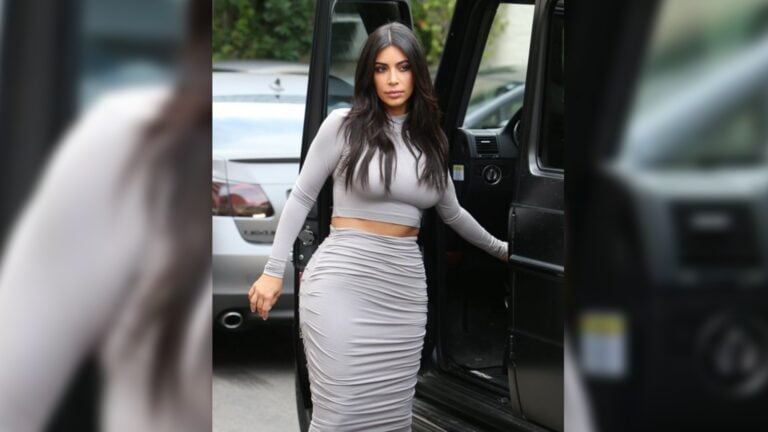
In this behind the scenes video from Joe McNally, we’re taken on a tour of New York City. Photographing a dancer new to the big city to create a portfolio. At least, that’s the premise of the assignment. Joe uses this scenario to show off the capabilities of the Nikon D500 and SB-5000 flash units. He also offers up one or two tricks along the way that you can apply to any camera or flash system.
The video itself was shot on the Nikon D5
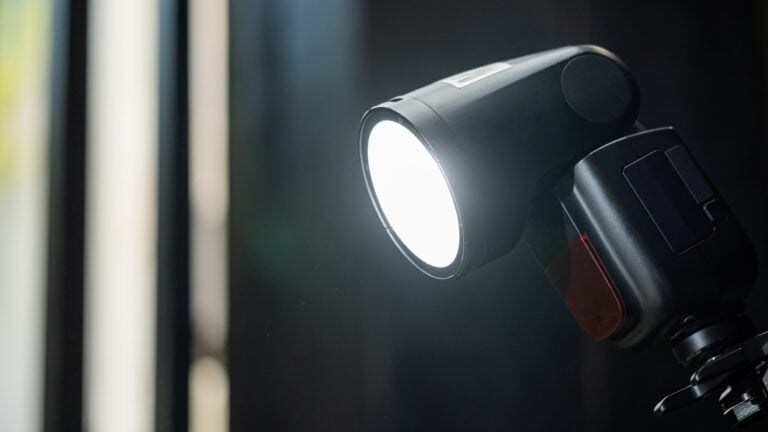
This big trick shown in the video is one I’ve used on location myself quite often. Throwing a bunch of speedlights behind a great big sheet of diffusion material to create a big soft light source. I mostly tend to do this outdoors, though, as I work a lot with speedlights, and a 2ft softbox just doesn’t cut it sometimes.
Putting multiple speedlights together acting as a single light source ramps up your power and lets you cover a larger area.

Even if you don’t need the power, multiple speedlights will help to provide a more even spread over a large diffuser, and lower power cuts down on your recycle times. Indoors, this technique is a great way to simulate big soft window light. Outdoors, it can also help to take away some of the harshness of outdoor sun.
You can even have the diffuser performing double duty. I’ll often use it between the sun and my subject to diffuse the sunlight, but then also put flashes behind it to add a little extra power and bring my subject back up to the brightness level of the sunlit background.
Of course, you can buy big scrims, but this is DIYP, so make your own. Some PVC pipe and a large sheet of white material is all you need (personally, I prefer Ripstop nylon).
What DIY light modifiers or unconventional setups do you use on location? Let us know in the comments.

John Aldred
John Aldred is a photographer with over 25 years of experience in the portrait and commercial worlds. He is based in Scotland and has been an early adopter – and occasional beta tester – of almost every digital imaging technology in that time. As well as his creative visual work, John uses 3D printing, electronics and programming to create his own photography and filmmaking tools and consults for a number of brands across the industry.
Related Posts
 This timelapse shows what New York City would look like without light pollution
 Photographing The Movement Of Dancers Using Speedlights And Long Exposure
 Gotham City SF Features Entrancing Black And White Footage Of The City By The Bay
 This photographer is creating a 30 year long timelapse project of New York City
Join the Discussion
DIYP Comment Policy
Be nice, be on-topic, no personal information or flames.