


















Full-Frame Vignette or Full-Frame Crop: Which Is Better?
Jan 8, 2026
David Prochnow
Our resident “how-to” project editor, David Prochnow, lives on the Gulf Coast of the United States in Ocean Springs, Mississippi. He brings his expertise at making our photography projects accessible to everyone, from a lengthy stint acting as the Contributing How-To Editor with Popular Science magazine. While you don’t have to actually build each of his projects, reading about these adventures will contribute to your continued overall appreciation of do-it-yourself photography. A collection of David’s best Popular Science projects can be found in the book, “The Big Book of Hacks,” Edited by Doug Cantor.
Share:
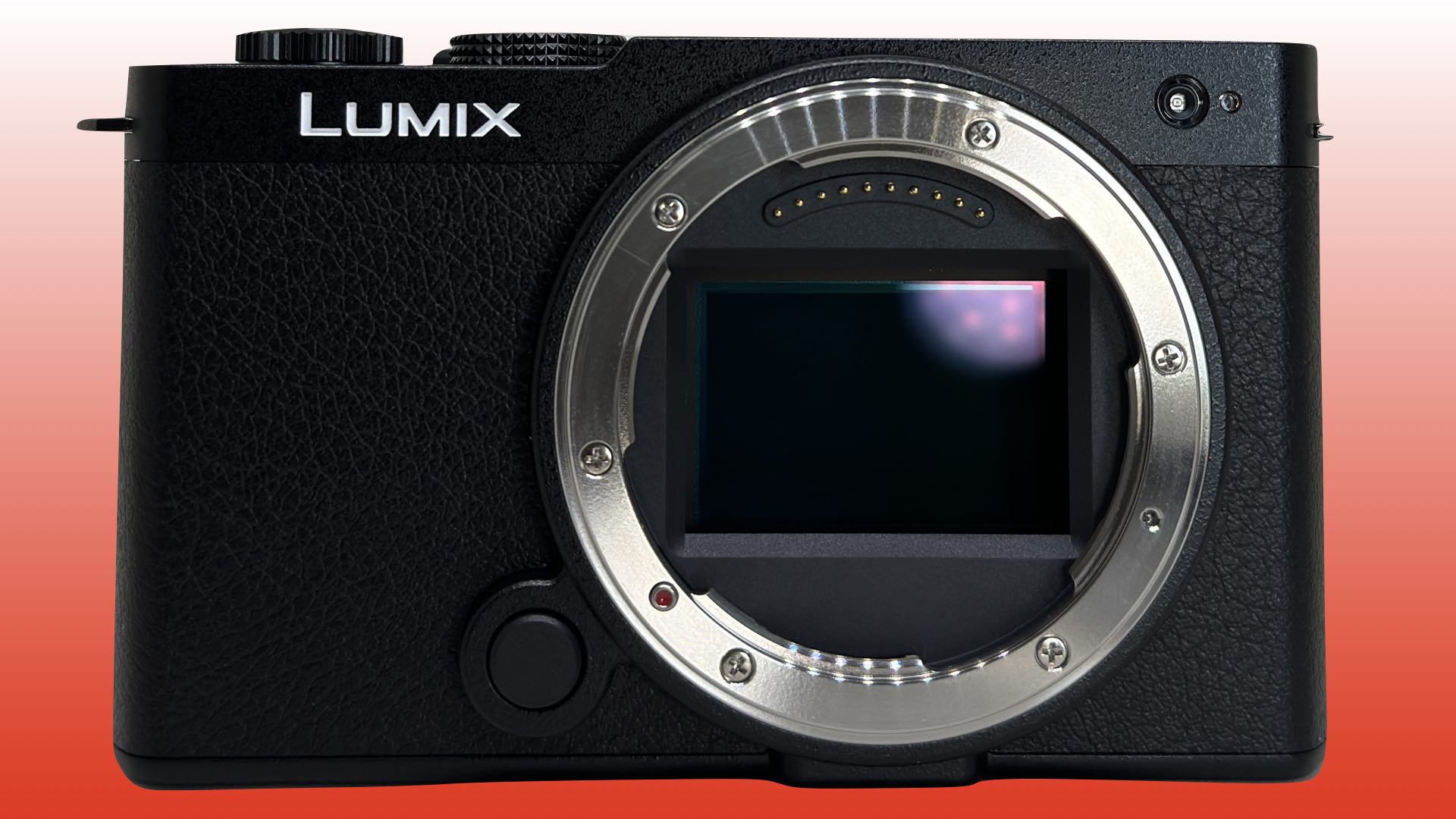
Few debates in photography are as quietly dramatic as the showdown between the full-frame vignette Hatfields and the full-frame crop McCoys. It’s the kind of argument that doesn’t involve raised voices, just intense staring at Lightroom sliders while muttering, “No, that doesn’t look right.”
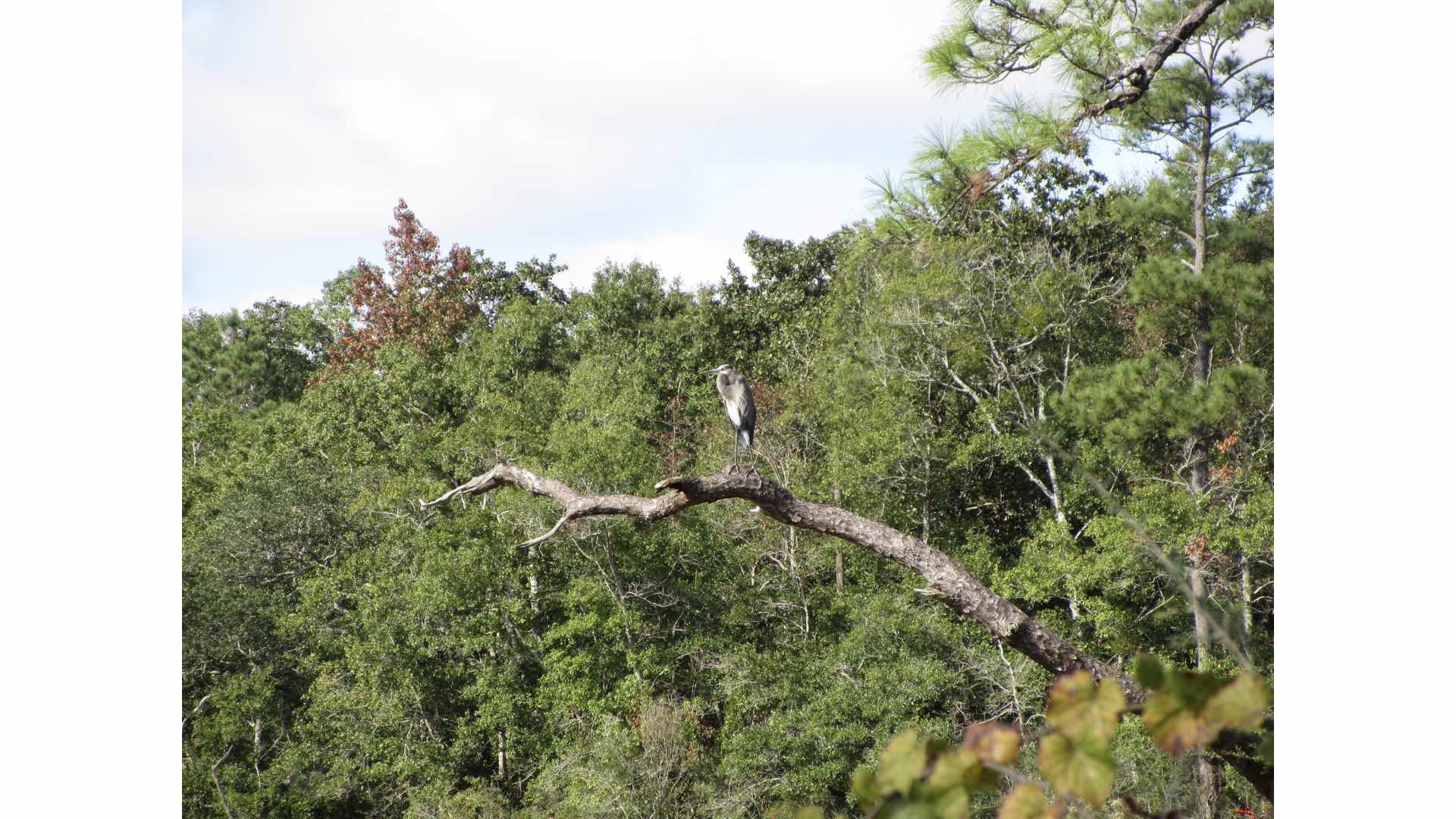
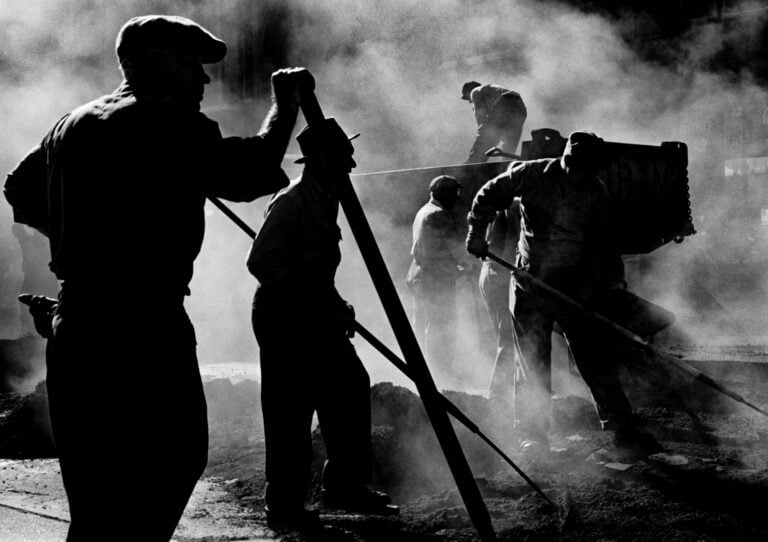
On one side, we have the full-frame vignette crowd. These photographers believe that the edges of an image are merely suggestions. Why show everything, when you can gently darken the corners and claim artistic license? Vignettes are the visual equivalent of stage lighting; spotlight the subject, dim the rest, and pretend you meant it all along. Accidentally shoot a distracting trash can near the edge of the frame? No problem. Add a vignette. Suddenly it’s “moody” and “intentional.”
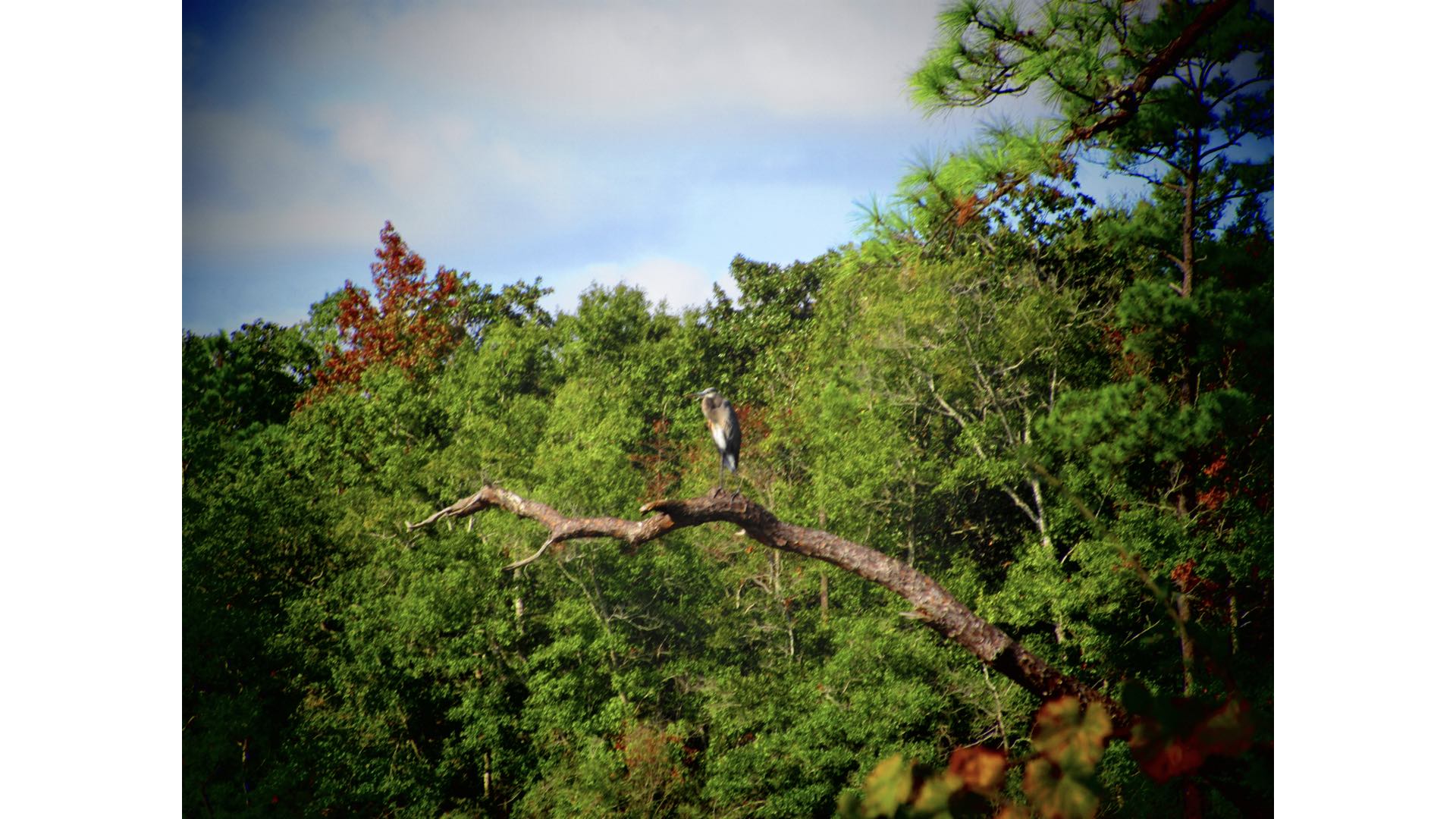
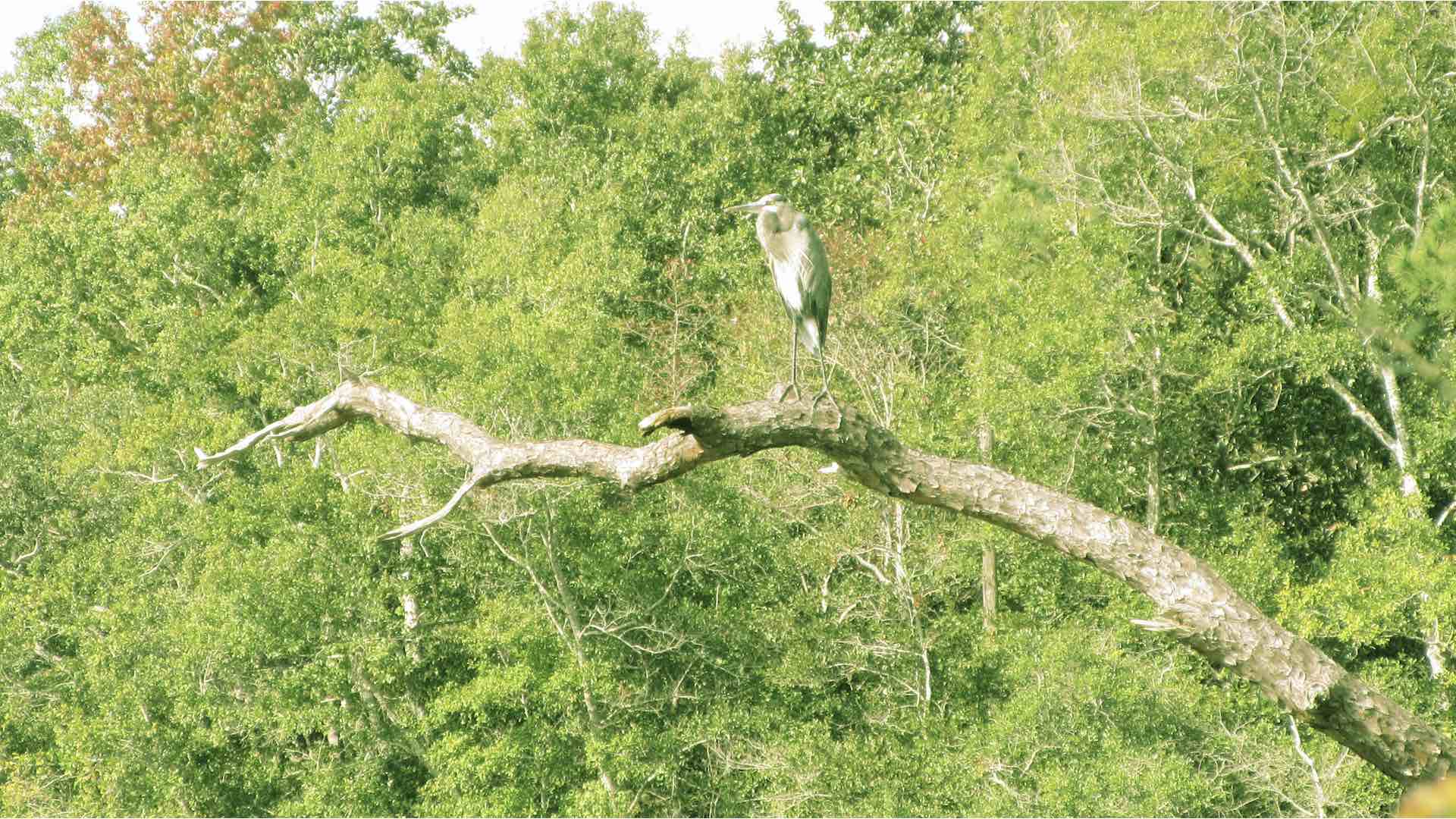
Then there’s the full-frame crop camp. These are decisive people. Ruthless, even. If something doesn’t belong in the frame, it gets cut…no hesitation, no mercy. Cropping is photography’s version of spring cleaning. That awkward lamppost? Gone. The stranger’s elbow creeping into the frame? History. Croppers argue that composition is king and if the king demands a tighter frame, so be it. Even if it costs a few megapixels and a small piece of their soul.
Focus on Your Intent
Of course, each side claims superiority. Vignette fans say cropping is cheating: “If you needed to crop, you didn’t compose it correctly in-camera.” Croppers fire back: “If you’re hiding your mistakes in darkness, maybe you didn’t compose it correctly, either.” Meanwhile, beginners are just wondering what’s all of the fuss.
The truth is, both approaches are tools, not commandments. A vignette can add focus, depth, and drama. Too much drama, however, and your image looks like it was shot through a tunnel. Cropping can strengthen composition and storytelling. Unless you crop so much that you’re basically shooting APS-C lenses on a full-frame camera and pretending it’s fine.
So which is better: full-frame vignette or full-frame crop? The real answer is whichever makes your photo look good and doesn’t cause a comment section war. Use a vignette when you want subtle guidance. Crop when you need clarity and impact. And if you do both? Congratulations, you’re a photographer who understands that perfection is less about following rules and more about knowing when to break them.
Enjoy.
See more from DIYPhotography.net on Google
Add DIYPhotography.net as a trusted source. This makes
our stories more likely to appear in your Google Search results.
 Add as a preferred source on Google
Filed Under:
Tagged With:

David Prochnow
Our resident “how-to” project editor, David Prochnow, lives on the Gulf Coast of the United States in Ocean Springs, Mississippi. He brings his expertise at making our photography projects accessible to everyone, from a lengthy stint acting as the Contributing How-To Editor with Popular Science magazine. While you don’t have to actually build each of his projects, reading about these adventures will contribute to your continued overall appreciation of do-it-yourself photography. A collection of David’s best Popular Science projects can be found in the book, “The Big Book of Hacks,” Edited by Doug Cantor.


Join the Discussion
DIYP Comment Policy
Be nice, be on-topic, no personal information or flames.