






















Fujifilm X-M5 Review: Is This Compact Mirrorless Worth the Hype?
Nov 3, 2025
Darlene Lleno
Darlene Lleno brings a unique perspective to DIY Photography as someone who grew up surrounded by camera gear but chose words over lenses. With five years of writing experience, she specializes in photography content that’s both technically informed and genuinely passionate. Growing up with a photographer twin brother meant camera talk was everyday conversation in her household. While he mastered capturing moments, Darlene discovered she preferred being the subject and the storyteller behind the scenes. As a travel enthusiast and mother of two, she understands the importance of preserving life’s precious moments. When not exploring new destinations or writing for DIY Photography, you’ll find her reading or tending to her garden. Her approach to photography writing is refreshingly authentic, she may not be behind the camera, but she knows exactly what it takes to help others capture the shots that matter most.
Share:
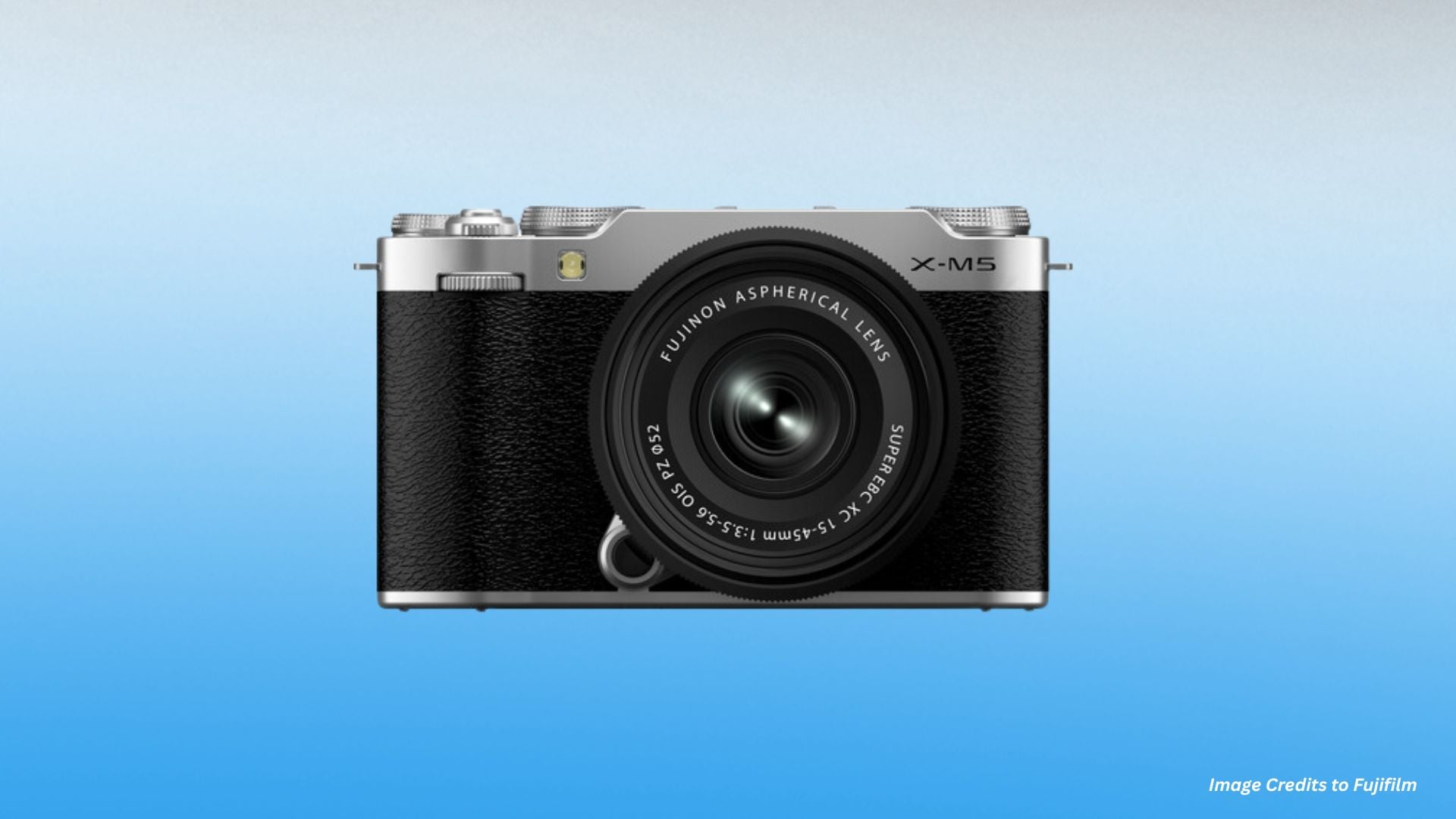
The Fujifilm X-M5 has gotten everyone talking since it launched in late 2024. This tiny mirrorless camera costs just $799 and promises big features. But can it really deliver, or did Fujifilm cut too many corners?
I’ve been shooting with this camera for weeks now. I’ve tested it for street photography, video work, and everyday shooting. Some things about it are genuinely impressive. Other parts make me scratch my head.
Let’s dig into whether this camera belongs in your bag.
What You Get With the Fujifilm X-M5
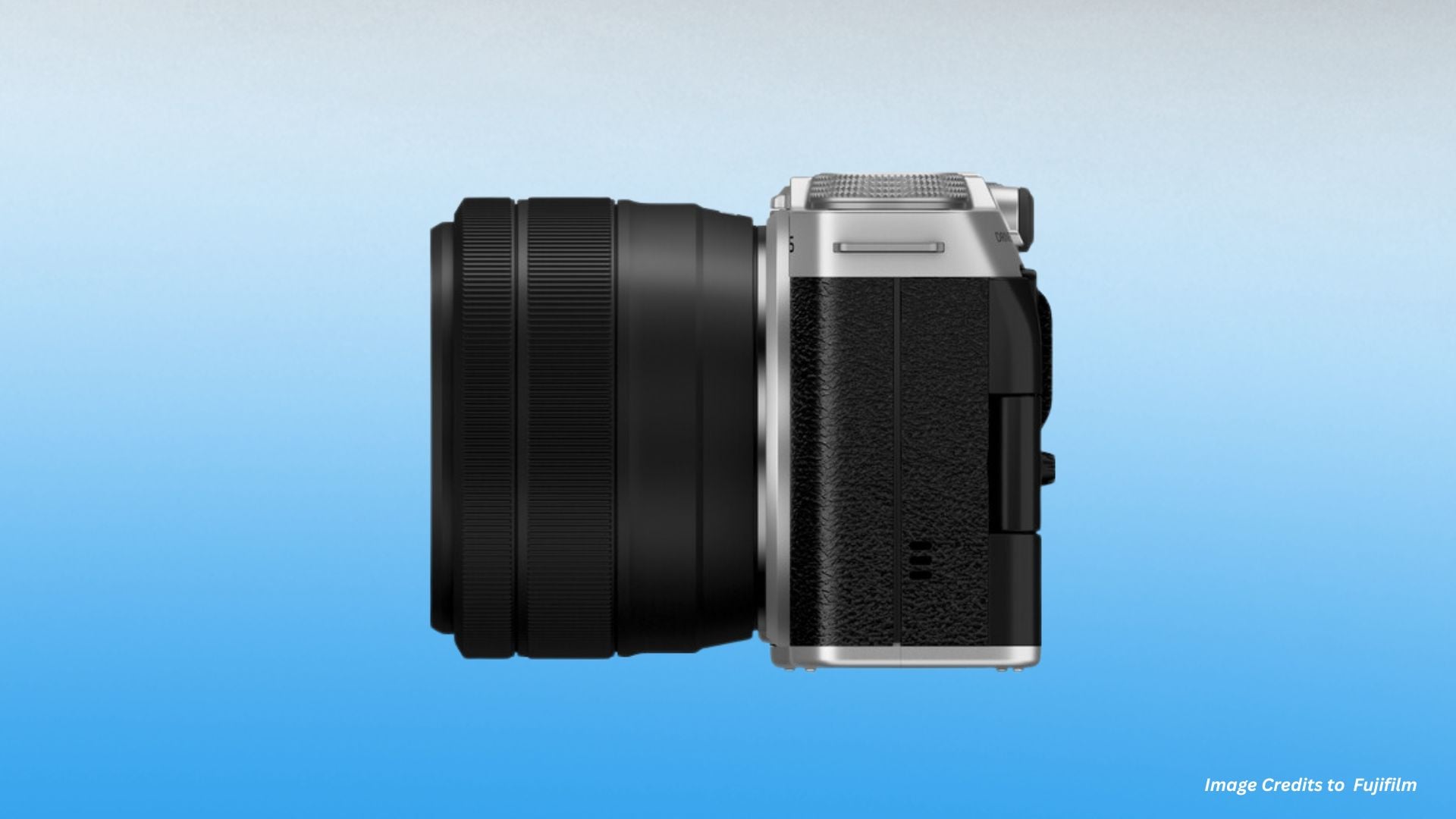
This camera is seriously small. It measures just 111.9 x 66.6 x 38mm and weighs only 355 grams. That’s with the battery and memory card included. Throw on a pancake lens and it actually fits in your jacket pocket.
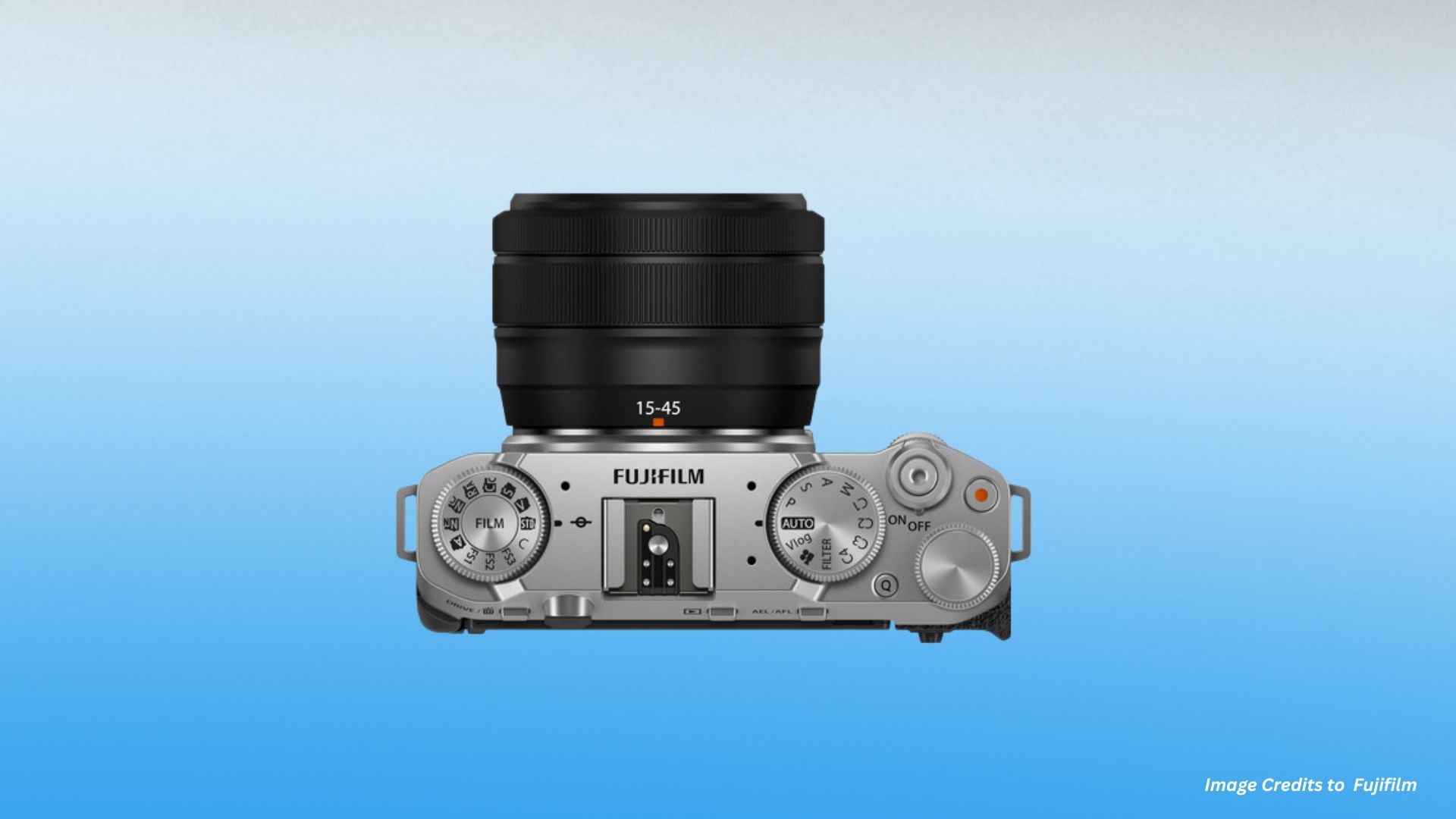
The Fujifilm X-M5 uses Fuji’s proven 26.1MP X-Trans CMOS 4 sensor. It pairs with their latest X-Processor 5 chip. This combo produces excellent colors straight out of camera. The dedicated film simulation dial gives you instant access to Fuji’s famous color profiles.
You can grab this camera in black or silver. The silver version looks especially retro and channels that X100VI vibe. Both versions keep things slim but that means almost no grip to hold onto.
Design and Handling Reality Check
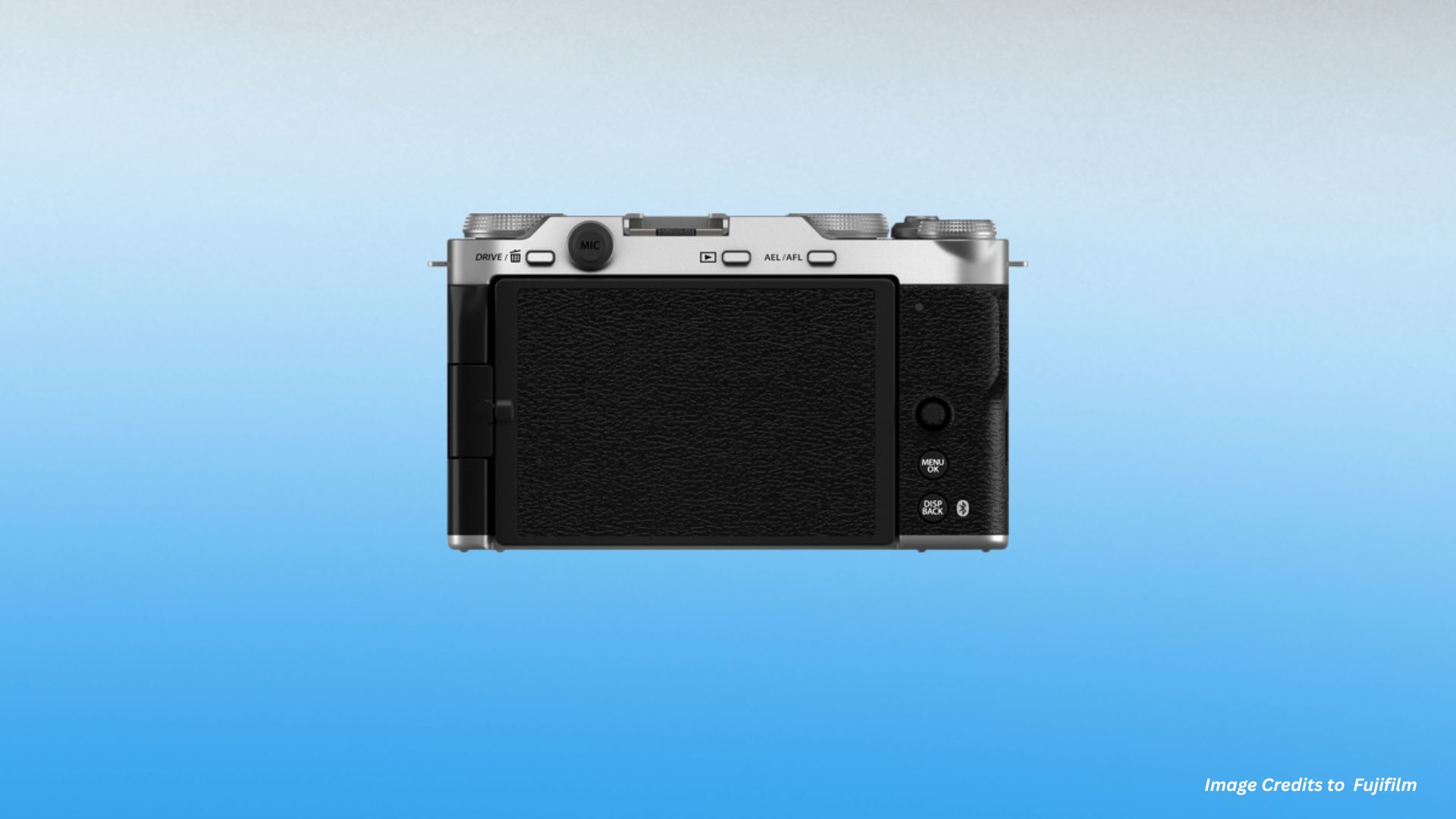
Fujifilm chose style over comfort here. The camera feels solid despite being mostly plastic. Controls make sense for the most part. But that tiny Q menu button between the dials? Good luck pressing it with gloves on.
The front dial does multiple jobs. You click it to cycle through different functions. This feels redundant since there’s already a huge film simulation dial on top. I’d rather have another regular dial I could actually use.
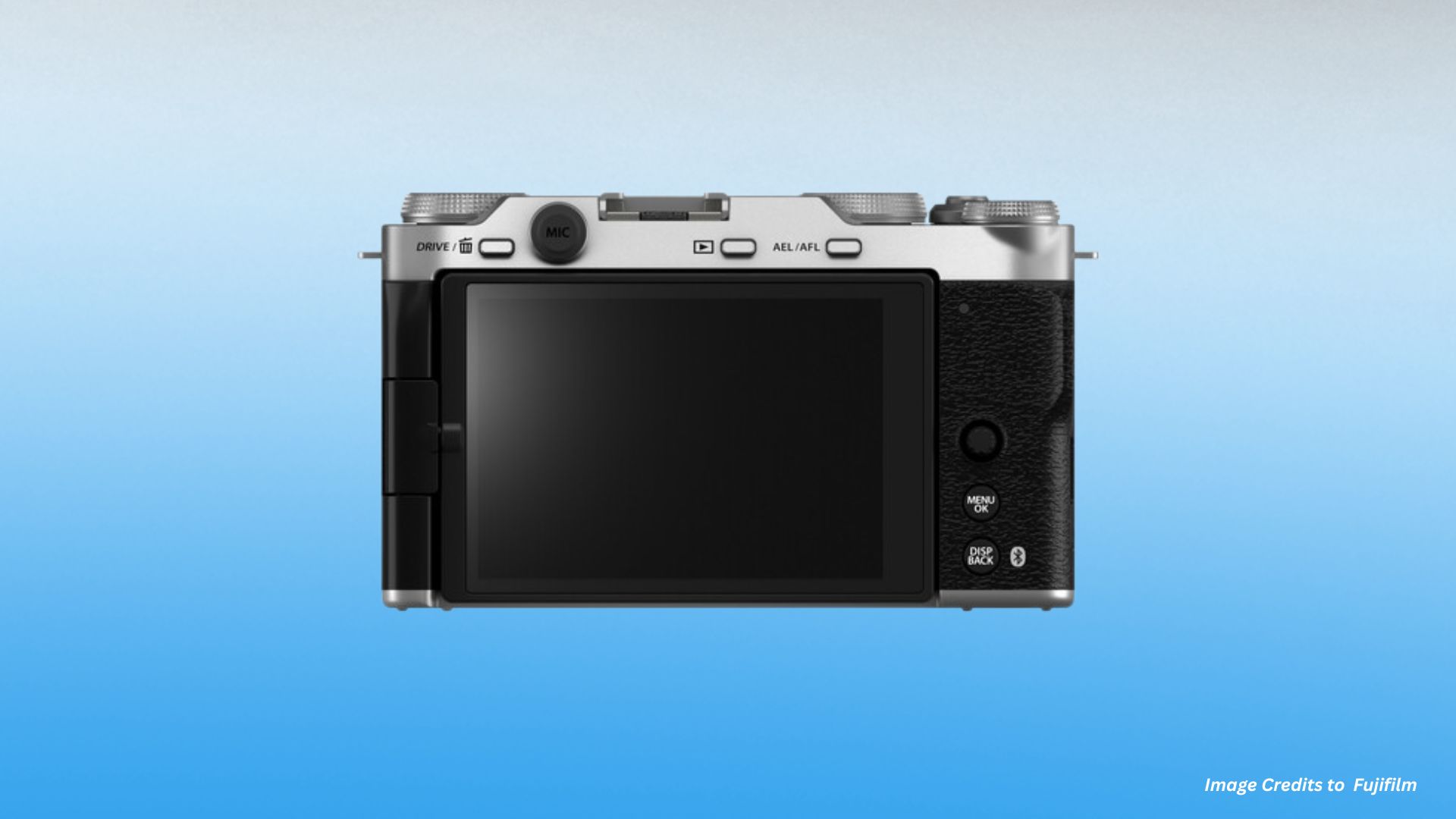
Port placement works well for video. The mic jack sits on the top left rear with a rubber cover. The headphone jack hides behind a door on the right side. These dedicated audio ports matter if you’re serious about recording. USB-C and micro-HDMI share another door.
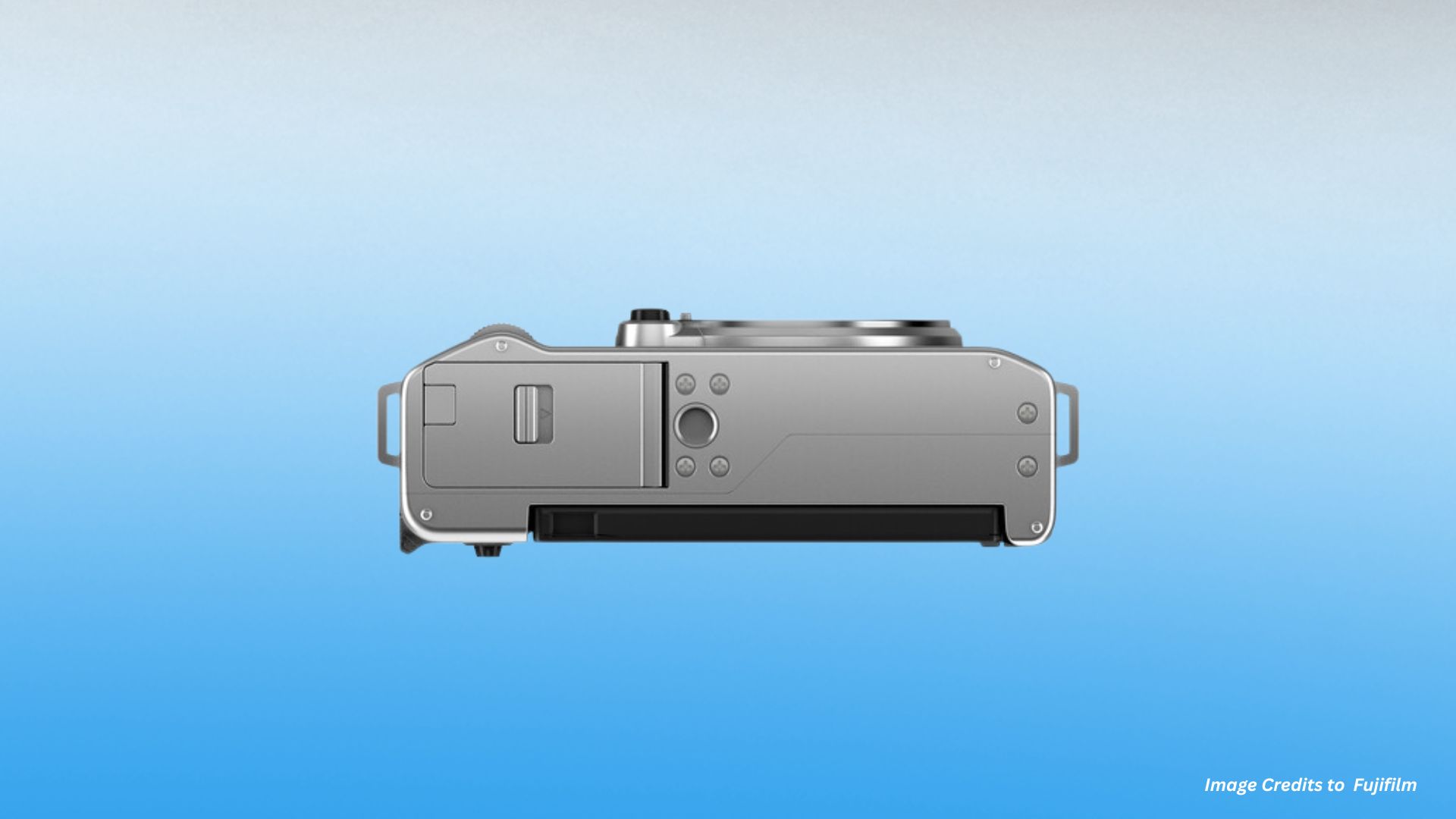
Here’s the big problem though. The battery and SD card live in the same bottom compartment. You can’t swap cards with a tripod plate attached. This drives me during longer shoots.
The Missing Pieces
Two big features are gone from the Fujifilm X-M5. There’s no electronic viewfinder. There’s no in-body stabilization either.
No EVF means you compose everything on the 3-inch LCD screen. That screen has 1.04 million dots. Sounds okay until you step outside into bright sun. I spent half my time squinting at the screen trying to see anything. The fully articulating design helps for vlogging. But I constantly wished for a viewfinder.
According to DPReview’s analysis, every competing APS-C camera at this price skips IBIS too. The Sony a6400, Canon EOS R10, and Nikon Z50 II all lack it. You need to spend significantly more on cameras like the Fujifilm X-S20 to get stabilization.
No IBIS means you rely on lens stabilization or accept shaky footage. Digital stabilization works for video but crops the image noticeably. For photos, you need to watch your shutter speed more carefully.
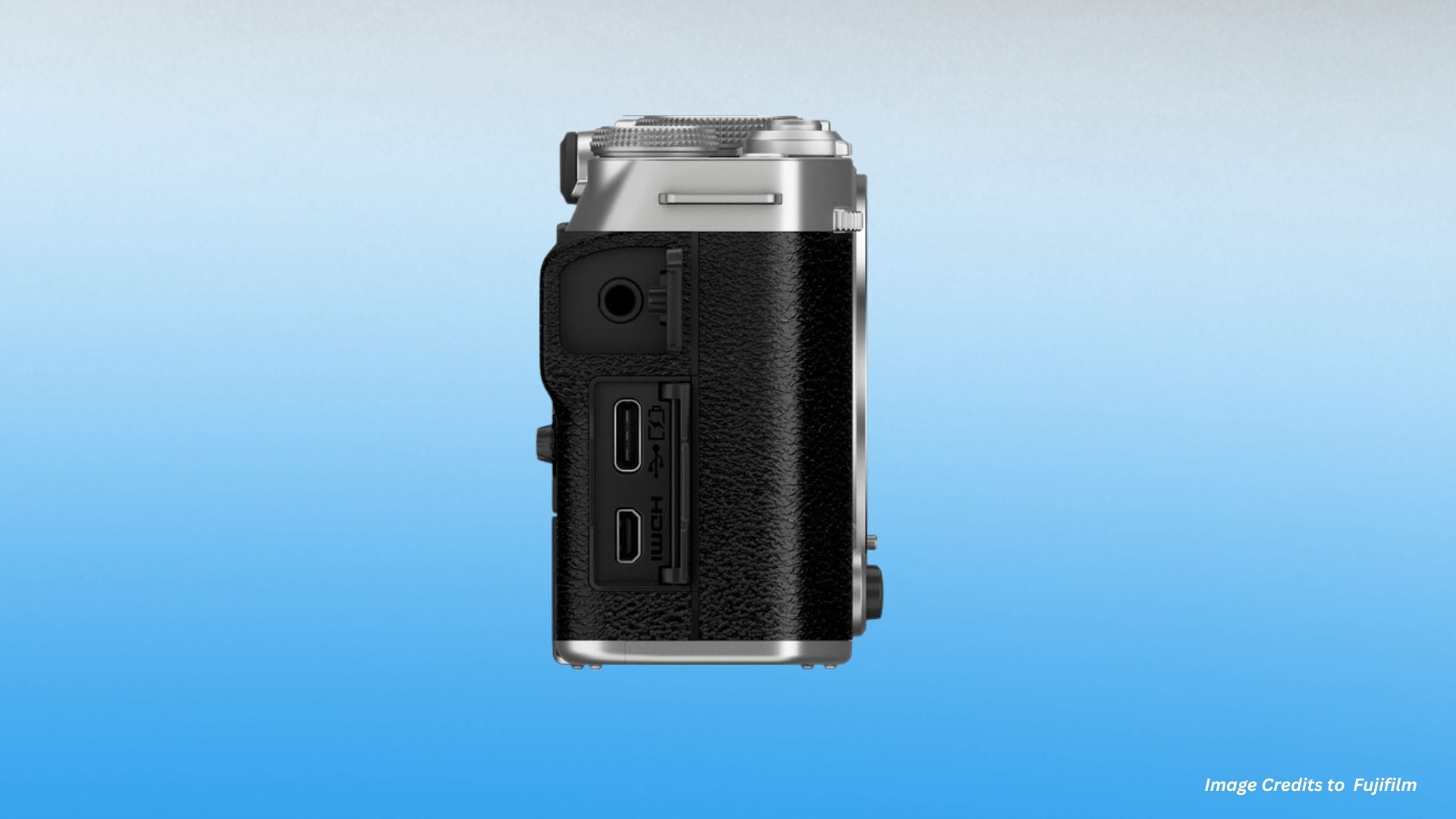
Image Quality Holds Up
The 26MP sensor delivers solid results throughout its ISO range. Native sensitivity runs from ISO 160 to 12,800. Extended modes reach ISO 80 on the low end and ISO 51,200 up top.
Low light performance stays clean through ISO 3200. By ISO 6400, you’ll see noise in the shadows. But the images still work for most uses. Even ISO 12,800 produces usable shots. Colors stay accurate as you push the sensitivity higher.
Shadow recovery works well when you lift underexposed areas three or four stops. Highlight recovery struggles more. Blown highlights get hard to save beyond two stops of recovery.
Fujifilm includes DR200 and DR400 modes at ISO 320 and above. These capture highlights from base ISO while grabbing shadows from your current ISO. You effectively gain one or two stops of highlight room. This helps tons for landscape photography in harsh light.
The mechanical shutter tops out at 1/4000 second. The electronic shutter reaches 1/32,000 second. Having a real mechanical shutter matters. It eliminates the rolling shutter problems that plague electronic-only cameras.
Autofocus Performance
Autofocus remains a challenging area for Fujifilm cameras. The Fujifilm X-M5 uses their latest AI subject detection with 425 phase-detect points. Performance changes drastically between photos and video.
For stills, the system works pretty well. Face and eye detection lock on fast and track reliably. Testing against the Canon EOS R10 showed nearly identical hit rates. Overall it handled everyday photography fine.
Subject detection covers animals, birds, cars, motorcycles, bikes, planes, trains, insects, and drones. Detection accuracy shines with clear subjects. Throw in a messy background and things get inconsistent.
Video autofocus tells a different story. The camera struggles with consistency during movement. Simple walking tests toward the camera showed issues. The X-M5 initially detected faces but lost focus as subjects moved closer. You can adjust tracking settings to stick better. But it never quite matches Sony or Canon systems.
Stationary talking-head shots work fine. Focus stayed locked throughout multiple test segments. Any significant movement causes problems though.
Burst Shooting Capabilities
The mechanical shutter hits 8 frames per second maximum. Switch to electronic shutter and you get 20fps full frame. A 1.25x crop bumps you to 30fps.
Buffer depth changes based on file format:
- JPEG only: 173 frames at 8fps
- Compressed RAW: 82 frames
- Uncompressed RAW: 25 frames
The 26MP resolution helps compared to Fuji’s 40MP cameras. You get more shots before the buffer fills. These specs work fine for most shooting situations.
Video Features Stand Out
Video recording is where the Fujifilm X-M5 really differentiates itself. The camera shoots 6.2K open-gate video at 30fps. No other camera at this price point offers this capability.
Open-gate uses the full sensor in its native 3:2 ratio. This provides more pixels than standard 16:9 video. You get flexibility for reframing during editing. You can create vertical 9:16 crops for social media without losing resolution.
Standard 4K recording hits 60fps with a mild 1.18x crop. Or shoot 4K at 30fps with no crop at all. High-speed mode reaches 240fps in Full HD for slow motion effects. All these modes support 10-bit color depth for better grading flexibility.
Bitrates range from 8Mbps for quick sharing up to 200Mbps for maximum quality. You can record MOV or MP4 files with H.264 or H.265 compression. FLog 2 and HLG provide log profiles for professional color work.
Heat management impressed me during testing. Recording 6.2K at 30fps ran for over an hour before stopping. 4K 60fps recording lasted about 40 minutes before overheating. Those times beat many competitors.
VLOG Mode for Content Creators
Fujifilm designed the X-M5 specifically for vloggers and creators. The dedicated VLOG mode activates a completely different interface optimized for video.
Touch controls appear around the screen edges. You get quick access to recording, playback, and various settings. The interface works great when the screen faces you in selfie mode.
Three built-in microphones offer four recording modes. Surround captures audio from all directions. Front Priority focuses on subjects in front. Back Priority grabs sound behind the camera. Front & Back Priority balances both sides.
This multi-mic setup allows real directional audio control. Testing showed dramatic differences when switching between front and back microphones.
Product Priority mode automatically shifts focus to objects moved toward the camera. Portrait Enhancer applies skin smoothing with three intensity levels. Shorts mode records vertical clips up to 60 seconds while holding the camera horizontally.
Kit Lens Overview
The Fujifilm X-M5 ships with the XC 15-45mm F3.5-5.6 OIS PZ for $899. Buying this lens separately costs three times more.
This retractable power-zoom extends automatically when you power on. The motorized zoom provides smooth zooming for video work. Optical image stabilization helps compensate for the camera’s lack of IBIS. The focal range covers 23-69mm equivalent.
Image quality is adequate but not impressive. Sharpness lags compared to premium Fuji glass or third-party options like the Sigma 18-50mm F2.8. For video work or casual photography, the kit lens does its job.
Competition Comparison
Several cameras compete with the Fujifilm X-M5 in the sub-$900 category.
The Sony a6400 costs slightly more but includes an EVF. Its autofocus works more consistently. However, it lacks the advanced video features and film simulations.
Canon’s EOS R10 provides excellent autofocus and comfortable ergonomics. It includes an EVF and feels more like a lightweight DSLR. Video capabilities lag significantly though.
The Nikon Z50 II offers balanced performance with good autofocus, an EVF, and solid hybrid shooting. Its main weakness is the older sensor with rolling shutter issues. The X-M5 wins on video features but trails in handling comfort and video autofocus consistency.
Who Benefits Most From This Camera
Content creators focused on video production will find the most value here. The 6.2K open-gate recording and dedicated VLOG mode cater specifically to that audience. The compact size makes it perfect for travel content creation.
Phone photographers ready to step up will appreciate the touchscreen interface. The film simulation dial makes experimenting with different looks straightforward. The price point remains accessible for beginners.
Casual photographers wanting a lightweight travel companion could enjoy the Fujifilm X-M5. Pair it with a pancake lens and everything fits in a jacket pocket.
Who Should Look Elsewhere
Serious photographers prioritizing stills should consider alternatives. The lack of an EVF and IBIS significantly impacts the photography experience. Wildlife and action shooters need better tracking and a viewfinder.
Anyone requiring reliable video autofocus for moving subjects faces frustration. The inconsistent tracking limits usefulness for dynamic content. Sony’s ZV-E10 II delivers better video autofocus.
Photographers with larger hands will struggle with the minimal grip. Heavier telephoto lenses feel particularly awkward on this small camera.
Film Simulations Remain Strong
Fujifilm’s color science and film simulations remain a major selling point. The dedicated dial provides instant access to looks like Velvia, Provia, Classic Chrome, and REALA ACE.
These profiles deliver beautiful JPEGs straight from the camera. Velvia punches colors dramatically for landscapes. Classic Chrome offers a desaturated, nostalgic feel. REALA ACE provides balanced colors perfect for portraits. The ACROS profiles create stunning black and white images.
The film simulation dial makes experimentation effortless. Twist the dial, see the preview change, and shoot. This hands-on approach feels more engaging than scrolling through menus.
Battery Life and Practical Notes
The NP-W126S battery provides 330 frames in normal mode. Real-world shooting typically yields 250-300 frames per charge. Video recording drains the battery quickly. Expect about 45 minutes of 6.2K recording per charge.
The camera uses standard SD cards rated UHS-I. The 6.2K video recording manages fine with quality UHS-I cards. Weather sealing is absent. Keep it protected from rain, dust, and extreme temperatures.
Is It Worth Your Money?
The Fujifilm X-M5 succeeds as a specialized tool for content creators prioritizing video features and portability. The 6.2K open-gate recording and compact size create a unique package under $900. Image quality impresses with Fuji’s excellent color science.
Significant compromises balance those strengths. The missing EVF and IBIS hurt the photography experience. Inconsistent video autofocus during movement limits dynamic content. The minimal grip challenges comfortable handling.
At $799 body-only or $899 with the kit lens, the X-M5 offers compelling value for its target audience. Alternative cameras provide better balanced capabilities but can’t match the video specifications.
Test one in person if possible to verify the tiny grip and LCD-only composition work for your style. For the right user, the Fujifilm X-M5 provides an excellent entry point into quality video recording and Fuji’s photo ecosystem.
See more from DIYPhotography.net on Google
Add DIYPhotography.net as a trusted source. This makes
our stories more likely to appear in your Google Search results.
 Add as a preferred source on Google

Darlene Lleno
Darlene Lleno brings a unique perspective to DIY Photography as someone who grew up surrounded by camera gear but chose words over lenses. With five years of writing experience, she specializes in photography content that’s both technically informed and genuinely passionate. Growing up with a photographer twin brother meant camera talk was everyday conversation in her household. While he mastered capturing moments, Darlene discovered she preferred being the subject and the storyteller behind the scenes. As a travel enthusiast and mother of two, she understands the importance of preserving life’s precious moments. When not exploring new destinations or writing for DIY Photography, you’ll find her reading or tending to her garden. Her approach to photography writing is refreshingly authentic, she may not be behind the camera, but she knows exactly what it takes to help others capture the shots that matter most.




Join the Discussion
DIYP Comment Policy
Be nice, be on-topic, no personal information or flames.