


















Capturing Bailey’s Bead: top tips from an award-winning astrophotographer
Nov 12, 2024
Soumyadeep Mukherjee
Soumyadeep Mukherjee is an award-winning astrophotographer from India. He has a doctorate degree in Linguistics. His work extends to the sub-genres of nightscape, deep sky, solar, lunar and optical phenomenon photography. He is also a photography educator and has conducted numerous workshops. His works have appeared in over 40 books & magazines including Astronomy, BBC Sky at Night, Sky & Telescope among others, and in various websites including National Geographic, NASA, Forbes. He was the first Indian to win “Astronomy Photographer of the Year” award in a major category.
Share:
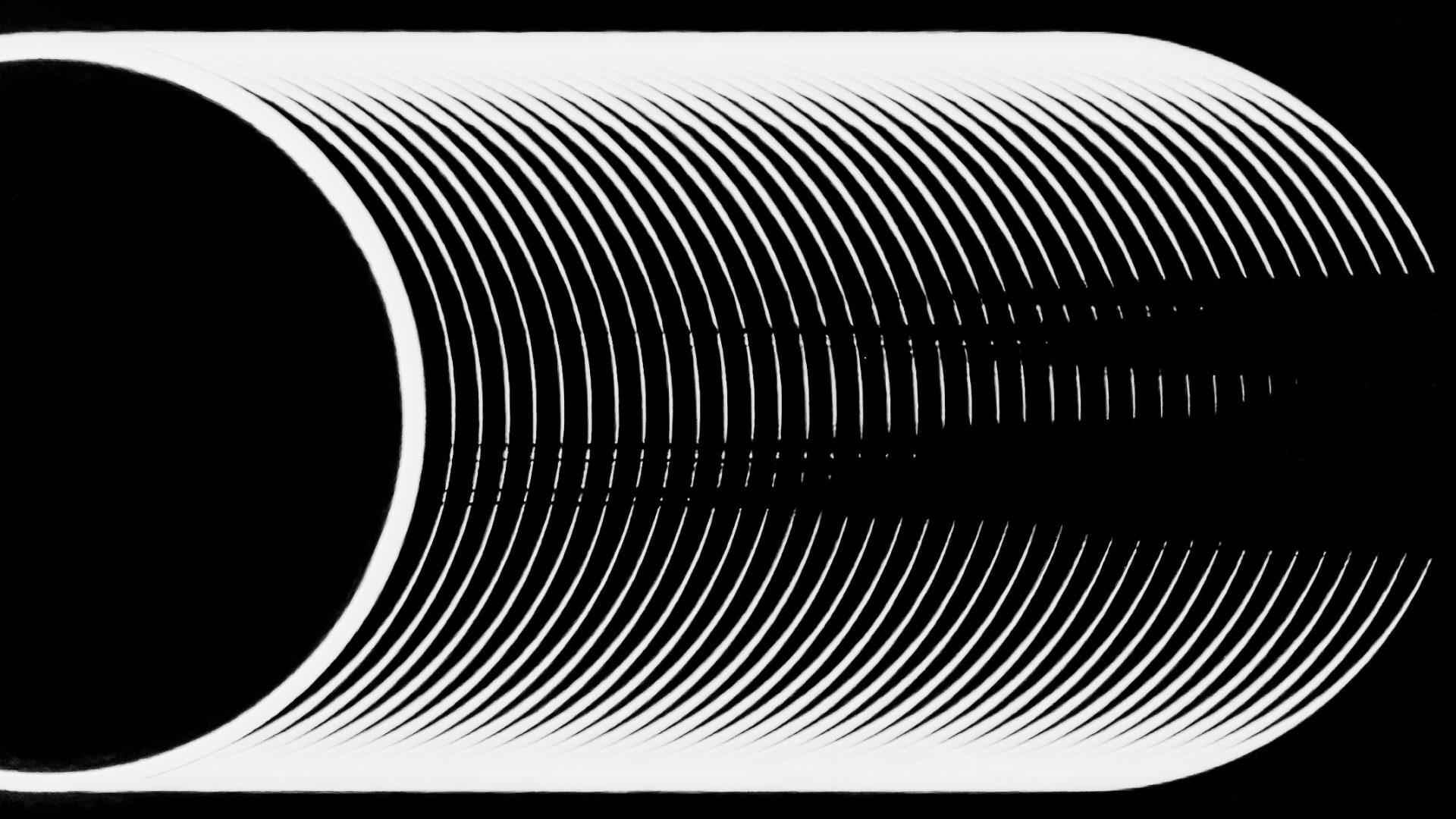
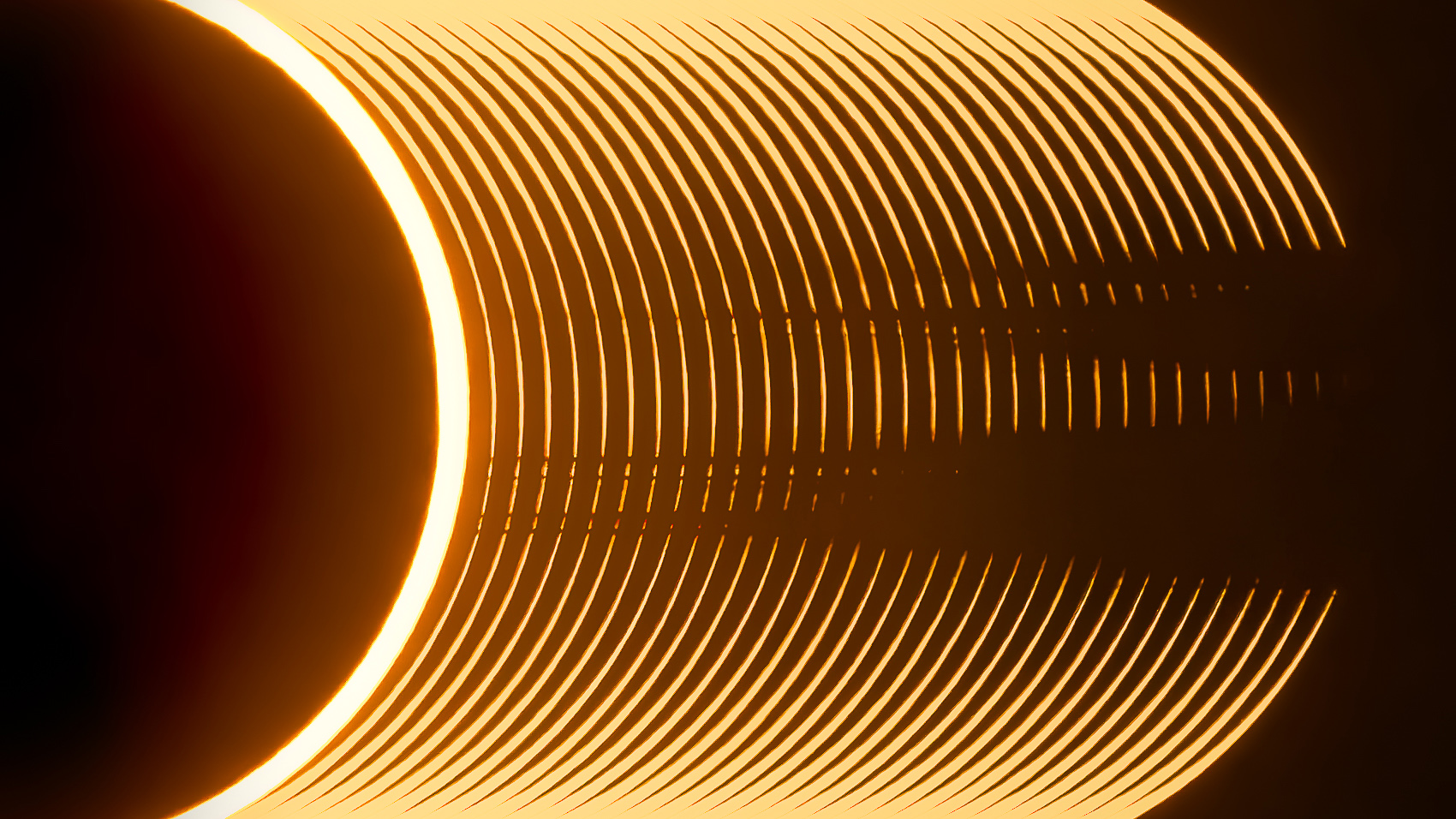
Solar eclipses are magical. What is more magical about solar eclipses are the different moments within them, including the Baily’s Beads. During a total solar eclipse, as sunlight shines through gaps in the lunar terrain, it creates a stunning bead-like effect. Ryan Imperio, during the October 2023 solar eclipse, managed to capture a 10-second sequence of this image, creating a magical image. And this image fetched him the prestigious title of Overall Winner of Astronomy Photographer of the Year in 2024. In this article, we talk to Ryan and learn about his techniques behind capturing these images.
Beginnings are always special
Back in 2017, Ryan experienced his first solar eclipse. With this humble setup which included a recently purchased Nikon D90 camera paired with a 300mm lens and a basic tripod, he and his friend travelled to the west of the USA. They camped at a farm overnight to catch a glimpse of the solar eclipse on the next morning.
“As the eclipse began, it was quite the thrill but also very stressful. Much of my time being in the Moon’s shadow was spent manipulating the camera, refocusing, adjusting exposures, and simply not taking the time to enjoy the event.”
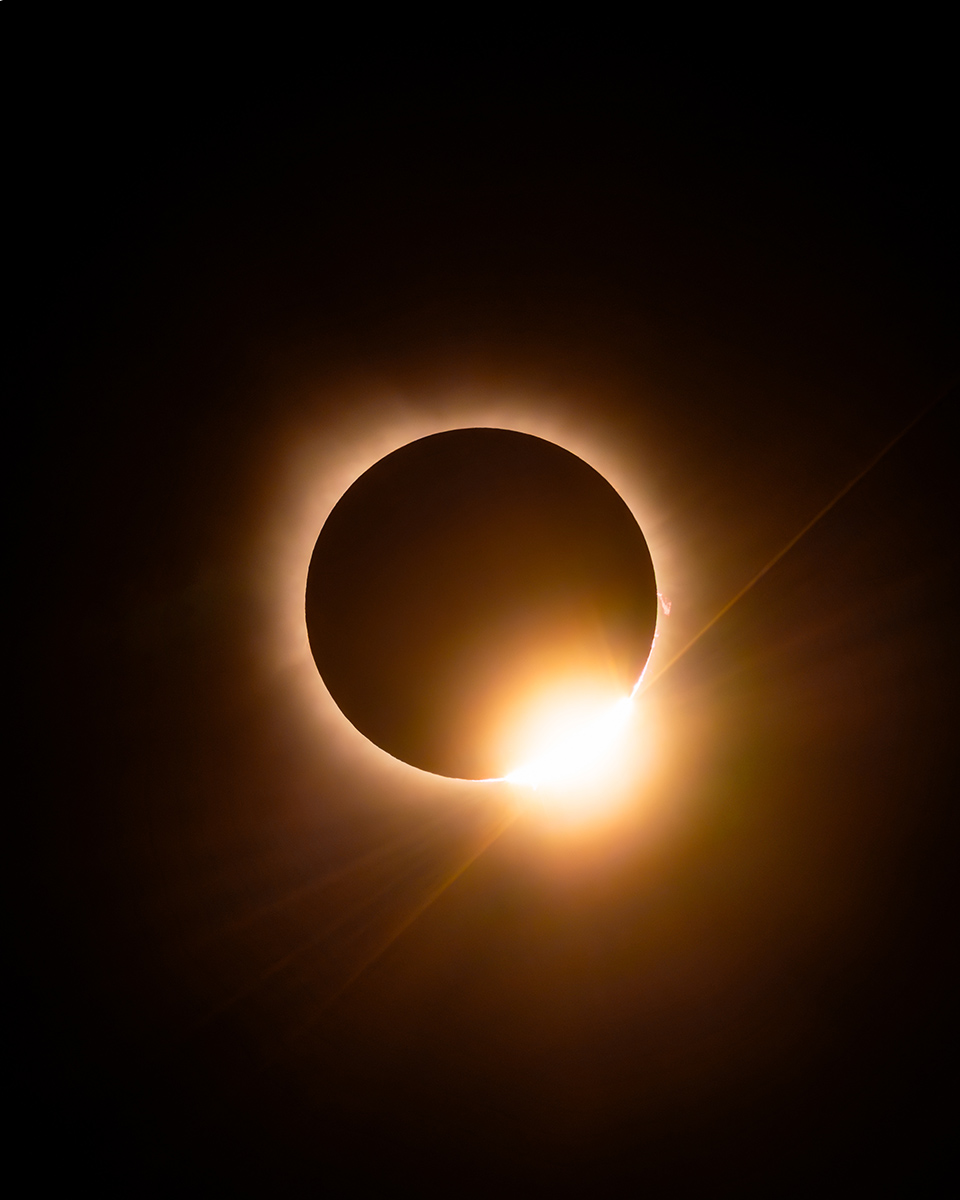
While Ryan got some pretty interesting images of the event, he realized the opportunity for further improvement in his techniques and equipment. However, the most important takeaway from the event was his sheer interest in astrophotography. Since 2017, he has fallen in love with not only the sun and moon but also the Milky Way, meteors, star trails and other unique astronomical phenomena.
Plan, revise, plan
In astrophotography, planning is crucial. Whether that is the knowledge of the astronomical event or the location, being ready just in time is essential. To photograph the 2023 solar eclipse, the first challenge for Ryan was to decide on the location. Considering the eclipse path and weather forecast, he chose Texas and booked a last-minute flight to San Antonio. However, things do not always go according to plan. After arriving in San Antonio, the forecast changed, and so did Ryan’s plan. He and his friend drove further west (of course following the eclipse path) and finalized the location at Odessa.
For this event, he prepared his equipment, including a Nikon D810 camera along with lenses like Tokina 11-16mm, Tamron 24-70mm, and a Sigma 150-600 contemporary. This was accompanied by a sturdy tripod, Thousand Oaks optical full aperture solar filter, and a portable tracker iOptron Skyguider Pro.
The field experience with Bailey’s Bead
While Ryan came fully prepared for the eclipse, improvisation in the field is important. At a university campus in Odessa, he came across a full-sized replica of Stonehenge and planned for a wide-field image of the eclipse with this unique foreground. Strong Texas winds, however, had different plans.
“Even with a sturdy tripod, I felt there was too much vibration that could result in blurred images taken during the eclipse. So, I decided to move closer to a building where my camera was sheltered from wind gusts.”
The next challenge on the field was to do a polar alignment of the tracker. To track the sun’s movement in the sky and reduce the hassle of reframing the sun every minute, Ryan decided to use a portable star tracker for his images. To use a star tracker, one has to align it to the North Pole (in the northern hemisphere). This is achieved with the help of Polaris at night. In the daytime, it is not easy to do it without any reference in the sky. To overcome this, Ryan used a smartphone app and a compass, which gave him a decent polar alignment.
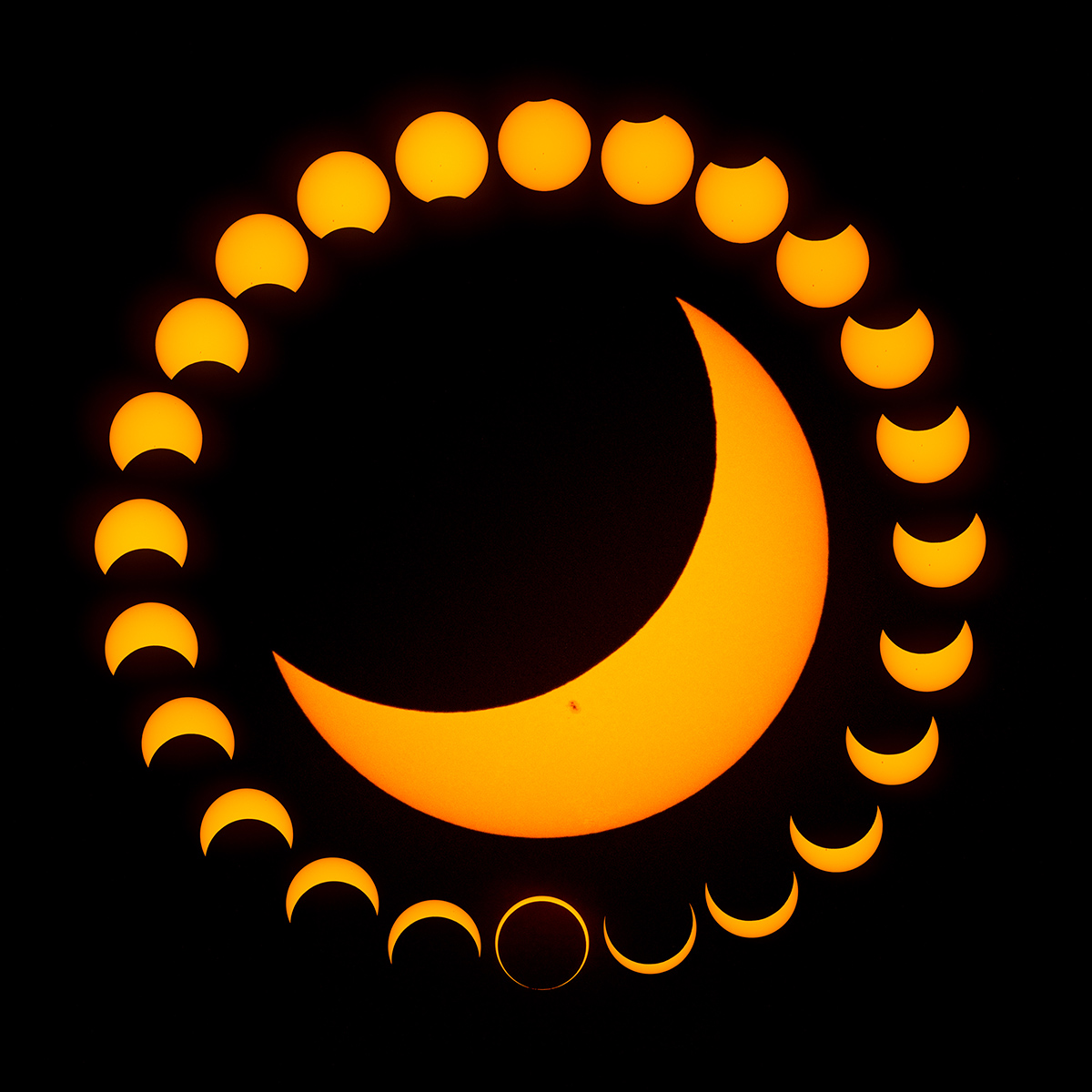
The next hurdle was to calculate the timing. Events like Bailey’s bead span over a few seconds and if you are not ready, it will be over even before you realize.
“I needed to know precisely when the edge of the Moon would cross the Sun’s limb. Fortunately, all the math was already calculated online, and I only needed to input my geographical coordinates. From research, I knew that there was about a 10 to 15 second timeframe during each end of the eclipse in which the beads could potentially form.”
Ryan used a smartphone timer app that is connected to atomic clocks to pinpoint the timing down to the accuracy of milliseconds. He shot continuously at three frames per second with a few buffer seconds before and after Bailey’s beads. He captured around 30 images over 10 seconds to document the event.
Astrophotography makes memories
While the 2023 solar eclipse happens to be one of Ryan’s most memorable events, he shares with us another astrophotography event that he cherishes.
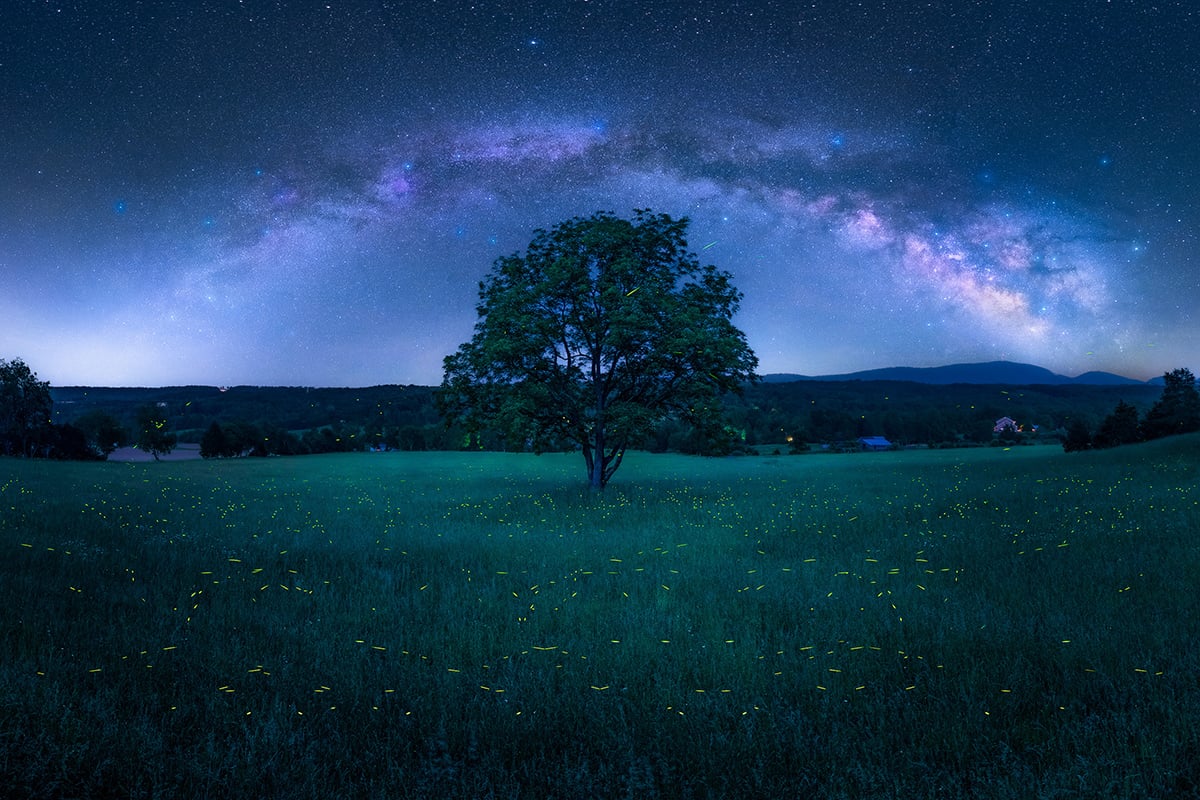
One weekend, with clear night forecasts, Ryan drove to his hometown to capture the Milky Way. His initial intention was to drive to a mountain region. His neighbor, however, invited him to do the night photography session from his property. Both Ryan and his neighbor started scouting for a perfect location. Finding “the spot” is not always easy. But they managed to find an “unexpected” location within the property with a lonely tree overlooking the valley, and luckily, it aligned perfectly with the Milky Way.
“Before his passing, I was able to share the resulting image with the neighbor, and he absolutely loved it. Never did he know such a gem existed right outside his doorstep, and it was my passion for photography that allowed him to appreciate what was in his own backyard. His wife still talks about the photo to this day!”
Tips from an award-winning astrophotographer
Ryan shares with us his top tips for aspiring astrophotographers.
- It is essential to have a plan that is flexible.
“It’s an excellent idea to have a strategy before shooting, especially when it comes to any type of night photography, but there will always be unexpected variables. Try to work with them. Sometimes the image you capture may turn out better than initially planned!”
- Make the most out of the gear that you already have.
“Capturing amazing images can still be accomplished using the simplest of setups. For my eclipse image, I did not use a high-powered telescope or sophisticated computerized-tracking software. All I basically needed was a camera, telephoto lens, and solar filter. “
- Go beyond the camera, enjoy the moment.
“It’s easy to get caught up with the camera and all of the technical adjustments needed to setup a photo, but don’t let that distract from appreciating what is actually in front of you.”
About the photographer and his love for the sky
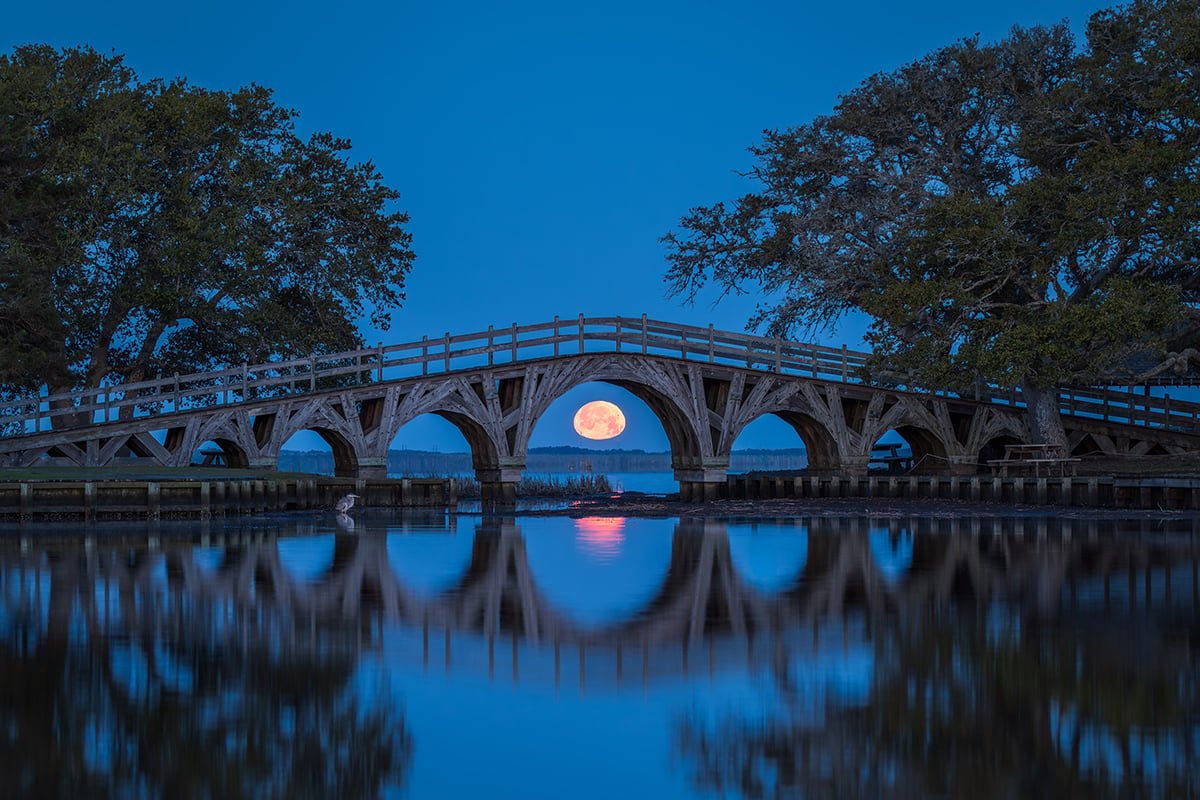
Ryan Imperio, hailing from North Carolina, USA, loves travelling, hiking and outdoor adventuring. By profession, he is an ophthalmic photographer, a speciality focused on imaging the human eye and its intrinsic structures for medical diagnosis and research. After he took up nature and astrophotography, he realized that this genre resonates with his science background and, of course, with him. He loves discovering hidden cosmic treasures of the night sky with his camera.
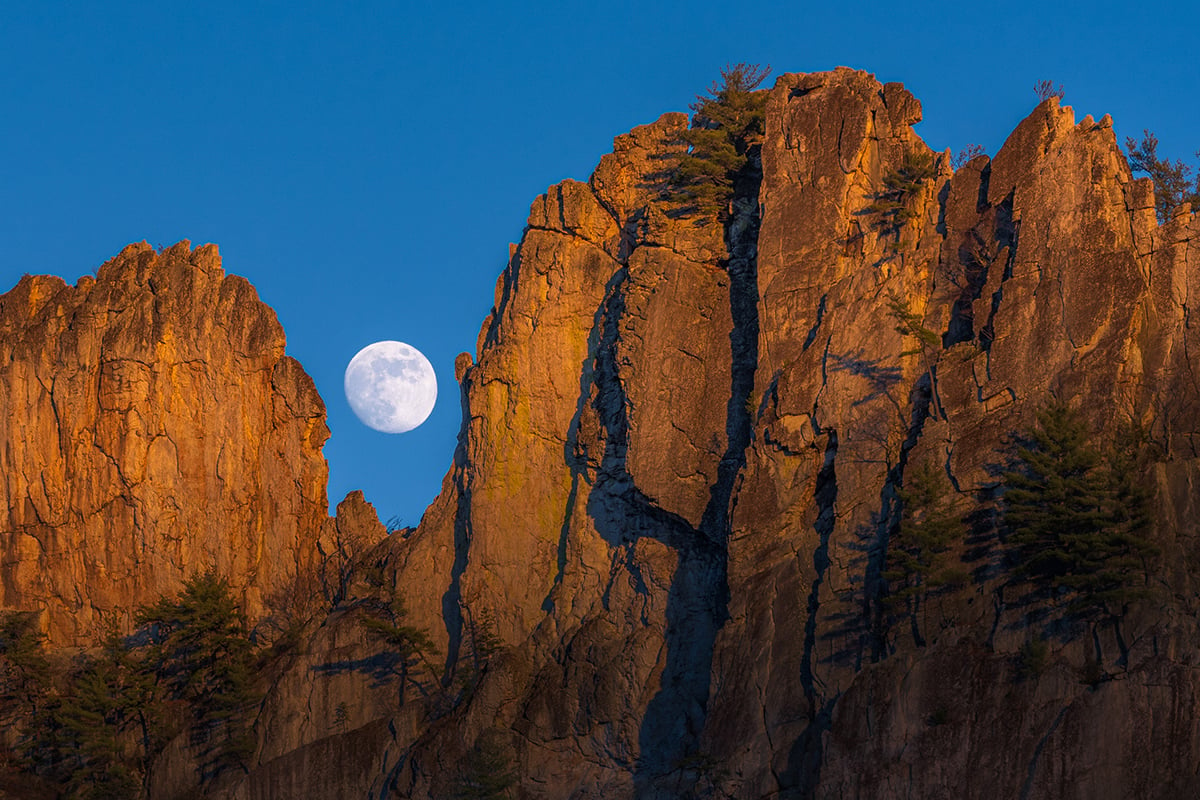
“We are fortunate to live in an age when it can be revealed by amateur photographers, like myself, using only a modest range of gear. I am always awe-struck of just how well a camera with a sensor size measured in millimeters can capture the details of the vast universe far beyond our world.”
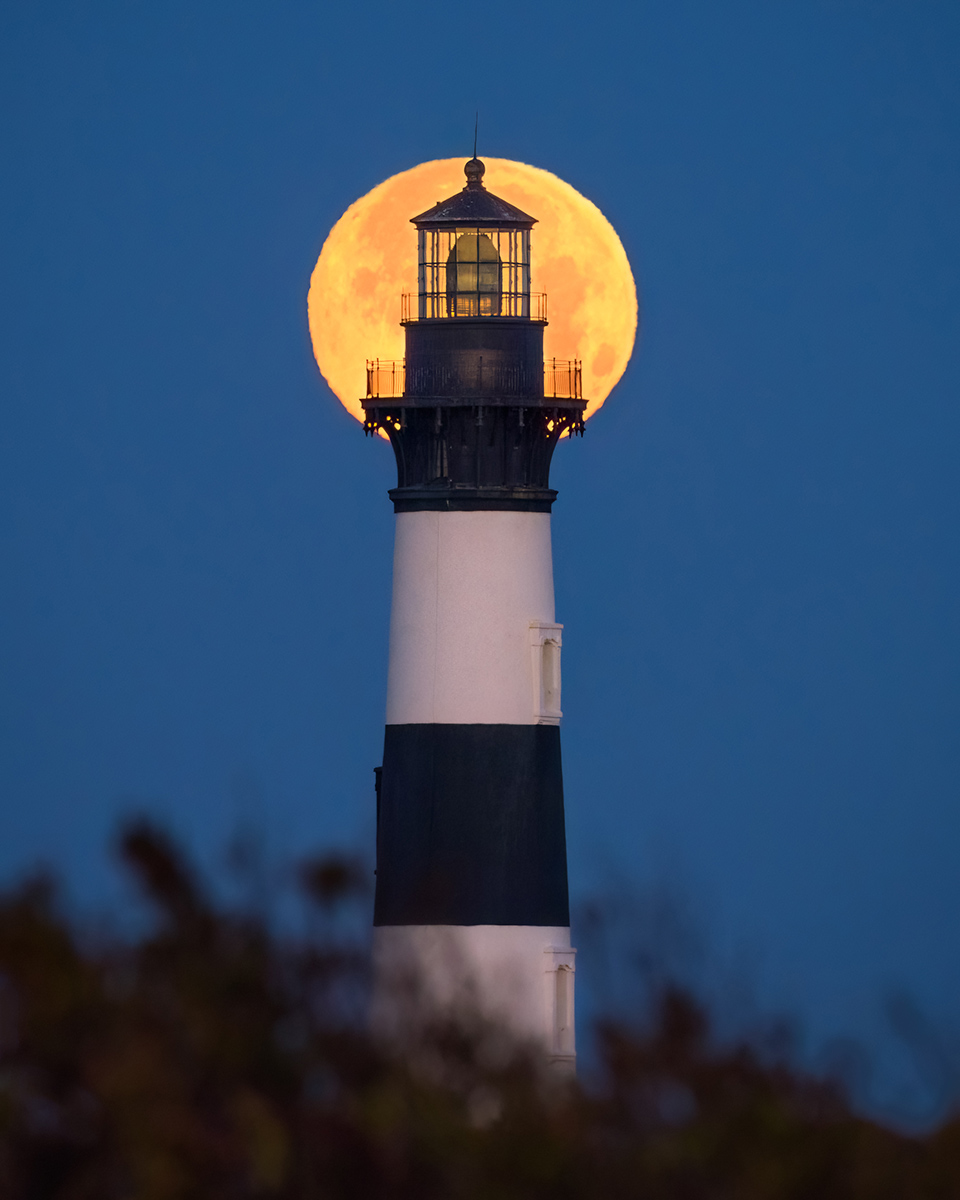
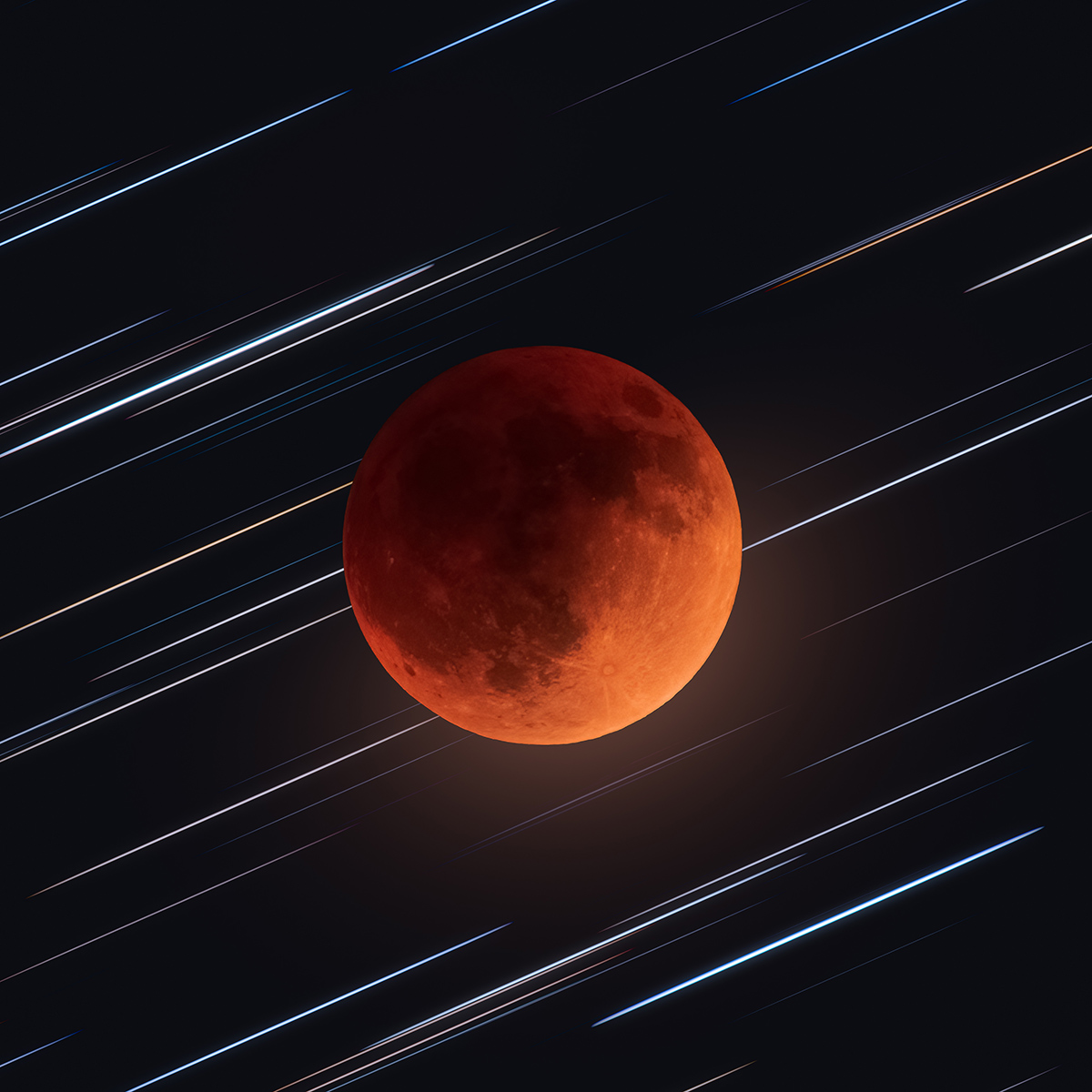
Here are a few more images from Ryan.
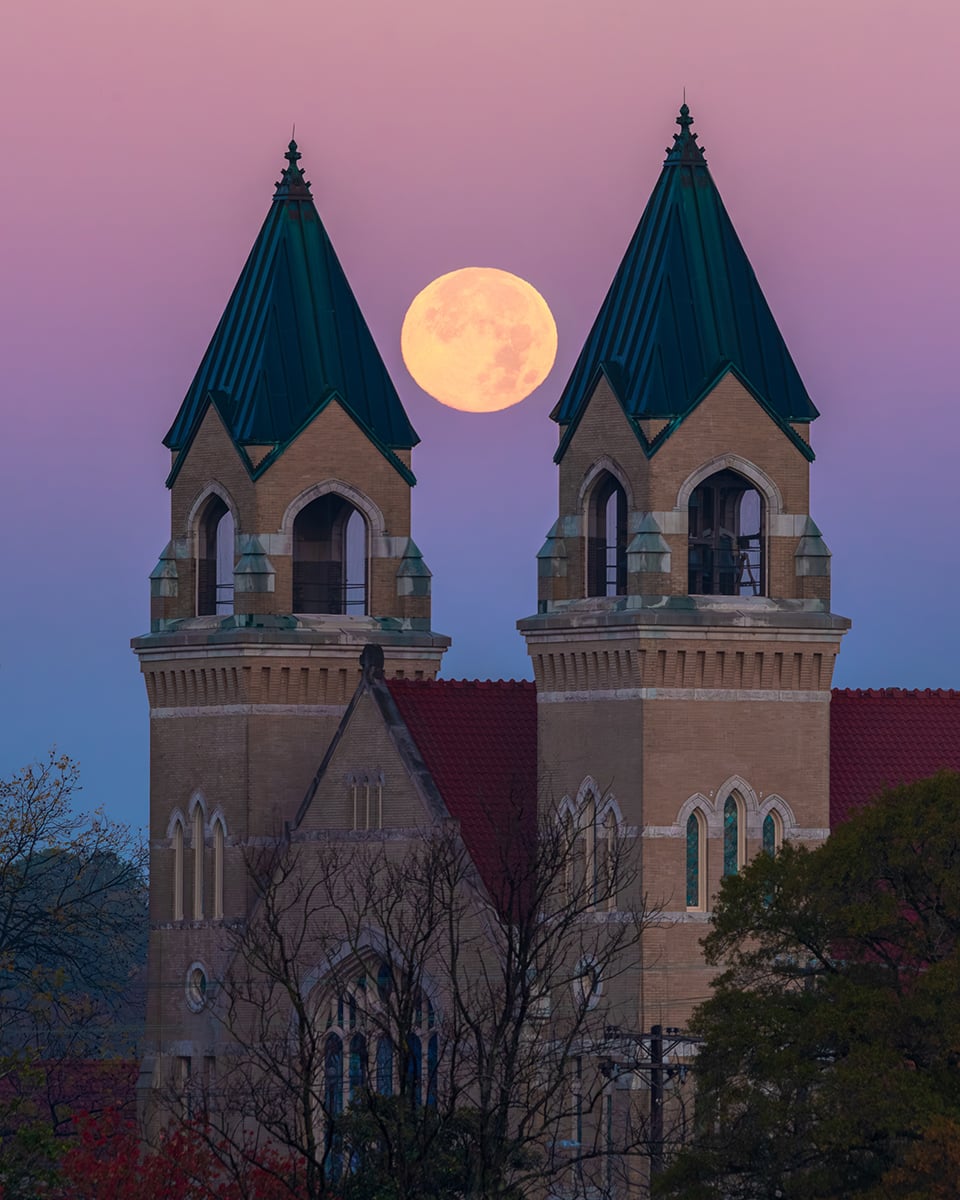
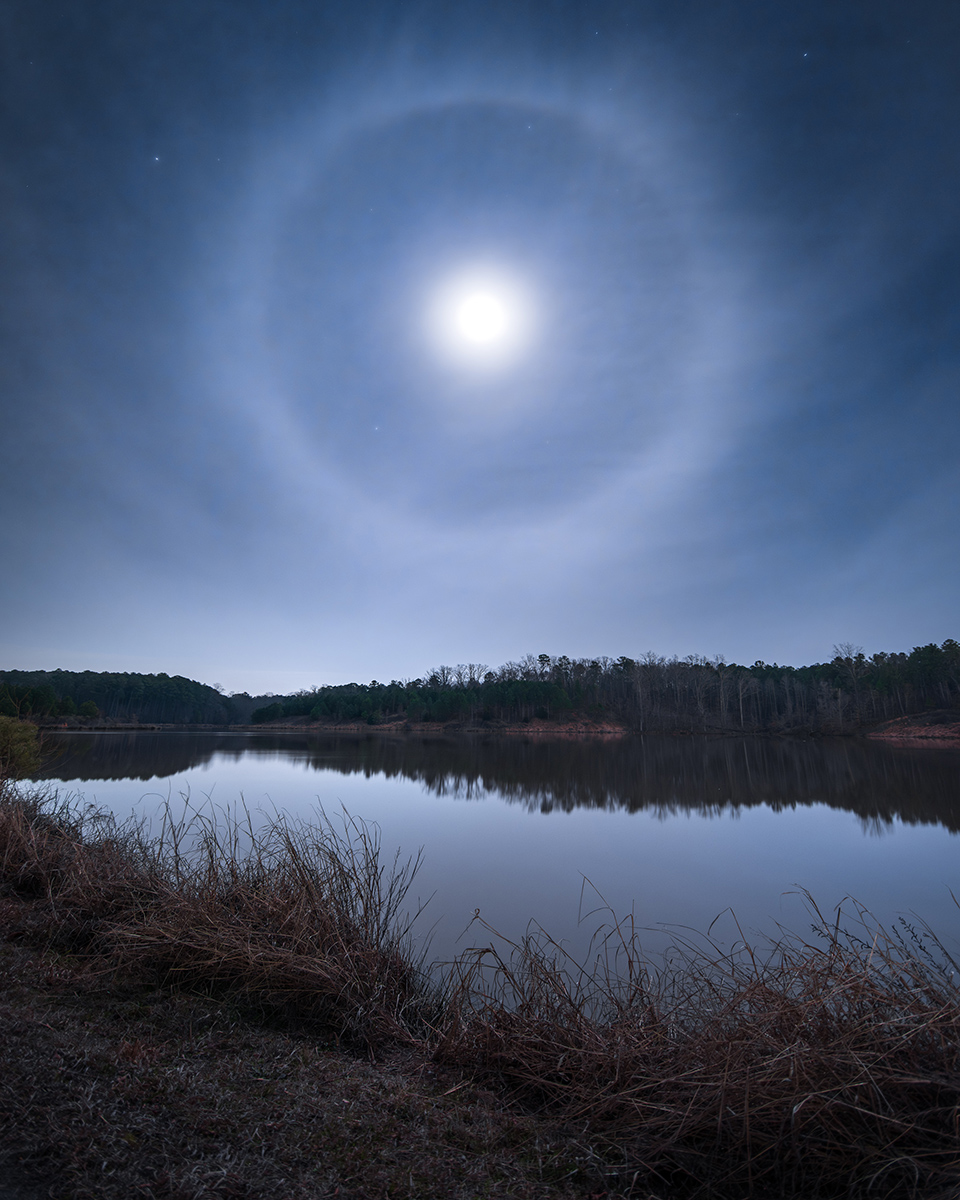
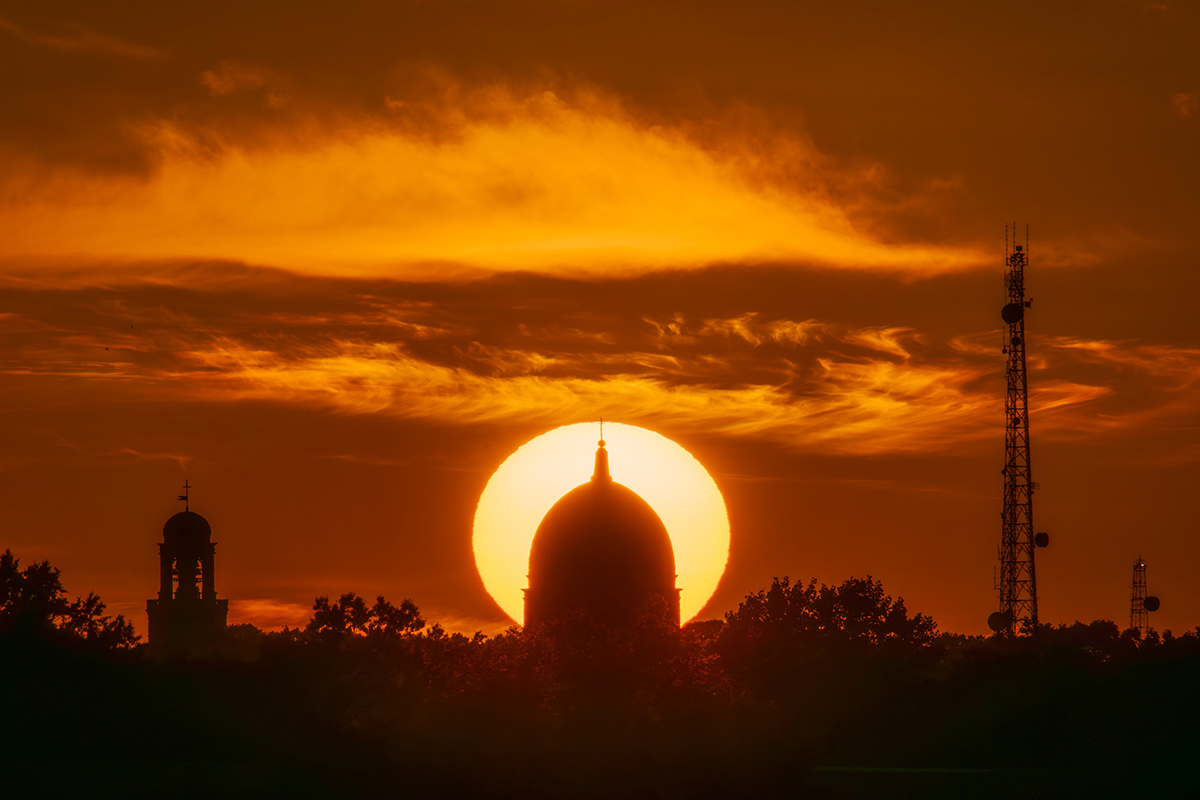
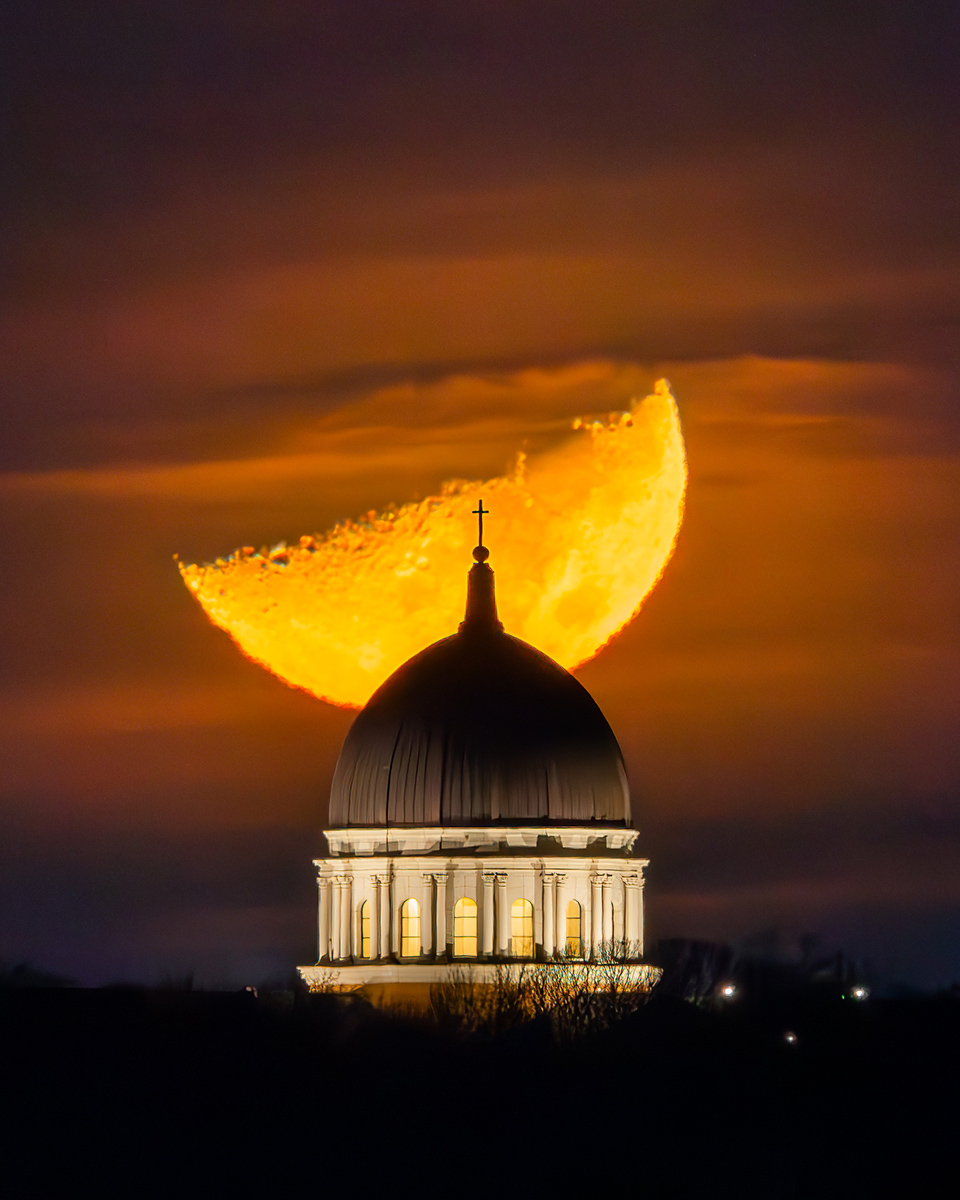
You can find more of Ryan’s work on his instagram feed.
Clear skies!
See more from DIYPhotography.net on Google
Add DIYPhotography.net as a trusted source. This makes
our stories more likely to appear in your Google Search results.
 Add as a preferred source on Google

Soumyadeep Mukherjee
Soumyadeep Mukherjee is an award-winning astrophotographer from India. He has a doctorate degree in Linguistics. His work extends to the sub-genres of nightscape, deep sky, solar, lunar and optical phenomenon photography. He is also a photography educator and has conducted numerous workshops. His works have appeared in over 40 books & magazines including Astronomy, BBC Sky at Night, Sky & Telescope among others, and in various websites including National Geographic, NASA, Forbes. He was the first Indian to win “Astronomy Photographer of the Year” award in a major category.
Related Posts
 Watch as Rankin recreates one of David Bailey’s iconic photographs with Bailey’s help
 I photograph wildlife for a living and these are my tips for taking award-winning images
 Magical Bailey’s beads during solar eclipse wins 2024 Astronomy Photographer of the Year
 Get ready for the partial lunar eclipse tonight. Tips from an expert astrophotographer
Join the Discussion
DIYP Comment Policy
Be nice, be on-topic, no personal information or flames.