


















Beyond the obvious: How to capture unnoticed details and make striking photos
Dec 31, 2024
Dunja Đuđić Kalinin
Dunja Djudjic is a multi-talented artist based in Novi Sad, Serbia. With 15 years of experience as a photographer, she specializes in capturing the beauty of nature, travel, concerts, and fine art. In addition to her photography, Dunja also expresses her creativity through writing, embroidery, and jewelry making.
Share:
Alex Kilbee explores a fascinating topic in his latest video: why some of the best photographs go unnoticed and what photographers can do to create impactful images. While wandering through an airplane museum, Alex dives into lessons about composition, light, and connection with your subject. Here are the key takeaways from his experience.
Look for the details, not just the big picture
It’s easy to be overwhelmed by grand scenes or iconic subjects and try to capture everything in one frame. This creates a bit of chaos in the frame, diluting the emotional and visual impact of your image. Instead, focus on smaller, overlooked details—shapes, textures, or colors that tell a story within the larger scene.
For example, rather than photographing an entire airplane, Alex zooms in on the propeller, the curve of the wings, or the texture of the rivets. These elements not only showcase the artistry behind the subject but also evoke a deeper emotional connection.
Find your connection to the subject
One insight Alex shares is how proximity can affect your photography. He noticed that he feels more connected to his subjects when he’s physically closer to them. This closeness translates into more meaningful images for him. If you feel distant or disconnected, it’s likely your viewers will too.
Of course, this doesn’t mean you have to always shoot from up close. You should find a way to connect emotionally with what you’re capturing, no matter if it’s near or far. Think about what draws you to the subject and try to communicate that through your image.
Master the use of light
Alex emphasizes the critical role of light in photography, particularly when it comes to creating form and depth. Flat lighting, such as overhead light or evenly diffused light, can make subjects appear lifeless and two-dimensional. To avoid this, look for directional light that casts shadows and highlights textures. Keep in mind, though, that the overcast days are perfect for portraits and even moody landscapes. But if you want to focus on smaller details and textures, contrasty light is almost always a better option.
Embrace limitations
Photography often requires adapting to constraints, whether it’s poor lighting, crowded spaces, or even dead camera batteries (as Alex humorously recounts). Rather than letting these challenges frustrate you, see them as opportunities to think creatively. We’ve talked about it many times, and it reminded me of my own experiences of travel and event photography.
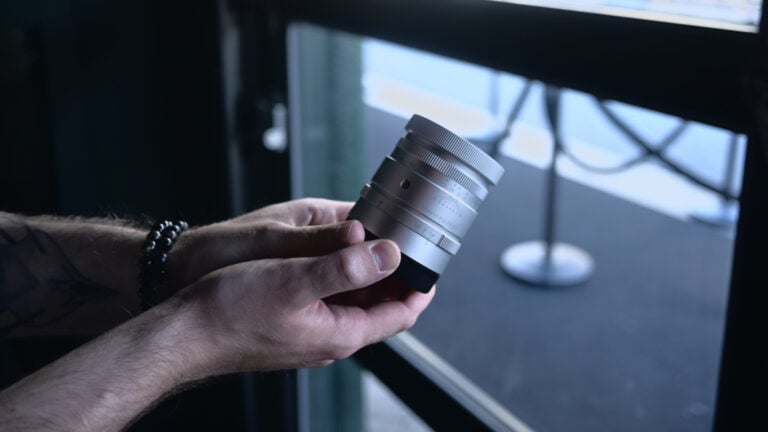
In Alex’s case, he had to rely on his phone camera and rethink his approach to framing due to lens limitations. This shift led to unexpected compositions and new ideas.
Simplify your composition
Cluttered backgrounds can distract from your subject. So always pay attention to what’s behind and around your focal point. Look for ways to isolate the subject, whether by changing your angle, using a longer lens, or adjusting your depth of field.
In one example, Alex found success in the museum’s American Airwing section, where directional light and a simpler ceiling helped his compositions stand out. By contrast, he struggled in busier areas with flat lighting and distracting elements.
Consider the role of post-processing
Alex touches on the question of how much editing is too much. While it’s tempting to clone out every distraction or manipulate elements to create a “perfect” image, he warns you not to overdo it. The goal should be to enhance your photo without losing its authenticity.
When editing, ask yourself: “Am I improving the image or stripping it of its character?” The answer will guide you toward a balanced approach to post-processing.
In conclusion, great photos often emerge from the smaller, quieter moments and the overlooked details that others might miss. So, the next time you’re in an overwhelmingly large or chaotic environment or at a major tourist attraction, keep these tips in mind if you want to create more meaningful and impactful photos.
[What’s the Real Reason Behind The Best Photos Being Overlooked? via FStoppers]
See more from DIYPhotography.net on Google
Add DIYPhotography.net as a trusted source. This makes
our stories more likely to appear in your Google Search results.
 Add as a preferred source on Google

Dunja Đuđić Kalinin
Dunja Djudjic is a multi-talented artist based in Novi Sad, Serbia. With 15 years of experience as a photographer, she specializes in capturing the beauty of nature, travel, concerts, and fine art. In addition to her photography, Dunja also expresses her creativity through writing, embroidery, and jewelry making.


Join the Discussion
DIYP Comment Policy
Be nice, be on-topic, no personal information or flames.