



















Askar Launches N210: A 210mm f/3.4 Newtonian Telescope
Sep 2, 2026
Soumyadeep Mukherjee
Soumyadeep Mukherjee is an award-winning astrophotographer from India. He has a doctorate degree in Linguistics. His work extends to the sub-genres of nightscape, deep sky, solar, lunar and optical phenomenon photography. He is also a photography educator and has conducted numerous workshops. His works have appeared in over 40 books & magazines including Astronomy, BBC Sky at Night, Sky & Telescope among others, and in various websites including National Geographic, NASA, Forbes. He was the first Indian to win “Astronomy Photographer of the Year” award in a major category.
Share:
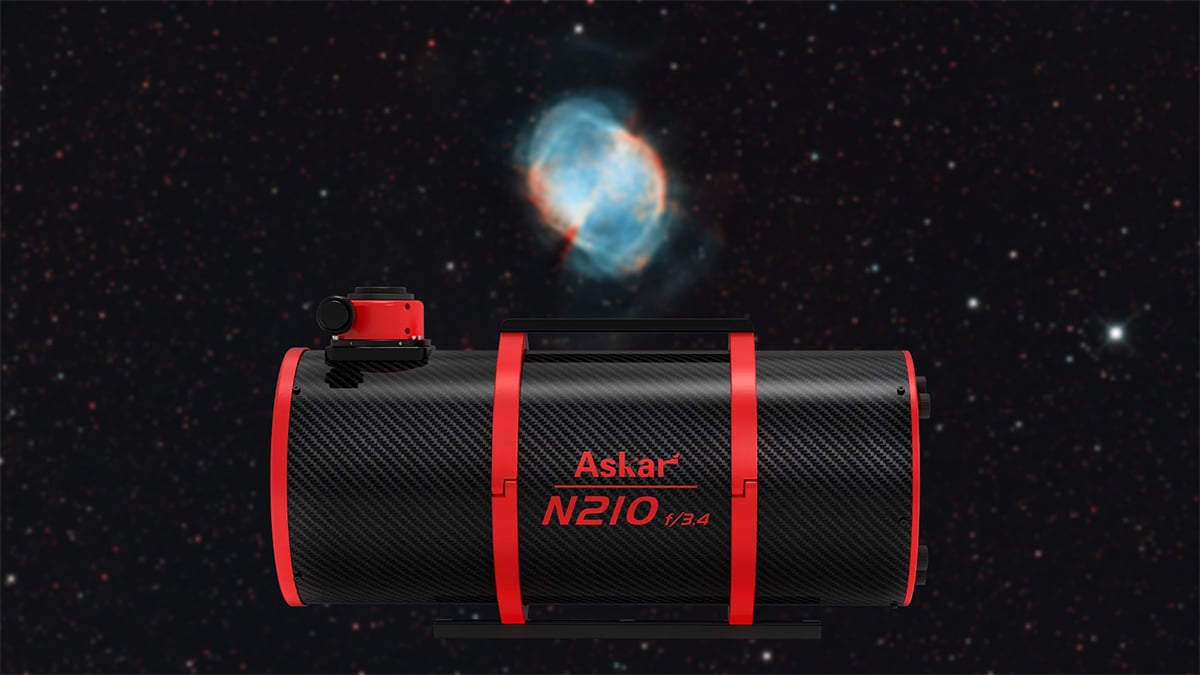
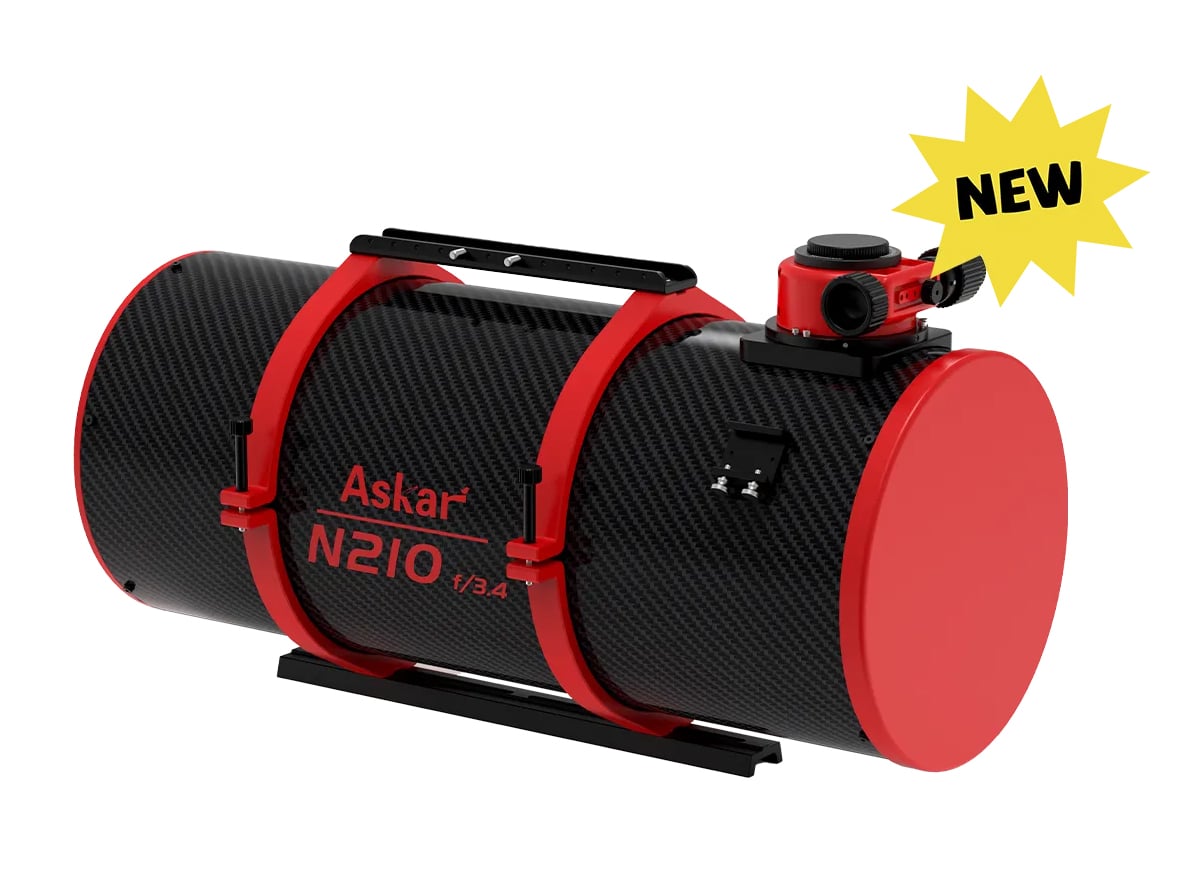
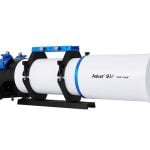
Askar has added a much larger telescope to its N-series of Newtonian astrographs. They have launched the new Askar N210. It follows the smaller N160 in Askar’s Newtonian range. With its larger mirror, it moves the series into a different class of imaging telescope. It also retains several features that have become important for astrophotography, including a carbon-fiber tube, a rack-and-pinion focuser, and support for electronic focusing.
The telescope has a native focal length of 756mm and a 210mm aperture. That gives it a native focal ratio of f/3.6. Askar also supplies a dedicated 0.95x coma corrector with the telescope. Once fitted, the focal length drops to 718mm, and the system operates at f/3.4. Askar specifies APS-C imaging as the intended format for the telescope.
A 210mm parabolic mirror
The N210 starts with a 210mm primary mirror made from high-borosilicate glass. Askar uses a parabolic mirror, the standard optical form for Newtonian reflectors intended for serious imaging and high-resolution observation. The mirror sits inside a dedicated support structure designed around the larger optical system.
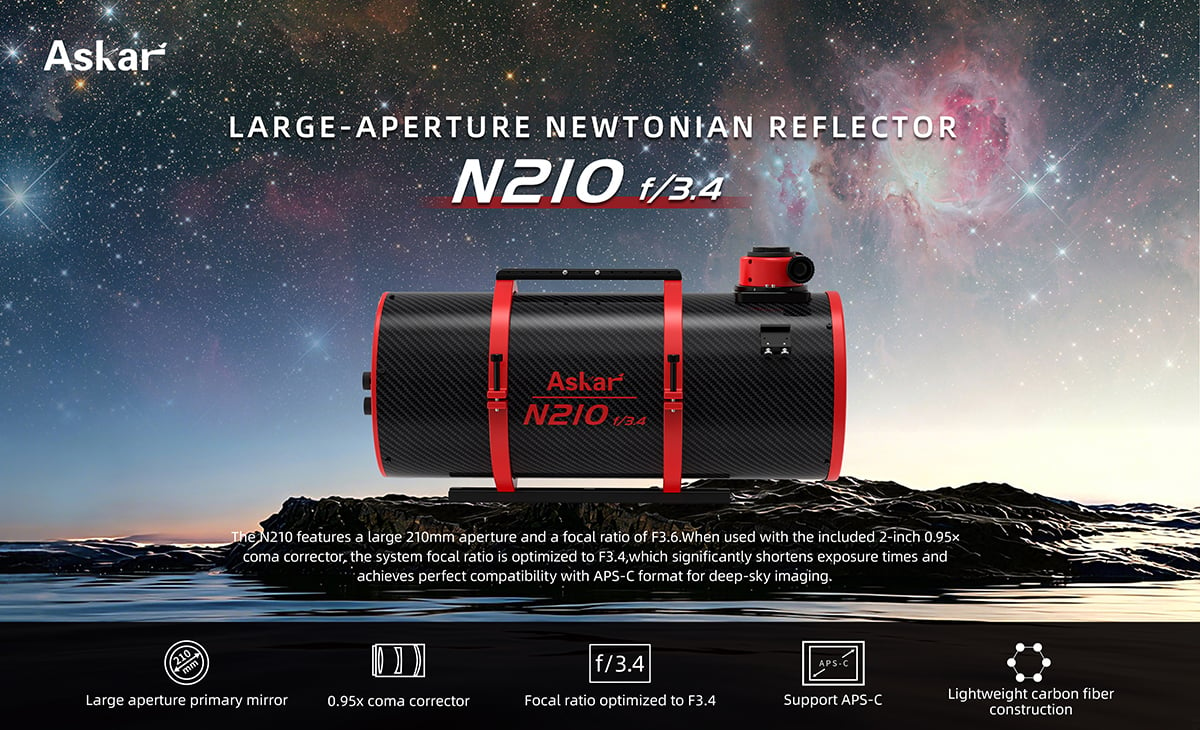
The 756mm focal length gives the N210 its native f/3.6 focal ratio. That is already a fast system for a telescope with a 210mm aperture. The focal ratio becomes even faster when the supplied coma corrector is added.
The larger aperture also gives the N210 a different role from a small wide-field refractor. Its 756mm focal length can frame many galaxies, globular clusters, and smaller nebulae at a useful scale. It can also work with modern astronomy cameras that use relatively large pixels or APS-C sensors.
Coma corrector
Coma (comatic aberration) is one of the main optical issues that Newtonian astrophotographers have to manage. It becomes increasingly important as the focal ratio becomes faster. Without correction, stars towards the edge of the field can appear stretched into small comet-like shapes.
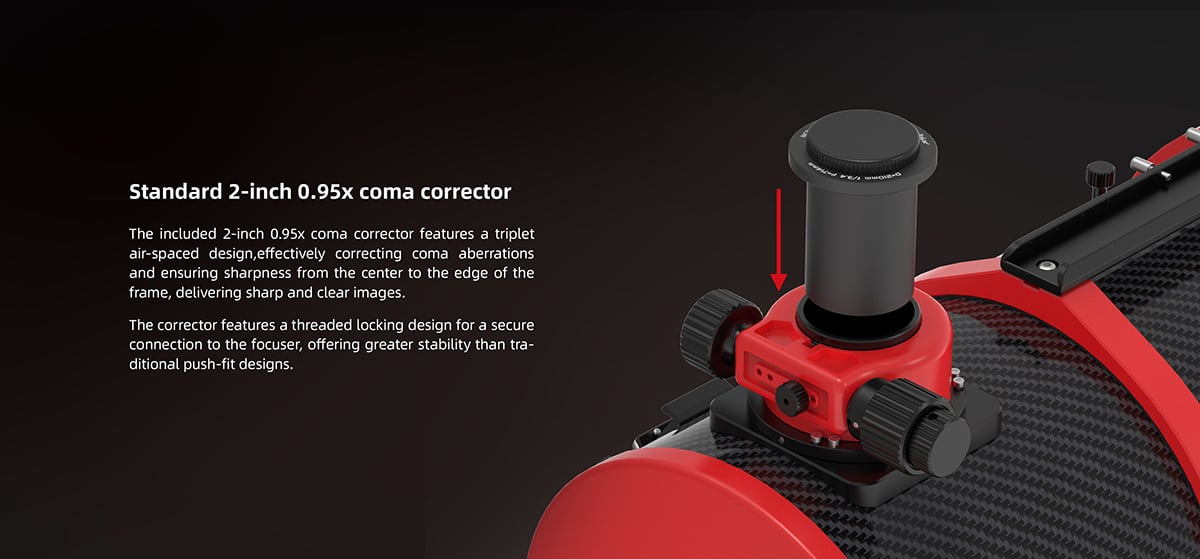
Askar supplies a three-element 0.95x coma corrector with the N210. The accessory reduces the 756mm focal length to 718mm. At the same time, it changes the focal ratio from f/3.6 to f/3.4.
The corrector is intended for APS-C imaging. Askar’s separate 2-inch 0.95x corrector specification also describes a triplet optical design and an optimum image circle of 28mm, which corresponds closely to the APS-C format.
The mechanical design
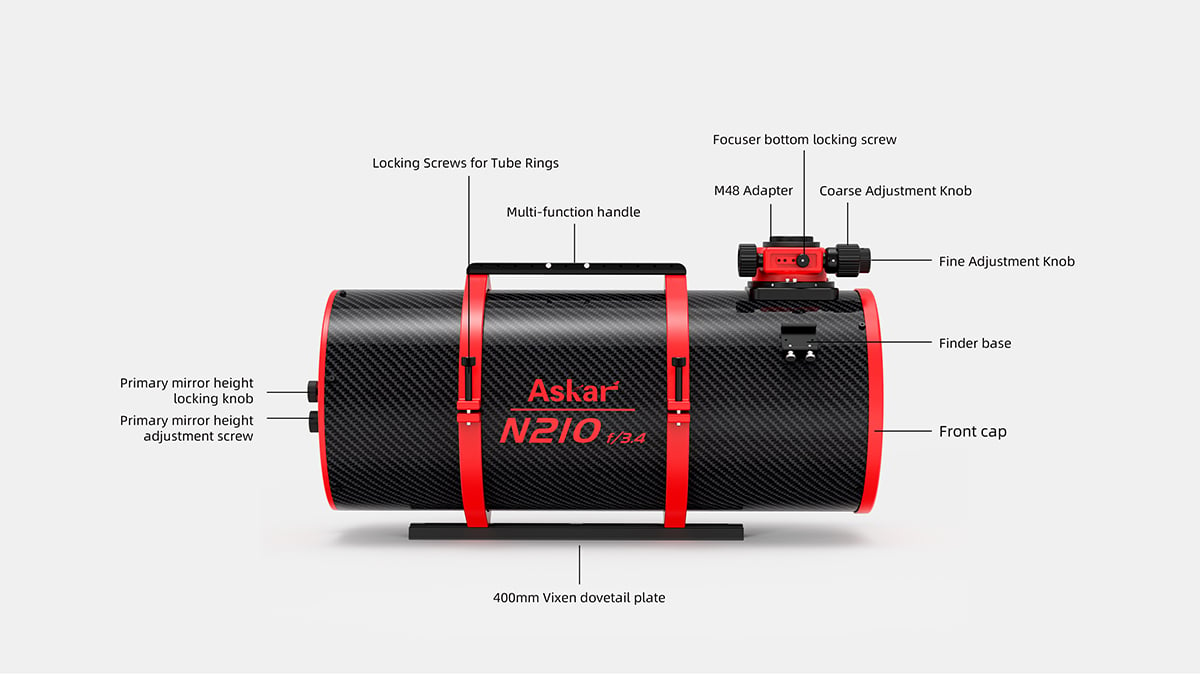
Askar has given the N210 a dedicated surrounding support structure for the primary mirror. The company also provides separate adjustment and locking controls for the mirror. The arrangement allows the user to make collimation adjustments and then lock the mirror in position.
The secondary mirror assembly has also received an update. The secondary bracket has four pre-drilled holes. These allow users to attach a rain cover with screws when the telescope is stored or protected outdoors. The company has also moved to a reinforced one-piece secondary structure.
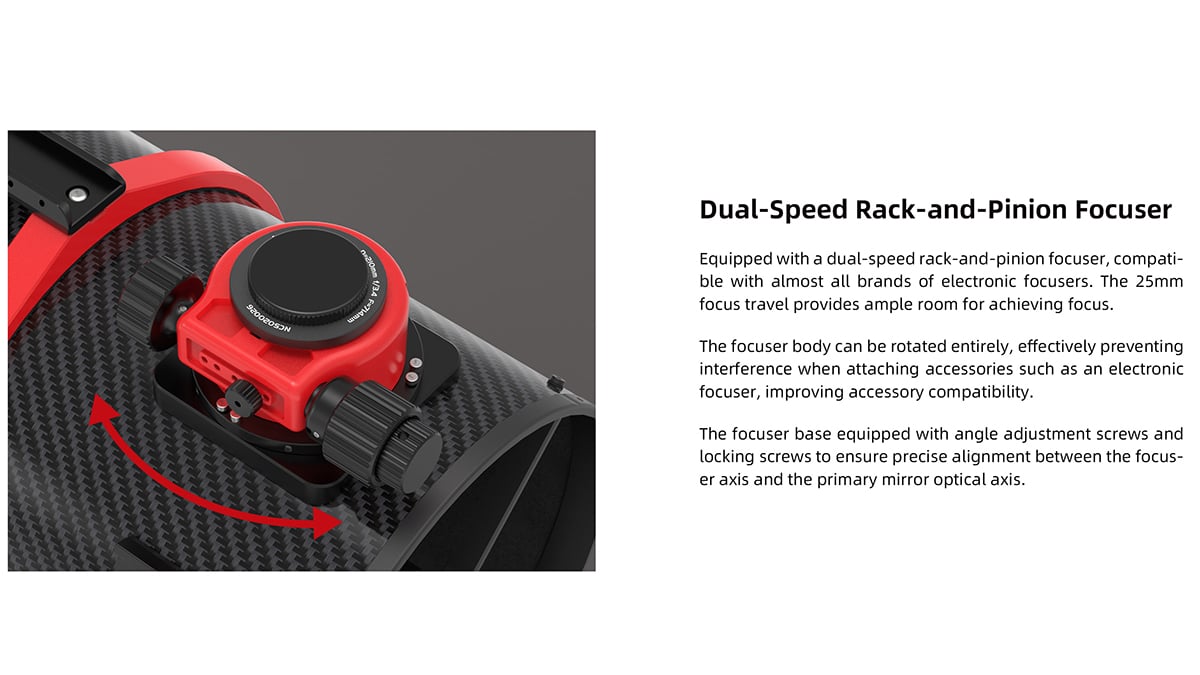
The N210 uses a dual-speed rack-and-pinion focuser with 25mm of focusing travel. Askar says it is compatible with almost all brands of electronic focusers. That makes it possible to integrate the telescope into an automated imaging setup. The focuser can also rotate, giving the user more control over camera orientation.
A carbon-fiber tube
The N210 uses a carbon-fiber optical tube. The optical tube assembly weighs about 7.9kg. That figure applies before adding the camera, coma corrector, filter wheel, guide camera, and other imaging equipment. The final system weight will consequently be higher.
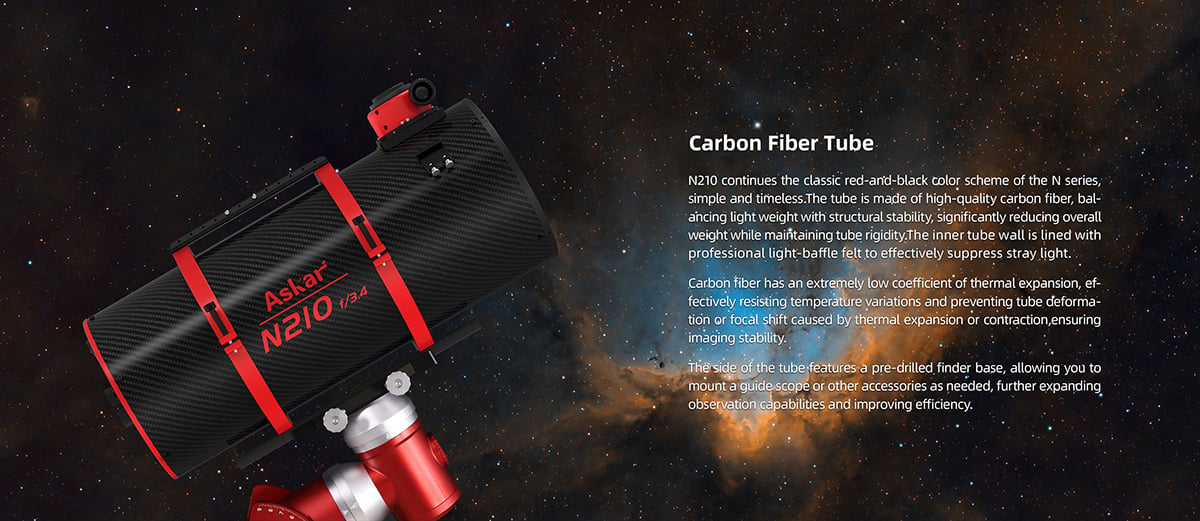
That is an important point for anyone considering a 210mm Newtonian. Aperture comes with a physical cost. The telescope is considerably larger than the compact refractors commonly used for deep-sky photography, and its mount needs enough capacity to handle the complete imaging system.
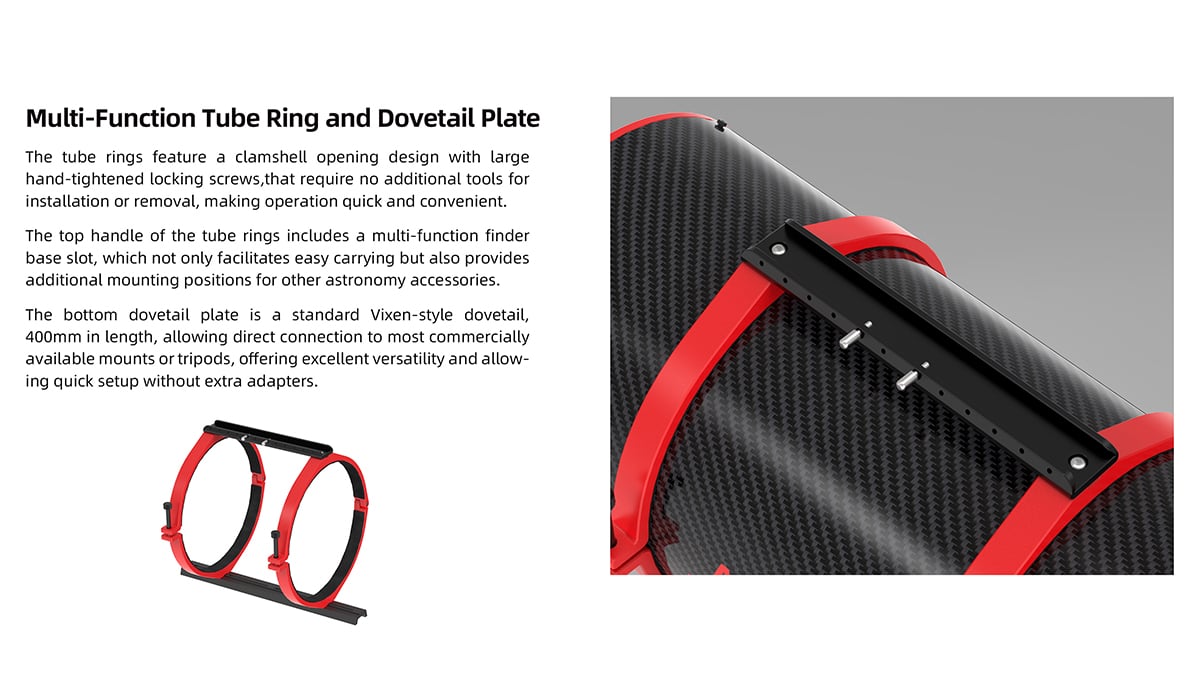
Askar supplies the N210 with a 400mm Vixen-style dovetail plate. The long mounting plate provides room for balancing the optical tube on an equatorial mount.
Key specifications, price and availability
Here are the key specifications of the Aksar N210:
| Aperture size | 210mm |
| Focal length | 756mm(without Corrector)/714mm(with Corrector) |
| Focal ratio | F3.6(without Corrector)/F3.4(with Corrector) |
| Corrector reduction factor | 0.95× |
| Corrector type | Triplet design |
| Primary mirror type | Parabolic mirror |
| Format specifications | APS-C(28mm) |
| Tube material | Carbon fiber |
| Secondary mirror short axis diameter | 71mm |
| Lens tube outer diameter | 264mm |
| Lens tube total length | 640mm |
| OTA weight | 7.9kg |
| Gross weight | 9.8kg |
| Back focus | 55mm |
The Askar N210 is priced at $1,599 and is available for ordering via Askar’s website. Alternatively, you can also buy it from other web stores.
Clear skies!
See more from DIYPhotography.net on Google
Add DIYPhotography.net as a trusted source. This makes
our stories more likely to appear in your Google Search results.
 Add as a preferred source on Google

Soumyadeep Mukherjee
Soumyadeep Mukherjee is an award-winning astrophotographer from India. He has a doctorate degree in Linguistics. His work extends to the sub-genres of nightscape, deep sky, solar, lunar and optical phenomenon photography. He is also a photography educator and has conducted numerous workshops. His works have appeared in over 40 books & magazines including Astronomy, BBC Sky at Night, Sky & Telescope among others, and in various websites including National Geographic, NASA, Forbes. He was the first Indian to win “Astronomy Photographer of the Year” award in a major category.

Join the Discussion
DIYP Comment Policy
Be nice, be on-topic, no personal information or flames.