

















US Supreme Court Declines to Hear AI Copyright Case
Mar 6, 2026
Alysa Gavilan
Alysa Gavilan has spent years exploring photography through photojournalism and street scenes. She enjoys working with both film and mirrorless cameras, and her fascination with the craft has grown over the decades. Inspired by Vivian Maier, she is drawn to capturing everyday moments that often go unnoticed.
Share:

The debate over AI generated images and copyright reached another milestone this week after the Supreme Court of the United States declined to hear a case involving AI created artwork.
The dispute centered on whether an image produced entirely by artificial intelligence can receive copyright protection under United States law. According to a report by Reuters, the court’s decision leaves intact earlier rulings that say copyright protection requires human authorship.
The Case Behind the Decision
The case was brought by computer scientist Stephen Thaler, who sought copyright registration for an image titled “A Recent Entrance to Paradise.” Thaler said the work was created by his artificial intelligence system known as DABUS. The image shows train tracks leading into a portal surrounded by abstract plant-like forms in green and purple tones.
Thaler applied for copyright registration in 2018. The United States Copyright Office rejected the application in 2022, concluding that the work was not eligible for copyright protection because it lacked a human author.
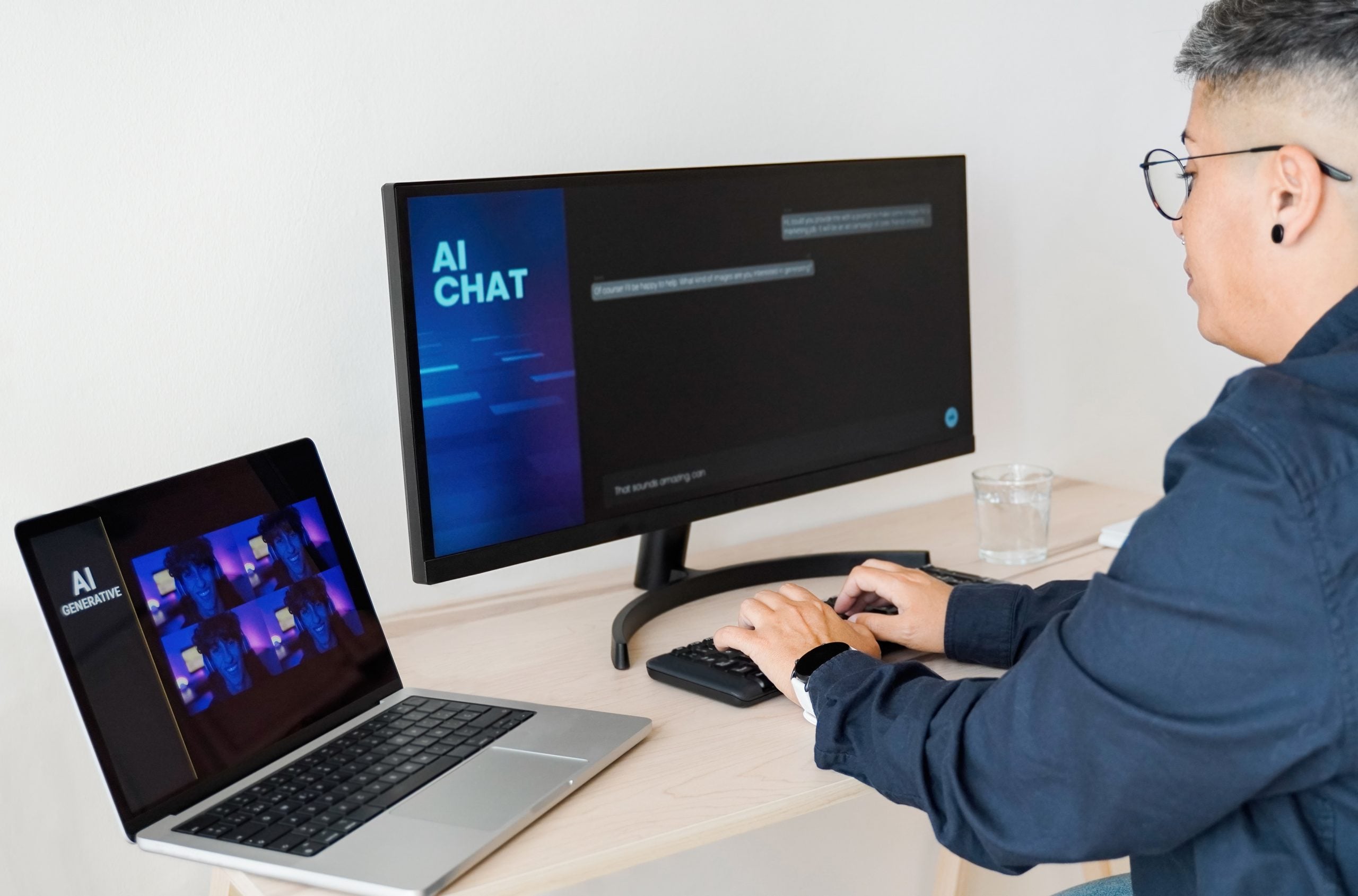
Thaler challenged the decision in court, arguing that the rapid development of artificial intelligence calls for broader legal recognition of machine generated works. A federal judge in Washington rejected that argument in 2023, stating that human authorship is a fundamental requirement of copyright protection. The United States Court of Appeals for the District of Columbia Circuit later upheld that ruling in 2025.
Thaler then asked the Supreme Court to review the case. The justices declined to hear the appeal, effectively leaving the lower court decisions in place.
Why the Ruling Matters for Photographers
For photographers and visual creators, the case touches on a growing question in the imaging industry.
Artificial intelligence tools now generate images from text prompts or modify photographs through automated processes. That raises questions about who owns the resulting images and how copyright law applies.
Current policy from the Copyright Office states that copyright protection requires meaningful human involvement in the creative process. Images generated entirely by an autonomous system do not qualify. If you create an image using AI tools but make significant creative decisions, some aspects of the work may still qualify for copyright protection.
The Thaler case focused on a scenario where the AI system was presented as the sole creator. Because no human authorship was claimed in the creation process, courts concluded that copyright law did not apply.

Other AI Copyright Disputes
Legal questions around AI generated imagery are still evolving.
According to Reuters, the Copyright Office has also rejected copyright claims involving images generated with the AI platform Midjourney. In those cases, artists argued that their prompts and creative direction should qualify them as authors.
These disputes highlight a key legal distinction. Courts and regulators are examining how much human control must be present before a work becomes eligible for copyright protection. That issue affects photographers, illustrators, and digital artists who incorporate generative tools into their workflows.
Another area of litigation involves the training of AI models on existing images. Several lawsuits filed by artists and image libraries claim that training datasets used copyrighted works without permission. Those cases are still moving through United States courts and could influence how AI systems are developed in the future.
Ongoing Legal Questions
The Supreme Court’s refusal to hear Thaler’s appeal does not settle the broader debate about AI and copyright. It even leaves the current legal interpretation in place for now. As generative tools become more common in photography and digital art, additional cases are likely to test the limits of existing law.
For creators who use AI tools in their workflow, the main takeaway remains clear. United States copyright protection still depends on human authorship. When you create images with AI assistance, the degree of human creativity involved may determine how those works are treated under the law.
See more from DIYPhotography.net on Google
Add DIYPhotography.net as a trusted source. This makes
our stories more likely to appear in your Google Search results.
 Add as a preferred source on Google

Alysa Gavilan
Alysa Gavilan has spent years exploring photography through photojournalism and street scenes. She enjoys working with both film and mirrorless cameras, and her fascination with the craft has grown over the decades. Inspired by Vivian Maier, she is drawn to capturing everyday moments that often go unnoticed.
Related Posts
 Supreme Court rules against Warhol in the Warhol/Goldsmith Prince photo case
 Copyright Claims Board first case: photographer win copyright case vs. lawyer
 Court finally rules in the ‘monkey selfie’ case: no, monkeys can’t be copyright owners
 Photographer who won copyright case against Warhol starts Go Fund Me to cover court costs
Join the Discussion
DIYP Comment Policy
Be nice, be on-topic, no personal information or flames.