


















Vaonis Atlas: World’s First Modular Smart Telescope Is Here
Oct 15, 2026
Soumyadeep Mukherjee
Soumyadeep Mukherjee is an award-winning astrophotographer from India. He has a doctorate degree in Linguistics. His work extends to the sub-genres of nightscape, deep sky, solar, lunar and optical phenomenon photography. He is also a photography educator and has conducted numerous workshops. His works have appeared in over 40 books & magazines including Astronomy, BBC Sky at Night, Sky & Telescope among others, and in various websites including National Geographic, NASA, Forbes. He was the first Indian to win “Astronomy Photographer of the Year” award in a major category.
Share:
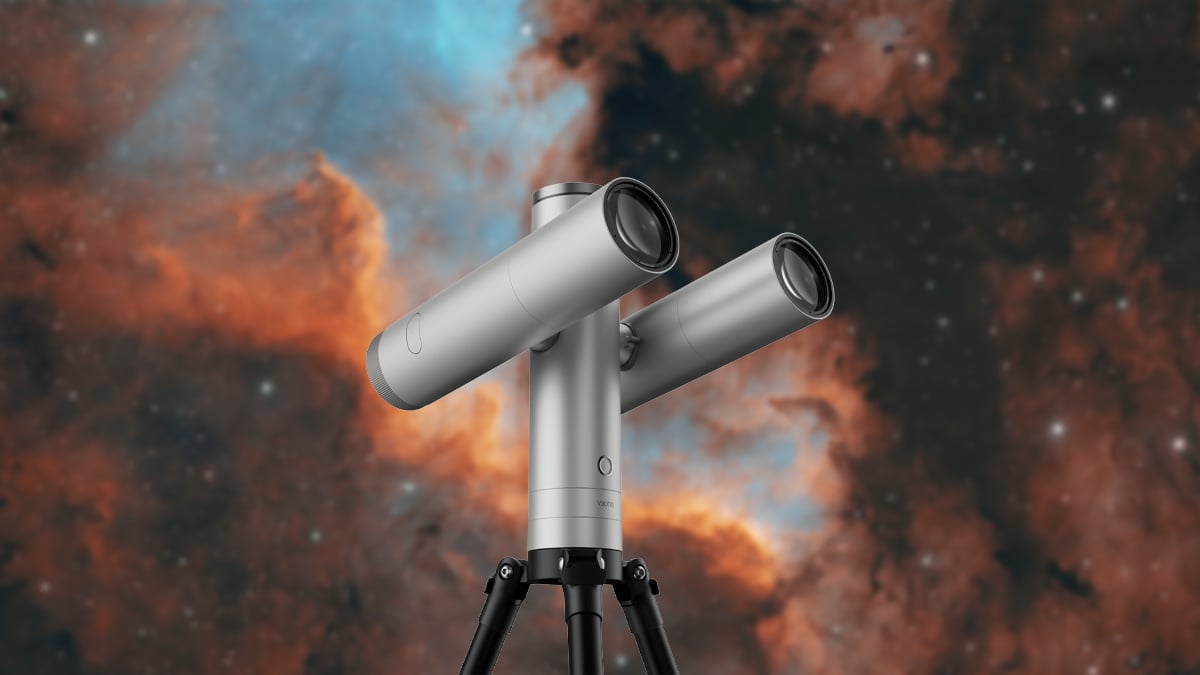
Choosing a smart telescope usually means deciding which optical system and camera will suit your needs. If you later want a different focal length or a second imaging system, you may have to buy another instrument. A traditional astrophotography rig offers the flexibility of upgrading and switching telescopes. What if the same can be brought to a smart telescope platform? The answer is a modular smart telescope, a platform that lets users change optical modules while keeping the same mount. Well, good news! The Vaonis Atlas is here.
Vaonis has launched the Atlas smart telescope system with the Atlas 80, an 80mm apochromatic quadruplet telescope paired with a Sony IMX585 sensor. It can be used in a twin-module configuration that uses two telescopes to image the same target using the SkyDock module. Alongside the hardware, the Gaia app will handle sky exploration and target selection, while an integrated all-sky camera will monitor the surroundings.
SkyTwin uses two optical modules
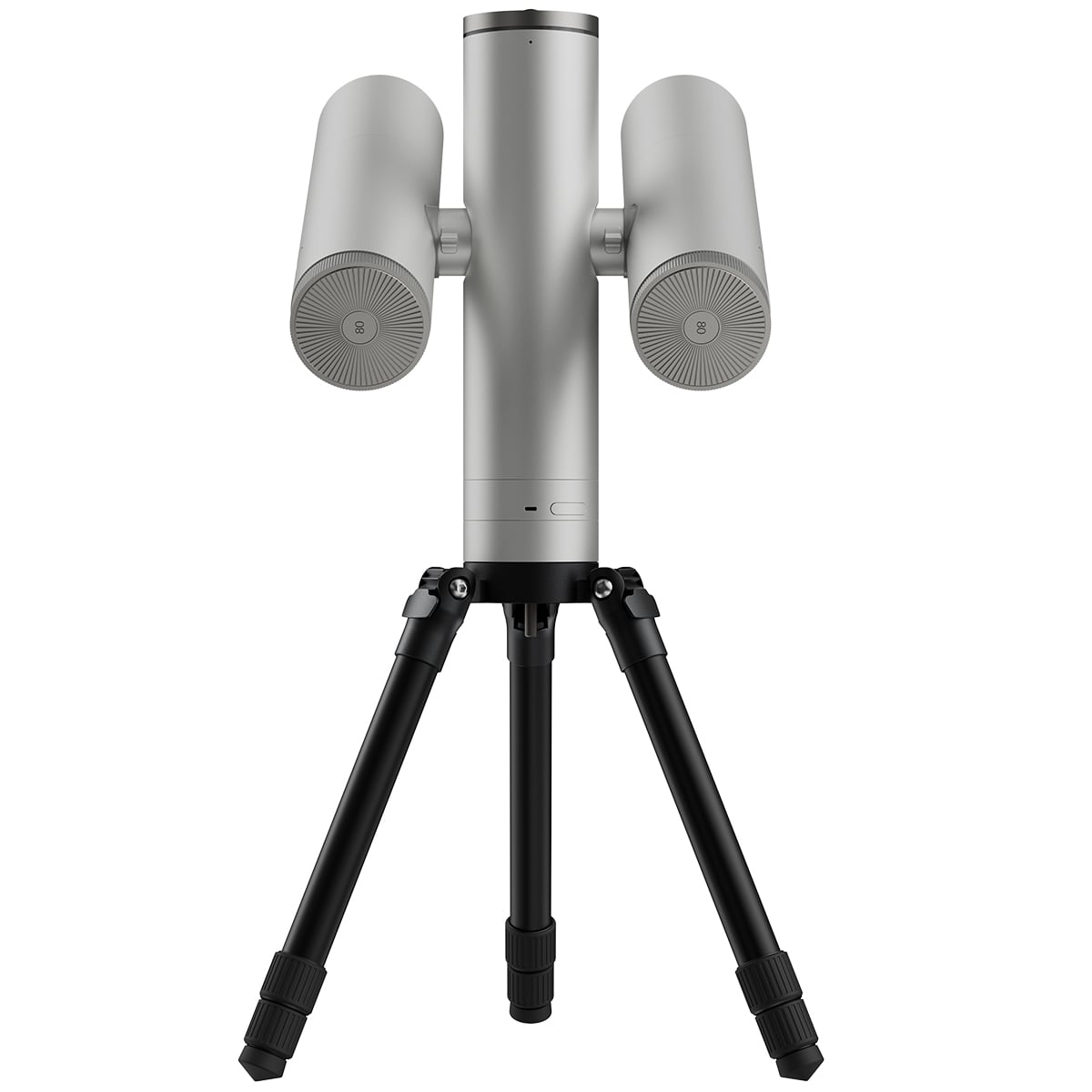
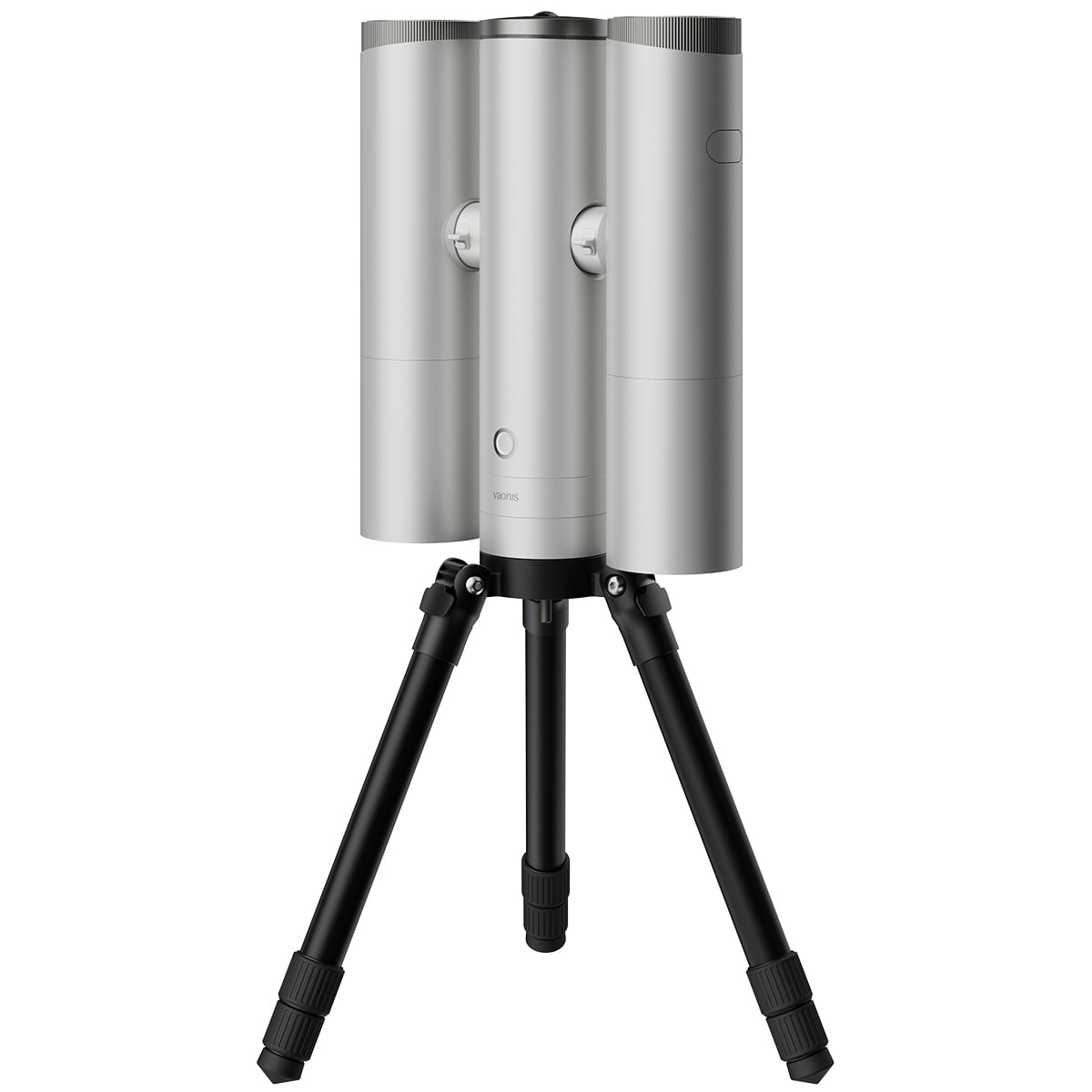
Atlas’s support for two imaging modules is what makes it interesting, and, well, unique. Vaonis calls this arrangement SkyTwin. Users can mount two identical Atlas 80 modules on the same platform and point them towards the same target. The arrangement can collect twice as much light as a single module and help users acquire images faster.
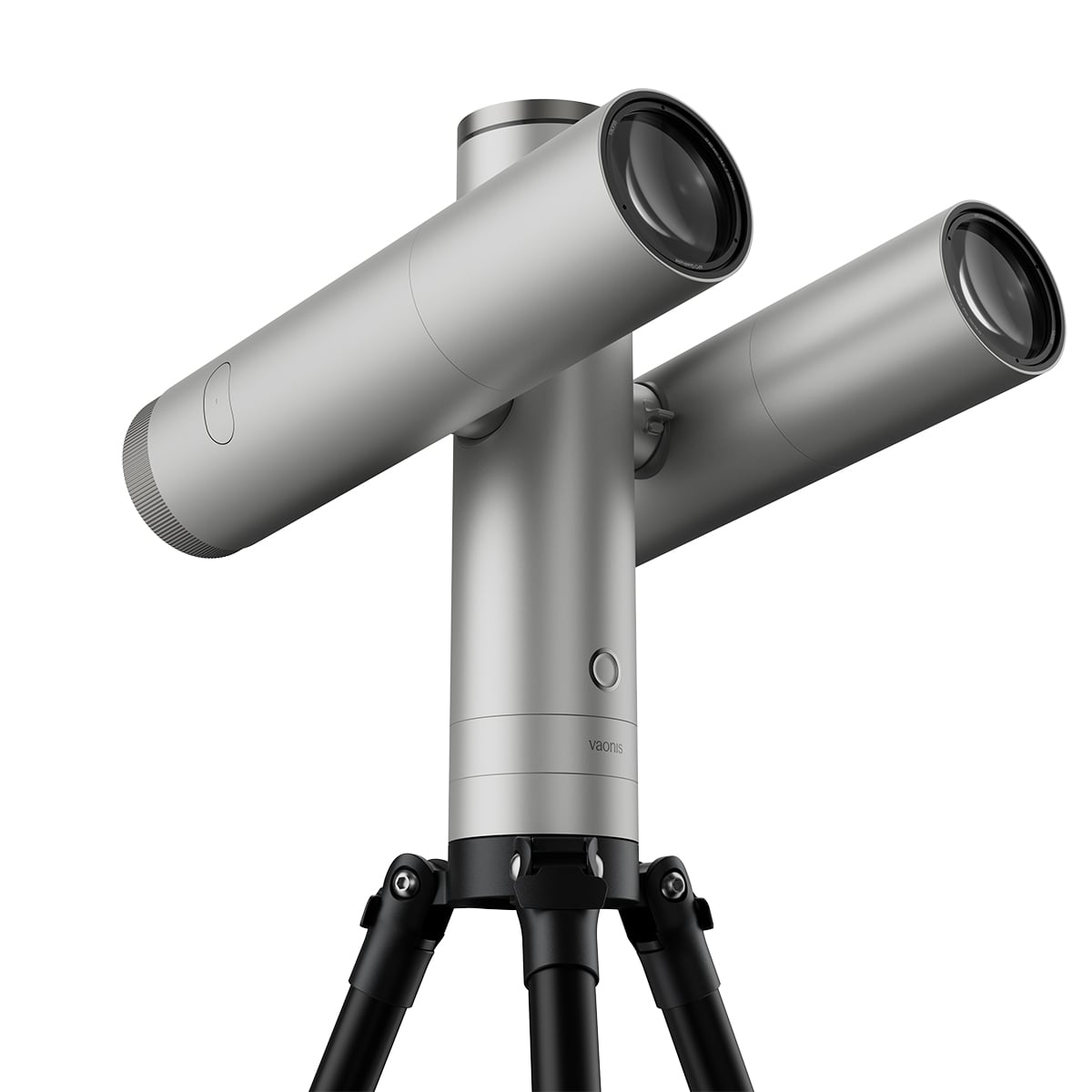
A dual-module system could shorten the time needed to gather useful data. This could make a huge difference during short nights, when clouds threaten an observing session or when a target remains above the horizon for only a limited period.

Vaonis says users may be able to combine different optical modules and filters. Such configurations could give users more ways to approach imaging projects.
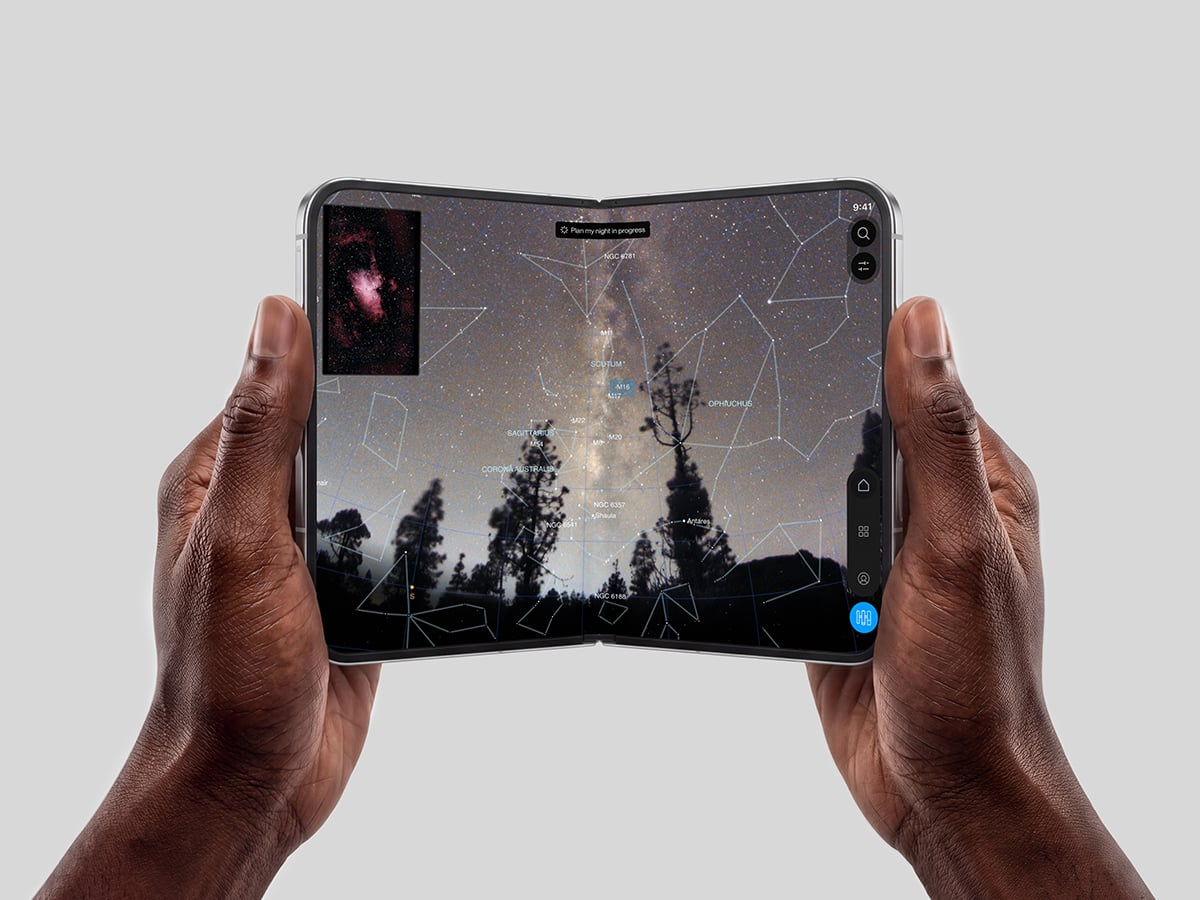
Atlas will use the Gaia app to guide users from choosing an astronomical target to photographing it. Users can explore the sky in the app, select an object, and let the telescope point itself towards it. Atlas then begins imaging, reducing the amount of manual work needed to locate a target and start a session.
SkyDock and SkyGuard: The heart and soul of Atlas
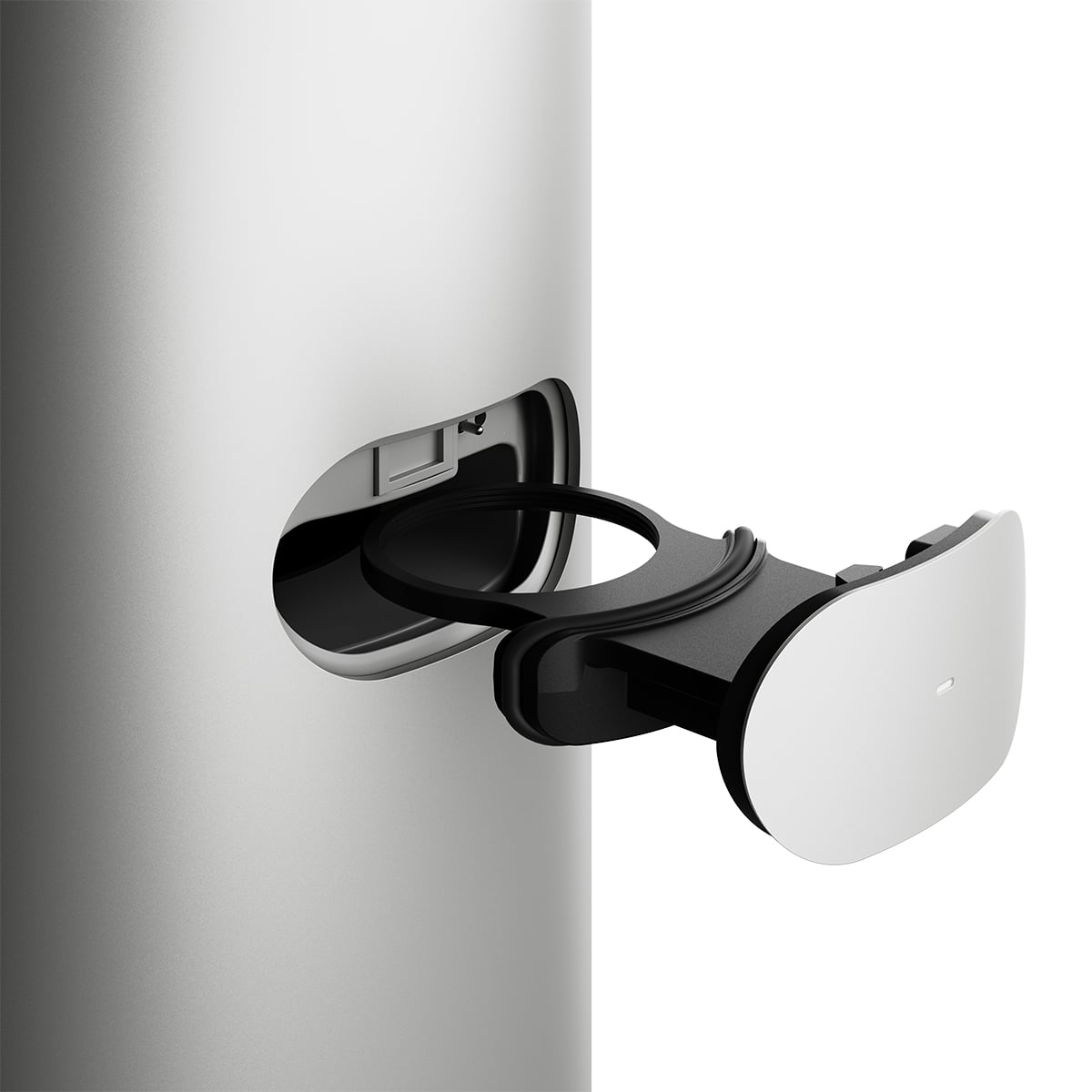
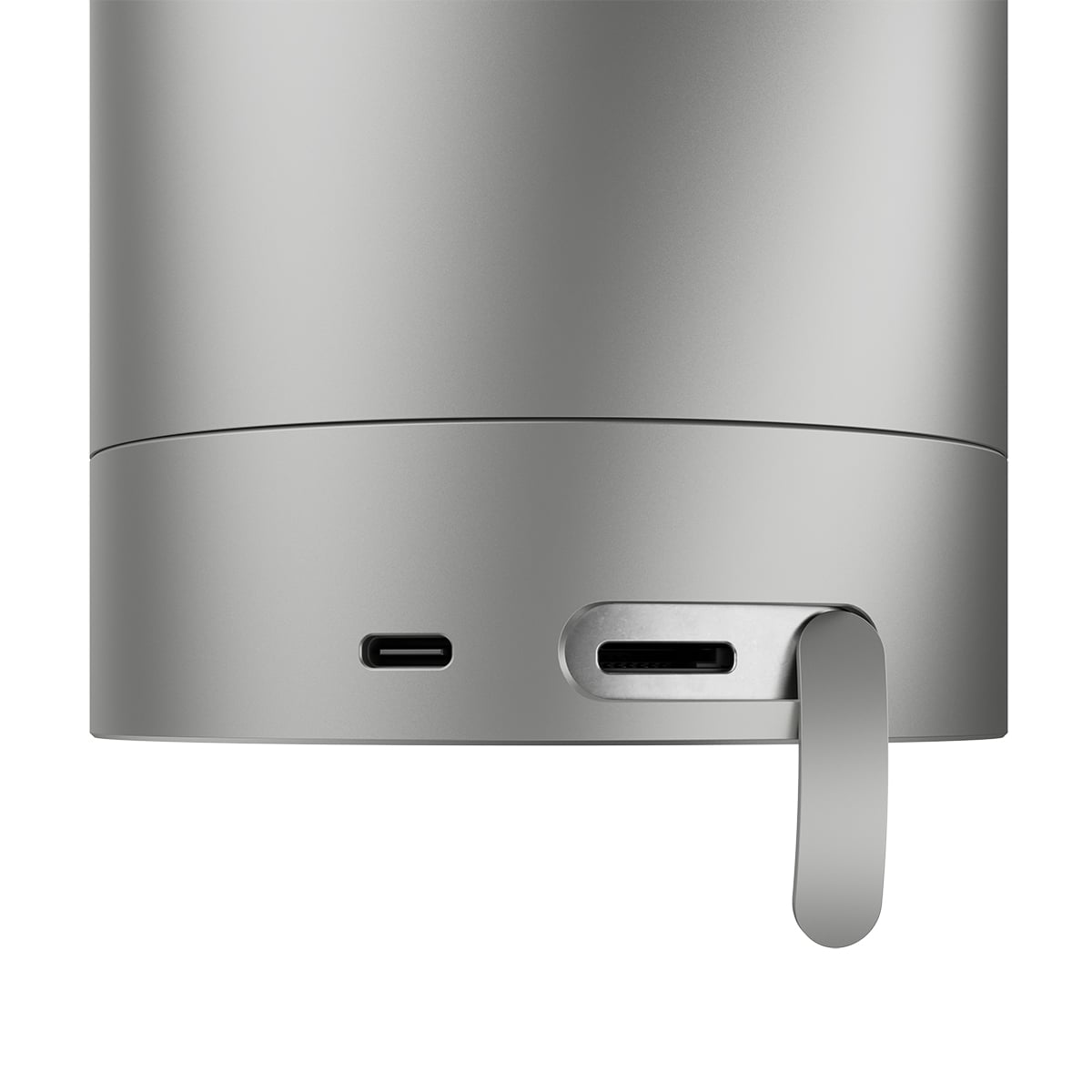
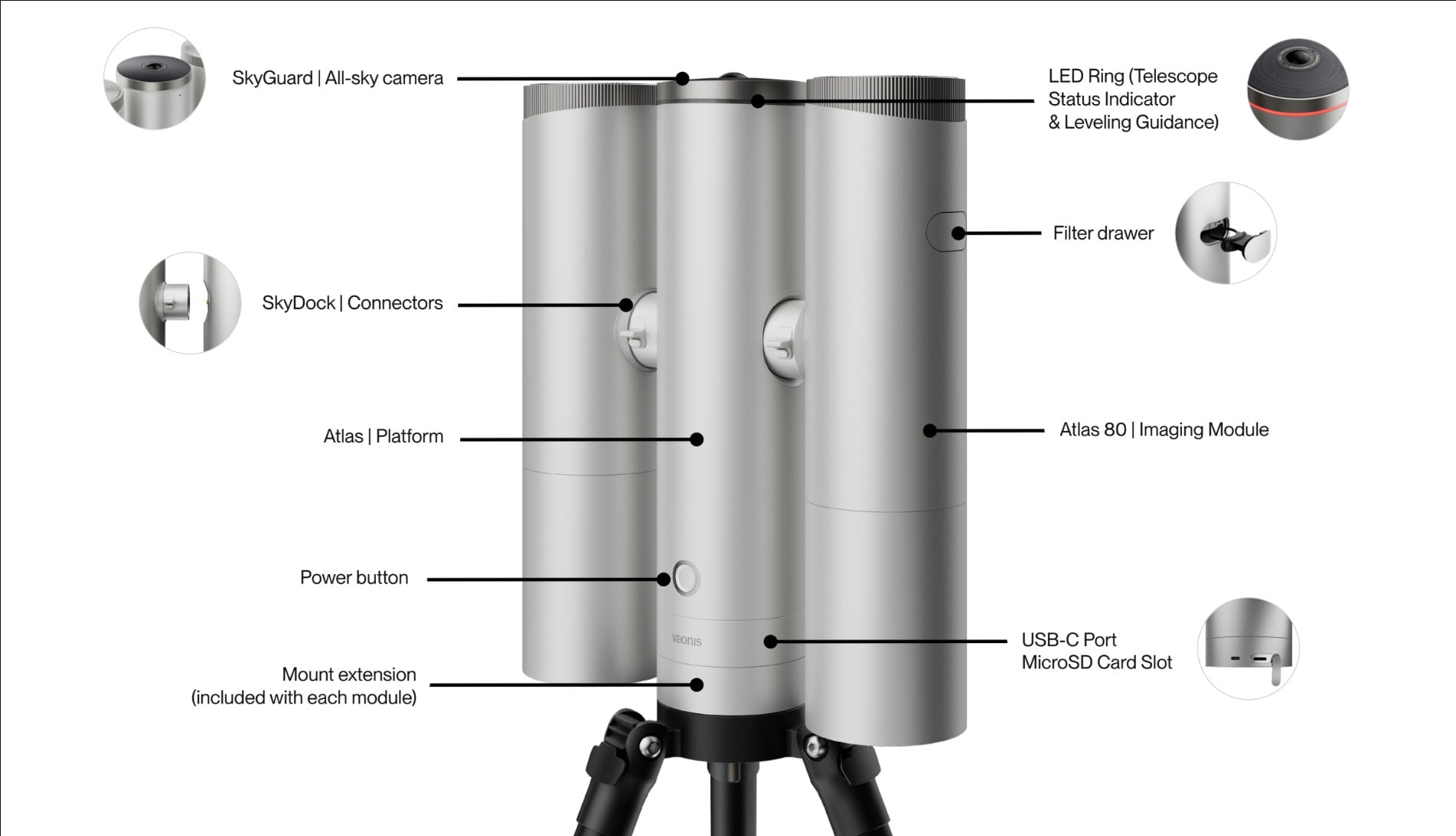
Vaonis calls its tool-free module connection SkyDock. It allows users to change compatible optical modules without a lengthy process of dismantling the telescope. That should make switching between supported configurations more convenient, particularly for owners who plan to use different modules for different targets. The SkyDock is an alt-az platform, and it weighs 3.5 kg. It also includes a microSD card slot with a 16 GB card included.
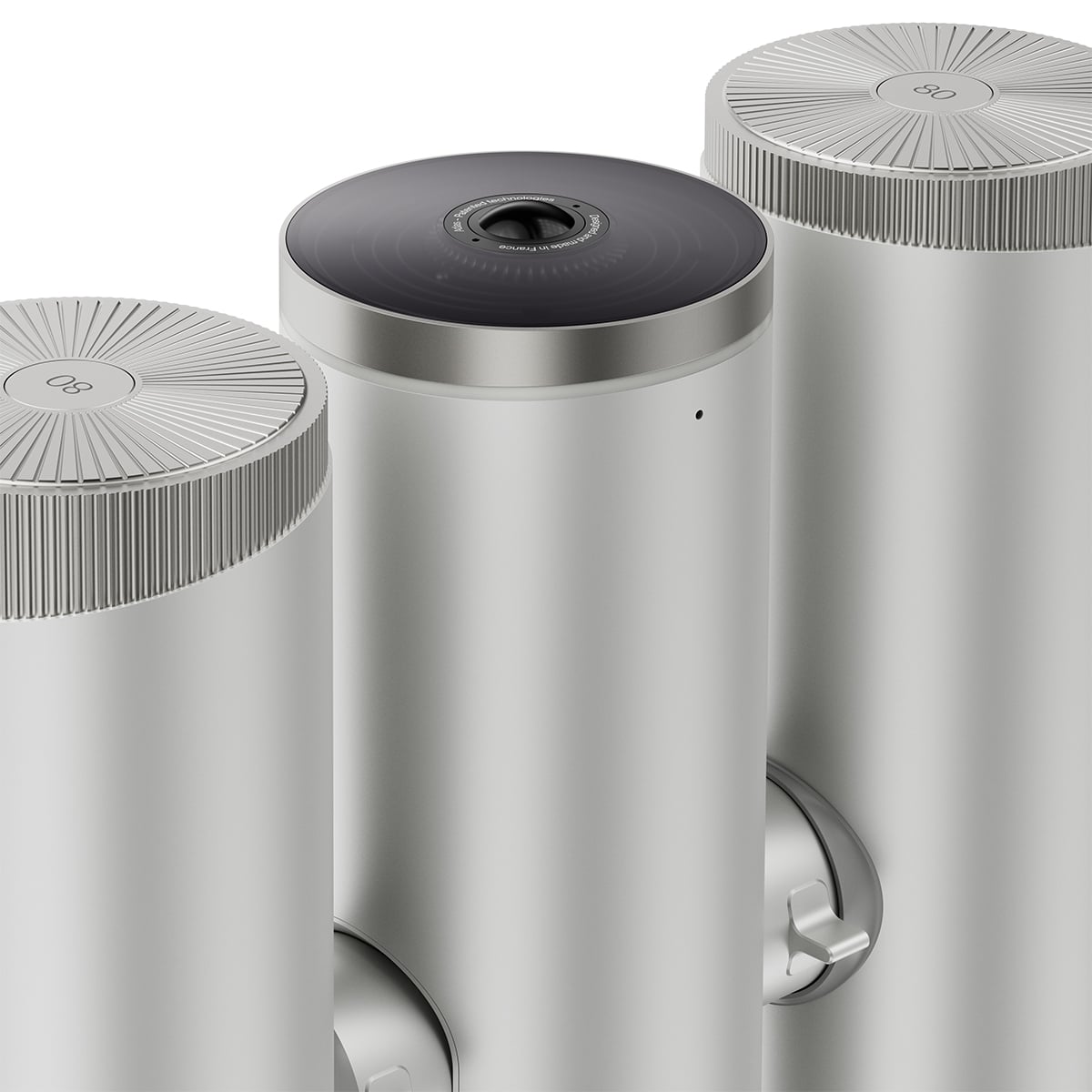
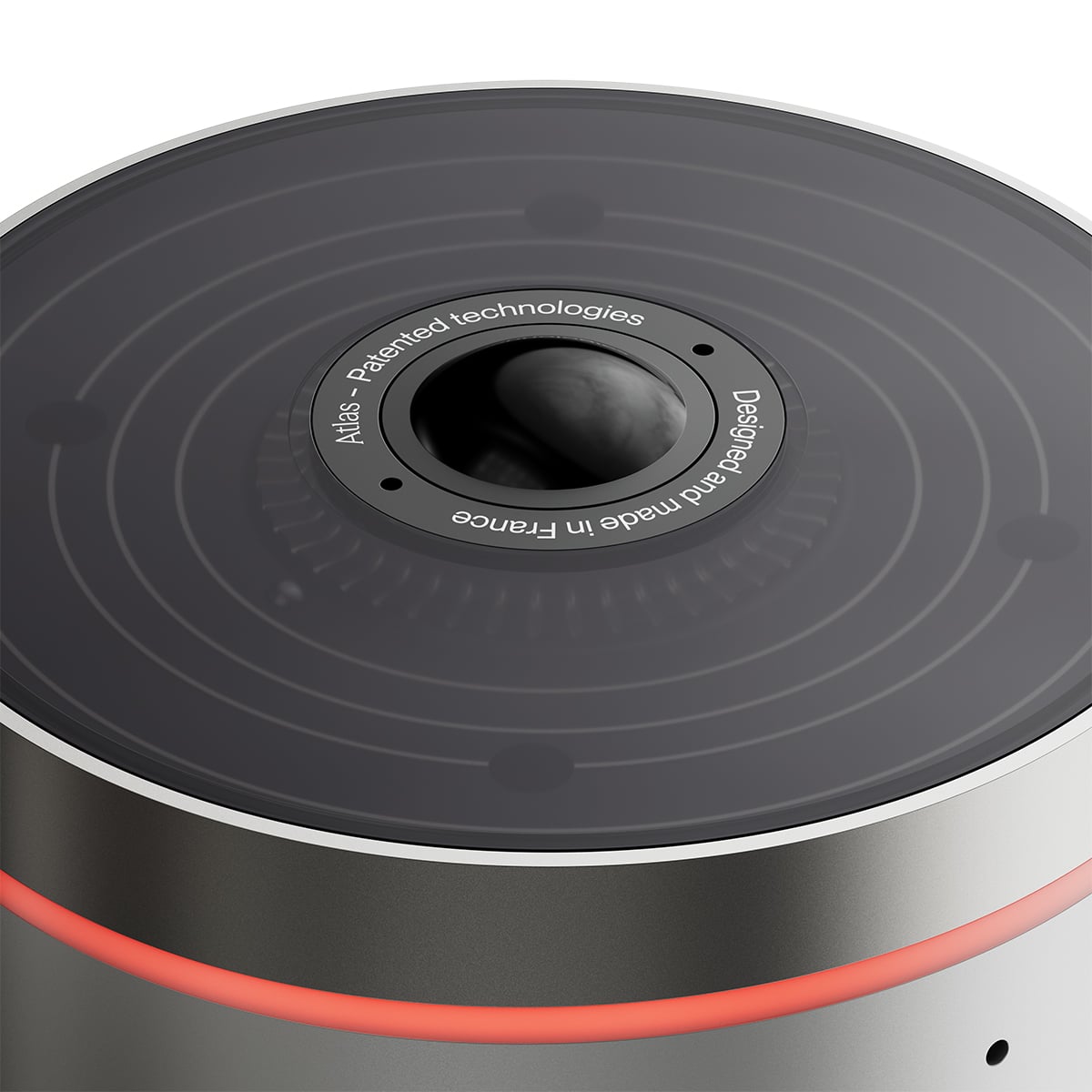
The mount also incorporates SkyGuard, an all-sky camera designed to monitor the sky during the day and at night. It can provide an augmented-reality view of the visible sky and record time-lapses. These functions give users a way to inspect the sky around their observing location and document changing conditions during a session. The all-sky camera uses a Sony IMX676 sensor with a resolution of 12MP.
Vaonis also plans to support equatorial operation through an optional equatorial wedge. Equatorial tracking can help astrophotographers follow the apparent motion of the sky during long exposures.
Vaonis will be expanding the Atlas system in the future, and that will be one of the biggest benefits of a modular system. Some of the upgrades will include a backpack, filters, optical modules in different sizes, and a planetary imaging module.
Atlas 80: The eye of the smart telescope
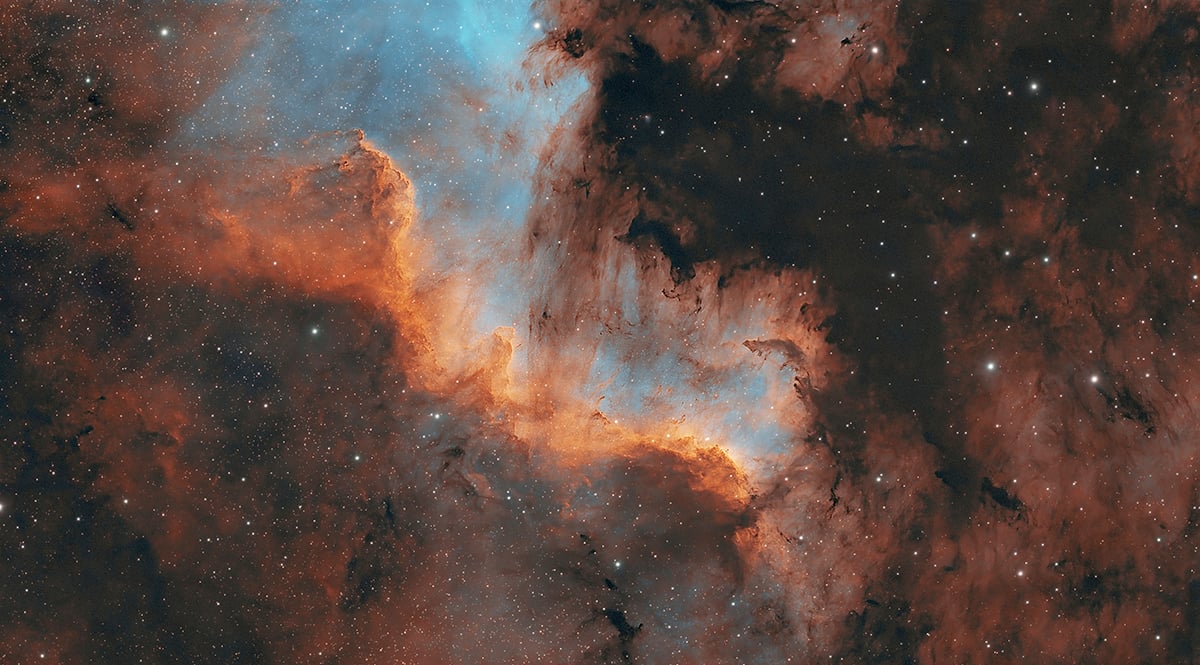
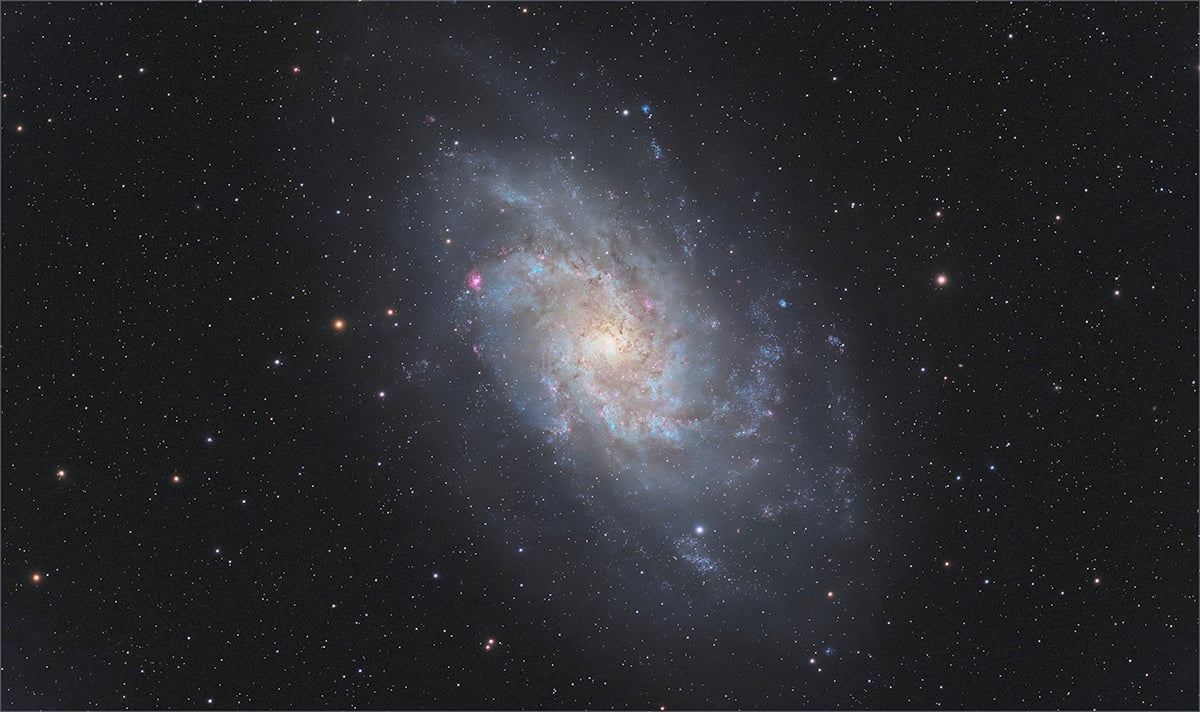
The Atlas imaging module uses an 80mm apochromatic quadruplet optical design. It has a focal length of 360mm and a focal ratio of f/4.5. Vaonis has paired the optics with Sony’s 8.3-megapixel IMX585 sensor, giving the system its initial configuration for deep-sky imaging. Its 360mm focal length suits many extended deep-sky objects, including nebulae and larger galaxies.
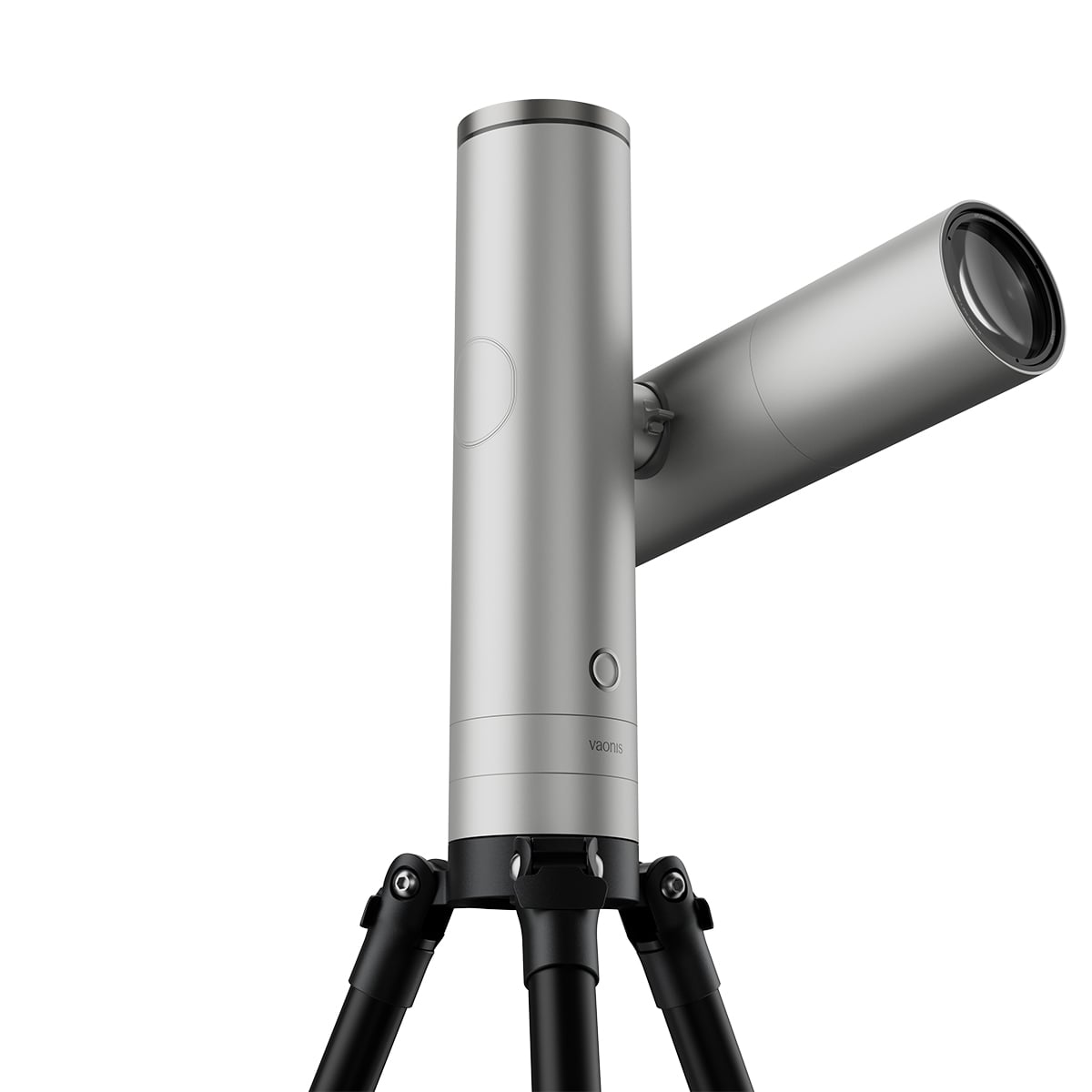
The complete single-module system combines the Atlas 80 with its mount. With the telescope closed and no tripod attached, it stands 41cm (16.1 inches) tall and weighs 6.5kg (14.3 pounds). Vaonis quotes a battery life of up to six hours.
Here are some of the key specifications of the Atlas 80 imaging module:
| Application | Deep Sky, Moon, Sun |
| Weight | 3 kg | 6.6 lbs |
| Size | H 41 × D 10 cm | H 16.1 × D 3.9 in |
| Optical Design | Apochromatic quadruplet |
| Optical Glass | 2 lenses made of super-ED fluoro-crown glass |
| Aperture | 80 mm | 3.15 in |
| Focal Length | 360 mm |
| Focal Ratio (Single config.) | F/4.5 |
| Focal Ratio (Twin config.) | Equivalent to F/3.2 |
| Sensor | Sony IMX585 |
| Native Resolution | 8.3 MP (3840 x 2160 px) |
| Max. Definition in Mosaic Mode | 24 MP |
| Export Format | jpg · fits · tiff |
| Pixel Size | 2.9 μm |
| Dew Prevention System | Built-in |
| Filters (optional) | CLS, Solar, Dual Band (available in 2027) Compatible with standard 1.25’’ (31.75 mm) filters |
Price, availability, and launch offers
Vaonis Atlas is now available for pre-ordering. The introductory prices will remain available until November 15, and the company expects to start shipping the first systems in March 2027. Currently, the Atlas is offered in two configurations.
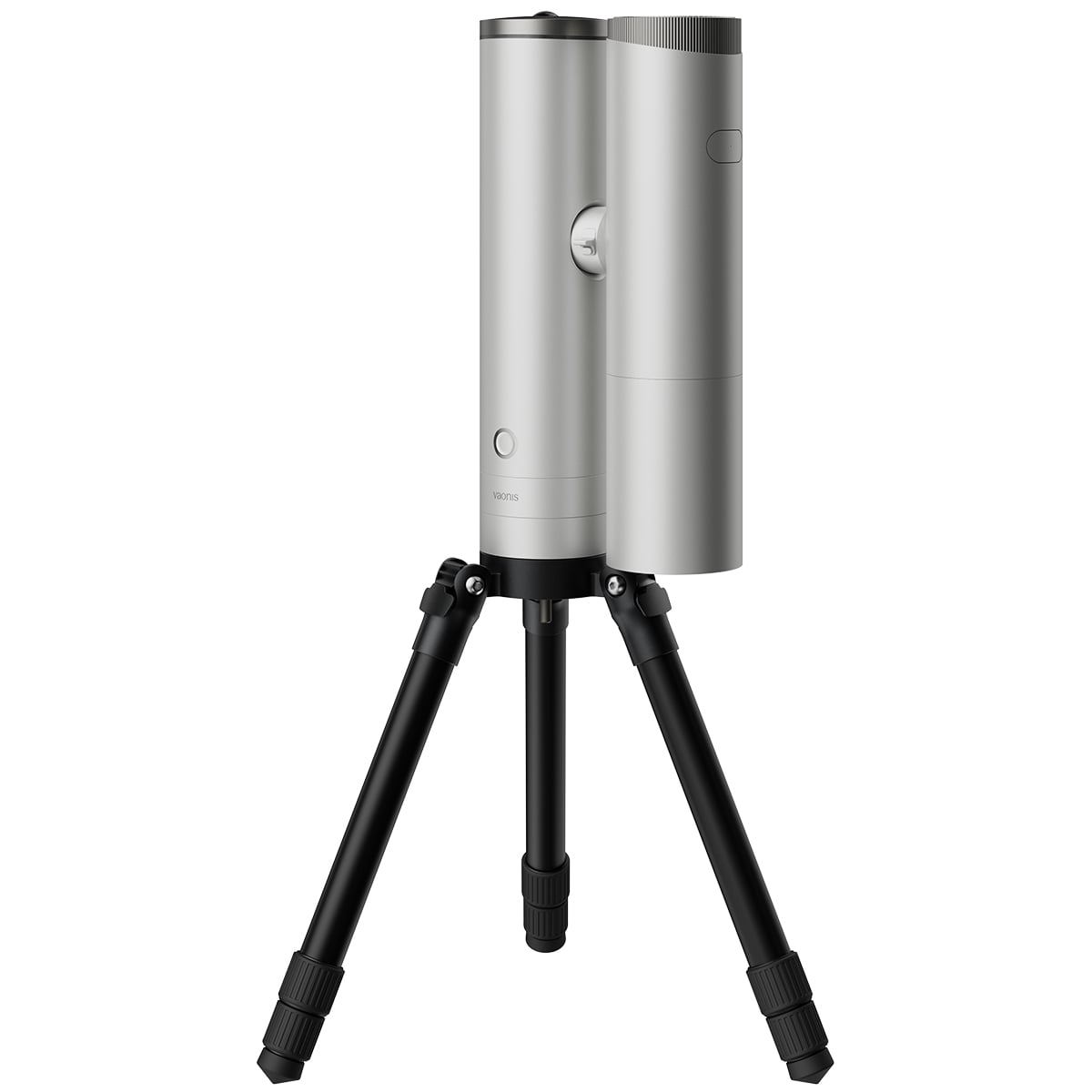
The single-module package includes the mount and one Atlas 80. Its preorder price is $3,990, compared with a planned retail price of $4,990. The twin package includes the mount and two Atlas 80 modules. Its preorder price is listed at $5,490, with a planned retail price of $6,990. Vaonis offers a 10-year warranty for the mount and a five-year warranty for the Atlas 80.
These prices place Atlas in the premium segment of the smart-telescope market. The modular design will appeal to astrophotographers who want to add imaging options without replacing the whole system.
Clear skies!
See more from DIYPhotography.net on Google
Add DIYPhotography.net as a trusted source. This makes
our stories more likely to appear in your Google Search results.
 Add as a preferred source on Google

Soumyadeep Mukherjee
Soumyadeep Mukherjee is an award-winning astrophotographer from India. He has a doctorate degree in Linguistics. His work extends to the sub-genres of nightscape, deep sky, solar, lunar and optical phenomenon photography. He is also a photography educator and has conducted numerous workshops. His works have appeared in over 40 books & magazines including Astronomy, BBC Sky at Night, Sky & Telescope among others, and in various websites including National Geographic, NASA, Forbes. He was the first Indian to win “Astronomy Photographer of the Year” award in a major category.




Join the Discussion
DIYP Comment Policy
Be nice, be on-topic, no personal information or flames.