



























OPPO Is Putting Three 200MP Cameras in One Phone
Oct 14, 2026
Alysa Gavilan
Alysa Gavilan has spent years exploring photography through photojournalism and street scenes. She enjoys working with both film and mirrorless cameras, and her fascination with the craft has grown over the decades. Inspired by Vivian Maier, she is drawn to capturing everyday moments that often go unnoticed.
Share:

are getting closer to tools once reserved for dedicated cameras, and OPPO wants its next flagship to push that boundary further. The upcoming Find X10 Series pairs high-resolution sensors with 4K slow-motion video, 8K recording, and a new feature that gives creators more room to reframe footage after shooting.
OPPO will unveil the Find X10 Series globally on October 21 in Mallorca, Spain. The lineup includes the Find X10 and the higher-end Find X10 Pro Max, both developed with Hasselblad on imaging features. Pricing, full specifications, and availability will be announced at the launch.
Triple 200MP cameras take center stage
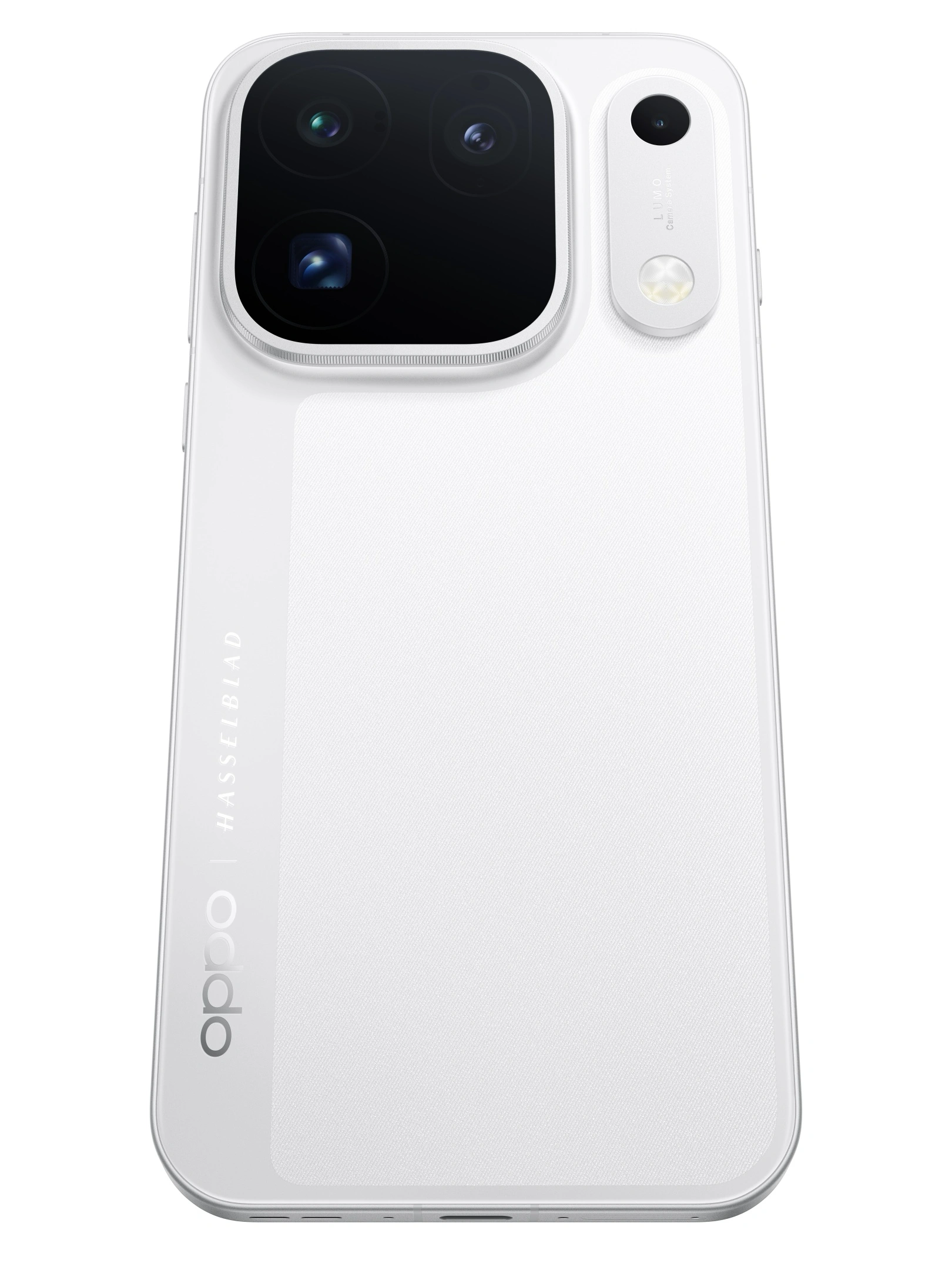
The headline hardware is the resolution of the rear cameras. OPPO says the Find X10 features a dual 200-megapixel camera system co-developed with Hasselblad, while the Find X10 Pro Max introduces what the company describes as the industry’s first triple 200MP system.
On the Pro Max, all three rear cameras, covering ultra-wide, main, and telephoto photography, use 200MP sensors. This could give photographers more flexibility when capturing detailed scenes or cropping images after shooting, although resolution alone does not determine image quality. Sensor size, lens performance, processing, and low-light handling will also matter.
Both phones use OPPO’s LUMO True Image Engine, a computational photography system designed to produce natural colors, skin tones, and contrast. The company says it combines its imaging technology with Hasselblad’s Master Mode and color information from a dedicated True Color Camera.
Real-world testing will show how consistently the system handles challenging lighting and fine details, particularly when the camera relies on computational processing.

4K at 120fps and 8K recording
Video is another major focus. OPPO says all three rear cameras on the Find X10 Pro Max can record 4K video at 120 frames per second and 8K video at 30fps. The Find X10 supports the same recording options on its two 200MP cameras.
Recording at 120fps can provide smoother motion or footage that can be slowed down during editing. Meanwhile, 8K capture offers additional resolution for projects that benefit from detailed footage or cropping, although it also requires substantial storage and processing power.
The series also introduces Open Gate Capture. Instead of limiting recording to a conventional widescreen frame, the feature uses the sensor’s full imaging area. Creators can then crop and reframe footage for horizontal video, vertical clips, and other formats during post-production.
That flexibility could be useful for photographers and videographers producing content for several platforms from a single shoot.
Can it keep up with a real camera?
The Find X10 Series looks ambitious on paper, particularly for creators who need high-resolution stills and flexible video from one device. Its actual value will depend on image quality, recording restrictions, and how well the cameras perform outside controlled demonstrations.
When OPPO reveals the full specifications on October 21, the key question will be simple: can these features deliver useful results when the light gets difficult and the shoot gets long?
See more from DIYPhotography.net on Google
Add DIYPhotography.net as a trusted source. This makes
our stories more likely to appear in your Google Search results.
 Add as a preferred source on Google

Alysa Gavilan
Alysa Gavilan has spent years exploring photography through photojournalism and street scenes. She enjoys working with both film and mirrorless cameras, and her fascination with the craft has grown over the decades. Inspired by Vivian Maier, she is drawn to capturing everyday moments that often go unnoticed.
Related Posts
 Did Oppo and Kodak launch a new smart phone or is it just a dressed up Find X3 Pro?
 OPPO’s new Find X3 Pro has TWO 10-Bit 50MP Sony cameras that see a billion colours
 How OPPO, Nubia, and Vivo Are Turning Smartphones into Real Cameras
 Samsung’s new ISOCELL HP3 200MP camera sensor boasts the “industry’s smallest ever pixels”
Join the Discussion
DIYP Comment Policy
Be nice, be on-topic, no personal information or flames.