





















How to Find Photography Locations: 8 Smart Ways to Discover Better Places to Shoot
Jun 25, 2026
Alysa Gavilan
Alysa Gavilan has spent years exploring photography through photojournalism and street scenes. She enjoys working with both film and mirrorless cameras, and her fascination with the craft has grown over the decades. Inspired by Vivian Maier, she is drawn to capturing everyday moments that often go unnoticed.
Share:
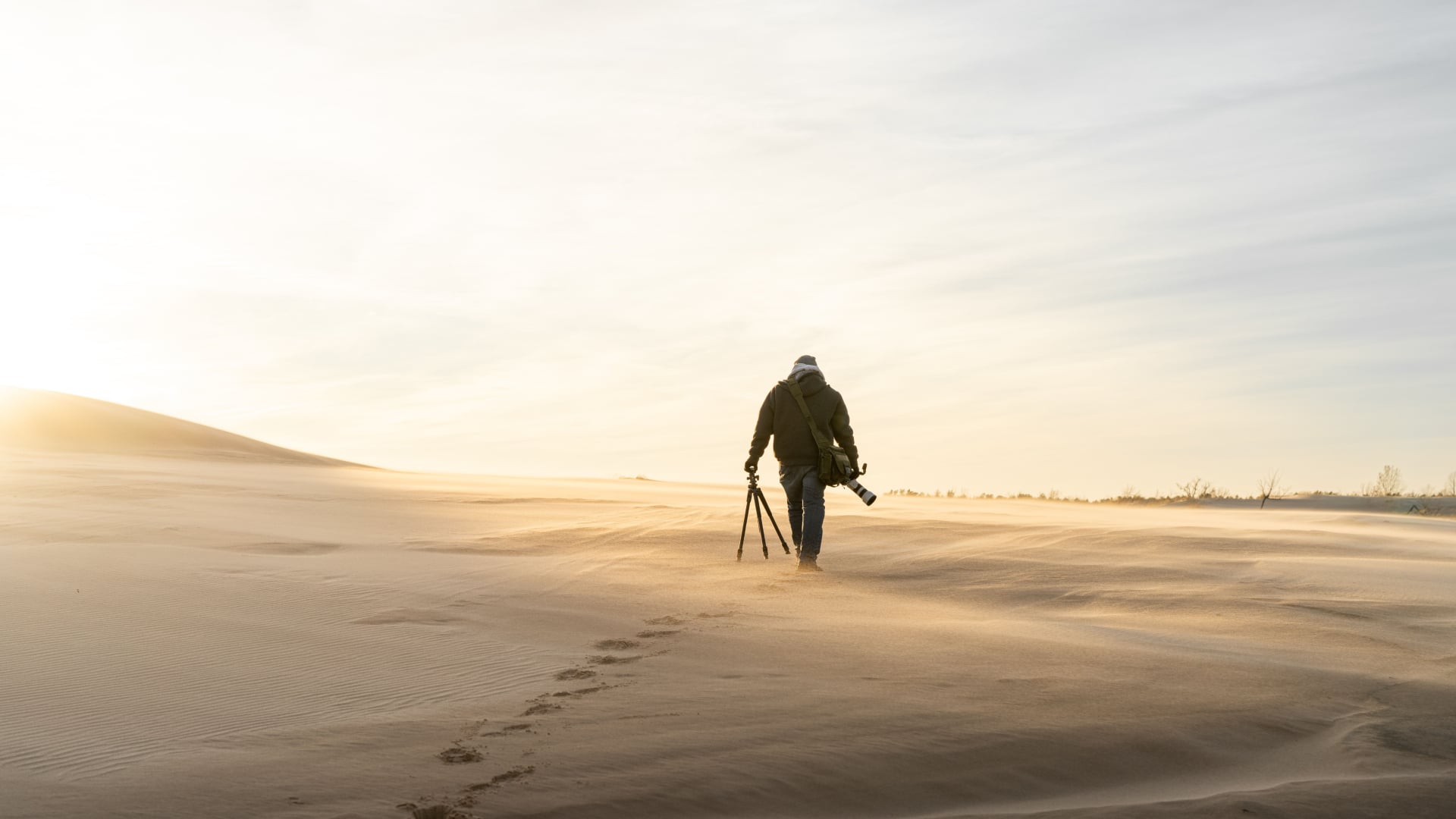
Every photographer knows the feeling. You have a camera, a free afternoon, and plenty of creative energy, but no idea where to point the lens.
Finding a great photography location can sometimes be harder than taking the photograph itself. Fortunately, good locations are often closer than many photographers realize, and a bit of research can uncover places that others overlook.
Start With Google Maps
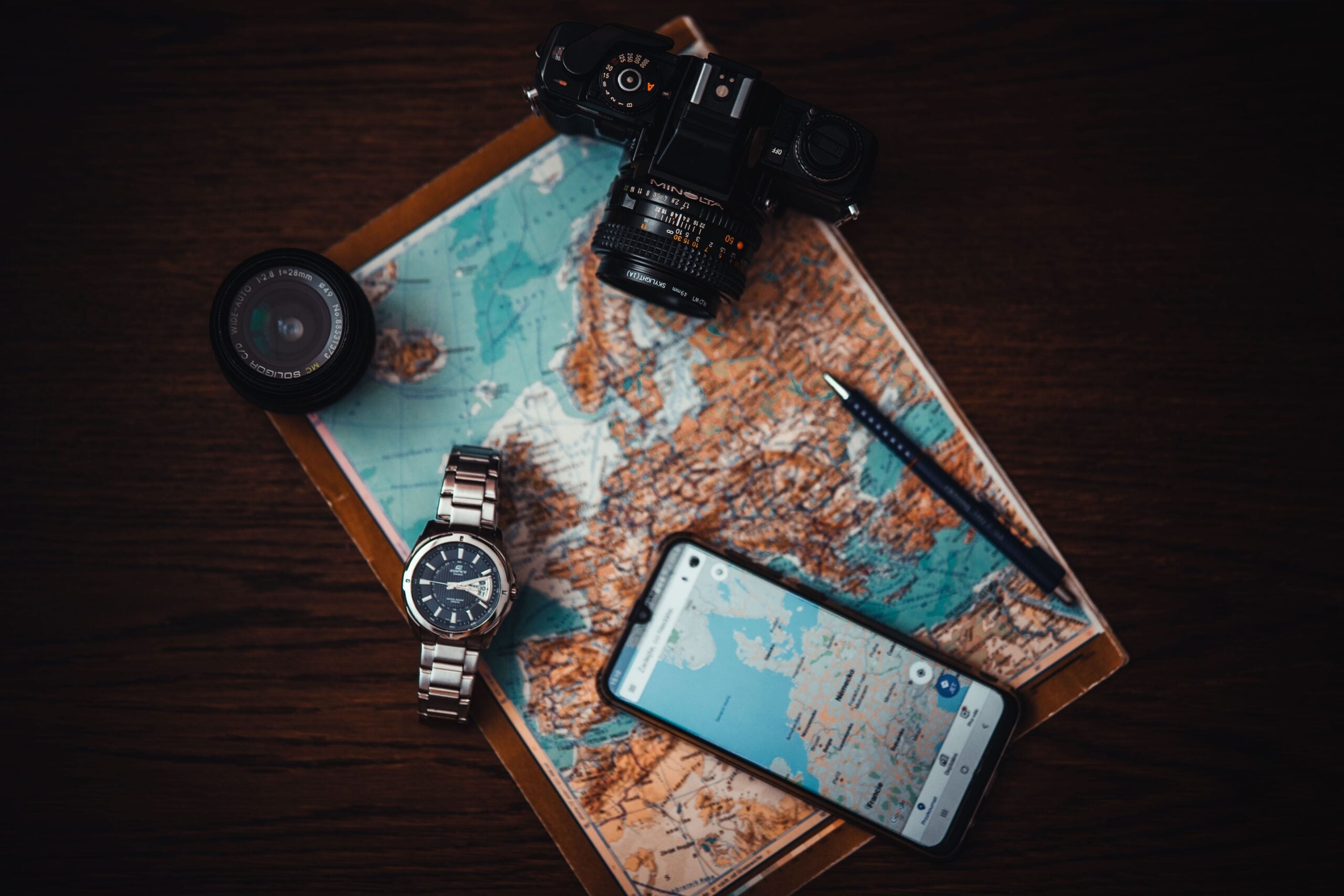
One of the easiest ways to find photography locations is to explore satellite imagery on Google Maps. Parks, waterfronts, abandoned industrial areas, hiking trails, bridges, and interesting architecture are often visible from above.
Switch between map view and satellite view to identify features that might create strong compositions. Look for leading lines, unique shapes, viewpoints, and natural landmarks.
Street View can also help photographers preview a location before visiting. This can save time and reveal potential angles, lighting conditions, and obstacles.

Search Social Media Strategically
Instagram and Flickr remain useful tools for location scouting.
Instead of searching broad terms such as “landscape photography,” try searching specific place names, neighborhoods, parks, or landmarks. Reviewing photographs taken by others can provide insight into how a location looks during different seasons, times of day, and weather conditions.
At the same time, avoid simply recreating someone else’s image. Use these photos as inspiration rather than a shooting checklist.
Explore Close to Home
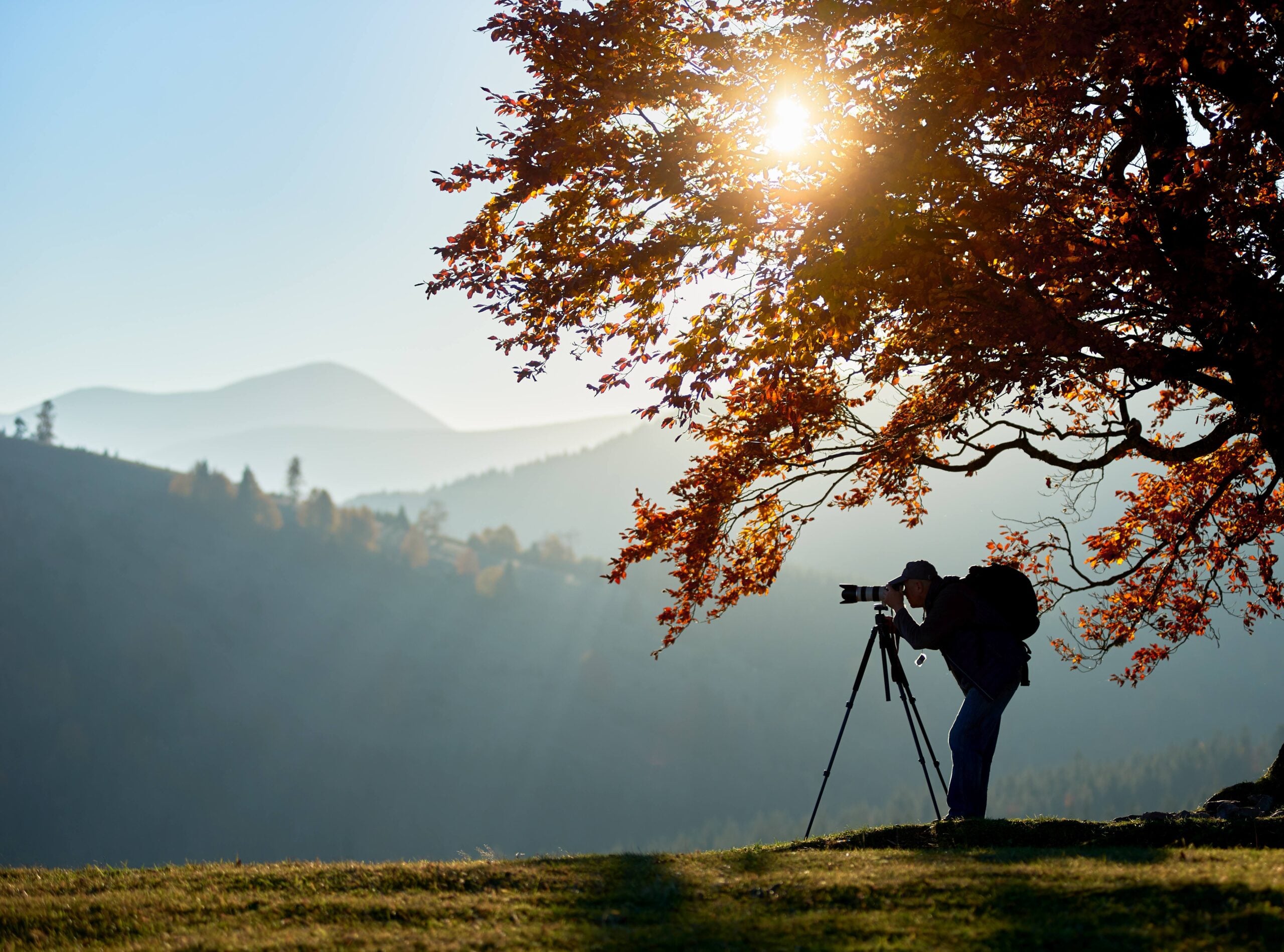
Many photographers spend hours searching for exotic destinations while ignoring opportunities nearby.
Local streets, markets, parks, train stations, and waterfronts can offer compelling subjects. Street photography, documentary projects, and urban landscapes often benefit from familiarity with an area.
Returning to the same location multiple times can also help photographers understand how changing light affects a scene throughout the day and across seasons.
Use Photography Location Apps
Several apps are specifically designed to help photographers find locations.
Apps such as PhotoPills, Sun Surveyor, and The Photographer’s Ephemeris allow users to predict sunrise and sunset positions, golden hour timing, moonrise locations, and shadow direction.
These tools are particularly useful for landscape photography, architecture photography, and cityscape work where lighting can dramatically affect the final image.

Join Local Photography Communities
Photography groups often know hidden locations that never appear in travel guides.
Local Facebook groups, photography clubs, Reddit communities, and photo walks can introduce photographers to lesser-known spots. Experienced local photographers may also provide practical information about access, safety, parking, and permits.
Networking with other photographers can sometimes lead to better locations than any online search.
Research Seasonal Opportunities
Some locations only become interesting during specific times of the year.
Wildflower blooms, autumn foliage, migratory wildlife, festivals, holiday displays, and seasonal weather patterns can transform ordinary places into exceptional photography destinations.
Planning ahead allows photographers to visit when conditions are most favorable.

Pay Attention to Light, Not Just Location
A great location under poor lighting may produce weaker images than an ordinary location under beautiful light.
When scouting, consider how the sun moves across the scene. Early morning and late afternoon often create softer light, stronger shadows, and more depth.
Weather can also change a location dramatically. Fog, rain, snow, and storm clouds frequently add atmosphere and visual interest.
Think Beyond Famous Spots
Popular photography locations can be rewarding, but they are often crowded and heavily photographed.
Some of the strongest images come from places that receive little attention. A quiet alleyway, an overlooked coastline, or a familiar neighborhood can become visually compelling when approached with curiosity and patience.
Finding photography locations is ultimately less about discovering secret destinations and more about learning to see potential in the world around you. The next memorable image might not require a plane ticket or a famous landmark. It could be waiting just a few blocks from home if you know where to look.
See more from DIYPhotography.net on Google
Add DIYPhotography.net as a trusted source. This makes
our stories more likely to appear in your Google Search results.
 Add as a preferred source on Google

Alysa Gavilan
Alysa Gavilan has spent years exploring photography through photojournalism and street scenes. She enjoys working with both film and mirrorless cameras, and her fascination with the craft has grown over the decades. Inspired by Vivian Maier, she is drawn to capturing everyday moments that often go unnoticed.




Join the Discussion
DIYP Comment Policy
Be nice, be on-topic, no personal information or flames.