






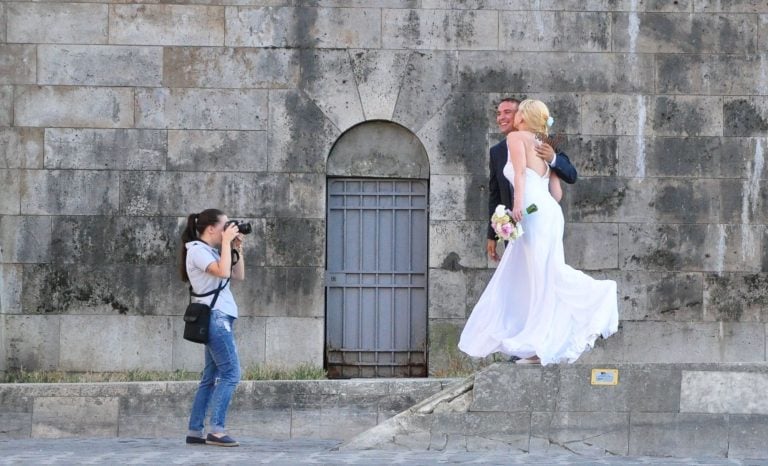













Top Ways to Practice Photography for Beginners (and Everyone Else)
Jun 18, 2026
Lydia Marlowe

Dunja Djudjic is a multi-talented artist based in Novi Sad, Serbia. With 15 years of experience as a photographer, she specializes in capturing the beauty of nature, travel, concerts, and fine art. In addition to her photography, Dunja also expresses her creativity through writing, embroidery, and jewelry making.
Share:
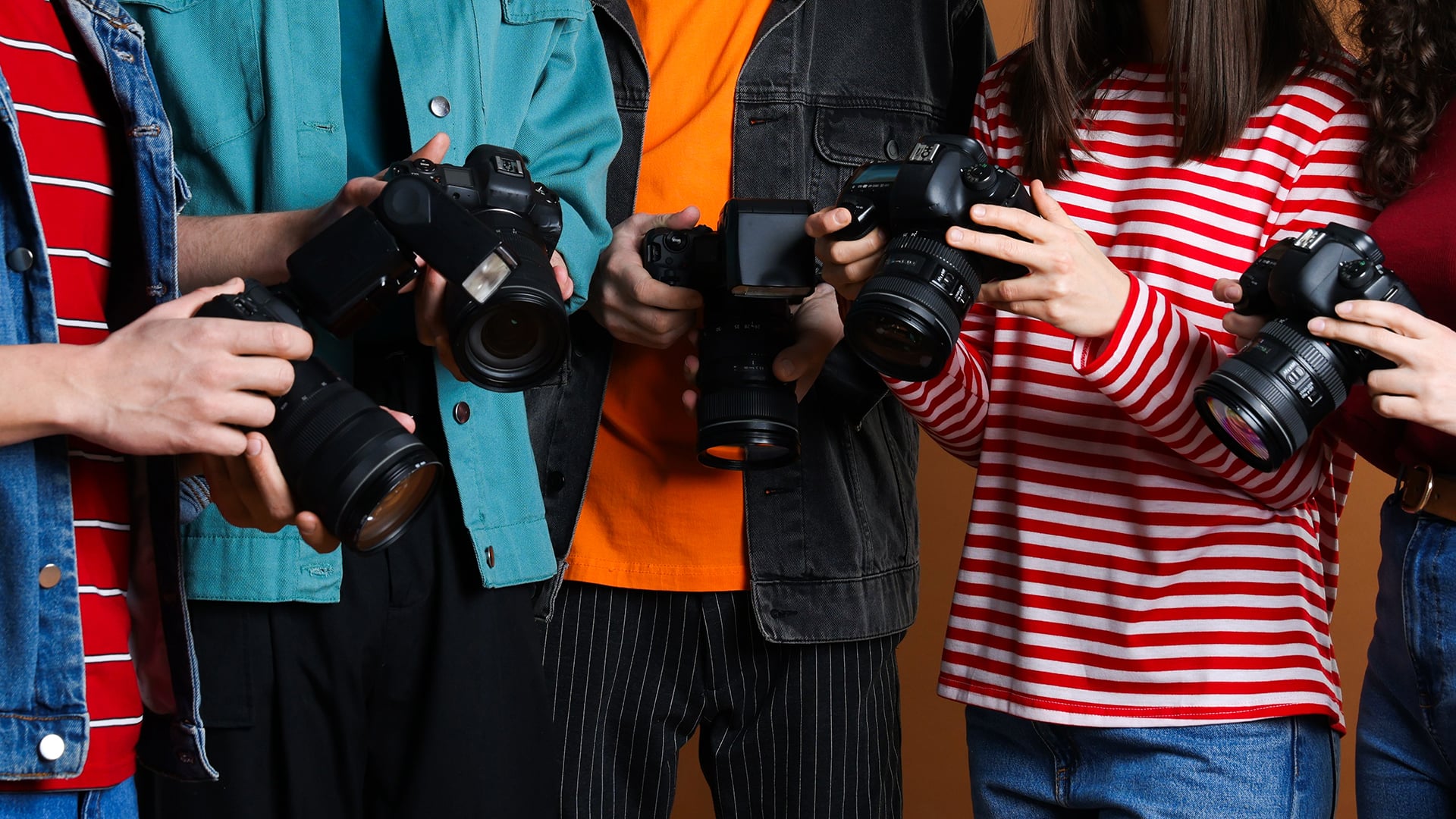
The best ways to practice photography is to carry a camera every day (your phone counts), shoot (self)-portraits, and study the work of others. But there are many nuances to this that we’ll try to cover in this article, along with many more tips to help you practice photography, especially if you’re still new to this hobby. Practice isn’t about gear or going somewhere far, far away– it’s about repetition, looking, and enjoying the journey, no matter how cliché that may sound.
So, here are the ways that help you start this journey, and most of them are doable from wherever you are right now.
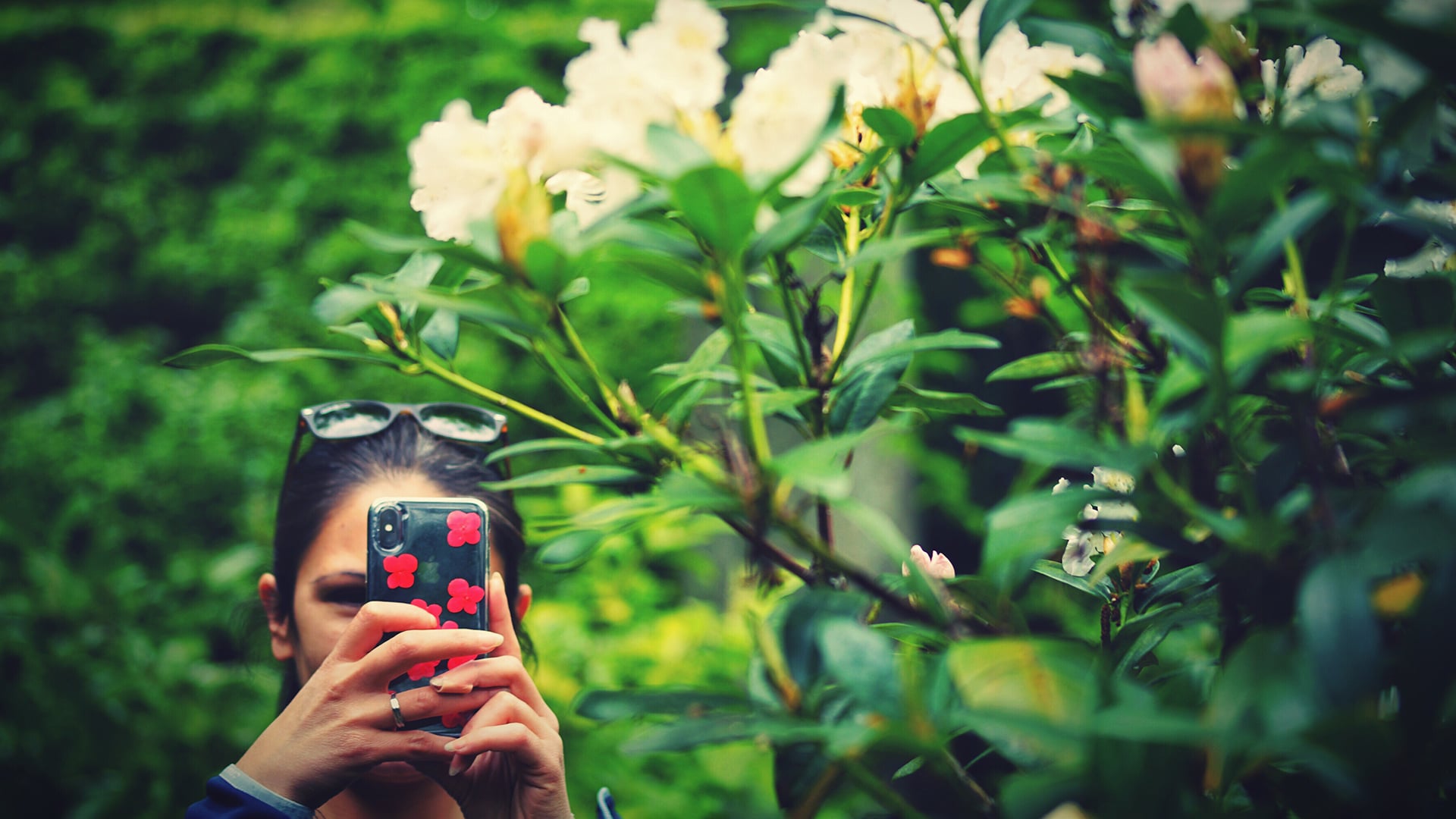
Take a Camera Everywhere – Yes, Even Your Phone
The single most effective practice habit is the most boring one: consistency. When I was starting out, I always had my camera on me, and it was quite heavy. I’d take it on my after-work walks, on my commute, even to the shops. Thankfully, today we have fantastic phone cameras, and we carry them everywhere anyway. So, use it for more than scrolling social media or looking at maps, as it’s a perfect tool for practicing photography.
The point is to train your eye to see photos in ordinary moments. The more you shoot the mundane stuff around you, the faster you start noticing light, lines, and compositions everyone else walks past. A great photo of your boring street beats a mediocre one of a famous landmark, and it teaches you more.
Photograph Your Friends to Practice Portrait Photography
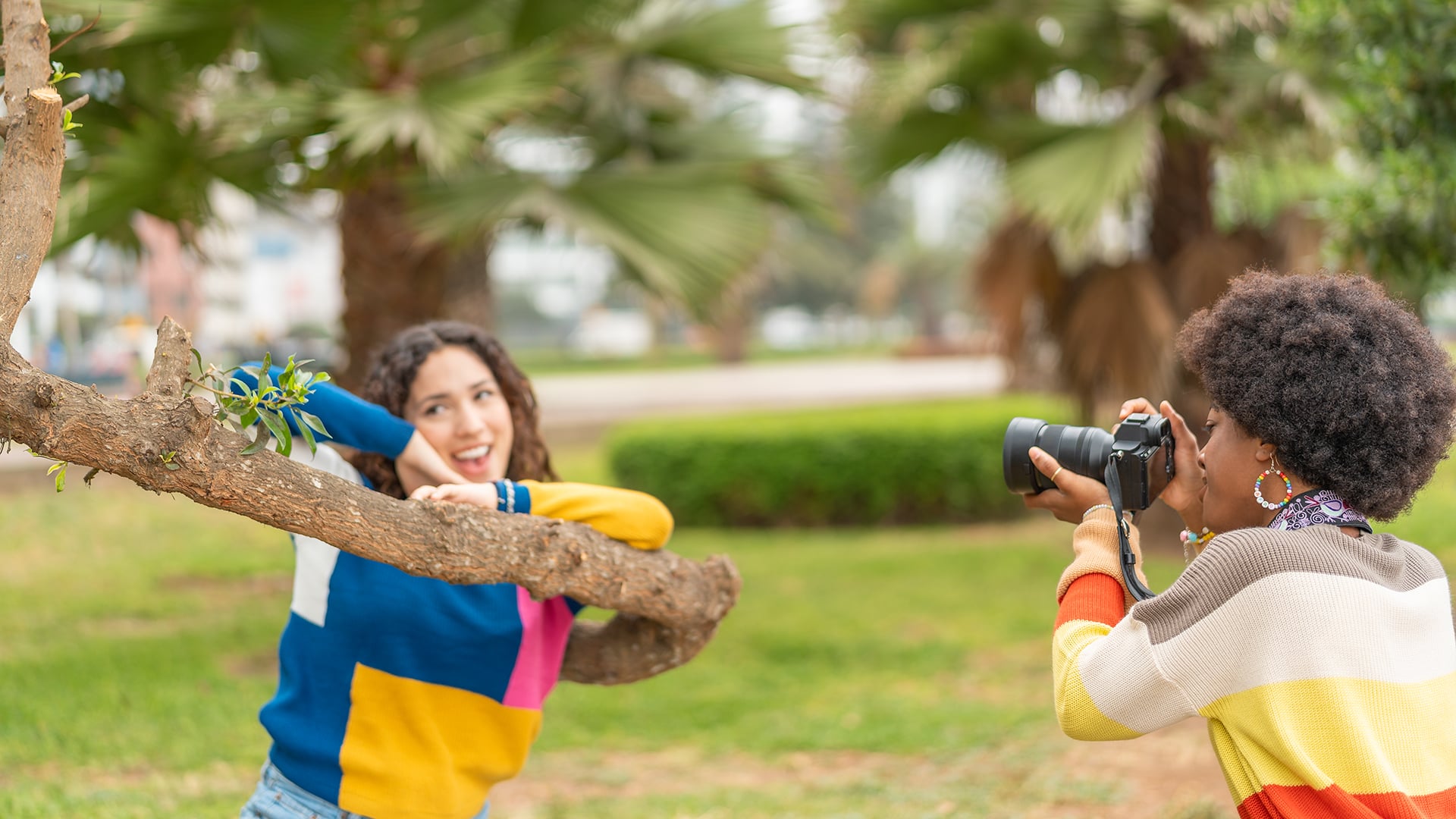
If you’re into portrait photography, you can start with the people around you. Your friends and family might be a little hesitant to pose, but if they know it will help you learn, they’ll be there for you. This won’t only teach you portrait lighting and shooting, but also how to direct someone, keep them relaxed, and catch a genuine expression instead of a stiff pose. Offer them the photos in exchange or take them out to dinner or drink – they’ve earned it! Or if you have a friend who also wants to practice photography, you can take portraits of each other.
If you’re brave enough, you can also approach people in the street asking to take their photo. But in each case, whether it’s your friends or strangers, make sure to be kind to people and respect if they say no.
Shoot (Self)Portraits
If you’re shy about asking people to sit for you, you can always start with the one model who’s always available and never complains: yourself. Self-portraits let you experiment with posing, lighting, and expression with zero pressure and infinite patience. You can take the same shot forty times until the light’s right, which you absolutely cannot do with a bored friend.
It’s also the lowest-stakes way to understand what your future subjects experience, which makes you a better director when you do photograph other people.
Study Photographers You Admire
Looking at great photography is a practice too, as long as you do it actively instead of just scrolling. When an image on Instagram stops you in your tracks, take your time and “reverse-engineer” it, so to speak. Pay attention to where the light is coming from. Where’s your eye drawn first, and why? How is it composed, framed, edited? What is it about?
Instead of social media, you can always pick a few photographers whose work you love and study their portfolio or most famous images deeply. You can also pick up photography books and look at some of the most iconic images everyone knows (and you probably do, too). Understanding why a photo works is how you start building those choices into your own shooting.
Go to Museums
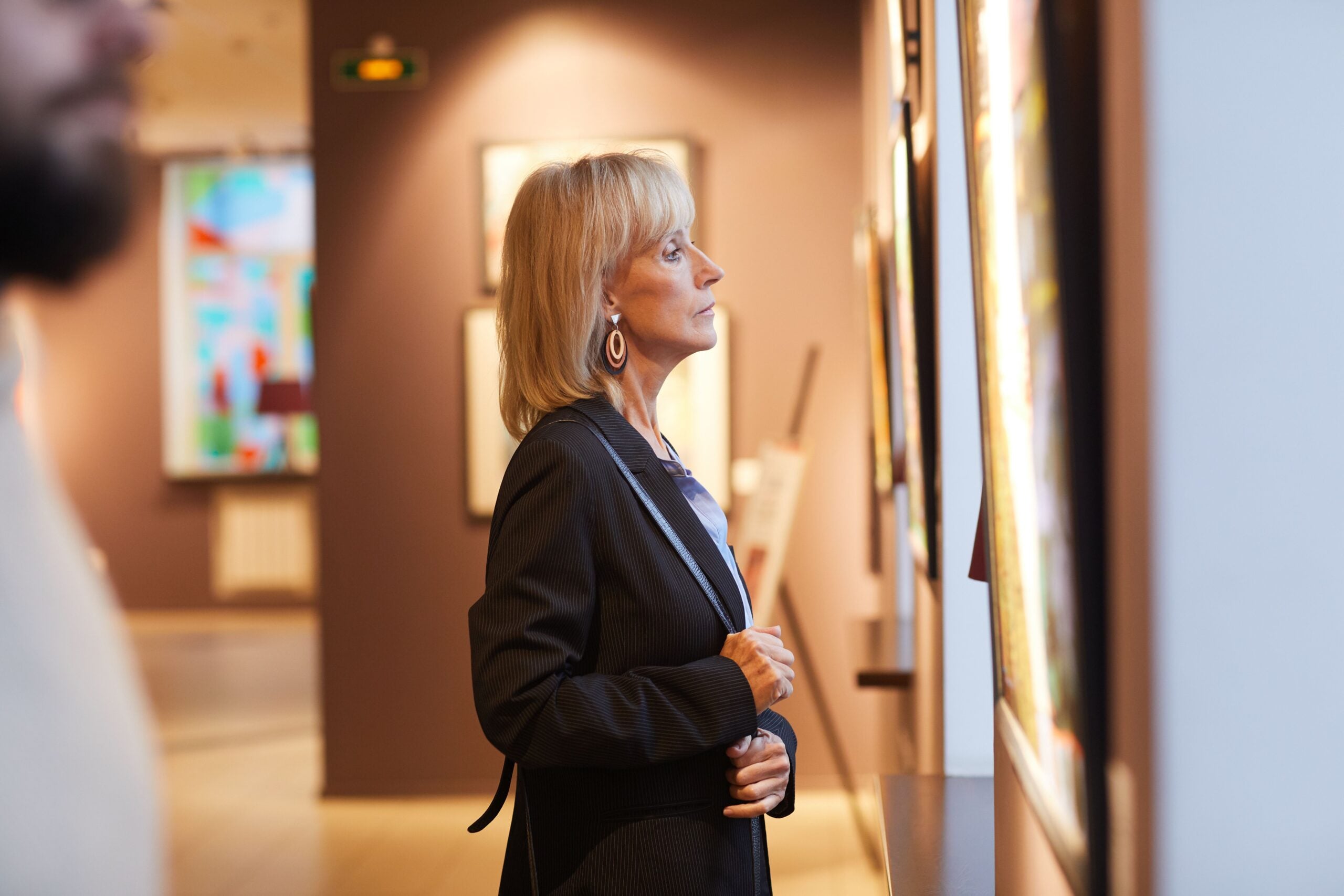
You can study photos at exhibitions in museums and galleries. However, I suggest you don’t limit your study to photography. Painters spent centuries solving exactly the problems you’re wrestling with, such as composition, light, color, drawing the eye, and telling a story in a single frame.
Stand in front of the work that grabs you and ask the same questions you’d ask of a photo. Museums are one of the best classrooms a photographer has to practice photography, even without picking up a camera.
Give Yourself Tasks and Constraints
Open-ended practice is hard to sustain – “get better” is a terrible instruction. Although it may sound counterintuitive, constraints fix that. Give yourself a brief: for example, shoot only in black and white for a week, use a single focal length for a month, photograph the same subject at different times of day, or pick one theme (doors, reflections, a color) and chase it. Limitations force creativity because you can’t fall back on your usual moves.
Take On a 365 or 52-Week Project
Perhaps you’ve already heard of these. They are structured versions of the above, and a hugely popular way to commit to regular shooting. A 365 project means one photo every day for a year; a 52-week project means one a week, usually around a set theme. Either builds the habit of shooting consistently, and consistency is what actually makes you improve.
Keep in mind, though, that a 365 project is intense. Shooting and editing something worthwhile every single day, with no days off, can turn from joy into obligation. A photo a week gives you more room to think, plan, and fit it around real life, which is why a lot of people find the 52-week challenge the more sustainable choice.
The Common Thread
Each of these tips for practicing photography has a common thread: regularity and attention. Shoot often, look hard at images (yours and other people’s), and give yourself enough structure to keep going when motivation dips. None of it requires money or travel. It requires showing up.
What’s your go-to way to keep practicing photography – a daily habit, a project, or just always having a camera on you? Tell us in the comments.
See more from DIYPhotography.net on Google
Add DIYPhotography.net as a trusted source. This makes
our stories more likely to appear in your Google Search results.
 Add as a preferred source on Google

About Lydia Marlowe
Lydia Marlowe is an architect and a hobbyist photographer who has never quite managed to keep the two apart. She travels at every excuse, usually returning with more photos of buildings and details than of the people she went with. She pays more attention to light and structure than to gear, and she firmly believes the best camera is the one you didn’t leave at home.
We love it when our readers get in touch with us to share their stories. This article was contributed to DIYP by a member of our community. If you would like to contribute an article, please contact us here.


Join the Discussion
DIYP Comment Policy
Be nice, be on-topic, no personal information or flames.