


















Essential Tips for Starting Photography in 2026
Jun 17, 2026
Lydia Marlowe

Dunja Djudjic is a multi-talented artist based in Novi Sad, Serbia. With 15 years of experience as a photographer, she specializes in capturing the beauty of nature, travel, concerts, and fine art. In addition to her photography, Dunja also expresses her creativity through writing, embroidery, and jewelry making.
Share:
The best tips for starting photography don’t include buying tons of fresh new gear. Use whatever camera you already have, get it off full Auto so you control the image, learn to see light before you worry about settings, and shoot constantly. You need repetition, patience, and a willingness to take a lot of bad photos on the way to good ones.
In this article, you’ll get the tips worth internalizing on day one, before any of the technical deep-dives.
Start With the Camera You Already Have
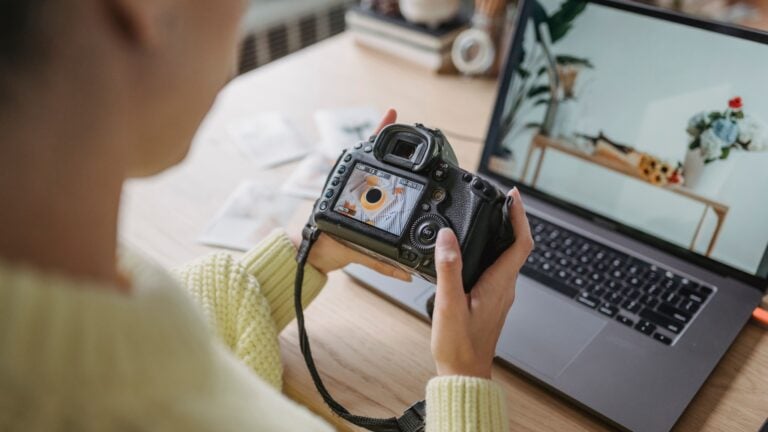
The most common beginner trap isn’t a bad photo – it’s the belief that the next purchase is what’s standing between you and good work. It isn’t. Knowing how to use your camera matters far more than owning the newest, most expensive one, so start with whatever’s in your hands right now. And yes, that includes your phone; phones are better than ever nowadays. A photographer who knows their cheap kit cold will outshoot someone fumbling with a camera they bought yesterday, every time. Master the tool you have before you upgrade.
Get Off Auto (But Don’t Panic About Manual)
Full Auto makes every decision for you, which is exactly the problem. You learn nothing and the camera plays it safe. But jumping straight to full Manual on day one is a fast way to get discouraged.
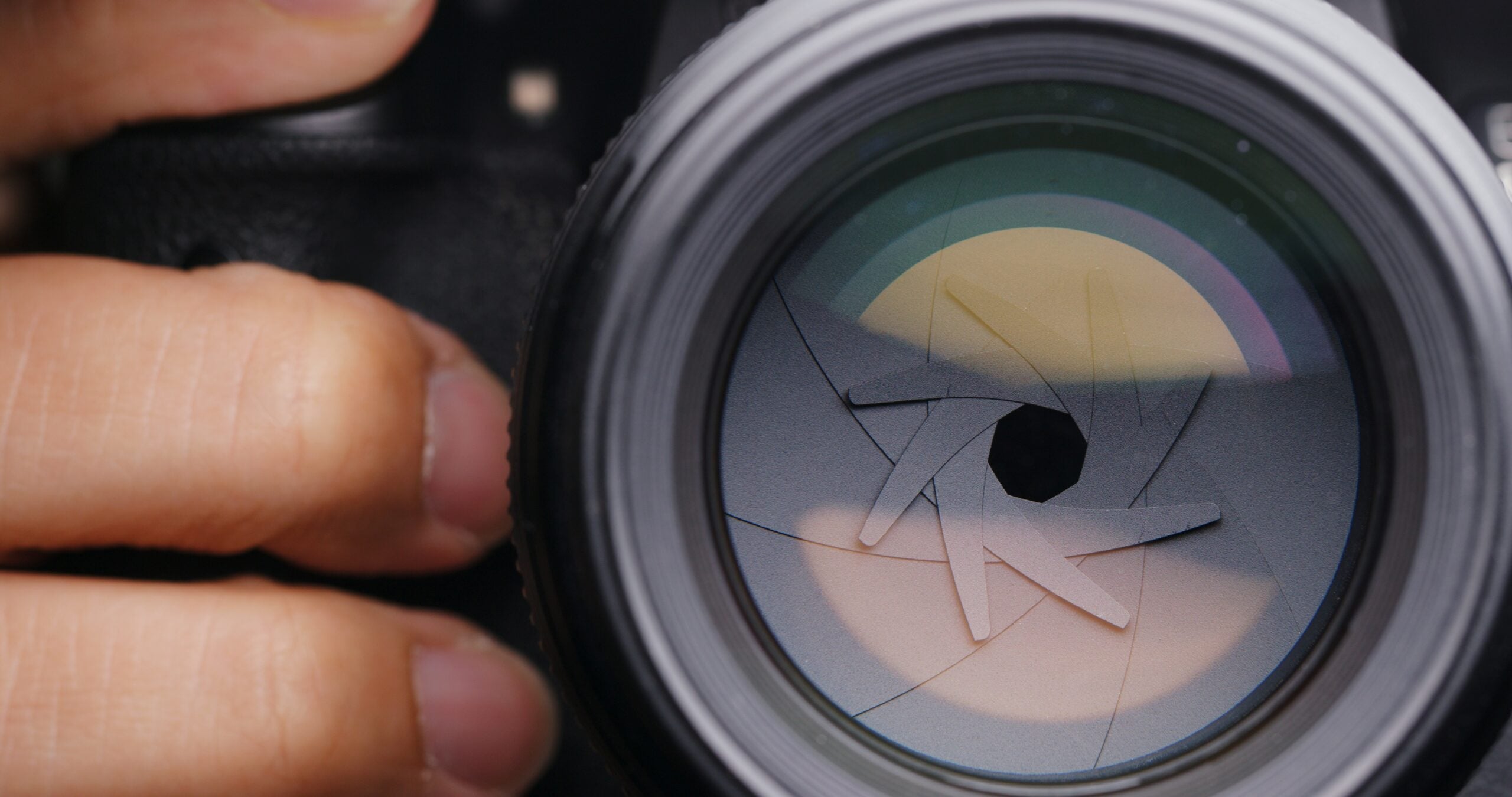
The middle path: try the semi-automatic modes like Aperture Priority or Shutter Priority, which give you creative control without forcing you to juggle everything at once. Set the one thing you care about, let the camera handle the rest, and add control as your confidence grows. You’ll understand the exposure triangle far faster by easing into it than by drowning in it.
Chase the Light Before You Chase the Subject
This is one of the tips for starting photography that nobody tells beginners loudly enough. Photography is mostly about light, and impatience is what makes you forget it. Before you press the shutter, actually stop and look at what kind of light you have and where it’s coming from.
A boring subject in beautiful light is a safer bet than a beautiful subject in flat, ugly light. Train yourself to notice the direction, softness, and color of light first, and half your photos improve before you’ve touched a single setting.
Keep It Simple
New photographers tend to cram everything into the frame, as if a photo improves by holding more stuff. But the expression “less is more” exists for a reason, and applies well to photography. Try sticking to around three elements in a shot so the image communicates its point fast and the viewer knows exactly what they’re looking at.
Ask yourself what the photo is actually about, then strip away anything that isn’t that. Clutter reads as a snapshot, and simplicity reads as shooting with intention.
Slow Down and Shoot With Intention
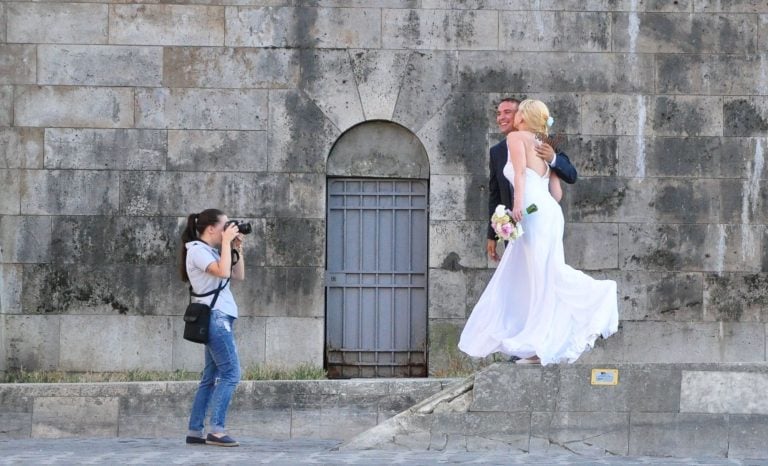
Speaking of intention – the instinct when you’re new is to “spray and pray”, aka fire off forty frames and hope one works. But then, you won’t know exactly what worked and why. The fix is simple: when you reach a location, walk around it first, study the light and the angles, set your frame deliberately, and then shoot with intention.
Fewer, more considered shots will teach you more than a memory card full of “happy accidents.” You’re training your eye, not your trigger finger.
Mind the Edges of Your Frame
Beginners and even some experienced photographers only focus on the center of the frame and ignore the borders. But this is where distractions sneak in – a stray branch, a bright blob, a half-cropped stranger pulling the eye away. Sometimes you can crop it out later, but other times, that won’t be an option. So, it’s best to look around your entire frame and remove the distractions from the shot in the first place. It takes a second and saves a photo.
Learn From Other People’s Mistakes
You will make plenty of your own, but you don’t have to make all of them. As the saying goes, you can’t live long enough to make every mistake yourself – so learn from the ones others have already made.
Watch tutorials, read breakdowns, study what makes the photos you like work. It’s the cheat code that lets you skip whole categories of frustration and shortcut months of trial and error.
Don’t Skip Editing
A lot of beginners think editing is cheating, or they just never bother. However, not investing time in editing is one of the most common things that holds new photographers back.
You don’t need a Photoshop wizard’s skills. Learn a few basics in free software (you even have a Photoshop clone online, it’s called Photopea). For starters, learn how to adjust exposure, white balance, how to crop, bump contrast – and your images will already go from snapshot to photograph. Think of the photo as the raw material and the edit as where the photo becomes your complete creation.
The Most Important Tips for Starting Photography
All of the above comes down to this: shoot a lot, stay curious and willing to learn, and be patient with yourself. And don’t get discouraged when you see photographers who are better than you. Instead, be inspired. Each of them started exactly where you are, but they put time and effort into practicing and learning from the inevitable mistakes. So will you!
What made photography finally click for you – or what are you stuck on right now if you’re just starting? If you’re more experienced, do you have any tips for starting photography? Tell us in the comments.
See more from DIYPhotography.net on Google
Add DIYPhotography.net as a trusted source. This makes
our stories more likely to appear in your Google Search results.
 Add as a preferred source on Google

About Lydia Marlowe
Lydia Marlowe is an architect and a hobbyist photographer who has never quite managed to keep the two apart. She travels at every excuse, usually returning with more photos of buildings and details than of the people she went with. She pays more attention to light and structure than to gear, and she firmly believes the best camera is the one you didn’t leave at home
We love it when our readers get in touch with us to share their stories. This article was contributed to DIYP by a member of our community. If you would like to contribute an article, please contact us here.




Join the Discussion
DIYP Comment Policy
Be nice, be on-topic, no personal information or flames.