



















46 Years Later, Yashica FX-D Makes a Killer Come Back as a Mirrorless Wunderkind
Jun 10, 2026
David Prochnow
Our resident “how-to” project editor, David Prochnow, lives on the Gulf Coast of the United States in Ocean Springs, Mississippi. He brings his expertise at making our photography projects accessible to everyone, from a lengthy stint acting as the Contributing How-To Editor with Popular Science magazine. While you don’t have to actually build each of his projects, reading about these adventures will contribute to your continued overall appreciation of do-it-yourself photography. A collection of David’s best Popular Science projects can be found in the book, “The Big Book of Hacks,” Edited by Doug Cantor.
Share:
In the 1990s, when Yashica faded to black, it looked like another film camera maker had lost the battle trying to stem the digital tide. Not so fast, sparky.
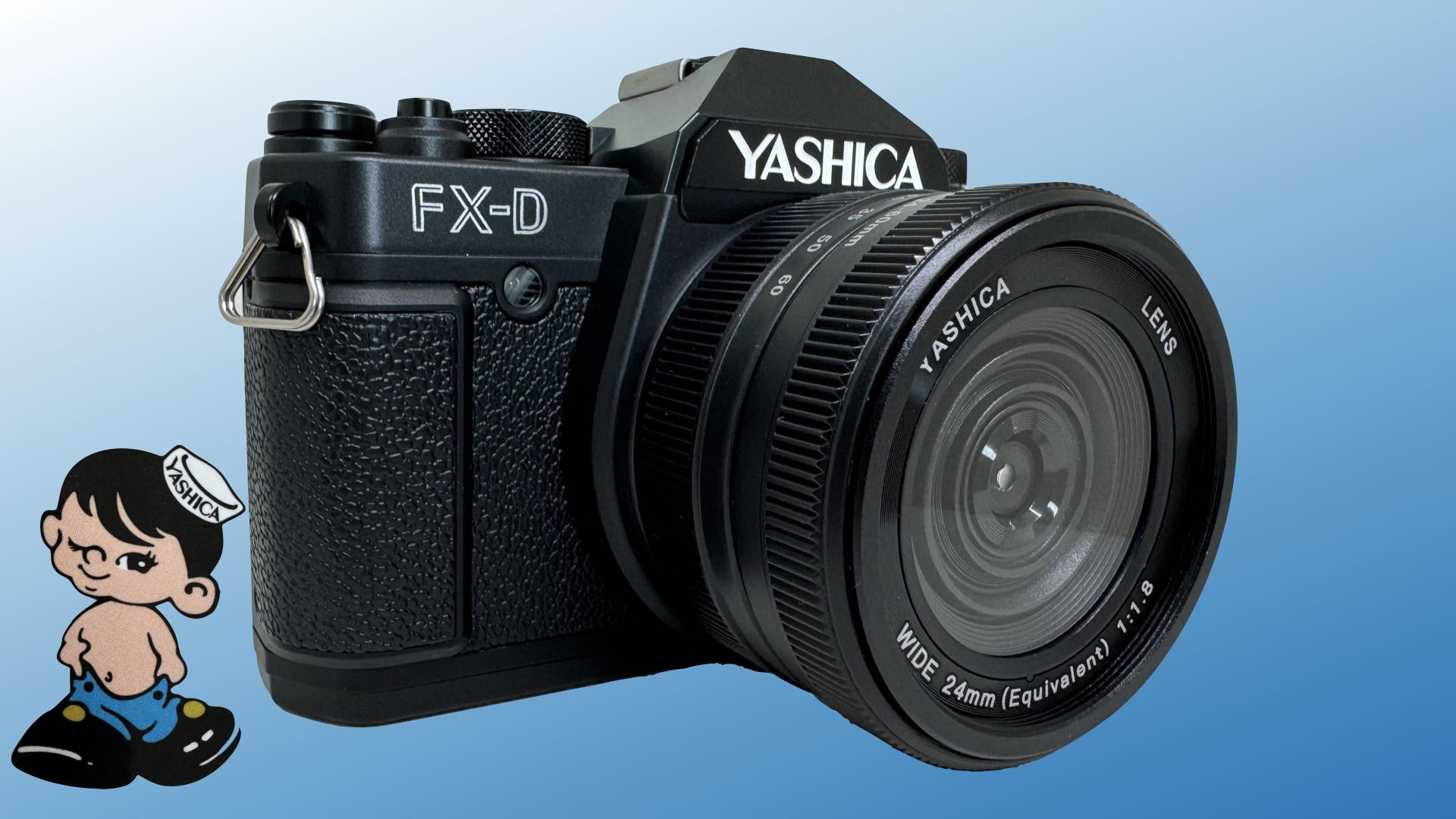
Today, 46 years after the release of the Yashica FX-D Quartz, the Yashica brand is back in business…with a brand new/old Yashica FX-D camera. Specifically, this modern iteration is named the Yashica FX-D S300 and it’s a marvelous blend of film and digital photography.
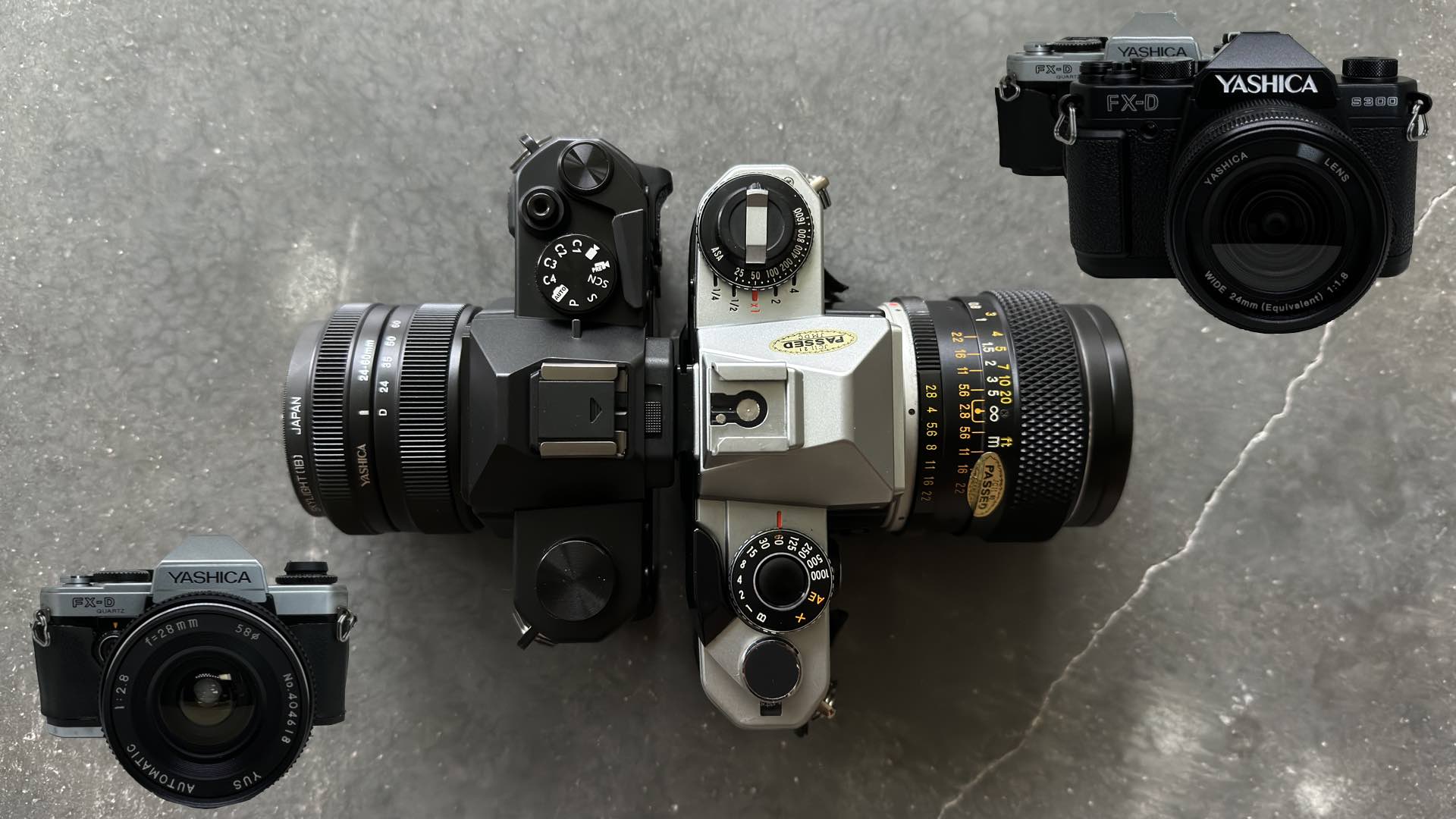
In a differing viewpoint, however, Yashica claims that their film camera, FX-3, served as inspiration for the FX-D S300. Regardless of the actual lineage of the FX-D S300, this camera is directly tied to a wildly successful $700,000 crowdfunding campaign.
Refusing to let its film photography roots completely wither, Yashica has incorporated several nods to its 35mm FX-D Quartz parent. The most obvious and satisfying of these film features is the presence of a film advance lever.
Using this lever lets you selectively switch from a conventional all digital photography system to a more film-oriented approach for capturing imagery. No, the FX-D S300 doesn’t actually take film photographs, rather the camera silently alters its operation into requiring a stroke of the film advance lever between each exposure.
Additionally, the camera switches to a lower 12MP resolution capture setting, displays an image of a Yashica-branded film roll on the display, switches to a simulated shutter release sound, and requires an advance of “film” prior to making another photograph. It’s a simple system that’s straightforward in its operation and a sweet option for Yashica film devotees.
Digital Now, Film Later
Priced at $569.99, the Yashica FX-D S300 isn’t just a film simulating gimmick camera. It possesses some very serious features that are missing from other point-and-shoot cameras priced three times higher.
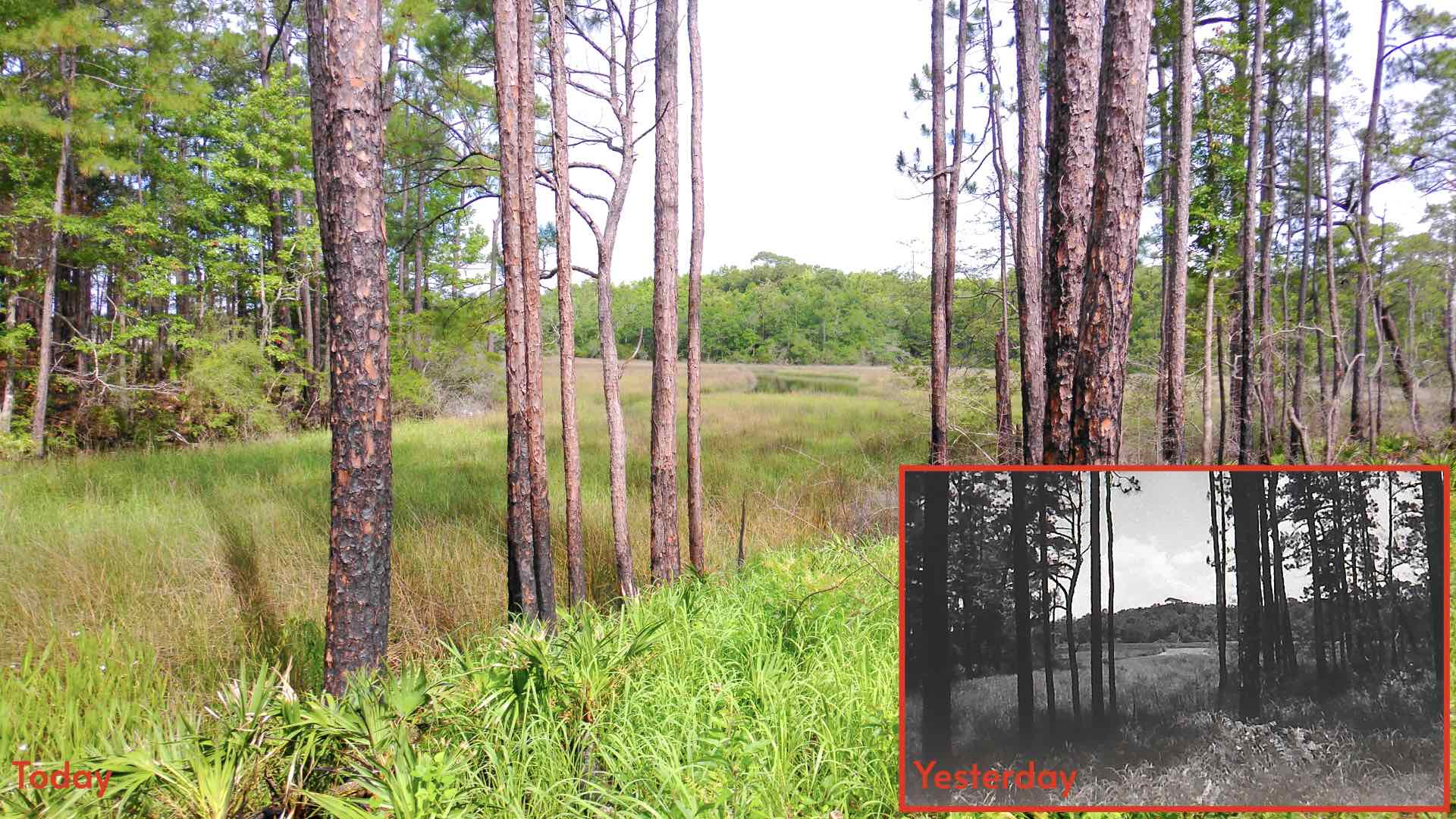
Beginning with a 50MP resolution sensor that is bolted onto a 5.68mm lens (24mm equivalent), with an f/1.8 aperture, and topped with a 49mm filter thread, the camera uniquely offers both a flip-out LCD, as well as an electronic viewfinder (EVF) for visualizing your photography. Both the LCD and EVF are low-resolution 640×480 screens that are adequate for framing but not for judging the sensor’s output.
Results from the camera far exceed the resolution of the displays, so pixel-peepers take a hike. Backed by in-camera image stabilization, autofocus, spot metering, and a variable ISO range 100-3200, photographs are crisp and beautifully rendered.
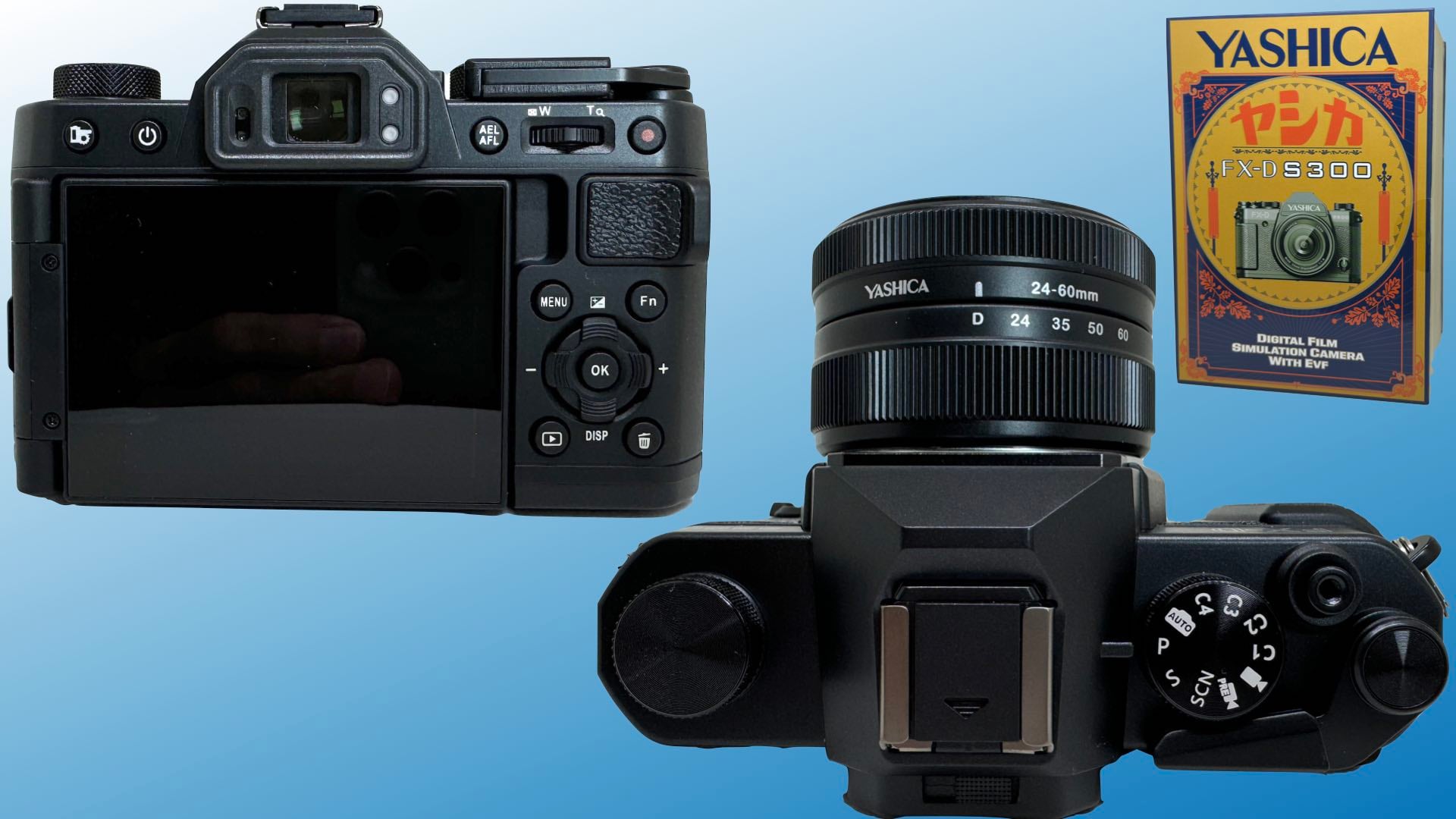
There is one standout feature on the FX-D S300 that differs from these stock specifications. On a moveable ring, surrounding the lens housing, there are a series of five detents.
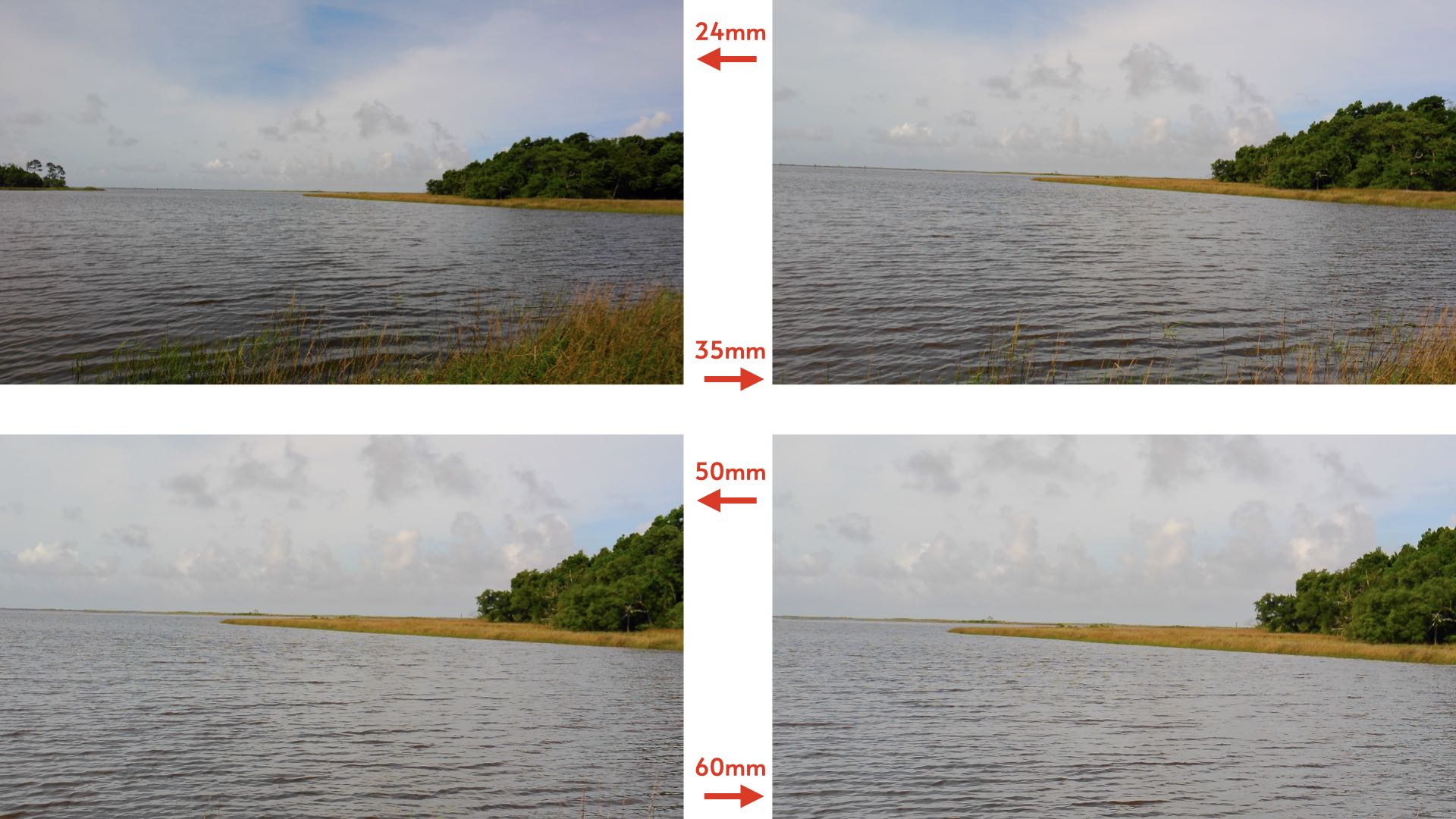
These detents represent pre-defined lens focal length simulations. Rather than equating to a digital teleconverter, these settings are sensor crops of the 24mm lens (equivalent focal length).
Labeled as: D, 24, 35, 50, and 60 these values equate to: Default, 24mm, 35mm, 50mm, and 60mm, respectively. While Default and 24mm represent the same 50MP resolution, the remaining lens simulation crops are: 35mm=24MP, 50mm=12MP, and 60mm=8MP. It’s worth noting, that when using the camera in film simulation mode, none of these lens crop modes, other than Default, are available.
After using the Yashica FX-D S300 for a couple of weeks, the experience just keeps getting better. For example, if you want to tweak a film simulation, press the film simulation program button, make your adjustments, then save your configuration to one of four programmable custom mode options.
Likewise, if you prefer to transfer your photographs on-the-go via WiFi, the camera, along with its associated Yashica app, makes everything work together…expect a few connection hiccups, though.
One minor limitation with the FX-D S300, however, is battery life. Equipped with an NP-40 1250mAh battery, don’t expect more than one day of above-average use before an in-camera recharge is necessary. That’s about 100-150 exposures in high heat and high humidity operating conditions. Therefore, extra batteries are a mandatory purchase option. Be advised, this battery is the “Casio” NP-40 and NOT the Fujifilm version.
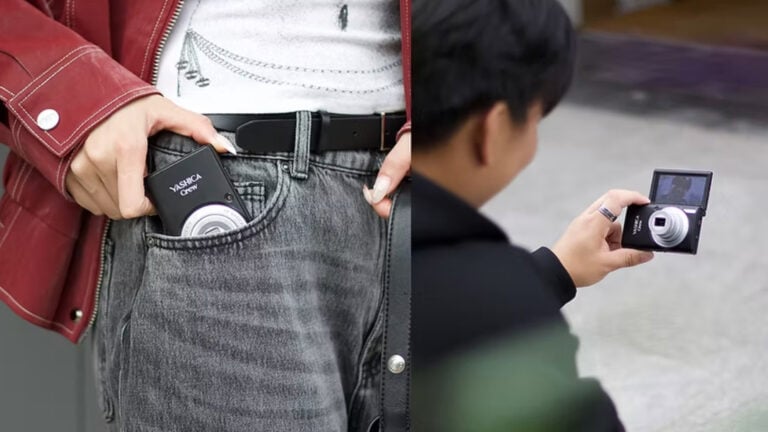
Even equipped with extra batteries, the “carrying” weight for the FX-D S300 is ridiculously lightweight. While its plastic construction and metal knobs make it easy to carry, the build quality does not make the camera feel cheap or chintzy. On the contrary, these qualities ensure that you’ll always have the Yashica FX-D S300 with you when that perfect photographic opportunity arises.
And can you think of a better testament to any camera?
Oh, and One Last Thing
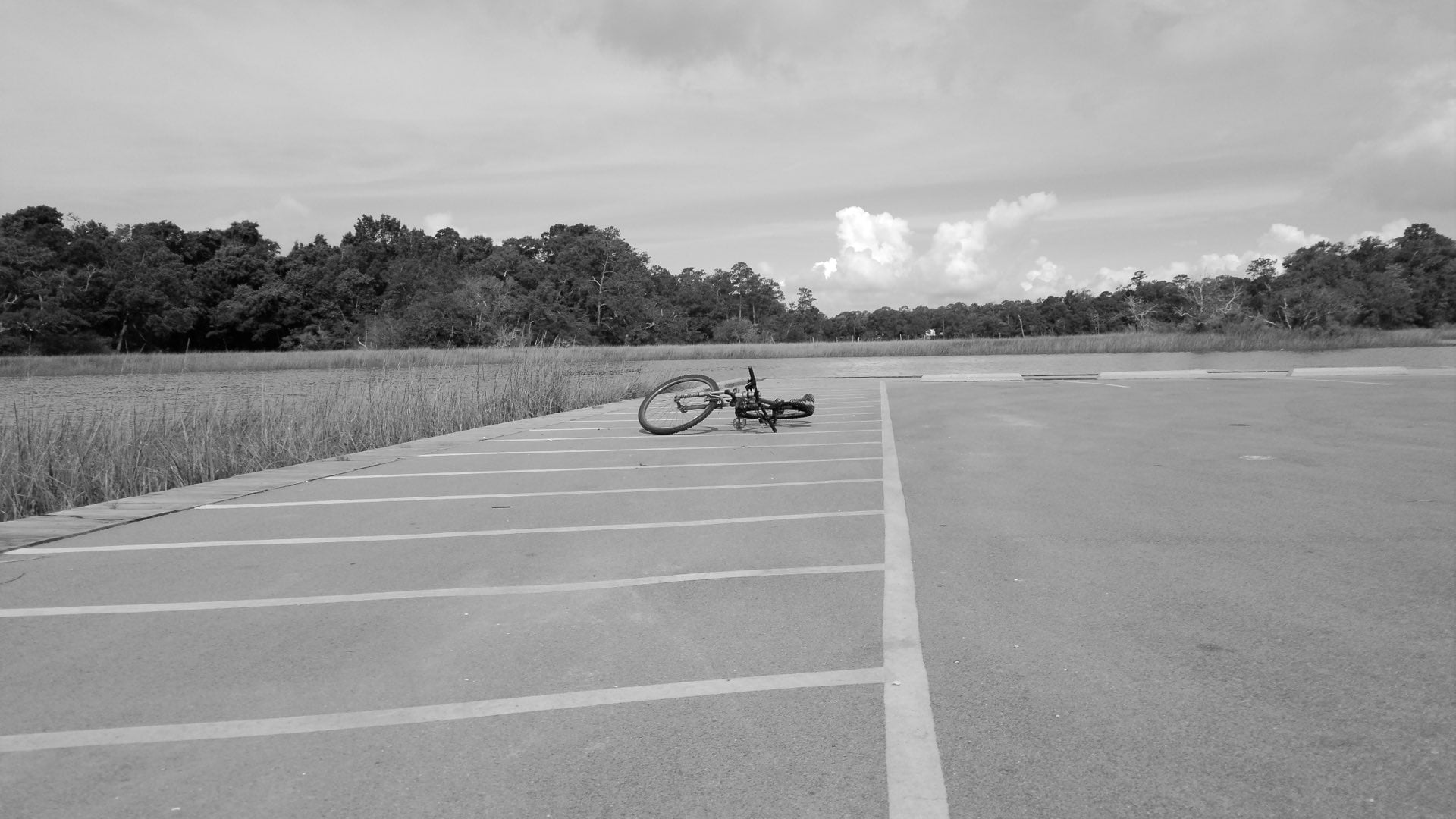
Unlike those “other” cameras that trumpet film simulations, the Yashica FX-D S300 is the only advanced point-and-shoot camera with a TRUE film trick up its sleeve. This camera is capable of shooting negatives!
Yup, in either digital or film simulation mode, “negative” is an optional simulation that can be selected and used for making photographs. Once you’ve “shot” your “negatives,” they can be processed exactly like scanned/digitized negatives. For example, uploading the negative to Lomo DigitaLIZA Lab for processing and subsequent download.
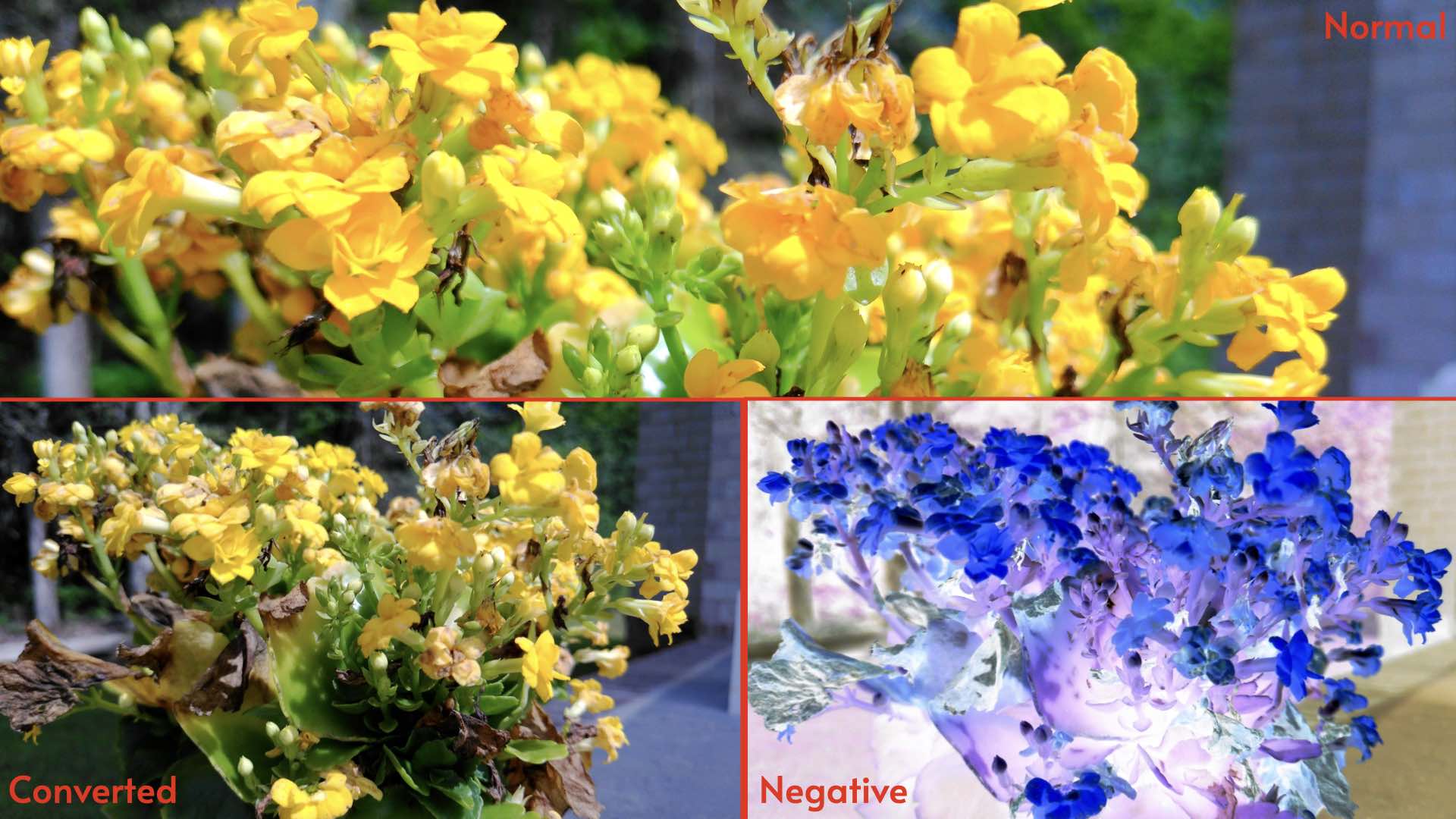
Lest you think shooting digital negatives is silly, one task that is ideally suited for the negative film simulation on the Yashica FX-D S300 is directly scanning film negatives. In this context, the camera will convert the negative directly into a 50MP positive image. No more online uploads for processing or late night photo editing chores, just “click” and your digitized negative is ready as a positive “print.”
It’s like having an extremely flexible, portable darkroom inside your camera. Be aware, however, that you might need to add 49mm close-up filters to the FX-D S300 lens for tightly focusing on your film negatives/transparencies.
Enjoy.
See more from DIYPhotography.net on Google
Add DIYPhotography.net as a trusted source. This makes
our stories more likely to appear in your Google Search results.
 Add as a preferred source on Google
Filed Under:
Tagged With:

David Prochnow
Our resident “how-to” project editor, David Prochnow, lives on the Gulf Coast of the United States in Ocean Springs, Mississippi. He brings his expertise at making our photography projects accessible to everyone, from a lengthy stint acting as the Contributing How-To Editor with Popular Science magazine. While you don’t have to actually build each of his projects, reading about these adventures will contribute to your continued overall appreciation of do-it-yourself photography. A collection of David’s best Popular Science projects can be found in the book, “The Big Book of Hacks,” Edited by Doug Cantor.



Join the Discussion
DIYP Comment Policy
Be nice, be on-topic, no personal information or flames.