























Thypoch Debuts Its First Autofocus Zoom for Sony Shooters
May 15, 2026
Alysa Gavilan
Alysa Gavilan has spent years exploring photography through photojournalism and street scenes. She enjoys working with both film and mirrorless cameras, and her fascination with the craft has grown over the decades. Inspired by Vivian Maier, she is drawn to capturing everyday moments that often go unnoticed.
Share:
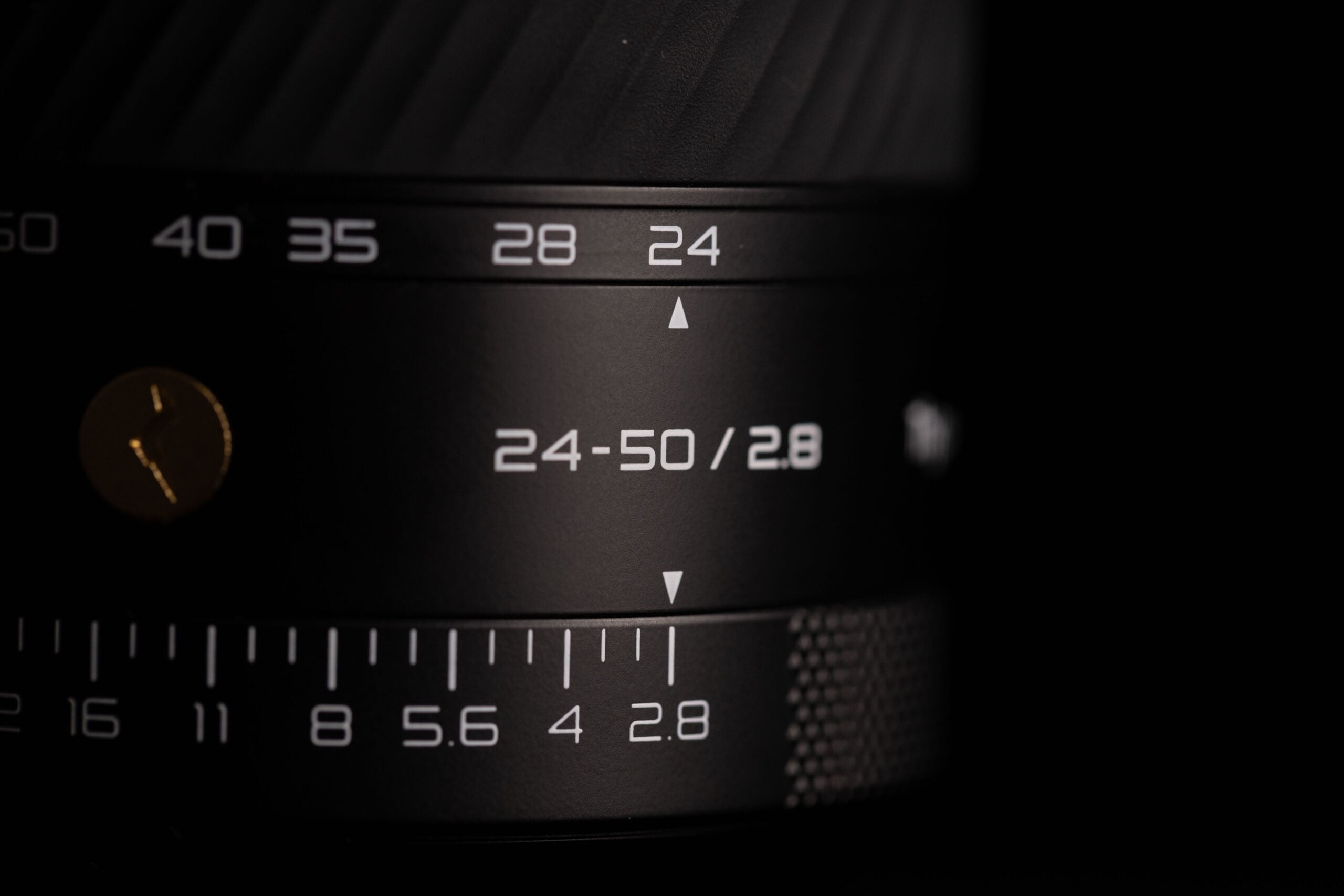
A new full frame zoom has entered the Sony E mount ecosystem, and it comes from a brand many photographers may not yet associate with autofocus glass.
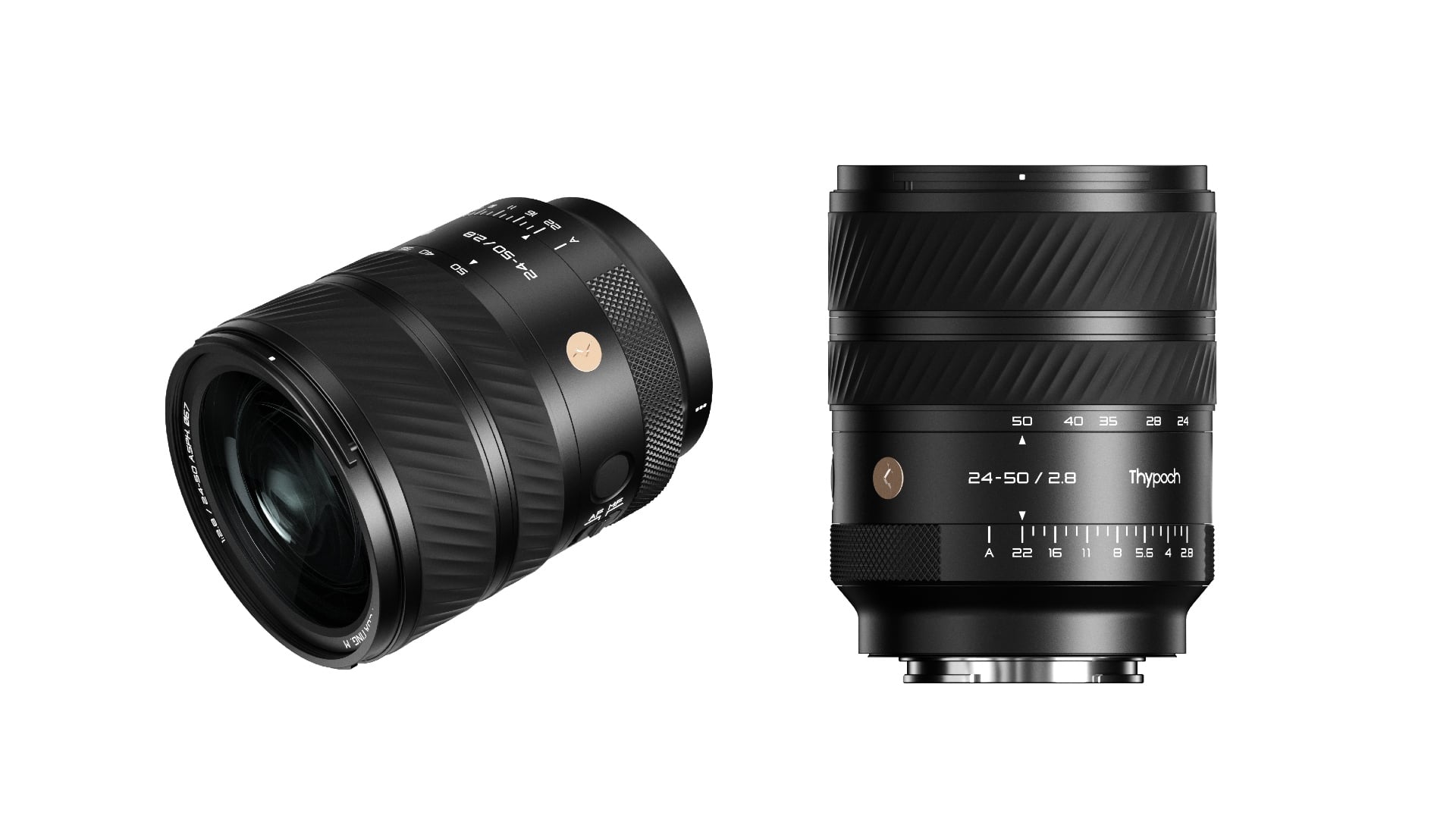
The Thypoch Voyager 24-50mm f/2.8 marks a first for the company, combining a constant aperture internal zoom design with full frame autofocus support. It arrives with a clear aim at working photographers who want flexibility without giving up consistent handling or optical control.
Three Focal Lengths In One Working Range
The Voyager covers 24mm, 35mm, and 50mm within a single zoom range, which are widely used focal lengths in reportage and everyday professional shooting.
At 24mm, it supports wider environmental framing. At 35mm, it aligns closely with a natural field of view often used in documentary work. At 50mm, it provides tighter subject separation and portrait style framing without moving into telephoto compression.
This grouping is designed to reduce lens changes during fast moving shoots, particularly in event and street environments.
Thypoch describes the lens as maintaining prime like rendering across the range, supported by a 16 element, 13 group optical design that includes aspherical, extra low dispersion, and high refractive index elements.
Internal Zoom And Constant Aperture Design
A defining feature of the Voyager is its internal zoom mechanism. The lens does not extend or retract when changing focal lengths, keeping the barrel length fixed at 92.88mm throughout the 24 to 50mm range. This design helps maintain balance on handheld rigs and gimbals, where shifting weight can require recalibration.
The constant f/2.8 aperture remains available across the zoom range. This allows exposure settings to stay consistent when changing focal lengths, which is useful in video production and continuous shooting scenarios. It also supports low light work without requiring aperture adjustments during framing changes.
The fixed barrel design also reduces the risk of lens creep and simplifies sealing against dust and moisture ingress.

Autofocus and Sony E Mount Integration
The Voyager is Thypoch’s first full frame autofocus zoom lens. It uses a Sony E mount and supports native autofocus functions including continuous AF tracking and eye detection on compatible Sony Alpha bodies. Thypoch states the AF system is designed for quiet operation and responsiveness suitable for both stills and video work.
Tested compatibility includes Sony bodies such as the A7 series, A9 III, FX3, and ZV E1. The lens also includes direct AF and manual focus switching on the lens body.
Optical Design And Rendering Character
The optical construction includes 10 rounded aperture blades, which contribute to out of focus rendering and highlight shape.
The design targets controlled aberrations across the frame, supported by specialized glass elements intended to reduce distortion and chromatic issues across all focal lengths.

The emphasis is not only on sharpness but also on transition from focus to blur. The rendering is described as gradual rather than abrupt, which affects how subjects separate from backgrounds in real shooting conditions.
The Voyager includes sealing at key structural points including the mount, rings, and front element. Combined with the internal zoom design, this reduces exposure points for dust and moisture. This makes it more suitable for outdoor work where conditions can change quickly.
In practice, this places it in the category of lenses intended for continuous field use rather than controlled environments, particularly when paired with weather sealed Sony bodies.
Price And Availability
The Voyager 24 to 50mm f/2.8 launches at $619 or €539 from May 14 to May 31, 2026, before moving to a listed MSRP of $649 or €569. It ships with front and rear caps and a warranty card, with availability expected from early June 2026.
At 432 grams, it sits in a relatively compact category for a constant f/2.8 full frame zoom.
A lens that replaces multiple primes changes how a shooter builds a kit, but it also raises a practical question for working photographers about what they are willing to trade in simplicity versus focal length choice in real assignments.
[Images via Thypoch]
See more from DIYPhotography.net on Google
Add DIYPhotography.net as a trusted source. This makes
our stories more likely to appear in your Google Search results.
 Add as a preferred source on Google

Alysa Gavilan
Alysa Gavilan has spent years exploring photography through photojournalism and street scenes. She enjoys working with both film and mirrorless cameras, and her fascination with the craft has grown over the decades. Inspired by Vivian Maier, she is drawn to capturing everyday moments that often go unnoticed.


Join the Discussion
DIYP Comment Policy
Be nice, be on-topic, no personal information or flames.