























Rubin Observatory Alert Triggers First Real-Time Follow-Up Observations
Mar 31, 2026
Soumyadeep Mukherjee
Soumyadeep Mukherjee is an award-winning astrophotographer from India. He has a doctorate degree in Linguistics. His work extends to the sub-genres of nightscape, deep sky, solar, lunar and optical phenomenon photography. He is also a photography educator and has conducted numerous workshops. His works have appeared in over 40 books & magazines including Astronomy, BBC Sky at Night, Sky & Telescope among others, and in various websites including National Geographic, NASA, Forbes. He was the first Indian to win “Astronomy Photographer of the Year” award in a major category.
Share:
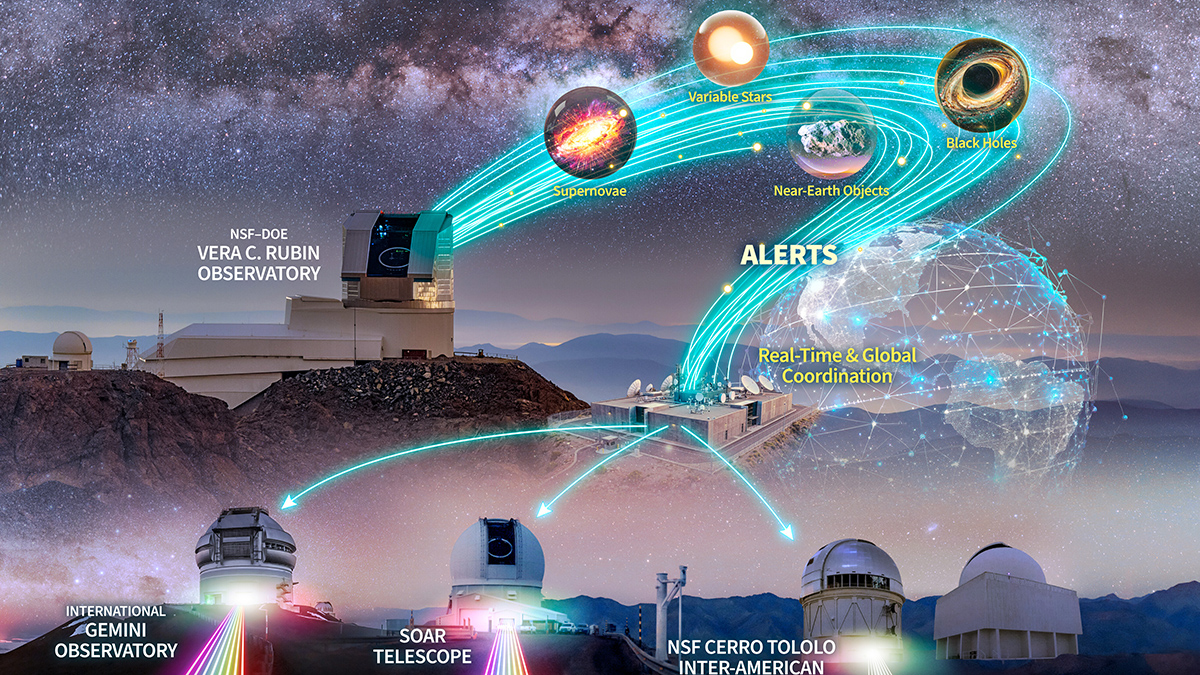
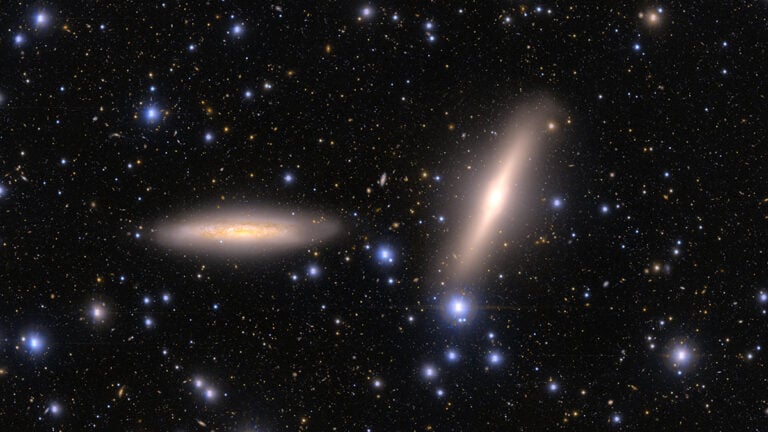
Astronomers have spent years preparing for the moment when the alert stream from the Legacy Survey of Space and Time (LSST) would begin driving real follow-up observations across multiple observatories. That moment is finally here. Researchers working with NSF NOIRLab have successfully carried out the first telescope observations triggered directly by Rubin-style alert packets. The result confirms that the discovery pipeline designed for the Rubin era is no longer theoretical.
The Rubin Observatory was never intended to work alone. From the beginning, the project relied on a network of follow-up telescopes that could respond rapidly to newly detected events. The recent observations show that this coordination now works under real observing conditions. Detection, alert distribution, filtering, and response are beginning to function as a connected system.
A survey telescope designed to watch the sky change
Rubin Observatory follows a strategy very different from most large optical telescopes. Instead of observing individual targets chosen in advance, it repeatedly scans large portions of the southern sky. This repeated coverage allows astronomers to detect motion and brightness changes across enormous numbers of objects.
The observatory will revisit the same regions again and again throughout its ten-year survey. Each visit adds another layer to a growing time-resolved record of the universe. That record will reveal exploding stars, moving asteroids, variable stars, and distant active galaxies that brighten and fade over time.
At the center of this effort is the LSST Camera, the largest astronomical digital camera ever built. It records wide fields with high sensitivity. Every exposure captures an enormous number of objects in a single frame. As the telescope continues scanning through the night, the camera builds a sequence of images that can be compared with earlier observations of the same regions.
The comparison happens almost immediately. Software checks each new image against deep reference templates created from earlier data. If something changes position or brightness, the system produces an alert packet describing the event. That packet then moves out to the astronomical community within about a minute.
Alerts reaching the community quickly
In time-domain astronomy, speed is important. Many transient events evolve quickly. A supernova can change rapidly during the first hours after explosion. A newly discovered asteroid may need immediate tracking before it moves too far across the sky. Variable stars sometimes show behavior that lasts only a short time.
Rubin Observatory addresses this challenge by processing its images almost as soon as they are recorded. The system searches for differences between new exposures and earlier reference images. When it finds one, it prepares an alert packet containing measurements and small image cutouts of the affected region.
These alerts reach scientists roughly sixty seconds after detection. This response time determines how observers plan their work. Instead of waiting for catalog releases weeks later, astronomers can react while an event is still developing. Follow-up telescopes can observe targets during the earliest stages of their evolution, when important physical information is still visible.
Equally important, the alert stream is public. Research teams around the world can examine the alerts and decide whether to respond with their own observations.
The first follow-up observations
The recent observations carried out through NOIRLab facilities demonstrate that Rubin-style alerts can now trigger real telescope responses. This confirmation matters because the Rubin survey depends on cooperation between discovery instruments and follow-up observatories.
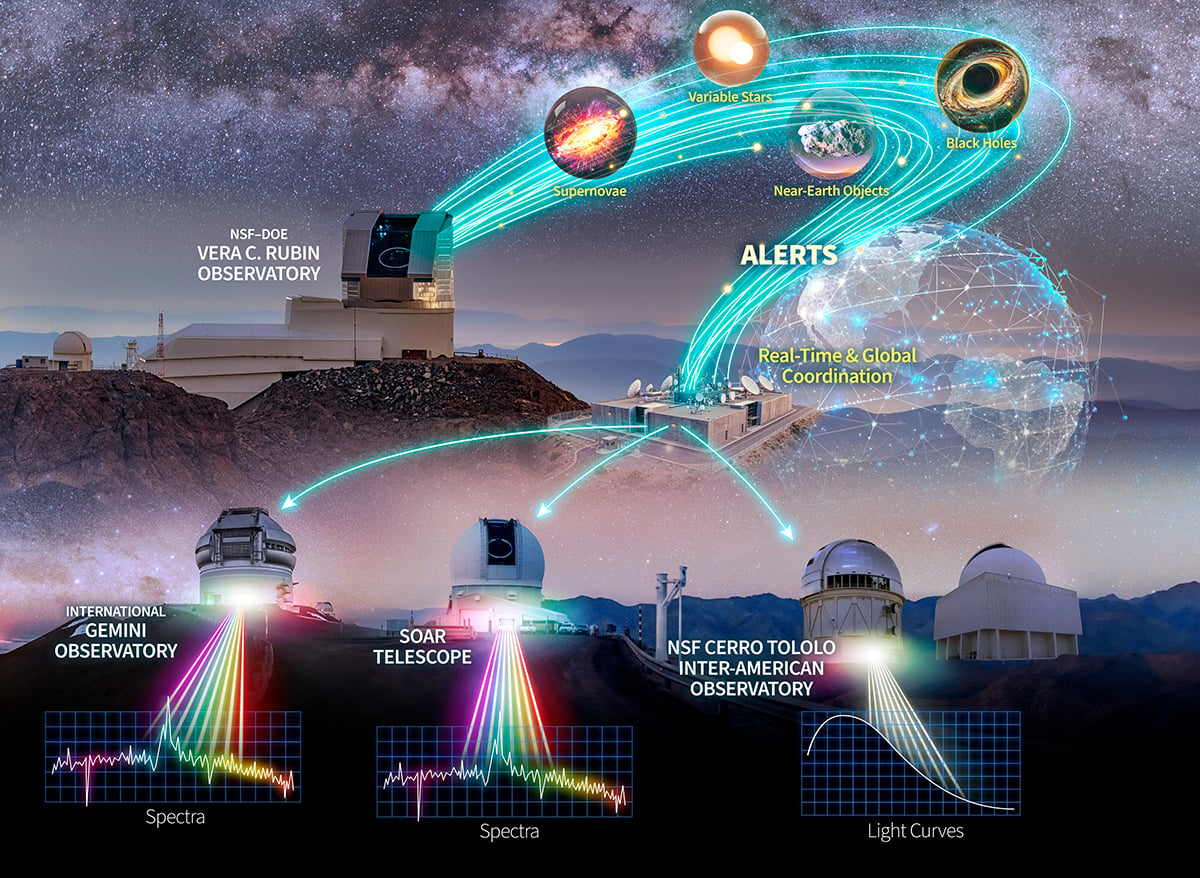
The process begins with a detection in Rubin survey images. The alert system distributes the information within minutes. Community broker systems evaluate the alert and identify interesting candidates. Follow-up telescopes then observe those targets to collect additional data.
Each step must operate smoothly for the system to succeed. If alerts arrive too slowly, the opportunity may be lost. If classification fails, telescopes may point at uninteresting targets. And if response times are too long, key information may disappear before observers can measure it.
The new NOIRLab observations show that the sequence now works from beginning to end. Rubin detections can move through the alert network and reach telescopes that respond quickly enough to obtain useful follow-up data.
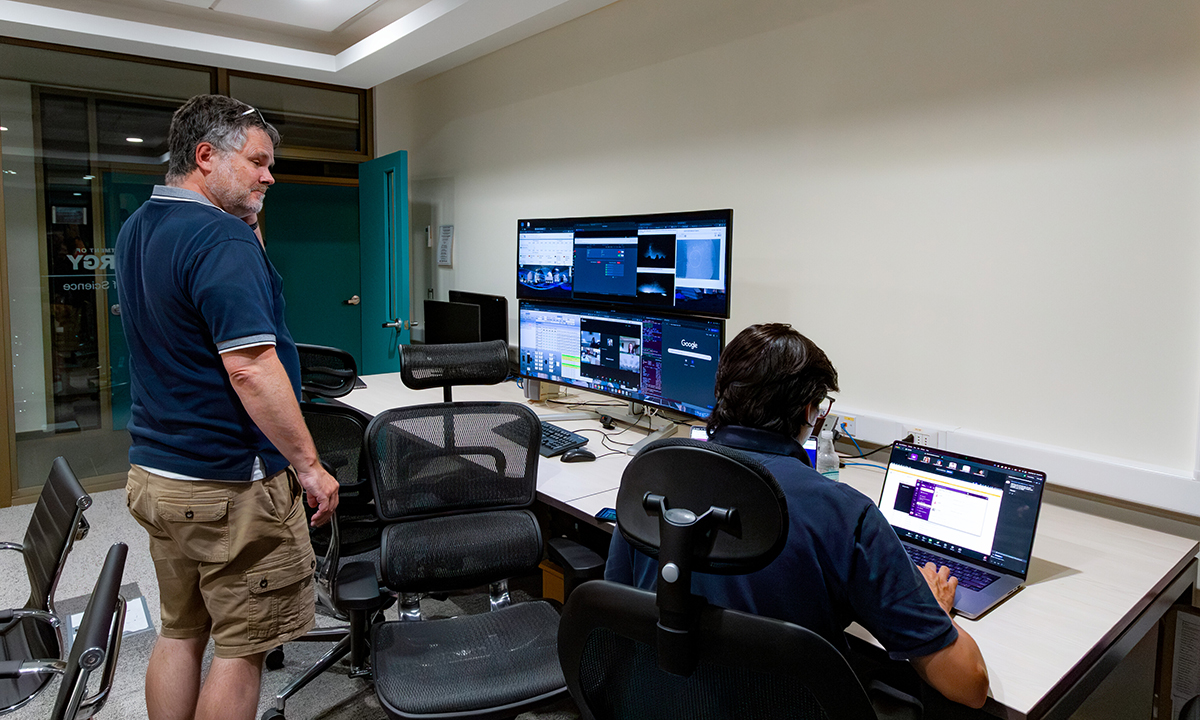
NOIRLab telescopes provide the detailed measurements
Rubin Observatory excels at discovery. However, discovery alone does not reveal the full physical nature of transient events. Follow-up observations provide the measurements needed to interpret what the survey detects.
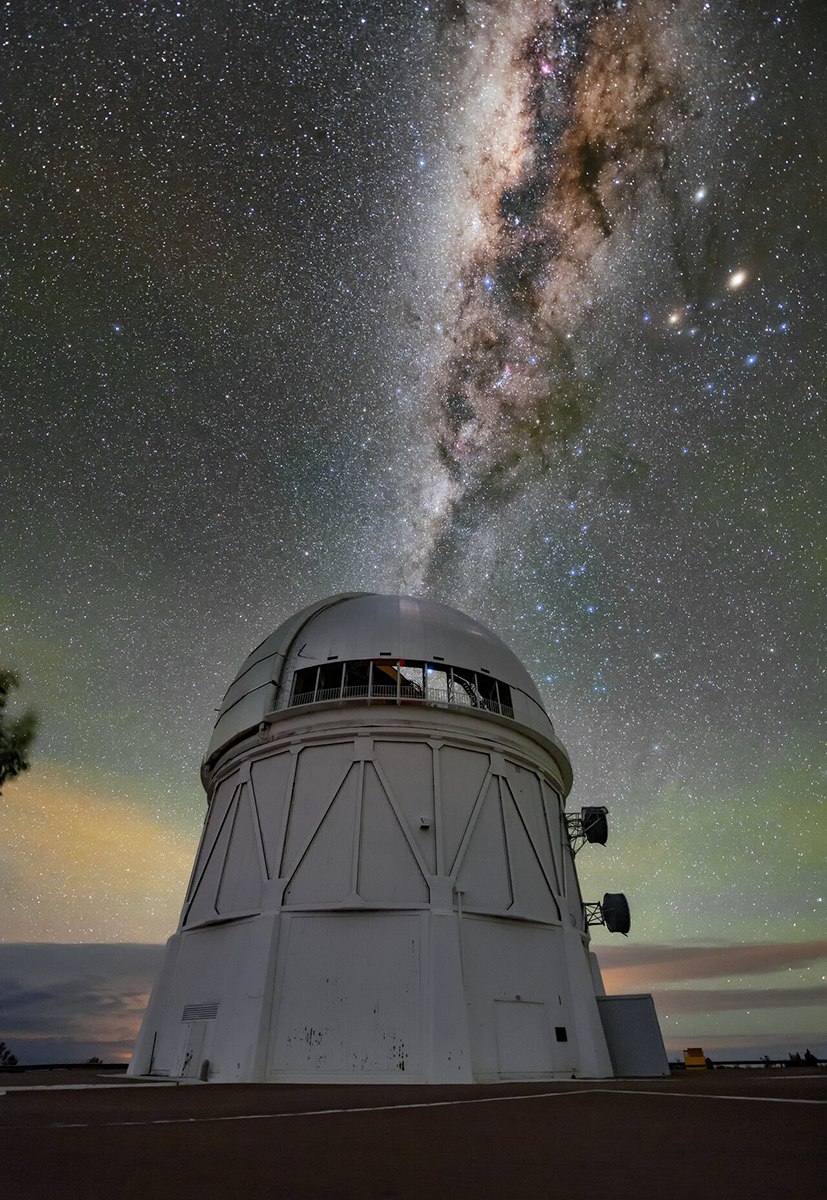
NOIRLab operates several facilities that support this role. Observatories such as the SOAR Telescope and Cerro Tololo Inter-American Observatory provide instruments capable of imaging faint targets and recording spectra soon after detection.
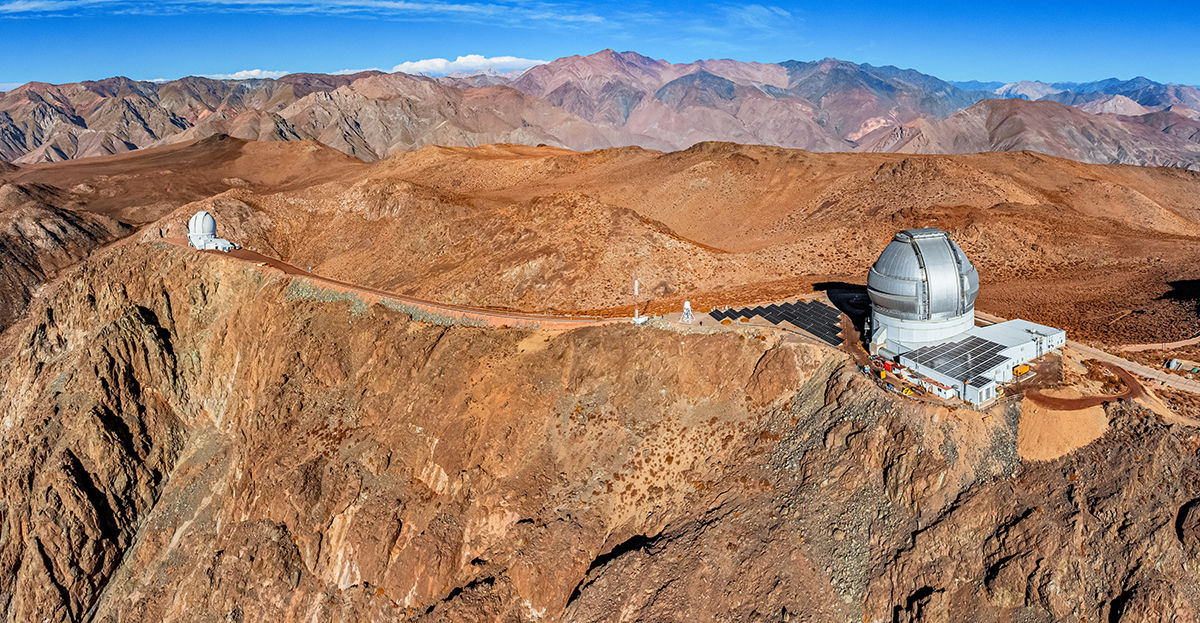
Spectroscopy plays an especially important role during the early stages of transient evolution. It allows astronomers to measure velocity structure and chemical composition within the source environment. Imaging observations taken over several nights then reveal how brightness changes with time.
These measurements help researchers determine whether a detected object is a supernova, a variable star, or a moving body in the Solar System. The recent alert-triggered observations show that NOIRLab telescopes can now participate in this response network. That capability will become increasingly important once the Rubin survey begins routine operations.
Clear skies!
See more from DIYPhotography.net on Google
Add DIYPhotography.net as a trusted source. This makes
our stories more likely to appear in your Google Search results.
 Add as a preferred source on Google

Soumyadeep Mukherjee
Soumyadeep Mukherjee is an award-winning astrophotographer from India. He has a doctorate degree in Linguistics. His work extends to the sub-genres of nightscape, deep sky, solar, lunar and optical phenomenon photography. He is also a photography educator and has conducted numerous workshops. His works have appeared in over 40 books & magazines including Astronomy, BBC Sky at Night, Sky & Telescope among others, and in various websites including National Geographic, NASA, Forbes. He was the first Indian to win “Astronomy Photographer of the Year” award in a major category.


Join the Discussion
DIYP Comment Policy
Be nice, be on-topic, no personal information or flames.