
















Is the Fujifilm X-T30 III the Camera for You? That Depends
Mar 22, 2026

Share:
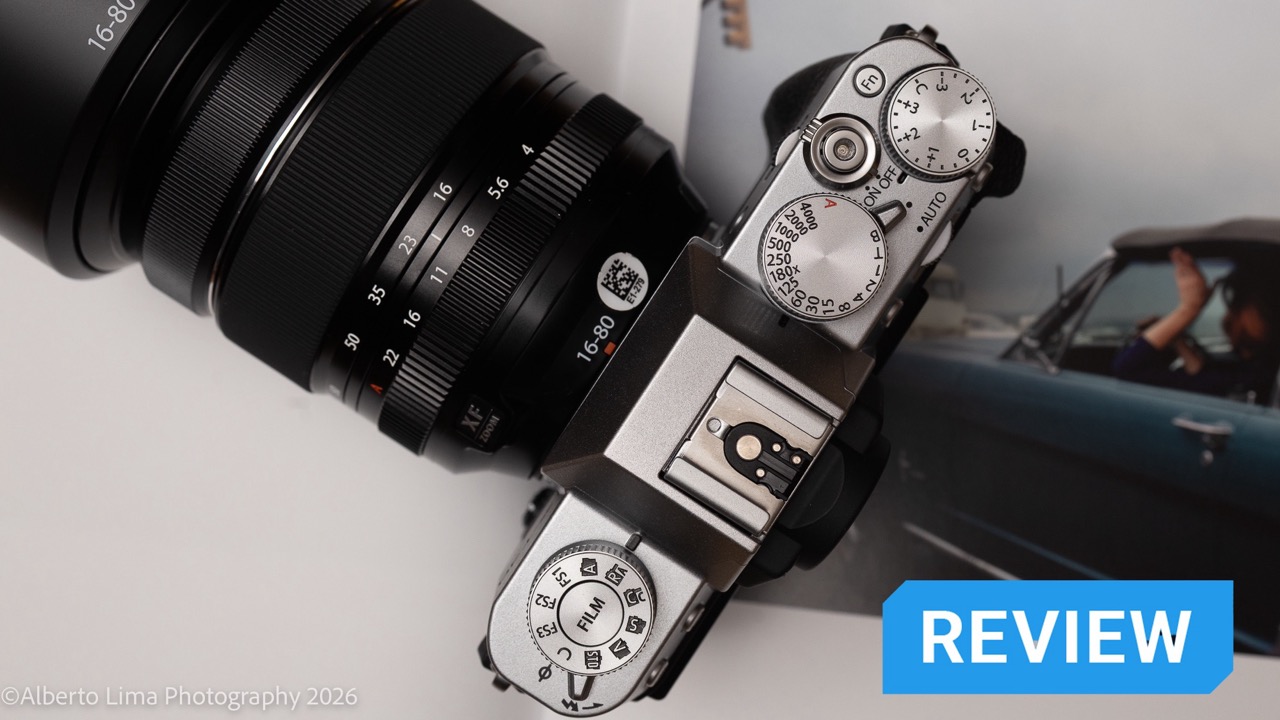
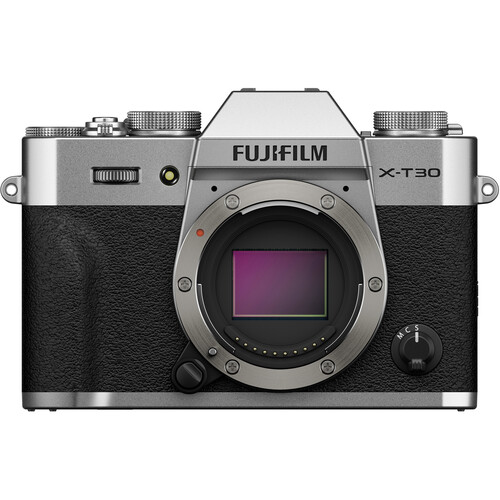
In October 2025, Fujifilm announced the release of the X-T30 III, a direct successor of the X-T30 II that was released in 2019. In that time, Fujifilm has had several changes in its APS-C camera lineup, including the introduction of a newer, larger imaging sensor – the X-Trans 5 brings a 40-megapixel sensor to the X-series cameras – and the X-Processor 5 brought over Subject Detection and Wide Priority Tracking. The X-T30 III didn’t get a 40-megapixel sensor but did pick up a few tricks from the X-T5. But who is this camera for?
Fujifilm X-T30 III Key Features
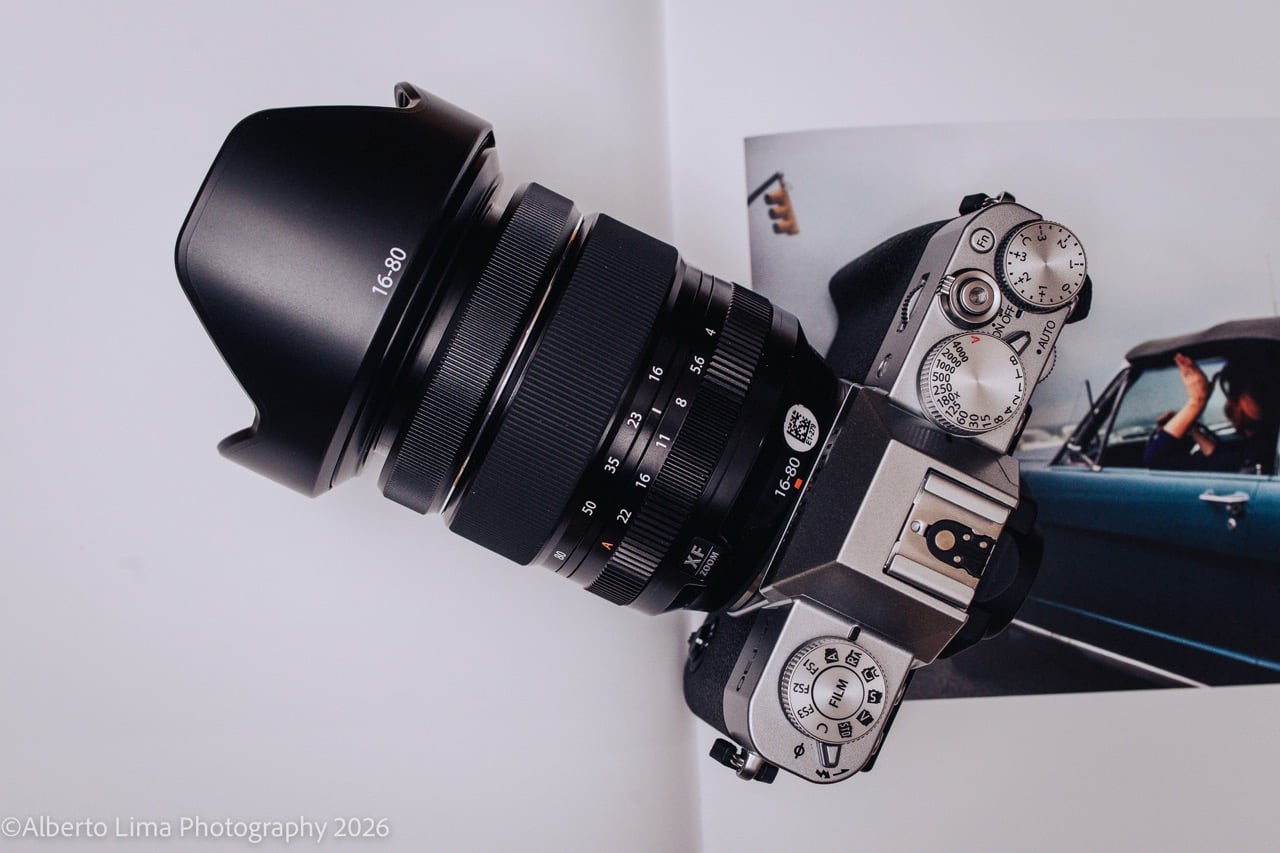
- 26.1MP APS-C X-Trans CMOS 4 Sensor
- X-Processor 5 Image Processor
- 6.2K/30p, 4K/60p & FHD/240p Video
- Configurable Film Simulation Dial
- 425-Point AF, AI-Based Subject Detection
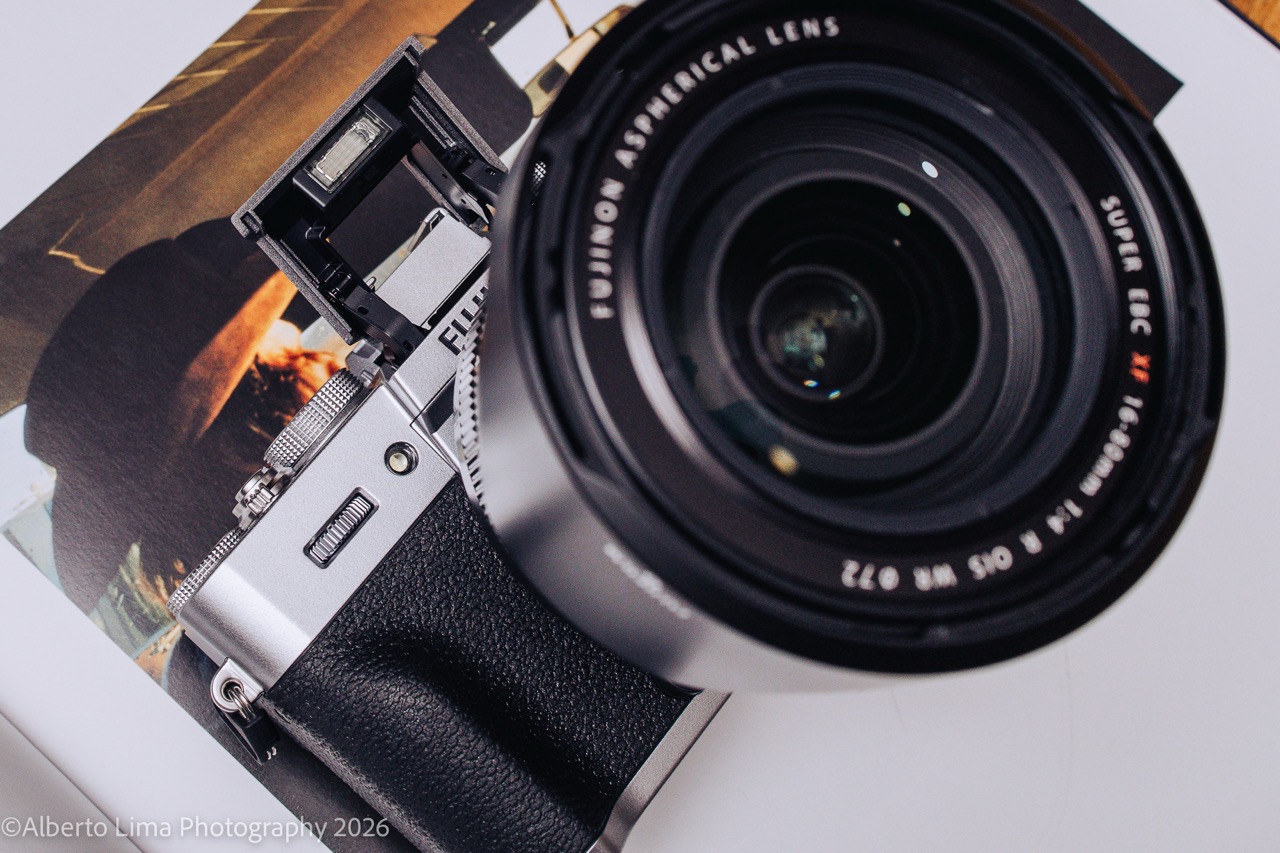
- Single-Switch Auto Mode | Built-In Flash
- 2.36m-Dot OLED Electronic Viewfinder
- 3.0″ 1.62m-Dot Tilting LCD Touchscreen
- SD/SDHC/SDXC UHS-I Card Slot
As mentioned earlier in our article, the Fujifilm X-T30 III sports the 26-megapixel X-Trans 4 sensor and pairs it with the newer, faster X-Processor 5 image processor found in the X-T5 and X-H2S. This allows the X-T30 III to get some modern video updates (4k/60 anyone?) and improve its autofocus capability. Fujifilm is squarely setting its sights on a generation of photographer that are less interested in spending hours on photo editing software and prefer a straight-out-of-camera look by including its Film Simulation dial.
Ergonomics
As someone who’s spent the better part of the last decade using Fujifilm cameras, I’m someone who’s decidedly on the dials are a better experience than rear-facing buttons. I love that the X-T30 III keeps the shutter dial and the exposure compensation dial, but I’m very sad to see the drive dial replaced in favor of the Film Simulation dial. While I understand the appeal and why Fujifilm would make this decision, in practice, it becomes far more gimmicky than useful as once you find the handful of Film Simulation “recipes” that fit your taste, you’ll rarely go back to this dial.
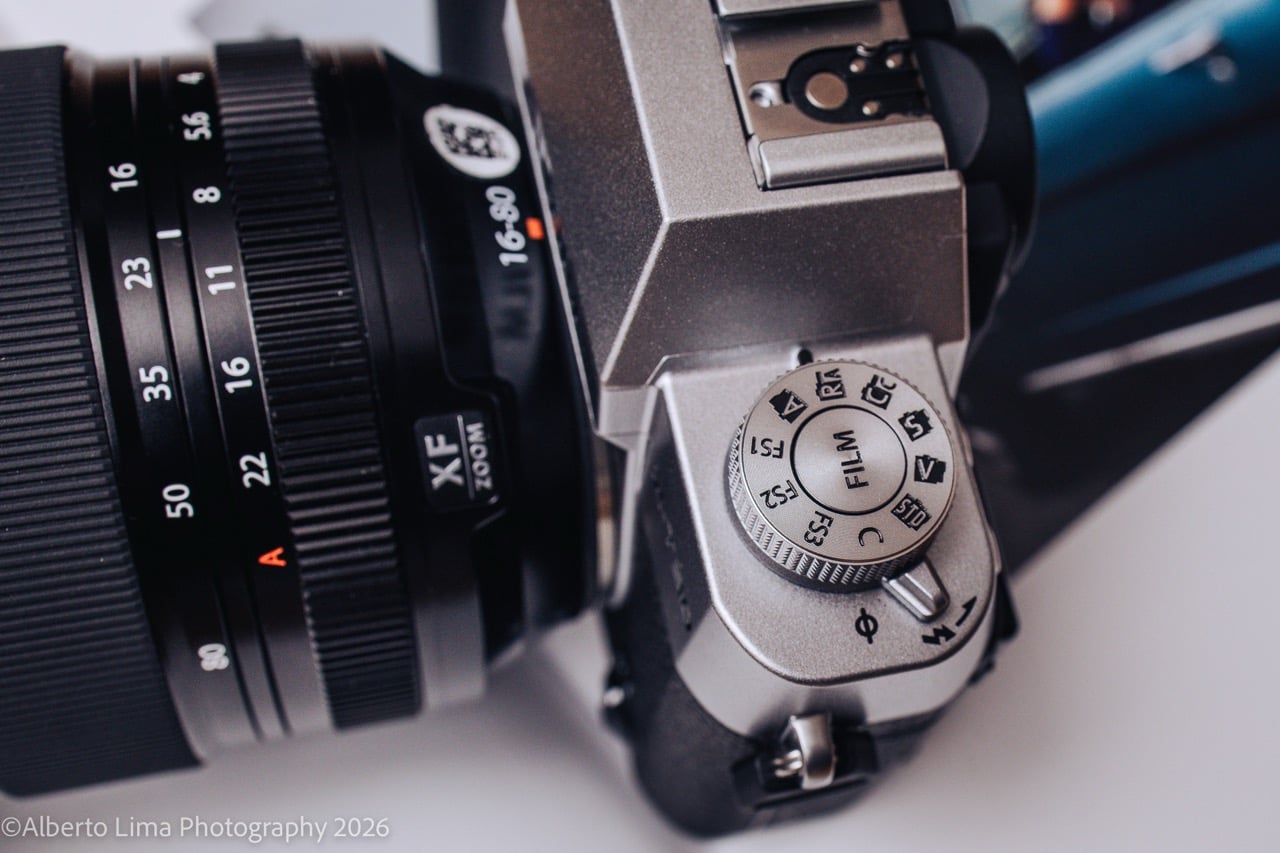
The last X-T body I purchased was the X-T2, and for a brief time I had considered picking up the original X-T30. The main reason I stuck with the X-T2 over any X-Txx camera came down to how comfortable it felt over the double-digit X-T cameras. While the X-T30 III is largely unchanged in this respect, Fujifilm has managed to keep the overall size of the camera body the same while making the grip better. The biggest change that I found was in the textured leatherette used in the grip. The actual physical size of the grip feels unchanged, but the materials make it feel far more secure in the hand.
As a habit, I tend to prefer wrist straps when making photographs, and the size and weight of the X-T30 III is perfect for that kind of setup. The camera is extremely lightweight, even with the XF16-80mm F4 WR lens that I used during my testing. This camera begs to be carried around daily and has lots of flexibility thanks to being an interchangeable lens system.
Autofocusing Improvements on the Fujifilm X-T30 III

The biggest improvement in the X-T30 III is its autofocus. For starters, the X-T30III gets significant modernization in its autofocusing system, bringing Face and Eye AF, as well as Subject Detection that can identify People, Pets (Dogs/Cats), Birds, and certain Objects (i.e., Planes, Bikes, and Cars). For some, this is worth the price of admission – bringing many of the key features found in some of Fuji’s more expensive cameras down to a true entry-level X-series camera.
Image Quality
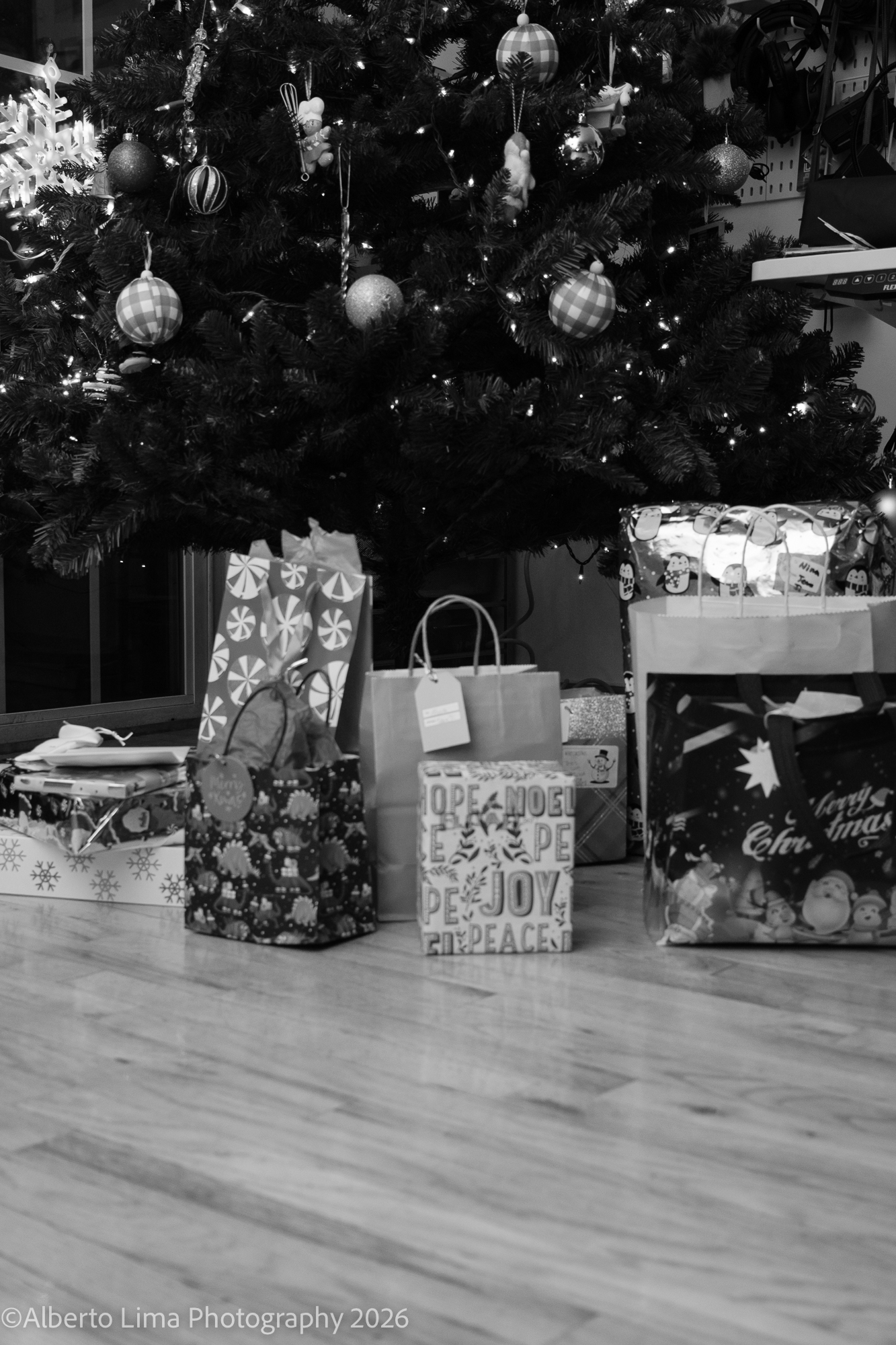
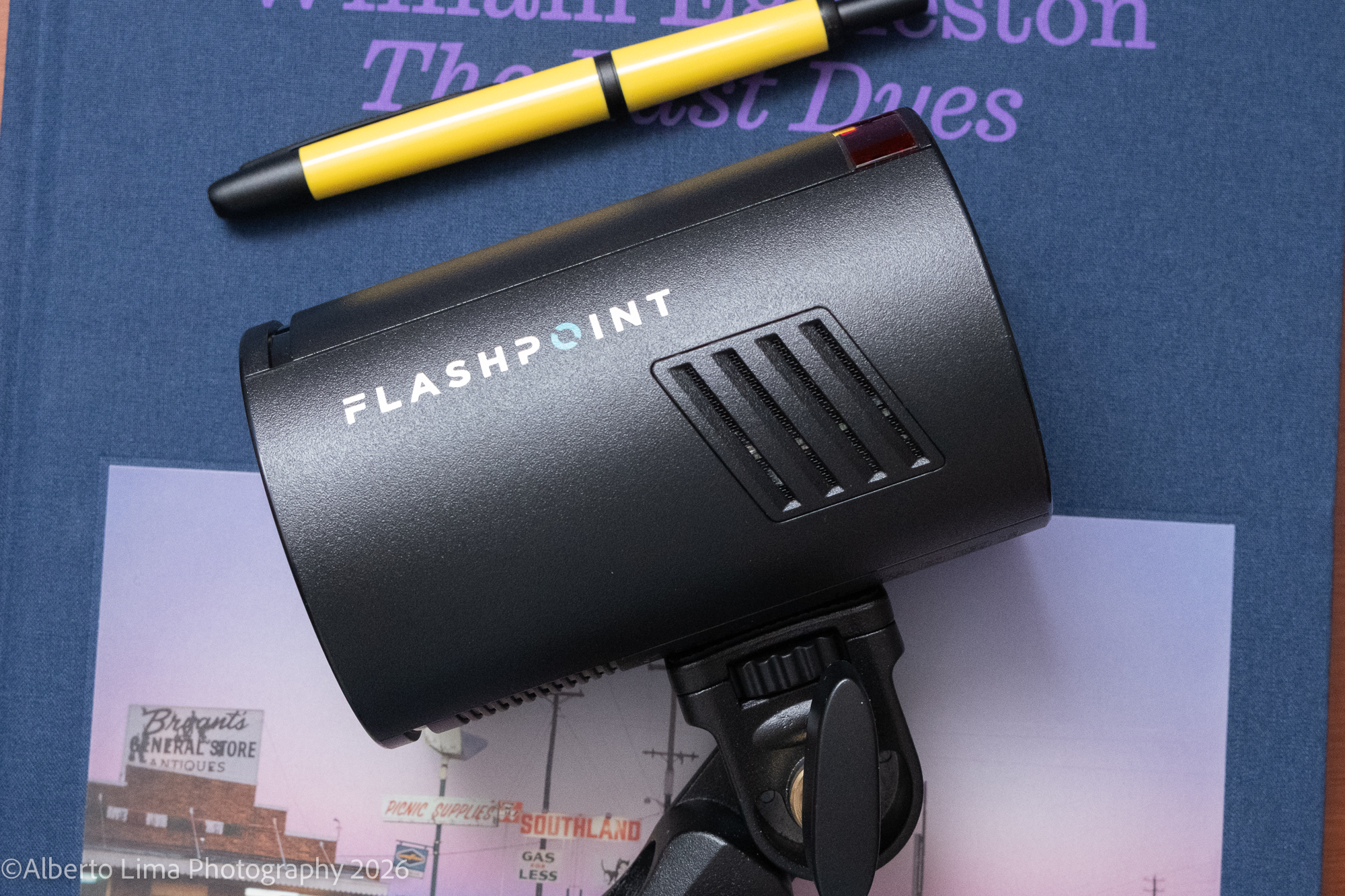
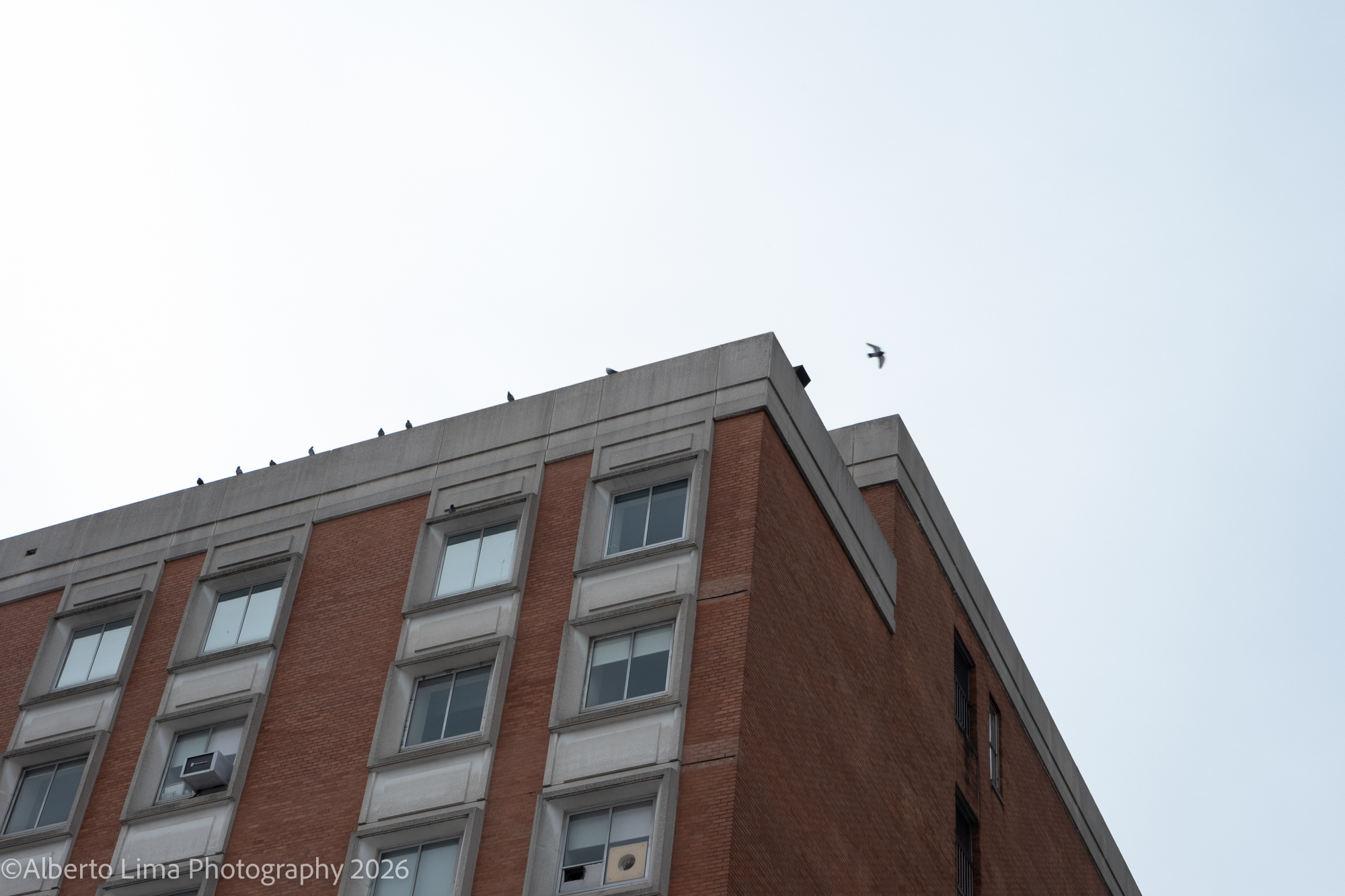
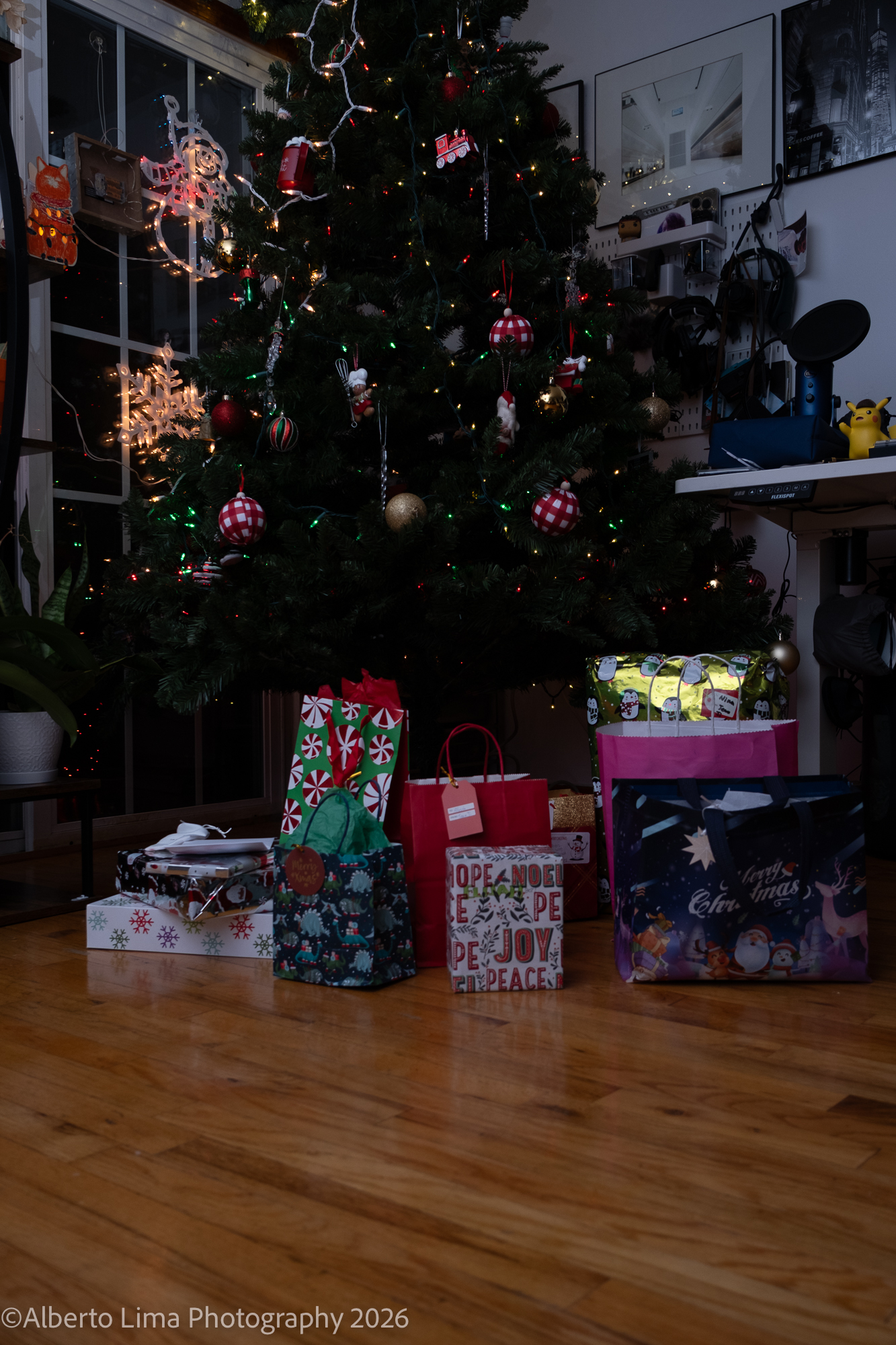
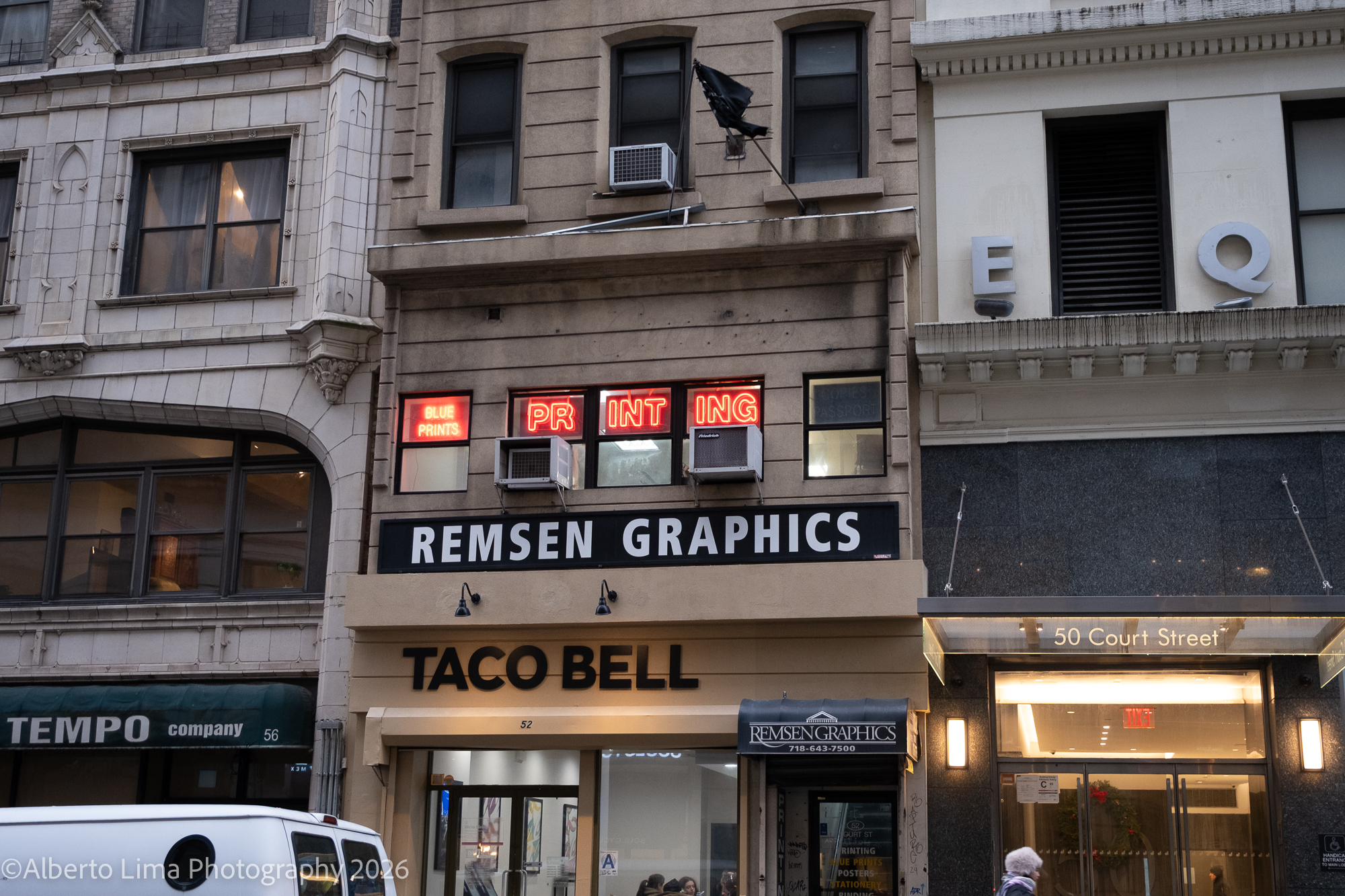
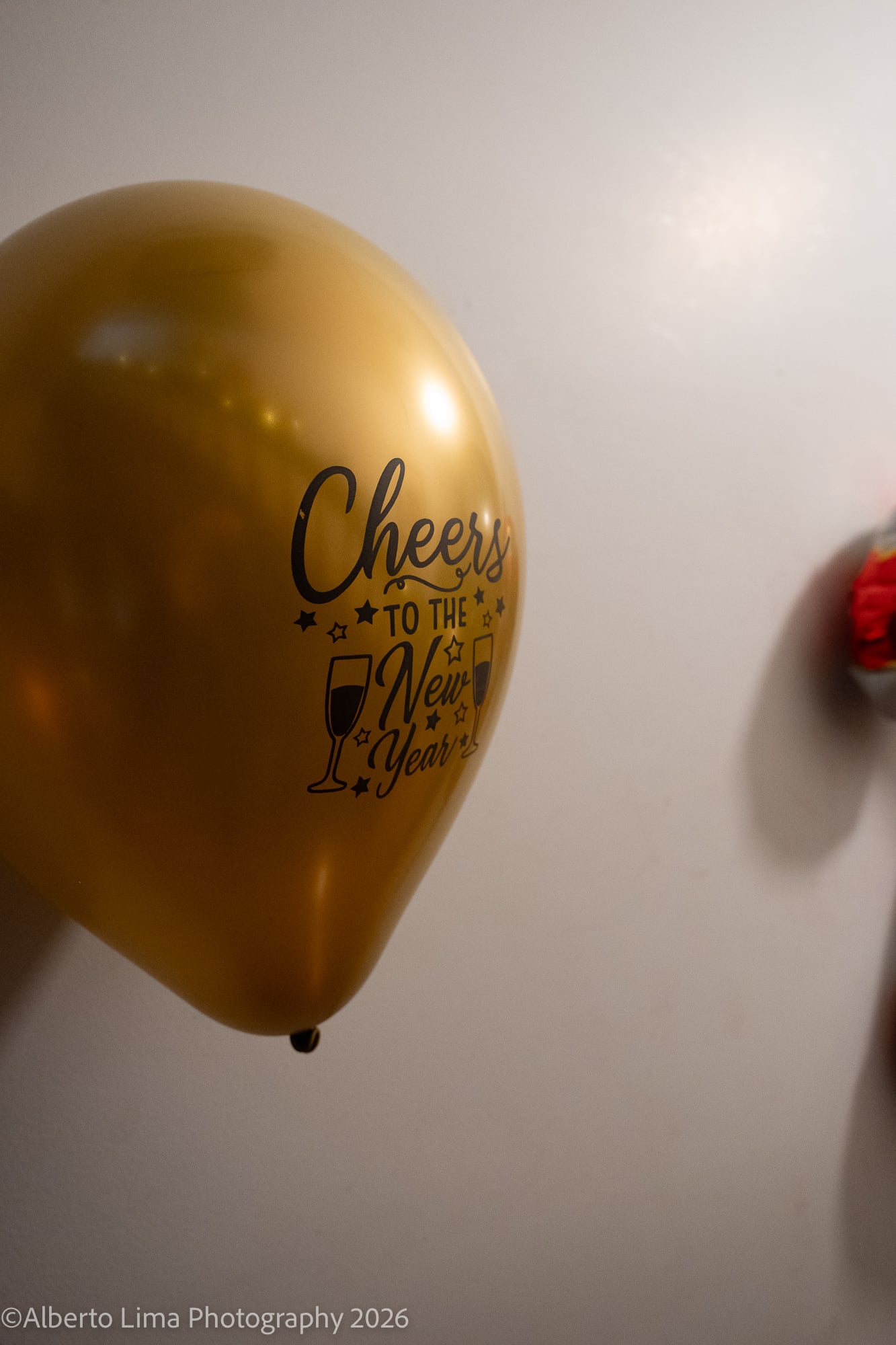
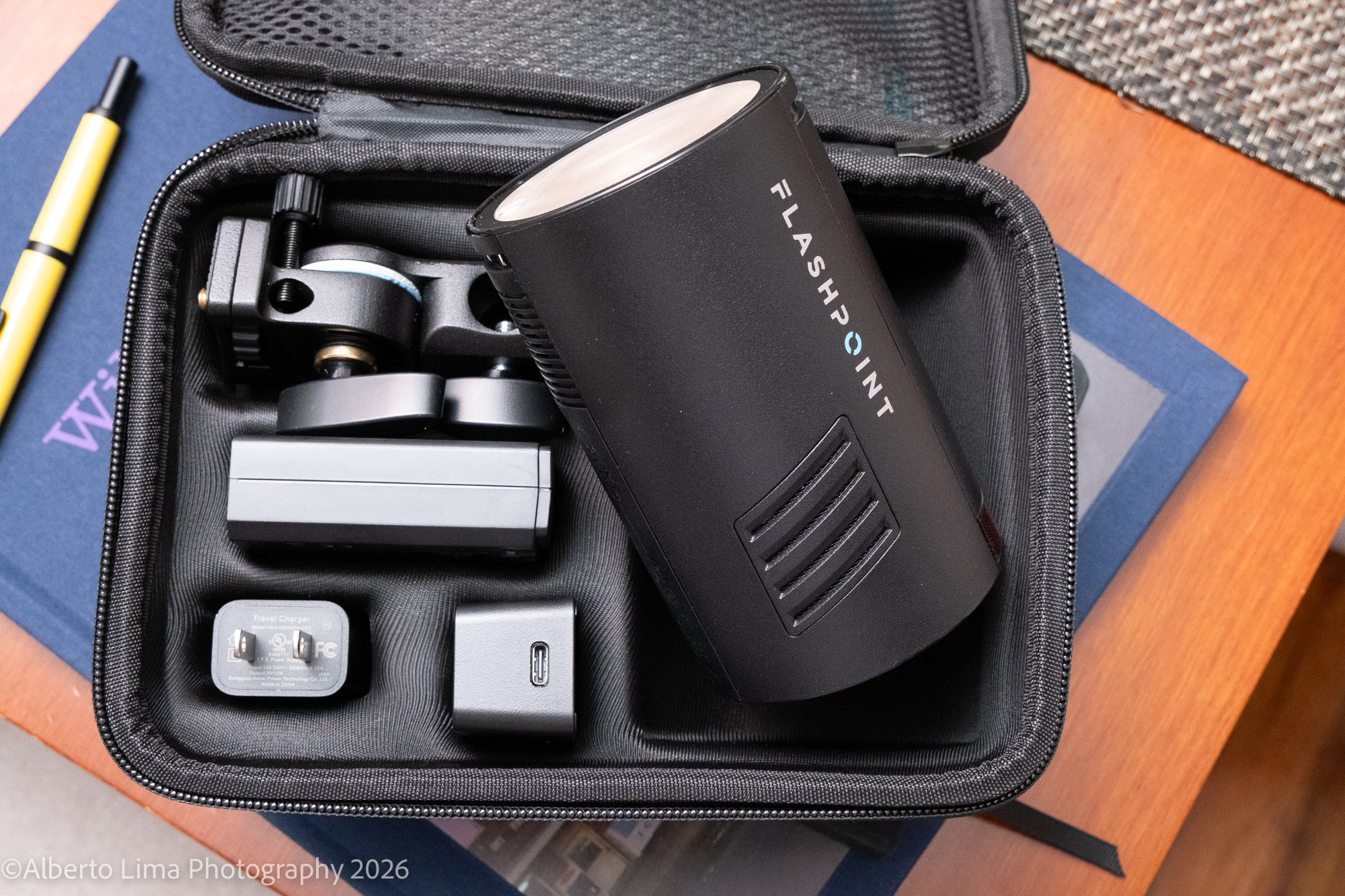
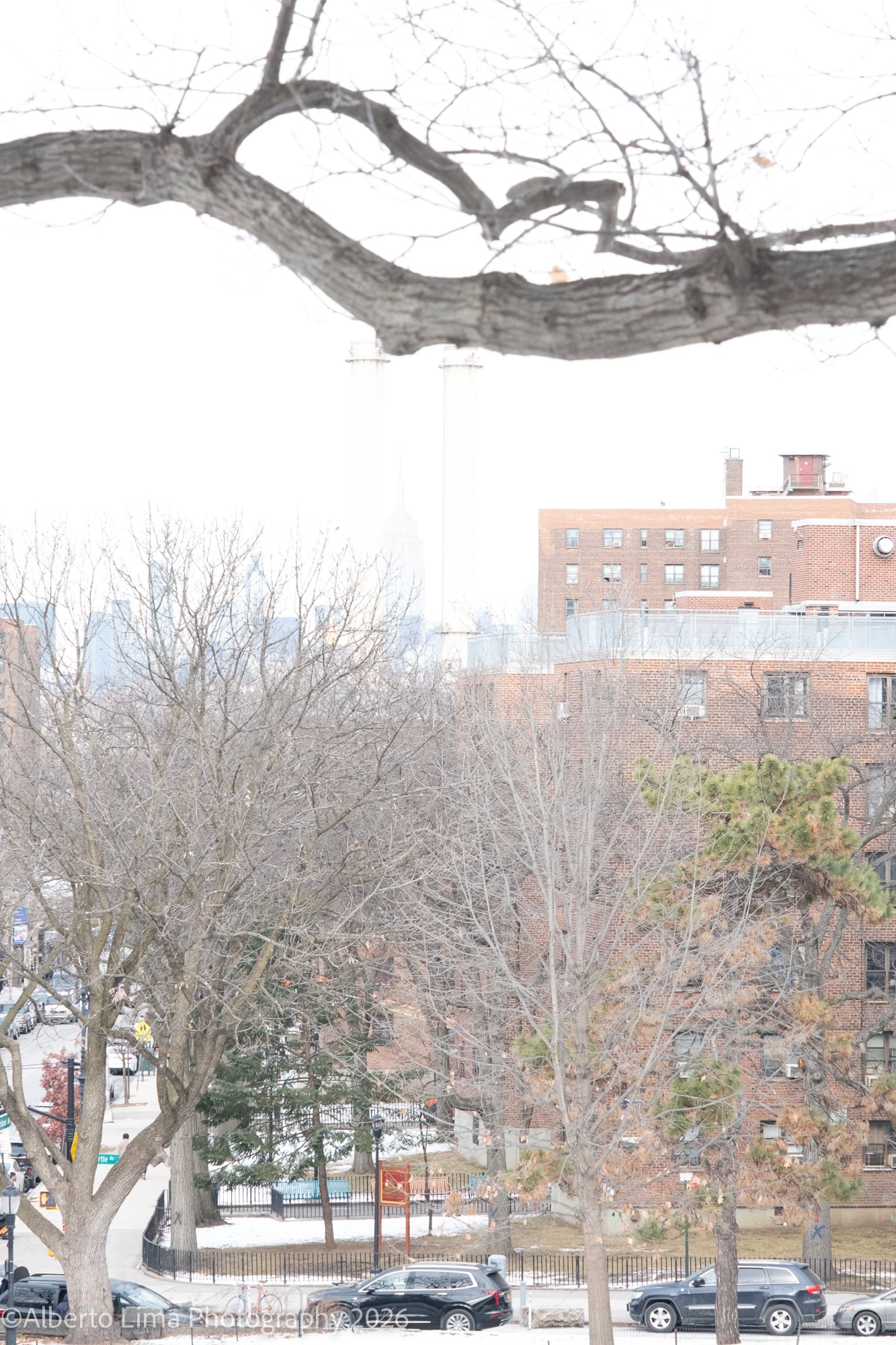
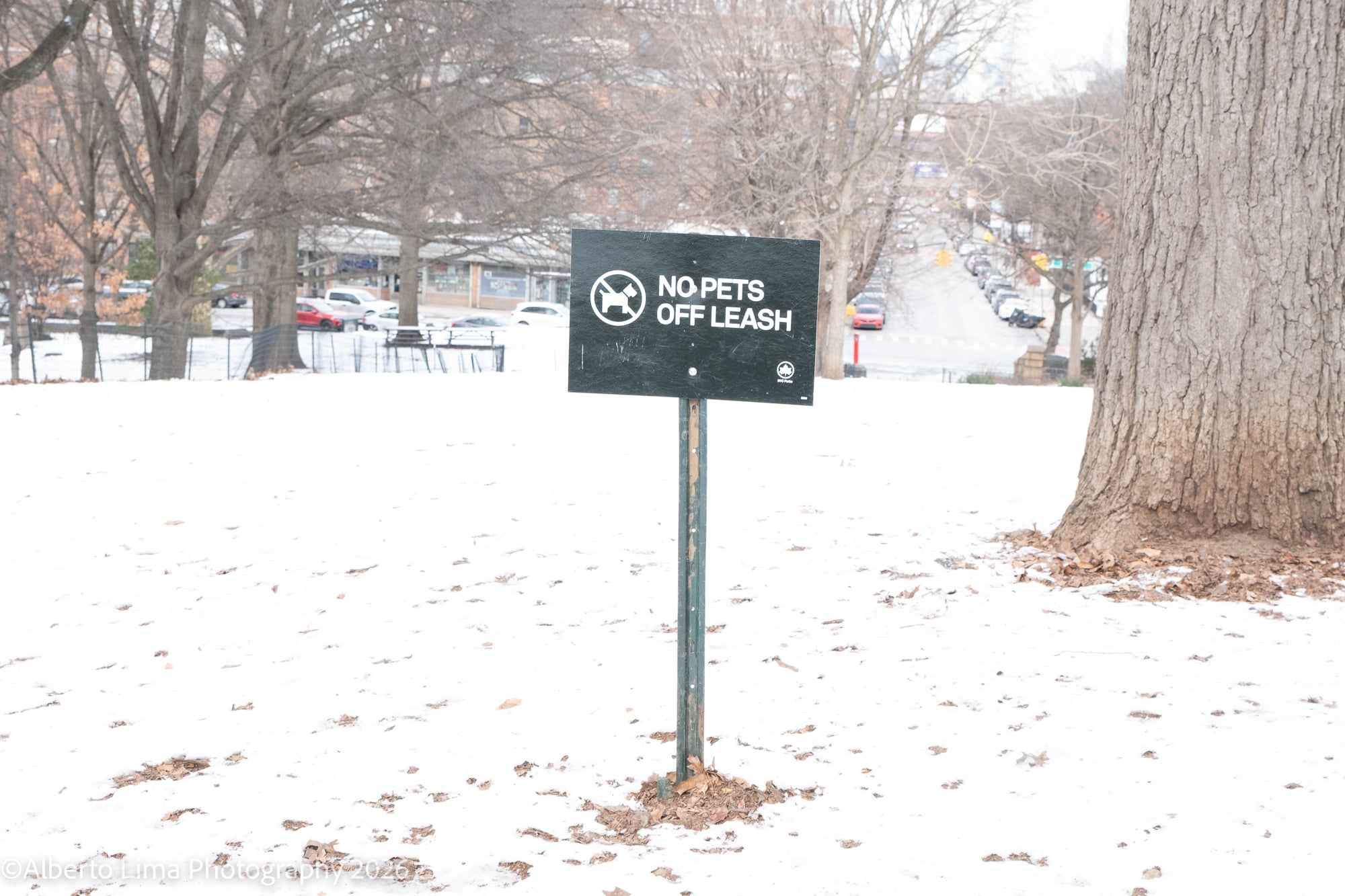
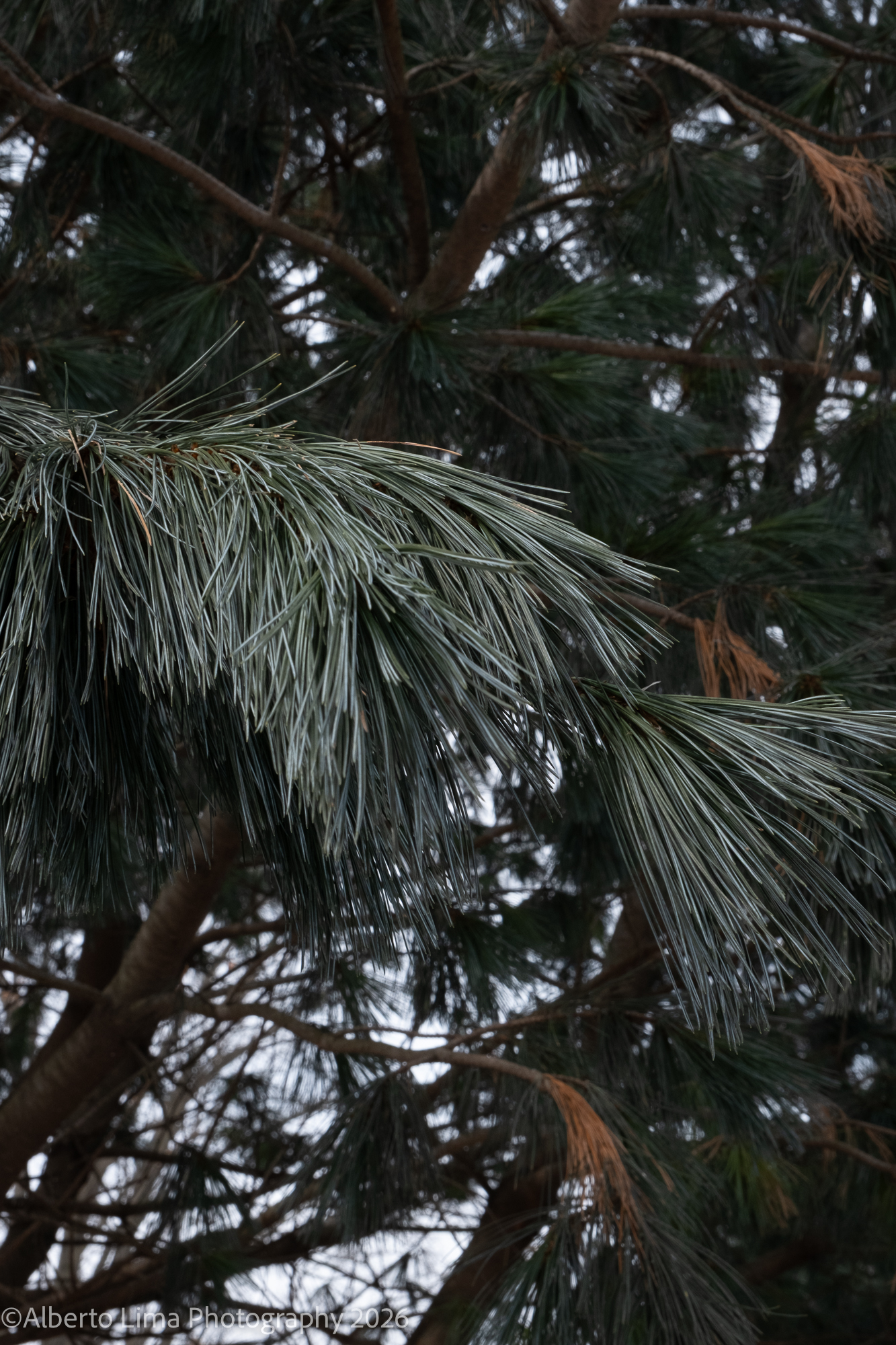
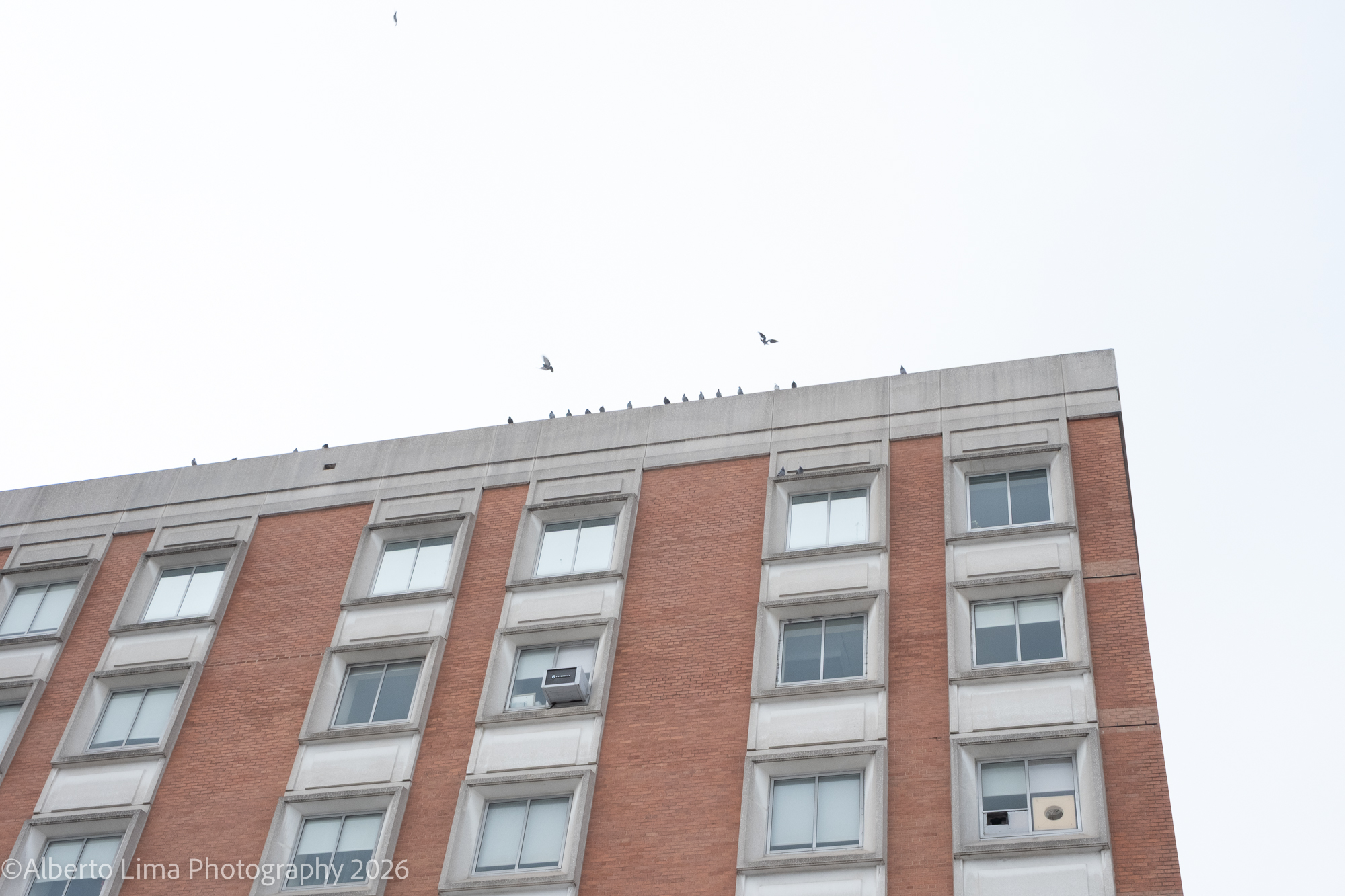
One of the biggest factors when deciding which camera is right for you comes down to image quality. Do the files that your camera produces give you sufficient latitude when editing? Are the images sufficiently large that they can be printed in your desired format? The reality is that if you’re quite comfortable with the images that the X-T30 II produced, you’ll be equally pleased with the X-T30 III. Since the image sensor hasn’t been changed or updated, the final images will still look like those produced by the X-Trans 4 Sensor.
Below are a few images taken with the Fujifilm X-T30 III during my review period:
Edited





Unedited






Final Thoughts on the Fujifilm X-T30 III
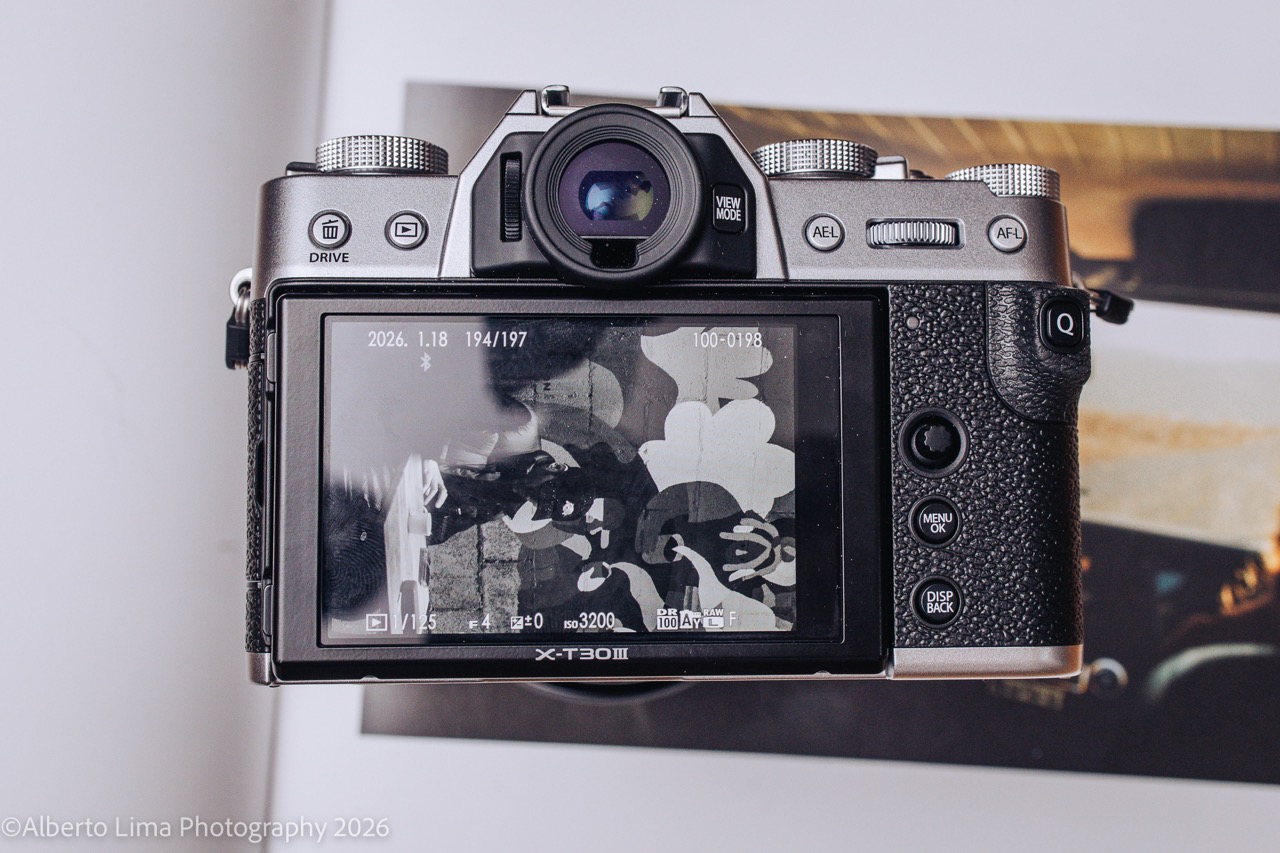
The Fujifilm X-T30 III is an interesting camera and where it truly sits in Fuji’s X-Series line up. For starters, the camera is decidedly an entry level camera both in price point as well as overall features. The camera is by no means a “bad” camera, but it may require some photographers to make too many compromises to be a serious contender, even as a B-camera. For starters, the X-T30 III lacks weather-sealing that make models like the X-T5 or X-H2(S) far sturdier and more dependable if you’re planning on take it out in the elements – whether that’s nature/bird photography or simply being unphased by a sudden downpour while traveling. Also, while its compact size makes the X-T30 III a great travel camera, if you plan on using longer zooms or larger lenses in general, the camera suddenly feels very unbalanced and front heavy.
So, who is this camera for? If you’ve been considering picking up your first “real” camera, or if you’ve been on the fence about picking up an X100 camera but couldn’t justify the price, this is the camera for you. If you’re looking a dedicated photography experience – no gimmicky video features, flip-out screens, or shooting video in a dedicated 9:16 aspect ratio – and know you won’t be taking this camera out in the elements, this camera will feel like a breath of fresh air. I still strongly believe that the X-T series of cameras is as close to dedicated photography tools as we can get. I’m very glad to see that Fujifilm hasn’t entirely abandoned photographers and that they continue to make cameras like the X-T30 III that will capture the imagination of photographers starting off their journey and hopefully, helping them unleash their creativity.
You can check out the Fujifilm X-T30 III on B&H Photo and Video for $999 body-only and $1149 with the XC 13-33 f/3.5-6.3 Lens.
See more from DIYPhotography.net on Google
Add DIYPhotography.net as a trusted source. This makes
our stories more likely to appear in your Google Search results.
 Add as a preferred source on Google
Filed Under:
Tagged With:

Join the Discussion
DIYP Comment Policy
Be nice, be on-topic, no personal information or flames.