






















How the NFL Is Digitizing 100 Million Feet of Film for 4K Streaming
Feb 12, 2026
Anzalna Siddiqui
A psychology major in her third year of Bachelor’s, Anzalna Siddiqui has endless curiosity for the human mind and a deep love for storytelling – both through words and visuals. Though she hasn’t taken up photography as a profession, her Instagram is where her passion finds its home. In addition to this, she’s a travel enthusiast who never travels without her camera because every place has a story waiting to be captured.
Share:
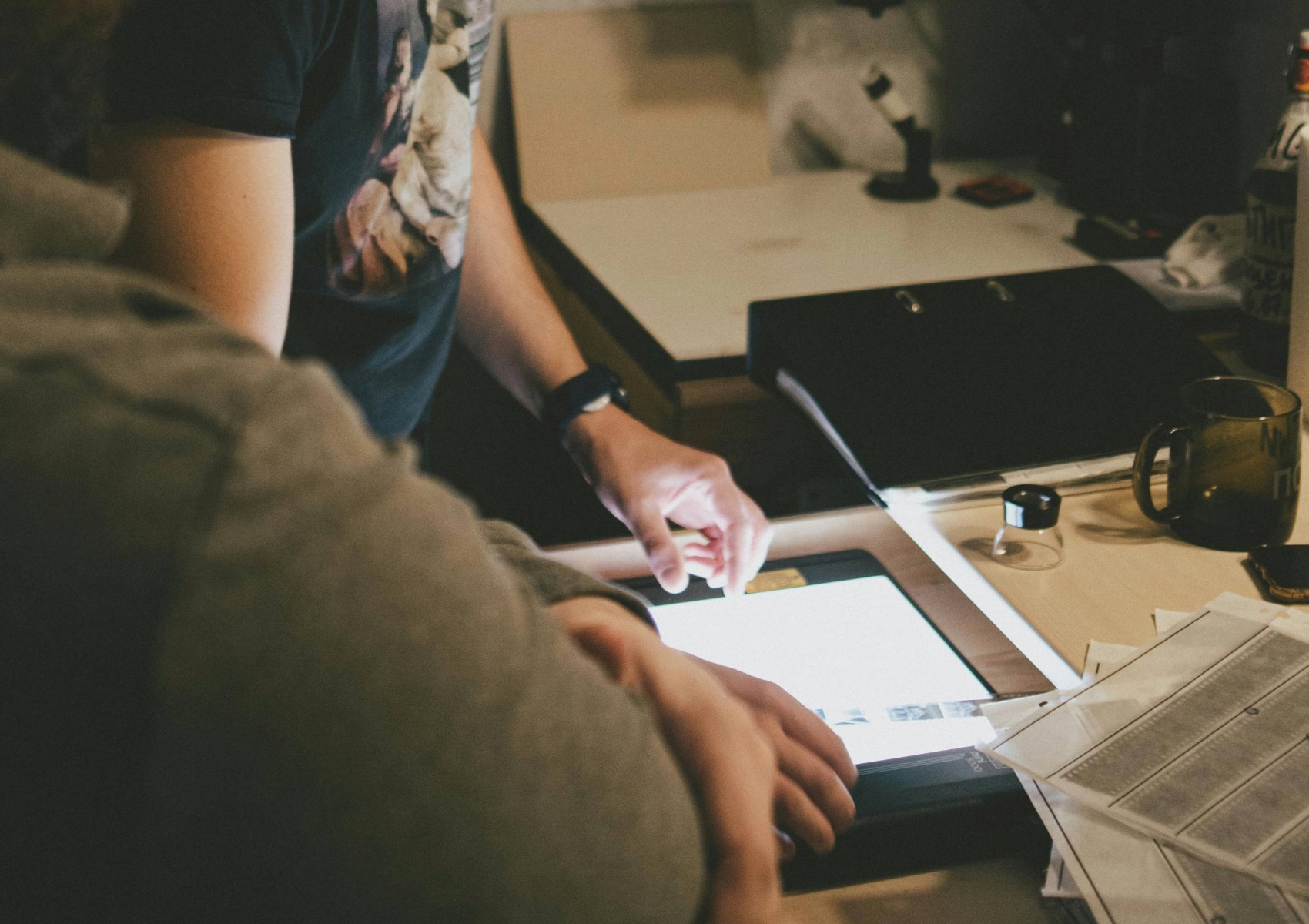
If you’re a fan of movies or football, the size of the NFL Films collection is truly impressive. Interestingly, the NFL is digitizing its film archives to preserve them.
Independent filmmaker Alex Grant, who shares his experiences on Instagram as @mrcelluloid, reveals that the NFL has an incredible 100 million feet of film. To give you an idea of how much that is, watching it all would take 13 years straight, with no breaks. With Super Bowl LX approaching, Grant is showing how to transition a hundred years of history into the digital age, and he discusses how the NFL is digitizing film to ensure the legacy isn’t lost.
It’s a huge job that makes organizing your family photo slides seem easy.
The $300,000 Machines Scanning Your Memories
I thought that the NFL just had some fancy scanners set up in a basement, but according to Grant, they actually use top-of-the-line machines that cost around $300,000 each. That’s like buying a house in the suburbs for one piece of equipment.
Right now, the league operates four of these large machines almost around the clock to handle a large volume of film. With 16mm and 35mm film history involved, there’s no room for shortcuts. Grant explains that these scanners don’t merely capture the film. They take a high-resolution photo of each frame as part of the process in which the NFL is digitizing film.
Inside these machines, you’ll find big camera lenses and, interestingly, built-in fans. Grant mentions that these fans help blow away dust and dirt before the frame reaches the sensor. I think it’s funny that even with a $300,000 price tag, the biggest issue in such an advanced setup is still just a stray piece of lint.
[Related Reading: Super Bowl LX : The Unbeliavable Complexity Behind Covering the Super Bowl 2026]
Why Do We Have to Do This All Over Again?
Hasn’t the NFL already digitized this footage? The answer is a bit complicated. In the past, the league moved much of its film to DigiBeta tapes, which were considered top-quality at the time. However, compared to today’s 4K and 8K standards, those tapes look pretty dated.
Grant points out that streaming services now require much better quality for archival footage. Because of this, the NFL is currently working on a long-term project to rescan its entire collection.
So, when you see a clear, slow-motion clip of a touchdown from the 1970s in a new documentary, that’s due to what they call the Rescan Revolution. The team scans everything using ProRes 4444 and later converts it to 422 HQ for editors. These file types take up a lot of storage space. The media management team must be spending quite a bit just to keep all these large files safe.
Keeping the Reels From Turning to Dust
Scanning is just the first step. You also need to make sure the actual film is kept safe long enough to go through the machine. Grant explains that they use a careful labeling and barcode system for the canisters, but the main work is done in the vault. Clearly, this is another area where the NFL is digitizing film to protect important memories.
The film is stored in a special room with controlled temperature and humidity. If you’ve ever left a photo in a damp garage, you know how bad that can be. Grant also says he regularly cleans the film with an alcohol solution. While cleaning isn’t always necessary, it really helps with older reels that attract dirt.
It’s interesting to think that, even as we move towards a digital future, the real source of truth is still a piece of plastic kept in a cold room in New Jersey.
From 16mm Grittiness to 2014’s Final Frames
In the early 2000s, while most industries embraced digital technology, the NFL held back. According to Grant, their archive has films dating back to the 1920s, and surprisingly, they were still using film until 2014.
Most of the collection is on 16mm film, which gives those classic NFL Films a rough, “larger than life” feel. There is also some 35mm film present, but 8mm is pretty uncommon.
I believe the shift to digital changed the essence of football broadcasting. When you watch the 1967 film They Call It Pro Football, narrated by John Facenda (known as the “Voice of God”), it feels like a grand story. This film has a distinctly old-school vibe, with plenty of chain-smoking on the sidelines and a soundtrack featuring kettle drums. It seems like the league is trying to hold onto that special feeling, even if the current game appears more polished and corporate.
Will We Actually Get to See It?
Here is where I get a little skeptical. The NFL is investing heavily in digitizing its footage, but how much of it will actually be available to us? Back in the 1960s, under Commissioner Pete Rozelle, NFL Films aimed to connect with everyday fans, emphasizing the hard work and values of supporters.
Now, the league is huge, and it often seems more focused on protecting its brand than on sharing the true, unfiltered story of the sport. Having 100 million feet of film stored away is one thing. Making it easy for fans to access it is another. For this reason, it’s crucial to remember that the NFL is digitizing its film in hopes of making its history accessible to generations.
The Tech Gap: Then vs. Now
To grasp how far we’ve come, just check out the tech setup for the upcoming game between the Patriots and Seahawks. The broadcast will be packed with Sony equipment:
- 37 HDC broadcast cameras
- 18 POV cameras
- 5 cinema cameras (for that nice blurred background effect)
- 2 PTZ cameras
- 3 aerial and specialty cameras
Now think back to the 1960s when crews relied on just a few 16mm Bolex cameras and a lot of luck. It’s a whole new ball game.
The digitizing work that Grant is overseeing connects these two times. When you see a clear replay of an old game this weekend, remember the person in the chilly room who’s carefully wiping dust off a 50-year-old film reel. Without this meticulous scanning, all that historical footage would just decay and turn into worthless junk.
It seems the NFL is finally paying attention to its history, even if it needed a push from streaming services to do it. Watching 1920s football in high-quality format will be quite an experience.
[via PetaPixel; Image credits: Pexels]
See more from DIYPhotography.net on Google
Add DIYPhotography.net as a trusted source. This makes
our stories more likely to appear in your Google Search results.
 Add as a preferred source on Google

Anzalna Siddiqui
A psychology major in her third year of Bachelor’s, Anzalna Siddiqui has endless curiosity for the human mind and a deep love for storytelling – both through words and visuals. Though she hasn’t taken up photography as a profession, her Instagram is where her passion finds its home. In addition to this, she’s a travel enthusiast who never travels without her camera because every place has a story waiting to be captured.



Join the Discussion
DIYP Comment Policy
Be nice, be on-topic, no personal information or flames.