






















DJI Drone Ban Update: FCC Votes 3-0 on New Powers That Could Block Imports
Nov 3, 2025
Darlene Lleno
Darlene Lleno brings a unique perspective to DIY Photography as someone who grew up surrounded by camera gear but chose words over lenses. With five years of writing experience, she specializes in photography content that’s both technically informed and genuinely passionate. Growing up with a photographer twin brother meant camera talk was everyday conversation in her household. While he mastered capturing moments, Darlene discovered she preferred being the subject and the storyteller behind the scenes. As a travel enthusiast and mother of two, she understands the importance of preserving life’s precious moments. When not exploring new destinations or writing for DIY Photography, you’ll find her reading or tending to her garden. Her approach to photography writing is refreshingly authentic, she may not be behind the camera, but she knows exactly what it takes to help others capture the shots that matter most.
Share:
This latest DJI drone ban update brings major news for pilots across America. The FCC just voted 3-0 to give itself the power to ban electronic devices after they’ve already been approved for sale. If no security agency completes a required audit by December 23, 2025, DJI will automatically land on the FCC’s Covered List . That means no new DJI drones could enter the country.
The clock is ticking. DJI drones remain completely legal right now. But the December deadline is less than two months away, and no federal agency has started the required security review.
What the New FCC Rule Actually Does in This DJI Drone Ban Update
The FCC can now add companies to its Covered List under the Secure and Trusted Communication Networks Act . Once a company hits that list, things get complicated fast. Any DJI product with a radio transmitter would need explicit security clearance to enter the US . That covers drones, gimbals, and even pocket cameras like the Osmo line.
The FCC frames this as closing security loopholes in Chinese telecom equipment. But the timing points directly at DJI. Section 1709 of the National Defense Authorization Act requires a national security agency to complete a risk assessment of DJI by December 23, 2025 . Miss that deadline, and DJI goes on the list automatically.
Your Current Drones Are Safe
The FCC says it won’t confiscate or deactivate drones already in people’s hands . The agency doesn’t have power to brick previously sold products . So if you own a DJI drone today, you can keep flying it.
But there’s a catch. Parts, repairs, and software updates could become serious problems down the road. Each ban will involve a 30-day public comment period , giving the community some say. Still, the direction seems clear.
The Retroactive Ban Powers Change Everything
DJI thought older models would stay on shelves even if newer ones got blocked. The new FCC order allows retroactive bans, meaning the government could revoke previous product authorizations one by one . Any device linked to a flagged company could face removal from the market.
The FCC could use these new powers to ban DJI drones authorized after December 23, 2024 . That puts models like the Mini 5 Pro at risk, even though they already have valid FCC certifications.
The December 23 Deadline in This DJI Drone Ban Update
Ten months have passed with no sign the security review process has begun . DJI sent formal letters to five federal agencies back in March 2025. The Department of Homeland Security, Department of Defense, FBI, NSA, and Office of the Director of National Intelligence all got the request. None have publicly confirmed they’re doing the audit.
Adam Welsh heads global policy at DJI. He says the company welcomes investigation. “As the deadline approaches, we urge the U.S. government to start the mandated review or grant an extension to ensure a fair, evidence-based process that protects American jobs, safety, and innovation” .
The silence from security agencies tells its own story. Either they’re working quietly, or the DJI drone ban update will default to automatic restriction.
What Happens After December 23
New DJI products will automatically be banned from import into the United States unless an appropriate national security agency vouches they don’t pose a risk . Retailers won’t be able to restock. Repair shops can’t order official parts. Future software updates might stop if they need FCC compliance.
DJI’s dominance in American skies could end fast. Current models might turn into collector’s items almost overnight . The drone ecosystem would slowly suffocate. Firmware freezes. Parts vanish. Support shrinks.
But the drones you own? They’ll still fly.
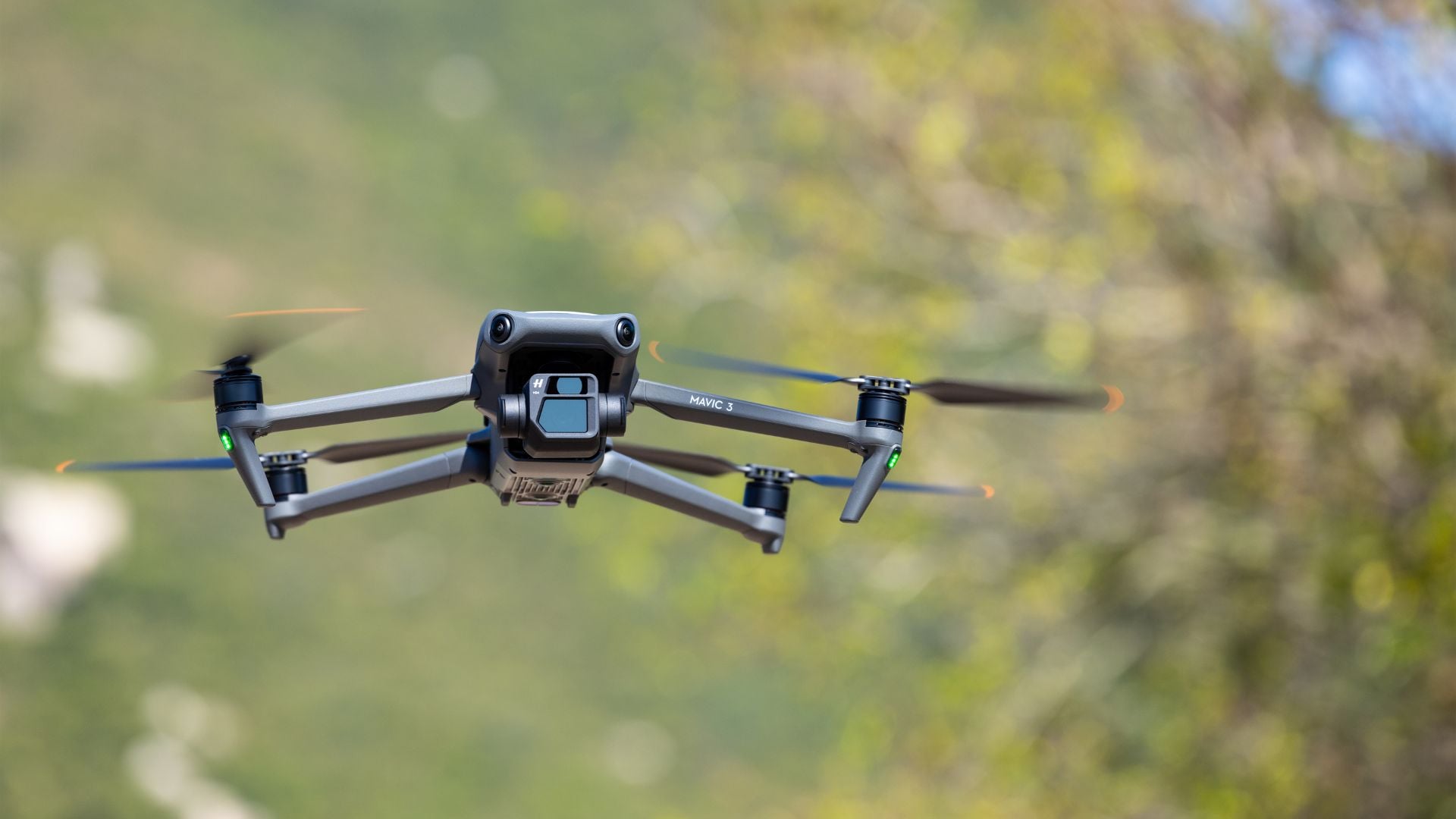
DJI’s Shell Company Strategy Gets Targeted
Security researcher Konrad Iturbe documented at least nine suspected DJI shell companies submitting FCC applications since March 2024 . Companies like Skyany, Skyrover, Cogito, Spatial Hover, and Jovistar sell what look like DJI drones under different names.
The evidence connecting them to DJI is strong. FCC filings contain DJI logos on controller diagrams and identical OcuSync frequency signatures matching DJI’s bands . The Skyany X1 basically mirrors the Mini 4 Pro. It’s on Amazon right now with Prime shipping.
How the FCC Will Shut Down Workarounds
The new rule closes two major loopholes. Existing rules didn’t prevent Covered List component parts from being used inside otherwise authorized devices . Shell companies could source DJI controllers, batteries, and communication systems while slapping on different brand names.
The FCC can now block devices containing Covered List components and revoke previously authorized equipment in specific cases . Any product with a DJI-designed transmitter or component could get blocked. Iturbe’s frequency detection method gives regulators a technical roadmap for finding disguised DJI products.
With 50 days remaining until December 23, the entire DJI ecosystem faces automatic restriction. Branded products, shell companies, and component suppliers all hit the wall at once.
The Security Concerns Behind the DJI Drone Ban Update
Despite years of speculation, the US has never presented public evidence that DJI’s drones pose a security threat . Some lawmakers worry about “spies in the sky.” They fear drone footage could make its way back to China. But concerns remain mostly theoretical.
DJI builds privacy controls directly into its systems. Consumer users can’t even sync flight logs to DJI servers. This removes the potential for remote data access. The Pentagon put DJI on its Chinese Military Companies list. A federal judge let that designation stand but said there’s no proof China directly controls the company.
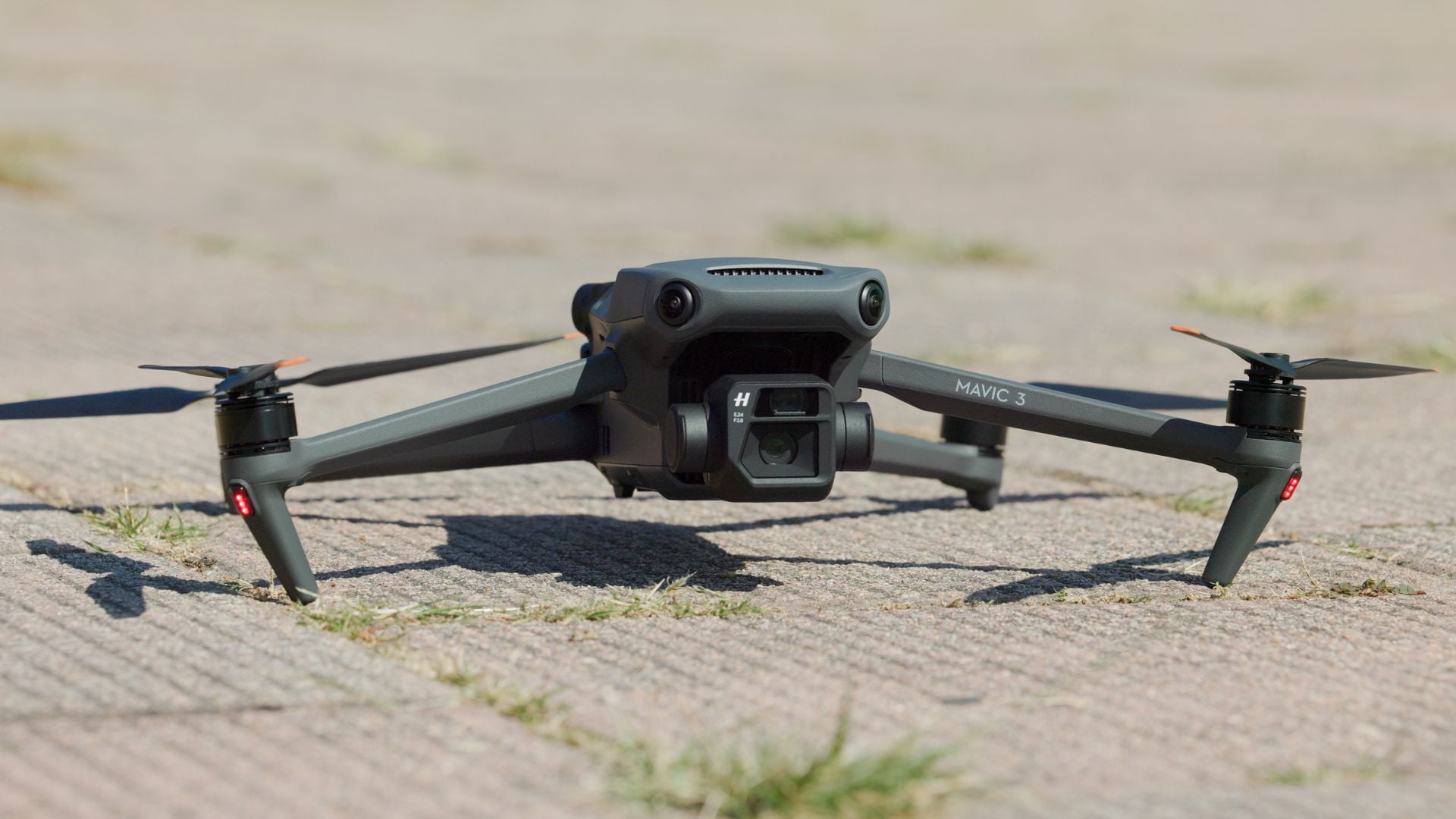
The Real Reason Behind the Push
Many see this as protection for domestic manufacturers who can’t compete with DJI’s technology or prices. The FCC’s new security rules could halt DJI drone certifications in the US . American drone companies offer products at much higher prices with fewer features. A DJI drone ban update like this would force buyers toward these expensive alternatives.
First responders across America depend on DJI drones for search and rescue. Police departments use them for accident reconstruction. Agricultural operations monitor crop health across thousands of acres. A retroactive ban would ground these critical operations overnight .
What This DJI Drone Ban Update Means for Pilots Right Now
DJI drones remain fully legal to own, operate, and purchase. But inventory has tightened significantly. DJI’s official US store shows most models as sold out. Major retailers display limited stock for popular models.
Some drones DJI didn’t officially release in the US now appear on Amazon shelves. The Mavic 4 Pro and Mini 5 Pro show up with next-day delivery in many areas. This could be your last chance to grab certain models.
Models Still Available Before the Ban
Here are DJI drones you can still find in stock:
- The Mini 3 balances affordability with professional quality. It shoots 4K HDR video and weighs under 249 grams. No registration required for recreational flying.
- The Neo reimagines the everyday mini drone with stunning flight stability. Beginner-friendly controls make it perfect for first-time pilots. Quick 2.7K recording handles travel content easily.
- The Mini 5 Pro combines lightweight design with advanced obstacle sensing. It shoots 4K at 60fps with extended flight times. Professional features without the bulk.
- The Air 3S offers a dual-camera setup with enhanced obstacle sensing. Flight times stretch up to 46 minutes. Made for creators who demand versatility.
- The Mavic 4 Pro targets serious photographers and videographers. Superior 1-inch sensor cameras deliver top-tier quality. Long-range O3+ transmission handles professional work.
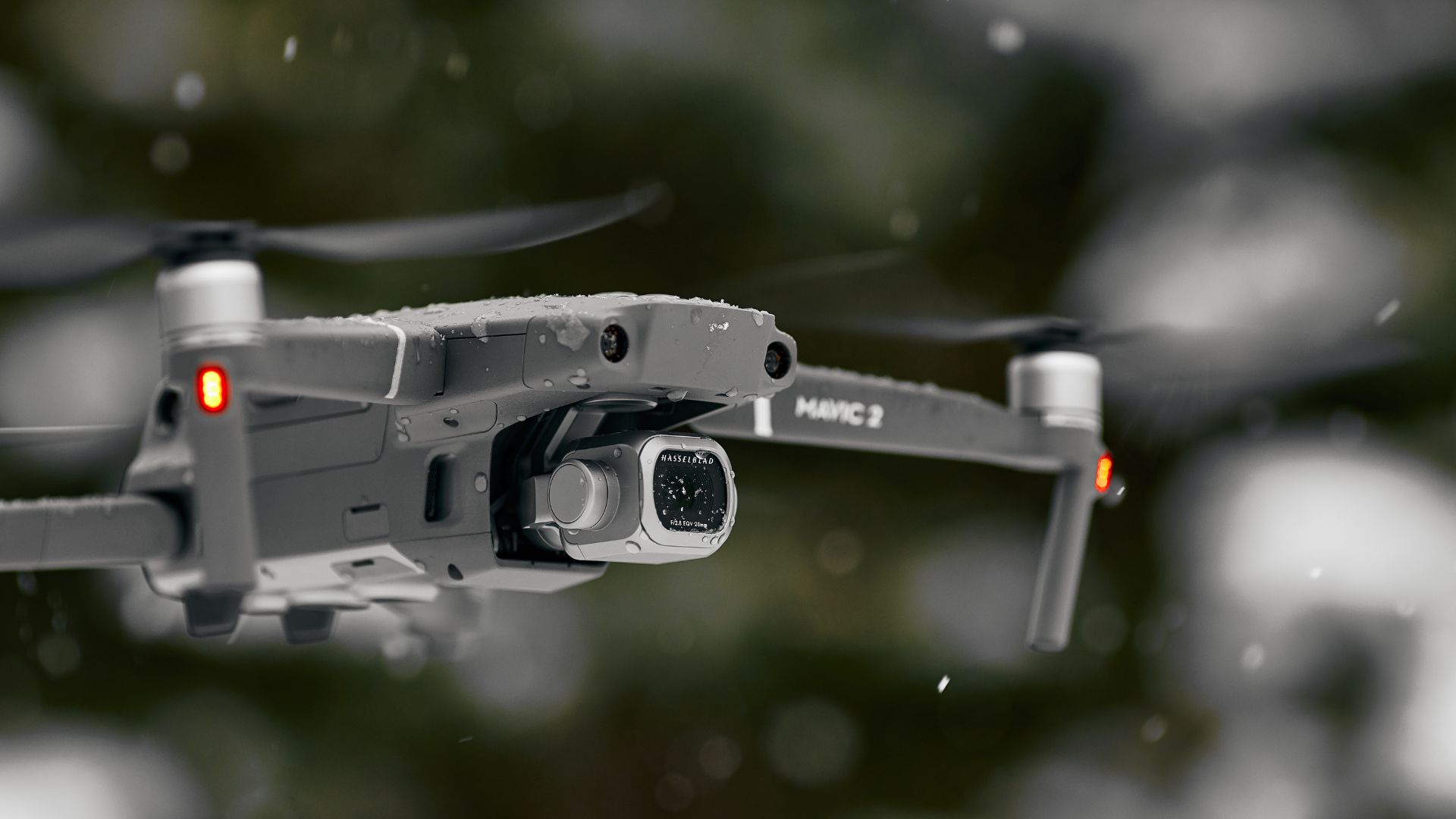
What To Do If You Own DJI Drones
Here are three critical steps to protect your investment:
- Stock up on essential spare parts now. Batteries have limited shelf life and propellers break. Moreover, your gimbals need protection. Get what you need before supplies disappear.
- Back up all your firmware and software. Download app versions that work with your drones. Save calibration data and flight records. You might need these files later.
- Consider alternative drones for future purchases. Research American-made options or other manufacturers. Build relationships with repair services that can help without official parts.
The Bigger Picture for American Drone Users
Major US online retailers have removed millions of product listings for prohibited Chinese electronics . FCC Chair Brendan Carr says these are either on the barred equipment list or weren’t authorized. Companies are creating new processes to prevent future prohibited items.
The FCC removed phones and security cameras from Huawei, ZTE, and Hikvision. The enforcement mechanism for DJI would work exactly the same way. When Huawei hit the Covered List in 2019, their phones weren’t bricked. They just couldn’t launch new products in the US market. Existing devices still work years later, though without official updates or support.
State Bans Add Another Layer
Some states already passed their own restrictions. Florida banned all government agencies from using DJI and other Chinese drones. These state bans mainly affect police, fire, and emergency management. The federal ban would hit broader groups including commercial operators and consumers.
The combination of federal and state action creates uncertainty. Canada and the European Union face similar debates about Chinese drone security. The US wouldn’t be the first country tightening rules on this technology.
How This DJI Drone Ban Update Affects Photography
Aerial photography could face major disruption. DJI drones democratized drone photography over the past decade. Their cameras, stabilization systems, and flight controls set industry standards.
Professional photographers rely on DJI for real estate shoots. Wedding videographers capture ceremony venues from above. Nature photographers document wildlife without disturbance. All these users face equipment uncertainty.
The quality gap between DJI and alternatives remains significant. American drone cameras often can’t match DJI’s sensors or processing. Prices run three to five times higher for similar features. This forces difficult choices about investing in new gear.
Content Creators Face Tough Decisions
YouTube creators built channels around drone footage. Instagram accounts showcase aerial perspectives. TikTok videos use drone reveals. This DJI drone ban update complicates content production strategies.
Replacement parts matter more than ever. Extra batteries extend shooting time. Spare propellers prevent lost shooting days. ND filters help with exposure control in bright conditions. Stock these items now.
What Comes Next in This DJI Drone Ban Update
The FCC vote happened October 28, 2025. December 23 sits less than two months away. Federal agencies could still step up to conduct the security audit. They could also grant an extension to finish the work.
Without action, DJI automatically hits the Covered List. The company would join Huawei, ZTE, and Hikvision in regulatory limbo. New products couldn’t get FCC authorization. Imports would stop at the border.
DJI might challenge the automatic addition in court. They’re already appealing their Pentagon designation as a Chinese Military Company. Legal battles could drag on for years. But the immediate impact would still block new drones.
The Shell Company Question Remains
Will Amazon, Costco, and B&H Photo remove Skyany and Skyrover drones once the FCC determines they contain DJI components? The FCC already showed it can pressure major retailers. Millions of prohibited electronics listings disappeared from American stores.
Iturbe’s frequency detection provides regulators with clear technical evidence. OcuSync signatures don’t lie. The distinctive radio bands point straight back to DJI engineering.
Malaysian manufacturing doesn’t hide Chinese design. The FCC’s new authority lets it look past rebrandings. Component-level bans cut through corporate structures.
Making Informed Choices as a Drone Owner
Buy what you need soon if you’re committed to DJI. Prices might spike as inventory shrinks. Used markets could become your main source for parts and replacements.
Research non-DJI alternatives seriously. Autel faces the same December deadline but has fewer US users. Skydio builds American drones but at premium prices. Parrot offers European options with mixed reviews.
Join drone advocacy groups to stay informed. The Drone Advocacy Alliance fights for pilot rights. They track legislation and organize response efforts. Your voice matters in these policy discussions.
Document your current equipment thoroughly. Serial numbers, purchase dates, and original packaging help prove ownership. Activation codes and account credentials become critical if support channels close.
The December Countdown
Less than two months remain until the automatic trigger date. No federal agency has publicly committed to the security audit. DJI keeps asking for fair process and transparency. Silence continues from Washington.
The FCC gained power to act retroactively on previously approved devices. This expands government reach beyond what existed before. Shell companies face the same scrutiny as branded products. Component-level tracking makes evasion nearly impossible.
Your current DJI drones won’t stop working on December 23. The FCC confirmed it won’t confiscate or deactivate existing equipment. But the slow erosion of support begins. Parts dry up. Updates stop. The ecosystem slowly dies.
Drone pilots face real uncertainty about the future. Professional operators need reliable equipment for paying work. Hobbyists invested thousands in their aerial platforms. Everyone wants clarity about what comes next.
The situation remains fluid until December 23. Federal agencies could still act. Extensions could buy more time. Or the automatic ban could trigger exactly as written. We’re watching one of the biggest shifts in American drone policy unfold in real time.
See more from DIYPhotography.net on Google
Add DIYPhotography.net as a trusted source. This makes
our stories more likely to appear in your Google Search results.
 Add as a preferred source on Google

Darlene Lleno
Darlene Lleno brings a unique perspective to DIY Photography as someone who grew up surrounded by camera gear but chose words over lenses. With five years of writing experience, she specializes in photography content that’s both technically informed and genuinely passionate. Growing up with a photographer twin brother meant camera talk was everyday conversation in her household. While he mastered capturing moments, Darlene discovered she preferred being the subject and the storyteller behind the scenes. As a travel enthusiast and mother of two, she understands the importance of preserving life’s precious moments. When not exploring new destinations or writing for DIY Photography, you’ll find her reading or tending to her garden. Her approach to photography writing is refreshingly authentic, she may not be behind the camera, but she knows exactly what it takes to help others capture the shots that matter most.
Related Posts
 DJI Drone Ban in the US: Not Yet But Coming IF Security Review Fails… Here’s All About the FAA Drone Regulation Update
 Sony FX3 V2.00 update adds LOG shooting modes, LUT imports and Timecode sync
 DJI Challenges FCC Drone Import Crackdown in Federal Court
 Here are the TOP ten posts in DIYPhotography according to yous votes
Join the Discussion
DIYP Comment Policy
Be nice, be on-topic, no personal information or flames.