


















If Your Work Doesn’t Surprise You, It’ll Be Boring: Inside the Surreal World of Dasha Pears’ Photography
Sep 8, 2025
Alex Baker
Alex Baker is a portrait and lifestyle driven photographer based in Valencia, Spain. She works on a range of projects from commercial to fine art and has had work featured in publications such as The Daily Mail, Conde Nast Traveller and El Mundo, and has exhibited work across Europe
Share:
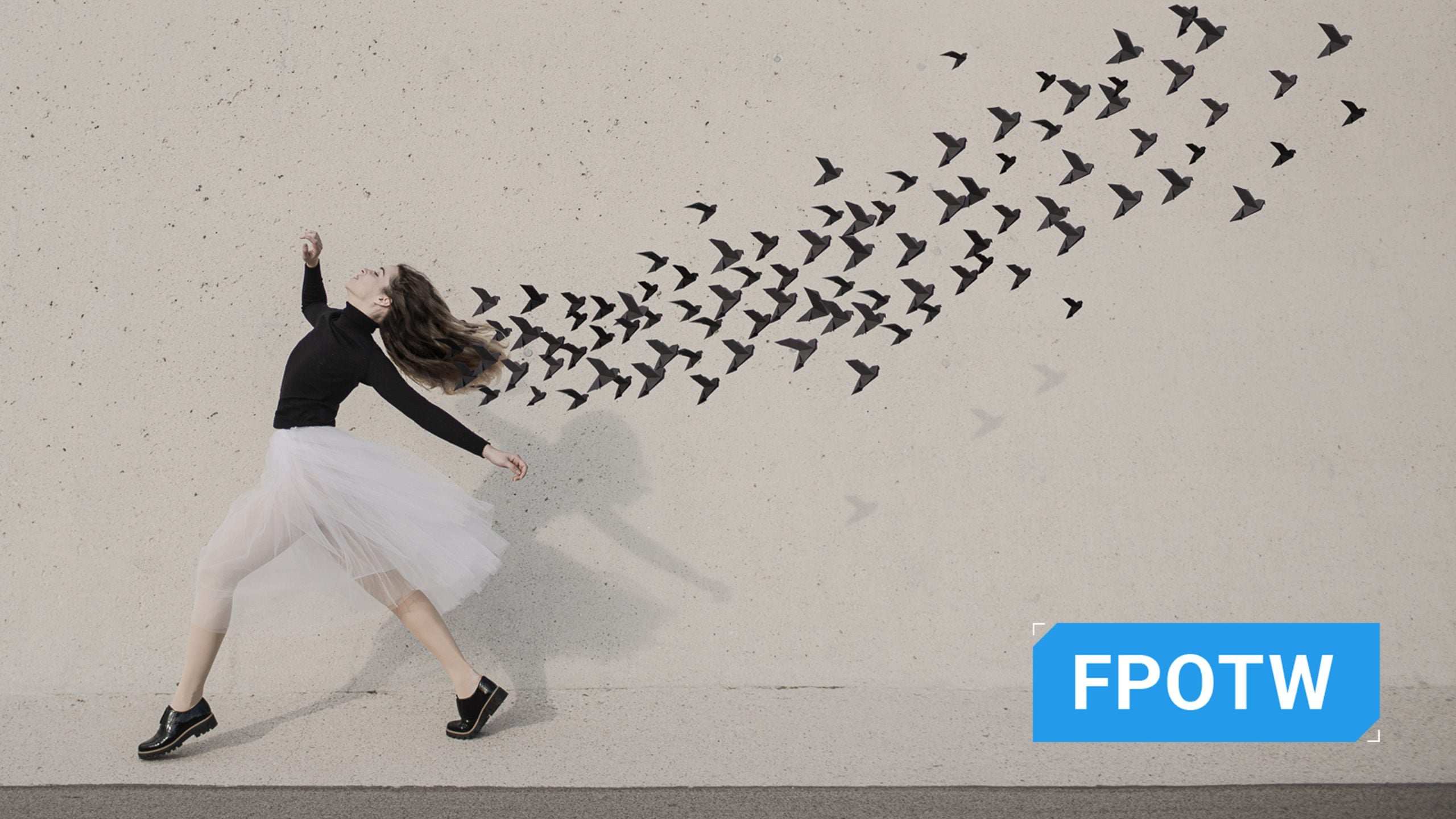
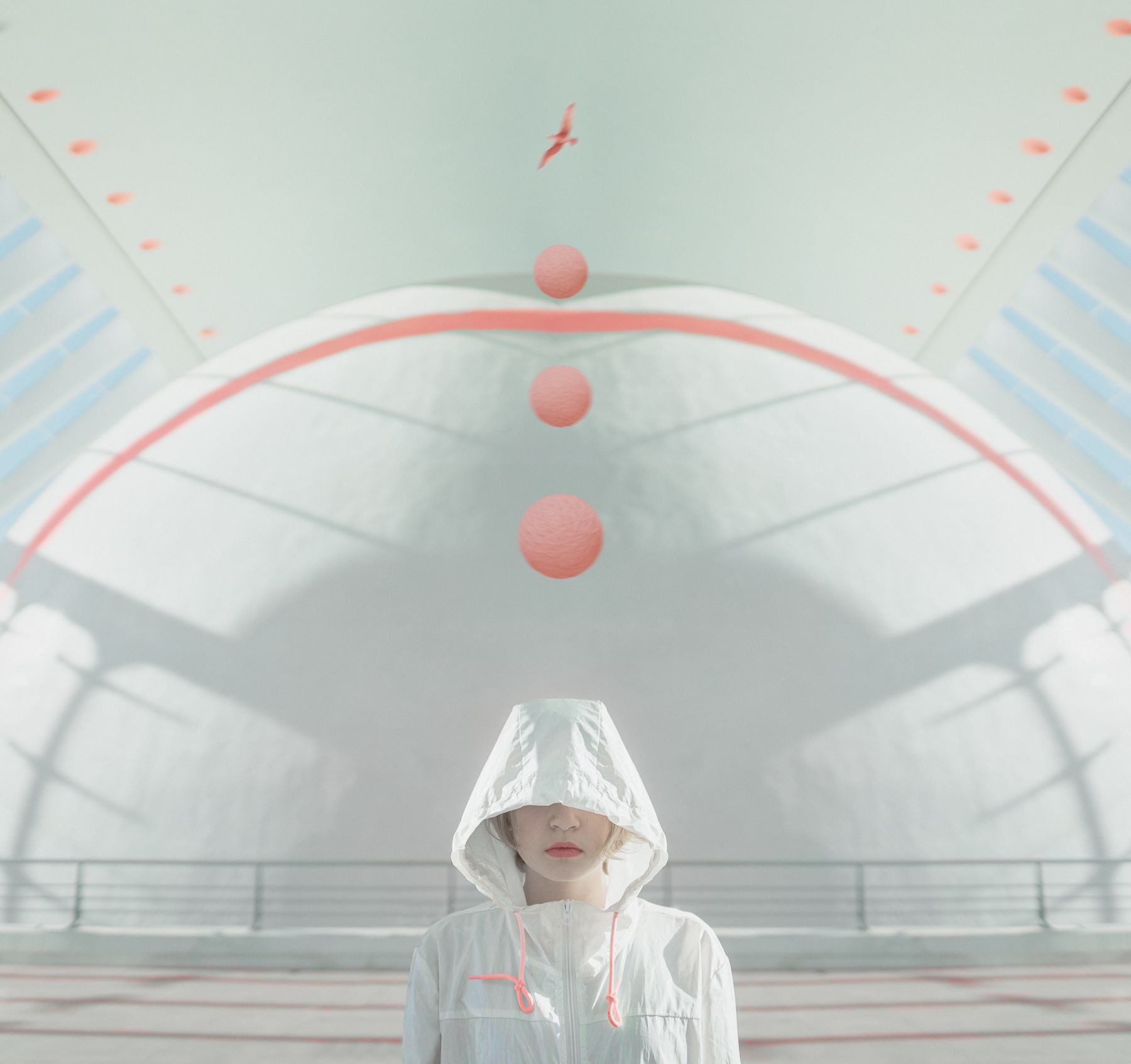
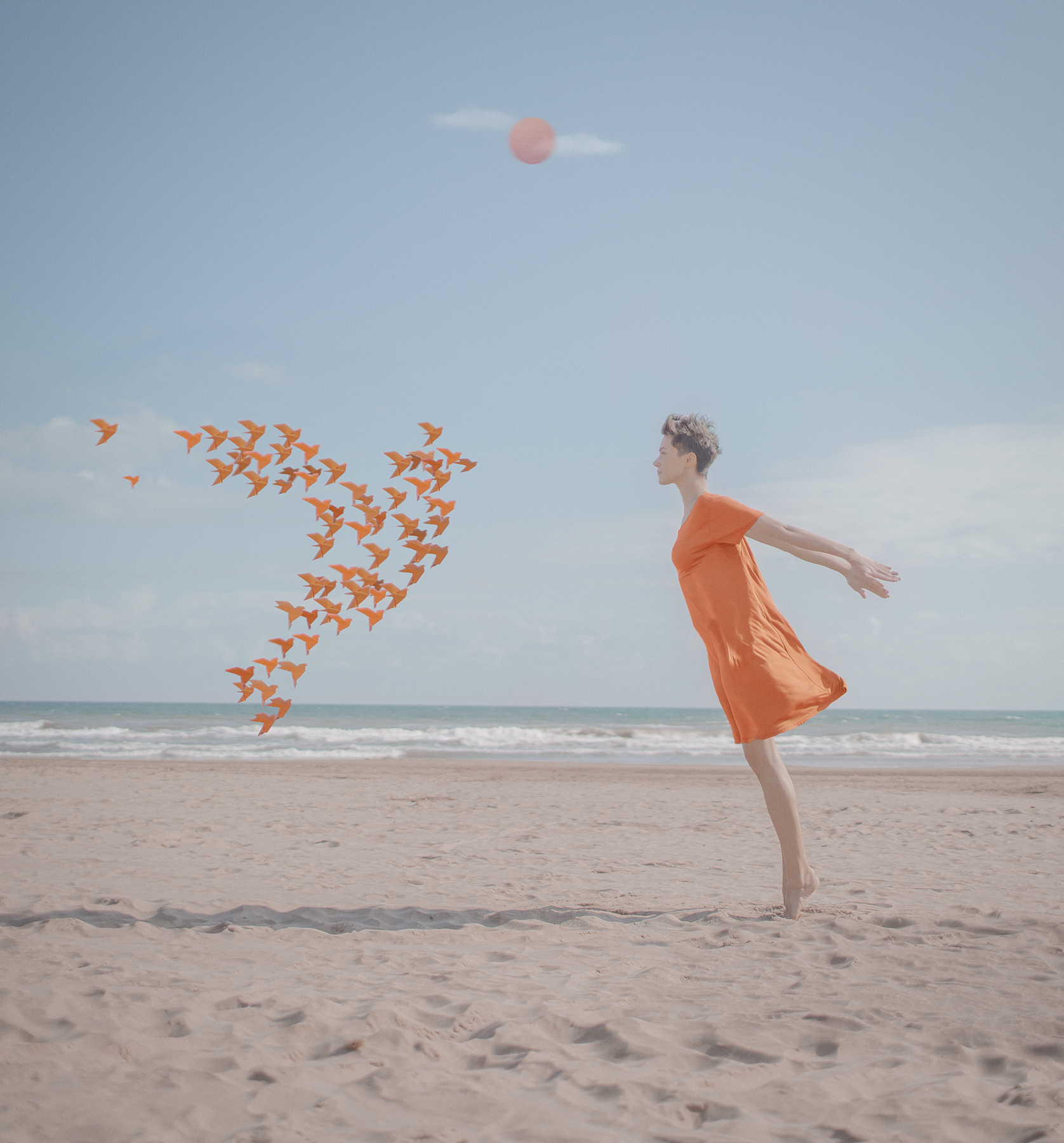
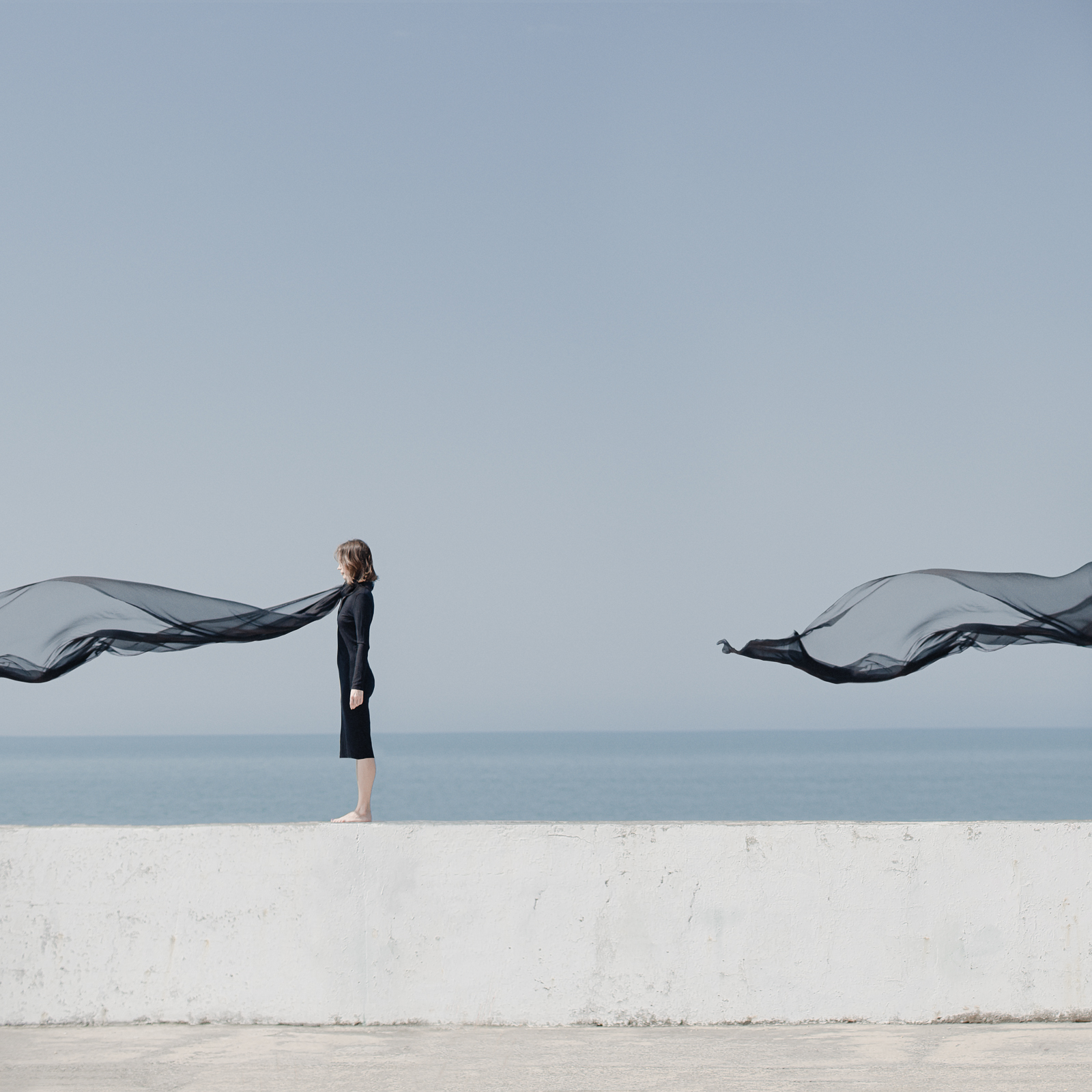
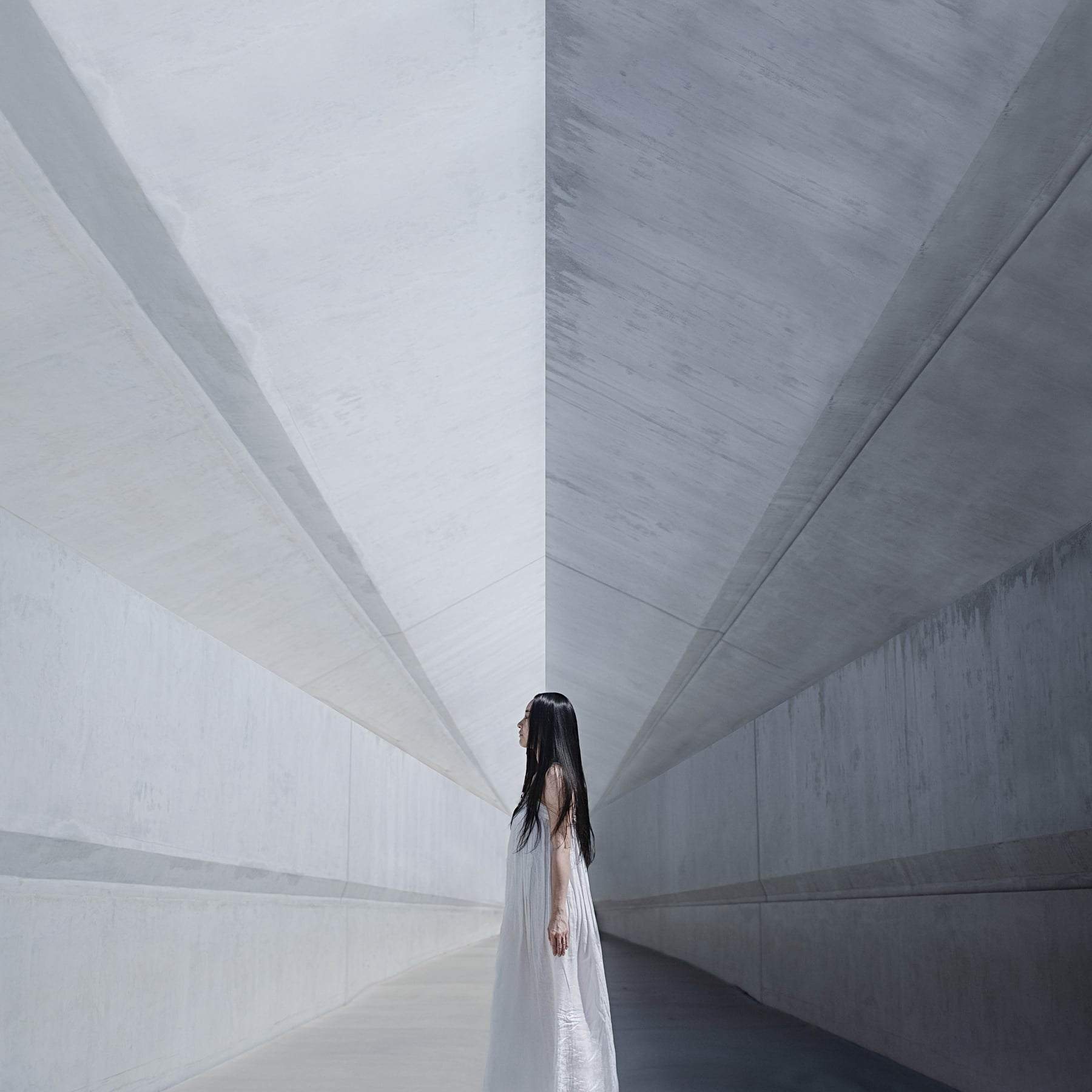
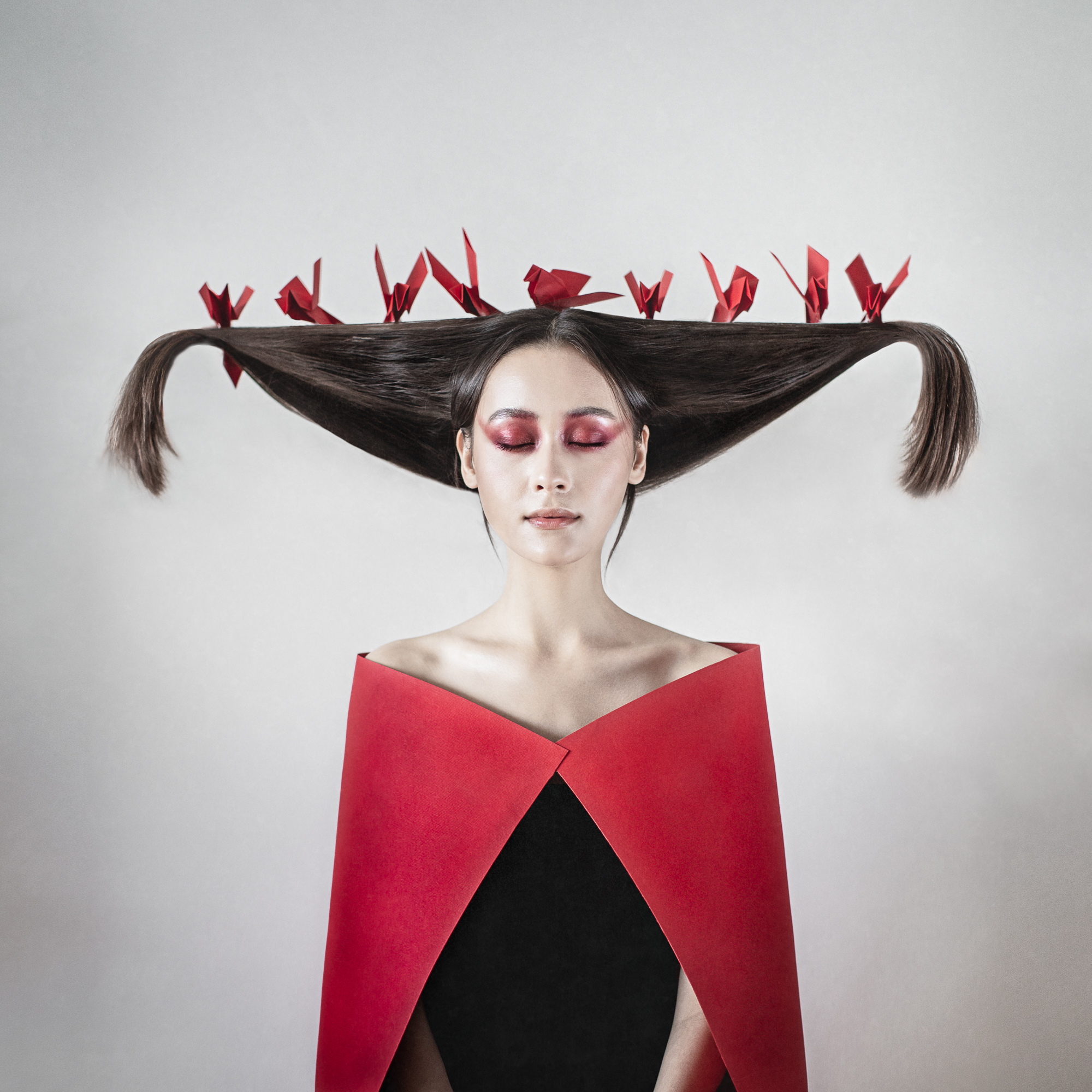
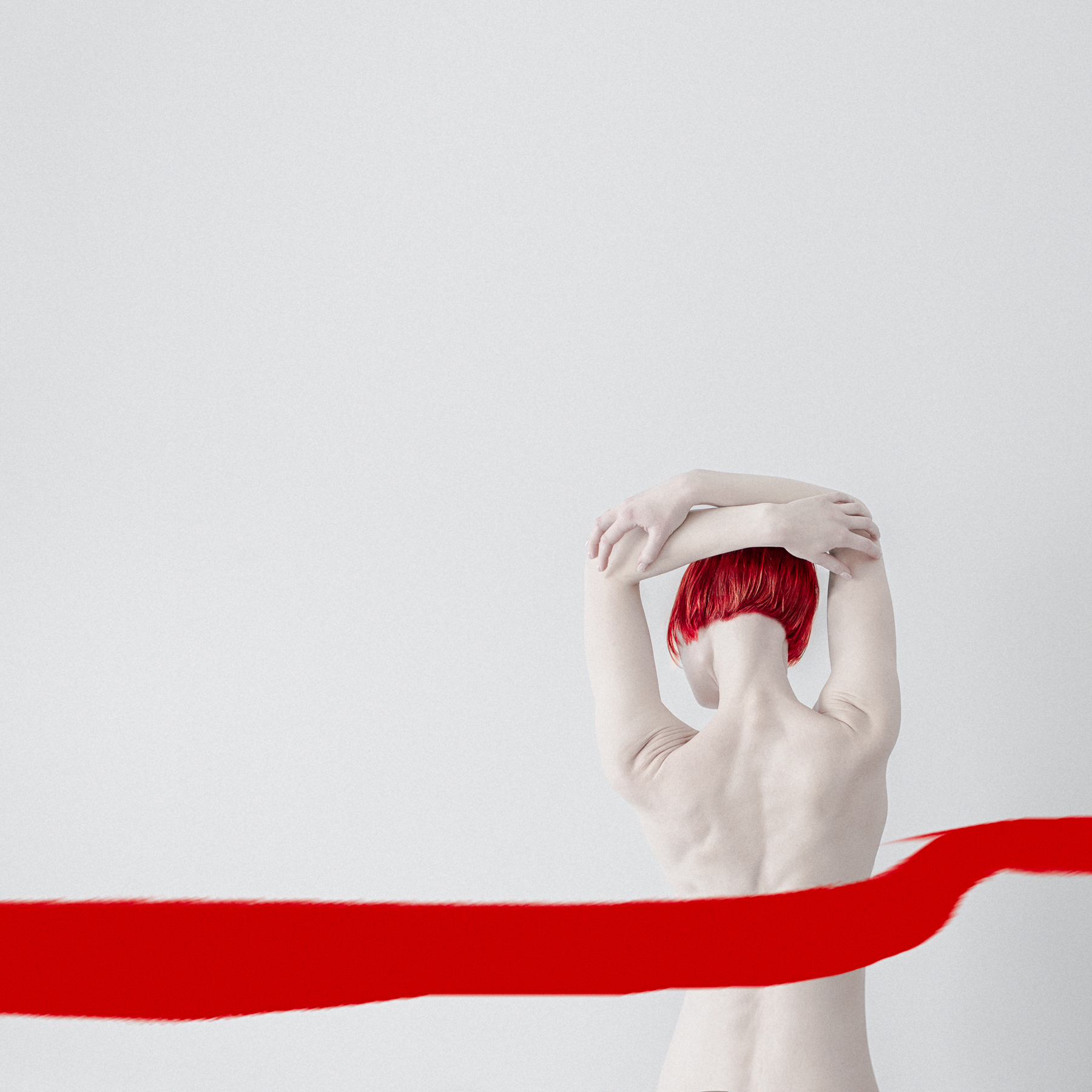
Dasha Pears is a fine art photographer whose dreamlike, surreal images balance reality and imagination. She creates photographs that feel like stories unfolding inside a single frame, part painting, part dream, part memory.
With a background outside of photography, Dasha has carved her own artistic path through curiosity, experimentation, and a love for the in-between spaces of the everyday. DIYP sat down with her to talk about her journey, her creative process, and how she sees the future of her work in a rapidly changing visual world.
DIYP: Can you tell us a little about your background and how you first got into photography?
Dasha: My background is not in photography at all. I actually have three degrees, in linguistics, marketing and PR, and none of them are related to art. Photography started as a hobby for me more than 15 years ago. At the beginning, it was just very simple things, like pictures of kittens or flowers.
What really inspired me to start taking photography more seriously was when I moved to a new city. I grew up in a very small, ordinary town, nothing particularly special about it. But when I moved to St. Petersburg in Russia, which is the cultural capital of the country, I was suddenly surrounded by beauty everywhere. Not only the architecture, but also the smaller details that most people just pass by without noticing. I felt this curiosity for the first time, and I wanted to capture what I was seeing. That’s really where it all began.
DIYP: How did you develop your distinctive style?
Dasha: In the beginning, I tried everything. I wanted to make money from my camera right away, I think that’s very natural. So I tried studio portraits, family sessions, maternity and wedding shoots. Later, I also did interiors, small brand campaigns, and even product photography. I did some street photography too, especially while travelling, and I enjoyed it, but none of it quite felt like “my” photography.
Around that time, there was the platform Flickr, before Instagram was even around, and it was such a strong international photography community. That was really important for me, because I got to see so many different styles and approaches. One photographer in my own city really stood out to me. I was struck by her work, and when I realised she was nearby, I joined one of her workshops. That was the point where I started leaning more into fine art and surreal imagery, which is where I feel most at home.
DIYP: How would you describe your artistic influences?
Dasha: I grew up reading a lot of science fiction and fantasy. Tolkien was my favourite author, but I loved anything that opened up an imaginary world. I also had some classical fine art training when I was younger, painting and drawing, but I never felt confident enough to call myself a painter.
Photography became a way for me to create something like a painting without having to pick up a brush. With the camera, I could just click and have an image that felt like a story. For me, it was never just about taking a pretty picture. From the very beginning, my goal was to create narratives; a sense of a world within a single image, or sometimes within a series, but always with that storytelling element.
DIYP: When you conceptualise a new series, do you start with a story, an emotion, or a visual image? How does the idea evolve?
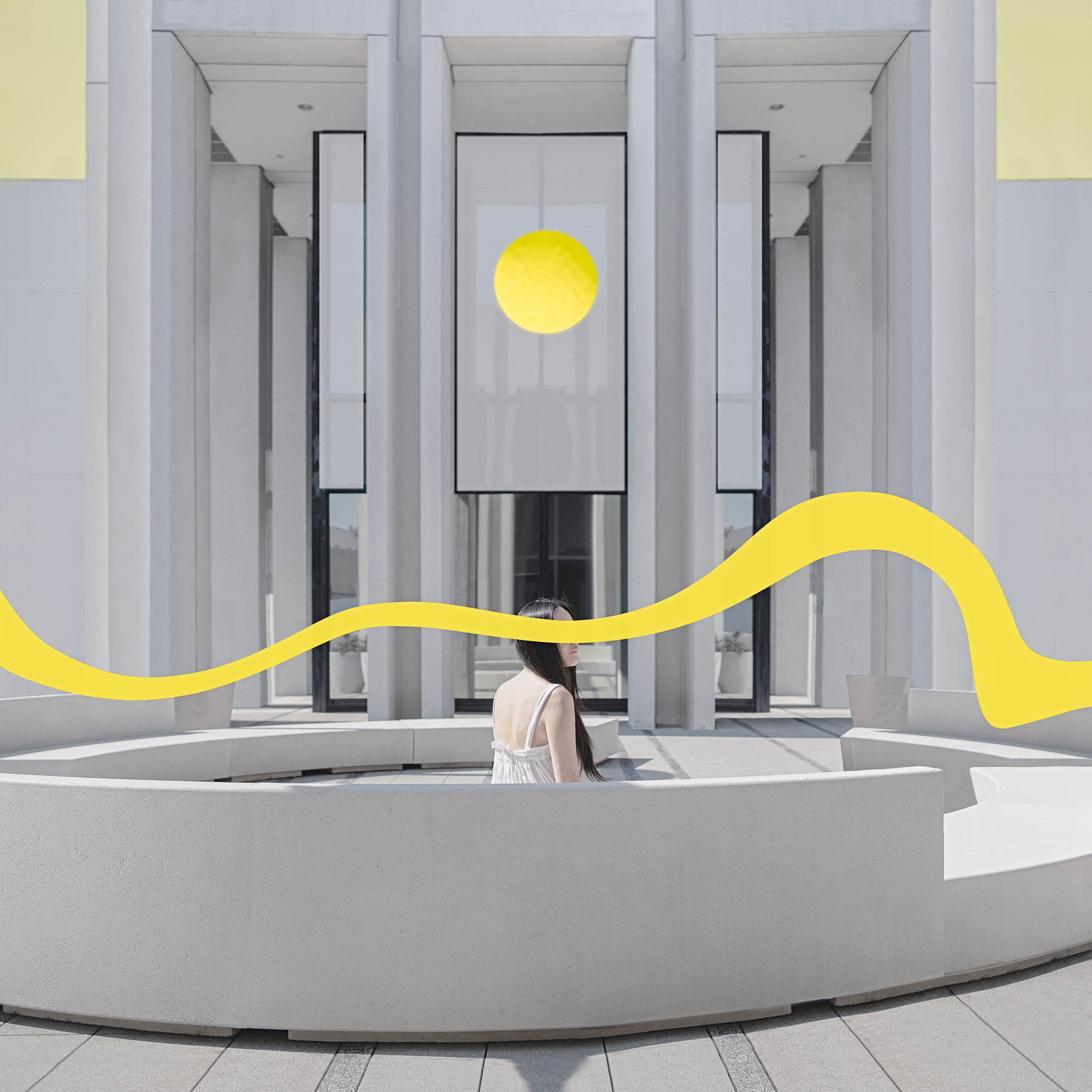
Dasha: It usually works in two directions for me. Sometimes, the inspiration starts with a single element. Maybe it’s a location I find while travelling, a model’s face, or even just a prop. From there, I build a story around that element. Other times, the process starts with a clear idea. That might come from an outside source, like a film (I love sci-fi and fantasy movies), or sometimes it just appears almost from nowhere, even during meditation.
Once I have that spark, I move into planning. I think about what props are needed, what kind of model would fit, where I want to shoot. Very often there’s a surreal element at the center of the idea. That’s something I deliberately build in, because I want the image to surprise both me and the viewer.
Sometimes I collaborate with a team of make-up and hair artists and stylists. But it depends. Sometimes it can be hard to gather a whole team for a shoot that isn’t sponsored by anyone. In those cases, it’s just me and the model. But my really cool collaborations came about from working with stylists when we got an idea together. They gather all the props, which is very important because every detail helps tell that story.
I do draw sketches. My sketches are super bad, I need to explain the sketches! But that’s actually very good because it makes you think about every tiny detail that you think is implied, but other people might not understand. It’s very important to communicate very precisely. I’m a very future-oriented, anxious person, so I just try to predict all the possible scenarios of what can go wrong.
DIYP: Surrealism seems central to your work. Can you tell us more about that?
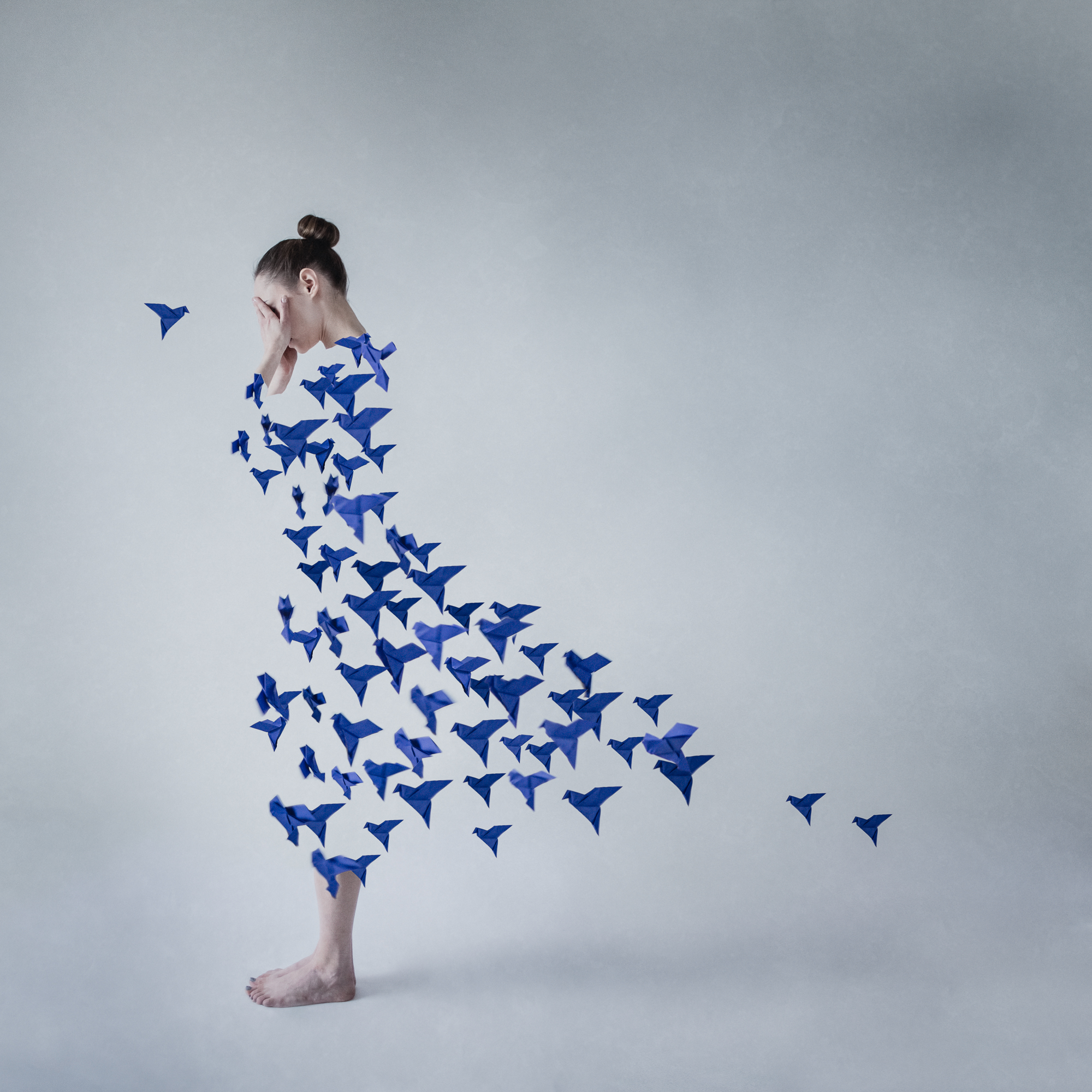
Dasha: Yes, surreal elements are really important to me. I can’t say I’ve always been directly inspired by surrealist artists or their philosophy; it’s not so much about exploring dreams or the unconscious for me. But I definitely borrow their visual tools.
The surreal aspect is what keeps me excited. If I’m just producing a straightforward portrait, I find that boring. I want my work to carry a sense of mystery, to invite people to stop and ask themselves what they’re looking at, what the story might be. I usually add a caption to my images to extend the meaning a little, but I don’t want to impose too much. I love it when people bring their own interpretations.
DIYP: How important is post-processing to your creative process?
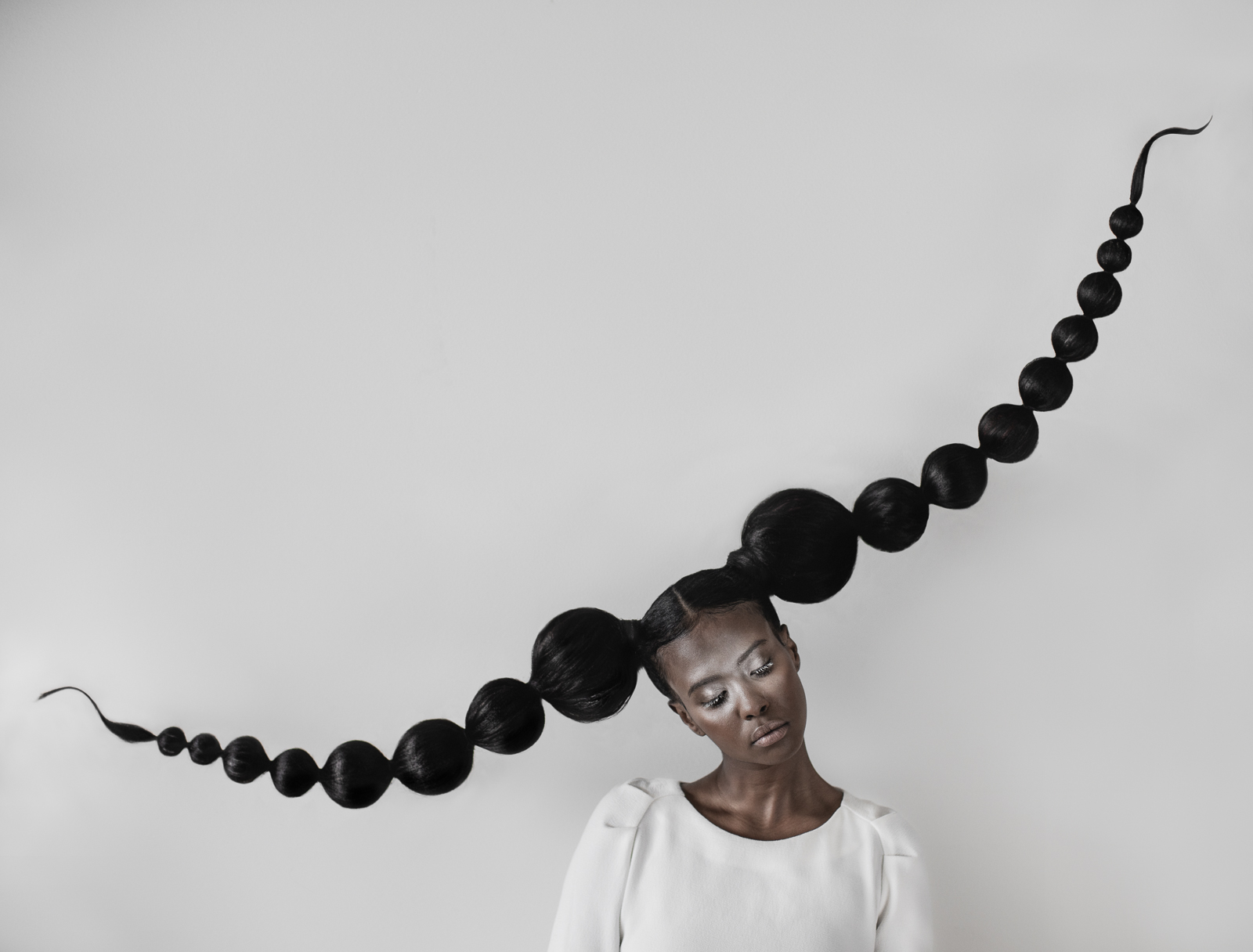
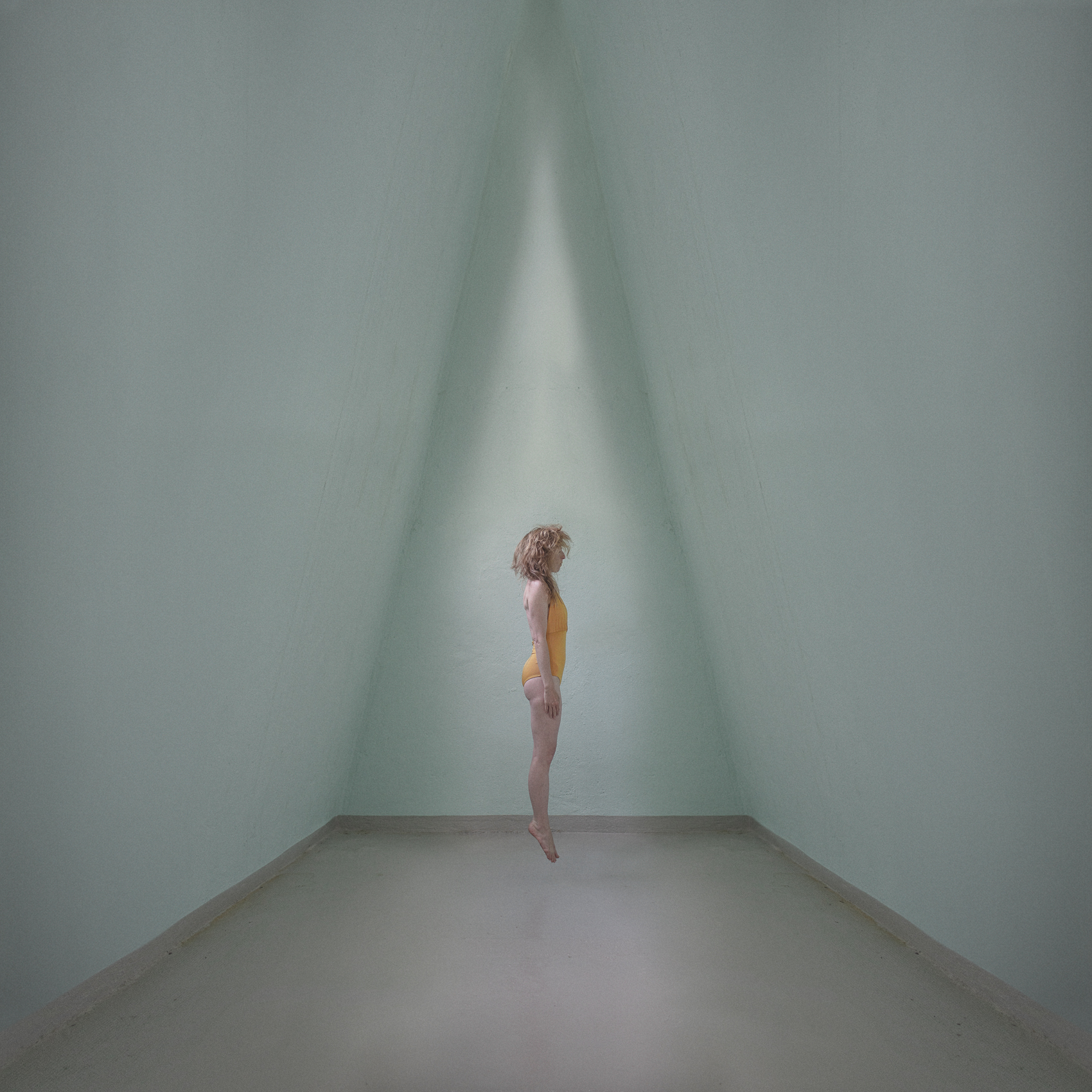
Dasha: It’s almost half of the work for me. I do a lot of editing in Photoshop, and usually I already know before I shoot what kind of post-processing I’ll do. For example, right now I have an idea for an image with an elaborate hair construction. I’ve already been thinking about how to create it physically, what supports to use, and how I can later edit it so that it looks real. That part is very important to me, that the surreal element feels like it could exist in real life.
When I shoot, I make sure to capture everything I’ll need for the edit, sometimes multiple angles, one with a prop, one without, so that later I can piece it all together. I treat Photoshop as my painter’s palette. It’s where I finish creating the world I envisioned.
It can sometimes be months before I edit a work after shooting it. I like to have that space between shooting and finishing a piece. For me it helps the work breathe and it becomes almost something new again.
DIYP: You recently collaborated with the Helsinki Philharmonic Orchestra. What was that experience like?
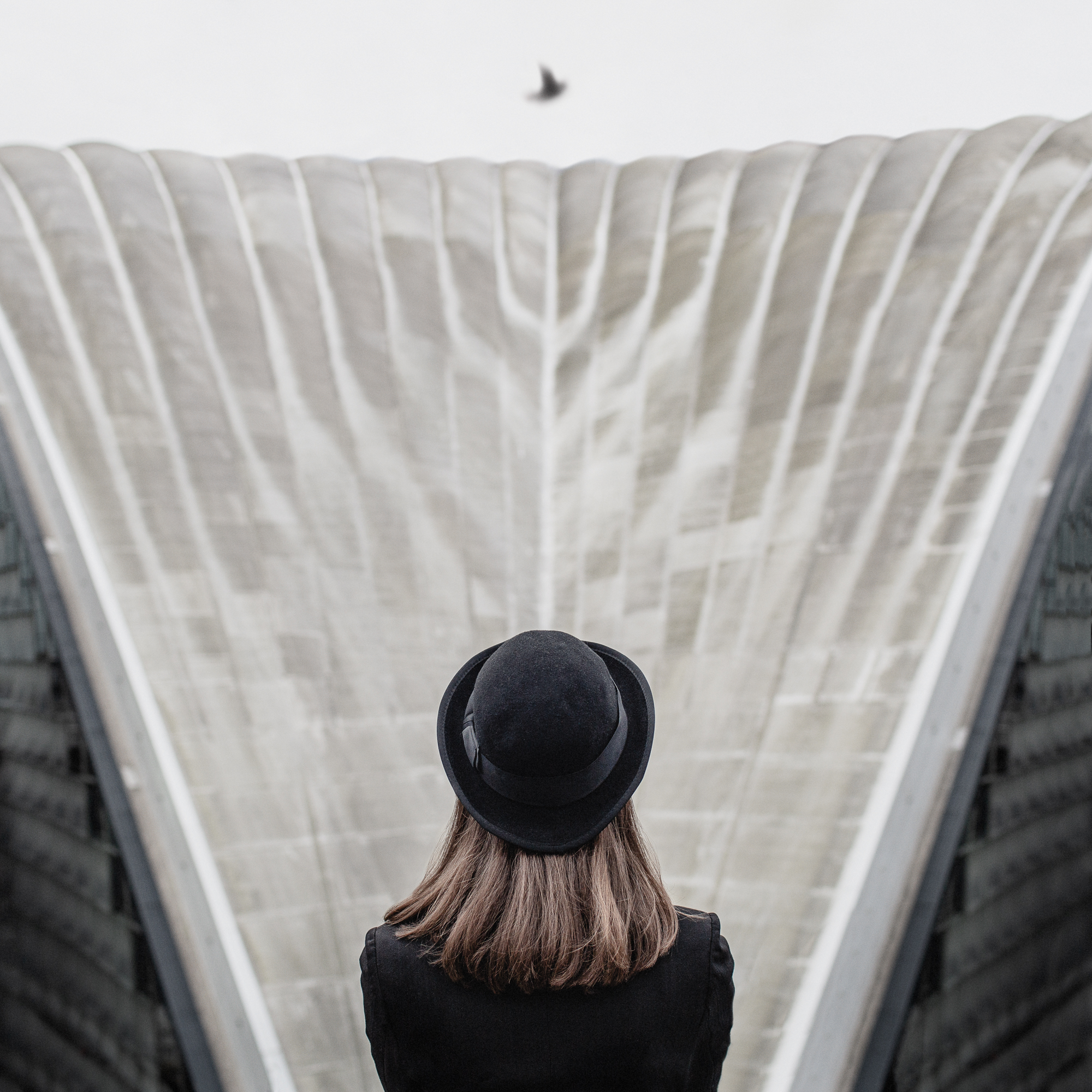
Dasha: That was such a unique and wonderful project. The orchestra was performing three pieces of modern classical music, and the organisers thought it would be interesting to pair the music with visual art. They chose my work because it has that surreal, otherworldly quality.
The idea was that the music would become a kind of soundtrack for my images, and my images would also give the music a visual dimension. The challenge was choosing which works to show, and in what sequence, so that it flowed like a real exhibition. Seeing my art projected on a huge scale, synchronised with live music, was incredible. I felt very honoured to be part of it.
DIYP: Have you ever experienced creative block? If so, how did you push through it?
Dasha: Retrospectively, I think that I did not have a creative block, but a creative burnout. I had many ideas, but I kind of didn’t see the point of creating another image. I broke through that barrier by moving. Literally, to a different location. A different country, in fact! When you just stay in one place and you feel energetically that something isn’t flowing, I think that’s the sign. For me, energy can be taken from the sun, from people, or from just a change of scenery.
DIYP: You’ve also experimented with AI. Can you tell us about that?
Dasha: Yes, I have. I was curious about the possibilities, so I tried some AI tools that animate still images and create moving versions of them. It was really just for fun, to see what could happen. Sometimes the results were surprisingly good, it gave the work this new sense of being alive, almost more real in a way. Other times the results were terrible! There’s a lot of trial and error involved.
I don’t know yet whether it will become part of my main practice, but I enjoy exploring it. I think AI can be approached as another tool, just like a camera, just like Photoshop. Some photographers are already using it for mood boards, sketching, or brainstorming. For me, it’s about curiosity. I’m not afraid of it replacing what I do, because my work still comes from my imagination, and that’s something no tool can substitute.
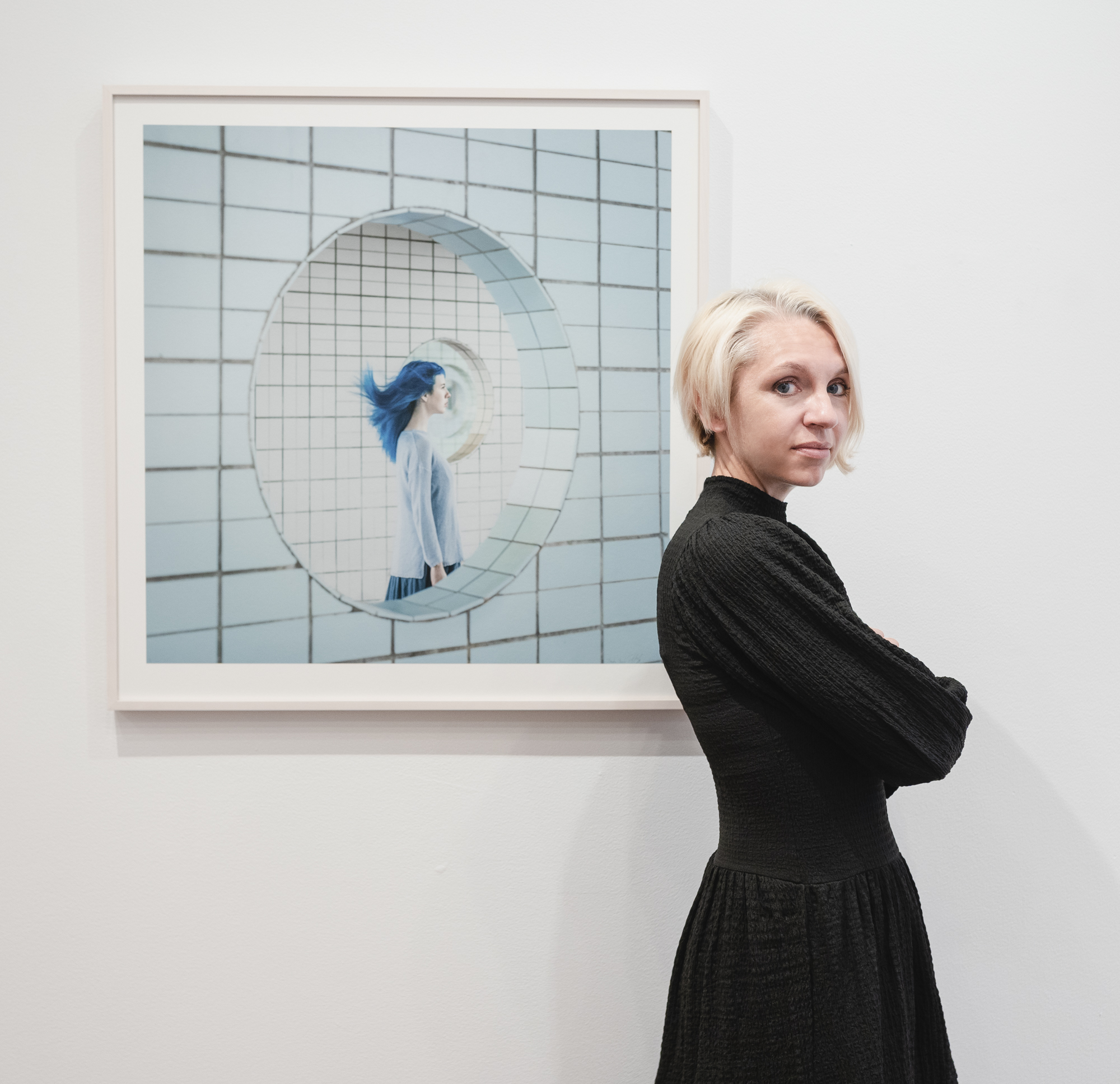
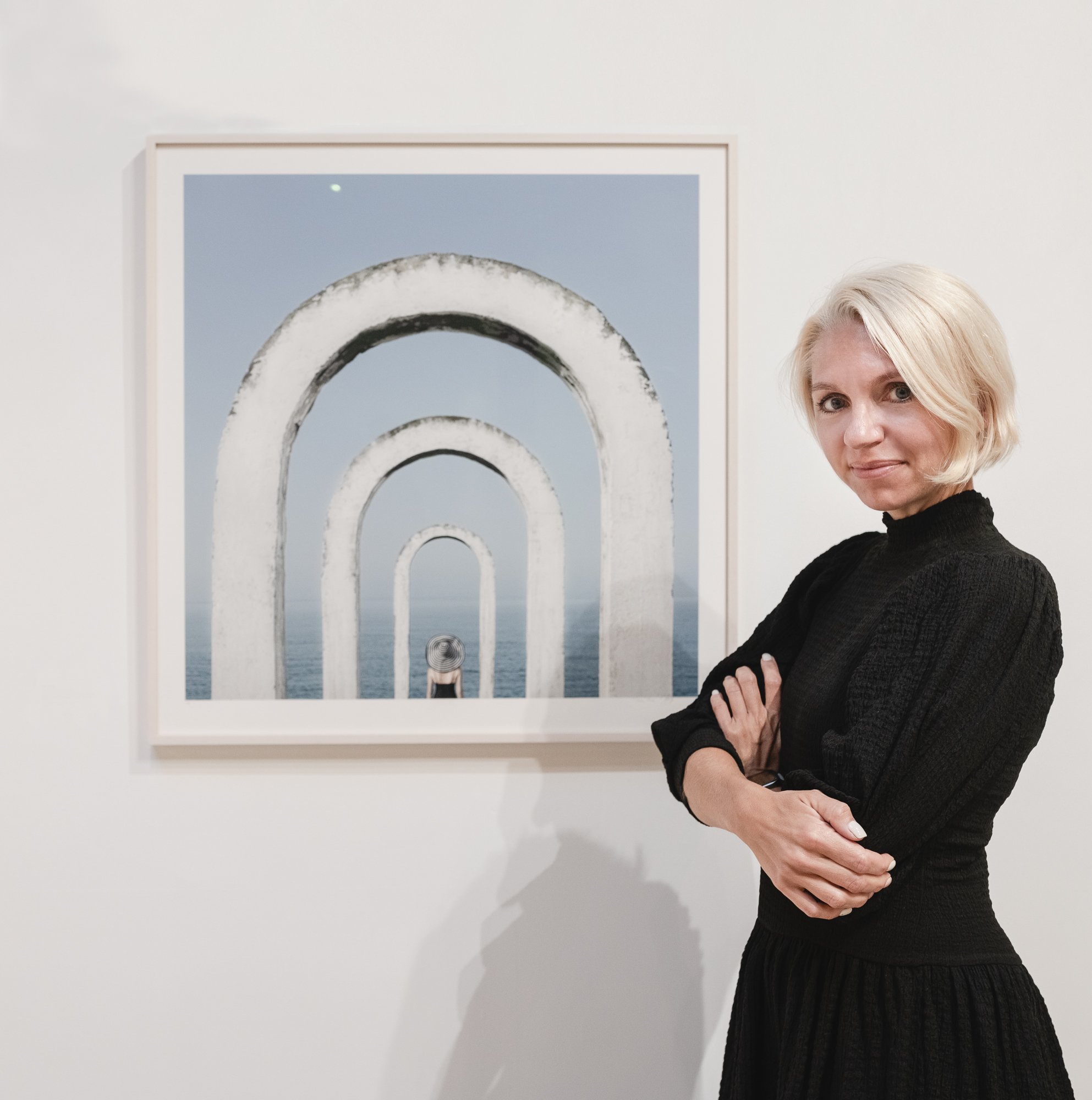
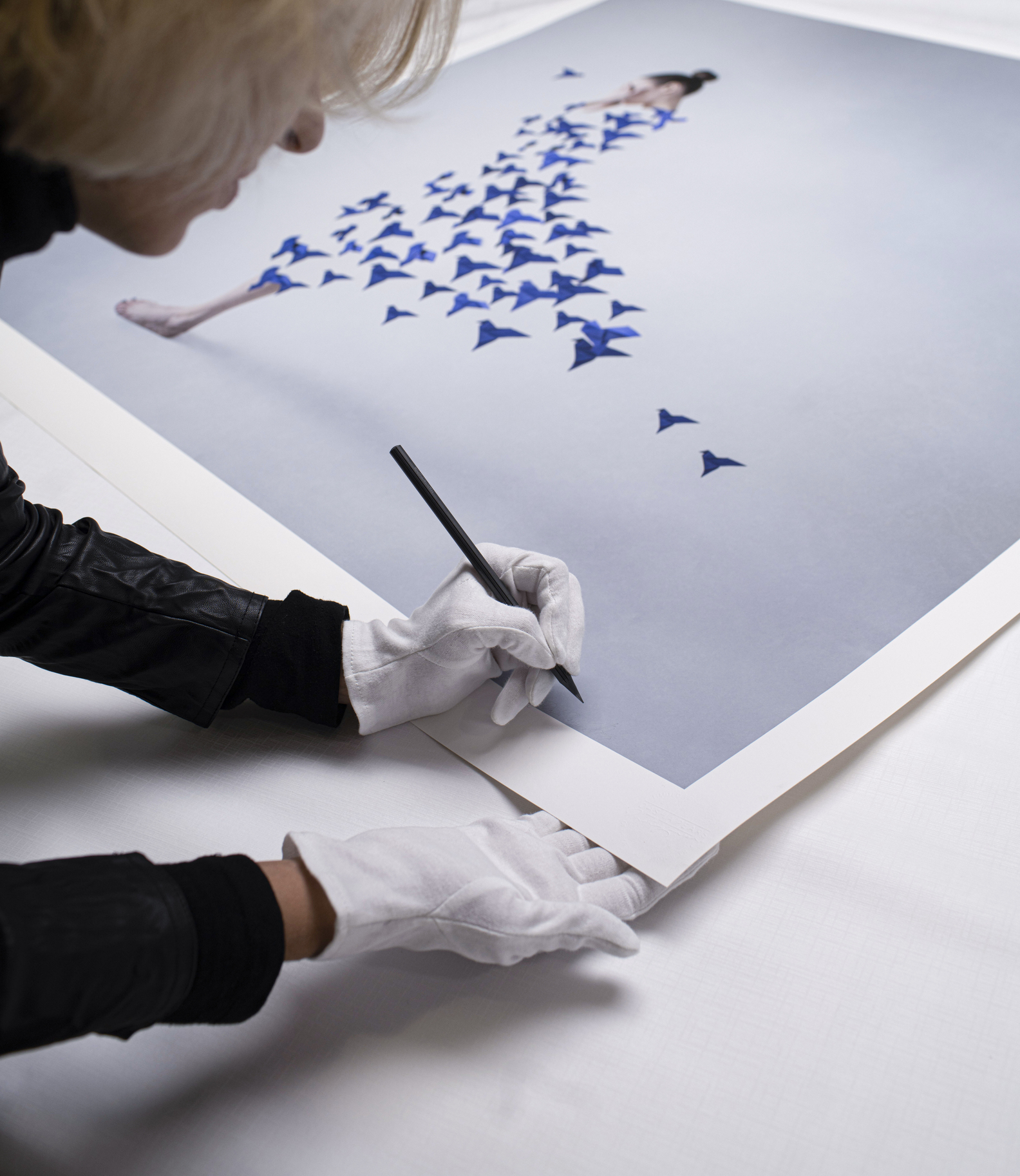
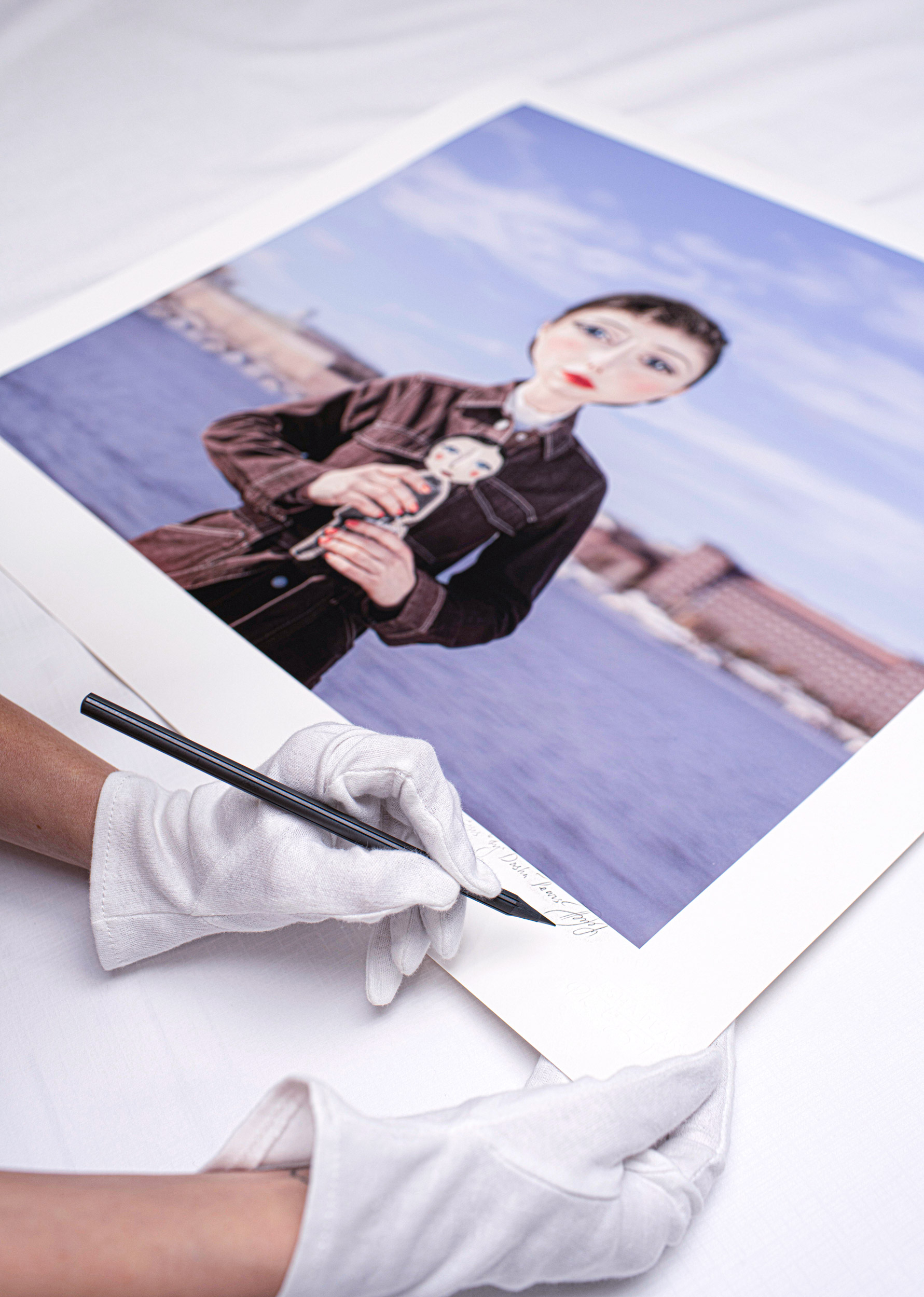
DIYP: Your work is available as printed artworks. Can you walk us through your considerations for producing fine art prints?
Dasha: When I started, I never thought about printing. I had no experience with analog photography, so in my mind art was something you experienced digitally. But then I discovered fine art papers, and it completely changed things for me. Printing adds a whole new dimension to how the work is experienced.
I prefer large-scale prints, but I also do smaller editions. I usually work with matte papers, because they complement the muted tones and soft light I use. I only produce limited editions, all signed, numbered, and embossed, with certificates of authenticity. For me, that makes the work feel complete, like a true art object, not just a file on a screen.
DIYP: Do you have any advice for photographers looking to sell their work as prints or venture into fine art photography?
Dasha: I would first understand which audience you’re targeting and who the people are who are genuinely interested in your photography. That is super important because your audience ultimately defines not just who will buy your work, but also how you present it and at what price point. For me, it was a bit of trial and error at first, learning who appreciated my style and what they valued in a piece.
Pricing is a big part of that equation. Sometimes photographers price their work too low, and it ends up missing the audience that would truly connect with it. On the other hand, pricing too high can also create a barrier that prevents people from engaging with your work at all. You need to find that balance where your art feels valuable, but also accessible to the collectors who will appreciate it.
Another thing to keep in mind is that the art market is always changing, especially now with so many new visual tools and platforms available to creatives. It’s all about understanding your audience, presenting your work professionally, and knowing what makes your pieces unique. Limited editions, quality paper, certificates of authenticity, all of these things matter. Treat your work like a product, but also treat it like art. That combination is what helps people see its true value.
You can follow Dasha on Instagram or visit her website to see more of her work. Watch the whole interview below:
See more from DIYPhotography.net on Google
Add DIYPhotography.net as a trusted source. This makes
our stories more likely to appear in your Google Search results.
 Add as a preferred source on Google
Alex Baker
Alex Baker is a portrait and lifestyle driven photographer based in Valencia, Spain. She works on a range of projects from commercial to fine art and has had work featured in publications such as The Daily Mail, Conde Nast Traveller and El Mundo, and has exhibited work across Europe
Related Posts
 The beautiful surreal work of Ashley Joncas
 Surreal sea ray group is among shortlists of the 2023 Sony World Photography Awards Professional contest
 These magical, surreal photos win 2022 Mobile Photography Awards
 Surreal portrait of wrestlers in India wins 2023 reFocus Awards Color Photography contest
Join the Discussion
DIYP Comment Policy
Be nice, be on-topic, no personal information or flames.