



















How to Turn Your Mirrorless Full Frame Camera into a 35mm Film SLR… Kind of
Aug 12, 2025
Anzalna Siddiqui
A psychology major in her third year of Bachelor’s, Anzalna Siddiqui has endless curiosity for the human mind and a deep love for storytelling – both through words and visuals. Though she hasn’t taken up photography as a profession, her Instagram is where her passion finds its home. In addition to this, she’s a travel enthusiast who never travels without her camera because every place has a story waiting to be captured.
Share:
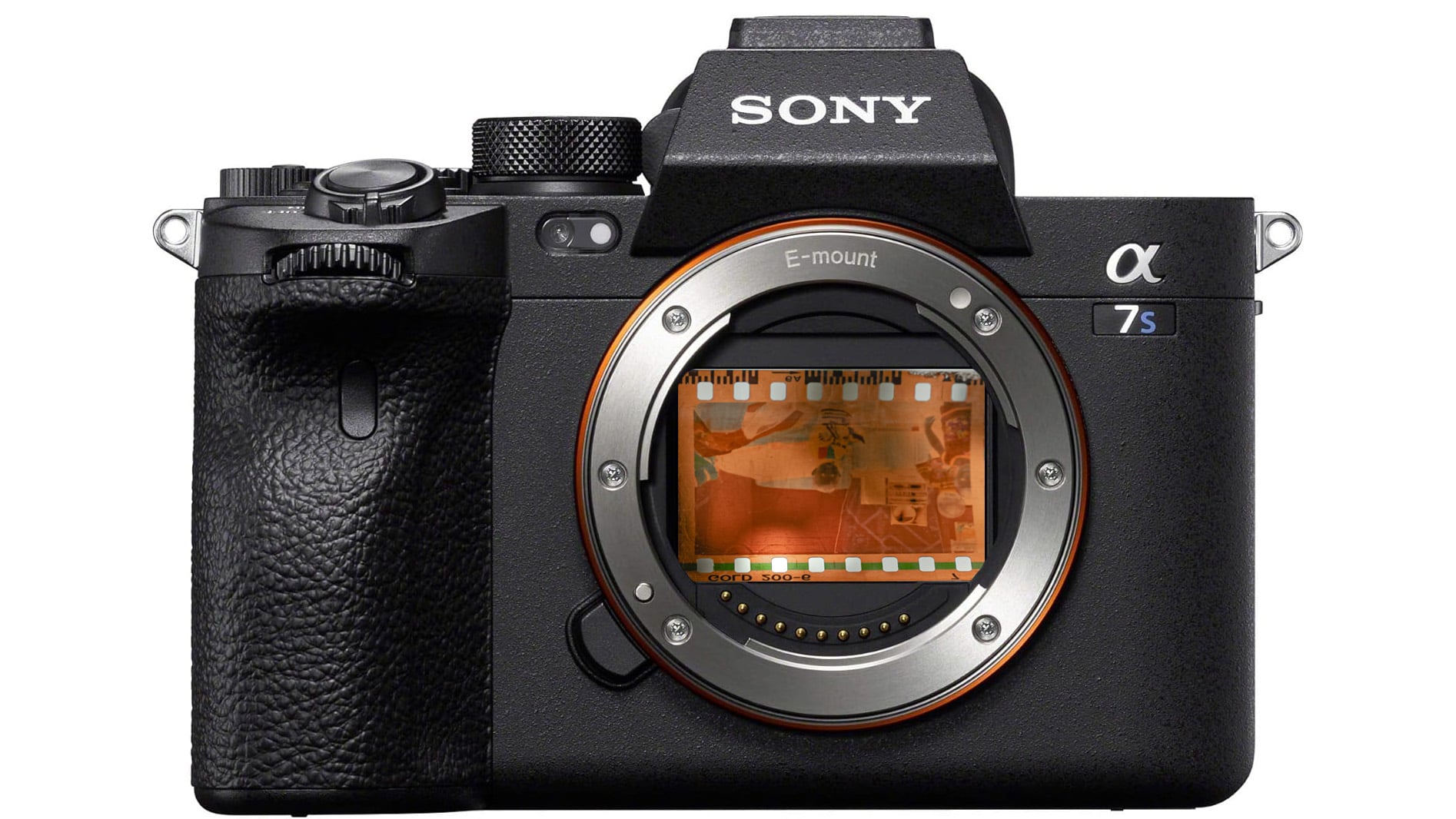
Have you ever thought about combining the hands-on feel of shooting with a classic 35mm film SLR and the ease of using a modern full-frame mirrorless camera? This is a question that many photographers ask themselves, and there’s actually a simple way to make it happen. Sean of Fotodiox Inc explains his approach in their recent video. He shows how you can use old Canon FD lenses on a Sony mirrorless camera to enjoy the charm of manual photography while still benefiting from a digital sensor.
Revisiting the Classic Feel with Vintage Lenses
Sean starts his video by sharing how much he loved using his Canon AE-1, a classic 35mm film camera he inherited. He talks about the hands-on feeling of using it and how it makes you really connect with taking photos. This is something many film enthusiasts can relate to. There’s just something special about manually adjusting the aperture and focusing carefully that makes each shot feel more intentional.
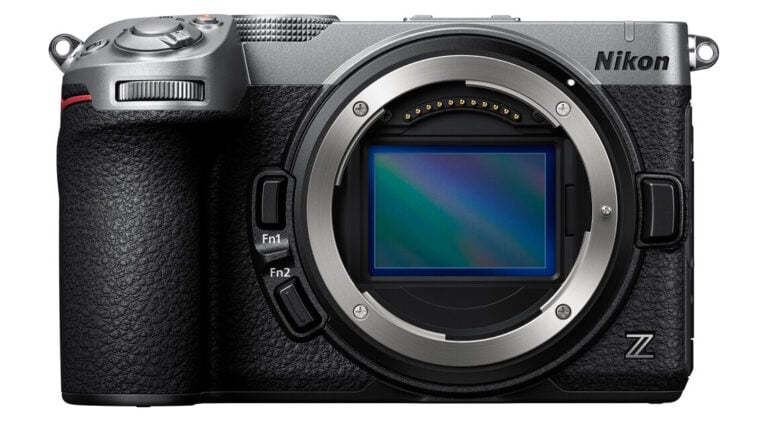
He introduces his reliable Sony A7S, a full-frame mirrorless camera he has been using for a long time. At first glance, these two cameras seem completely different. One is an all-mechanical device that uses film, while the other is a modern digital camera with advanced technology. But Sean has an interesting idea to link the two.
The Magic of Adapters: Mounting Vintage Glass
It’s all about lens adapters. Sean shows off a Fotodiox FD to Sony E-mount adapter. If you’re not aware, Canon FD lenses were popular for Canon’s manual focus film cameras, like the AE-1. Many photographers still appreciate their unique style and solid construction.
Sean shows how easy it is to attach one of these classic lenses, specifically a Canon FD 50mm f/1.8, to the adapter. Just a simple twist and click. What’s really neat is that this adapter features a built-in control ring for manual aperture adjustments. This is crucial for capturing that authentic vintage look. Since the adapter lacks electronic connections, you’ll be making all the lens changes manually.
I find this really interesting. It’s like giving these old lenses a fresh start. You can enjoy their optical qualities on a modern camera sensor, which is pretty exciting.
Embracing the Manual Workflow
Sean points out that this setup puts you straight into manual shooting mode. You have control over everything: ISO, shutter speed, and the aperture ring on the adapter. It’s just like using a film SLR. You become more engaged with the exposure triangle, making thoughtful choices about each setting.
While modern cameras with their advanced autofocus and automatic modes are very efficient, there’s something satisfying about having full control. You really start to grasp how each setting influences the final image. Plus, shooting manually tends to be slower and more intentional, which can feel refreshing in our fast-paced digital world. You find yourself thinking more about the shot before pressing the shutter.
Metering Like It’s the Good Old Days
Sean highlights an interesting feature: you can still use your digital camera’s built-in light meter even when using a fully manual lens. This is really helpful. It gives you guidance on exposure settings, but you still control the final adjustments yourself. It combines the ease of a meter with the hands-on feel of a film camera.
He also shares some photos taken with this setup, showcasing that distinct character of classic lenses. He talks about the lovely bokeh (the nice out-of-focus areas) and the overall “film-like” feel of the images. It makes you think that sometimes, the quirks and unique results of older lenses are what give photos that special touch.
Taking It a Step Further with Specialized Adapters
Sean showcases some interesting and specialized adapters from Fotodiox. First, he talks about the ND Throttle adapter. This adapter comes with a built-in variable neutral density (ND) filter. If you’re into video shooting, you know how important ND filters are for controlling exposure and keeping a shallow depth of field in bright light. With this adapter, you can easily adjust the ND filter right on it, which I think is pretty cool.
Next up is the DLX Stretch adapter, perfect for macro photography lovers. It has a built-in macro helicoid that allows you to extend the lens further away from the camera body than usual. This means you can focus much closer on your subjects using those FD lenses.
The “Coolest” of the Bunch: Tilt-Shift Magic
Next up is what Sean refers to as the “coolest” feature — the Tiltrocker adapter. It provides built-in tilt-shift functionality. Typically, tilt-shift lenses are quite costly and specialized, mainly used for fixing perspective issues in architectural photography or for creating that shallow depth of field effect that makes real scenes appear like miniature models.
Sean shows how the tilt function works, allowing you to create selective focus and that distinctive “miniature look.” It’s impressive to see how a vintage Canon FD lens can suddenly unlock these creative options when paired with a modern digital camera.
He also points out that using the shift feature on a full-frame camera might sometimes cause vignetting, which means the corners could appear darker. To avoid this, he recommends using the APS-C crop mode on your camera. This is a useful tip to keep in mind if you want to try out this kind of adapter.
Your Digital Camera, Your Film SLR
Sean emphasizes how much he loves shooting this way. He believes it helps him feel more connected to the experience he had with his old film camera. I can definitely understand why that’s appealing. It’s not only about the final picture; it’s also about the journey, and feeling more in tune with your gear and your subject. What do you think? Are you ready to turn Mirrorless into Film SLR?
[Turn a Mirrorless Full Frame Camera into a 35mm Film SLR I Fotodiox Inc]
See more from DIYPhotography.net on Google
Add DIYPhotography.net as a trusted source. This makes
our stories more likely to appear in your Google Search results.
 Add as a preferred source on Google

Anzalna Siddiqui
A psychology major in her third year of Bachelor’s, Anzalna Siddiqui has endless curiosity for the human mind and a deep love for storytelling – both through words and visuals. Though she hasn’t taken up photography as a profession, her Instagram is where her passion finds its home. In addition to this, she’s a travel enthusiast who never travels without her camera because every place has a story waiting to be captured.
Related Posts
 Spice up your old 35mm SLR with a one-of-a-kind hand crafted wooden grip
 NONS SL660 – Medium format Instax camera with a built-in frame-filling adapter for 35mm SLR lenses
 35mm film vs. medium format vs. full frame digital: is shooting film really worth it?
 Using the World’s Smallest SLR Lens on a Mirrorless Camera
Join the Discussion
DIYP Comment Policy
Be nice, be on-topic, no personal information or flames.