























An Astonishing Photograph of 110 Million Year Old Footprint Tiptoes into the 21st Century
Aug 12, 2025
David Prochnow
Our resident “how-to” project editor, David Prochnow, lives on the Gulf Coast of the United States in Ocean Springs, Mississippi. He brings his expertise at making our photography projects accessible to everyone, from a lengthy stint acting as the Contributing How-To Editor with Popular Science magazine. While you don’t have to actually build each of his projects, reading about these adventures will contribute to your continued overall appreciation of do-it-yourself photography. A collection of David’s best Popular Science projects can be found in the book, “The Big Book of Hacks,” Edited by Doug Cantor.
Share:
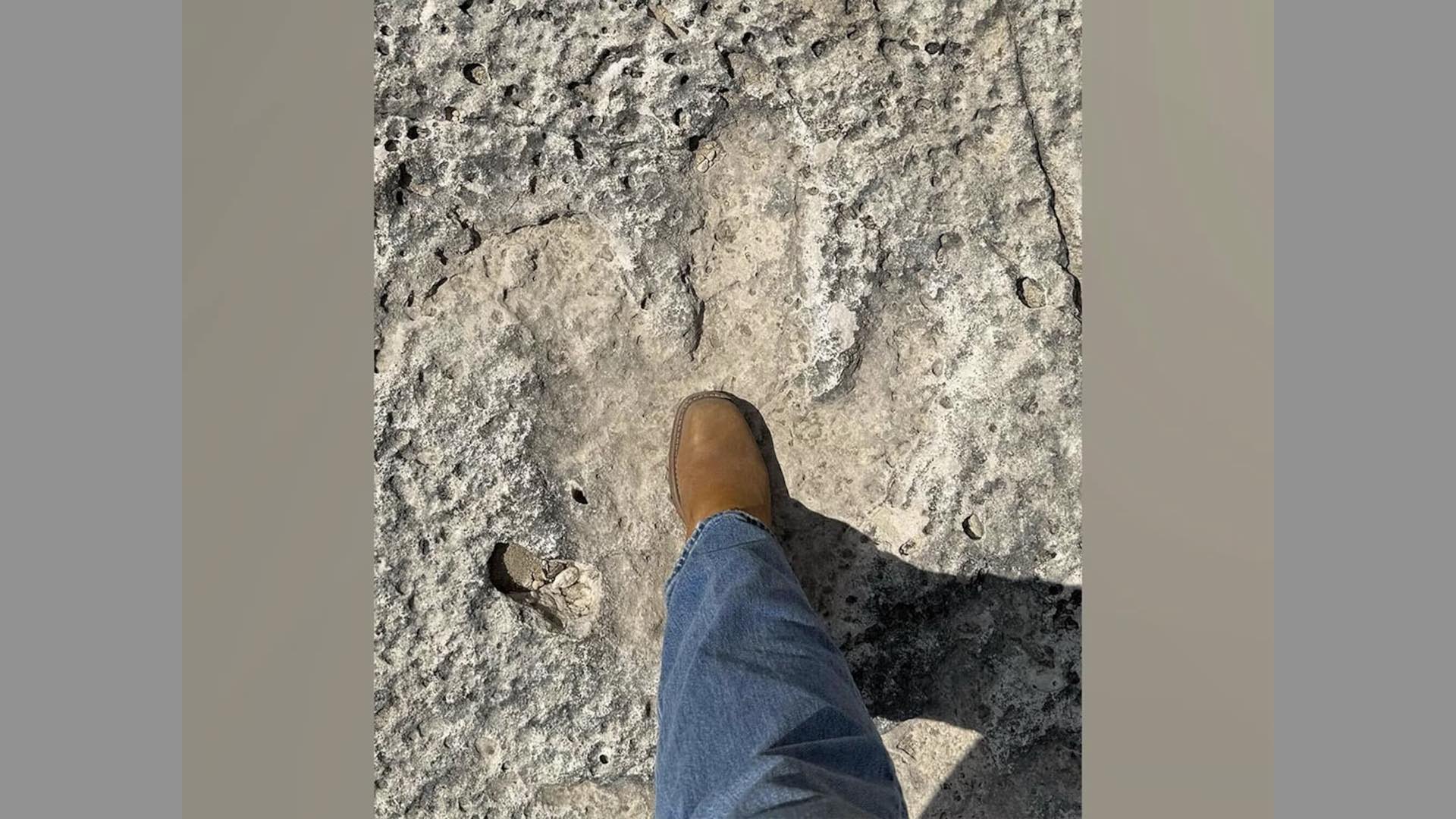
According to ABC News, the recent tragic July 5 flooding that deluged parts of Travis County, Texas inadvertently exposed an incredible wealth of paleontological specimens. A limestone strata previously hidden by years of accumulated soil and underbrush was uncovered by the floodwaters.
You Put Your Right Foot In and You Shake it All About
Discovered neatly imprinted in this limestone were 15 footprints dated between 110-115 million years old. Sized between 18-20 inches long, these footprints weren’t made by Fred Flintstone. Rather, University of Texas at Austin paleontologist Matthew Brown correctly identified the track-making perpetrator as an Early Cretaceous carnivorous predator named Acrocanthosaurus.
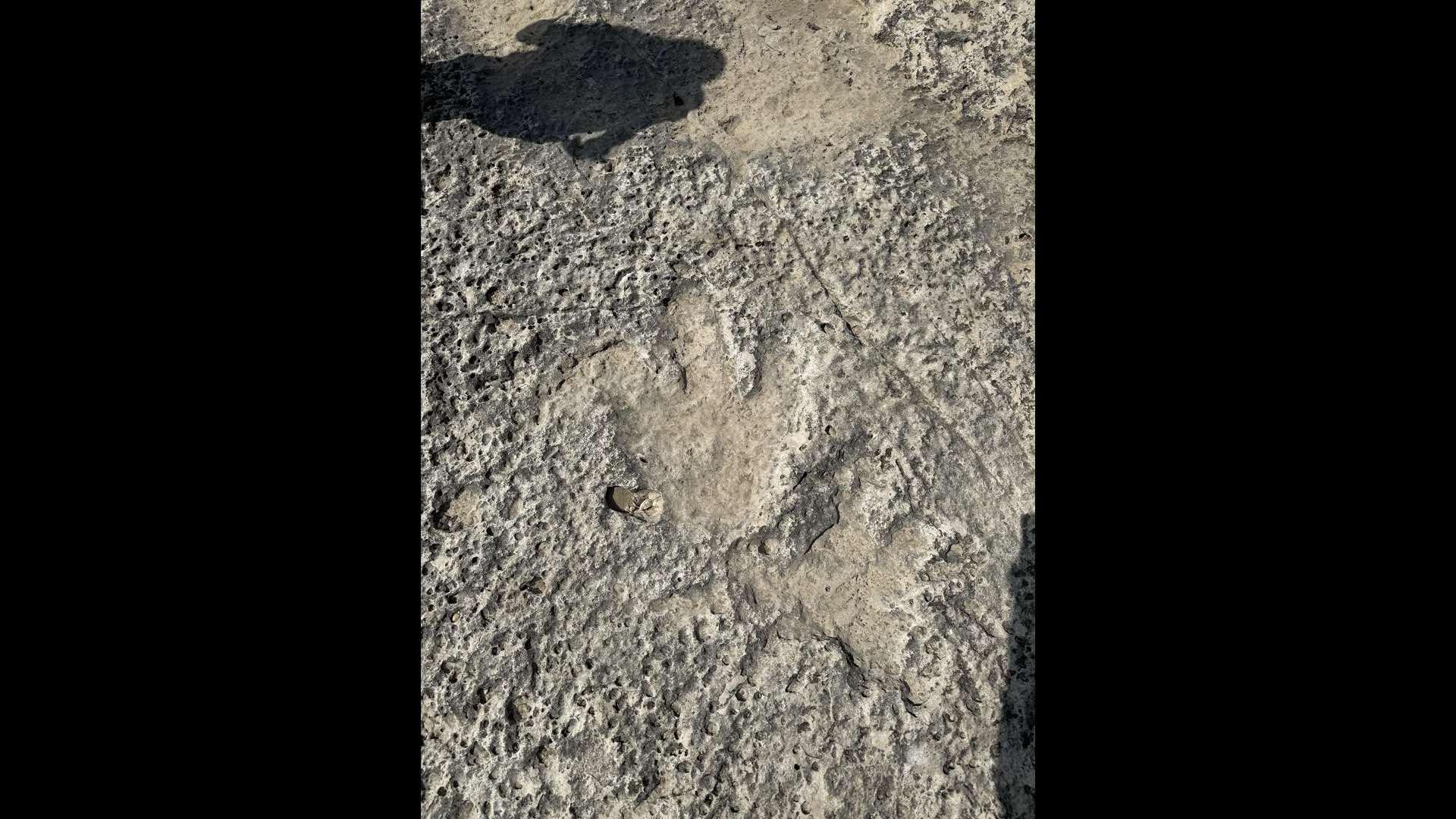
Sporting a total body length of approximately 35 feet, Acrocanthosaurus was fast and fearsome. Supplementing these predator tracks were several large round markings that paleontologist Brown thinks belong to another dinosaur named Paluxysaurus. Paluxysaurus was an herbivore with a long neck. Brown and his colleagues will study these tracks and determine if there was a predatory interaction between these ancient animals.
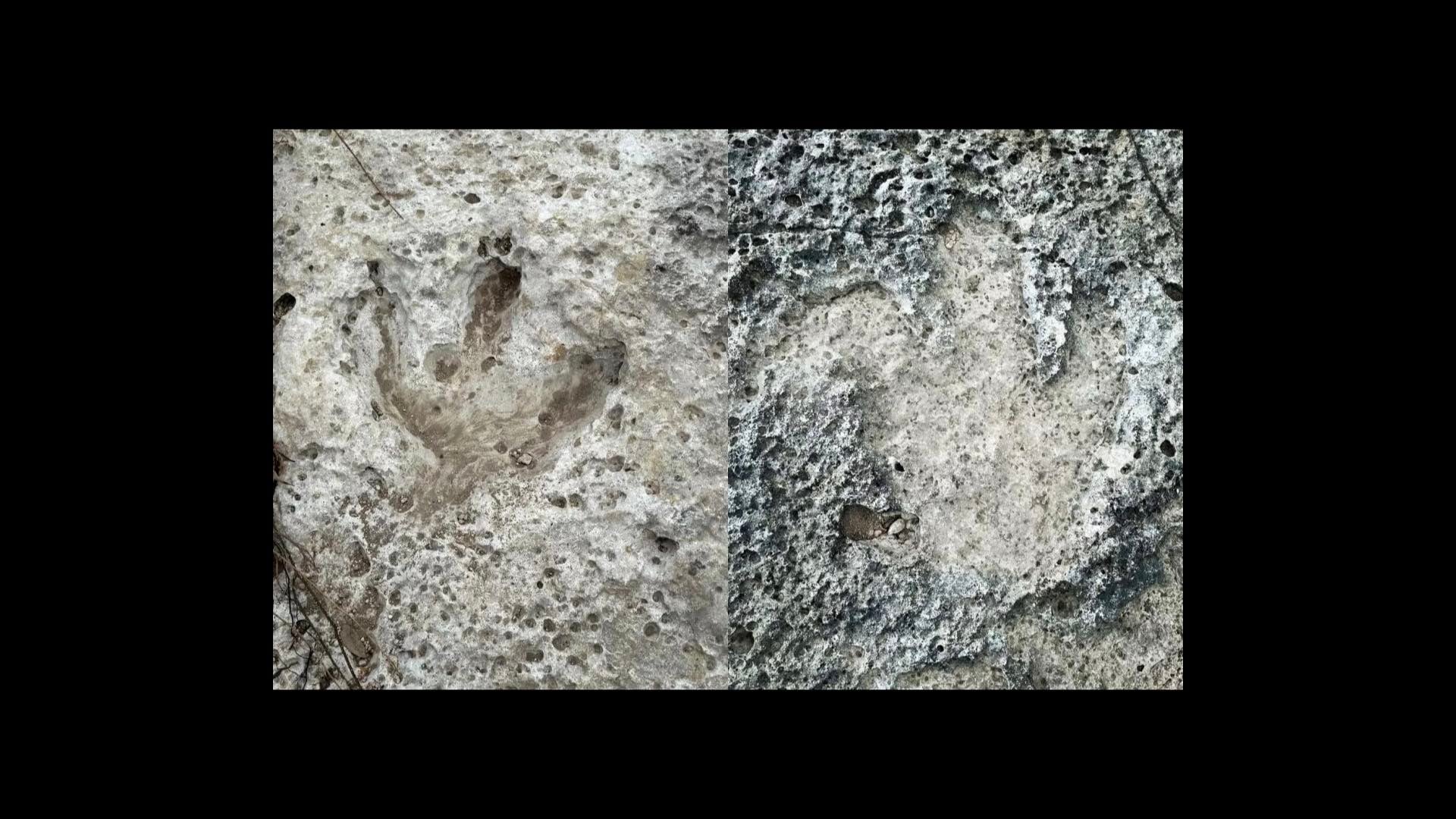
Brown is interested in studying this site with aerial drone technology and laser surface scanning analysis for examining interrelationships between the tracks. For example, did one animal make all of these prints or several animals traveling together? Applying new technologies to these age-old tracks helps to flesh-out paleontological theories and reinforces the understanding of our prehistoric world.
Enjoy.
See more from DIYPhotography.net on Google
Add DIYPhotography.net as a trusted source. This makes
our stories more likely to appear in your Google Search results.
 Add as a preferred source on Google

David Prochnow
Our resident “how-to” project editor, David Prochnow, lives on the Gulf Coast of the United States in Ocean Springs, Mississippi. He brings his expertise at making our photography projects accessible to everyone, from a lengthy stint acting as the Contributing How-To Editor with Popular Science magazine. While you don’t have to actually build each of his projects, reading about these adventures will contribute to your continued overall appreciation of do-it-yourself photography. A collection of David’s best Popular Science projects can be found in the book, “The Big Book of Hacks,” Edited by Doug Cantor.




Join the Discussion
DIYP Comment Policy
Be nice, be on-topic, no personal information or flames.