





















Reign in Rain: Grab the Reins of Inclement Weather Photography
Aug 9, 2025
David Prochnow
Our resident “how-to” project editor, David Prochnow, lives on the Gulf Coast of the United States in Ocean Springs, Mississippi. He brings his expertise at making our photography projects accessible to everyone, from a lengthy stint acting as the Contributing How-To Editor with Popular Science magazine. While you don’t have to actually build each of his projects, reading about these adventures will contribute to your continued overall appreciation of do-it-yourself photography. A collection of David’s best Popular Science projects can be found in the book, “The Big Book of Hacks,” Edited by Doug Cantor.
Share:

Capturing rain in a photograph is an exciting challenge, and mastering rain photography is all about balancing technical precision with creative intuition.
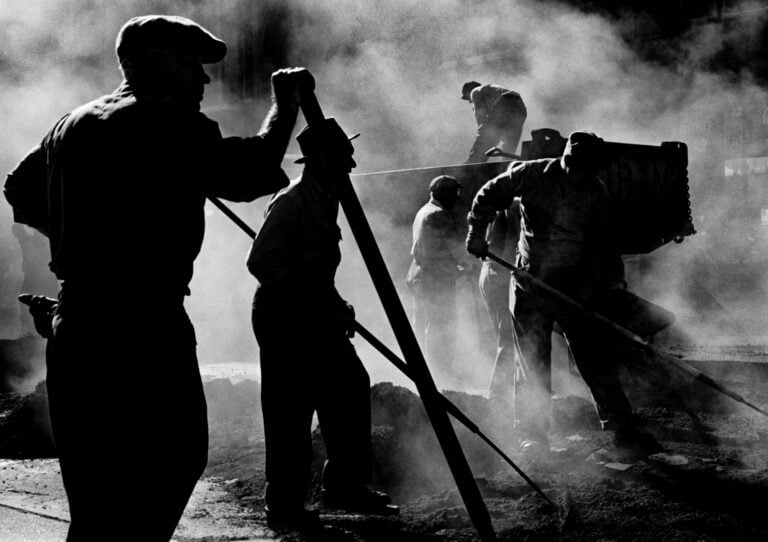
Alfred Stieglitz was a master at conveying meteorological events in his photographs. Studying his landmark Winter, Fifth Avenue, 1893 and Spring Showers, 1900 you can almost feel the icy caress of a snowflake against your cheek or the drenching slough of muddy water filling your shoes after stepping into a puddle. These types of emotional responses to his photographs can be elusive to capture in inclement weather photography.
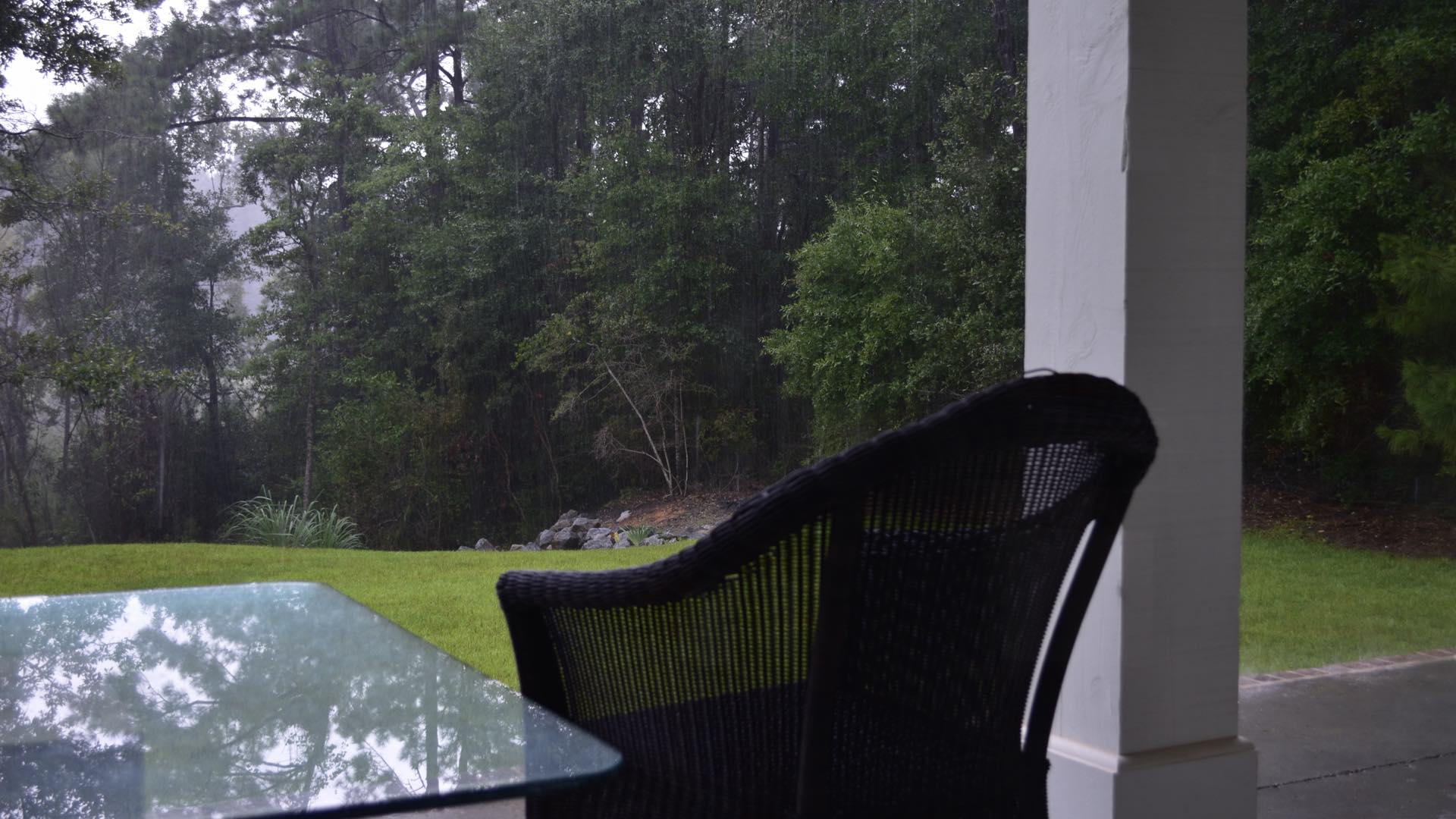
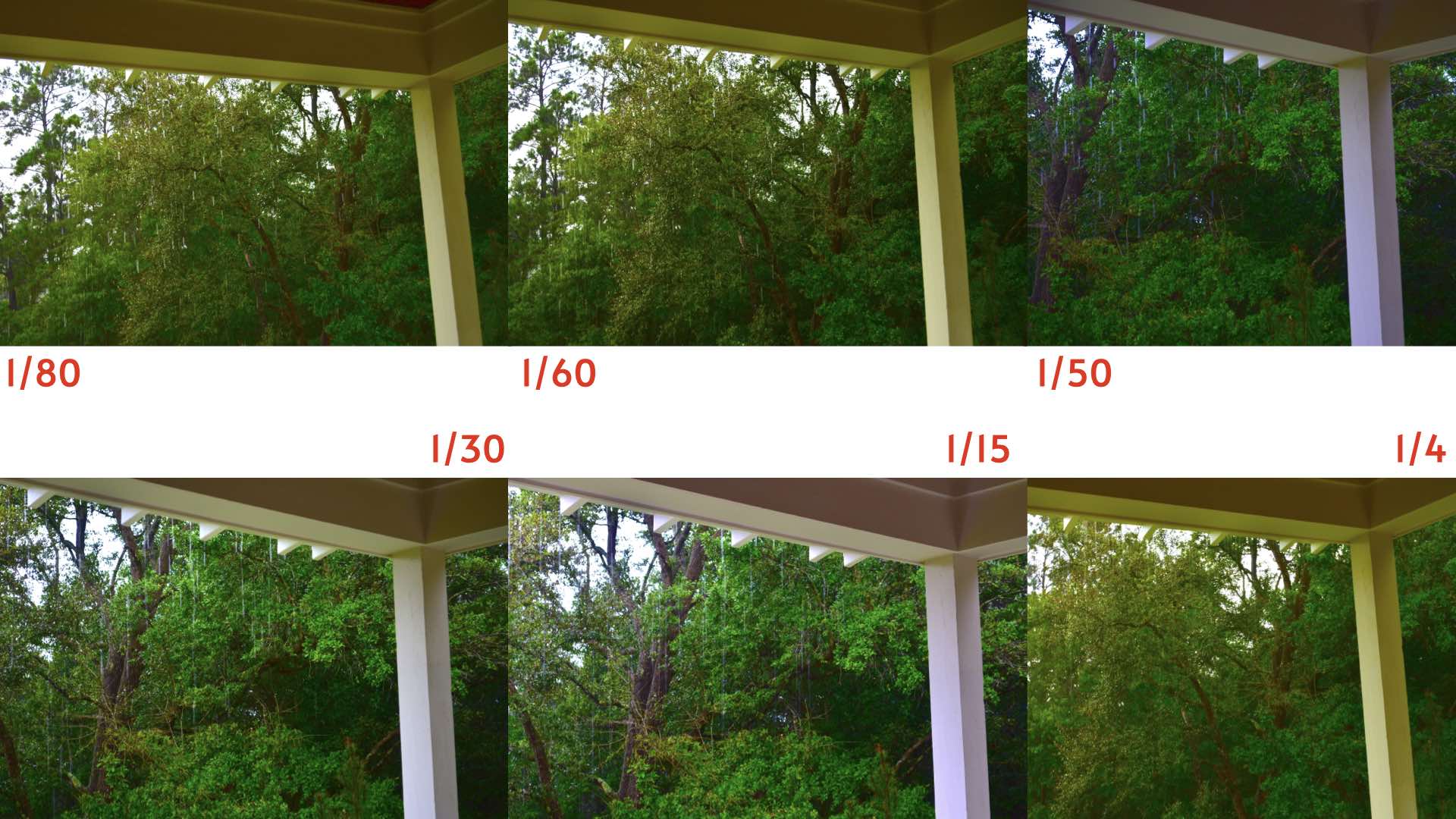
Trying to photograph rain, for example, presents several challenges. Do you choose to show the individually falling rain drops or focus on the effects of rain drops reverberating in puddles? Both are valid forms of expression, but which one will make you “feel” wet? Success comes down to fractions of a second in the exposure. Too fast and you’ll never see the rain. Likewise, too slow and you’ll never see the rain, either. Let’s test some exposure settings; grab your poncho, slip on a pair of galoshes, and head outside into a rainstorm.
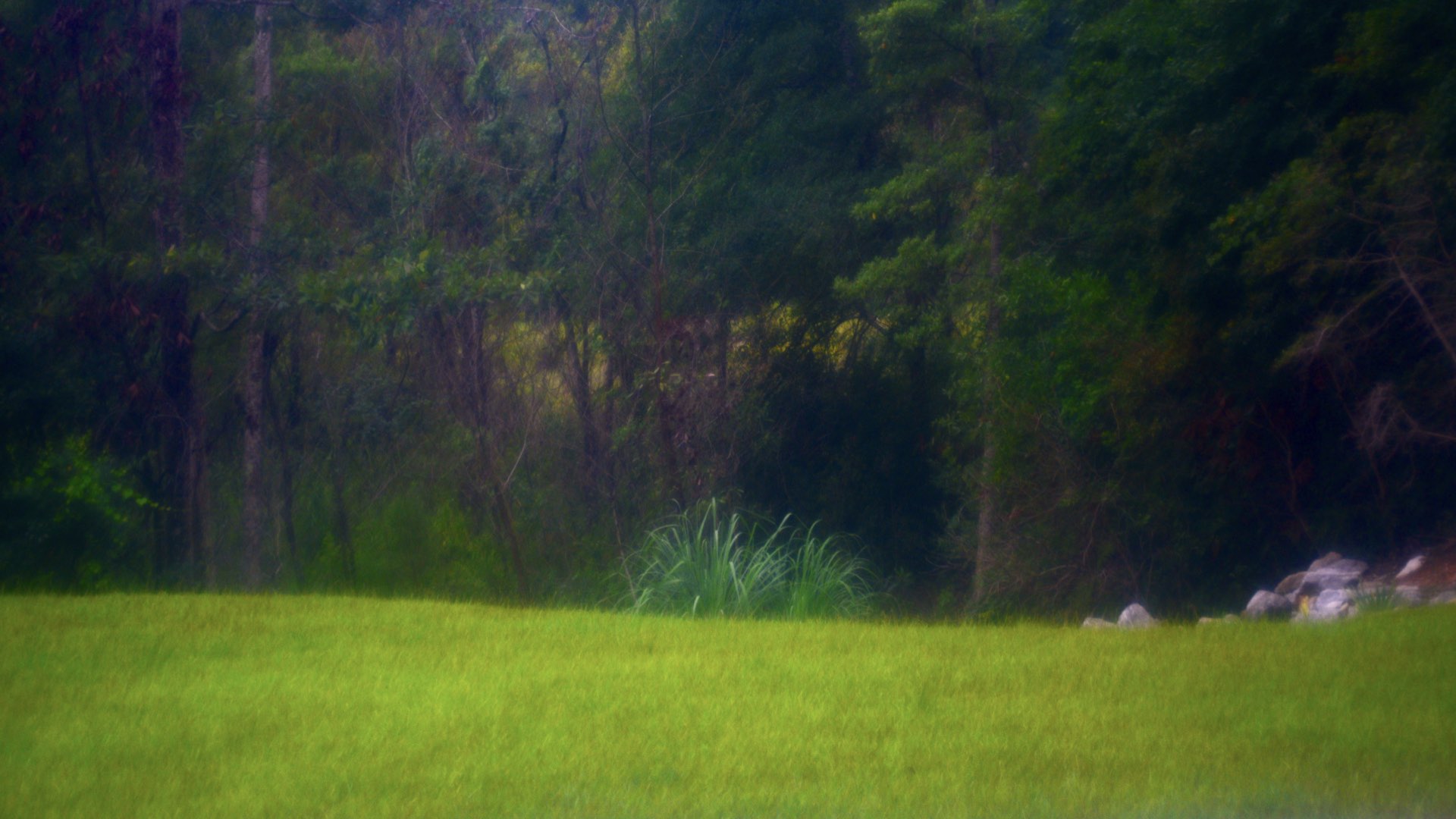
Raindrops Keep Fallin’ on My Lens
Here are three techniques that you can explore for rain photography:
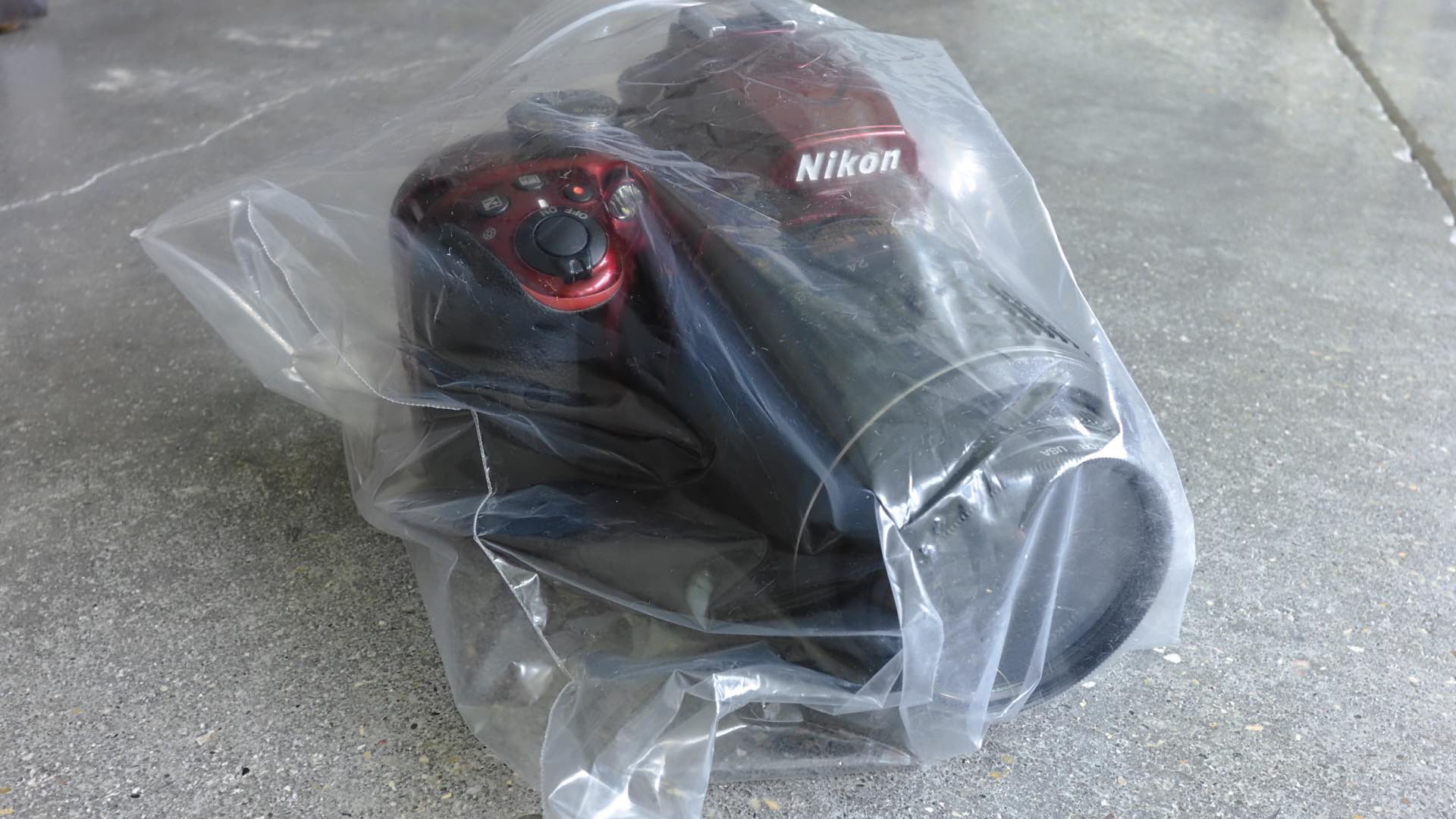
Thankfully you don’t need a weather-sealed camera for catching rainfall. Just drop your camera into a clear plastic bag and you’re good to go. Don’t worry about the possible image degradation that might be caused by diffusion through the plastic. If there is some fuzziness it could help to enhance the atmospheric look of the rainstorm.
Alternatively, you can elect to shelter yourself under a roof, porch, or awning and look for runoff cascading off your protective cover.
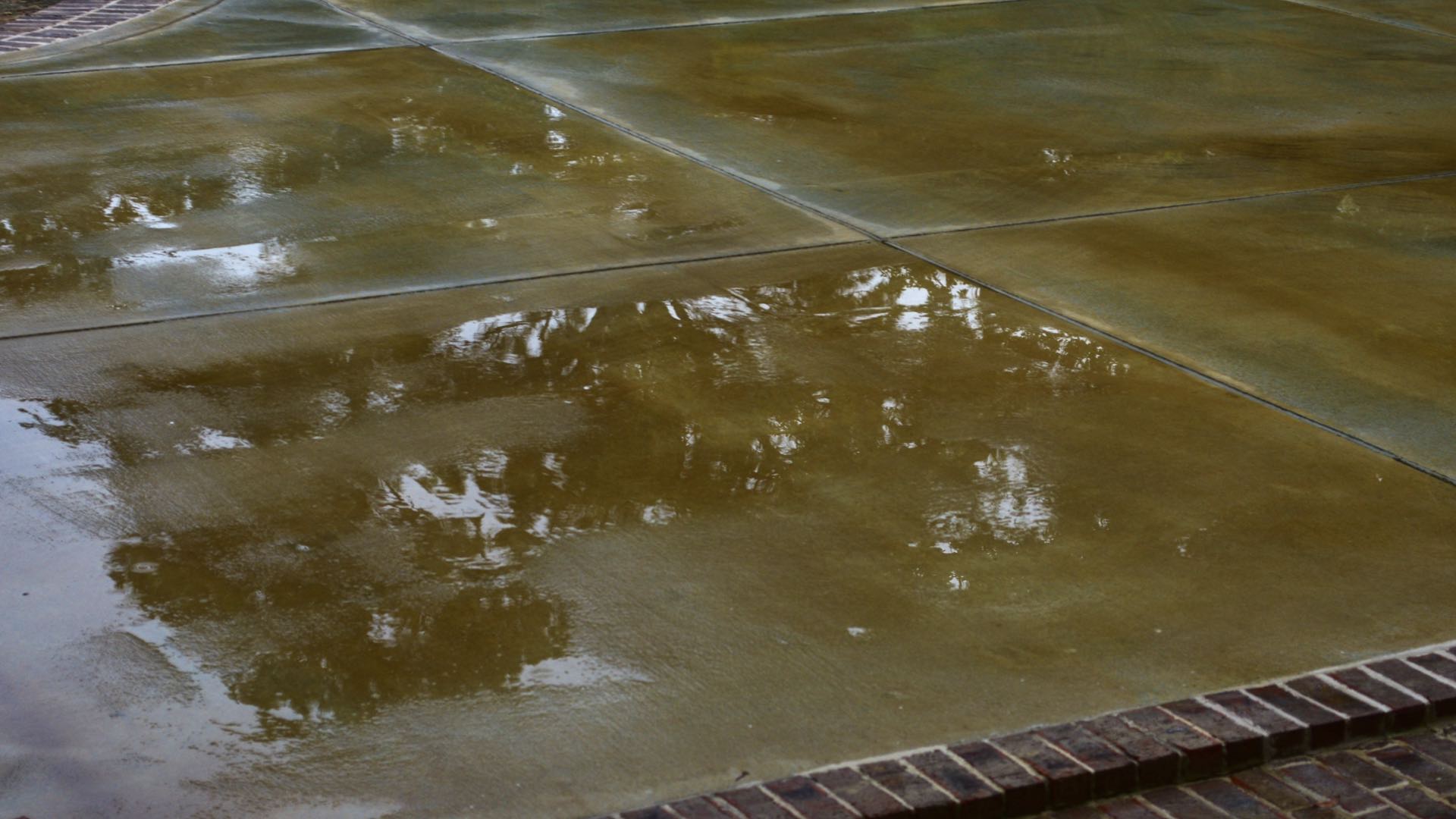
Finally, use puddles, ponds, lakes, and streams for showcasing ripples, drops, and water flow from a rainstorm. Whichever technique works best for you, remember to watch your local weather forecast for planning your next rainy day shoot.
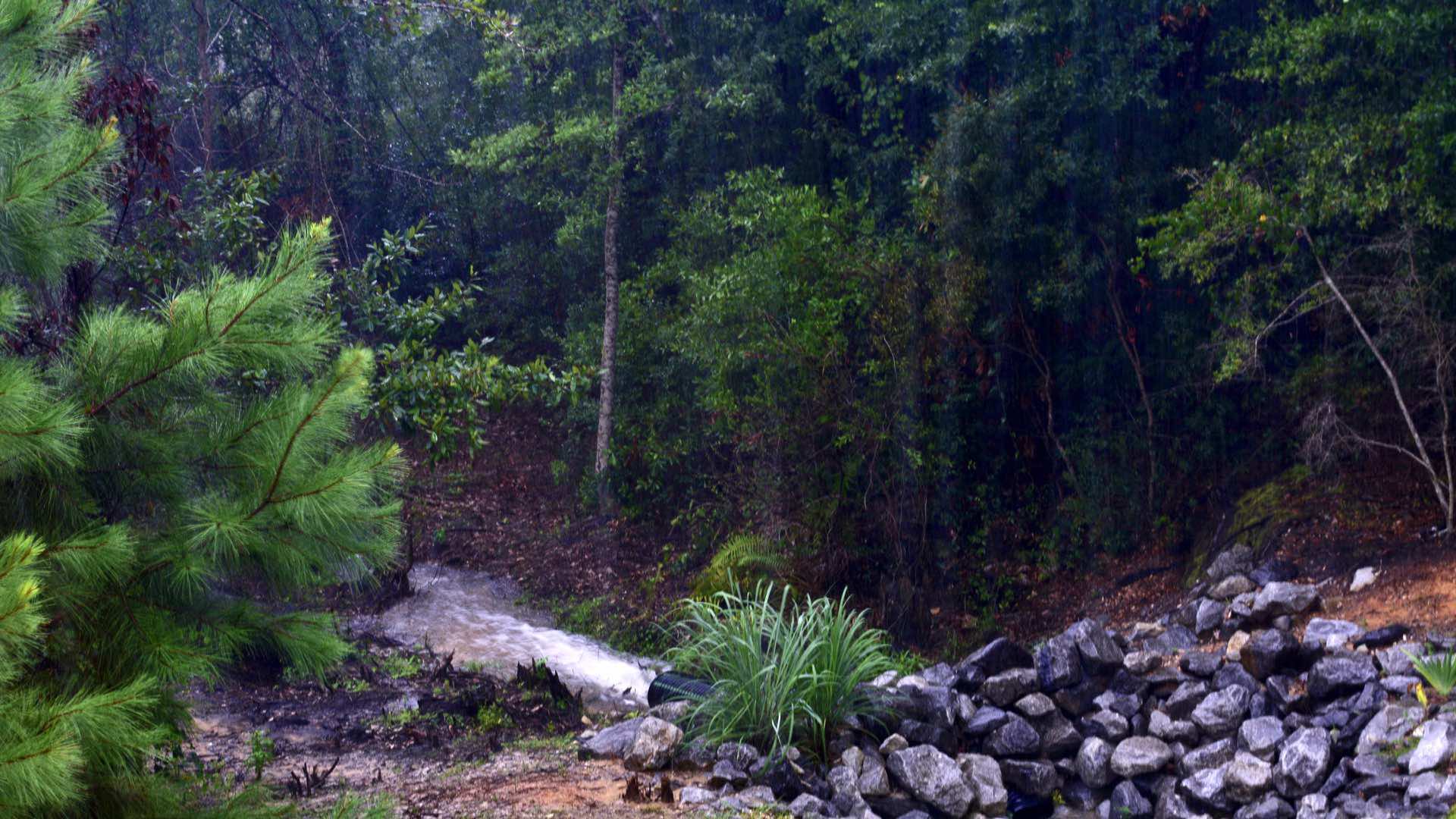
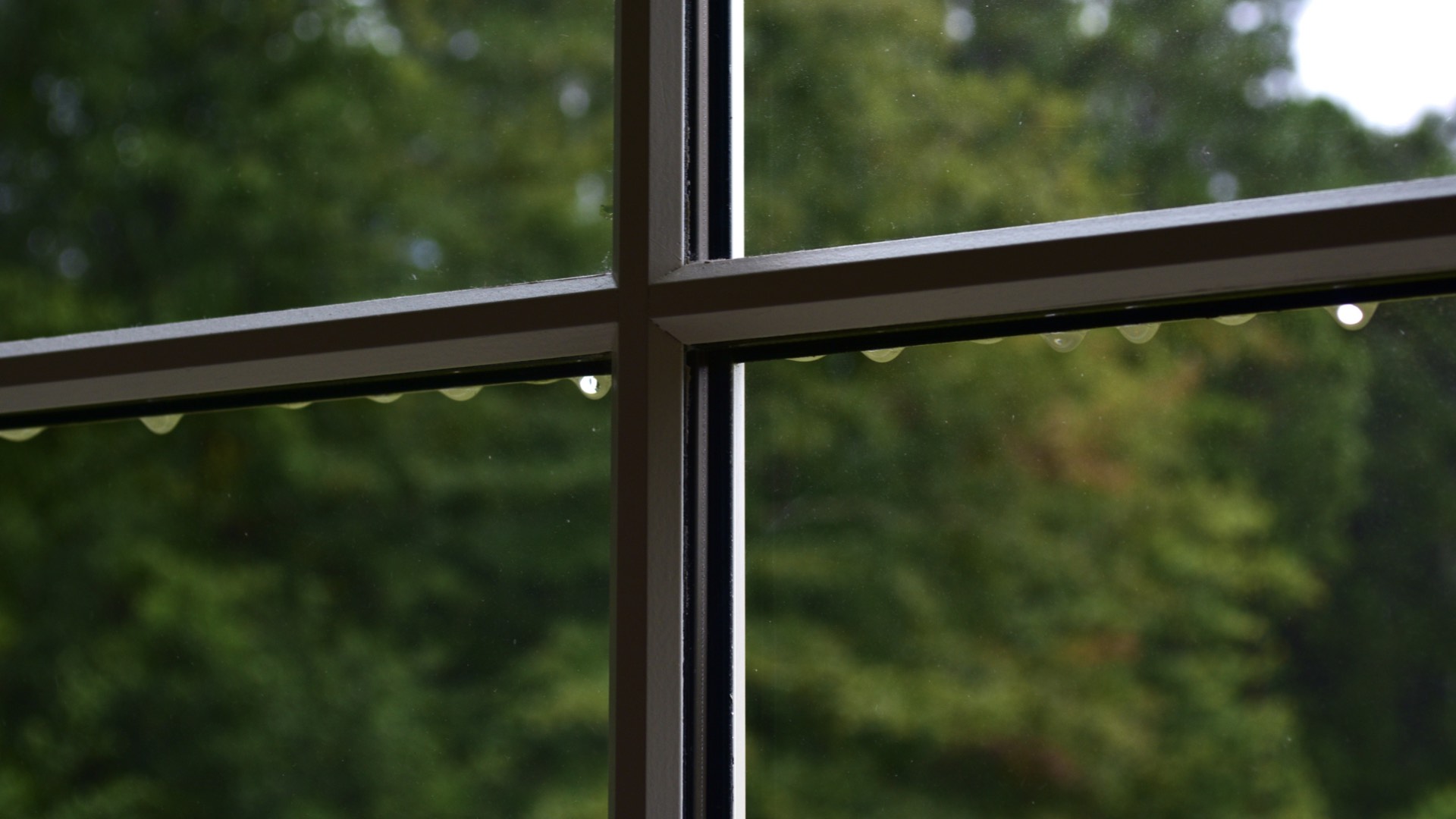
Enjoy.
See more from DIYPhotography.net on Google
Add DIYPhotography.net as a trusted source. This makes
our stories more likely to appear in your Google Search results.
 Add as a preferred source on Google
Filed Under:
Tagged With:

David Prochnow
Our resident “how-to” project editor, David Prochnow, lives on the Gulf Coast of the United States in Ocean Springs, Mississippi. He brings his expertise at making our photography projects accessible to everyone, from a lengthy stint acting as the Contributing How-To Editor with Popular Science magazine. While you don’t have to actually build each of his projects, reading about these adventures will contribute to your continued overall appreciation of do-it-yourself photography. A collection of David’s best Popular Science projects can be found in the book, “The Big Book of Hacks,” Edited by Doug Cantor.


Join the Discussion
DIYP Comment Policy
Be nice, be on-topic, no personal information or flames.