




















The Lens that Fell to Earth: Viltrox 16mm f/1.8 L Lens
Apr 11, 2026
David Prochnow
Our resident “how-to” project editor, David Prochnow, lives on the Gulf Coast of the United States in Ocean Springs, Mississippi. He brings his expertise at making our photography projects accessible to everyone, from a lengthy stint acting as the Contributing How-To Editor with Popular Science magazine. While you don’t have to actually build each of his projects, reading about these adventures will contribute to your continued overall appreciation of do-it-yourself photography. A collection of David’s best Popular Science projects can be found in the book, “The Big Book of Hacks,” Edited by Doug Cantor.
Share:
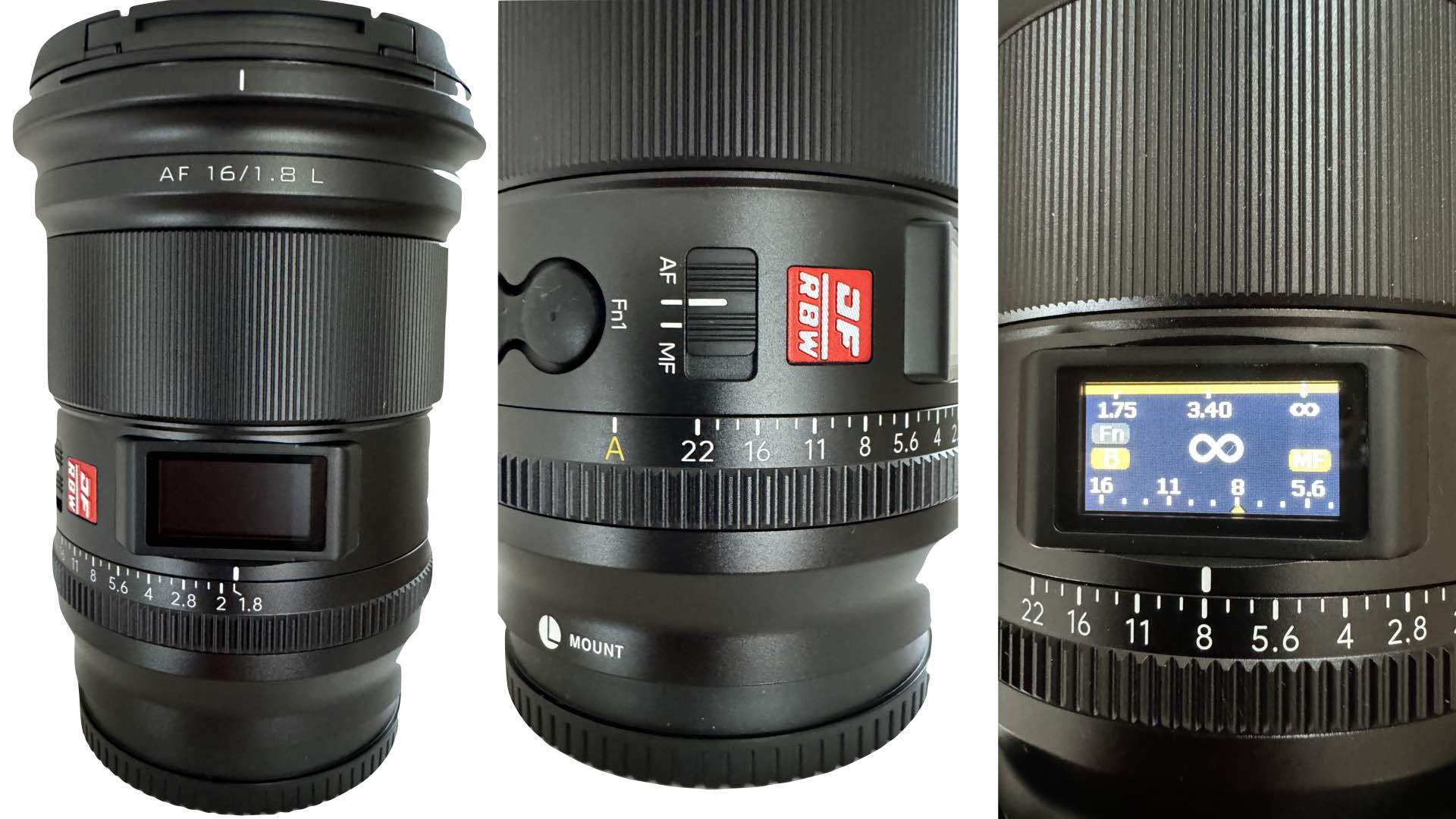
Imagine a camera lens with a built-in liquid crystal display (LCD) screen that shows aperture settings, depth-of-field scales, and precise focus distance measurements. It sounds like the kind of gadget from a futuristic sci-fi novel, doesn’t it?
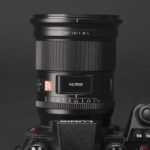
Remarkably, this science fiction oddity is here today and present on the new Viltrox 16mm f/1.8 L full frame autofocus lens. Priced at $580, and besides the LCD, this lens boasts some impressive features. Casting a 105.6-degree viewing angle, that focuses through a 9-blade aperture capable of squinting down to a nice f/22, and moved along with an internal autofocusing motor, this 16mm lens is weather-sealed for helping you realize your most demanding ultra-wide angle vision.
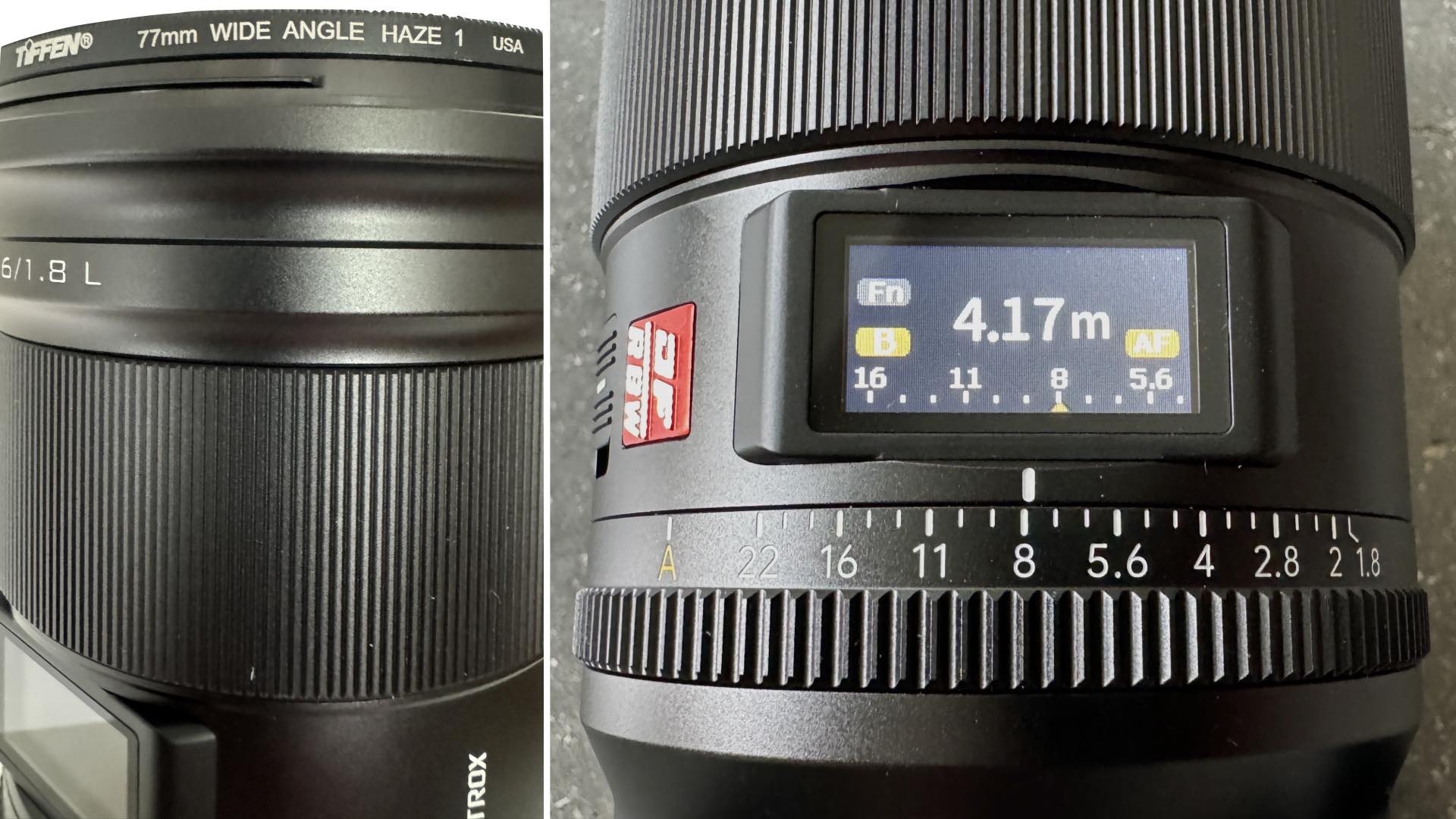
Sure, some Nikon Z lovers are gonna roll their eyes about a lens with an LCD screen. They are accustomed to having an available “quick check lens info panel” on lenses like the NIKKOR Z 14-24mm f/2.8S. The Viltrox, however, is an always-on, color screen; and this screen is packed with info.
As an information panel, the Viltrox 16mm f/1.8 L lens displays everything that a conventional lens will show you, but with a couple of very helpful data augmentations. For example, on a typical lens, you can only see a rough approximation of your subject’s distance. Lightly press the shutter release button on your camera, however, and the Viltrox lens shows you the exact subject distance measured in meters.
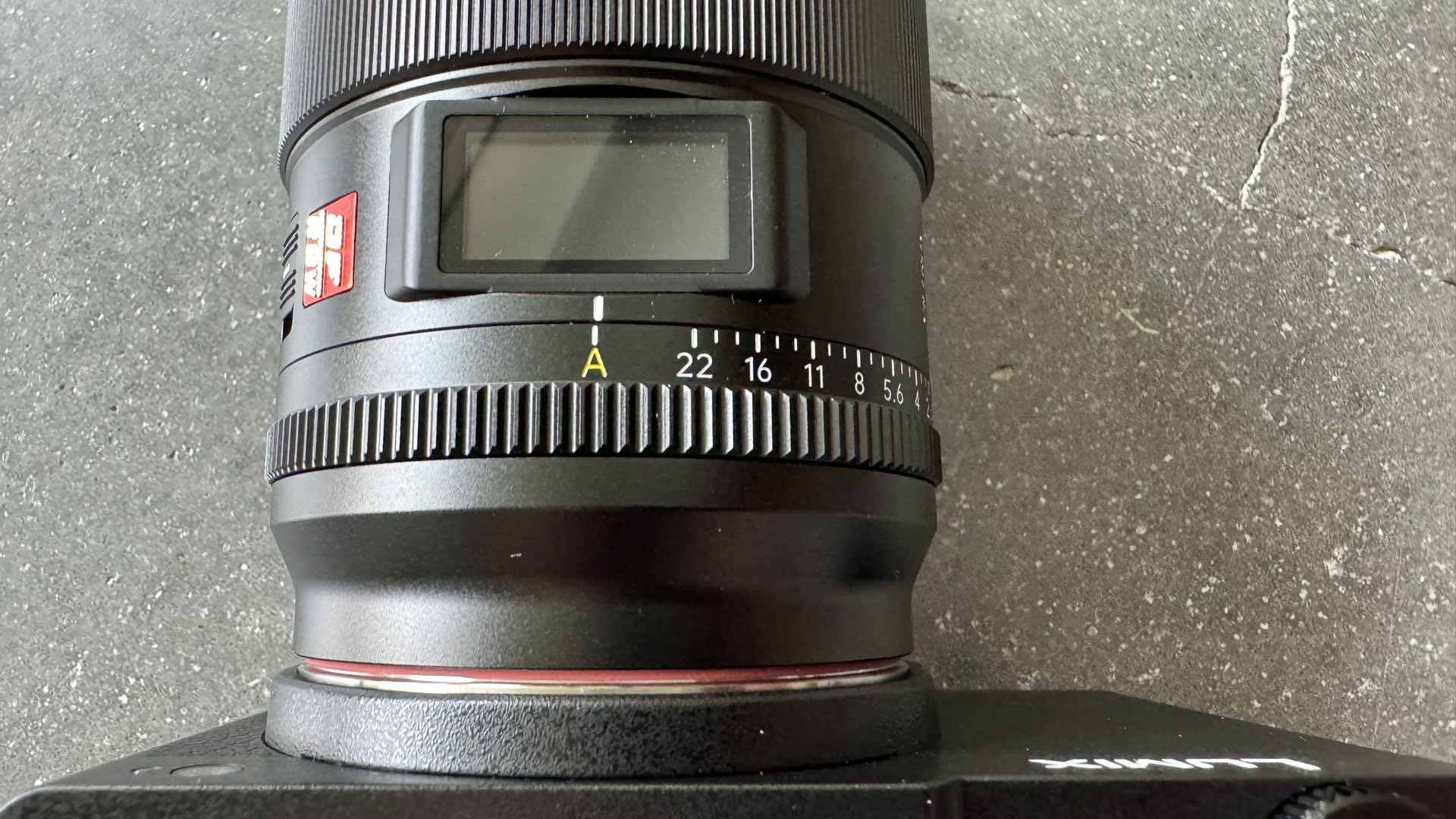
There is a redundant display of the aperture ring setting that oddly occupies the screen’s area directly above the “real” aperture ring. This duplication is offset by the inclusion of a helpful depth-of-field scale whenever the lens is switched to manual focus (MF) mode.
Along with the common focus selection switch (AF-MF) and aperture detent selection switch (Click ON-OFF), there are two rubber-booted pushbutton switches. While one switch enables focus lock (Fn1), the other button (Fn2) toggles between two preset, programmable focus stops.
This toggling is invaluable when one button setting (button option A) is dedicated to an infinity stop–night sky photographers, rejoice. One thing’s for sure, you’ll certainly feel like an astronaut using the Viltrox 16mm f/1.8 L lens on your camera.
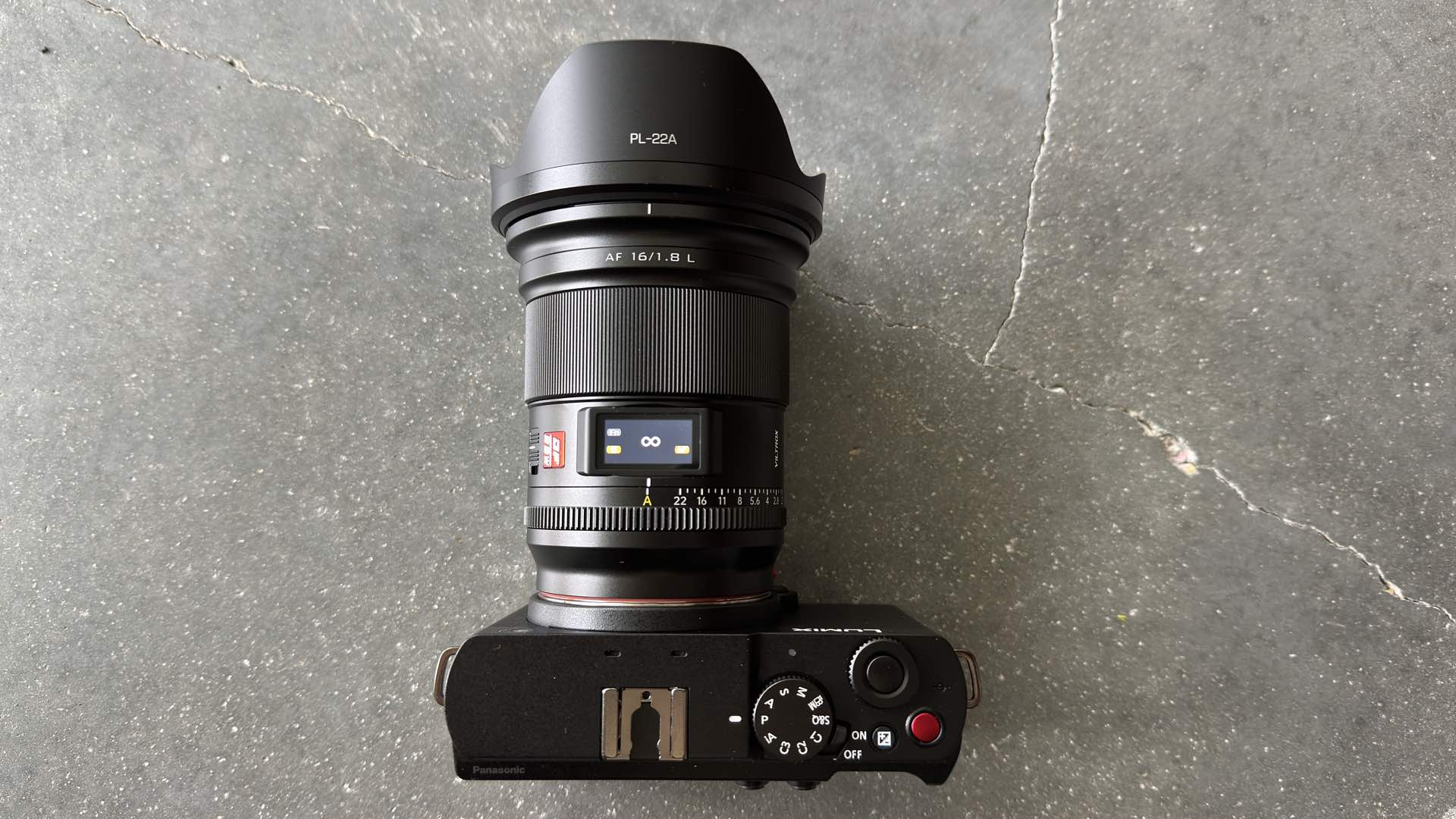
There is a big caveat about the use of this toggle button, however, that isn’t mentioned in the skimpy user manual. This button is only active when the lens is in manual focus (MF) mode. Although a logical operational consideration, this feature might leave you thinking the lens is broken.
A Lens That’s Wide in All the Right Places
This ultra-wide angle lens is a hefty addition to the front mount of your camera. Therefore, digging your lens-handling support elbow into your body will help to stabilize each exposure. Likewise, a solid tripod mounted on the camera will have no trouble supporting the 500+g lens.
In order to best evaluate the actual performance of the Viltrox 16mm f/1.8 L lens, please study these sample photographs.
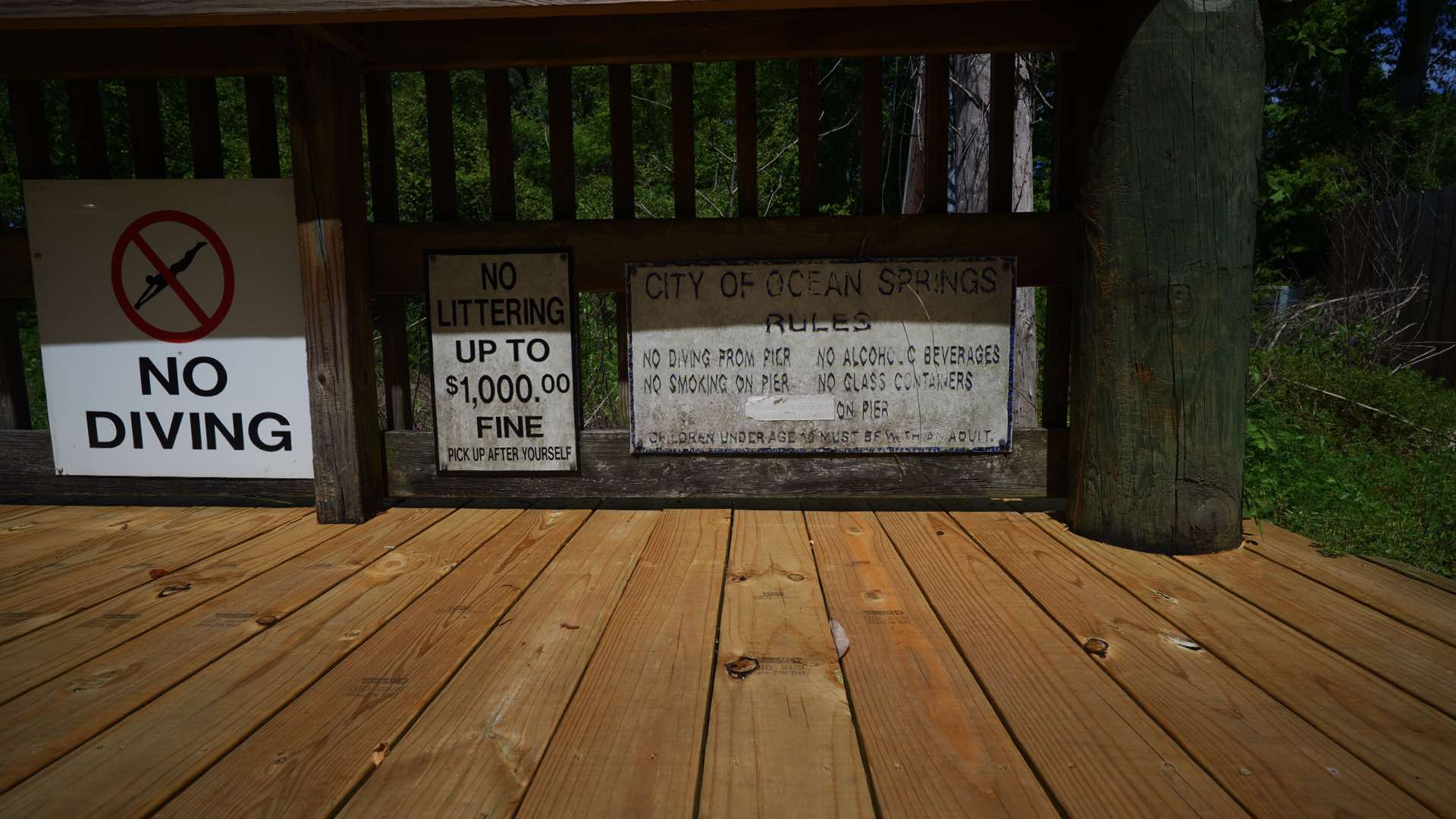
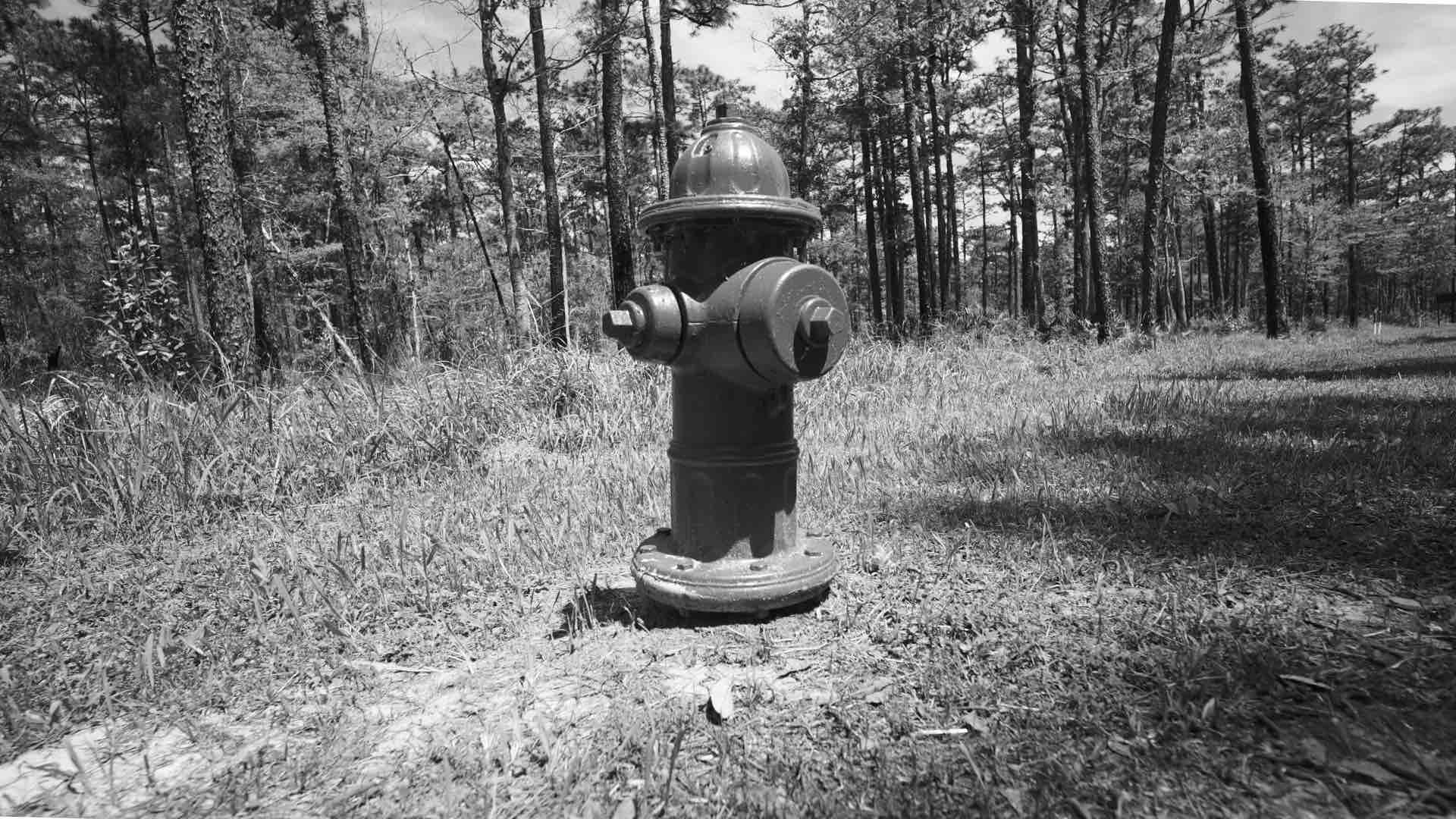
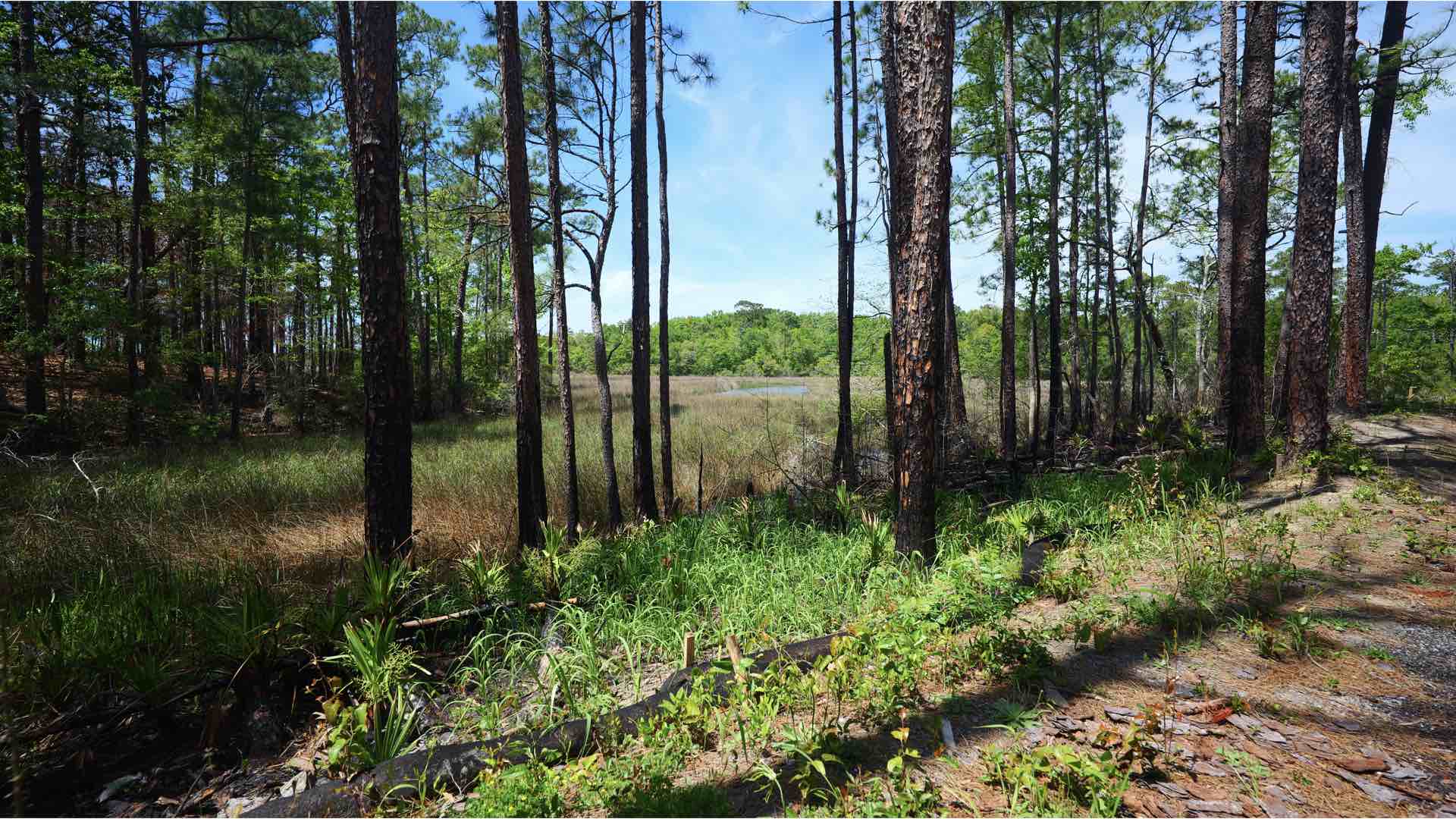
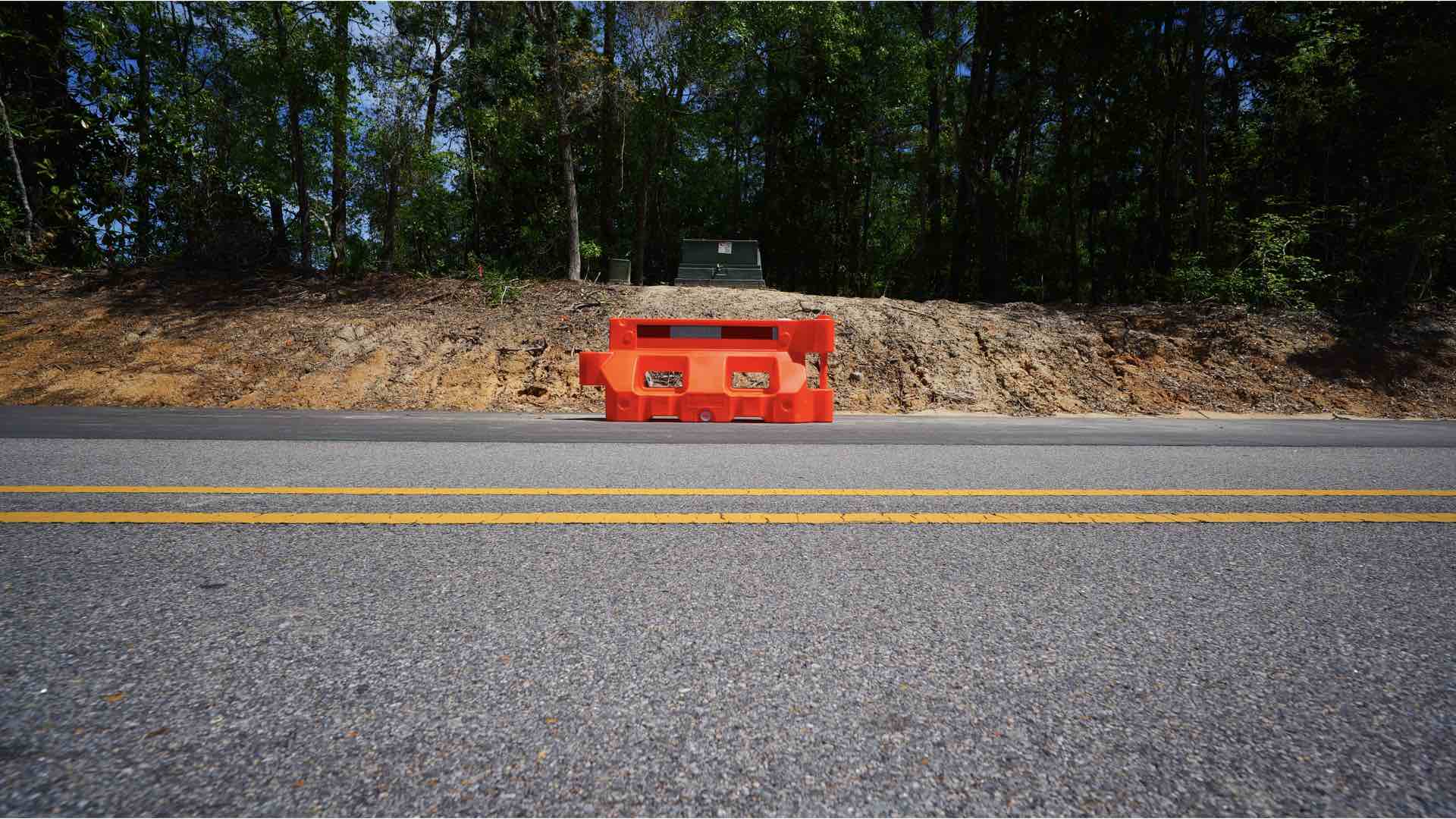
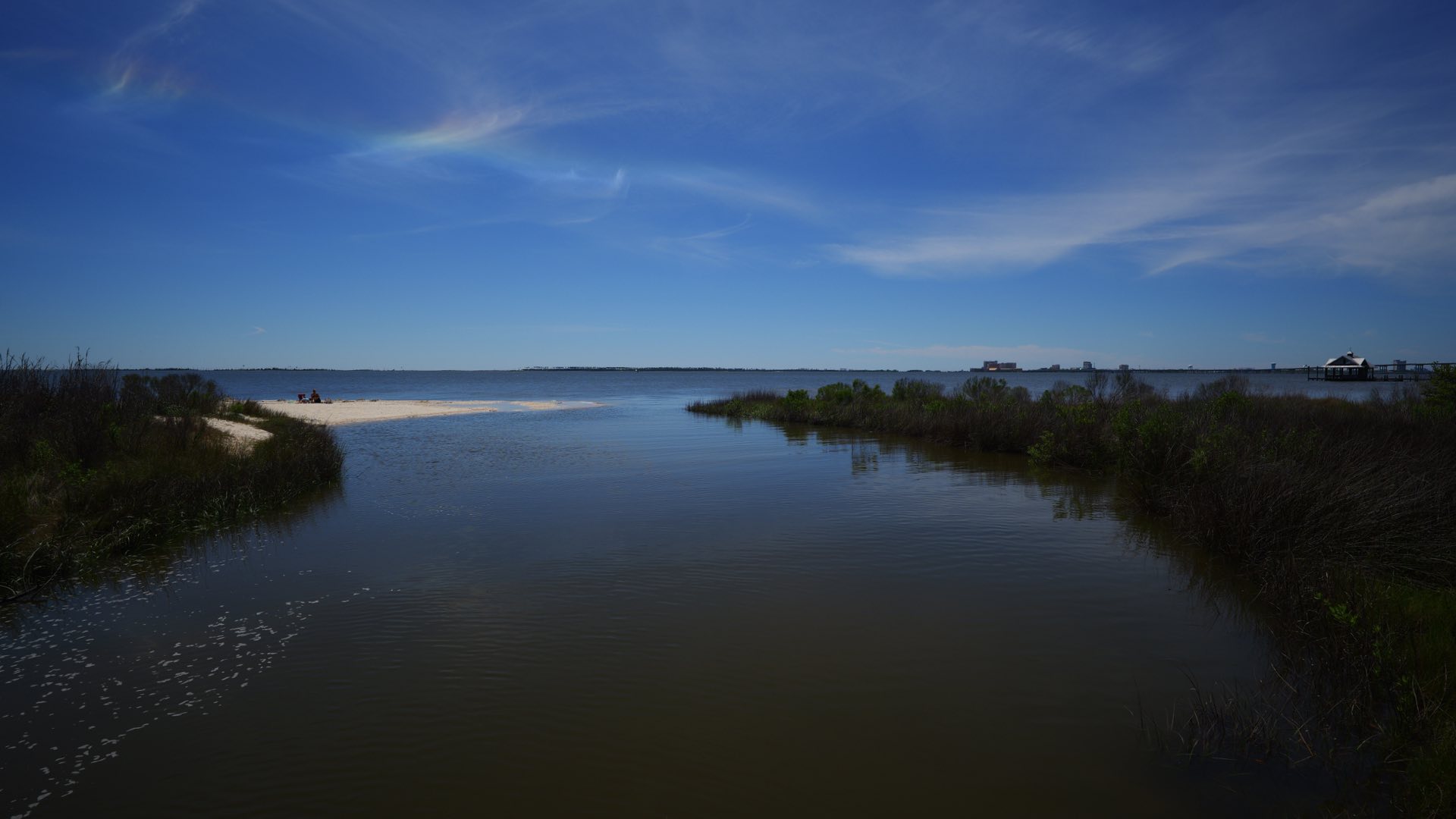
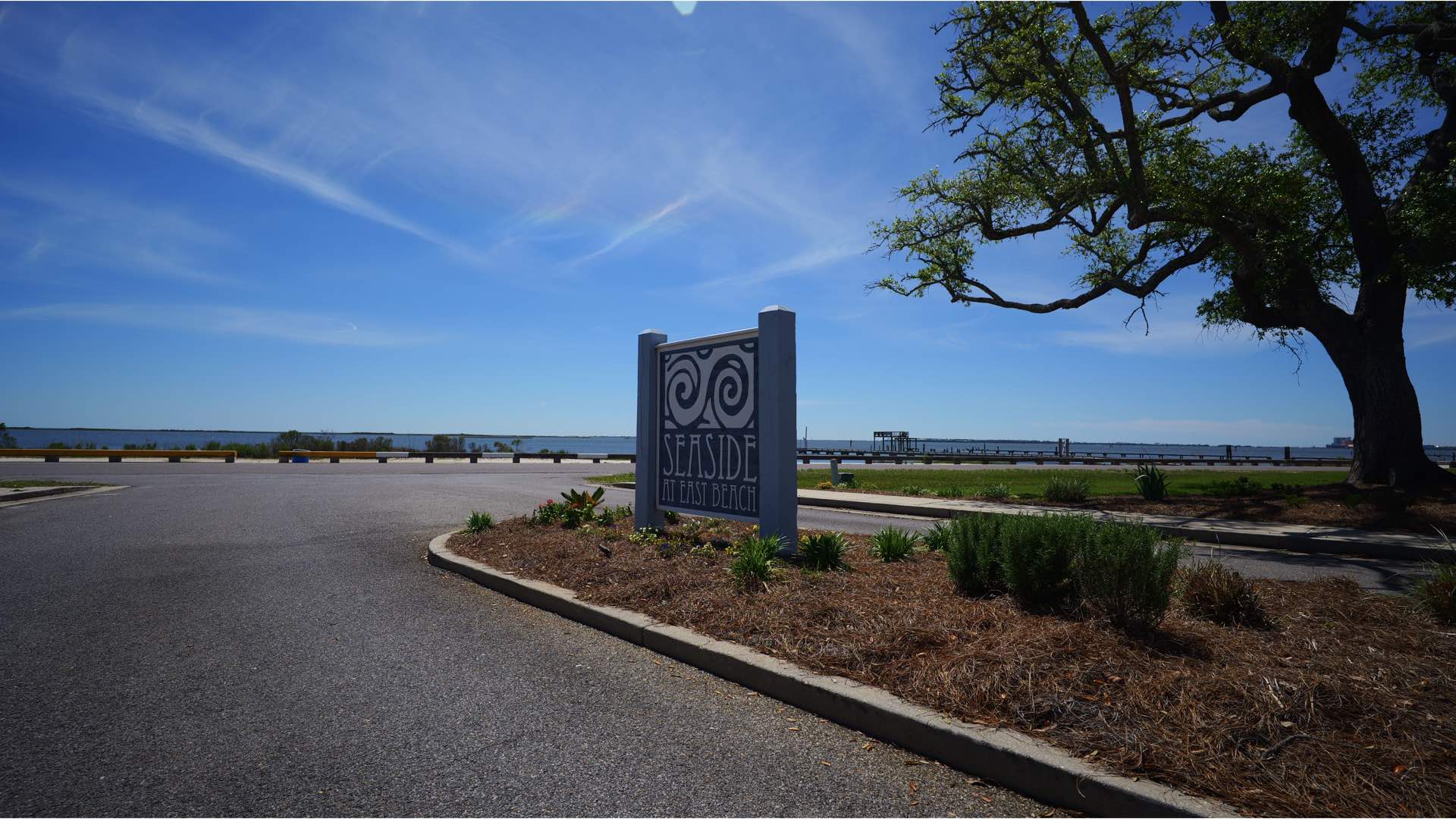
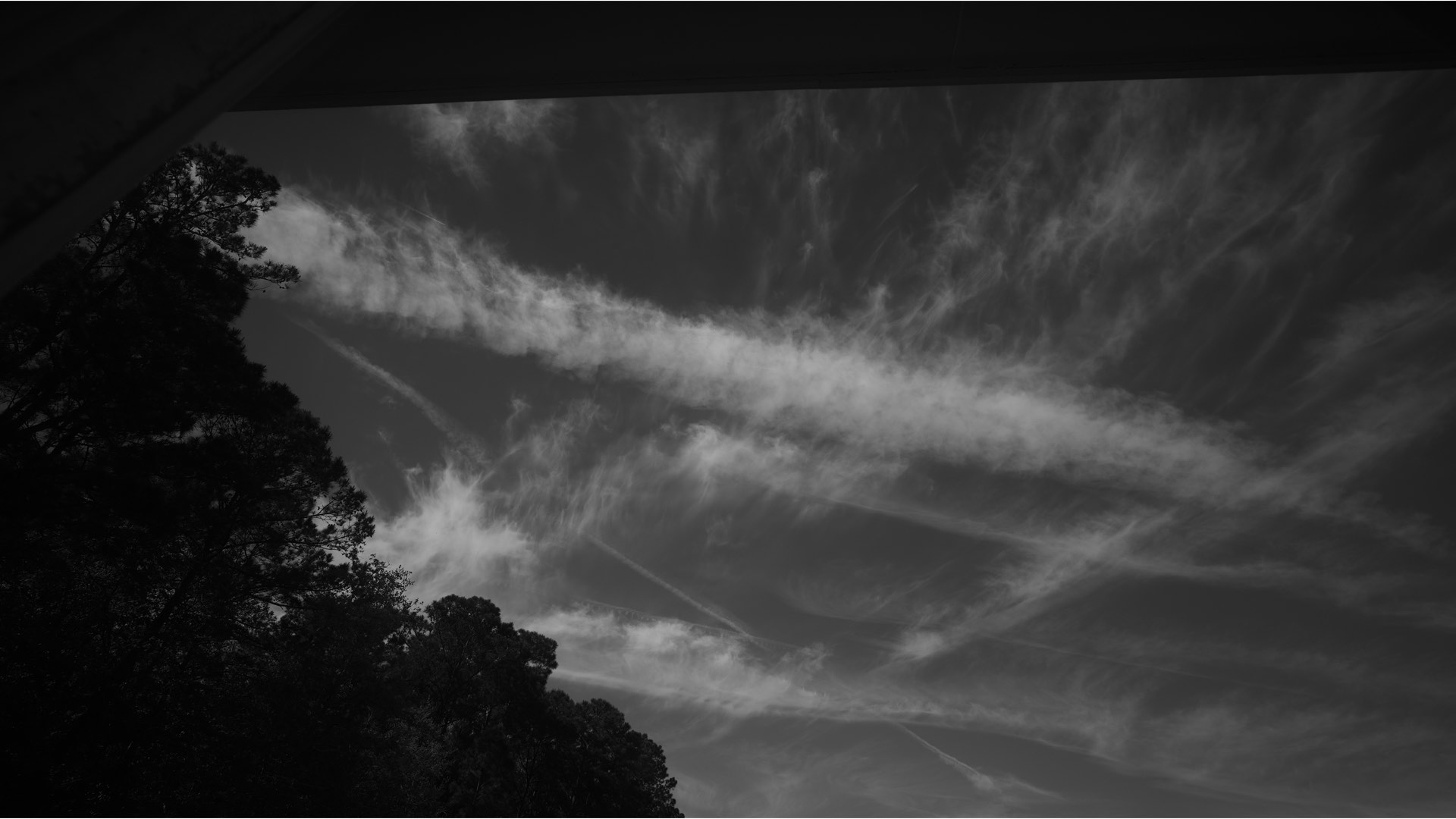
There is one strong virtue for having a lens that’s equipped with a futuristic color LCD screen. Night photography is a snap.
In fact, after you’ve activated your low-light shutter speed mode, your camera’s LCD panel can be disabled, and the lens used for conveying all relevant exposure information. Likewise, switching to manual focus mode and quickly gaining infinity focus will make your astrophotography, well, err, look astronomical. -To infinity and beyond!
Enjoy.
See more from DIYPhotography.net on Google
Add DIYPhotography.net as a trusted source. This makes
our stories more likely to appear in your Google Search results.
 Add as a preferred source on Google
Filed Under:
Tagged With:

David Prochnow
Our resident “how-to” project editor, David Prochnow, lives on the Gulf Coast of the United States in Ocean Springs, Mississippi. He brings his expertise at making our photography projects accessible to everyone, from a lengthy stint acting as the Contributing How-To Editor with Popular Science magazine. While you don’t have to actually build each of his projects, reading about these adventures will contribute to your continued overall appreciation of do-it-yourself photography. A collection of David’s best Popular Science projects can be found in the book, “The Big Book of Hacks,” Edited by Doug Cantor.


Join the Discussion
DIYP Comment Policy
Be nice, be on-topic, no personal information or flames.