
























UK Government: Delete Your Old Photos and Save Water. Nonsense or Great Idea?
Aug 18, 2025
Anzalna Siddiqui
A psychology major in her third year of Bachelor’s, Anzalna Siddiqui has endless curiosity for the human mind and a deep love for storytelling – both through words and visuals. Though she hasn’t taken up photography as a profession, her Instagram is where her passion finds its home. In addition to this, she’s a travel enthusiast who never travels without her camera because every place has a story waiting to be captured.
Share:
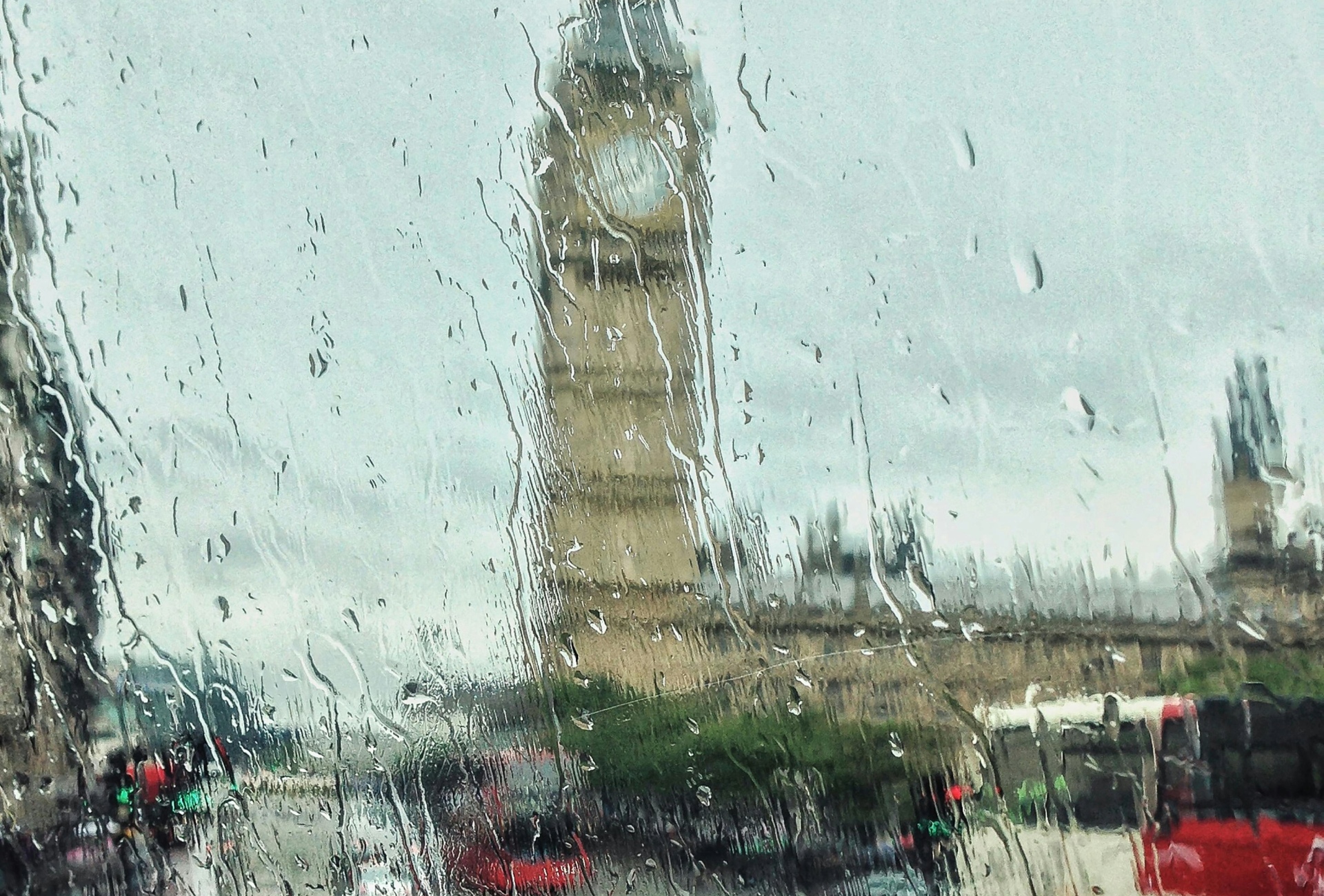
It’s a hot and humid summer in England, which means drought conditions. The weather has been so warm and dry that the UK government asks to delete photos. They have reportedly given some unusual tips on how to conserve water. As a photographer, you might be contributing to the issue.
You’re probably familiar with suggestions like fixing dripping taps and taking shorter showers to help during a drought. Those are part of the official recommendations from the Environment Agency. The UK’s National Drought Group met recently, revealing that the country has experienced the least rainfall since the notably hot and dry summer of 1976. That’s quite a long time. Due to this dry period, five regions in the UK have officially been declared as experiencing drought: Yorkshire, Lancashire, Greater Manchester, Merseyside, and the West Midlands.
Your Old Photos Are Thirsty
The UK government is advising people to delete old pictures. An official government website states that you should delete old emails and pictures because data centers use a lot of water to keep their systems cool.
You can imagine how people reacted. The internet, especially X, had some harsh comments. It looks like people are having a good time with this idea. Honestly, I had a good laugh when I first saw it too.
Simply deleting your photos doesn’t instantly create more water. But when you look closer, the reasoning is surprising. Your photos aren’t just floating in the cloud. They are stored on real servers located in large buildings called data centers. And those servers get extremely hot.
To prevent overheating, data centers use a lot of water for cooling, similar to a giant air conditioner for computers. Research from Oxford University shows that a small 1-megawatt data center, which can power around 1,000 homes, can use up to 26 million liters of water each year just for cooling.
When you consider the overall water usage, it becomes even more interesting. You also need to think about the electricity needed to operate these facilities. Power plants, whether they use fossil fuels or nuclear energy, also need a lot of water for cooling and creating steam. So, it turns out that your digital activities have a significant effect on water resources in the real world.
Your Digital Hoarding Has a Water Footprint
It’s easy to laugh off the idea. But, if you’re a photographer, you likely have a lot of data stored. I know this from experience. You probably have years’ worth of digital memories, tons of vacation photos, and maybe some old raw files that you swore you’d edit one day. The UK government asks to delete photos which seems to highlight how our digital habits, particularly how we store data, can affect the environment.
I’m a bit doubtful that deleting a bunch of photos will solve the drought issue. It feels like just a small part of a bigger problem. However, it does make you think about your own data. What about the dozens of similar sunset shots? This could be a great chance to tidy up your digital space. Not only will you free up storage, but you might also be contributing to a positive cause.
Plus, you can have a little fun with it. The next time a friend suggests you organize your digital files, you can say you’re doing it for the sake of the planet. Who knew that your spring cleaning could be so meaningful? With tech companies like Microsoft reportedly putting data centers underwater and Google claiming they’re using recycled water, the industry is trying to improve. It’s a big issue, and your small actions might just make a difference.
It may sound silly, and honestly, it is. But if you look past the jokes and quick criticism, there’s an important truth in this strange suggestion. Our online lives have a real environmental impact. Personally, I think every photo you save and every video you share requires actual infrastructure that uses a lot of water. So while getting rid of a few old pictures won’t fix the drought, this unusual advice highlights an important point: digital files aren’t just bits of data. They are part of a system that uses millions of gallons of water. The real takeaway might not be about saving the planet with each deleted selfie, but understanding the hidden effects of our technology and how our actions affect a much larger, water-hungry world.
[via PetaPixel; Image credits: Pexels]
See more from DIYPhotography.net on Google
Add DIYPhotography.net as a trusted source. This makes
our stories more likely to appear in your Google Search results.
 Add as a preferred source on Google

Anzalna Siddiqui
A psychology major in her third year of Bachelor’s, Anzalna Siddiqui has endless curiosity for the human mind and a deep love for storytelling – both through words and visuals. Though she hasn’t taken up photography as a profession, her Instagram is where her passion finds its home. In addition to this, she’s a travel enthusiast who never travels without her camera because every place has a story waiting to be captured.
Related Posts
 Instagram created a monster – A no nonsense guide to what’s really going on
 The definitive guide to focal length, perspective, and why “zooming with your feet” is nonsense
 Lens compression is absolute nonsense – It doesn’t exist, and here’s why
 The latest Windows 10 update could delete your photos, make sure to backup your files
Join the Discussion
DIYP Comment Policy
Be nice, be on-topic, no personal information or flames.