

















Thinking in 3D: Take better photos instantly with these five essential tips
Jan 3, 2025
Dunja Đuđić Kalinin
Dunja Djudjic is a multi-talented artist based in Novi Sad, Serbia. With 15 years of experience as a photographer, she specializes in capturing the beauty of nature, travel, concerts, and fine art. In addition to her photography, Dunja also expresses her creativity through writing, embroidery, and jewelry making.
Share:
While our photos are two-dimensional, they reflect a three-dimensional world. So, thinking in three dimensions is one of the keys to adding more visual interest to your shots. But how do you do it? Simon d’Entremont shares five excellent tips in his latest video to help you exercise this way of thinking – and ultimately create better, more striking, and more interesting photos.
Thinking in three dimensions is about more than capturing a subject. It’s about how the subject interacts with its surroundings, the direction of light, and your position as the photographer. Simon explains that this perspective allows you to create depth, showcase interesting lighting, and find the perfect perspective for your shot.
1. Use foreground, midground, and background
Adding layers to your image helps create depth. Simon suggests looking for elements in front of and behind your subject, such as grasses, rocks, or splashing water. These elements aren’t obstructions—they’re opportunities to add dimension and the “3D feel” to your photos. Simon shows his example of placing dandelions in front of a fox baby, making the image feel more dynamic and intentional. The key is to ask yourself, “What can I place in the frame to make this shot stand out?”
2. Align your subject with the background
Great photographers think about how the subject interacts with the background. Simon shares an example of aligning a plane with a harvest moon, which required careful planning in advance. He also captures stunning reflections or timed shots of crashing waves to enhance his compositions. Always look through your subject to the background and adjust your position to achieve the desired alignment.
3. Use side lighting for texture and shape
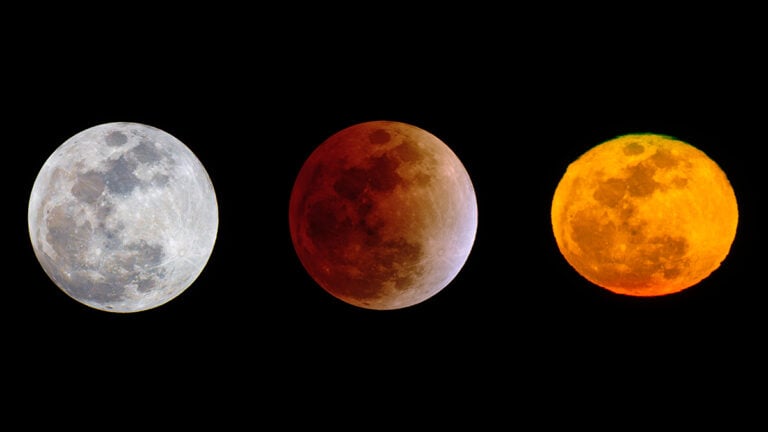
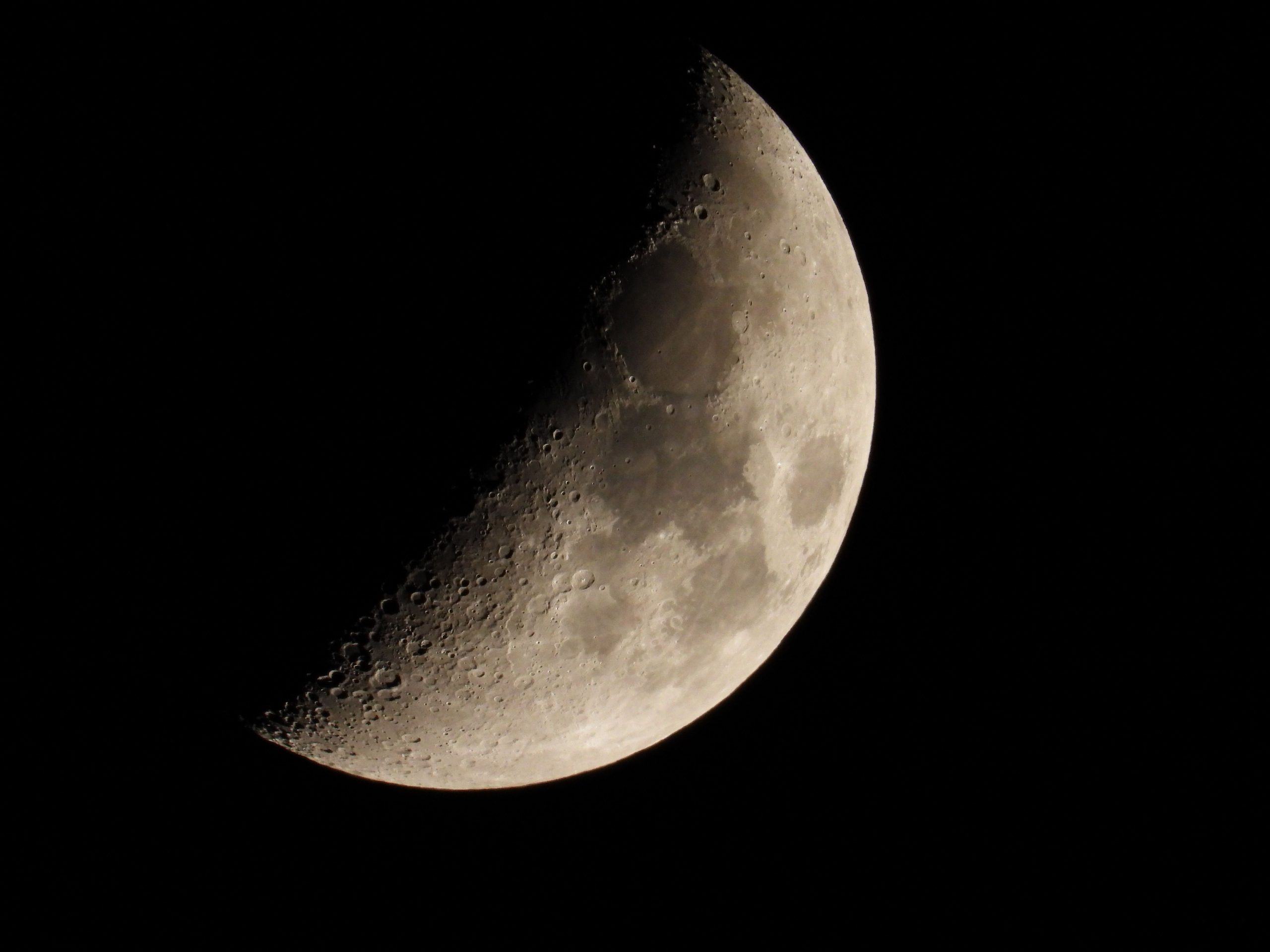
Side lighting creates a contrast between illuminated and shadowed areas, giving your subject a more three-dimensional appearance. Simon illustrates this with examples of elephants in Botswana and a crocodile lit by a warm sunset. Unlike front or backlighting, side lighting adds depth by highlighting textures and contours. I loved Simon’s example of the moon. While many of us like photographing it when it’s full, the truth is that side lighting during partial phases brings out its craters and ridges more effectively than when it’s fully illuminated.
4. Play with contrasting light
Another way to add depth is by capturing scenes where the subject and background are lit differently. For instance, a bird in the shade against a sunlit background can create a striking contrast. Simon advises exposing for the subject while ensuring the background isn’t blown out. You can also create silhouettes if the subject’s shape is easily recognizable, adding drama and intrigue to your photo.
5. Get closer for dramatic compositions
When you move closer to foreground elements, their size relative to the background changes. Simon explains how proximity can exaggerate the visual weight of foreground objects, as seen in his lighthouse photo with rocks that appear massive. By adjusting your distance, you can achieve the perfect balance between elements, enhancing the composition.
Bonus tip: Use reflections
Reflections are an excellent way to introduce another layer to your photos. Water or glass can add an otherworldly quality, making the scene feel deeper and more immersive. Simon suggests finding still water for smooth reflections and experimenting with your angle to control what appears in the mirrored surface.

Thinking in 3D isn’t just about seeing—it’s about approaching your shots intentionally and creatively. No matter the genre you shoot most, these techniques can help you create images with more depth and impact. The next time you head out with your camera, keep these tips in mind, try incorporating them, and watch your photography transform.
[Get BETTER PHOTOS applying the NUMBER ONE SKILL of PRO photographers! | Simon d-Entremont]
See more from DIYPhotography.net on Google
Add DIYPhotography.net as a trusted source. This makes
our stories more likely to appear in your Google Search results.
 Add as a preferred source on Google

Dunja Đuđić Kalinin
Dunja Djudjic is a multi-talented artist based in Novi Sad, Serbia. With 15 years of experience as a photographer, she specializes in capturing the beauty of nature, travel, concerts, and fine art. In addition to her photography, Dunja also expresses her creativity through writing, embroidery, and jewelry making.




Join the Discussion
DIYP Comment Policy
Be nice, be on-topic, no personal information or flames.